
Reviewed · JEWISH QUARTER TOURS
Budapest Jewish Heritage Memorial Walking Tour & Synagogue Entry
History here has weight.
This small-group tour ties together Budapest’s Jewish heritage with the kind of guided context that makes monuments feel personal, not just official. I like that it starts right at the Dohány Street Synagogue, then keeps moving through museums and memorial parks while your guide connects the dots. You’re also in for a clear, English narration style—so you won’t be left trying to translate history in your head.
Two things I really like: you get an included interior visit to the synagogue complex and a guided museum stop focused on Hungarian Jewish life through art and everyday traditions. I also love that the route doesn’t stop at beautiful architecture—it slows down at memorial sites tied to people like Raoul Wallenberg, and it walks through the old Jewish Quarter’s WWII story.
One consideration: the tour is mostly standing and listening, with some longer indoor segments. If you’re the sort who gets restless in quieter spaces, plan to treat this as an intentionally reflective experience rather than a quick sightseeing sprint in about 3 hours.
In This Review
- Key highlights worth your time
- Where the tour starts: Dohány Street Synagogue in full view
- The Jewish Museum and Archives: art you can read, not just stare at
- Wallenberg and Carl Lutz memorials: learning through people and place
- Crossing the old Jewish Quarter: ghetto history on your walking route
- Grand Tour extras: Kazinczy Street Synagogue and the art-nouveau contrast
- The kosher food stops: an easy win after a heavy walk
- Price and what you’re really paying for (it’s not just tickets)
- Logistics that matter: meeting point, duration, and keeping your day sane
- Who should book this tour (and who might prefer another pace)
- Should you book? My practical take
- FAQ
- How long is the tour?
- What does the tour cost and do I need to buy tickets separately?
- Is it offered in English?
- How many people are in the group?
- Where does the tour start?
- Is hotel pickup included?
Key highlights worth your time
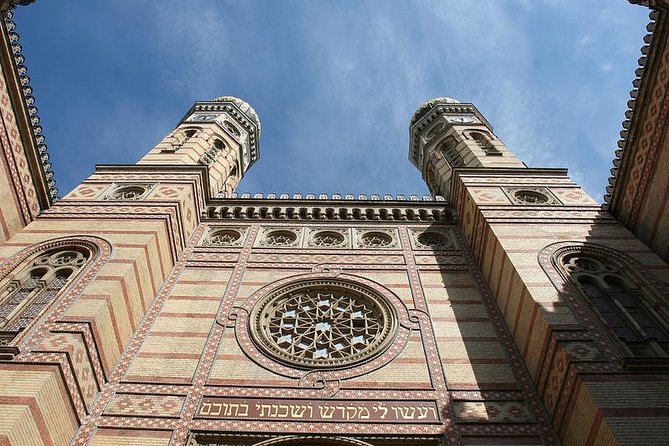
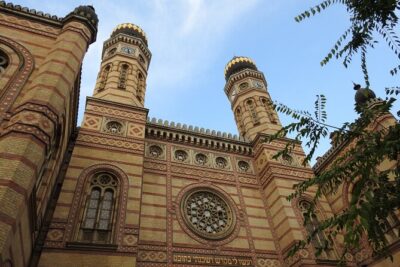
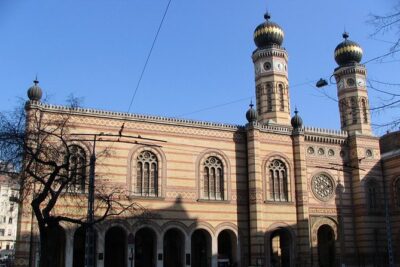
- Interior access to Dohány Street Synagogue (the largest in Europe, second largest in the world) with a guided walkthrough
- Guided Jewish Museum and Archives visit with art plus a separate room dedicated to the Holocaust
- Memorial parks named for wartime rescuers like Raoul Wallenberg, with context that makes the names matter
- Old Jewish Quarter + WWII ghetto history on foot so you understand the neighborhood layout, not just dates
- Grand Tour option adds more synagogues and stops, including Kazinczy Street Synagogue and Carl Lutz Memorial Park
- Kosher bakery time plus a Carmel restaurant discount gives you an easy, local food plan afterward
Deeper into old District VII
- Budapest Jewish Heritage Memorial Walking Tour & Synagogue Entry★ 5.0 · 568 reviews
- Budapest: Jewish Heritage Guided Tour with Synagogue Ticket★ 4.8 · 533 reviews
- Jewish Quarter of Budapest Walking Tour★ 4.7 · 369 reviews
- German tour in the Budapest city centre & the Jewish quarter★ 5.0 · 359 reviews
Where the tour starts: Dohány Street Synagogue in full view
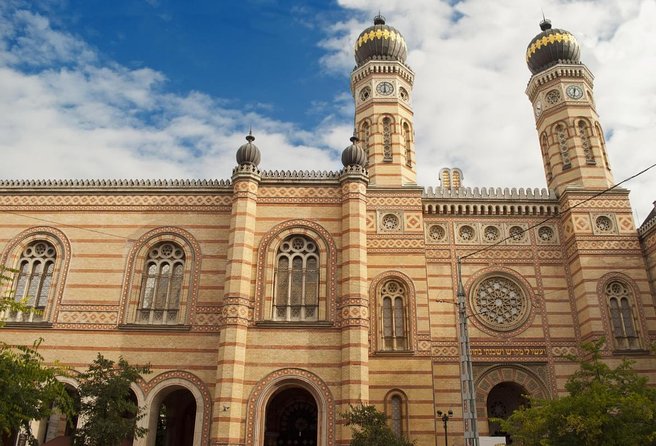
Most Budapest walks start at a square. This one starts at a statement.
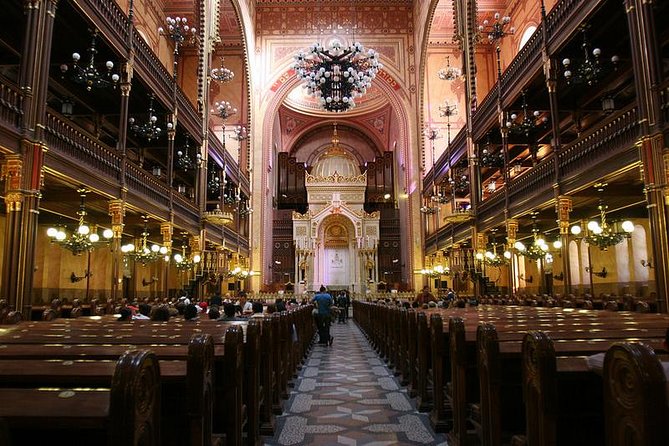
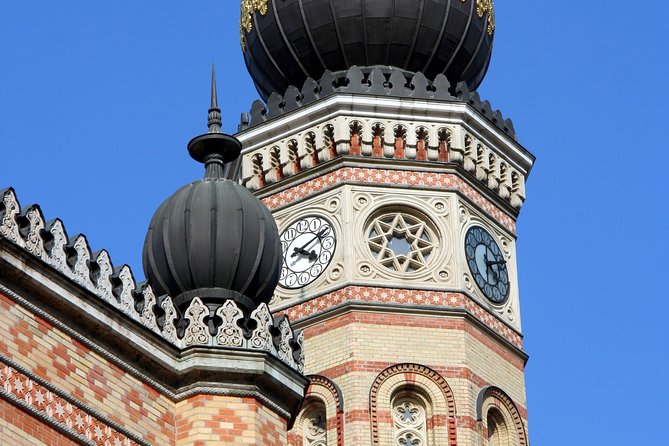
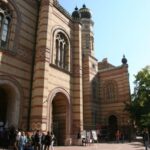
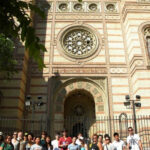
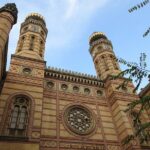
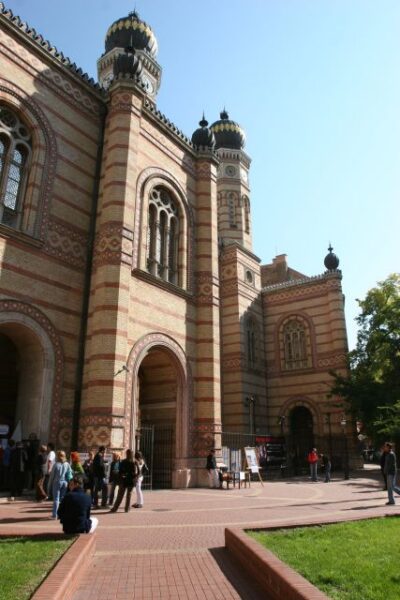
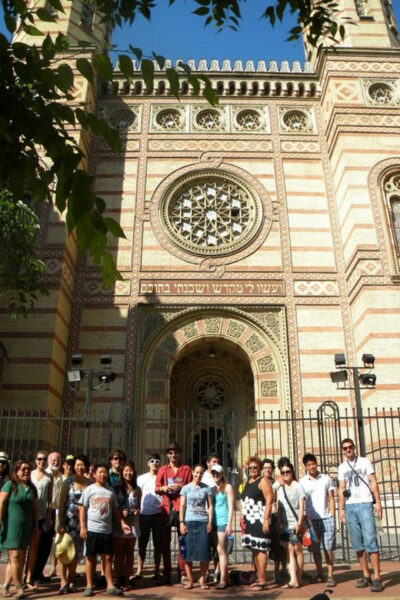
You meet at Dohány Street Synagogue (Dohány u. 2), and the first big wow is that you’re not just looking at the building from the outside. You go inside for an interior visit. The synagogue is described as the largest in Europe and the second largest in the world, and you can feel why that matters as soon as you’re inside. It’s built to hold a community and a future, not to be a quiet museum photo-op.
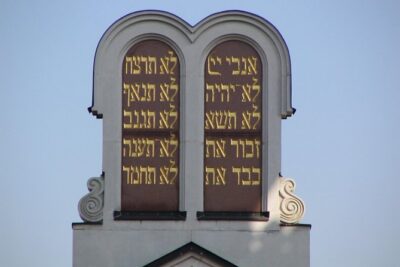
This is also where a good guide makes the difference. The best tours don’t overwhelm you with facts; they help you notice what you’re seeing. Think: how the space works, why the building has the symbols it does, and how Budapest’s Jewish story fits into wider European history. You’ll spend about 30 minutes here, so it’s enough time to take it in without turning it into an endurance test.
Practical tip: dress for a respectful indoor visit—covering shoulders or keeping it modest tends to feel right in sacred spaces. Also, remember that this part can be emotionally intense even when it’s visually gorgeous. If you’re the type who needs a buffer, you’ll want the rest of your day planned with some flexibility afterward.
The Jewish Museum and Archives: art you can read, not just stare at
After the synagogue, the tour moves to the Jewish Museum and Archives, where the tone shifts from architecture to human life. You get a local guided tour here, and that’s key. Without guidance, it’s easy to treat museum objects like a checklist. With guidance, you start seeing patterns: how holidays show up in daily routines, how traditions stay alive, and how culture survived upheavals.
What makes this stop especially good value is the mix of content. You’ll see works of art connected to Hungarian and Eastern European artists, and you’ll also get a museum experience that connects Judaism to holidays and everyday living. That matters because it resists the common trap: only learning about a community through tragedy.
Then there’s a separate room dedicated to the Hungarian Holocaust. It’s not presented like a side note. It has its own weight and space. Expect this section to feel serious and, depending on your temperament, a little heavy. The good news is the tour doesn’t treat it as a one-minute stop. You’re given time to understand why it’s there and what it represents.
One more reason this museum stop works: you’re not just handed a timeline. Your guide helps you understand how the pieces link together—community, culture, war, survival, and memory.
Wallenberg and Carl Lutz memorials: learning through people and place
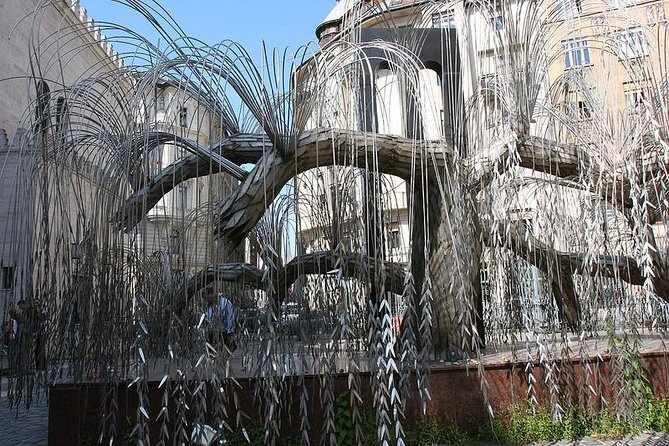
On the essential route, you’ll reach the Raoul Wallenberg Holocaust Memorial Park. Wallenberg’s name is famous, but this stop helps turn a headline into a local, place-based story. A memorial park is different from a classroom. It’s built to be walked, noticed, and absorbed at your own pace—while the guide frames what you’re seeing so you don’t miss the point.
On the Grand Tour, you add another major figure: the Carl Lutz Memorial Park. Again, it’s not just a name plate moment. It’s a reminder that individuals acted, took risks, and affected outcomes during WWII. That perspective matters because it changes how you interpret history. You stop seeing events as only something that happened to people, and you start seeing what people did for each other—even when the world was collapsing around them.
These stops also do something that many tours skip: they connect the emotional tone of the synagogue and museum to the geographic reality of Budapest. You’re not bouncing around between far-flung landmarks. You’re moving through a neighborhood that shaped lives.
Crossing the old Jewish Quarter: ghetto history on your walking route
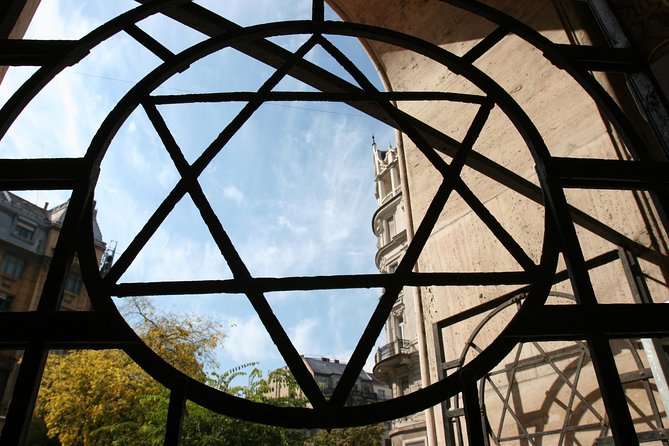
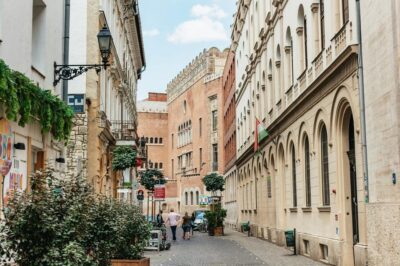
The tour includes time walking through parts of Budapest’s old Jewish Quarter, the area that was a ghetto during the Second World War. This is one of those segments where you’ll get more out of it if you slow down your pace and actually look at the street layout. The guide’s narration helps you “read” the neighborhood—why certain areas mattered, how segregation changed daily movement, and how the past still echoes in the present-day streetscape.
This is where a small group is helpful. With a maximum of 15 travelers, questions tend to land better, and it’s easier for the guide to adjust the pace. If your guide is a strong storyteller, you’ll pick up on details that make the history stick.
Heads-up: some people find this part especially sobering. That’s normal. You’re visiting a neighborhood with a painful past. If you want a lighter sightseeing day, pair this tour with something more upbeat later only if you’ve got the emotional energy.
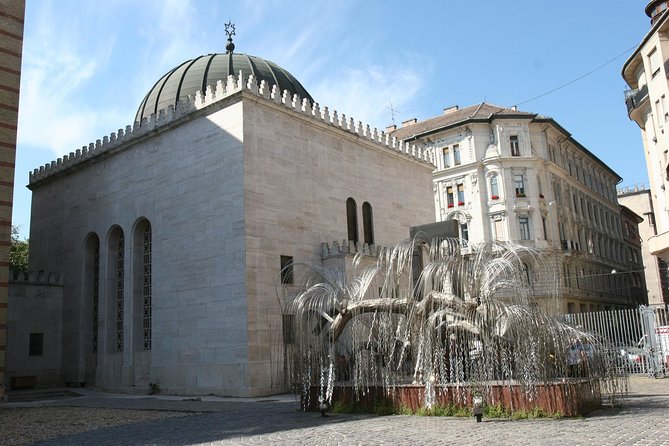
Also, the route can include Heroes’ Temple, which commemorates lives lost during World War I. That’s a reminder that Jewish history in Budapest isn’t only WWII. It’s a longer story, shaped by multiple conflicts and multiple waves of remembrance.
Budapest at street level, more routes on foot
Grand Tour extras: Kazinczy Street Synagogue and the art-nouveau contrast
If you choose the Grand Tour, the route expands beyond the essential version. You’ll pass Gozsdu Udvar, a thriving passageway area—short stop, but it helps you transition from memorial intensity to the living city around the Jewish quarter.
Then comes Kazinczy Street Synagogue. This stop is a big deal because it’s not a decorative stop. It’s an actively operating synagogue of the Hungarian Orthodox Jewry, described as one of the largest operating Orthodox synagogues in Europe. The building style is also a standout: art-nouveau architecture.
Here’s why this matters for value: seeing two synagogues with different architectural identities helps you understand that Jewish community life is not one-size-fits-all. Different traditions, different expressions, same continuity.
You’ll also get an option at the end of the tour. You can join a cake time at the glatt kosher Fröhlich confectionery, or you can receive a 10% discount at the glatt kosher Carmel restaurant later that evening on your own. Either way, the tour gives you a built-in food plan that keeps you from wandering around hungry and asking, Where do we go that’s actually worth it?
The kosher food stops: an easy win after a heavy walk
The Fröhlich Bakery and Café stop is designed as a breather. It’s not random. After synagogue interiors and memorial context, a sweet break helps reset your brain without turning the day into something shallow.
Even better, the tour offers you an evening option through the 10% discount at Carmel. That’s practical. You don’t have to guess where to eat kosher. You get a direct, budget-friendly nudge to try a restaurant where the tour provider already points you.
If you’re food-motivated, this is also where the Grand Tour feels particularly “complete.” You’re done with the history component, then you have a local meal plan—no frantic searching.
Small practical note: bring a little patience. Dessert lines and timing can vary, and the tour ends at a different location than it begins. If you want an easy next step afterward, check the meeting and end points ahead of time and plan your evening around that.
Price and what you’re really paying for (it’s not just tickets)
At $83.44 per person for around 3 hours, the first question is: is it worth it compared to DIY sightseeing?
In my view, this price makes sense because you’re paying for three things you’d struggle to assemble on your own:
- Included entry where it counts most (the synagogue interior, plus museum access and guided elements)
- A guided story that ties together multiple stops—synagogue, museum, memorial parks, and (on Grand) an additional synagogue and more WWII-related sites
- Group management for a route that’s time-sensitive and structured, with a maximum of 15 people
If you just walked the area on your own, you might see the buildings. You might even get into a museum. But you’d lose the through-line: why each place is where it is, what it represents, and how it fits into Budapest’s larger Jewish and wartime story.
And yes, it’s small-group, which tends to improve the quality of Q&A. In the real world, that’s often what turns a “nice tour” into a “I’ll remember this.”
Logistics that matter: meeting point, duration, and keeping your day sane
This tour starts at 10:00 am at the Dohány Street Synagogue. There’s no hotel pickup, so you’ll want to arrive a bit early and get your bearings before the group gathers.
The tour runs about 3 hours depending on the option you choose (essential versus Grand), and it’s offered in English. You’ll use a mobile ticket, and the tour is listed as near public transportation, which helps if you’re already exploring the Jewish Quarter area.
One more detail worth noting: the tour ends in a different location than where it starts. That’s not a deal-breaker, but it does mean you should plan your next activity knowing you won’t be returning to the exact same point right away.
If you like to travel with minimal stress, keep your post-tour plans flexible, especially if you choose the Grand option and add the Fröhlich cake or plan dinner near Carmel.
Who should book this tour (and who might prefer another pace)
This is a great fit if you want more than architecture photos. If you care about history that connects to real places—synagogues, museums, and memorial parks—this tour offers a focused route that doesn’t waste your time.
It’s also a strong choice if you enjoy asking questions. Many tours feel like monologues. This one is designed around narration and small-group discussion, and guides often encourage questions and adapt to the group’s interests.
Choose the Essential Tour if your schedule is tight and you mainly want the anchor stops: Dohány Street Synagogue, the Jewish Museum, and the Wallenberg memorial park plus a neighborhood walk.
Choose the Grand Tour if you want more sites and an extra synagogue stop—plus more WWII-focused memorial context—and you’d like the kosher sweet break and/or the Carmel dinner option.
If you’re only after quick, light sightseeing, you might find the reflective tone and indoor listening time less fun than you expected. This is history with emotion. Plan your day accordingly.
Should you book? My practical take
Book it if you want your Budapest Jewish Quarter day to feel coherent, respectful, and worth the price. The combination of included synagogue entry, a guided Jewish Museum experience, and memorial stops tied to key WWII figures makes this more than a standard “see a synagogue” tour.
Skip it or consider a different style if you hate guided pacing and prefer to wander freely with zero structure. Also think twice if long indoor seated listening will wear you out.
If your goal is to leave Budapest with both context and a strong emotional understanding of the places you visited, this one is a strong choice—especially for an English-speaking traveler who wants the story told clearly, not scattered.
FAQ
How long is the tour?
The tour is about 3 hours (approx.). The exact timing can vary a bit depending on which option you choose.
What does the tour cost and do I need to buy tickets separately?
The price is $83.44 per person. Entrance tickets to key sights are included in the tour, including the synagogue interior, and the Grand Tour option includes entrance to Kazinczy Street Synagogue.
Is it offered in English?
Yes, the tour is offered in English.
How many people are in the group?
The group size is limited to a maximum of 15 travelers.
Where does the tour start?
The tour starts at Dohány Street Synagogue, Dohány u. 2, 1074 Hungary, at 10:00 am.
Is hotel pickup included?
No. Hotel pickup and drop-off are not included.
More Tour Reviews in Budapest




More of Budapest, Step by Step


Around the Old Jewish Quarter


Just Added: More Budapest Reviews
- Sightseeing flight over Budapest
★ 5.0 · 3 reviews - Budapest: Walking Tour with Chimney Cake & Polaroid Photos
★ 5.0 · 3 reviews - Self Guided Tour In Budapest With 100 Captivating Audio Stories
★ 5.0 · 3 reviews - Budapest Art Nouveau Walking Tour
★ 5.0 · 3 reviews - Hungary today: a no-taboo conversation
★ 5.0 · 3 reviews
Jewish Quarter Tours, compared.
 ★ 4.8Jewish Heritage Guided Tour with Synagogue TicketFrom $81533 reviews
 ★ 4.7Jewish Quarter of Budapest Walking TourFrom $2369 reviews
 ★ 5.0German tour in the Budapest city centre & the Jewish quarterFrom $23359 reviews
 ★ 5.0Past and Present of Budapest Jewish District TourFrom $3264 reviews
 ★ 5.0Budapest City Walk in Jewish QuarterFrom $356218 reviews
 ★ 4.5Budapest Dohany Synagogue & Hungarian Jewish Museum & free extrasFrom $44218 reviews
 ★ 4.8Jewish History Guided Walking Tour with HistorianFrom $63205 reviews
 ★ 5.0Budapest Dohany, Heroes’, Rumbach synagogues & Jewish Ghetto TourFrom $63200 reviews
Browse the lists this tour appears in