
Reviewed · JEWISH QUARTER TOURS
Budapest: Jewish History Guided Walking Tour with Historian
Budapest gets personal on this Jewish history walk. I love the historian-led approach and the chance to pace through the 7th District with real context, plus a sweet stop for Flódni and coffee. You’ll get the architecture, the hard history, and the human stories in one tight 2.5-hour loop.
One catch to plan for: synagogue visits are outside only, so you won’t step inside the big sanctuaries on this tour.
In This Review
- Key highlights worth marking on your map
- Meeting at Erzsébet Square: a smart start point for a focused walk
- The 7th District Jewish Quarter: where stories cluster street by street
- Synagogue exteriors: the architecture lesson you get without tickets
- The one limitation: inside access
- Flódni and coffee: the most local 15 minutes you’ll spend all day
- Former ghetto streets: where the past is visible, even when it hurts
- WWII memory stops: Wallenberg and Carl Lutz, not just names
- Gozsdu Passage, ruin pub hints, and street art in Elizabeth Town
- How the pacing works: 2.5 hours, small group, lots of questions
- Price check: why $63 can be good value for this route
- Who should book this tour (and who might want a different style)
- So, should you book it?
- FAQ
- How long is the Budapest Jewish history walking tour?
- What does the tour cost?
- Is the tour in English?
- How big is the group?
- What synagogue stops are included?
- Do I get to go inside the synagogues?
- What food and drink are included?
- Where does the tour start?
- Does the tour run in bad weather?
- What WWII-related stops are part of the tour?
Key highlights worth marking on your map
- Flódni and coffee break: a local Jewish cake moment that’s simple and memorable
- Dohány Street Synagogue exterior: admire the largest synagogue of Europe from the sidewalk
- WWII rescuers at memorials: Raoul Wallenberg and Carl Lutz stories tied to the Righteous Among the Nations
- Three different synagogue styles: Kazinczy, Rumbach, and Dohány, all viewed from the street
- Street art in Elizabeth Town: plus practical tips for the area’s nightlife side, like ruin pubs
Deeper into old District VII
- Budapest Jewish Heritage Memorial Walking Tour & Synagogue Entry★ 5.0 · 568 reviews
- Budapest: Jewish Heritage Guided Tour with Synagogue Ticket★ 4.8 · 533 reviews
- Jewish Quarter of Budapest Walking Tour★ 4.7 · 369 reviews
- German tour in the Budapest city centre & the Jewish quarter★ 5.0 · 359 reviews
Meeting at Erzsébet Square: a smart start point for a focused walk
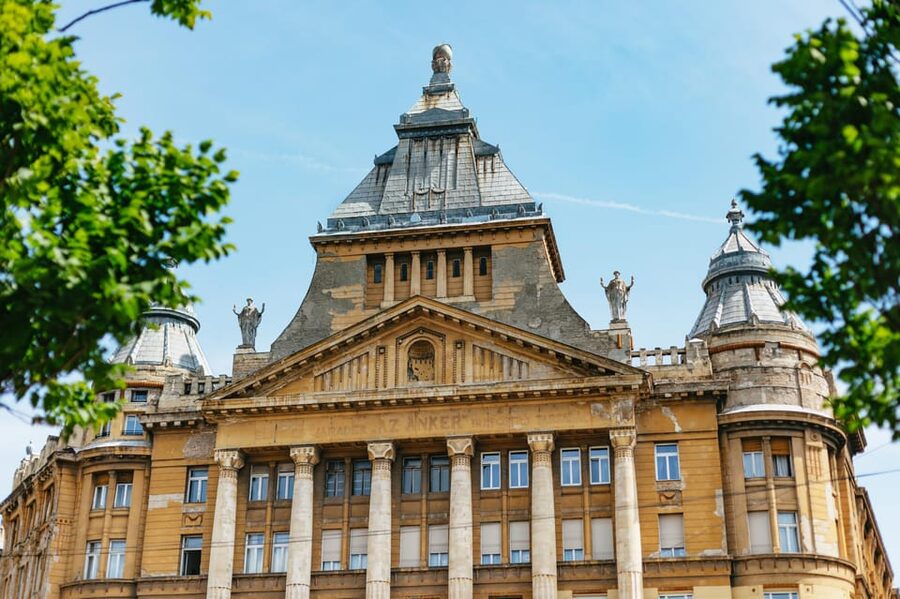
This tour begins at the Kempinski Hotel Corvinus Budapest, right in front, facing the Ferris wheel on Erzsébet Square. It’s an easy landmark to find, and it sets you up for a walk that’s very much about the neighborhoods rather than bus rides and broad city panoramas.
You can reach the starting area using the M1, M2, or M3 subway lines. A practical tip: get off at Deák Ferenc tér, then make your way to Erzsébet Square. That keeps the first 10 minutes from turning into navigation stress.
The meeting point also matters for pacing. Starting near the central core means you can spend your limited time where it counts: the Jewish Quarter and the former ghetto streets, with synagogues, monuments, kosher shops, and day-to-day life all in walking distance.
The 7th District Jewish Quarter: where stories cluster street by street
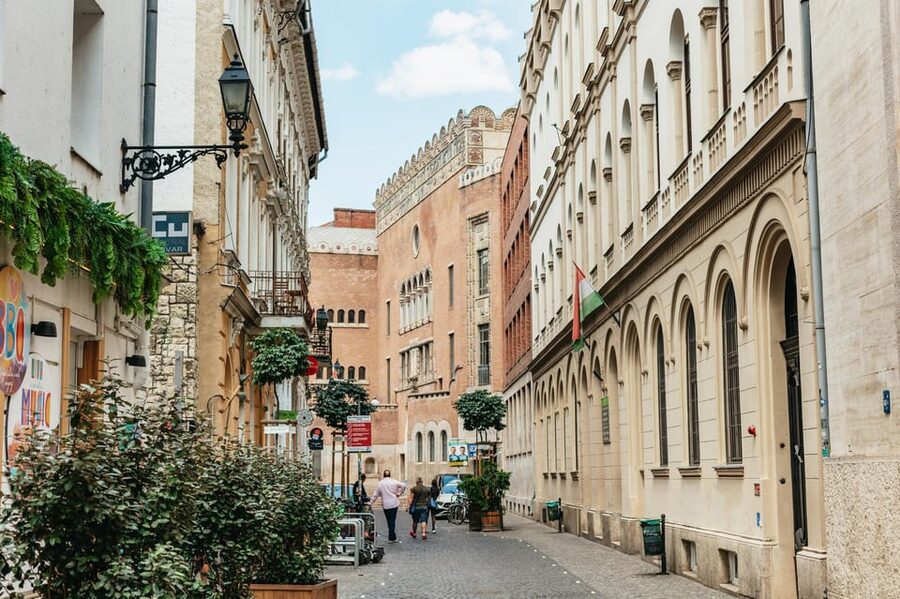
Your main route is the Jewish Quarter in Budapest’s 7th District, where Jewish culture has been present for over 200 years. The tour frames this area not as a single “attraction,” but as a lived neighborhood—one that changed with politics, borders, and survival.
You’ll stroll through streets that still carry layers of the past: synagogues visible from the sidewalk, monuments you can pause at, and the everyday rhythm of a community that remains active today. That mix is valuable. It prevents the tour from feeling like a history lecture frozen in time.
A good sign that you’re in the right place is how quickly the neighborhood starts to look different once someone points out what you’re seeing. You’ll get local stories of the area and how Budapest’s Jewish life evolved over time, including the darker periods that reshaped the community.
Synagogue exteriors: the architecture lesson you get without tickets
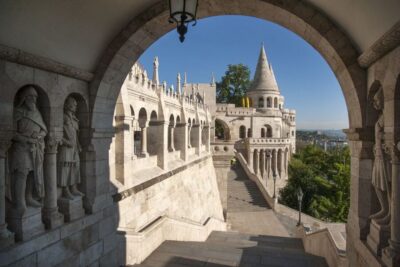
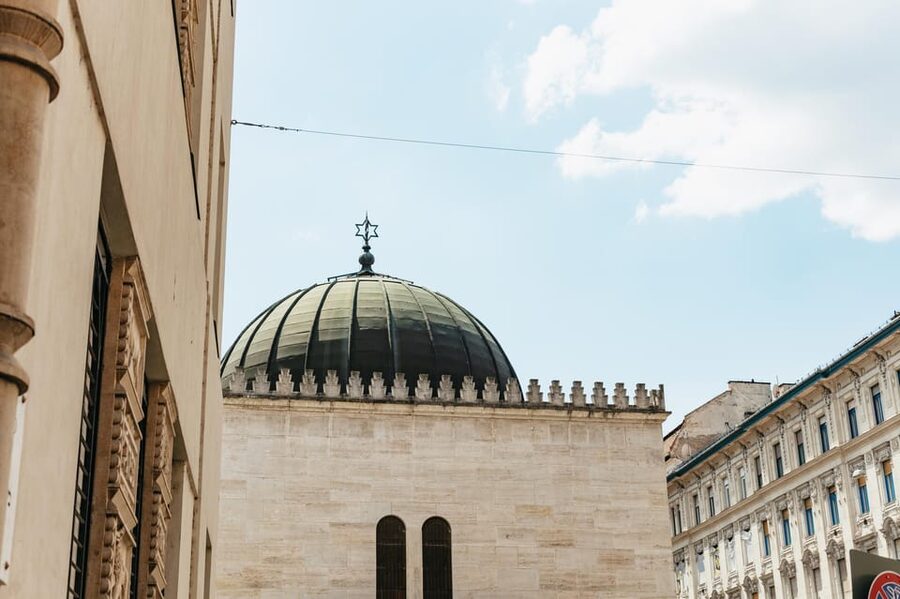
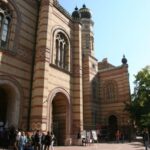
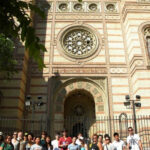
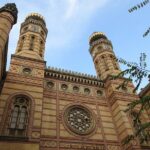
You’ll see the exterior of three major synagogues, and you’ll do it efficiently—no waiting lines, no timed entry pressure. Specifically, you’ll pass the Kazinczy Street Orthodox Synagogue, the Neolog Rumbach Street Synagogue, and the Dohány Street Synagogue.
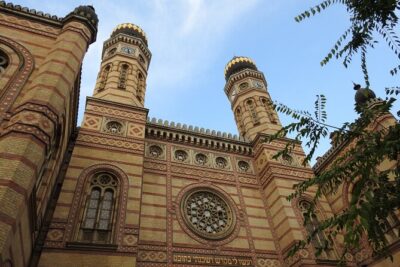
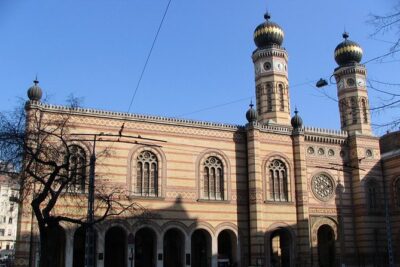
The Dohány Street Synagogue exterior is the big visual payoff. It’s described as the largest synagogue of Europe, and even from outside you can grasp why it’s such a landmark. Don’t rush this stop. Take a moment to look at how the building’s scale and presence fit into the street scene around it.
You’ll also get details that make the architecture feel grounded. One example: the Rumbach Street Synagogue was built in 1872 by Viennese architect Otto Wagner. That kind of information helps you read the façade beyond “pretty building,” because you start connecting it to styles moving across Europe at the time.
The one limitation: inside access
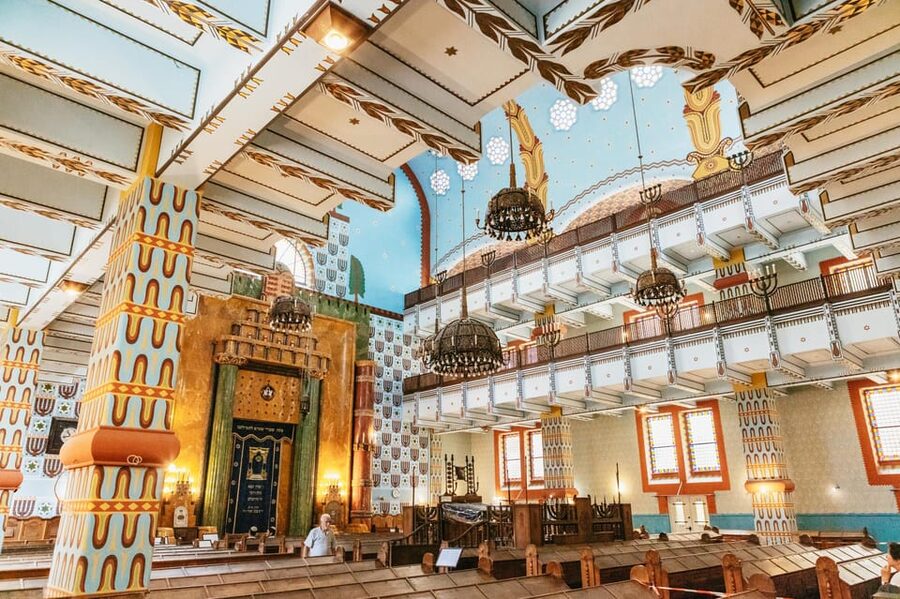
If your dream is interior photos, sanctuary viewing, or museum-style synagogue tours, plan for disappointment. This tour only covers outside visits. It’s still worthwhile, but it’s a different kind of experience—architectural and historical from the street, not a worship-space visit.
Budapest at street level, more routes on foot
Flódni and coffee: the most local 15 minutes you’ll spend all day
The tour builds in a café stop for coffee/soft drink and dessert. The featured cake is Flódni, a local Jewish cake name you’ll actually remember later when you’re hunting for snacks in other cities.
This break isn’t just about sugar. It’s a rhythm reset in the middle of a history-heavy walk. You get a moment to sit, recharge, and talk to your guide in a more relaxed setting—useful for clarifying questions you may not want to ask while walking past a memorial.
If you’re the type who likes “tasting the place,” this is the right kind of included food stop: small, specific to Jewish Budapest, and not a generic tourist buffet. Bring the same curiosity you bring to the streets, and you’ll treat Flódni as part of the tour, not a checkbox.
Former ghetto streets: where the past is visible, even when it hurts
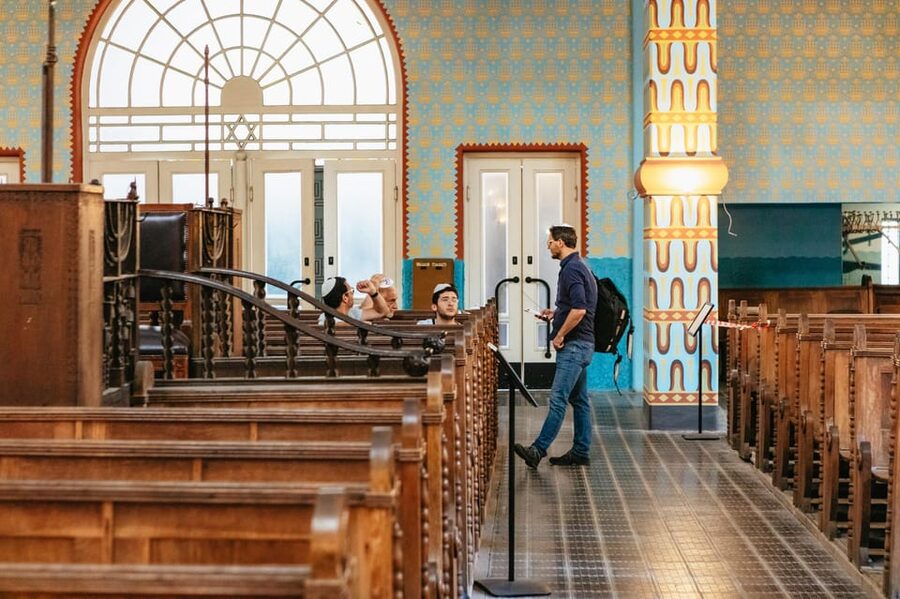
Walking along the streets of the former Ghetto is where the tour turns serious. You’ll see the neighborhood layout tied to that period, with synagogues, monuments, and community spaces along the route.
A standout part of many guides’ approach is connecting “where” with “what happened.” You’re not just looking at buildings; you’re learning why certain streets mattered, and how restrictions and survival shaped daily life. Some guides use visual tools too, including tablets that explain Hungary’s place in European history—how shifting borders affected the Jewish population.
One thing I’d keep in mind: the ghetto era was short and brutal. When your guide points out remnants like a surviving section of the ghetto wall, it tends to land harder because it’s physical proof of something that existed for far less time than people assume. That contrast—what you can still see versus how quickly life was forced to change—is the emotional logic of this segment.
WWII memory stops: Wallenberg and Carl Lutz, not just names
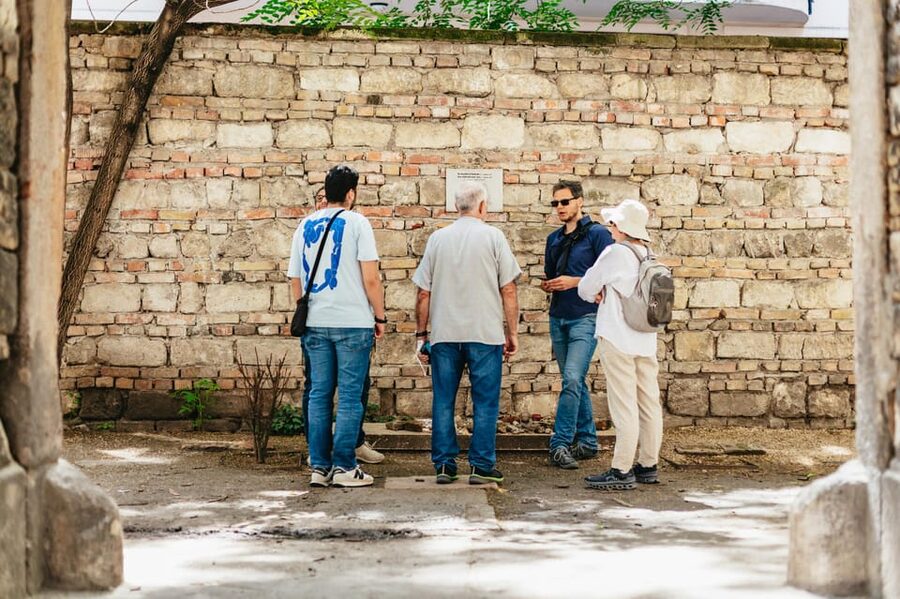
The WWII portion centers on individuals who helped save tens of thousands of Jewish lives during the winter of 1944/45. You’ll visit memorials connected to Raoul Wallenberg and Carl Lutz.
This is powerful for a practical reason: the tour doesn’t treat history as distant tragedy. It links it to people, decisions, and risk. It also notes that both Wallenberg and Lutz are among the most important individuals awarded the title Righteous Among the Nations.
What makes these stops especially meaningful is location-based storytelling. Seeing a memorial in the city where events unfolded helps you understand the scale of what was at stake. It also brings the tour back to why the neighborhood matters today: survivors and rescuers shaped outcomes, and those outcomes shaped a community’s long arc.
If you’re visiting Budapest for the first time, this is also a strong way to understand the city’s moral geography. Budapest isn’t only beautiful buildings and river views. It also carries responsibility in the streets you walk.
Gozsdu Passage, ruin pub hints, and street art in Elizabeth Town
After the heavier memorial content, you’ll shift into a more everyday Budapest feel. You’ll walk by the lively Gozsdu Passage, which helps the tour avoid the “only tragedy” trap. You’re reminded that this is a neighborhood people live in, hang out in, and celebrate in.
The tour also gives local tips about ruin pubs and nightlife. This matters because it changes how you plan your evening. If you go out after the tour, you’ll know where the energy is—and you’ll understand the cultural context behind why these venues became a thing.
Then there’s the street art component in Elizabeth Town. This is an underrated value add. Budapest’s graffiti and murals often feel like random color until someone points out what you’re looking at. With street art, the difference between guessing and understanding is huge. Your guide’s comments can turn it into another “historical reading,” just using modern visual language instead of old plaques.
How the pacing works: 2.5 hours, small group, lots of questions
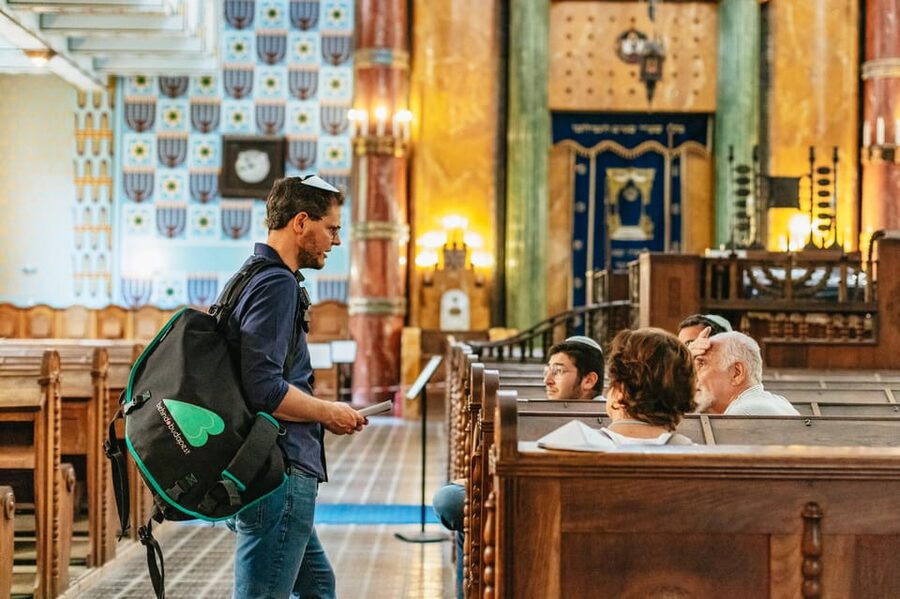
The tour runs about 2.5 hours. You’ll spend roughly 2.25 hours on guided sightseeing, then about 15 minutes for coffee/dessert. That structure is useful. It prevents the walk from dragging while still giving time to see what you came for.
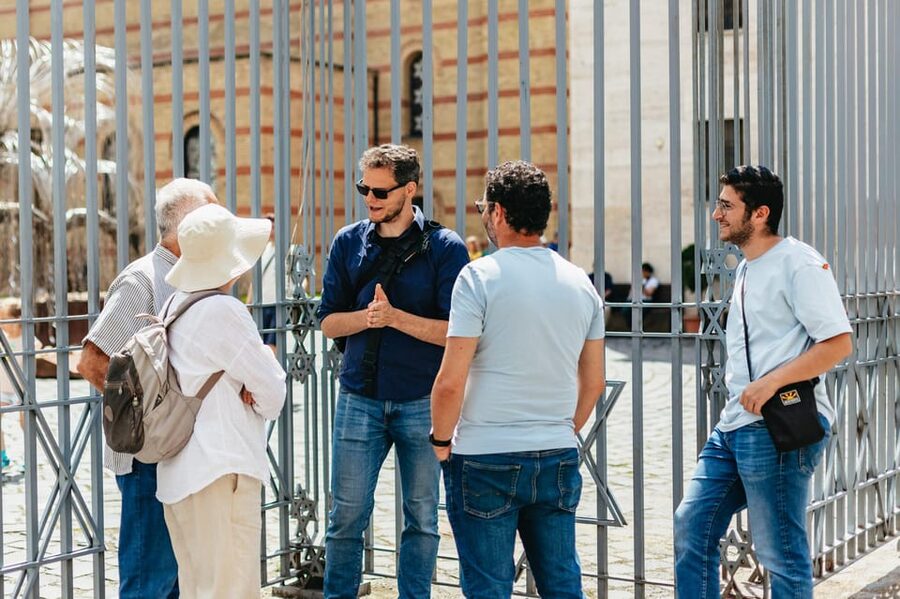
The group size is limited to 10 participants. In practice, this tends to make the tour feel responsive. Smaller groups mean your guide can slow down when someone has a question, and you’re more likely to hear details instead of just the headline facts.
Guides leading this walk often bring lots of factual detail and anecdotes, and they seem to stay engaging with humor and follow-up questions. In particular, names like Barbara, Andrea, András, Noémi, and Gabor come up in standout guide feedback. Even if you don’t get one of those exact guides, the standard appears consistent: history with personality, not a robotic script.
Price check: why $63 can be good value for this route
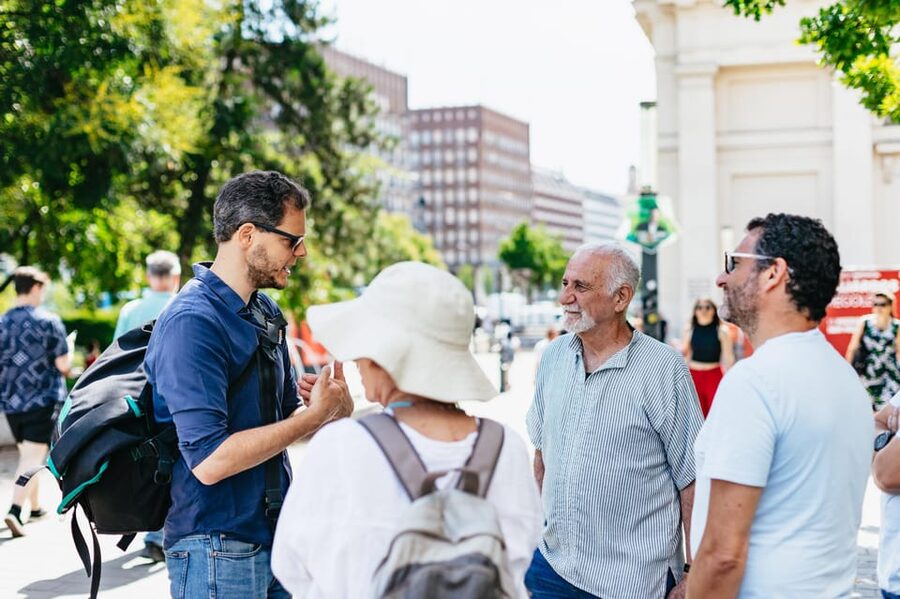
At about $63 per person for 2.5 hours, this isn’t the cheapest thing in Budapest, but it also isn’t priced like a luxury private guide. The value comes from three areas:
First, you’re paying for a historian guide. That’s the difference between reading plaques on your own and actually understanding how Jewish life in Budapest connected to wider European events.
Second, you’re getting a concentrated route: three synagogue exteriors, former ghetto streets, memorial stops for Wallenberg and Lutz, a dessert break, and street art context—all in one walk.
Third, the small group matters. When you have up to 10 people, you get more chance to ask questions instead of letting your guide race through the script.
If you’re someone who enjoys history but hates spending half a day stacking multiple tickets and stops, this tour fits that style. If you want cathedral-level access inside sacred buildings, you may feel it’s missing something—because entry to synagogues is not included.
Who should book this tour (and who might want a different style)
I’d book this Jewish history walking tour if you want your Budapest to include honest context, not just sightseeing. It’s a great match for first-timers who want bearings fast, and for travelers who like WWII stories that focus on people who took action, not only victims and dates.
It’s also a good choice if you enjoy a mix of architecture, memorials, neighborhood life, and street-level culture like Gozsdu Passage and Elizabeth Town street art.
If you’re extremely focused on synagogue interiors, museum objects, or worship-space visiting, you’ll likely need to pair this with another option that includes entry. This one is about seeing from the street and understanding what you see.
So, should you book it?
Yes, if you want a history-forward walk in Budapest that stays practical: short duration, small group, and multiple high-impact stops. The included Flódni and coffee break is a small but satisfying bonus, and the memorial segment gives the tour real emotional weight.
I’d skip or pair it with something else if synagogue interior access is your top priority. Otherwise, this is a strong way to learn the Jewish Quarter in a single evening-sized window—without turning your trip into a checklist.
FAQ
How long is the Budapest Jewish history walking tour?
It lasts about 2.5 hours, including a short coffee/dessert stop.
What does the tour cost?
The price is $63 per person.
Is the tour in English?
Yes, the live tour guide is English.
How big is the group?
It’s a small group with a maximum of 10 participants.
What synagogue stops are included?
You’ll see the exterior of three synagogues: Kazinczy Street Orthodox Synagogue, Rumbach Street Synagogue, and Dohány Street Synagogue.
Do I get to go inside the synagogues?
No. Visits to the three synagogues are outside only, and entry is not included.
What food and drink are included?
Coffee/soft drink and a local Jewish cake called Flódni are included.
Where does the tour start?
Meet your guide in front of Kempinski Hotel Corvinus Budapest, facing the Ferris wheel on Erzsébet Square.
Does the tour run in bad weather?
The tour starts in all weather conditions, so dress accordingly.
What WWII-related stops are part of the tour?
You’ll visit memorials connected to Raoul Wallenberg and Carl Lutz, recognized as Righteous Among the Nations.
More Tour Reviews in Budapest






More of Budapest, Step by Step


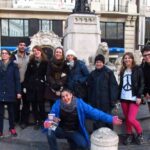



Around the Old Jewish Quarter


Just Added: More Budapest Reviews
- Sightseeing flight over Budapest
★ 5.0 · 3 reviews - Budapest: Walking Tour with Chimney Cake & Polaroid Photos
★ 5.0 · 3 reviews - Self Guided Tour In Budapest With 100 Captivating Audio Stories
★ 5.0 · 3 reviews - Budapest Art Nouveau Walking Tour
★ 5.0 · 3 reviews - Hungary today: a no-taboo conversation
★ 5.0 · 3 reviews
Jewish Quarter Tours, compared.
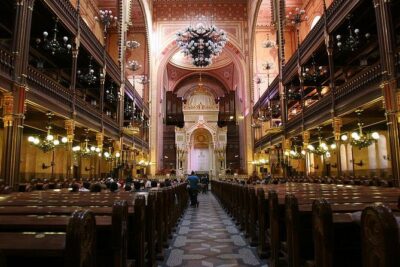 ★ 5.0Budapest Jewish Heritage Memorial Walking Tour & Synagogue EntryFrom $83568 reviews
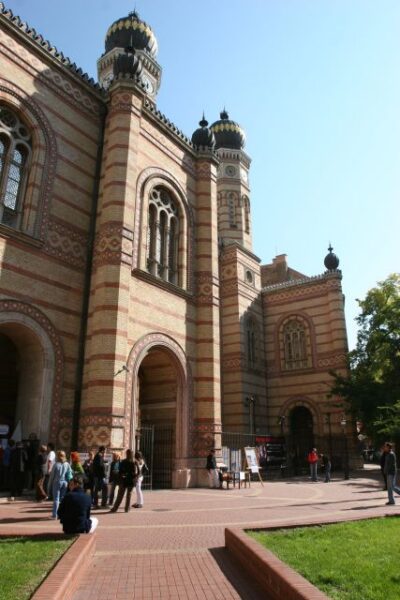 ★ 4.8Jewish Heritage Guided Tour with Synagogue TicketFrom $81533 reviews
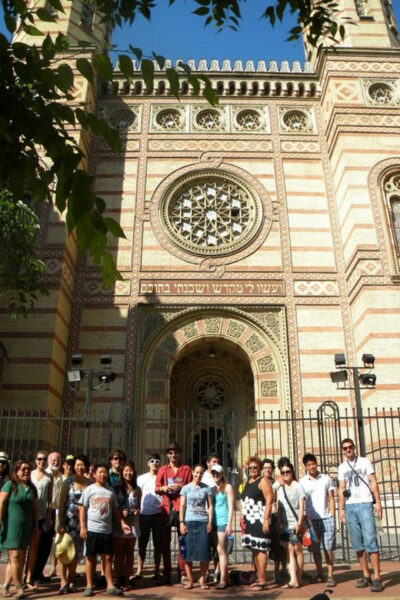 ★ 4.7Jewish Quarter of Budapest Walking TourFrom $2369 reviews
 ★ 5.0German tour in the Budapest city centre & the Jewish quarterFrom $23359 reviews
 ★ 5.0Past and Present of Budapest Jewish District TourFrom $3264 reviews
 ★ 5.0Budapest City Walk in Jewish QuarterFrom $356218 reviews
 ★ 4.5Budapest Dohany Synagogue & Hungarian Jewish Museum & free extrasFrom $44218 reviews
 ★ 5.0Budapest Dohany, Heroes’, Rumbach synagogues & Jewish Ghetto TourFrom $63200 reviews
Browse the lists this tour appears in