
Budapest’s Jewish Quarter hits hard and hits home. This private half-day walk strings together ghetto remnants, major synagogues, and memorials in a way that helps you place what you’re seeing instead of just photographing it. I like that you get a route tailored to your wishes and real context at each stop, with guides such as Suzy Szoke and Joel leading the conversations with patience and care.
Two things I really like: first, the tour mixes architecture and personal stories, so stops like the Dohány Street Synagogue (Nagy Zsinagóga) feel bigger than a landmark. Second, you get practical food tastings plus several stops that are free, which keeps the day from turning into a pay-everywhere scavenger hunt.
One drawback to consider: synagogue access can cost extra or be limited. The Nagy Zsinagóga has an optional paid entrance if you want to see the whole building, Kazinczy Street Synagogue is closed for now, and the Rumbach Street Synagogue interior isn’t automatically included.
In This Review
- Quick hits before you go
- Why this private Jewish Quarter walk beats DIY
- Price and what you should expect to pay on the day
- Getting your bearings: ghetto wall remnants and Király Street
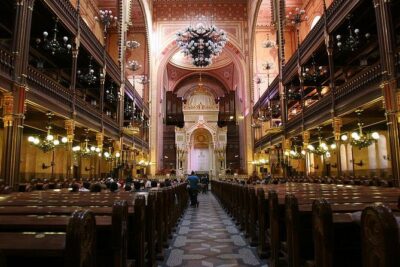
- The Dohány Street Synagogue (Nagy Zsinagóga): architecture plus answers
- When you can’t go inside: Kazinczy and Rumbach synagogue realities
- Memorial stops: Carl Lutz and Shoes on the Danube Bank
- Szimpla Kert and the modern city layer in the Jewish Quarter
- Timing and pace: planning a smooth half-day
- Guide style matters here: Suzy Szoke, Joel, and Bogato as examples
- Who should book, and who should think twice
- Should you book this Jewish Budapest private city walk?
- FAQ
- Is this a private tour, or will I join a group?
- How long is the Jewish Budapest private city walk?
- What’s included, and are food tastings part of the tour?
- Which synagogues can you enter?
- Are there any days when the tour isn’t recommended?
- What is the cancellation policy?
Quick hits before you go
- Private group feel: you’re the only group on the route, which makes questions easy and pace more flexible.
- Synagogue priorities, not cookie-cutter stops: you can focus more on what matters to you (within what’s open).
- Several free memorial/photo stops: Carl Lutz Memorial, Shoes on the Danube Bank, and ghetto remnants are ticket-free.
- Food tastings included: you’ll get a real taste of the neighborhood food scene without needing to plan.
- Saturday is a problem: the tour isn’t recommended then because synagogues are closed for Jewish holidays.
Deeper into old District VII
- Budapest Jewish Heritage Memorial Walking Tour & Synagogue Entry★ 5.0 · 568 reviews
- Budapest: Jewish Heritage Guided Tour with Synagogue Ticket★ 4.8 · 533 reviews
- Jewish Quarter of Budapest Walking Tour★ 4.7 · 369 reviews
- German tour in the Budapest city centre & the Jewish quarter★ 5.0 · 359 reviews
Why this private Jewish Quarter walk beats DIY
In Budapest, the Jewish Quarter can feel like a blur if you’re wandering on your own. You see buildings, plaques, and memorials, but the connections can be hard to hold in your head. With a private city walk, you get a guided thread that makes the whole area click: how the community lived, what got destroyed, and what was rebuilt.
I also like how this format handles group dynamics. Your tour is described as a private tour/activity with only your group participating (up to 15). That matters when people want to ask follow-up questions, slow down at a memorial, or revisit a detail they missed. In real sessions led by guides like Suzy Szoke, Joel, and Bogato, the tone is patient and question-friendly, not rushed.
Finally, the tour is set up around the idea that you’re not just seeing sights—you’re learning how the places relate to history and to today’s city. That’s especially useful here, where many locations are close together but speak to very different moments.
Price and what you should expect to pay on the day
This costs $342.93 per group (up to 15) for about 4 hours. That pricing can be good value if you’re traveling as a group because it’s not per person like many walking tours. You’re effectively paying for access to a guide and a coordinated route, then sharing the cost across your group size.
But here’s the key reality check: the tour description mentions “entry fees,” while the list of what’s not included explicitly says entrance fees. The practical takeaway is that some stops are free, and others may have paid entry options or extras—especially the synagogues.
Here’s what’s clearly ticket-free in the route:
- Remaining ghetto wall parts and yellow-star houses segments (stop at that area)
- Carl Lutz Memorial
- Szimpla Kert stop
- Shoes on the Danube Bank
- The Király Street ghetto wall segment under Király str. no. 15
And here’s where paid access can come into play:
- Great/Central Synagogue (Nagy Zsinagóga / Dohány Street Synagogue): the exterior and the intro are included, but entry to the whole building upon request can cost extra
- Kazinczy Street Synagogue: you can’t enter right now
- Rumbach Street Synagogue: interior access is available only upon request, and the tour does not include tickets automatically
So before you go, I’d plan your budget for at least the possibility of synagogue entrance fees, particularly if you want to see the Nagy Zsinagóga interior in full.
Getting your bearings: ghetto wall remnants and Király Street
The route starts with the physical traces people still point to when they want you to understand the ghetto geography. You’ll visit the remaining parts of the wall that once surrounded the former ghetto and see areas connected to yellow-star houses. Even if you’ve read about the era before, it’s different to see these elements in place, because you start visualizing how movement was controlled and how daily life was constrained.
This part of the tour is also useful because it sets the tone for the rest of the walk. The guide isn’t treating the sites like background scenery. You get story and placement, and that helps you later when you stand at memorials like Shoes on the Danube Bank, where people often miss the full meaning without context.
Later on, you’ll also stop at Király Street, under Király str. no. 15, where an original segment of the Budapest Great Ghetto can still be found. The tour frames it as tied to the second-largest WWII ghetto in the world. Even if you’re not a history geek, the logic is simple: you’re walking near where thousands were trapped, and the guide helps connect that location to the bigger wartime picture.
Practical note: expect this to feel more serious than typical sightseeing. If you like your history tours respectful and structured, you’ll be in the right place.
The Dohány Street Synagogue (Nagy Zsinagóga): architecture plus answers
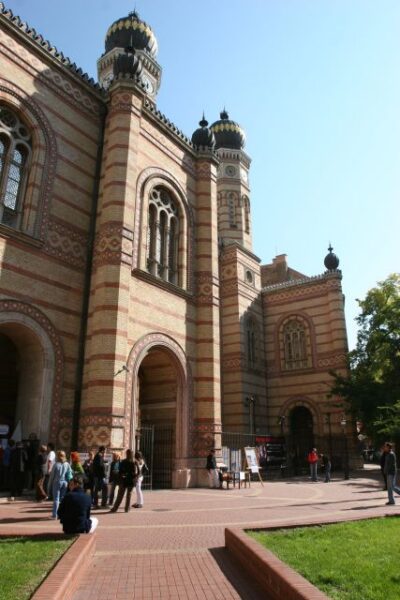
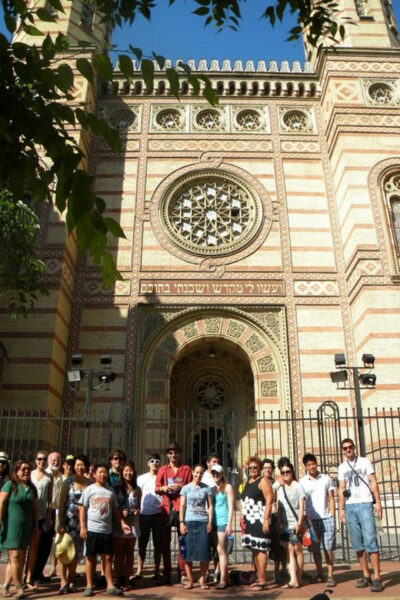
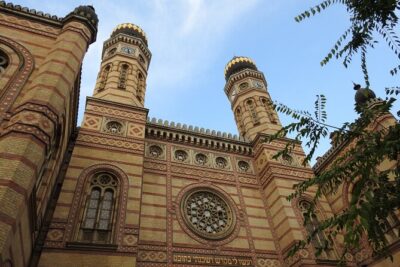
The Dohány Street Synagogue, officially known as Nagy Zsinagóga and commonly called the Dohány Street Synagogue, is the centerpiece for many people. It’s described as the biggest functioning synagogue in Europe, and that size matters when you’re standing in the space.
What makes this stop valuable on a private walk is the way it’s handled. You’re not only looking at architecture—you’re also learning the turbulent story connected to the building, and you can get a full-building walkthrough if you request the extra entrance option. That means you can choose how deep you want to go.
The building’s grandeur can tempt people into treating it like a showpiece. A good guide keeps it grounded: this is a living place of community and worship, and it carries the scars of the 20th century. If you’re traveling with older adults, it’s also nice that the guiding style here tends to be patient; in one example, a guide named Joel was praised for being very patient with a group that included many over 70.
What to plan: if you care about the interior details, factor in extra time and possibly extra cost for the full entrance.
Budapest at street level, more routes on foot
When you can’t go inside: Kazinczy and Rumbach synagogue realities
Not every synagogue stop will work the way you hope, and this tour is upfront about that. That honesty is actually a plus, because you won’t waste energy fighting for access that isn’t possible.
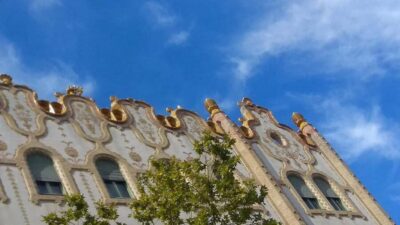
Kazinczy Street Synagogue is currently closed temporarily due to renovation works. Even beyond construction, the tour notes a community ban, so you can only see it from the outside right now. The building dates to the 1910s and the tour connects it to both Jewish community culture and Art Nouveau architecture from that era. You’ll get enough to understand why it mattered, even if you can’t step inside.
Then there’s Rumbach Street Synagogue, a recently renovated building with striking architecture and a key role for the Jewish community. The tour does not include automatic tickets for interior visits. Still, it says that upon request, the guide can show you inside as well.
So what should you do? If synagogue interiors are a must for your trip, ask the provider ahead of time what level of access is currently realistic for your day. If interior access is limited, you’ll still get a strong architectural and historical introduction, but your experience will feel more “see from outside” than “complete interior visit.”
Memorial stops: Carl Lutz and Shoes on the Danube Bank
This is the emotional backbone of the walk, and it’s where having a guide matters most. Memorial sites can look simple at first glance, but the stories behind them change how you see the place.
At Carl Lutz Memorial, you’ll hear the story of the Swiss diplomat who helped thousands of Jewish people avoid the death camps during the Holocaust. It’s described as a public statue and memorial site, and the guide walks through Lutz’s role and the moral courage behind it. That’s an important counterweight to the darkness elsewhere on the route: it’s not only tragedy, it’s also action and human choices.
Next comes Shoes on the Danube Bank, which is dedicated to people who were shot into the Danube during the Arrow Cross terror. The route gives this stop more time (about 1 hour), which is a clue that the experience is meant to be more than a quick photo stop. You’ll get time to process the meaning of the memorial and the history tied to it, rather than rushing past.
If you’re the kind of traveler who likes quiet time at significant sites, this part supports that. The route structure also prevents the “memorial fatigue” you can get if you try to pack too many heavy stops without a guide to pace the narrative.
Szimpla Kert and the modern city layer in the Jewish Quarter
After serious stops, it can be a relief to pause in a place that shows how the neighborhood lives now. The route includes Szimpla Kert, tied to the VII district’s famous ruin bar scene. It’s described as having an unmatchable design and atmosphere that draws people from around the world.
On this tour, Szimpla Kert isn’t just a break. It’s a reminder that Budapest didn’t freeze in time. People rebuilt, repurposed spaces, and created a social life that attracts visitors today.
One practical point: ruin bars can get lively, and this is still a walking tour day with history content. If you’re sensitive to noise, plan for it. If you enjoy a bit of modern energy after a heavy morning, you’ll probably like the contrast.
Timing and pace: planning a smooth half-day
This is a 4-hour private city walk. That’s long enough to cover meaningful ground and still stop at places where you can absorb what you’re seeing. The itinerary includes time allocations like 20 minutes at the ghetto wall/yellow-star house area, about 30 minutes at each main synagogue-related stop (with the caveat that Kazinczy is outside-only), plus an hour at Shoes on the Danube Bank.
Also plan around closures:
- The tour is not recommended on Saturdays, because Jewish holidays mean the synagogues are closed.
If your dates include a Saturday, you may want to swap to another day so you can access more of the route’s synagogue-focused content.
If you’re taking a slow-going group, the private format helps. Guides in this style tend to adjust pace so the group doesn’t feel steamrolled.
Guide style matters here: Suzy Szoke, Joel, and Bogato as examples
This tour’s reputation isn’t just about locations. It’s about how the guide teaches the story—serious subjects, clear explanations, and enough patience to handle a wide range of ages and questions.
In real experiences connected to this operator, you’ll see names like Suzy Szoke (praised for passion, thorough explanations, and flexibility), Joel (praised for being very patient with an older group), and Bogato (praised for being easy to be with and for flexibility). Across these accounts, the consistent theme is that the guide doesn’t rush through heavy material.
That matters because Jewish Quarter history in Budapest can’t be treated like a checklist. It needs tone, sequencing, and care. If your idea of a great tour is asking questions and getting solid answers without pressure, this is the right kind of format.
Who should book, and who should think twice
This tour is a strong fit if:
- you want a guided, story-led Jewish Quarter experience rather than wandering
- your group likes architecture plus context
- memorial sites feel better with interpretation and pacing
- you appreciate food tastings built into the day, not tacked on later
You might want to think twice if:
- you’ll be in Budapest on Saturday and want synagogue access
- you prefer light sightseeing only (this route includes Holocaust memorial content)
- you don’t want any chance of extra costs for synagogue entrances
Should you book this Jewish Budapest private city walk?
I’d book it if you want a structured, respectful, and deeply place-based tour of the Jewish Quarter, with a guide who connects buildings and memorials into one understandable story. The value improves when you’re splitting the group price, and the tour’s mixture of free stops plus optional synagogue entrances helps you manage your day without surprises—if you’re willing to plan for possible extra synagogue fees.
If your travel dates include Saturday, or if you’re not okay with somber Holocaust-era stops, then you’ll likely be happier picking a different day or a lighter neighborhood walk.
FAQ
Is this a private tour, or will I join a group?
It’s a private tour/activity, so only your group participates. The group size mentioned is up to 15.
How long is the Jewish Budapest private city walk?
The duration is about 4 hours.
What’s included, and are food tastings part of the tour?
The tour includes a local/professional guide, private tour format, and hotel/port pickup and drop-off, plus food tastings and entrance fees as described in the experience highlights. Lunch and alcoholic drinks are not included.
Which synagogues can you enter?
Great/Central Synagogue (Nagy Zsinagóga) can be entered through a whole-building option if requested for an extra entrance fee. Kazinczy Street Synagogue is closed temporarily and can’t be entered. Rumbach Street Synagogue interior access is not included automatically, but the tour may show you inside upon request.
Are there any days when the tour isn’t recommended?
It’s not recommended on Saturdays because Jewish holidays mean the synagogues are closed.
What is the cancellation policy?
You can cancel up to 24 hours in advance for a full refund. If you cancel less than 24 hours before the start time, the amount paid is not refunded.
Private Budapest, Your Pace






More of Budapest, Step by Step





Around the Old Jewish Quarter






Just Added: More Budapest Reviews
- Sightseeing flight over Budapest
★ 5.0 · 3 reviews - Budapest: Walking Tour with Chimney Cake & Polaroid Photos
★ 5.0 · 3 reviews - Self Guided Tour In Budapest With 100 Captivating Audio Stories
★ 5.0 · 3 reviews - Budapest Art Nouveau Walking Tour
★ 5.0 · 3 reviews - Hungary today: a no-taboo conversation
★ 5.0 · 3 reviews
Jewish Quarter Tours, compared.
 ★ 5.0Budapest Jewish Heritage Memorial Walking Tour & Synagogue EntryFrom $83568 reviews
 ★ 4.8Jewish Heritage Guided Tour with Synagogue TicketFrom $81533 reviews
 ★ 4.7Jewish Quarter of Budapest Walking TourFrom $2369 reviews
 ★ 5.0German tour in the Budapest city centre & the Jewish quarterFrom $23359 reviews
 ★ 5.0Past and Present of Budapest Jewish District TourFrom $3264 reviews
 ★ 5.0Budapest City Walk in Jewish QuarterFrom $356218 reviews
 ★ 4.5Budapest Dohany Synagogue & Hungarian Jewish Museum & free extrasFrom $44218 reviews
 ★ 4.8Jewish History Guided Walking Tour with HistorianFrom $63205 reviews
Browse the lists this tour appears in