
Reviewed · JEWISH QUARTER TOURS
Authentic Jewish Cooking Class by a Professional chef
A warm kitchen experience can teach faster than any book. In Budapest, this authentic Jewish cooking class is a hands-on 3-course session with real Central European Jewish food, plus stories you’ll actually remember. You cook the starter, main, and dessert, then sit down together to eat what you made.
I especially like the full hands-on format, where the chef shows you what to do and then you do it. And I really appreciate that you get a take-home recipe set in English, so your evening in Budapest isn’t the end of the meal.
One thing to consider: these are traditional Jewish dishes but they’re not kosher, and you’ll also be tasting drinks that include palinka and wine. If you avoid alcohol or follow strict dietary rules, bring that up when you book.
In This Review
- Key highlights you’ll feel right away
- Budapest taxi pickup, then straight into the kitchen
- The Flavors of Budapest concept: cooking + context, not just food
- Your 3-course menu: what you’ll make (and eat)
- Starter: Jewish egg pâté with challah (the comfort start)
- Main course: honey chicken with dried plum and apricot (New Year flavors)
- Dessert: rugelach with a Hanukkah connection
- Chef-led, truly hands-on: where Marti’s guidance shines
- Welcome snack, drinks, and a kitchen that feels welcoming
- What you get to take home (recipes in English included)
- Price and value: why $119.21 can make sense
- Timing: morning or afternoon works best for different styles
- Dietary needs: tell them early
- Who should book this cooking class (and who might skip it)
- Should you book it?
- FAQ
- Where does the cooking class start in Budapest?
- How long is the Jewish cooking class?
- What is the class price per person?
- Is the class offered in English?
- What dishes will I cook during the class?
- Does the class include drinks and a snack?
- Is the food kosher?
- Can I cancel for a full refund?
Key highlights you’ll feel right away
- Hands-on cooking with chef guidance (you’re not just watching)
- A true 3-course Jewish menu: starter, main, dessert
- Hotel taxi pickup and drop-off for easy door-to-door travel
- English recipes to take home, plus ingredients included
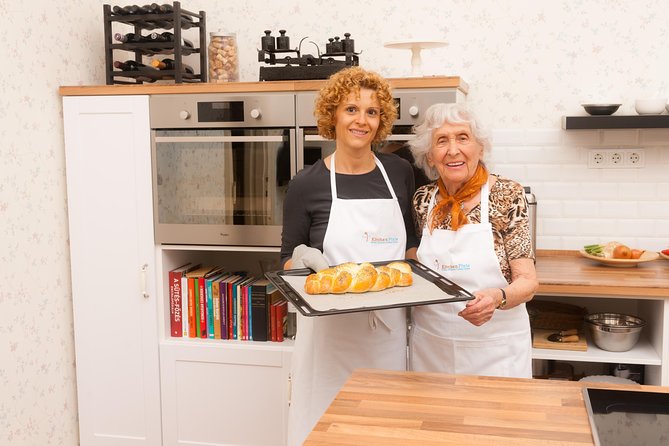
- Cozy kitchen atmosphere (not a basement, not a cafeteria vibe)
- Small group size with space to ask questions and get help
Deeper into old District VII
- Budapest Jewish Heritage Memorial Walking Tour & Synagogue Entry★ 5.0 · 568 reviews
- Budapest: Jewish Heritage Guided Tour with Synagogue Ticket★ 4.8 · 533 reviews
- Jewish Quarter of Budapest Walking Tour★ 4.7 · 369 reviews
- German tour in the Budapest city centre & the Jewish quarter★ 5.0 · 359 reviews
Budapest taxi pickup, then straight into the kitchen

This is the kind of activity that makes logistics almost boring—in a good way. You start at Király u. 77 in Budapest (1077), and you can choose the class time that fits you best, morning or afternoon. The session runs about 4 hours, and the group is kept small, with a maximum of 8 people.
What you get for your money includes pickup and drop-off by taxi from your Budapest hotel. That matters in a city where the most comfortable plan is often the one that doesn’t involve figuring out transit during cooking-time. It also helps you arrive relaxed, already in meal mode.
The kitchen setup is described as cozy, not cramped, and not in a basement room. Expect a friendly workspace where you can move, stir, and actually focus on making food, not fighting for space.
The Flavors of Budapest concept: cooking + context, not just food
This class is called Flavors of Budapest, and it’s built around more than recipes. While you cook, you also hear information and stories about Central European Jews and Jewish life in Budapest, so the food connects to people and place rather than feeling random.
That context is practical. When you understand why certain flavors show up at certain times—like honey at Jewish New Year—you’ll cook with more confidence later, not just follow steps.
Also, even though this is an authentic Jewish cooking experience, it’s not framed as kosher cooking. The menu is clearly traditional, but you should go in knowing it’s Jewish, not kosher-certified.
Your 3-course menu: what you’ll make (and eat)
You’ll cook together a traditional meal with three parts: starter, main course, and dessert. The menu stays specific, so you’re not wondering what you’ll get—your hands-on work is tied to a real set of dishes.
Here’s the exact lineup:
- Starter: Jewish egg paté with Challah
- Main course: Honey chicken with dried plum and apricot + boiled rice
- Dessert: Rugelach (small crescent)
At the end, you sit down and enjoy the meal together. That’s important: you aren’t just leaving with recipes—you’re tasting the results while everything is still warm, fresh, and satisfying.
Starter: Jewish egg pâté with challah (the comfort start)
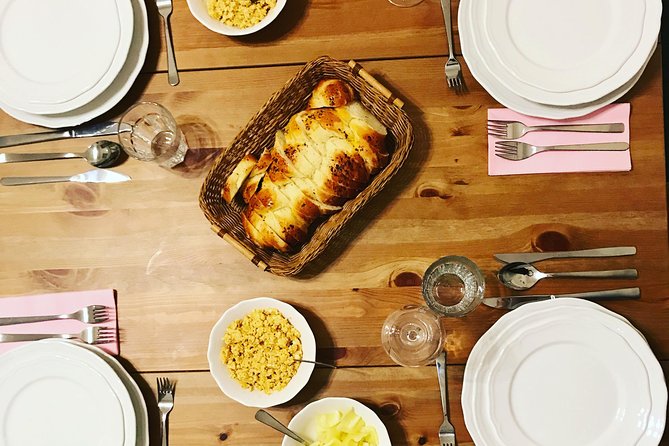
The starter is Jewish egg paté served with Challah, the braided Jewish bread. You’ll be working with that soft, egg-based texture that pairs naturally with bread—simple on paper, but you learn how to get the texture right.
Why this starter works well in a class setting: it’s approachable, and it teaches you a key idea early—how Jewish food often balances comfort with careful technique. You’ll also get that bread-and-spread rhythm that makes the meal feel complete right from the first bite.
Challah itself is a star ingredient here. If you’ve never had it, this is a great introduction because it’s familiar enough to not overwhelm, but distinct enough to feel like a real tradition rather than a generic “bread course.”
Aprons on for chimney cake and goulash


Main course: honey chicken with dried plum and apricot (New Year flavors)
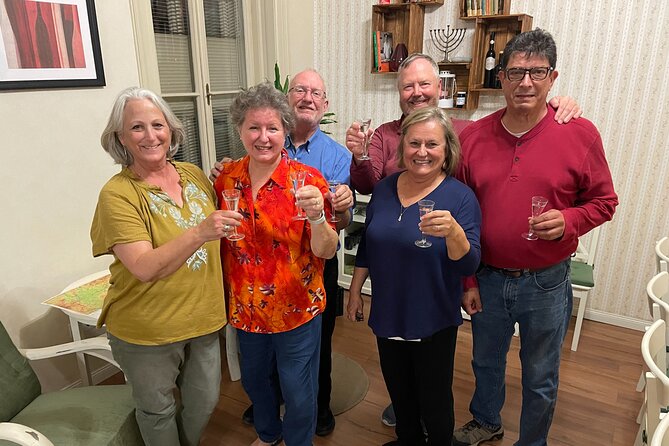
The main is honey chicken with dried plum and apricot, served with boiled rice. The flavor direction is unmistakably sweet-savory, and it comes with built-in cultural meaning.
In the class, you’ll learn that this kind of honey-based main is made for Rosh Hashanah by Jewish families, since honey and other sweets symbolize a lucky year. That explanation changes how you taste it. You’re not just noticing sweetness—you’re connecting it to a tradition that people actually observe at home.
From a cooking standpoint, the dried fruit matters. Dried plum and apricot bring deeper fruit flavor than fresh fruit would, and they hold up well in a cooked dish. If you’re planning to recreate this later, the takeaway is clear: when you use dried fruit, you’re choosing concentrated taste, not just texture.
And the boiled rice isn’t filler. It gives you a neutral base so the sauce and fruit flavors land where you want them—on the chicken and the honeyed sauce.
Dessert: rugelach with a Hanukkah connection
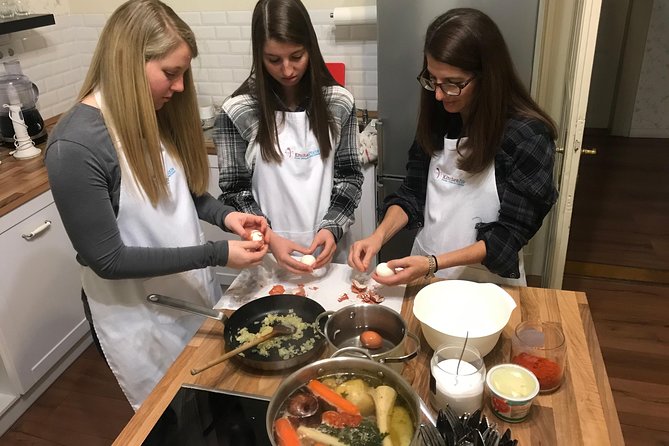
Dessert is Rugelach, shaped into small crescents. This is a Hanukkah dessert, and the class also points out how the modern versions are often richer than older, more modest recipes.
In particular, today’s style includes cream cheese. That detail helps you understand why rugelach tastes so tender and slightly tangy in many versions you’ll find now. In other words: you’re not just making dessert—you’re making a specific, contemporary Jewish baking style, rooted in a holiday tradition.
Rugelach is a great last step because it’s hands-on but not so complicated that it turns into a multi-day project. You’ll get a finished product you can hold, taste, and feel proud of before leaving.
Chef-led, truly hands-on: where Marti’s guidance shines
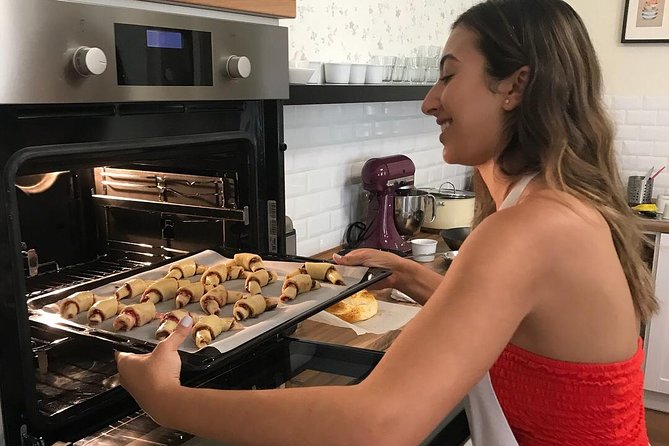
The best part of this class is the way the chef runs it. In the feedback you can’t miss a theme: it’s full hands-on, not a performance where you only stir for ten seconds. The chef—Marti—is described as showing you or telling you how and then letting you do it.
That teaching style matters, especially if you’re the kind of traveler who wants to learn, not just sample. When you’re actively cooking, you’ll remember technique: how to mix to the right texture, how to adjust as you go, and what to watch for as food cooks.
You’ll also feel more comfortable asking questions because the group stays small. With a maximum of 8 participants, it’s easier to get individual attention when something doesn’t go exactly as you expected.
And yes, it’s a great sign that the class works for different skill levels. If you can follow steps and keep your hands busy, you’re in good shape.
Welcome snack, drinks, and a kitchen that feels welcoming
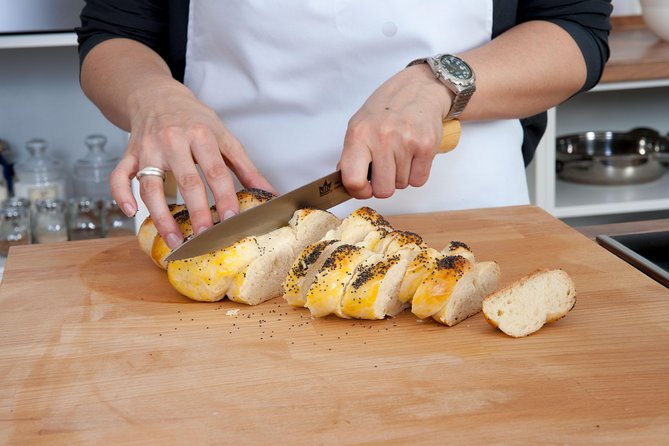
Before the main cooking really gets underway, you’ll have a typical Jewish welcome snack. It’s a nice “start line” for the experience, helping you settle in and get the flavors into your head early.
Drinks are part of the deal too:
- Palinka (fruit brandy)
- 2 dl Hungarian wine
- homemade soft drinks
- mineral water
- tea and coffee
Plus you’ll also have 1 coffee included.
Because alcohol is included, it’s worth thinking ahead. If you don’t drink, you can still participate fully, but this is not the kind of class that only pours water and tea by default. If you’re sensitive to alcohol or don’t want to taste it, tell the chef when you arrive so you can plan your pace.
The overall mood is described as cosy and not in a basement room, which is a big quality-of-experience detail. You’ll be standing, stirring, and moving through tasks—having a comfortable space makes a noticeable difference in how much you enjoy the class.
What you get to take home (recipes in English included)
One of the most useful inclusions is the take-home set of recipes in English. That means you can actually recreate this meal later without trying to translate vague instructions.
You also receive the family-style recipe approach for each dish. The practical result: you can cook the same flavors at home with fewer surprises.
And the class includes the ingredients, kitchen pots, and equipment. You don’t need to hunt for specialty items ahead of time—this is a “show up and cook” experience. For travelers, that’s a big deal. You’re not only paying for instruction; you’re paying for everything needed to get to a finished meal.
Price and value: why $119.21 can make sense
At $119.21 per person for about 4 hours, it’s not a budget snack stop. But it also isn’t just a tasting session.
Your money is buying:
- a full 3-course meal you cook and eat
- all ingredients and kitchen equipment
- recipes in English to take home
- a professional chef’s guidance throughout
- a welcome snack
- multiple drinks, including palinka and wine
- hotel taxi pickup and drop-off
When you break it down, it’s closer to a guided culinary experience than a casual workshop. You’re getting the ingredients you’d otherwise pay for, plus the labor and teaching time. And the taxi pickup is a real time-saver in Budapest, particularly if you don’t want to plan routes while you’re already excited about cooking.
If you’re the type of traveler who enjoys cooking classes in Europe, this price sits in a reasonable zone—because you leave with skills, dishes, and a menu you can repeat.
Timing: morning or afternoon works best for different styles
You can choose a class time that fits you, morning or afternoon. The example start time listed is 9:00 am, so if you like early starts and prefer a full meal before the rest of your day, morning is an easy win.
Afternoon classes can work better if you want a slower start or if you’re stacking plans around dinner. Either way, the class duration stays around 4 hours, and you end back at the meeting point.
One practical note: since you’ll cook and eat, plan your next activity with enough buffer. You’ll likely want time to digest and cool down after the kitchen work.
Dietary needs: tell them early
The class invites you to advise any specific dietary requirements at booking. That’s the right move because the menu is clearly traditional Jewish food and includes items like challah and meat-based main.
Also, since the dishes are stated as not kosher, strict kosher travelers may want to think carefully before booking. If your dietary rules are tied to certification, you’ll need clarity during booking rather than assuming.
If you keep your dietary needs general (like preferences or mild restrictions), this type of class is usually still workable—but communication upfront is the key.
Who should book this cooking class (and who might skip it)
This is a great fit if you want:
- a hands-on cooking experience rather than a seated tasting
- a small-group class with time for questions
- a Jewish food menu connected to holiday symbolism (honey for Rosh Hashanah, rugelach for Hanukkah)
- take-home English recipes you can actually use later
You might consider skipping if:
- you strongly prefer restaurant-style dining and don’t want to cook
- you need a strictly kosher meal
- you avoid alcohol entirely and don’t want any alcohol included in the drinks plan
Should you book it?
I’d book this Jewish cooking class if your goal is learning through doing and you care about food with real context. The combination of a professional chef-led, full hands-on format, a specific 3-course menu, hotel taxi convenience, and English recipes makes it feel like good value instead of a one-off activity.
If you’re excited by the idea of making egg paté with challah, honey chicken with dried fruit, and cream-cheese rugelach—and you’re okay with traditional dishes that are not kosher—this is exactly the kind of Budapest experience that turns a meal into a story you can retell.
FAQ
Where does the cooking class start in Budapest?
The meeting point is Budapest, Király u. 77, 1077 Hungary.
How long is the Jewish cooking class?
It lasts about 4 hours.
What is the class price per person?
The price is $119.21 per person.
Is the class offered in English?
Yes, the experience is offered in English, including the recipes you receive.
What dishes will I cook during the class?
You’ll make a 3-course menu: Jewish egg paté with challah, honey chicken with dried plum and apricot plus boiled rice, and rugelach.
Does the class include drinks and a snack?
Yes. You’ll have a Jewish welcome snack and drinks including palinka, Hungarian wine, homemade soft drinks, mineral water, and tea and coffee.
Is the food kosher?
The dishes are traditional Jewish but they are described as not kosher.
Can I cancel for a full refund?
Free cancellation is available. You can cancel up to 24 hours in advance for a full refund.
More Tour Reviews in Budapest






Chimney Cake and the Hungarian Kitchen





Around the Old Jewish Quarter





Just Added: More Budapest Reviews
- Sightseeing flight over Budapest
★ 5.0 · 3 reviews - Budapest: Walking Tour with Chimney Cake & Polaroid Photos
★ 5.0 · 3 reviews - Self Guided Tour In Budapest With 100 Captivating Audio Stories
★ 5.0 · 3 reviews - Budapest Art Nouveau Walking Tour
★ 5.0 · 3 reviews - Hungary today: a no-taboo conversation
★ 5.0 · 3 reviews
Jewish Quarter Tours, compared.
 ★ 5.0Budapest Jewish Heritage Memorial Walking Tour & Synagogue EntryFrom $83568 reviews
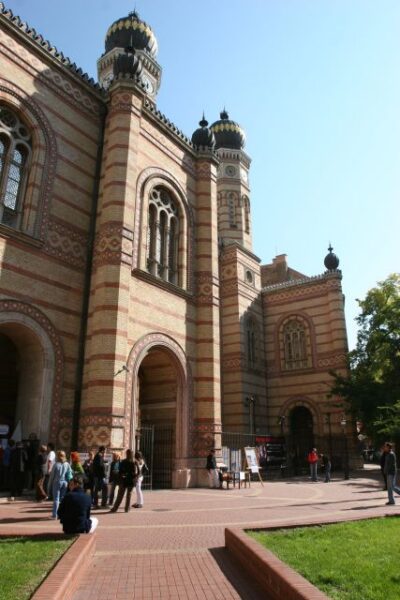 ★ 4.8Jewish Heritage Guided Tour with Synagogue TicketFrom $81533 reviews
 ★ 4.7Jewish Quarter of Budapest Walking TourFrom $2369 reviews
 ★ 5.0German tour in the Budapest city centre & the Jewish quarterFrom $23359 reviews
 ★ 5.0Past and Present of Budapest Jewish District TourFrom $3264 reviews
 ★ 5.0Budapest City Walk in Jewish QuarterFrom $356218 reviews
 ★ 4.5Budapest Dohany Synagogue & Hungarian Jewish Museum & free extrasFrom $44218 reviews
 ★ 4.8Jewish History Guided Walking Tour with HistorianFrom $63205 reviews
Browse the lists this tour appears in