
Reviewed · WINE TOURS
Budapest Cooking Class & Market Tour with Local Guide & Wines
Paprika first, then a cozy kitchen lesson. This Central Market Hall start turns the trip into more than a class, because you taste what Hungary cooks with before you lift a spoon. I love that the guides like Ben and Kinga mix food with simple stories about ingredients and everyday life, and I love the family-style dinner at the end where you eat what you made with your group. One thing to consider: it involves real walking in the market and then a short walk to the apartment, and on quieter days the market can feel less active.
You’re also getting a clearly laid-out flow: market sampling, ingredient buying, then step-by-step cooking in a homier setting than a big school classroom. The top dish focus is classic Hungarian comfort food—usually something paprika-forward with dumplings—plus tastings like cured salamis/cheeses, pickles, and palinka. The wine part is part of the experience, with pairings included, but if you prefer no alcohol, ask up front what the non-alcohol options look like for your group.
If you want a food-focused afternoon that feels personal and repeatable at home, this is a strong pick. For the price, you’re not just paying for a recipe—you’re paying for market guidance, instruction, and a full meal with tastings. Just keep your expectations realistic about the cooking time and space, because shared kitchens and groups can make it feel tighter than you’d imagine.
In This Review
- Key things you’ll notice right away
- Central Market Hall: where you taste before you cook
- Shopping with purpose: pickles, salami, palinka, and ingredient choices
- The apartment kitchen setup: homier than a classroom
- What you’ll make: lecsó, chicken paprikash, dumplings, and the paprika connection
- The wine pairing rhythm
- Dessert may or may not fit
- Dietary needs: gluten-free and plant-based options, with real-world cautions
- Timing and pacing: 4 hours of eating, cooking, and waiting
- Meeting point and the walk you should plan for
- How to recreate it at home: recipes plus technique, not just flavors
- Value at $99: what’s included (and what you should mentally budget for)
- Who this class is best for (and who might want a different option)
- Should you book the Budapest Cooking Class & Market Tour?
- FAQ
- Is the tour in English?
- How long is the experience?
- Where do I meet and where does it end?
- Is wine included?
- Are dietary options available?
- How big is the group?
- What should I bring for the market portion?
- What if the weather is bad?
- Can I get a refund if I cancel?
Key things you’ll notice right away
- Central Market Hall tastings before cooking, so you understand what you’re buying and why it matters
- Paprika-based Hungarian comfort food, typically sausage lecsó and dumplings or chicken paprikash with Hungarian dumplings/noodles
- Home-style apartment kitchen vibe, with everyone helping and eating together afterward
- Wine pairings included, plus non-alcohol options should be available, though they can be basic
- Small-group feel (up to 12), but room size can still make the experience feel tight on busy days
Aprons on for chimney cake and goulash
- Budapest All in One Small Group Walking Tour with Strudel Stop★ 5.0 · 1,277 reviews
- Budapest: Hungarian Chimney Cake Workshop in the City Center★ 4.7 · 1,263 reviews
- Budapest: Traditional Chimney Cake (Kürtőskalács) Workshop★ 4.8 · 323 reviews
- Chimney Cake Workshop Budapest Downtown – Kürtőskalács Class★ 5.0 · 220 reviews
Central Market Hall: where you taste before you cook
The best part of this experience starts in Central Market Hall, one of Budapest’s most recognizable food places. Instead of showing up to the kitchen cold, you begin by sampling Hungarian specialties from real producers. That changes how you cook later, because you can taste your way through flavors like cured meats, cheeses, and pickles while your guide explains what makes them Hungarian.
I like the way the market visit sets context without turning into a lecture. Guides such as Ben and Kinga are noted for giving clear, friendly history and food background, including how ingredients like paprika fit into Hungarian cooking. You also get to see the kind of seasonal, everyday produce and pantry items Hungarians buy, which helps you think beyond one meal.
Practical note: the market can be noisy and crowded, and you’re walking through stalls for a while before you reach the cooking venue. Plan for good walking shoes. If mobility is a concern, it’s worth knowing that there can be elevator trouble inside the market (one group reported an elevator was broken during their visit, while the escalator still worked).
Shopping with purpose: pickles, salami, palinka, and ingredient choices
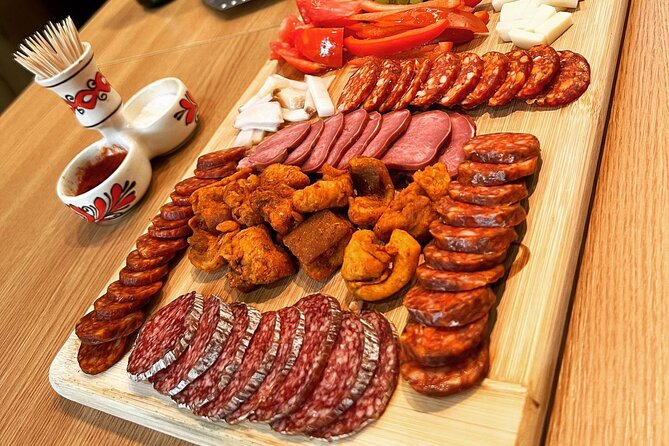
Once you arrive, you’re not wandering aimlessly. The tastings are part of the curriculum. You may sample:
- Selection of Hungarian cured salamis and cheeses
- Exotic Hungarian pickles (the kind you can’t exactly recreate from memory)
- A taster of Hungarian palinka
- Starter tasting for wine pairing that continues alongside your meal
Then you move from tasting to buying. You’ll pick up the ingredients for what you’ll cook, guided along the way so you don’t come out with the wrong sausage, the wrong spice blend, or the wrong dumpling base. One big advantage of this structure is that it’s easier to recreate at home later—because you leave with the right ingredients and a sense of what each one contributes.
If you’re the type who likes to understand shopping as part of travel, this is a lot of fun. A few people even mentioned picking their own postcard souvenir, which is a small detail but a nice “I was here” memory tied to the food theme.
The apartment kitchen setup: homier than a classroom
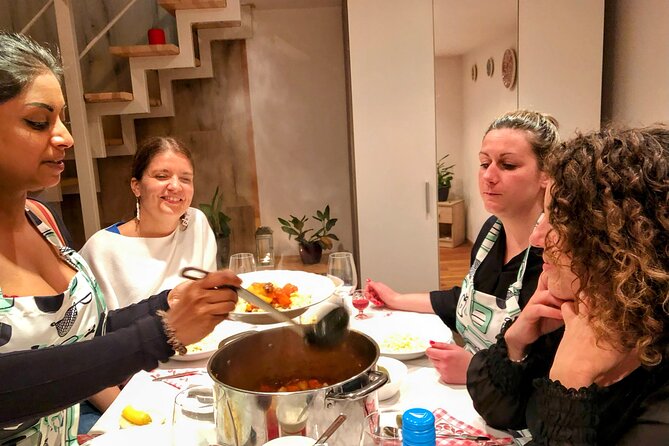
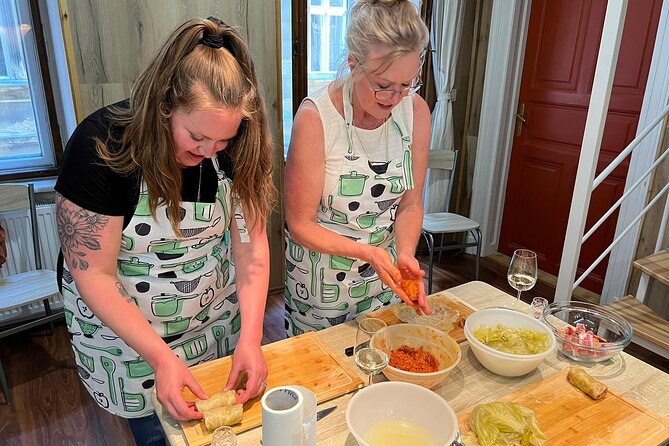
After the market, you take a short walk to the cooking venue, described as a nearby apartment-type space. In the best version of this kind of tour, you can feel the shift from public-food energy to something calm and personal. Multiple people said it felt like cooking in a friend’s kitchen—warm, decorated as a real kitchen, not a sterile demo space.
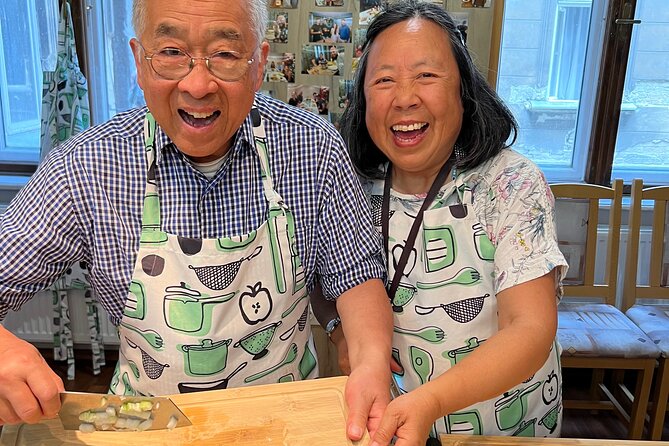
This is also where the hands-on part matters. Your guide gives step-by-step instruction, and the pace is usually relaxed rather than rushed. Many participants describe getting involved in the cooking, not just watching. That’s a key difference from “cooking theater,” where you stir for two minutes and then get handed a plate.
Group size can affect the vibe. The experience is listed as a maximum of 12 travelers, and that’s ideal for hands-on interaction. Still, there are reports of groups feeling larger than expected, and some kitchens can feel cramped depending on the day. If you hate tight workspaces, it’s a consideration.
What you’ll make: lecsó, chicken paprikash, dumplings, and the paprika connection
Hungarian cuisine often centers on paprika-forward comfort food. This class leans into that theme with dumplings and stews that taste like home cooking.
Based on the menu and what’s been described, your main dish is likely one of these:
- Hungarian sausage lecsó with dumplings (called out as Grandma’s recipe in the menu)
- Chicken paprikash with Hungarian dumplings like nakedli / dumplings or similar dumpling-style noodles
You’ll also typically see a dumpling element. Even when the main dish changes day to day, that dumpling pairing is a signature move because it soaks up sauce and makes the meal feel complete.
More days smoothed over by a local


The wine pairing rhythm
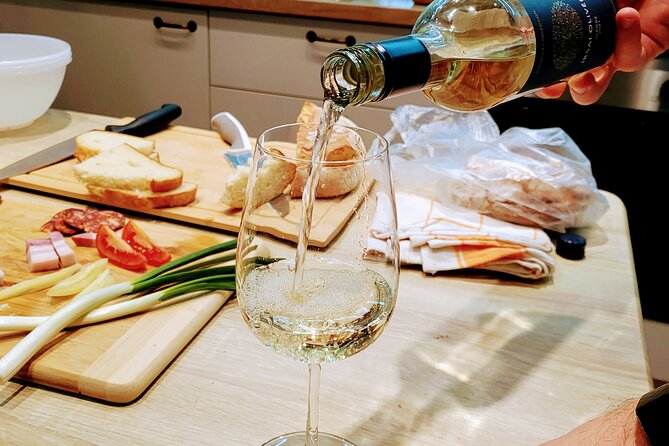
Your tastings don’t stop at the market. A wine pairing with the meal is included, and some guides are described as offering locally paired wines with your cooking and dinner. Reviews mention wine being free-flowing in some groups, so if you’re not drinking, you’ll want to make your preferences clear. Non-alcoholic options can be available, though one caution from past experience is that some non-drinkers were offered only simple alternatives like water or squash.
Dessert may or may not fit
The listed menu includes a traditional Hungarian pudding. In practice, a cooking class like this has to manage time between market, cooking steps, and serving. One participant noted that dessert described in the listing wasn’t made in their session, which suggests dessert can depend on pacing that day. That doesn’t mean you’ll never get it—just don’t book this expecting dessert to always happen on the dot.
Dietary needs: gluten-free and plant-based options, with real-world cautions
The good news: gluten-free, vegan, and vegetarian options are available. For gluten-free specifically, the menu notes the lecsó can be made with gluten-free dumplings or with potatoes instead of dumplings.
What I want you to take seriously is cross-contamination risk. One review described a coeliac guest being warned about potential cross contamination in the shared kitchen environment, and that’s a fair, real-world issue for any cooking class where multiple ingredients are handled together. If you have a severe gluten requirement, you should treat this as a “talk to the operator first” situation, not a guarantee of a lab-clean kitchen.
For vegans and vegetarians, you should still expect the experience to center on Hungarian flavors and familiar textures. It may adjust specific ingredients, but the goal stays the same: you’re learning how Hungarian comfort food tastes and how it’s built.
Timing and pacing: 4 hours of eating, cooking, and waiting
This is about a four-hour afternoon, structured so you get both market time and cooking time. The market portion includes a walking phase (one group described about 30 minutes in the market) and then a walk to the apartment kitchen (about 15 minutes).
The cooking timeline isn’t always “continuous action.” Some people reported periods of waiting while components cook or prepare. That’s normal for stews and dumplings, but it’s still worth knowing. If you like fast, constant activity, you might find the downtime a little boring. If you enjoy chatting and getting the meal right, the relaxed pace can feel like the point.
On Sundays, the market can be quieter. One person felt the market visit was shorter because some stalls were closed, which reduced the sightseeing feel. If you’re choosing a weekend date and you want maximum market energy, keep that in mind.
Meeting point and the walk you should plan for
You meet at Central Market Hall in Budapest (1093 Hungary). The experience ends back at the meeting point.
Because you move between locations on foot, plan your day with that in mind. Bring comfortable shoes and expect to spend time outdoors in between the market and apartment kitchen. If you’re sensitive to long standing or have mobility limits, it helps to choose a day when you can manage the walking portion without stress.
One accessibility detail that came up: during at least one visit, the market’s elevator was broken and people relied on the escalator. That’s not something you should count on, but it’s a useful heads-up if you’re traveling with a wheelchair or mobility equipment.
How to recreate it at home: recipes plus technique, not just flavors
A big part of why people say they’d do this again is that they leave feeling capable. Several participants specifically mentioned getting recipes and confidence to reproduce the dish at home.
Here’s what you’re really buying:
- Ingredient knowledge (what to buy at the market)
- A method (how the stew/dumpling process works)
- Flavor reasoning (why paprika, salami-like richness, or pickles fit together)
Hungarian cooking has a “food logic” that makes sense once you see the ingredients combined. If you’ve ever tried to cook a dish like paprikash and ended up with something flat, this kind of guidance can be the difference between dinner and disappointment.
Value at $99: what’s included (and what you should mentally budget for)
At $99 per person for roughly four hours, you’re paying for a full meal experience plus guidance. Based on the menu and the descriptions, you’re typically getting:
- Market tastings (cured meats/cheeses, pickles, palinka)
- Wine pairing with the meal (local wines)
- A hands-on cooking session with instruction
- A family-style meal that you helped make
So you’re not just paying for a recipe card. You’re paying for the market translation, the cooking teaching, and the ingredients arranged in the right proportions.
The value gets better if you want to taste beyond a single dinner order. Between the market samples and the paired drinks, it can feel like you’re getting a mini food tour plus a cooking class in one time block.
If you’re counting every dollar: consider that wine is part of the experience. If you don’t drink, you may still get non-alcohol options, but they may not feel as generous as the wine service described by some people. Factor that into your personal value equation.
Who this class is best for (and who might want a different option)
This experience is a great fit if:
- You want a market-first food adventure and not just a kitchen lesson
- You like hands-on cooking with step-by-step guidance
- You’re curious about Hungarian ingredients like paprika, cured salami/cheese, and pickles
- You enjoy meeting other people while sharing a meal
It may be less ideal if:
- You need nonstop action with no waiting
- You strongly dislike tight spaces or crowded group dynamics
- You expect a huge, cinematic market tour every day regardless of the day’s schedule
- You have strict dietary needs where cross-contamination risk would be a deal-breaker
Should you book the Budapest Cooking Class & Market Tour?
If you’re aiming for an afternoon that’s both practical and genuinely Hungarian—market tastings, paprika comfort food, and a home-kitchen feel—I’d book it. This class is built around the part many people forget: tasting first, then cooking with context.
Choose it confidently if you like food stories, hands-on cooking, and sharing dinner with a small group. If you drink wine, you’ll likely find the pairings add a lot to the experience. If you don’t drink, plan to clarify your preferences.
Do a little extra homework if you’re gluten intolerant with severe sensitivity. Ask about cross-contamination and how options are handled in the shared kitchen.
If you want one clear recommendation: pick this when you have about half a day to slow down, eat well, and learn a dish you’ll actually want to cook again.
FAQ
Is the tour in English?
Yes. The experience is offered in English.
How long is the experience?
It runs for about 4 hours.
Where do I meet and where does it end?
You meet at Central Market Hall in Budapest (1093 Hungary). It ends back at the same meeting point.
Is wine included?
Wine pairing is included with the meal, and there is also palinka tasting as part of the food samples.
Are dietary options available?
Yes. Gluten-free, vegan, and vegetarian options are available.
How big is the group?
The experience has a maximum of 12 travelers.
What should I bring for the market portion?
Wear comfortable shoes. You’ll walk through the market and then walk to the cooking venue.
What if the weather is bad?
The experience requires good weather. If it’s canceled due to poor weather, you’ll be offered a different date or a full refund.
Can I get a refund if I cancel?
Cancellation is free up to 24 hours in advance for a full refund. If you cancel less than 24 hours before the start time, the amount paid won’t be refunded.
More Tours in Budapest






More Tour Reviews in Budapest






Chimney Cake and the Hungarian Kitchen




Just Added: More Budapest Reviews
- Sightseeing flight over Budapest
★ 5.0 · 3 reviews - Budapest: Walking Tour with Chimney Cake & Polaroid Photos
★ 5.0 · 3 reviews - Self Guided Tour In Budapest With 100 Captivating Audio Stories
★ 5.0 · 3 reviews - Budapest Art Nouveau Walking Tour
★ 5.0 · 3 reviews - Hungary today: a no-taboo conversation
★ 5.0 · 3 reviews
Wine Tours, compared.
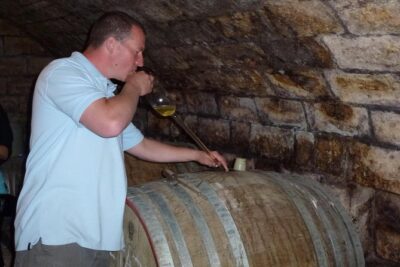 ★ 5.0Countryside Half-day Gastro-Wine Tour from Budapest Meal & pickupFrom $991,450 reviews
Budapest Centre Food Tour with 10+ Tastings, Wine & Street FoodFrom $118810 reviews
★ 5.0Countryside Half-day Gastro-Wine Tour from Budapest Meal & pickupFrom $991,450 reviews
Budapest Centre Food Tour with 10+ Tastings, Wine & Street FoodFrom $118810 reviews
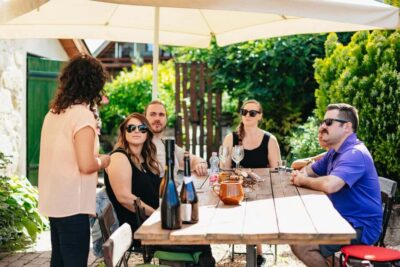 ★ 4.8From Budapest: Half-Day Countryside Wine Tour with MealFrom $96657 reviews
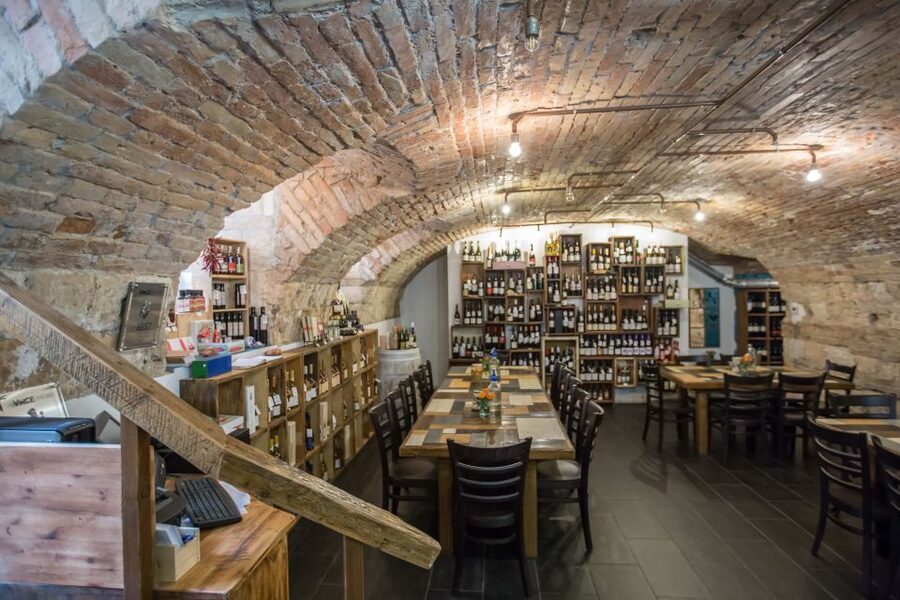 ★ 4.9Wine, Cheese, and Charcuterie TastingFrom $50647 reviews
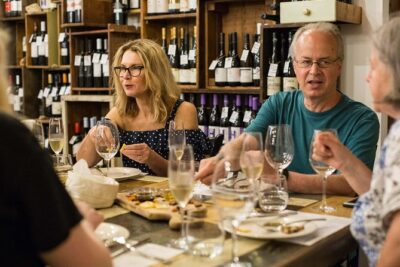 ★ 5.0Hungarian Wine Tasting (with Cheese and Charcuterie) in BudapestFrom $50531 reviews
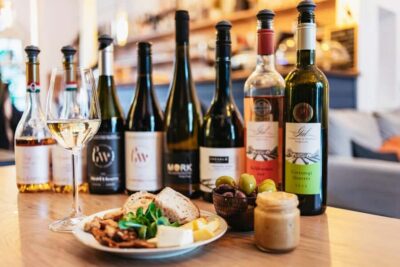 ★ 4.9Hungarian Wine Tasting with 8 Wines and TapasFrom $68446 reviews
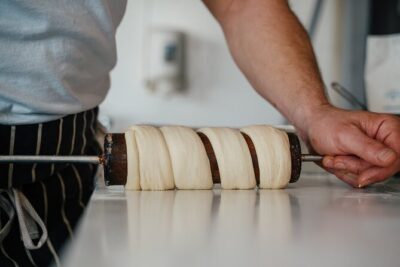 ★ 5.0Budapest Food Tour: Market to Tavern with 14+ Tasters & WinesFrom $76434 reviews
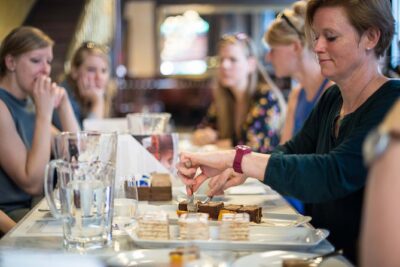 ★ 5.0Budapest Culinary & Wine WalkFrom $120397 reviews
Browse the lists this tour appears in