
Reviewed · JEWISH QUARTER TOURS
Private Jewish Heritage Tour including Hotel Pickup
Budapest’s Jewish quarter hits you in the heart. I like the private guide format (your pace, your questions) and the chance to go inside Dohány Street Synagogue, one of Europe’s biggest working synagogues. A possible drawback: you need to pick the right tour length, because some routes focus on specific memorial stops and may not cover every Jewish site you might hope for.
This tour is set up for real-time exploring, starting with hotel pickup and then a walk between major landmarks of Hungarian Jewish life. I also like that admission is handled for the key synagogue visits, so you spend your time looking, not queueing.
One more thing to plan for: food is not included except the invitation for kosher cake at Fröhlich Confectionery on the Grand Tour. If you want a full lunch built into your day, you’ll need to plan that around the route.
In This Review
- Key highlights you’ll care about
- Private pickup and choosing your tour length
- Small Tour (2 hours): Jewish Museum to Dohány Street Synagogue
- Stop 1: Jewish Museum with Holocaust room
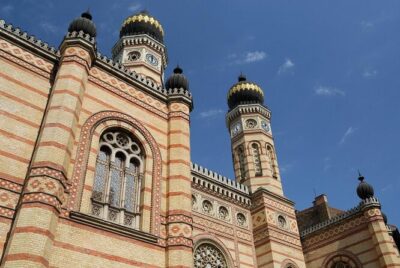
- Dohány Street Synagogue interior visit
- Martyrs’ Cemetery + Raoul Wallenberg and Tree of Life memorials
- Heroes’ Temple outside + Jewish Centre Family Research Center
- Essential Tour (2.5 hours): Deák Ferenc Square, Madách Square, and Jewish Museum context
- Deák Ferenc Square: Pest history and the Jewish market story
- Gábor Sztehlo Monument
- Madách Square and Rumbach Street Synagogue (outside)
- Back through the core of the route
- Grand Tour (4.5 hours): Carl Lutz memorials, Orthodox Jewish Quarter, Kazinczy Street Synagogue
- Carl Lutz Memorial Park: Hungary’s Schindler
- Gozsdu Passage + Orthodox Jewish Quarter
- Kazinczy Street Synagogue interior visit
- Fröhlich Confectionery kosher cake invitation
- Value check: what $191.72 buys you (and what you’re paying for)
- Pacing, questions, and how the guides shape the day
- What to bring and how to make it feel personal
- Who should book this tour, and who might not love it
- Should you book this private Jewish Heritage Tour with hotel pickup?
Key highlights you’ll care about
- Hotel pickup + private group means less hassle and more time with your guide
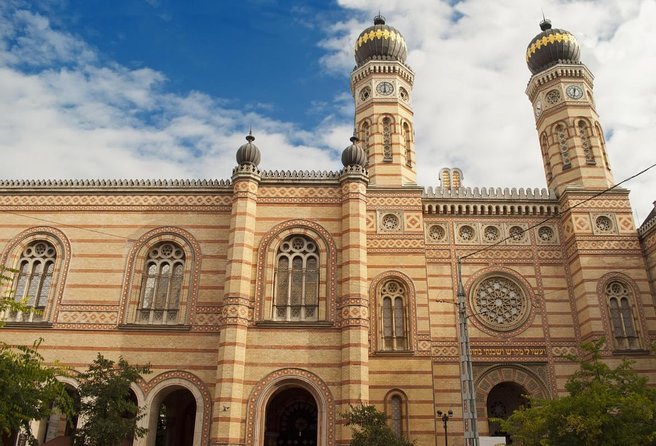
- Inside Dohány Street Synagogue is a must-see anchor for the whole experience
- Memorial stops are built in, including Raoul Wallenberg and Tree of Life
- Three routes let you match your time, from 2 hours to about 4.5 hours
- Family-focused resources show up at the Jewish Centre’s Family Research Center
- Grand Tour adds Kazinczy Street Synagogue plus a kosher cake stop
Deeper into old District VII
- Budapest Jewish Heritage Memorial Walking Tour & Synagogue Entry★ 5.0 · 568 reviews
- Budapest: Jewish Heritage Guided Tour with Synagogue Ticket★ 4.8 · 533 reviews
- Jewish Quarter of Budapest Walking Tour★ 4.7 · 369 reviews
- German tour in the Budapest city centre & the Jewish quarter★ 5.0 · 359 reviews
Private pickup and choosing your tour length
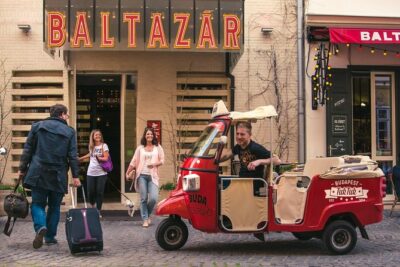
You start with hotel pickup from centrally located hotels in Budapest. That matters, because the Jewish quarter is spread out enough that walking from a random meeting point can eat into your time. Here, you’re already moving toward the important stops when the tour begins.
Next, you choose one of three private tour lengths: Small (about 2 hours), Essential (about 2.5 hours), or Grand (about 4.5 hours). The itinerary is flexible in the sense that you can tell your guide what you want to prioritize. In practice, that means if your interest leans more toward architecture and synagogue life, or more toward Holocaust-era history and memorials, your guide can steer the conversation.
You’re also working with a professional local guide, and English is the offered language. The vibe from past guides is consistent: people tend to praise how guides bring context to the streets, not just recite dates. Names that show up often include Benjamin, Petra, Fatima, Joel, Greta, Dorian, Anny Fisher, and others, and the common thread is clear communication and a pace that lets you ask questions.
Practical note: the tour is a walking route with a moderate fitness level. You’ll want comfy shoes. It’s not a “power walk,” but it’s not a museum-only sit-down day either.
Small Tour (2 hours): Jewish Museum to Dohány Street Synagogue
This is the option I’d recommend if you want a focused overview without turning your morning into a marathon. It keeps the day tight, starting at the Jewish Museum area and then moving to the big synagogue centerpiece.
Stop 1: Jewish Museum with Holocaust room
You begin with the Jewish Museum’s art collections and its Holocaust room with a local guide. The value here is that you’re not just seeing “Holocaust history” as a separate topic later. Instead, you get context for Jewish life in Hungary and Eastern Europe through art, then the narrative turns toward the Holocaust in Hungary.
If you’re the type who likes to understand the story behind the buildings, this start is a smart move. It also sets the tone for everything you’ll see afterward, including the cemeteries and memorial parks.
Dohány Street Synagogue interior visit
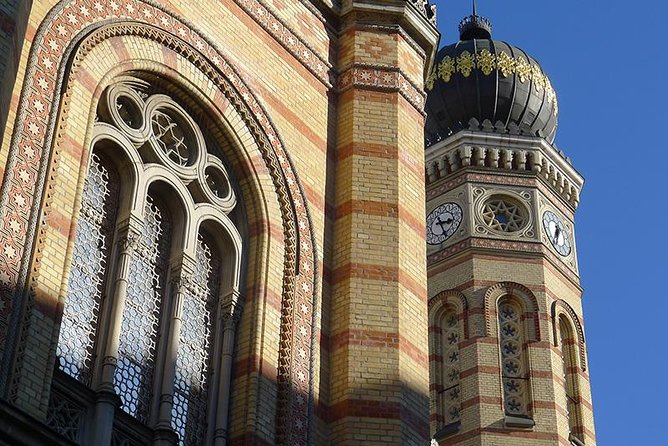
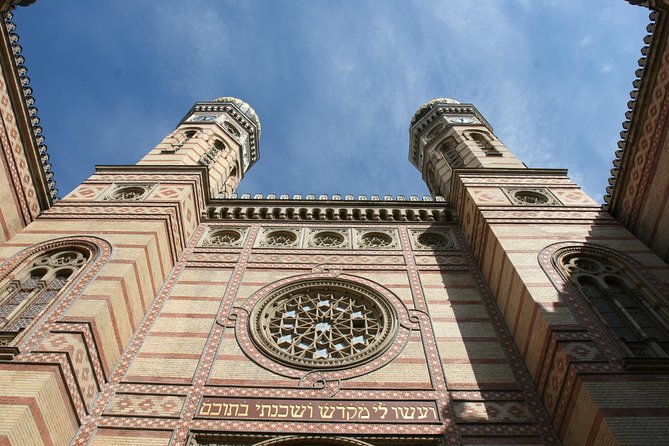
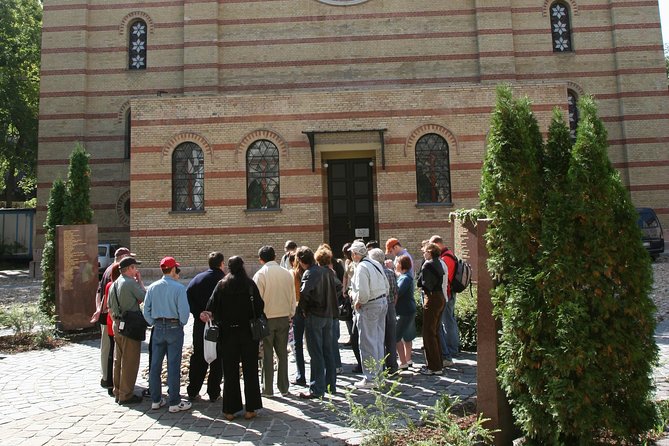
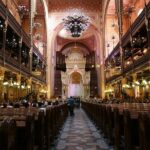
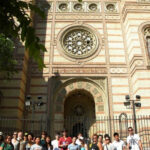
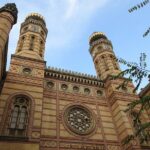
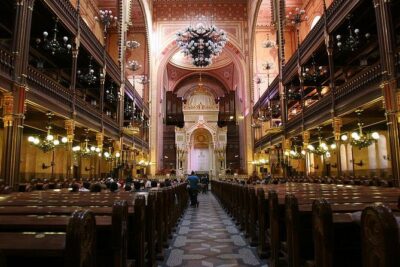
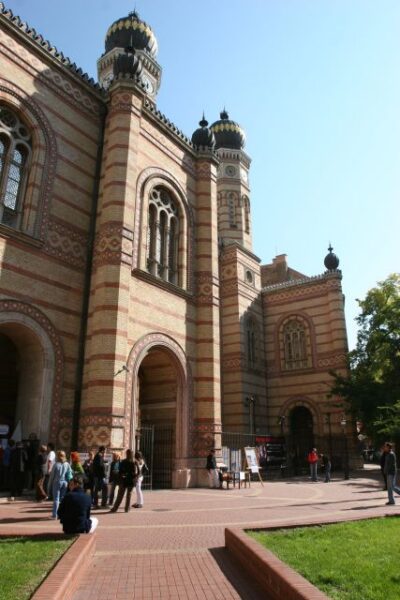
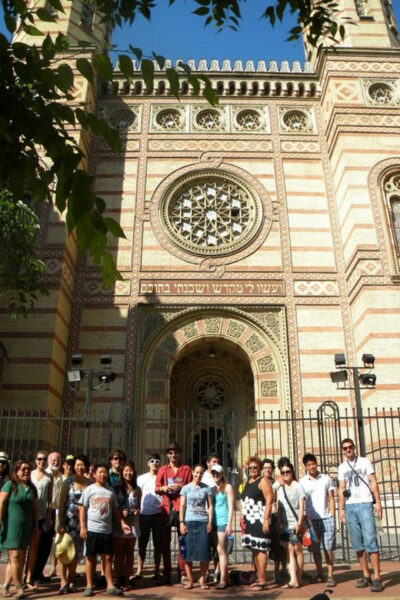
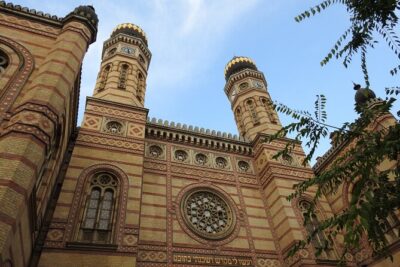
Then you go into the Dohány Street Synagogue. This visit is one of the big reasons people book this tour at all: you’re in a major working synagogue, not just outside a historical landmark. The guide frames what you’re looking at, which helps you notice the parts you might otherwise miss.
Tip: if you’re taking photos, don’t rush. Guides here tend to pace for pauses, so you can step back, reposition, and ask questions while you’re still there.
More just-your-group days in Budapest
Martyrs’ Cemetery + Raoul Wallenberg and Tree of Life memorials
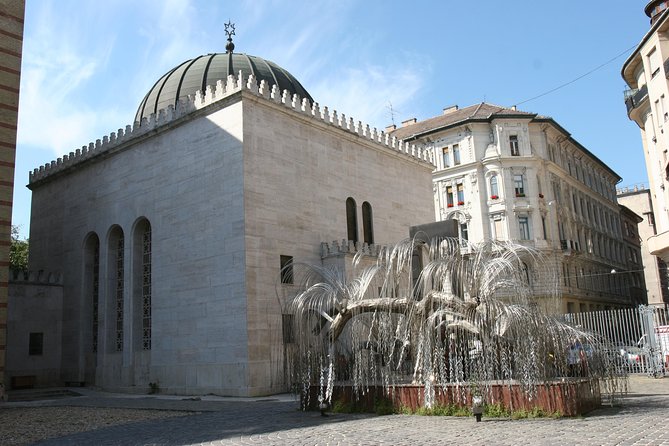
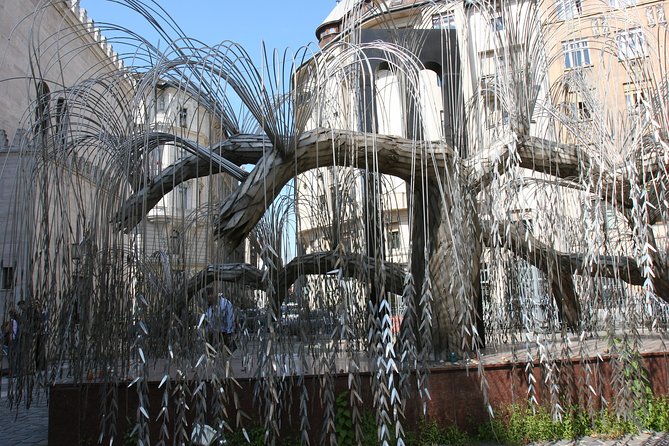
Next comes the Martyrs’ Cemetery and memorial sites tied to remembrance. You’ll also see the Raoul Wallenberg Memorial Park and the Tree of Life Memorial.
These memorial stops can feel heavy. That’s normal. What helps is the ordering: you’ve already learned some background at the museum, so the memorials don’t float out there as random plaques. They connect to a story of survival, rescue, loss, and community memory.
One useful detail from real visitors: the Tree of Life memorial is a place where people have looked for family names. If that’s personal for you, bring a list (even rough spellings). It can turn a visit from “historic” into something deeply real.
Heroes’ Temple outside + Jewish Centre Family Research Center
You also pass the Heroes’ Temple outside and visit the Jewish Centre, where you can spend time at the Family Research Center.
That part is easy to skip if you’re rushing through the day. Don’t. Even if you don’t find what you want, the center is the kind of stop that makes the history feel less fixed in the past and more connected to present-day identity research and family stories.
Essential Tour (2.5 hours): Deák Ferenc Square, Madách Square, and Jewish Museum context
The Essential Tour is the best middle ground when you want more street-level history but still don’t want to be out for most of the day.
Deák Ferenc Square: Pest history and the Jewish market story
You start at Deák Ferenc Square, learning about historical Pest and the Jewish market. This is valuable because it places the Jewish Quarter where it belongs in city history: not as an isolated bubble, but as part of how Budapest grew.
If you’re new to Budapest, this also helps you get your bearings fast for the rest of the neighborhoods.
Gábor Sztehlo Monument
Next is the Gábor Sztehlo Monument, honoring a Lutheran pastor who was recognized as righteous with the Yad Vashem honor by the State of Israel. It’s a reminder that “history” includes individuals and local acts of courage, not only tragedies.
Madách Square and Rumbach Street Synagogue (outside)
You move to Madách Square, tied to the history of Pest’s first synagogue, then pass the Rumbach Street Synagogue outside.
Outside stops can sound like less, but the trade-off is time. Your guide can point out what matters architecturally and historically, and you still have time for the major interior visits later.
Back through the core of the route
From there, the Essential Tour follows the Small Tour’s main structure: Jewish Museum, interior Dohány Street Synagogue, Martyrs’ Cemetery, Raoul Wallenberg and Tree of Life memorials, Heroes’ Temple outside, and the Jewish Centre Family Research Center.
So if you’re choosing between Small and Essential, think of Essential as the one that adds more “city story” at the front and keeps the synagogue-and-memorial backbone intact.
Grand Tour (4.5 hours): Carl Lutz memorials, Orthodox Jewish Quarter, Kazinczy Street Synagogue
This is the version if you want a longer walk with more variety in the stops. It also includes an extra synagogue interior, which alone can justify the added time.
Carl Lutz Memorial Park: Hungary’s Schindler
After the Essential route, you head to the Carl Lutz Memorial Park, dedicated to the Swiss diplomat often referred to as Hungary’s Schindler. The name tends to spark curiosity, and with a good guide you’ll connect the dots without turning it into a generic comparison.
Gozsdu Passage + Orthodox Jewish Quarter
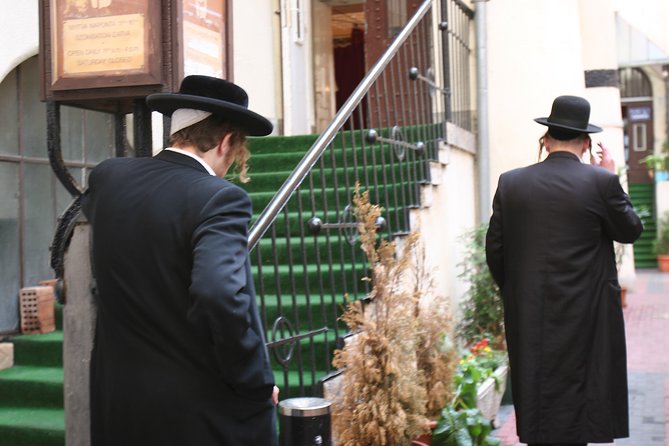
You also stop in Gozsdu Passage and the Orthodox Jewish Quarter. This is where Budapest stops feeling like a museum city and starts feeling like a place where tradition still shapes daily life.
One practical thing: quarters with active religious communities can be more weather- and schedule-dependent than big, fixed landmarks. Your guide is the one who helps you navigate what’s possible on the day.
Kazinczy Street Synagogue interior visit
Then comes the major added payoff: the Kazinczy Street Synagogue interior visit. If you’ve already seen Dohány Street Synagogue, Kazinczy gives you another architectural and community angle, so it doesn’t become repetitive. It feels like you’re comparing two different expressions of Jewish life in Budapest.
Fröhlich Confectionery kosher cake invitation
At the end (or during a break), you may accept an invitation to have cake at the glatt kosher Fröhlich Confectionery. Food isn’t guaranteed as part of the base included cost, but it’s a very Budapest-adjacent way to round out the morning with something tangible.
If you have dietary needs, you’ll want to confirm what’s available on the day. The wording here points to kosher cake, but it doesn’t list flavors or allergies.
Value check: what $191.72 buys you (and what you’re paying for)
Let’s talk money in plain terms. At $191.72 per person, you’re paying for three things that often cost extra if you piece them together yourself:
- a private guide who can tailor the route and answer questions
- hotel pickup, which saves time and avoids taxi triangulation
- admission coverage for the synagogue interiors (Dohány Street Synagogue and Kazinczy Street Synagogue, depending on your route)
If you’ve ever tried to stitch together a Jewish history day using public transit and separate tickets, the private format starts looking sensible. You’re not just visiting places; you’re getting the story and the connections between stops.
The tour is also described as private, meaning only your group participates. That tends to improve pacing. Your guide isn’t trying to keep 20 people moving through the same few minutes of every room.
And if you’re traveling with 5 participants or more, there are reduced group prices. That can make the “private” part feel much more like a deal.
Pacing, questions, and how the guides shape the day
What consistently stands out in the experience is how much the guide affects your day. People praise guides for being friendly, prompt, and willing to go out of their way. They also note that the pacing feels comfortable, even on the longer Grand Tour.
I’d treat this as a tour where you should use your questions. Ask things like:
- How did the neighborhood change over time
- What do the memorial names represent
- Why these synagogues, and what makes each distinct
- How the Jewish Centre’s Family Research Center works in practice
The tour also tends to allow for pauses for pictures. In a place like this, pictures are not just selfies; they’re your way to remember what you learned on the spot.
Finally, since the tour is private, you can adjust tempo. If your group wants more time in the Jewish Museum or less time on street corners, you can request it. That flexibility is part of the value, even if the route itself is already planned.
What to bring and how to make it feel personal
A simple packing list goes a long way here:
- Comfortable walking shoes
- Water for warm days
- A small notebook or phone notes for names and dates
- If you have family connections: bring any spelling of surnames you can
That last one isn’t required, but it can matter. The Tree of Life memorial is a place where people have found family names, and the Jewish Centre’s Family Research Center is built for this kind of interest.
If you’re coming with older relatives or anyone who needs slower breaks, tell your guide at the start. The tour is set up for moderate fitness, and guides are used to adjusting pacing.
Who should book this tour, and who might not love it
You should book if you want a structured, story-led Jewish heritage walk in Budapest with real synagogue interior visits and meaningful memorial stops. It’s especially good for:
- first-timers to Budapest who want context
- families tracing heritage and names
- anyone interested in Holocaust-era remembrance and how it sits inside Hungarian Jewish history
- travelers who prefer private guides over big-group bus tours
You might want to reconsider (or pair it with another plan) if your main goal is a very specific list of sites that goes beyond synagogues, the Jewish Museum, and the memorial parks included here. Some people expect other major Holocaust-related stops in Budapest, and those may not fit the built route of every tour length. The best fix is choosing the route that matches what you care about most, and asking your guide if any important add-ons exist that day.
Should you book this private Jewish Heritage Tour with hotel pickup?
Yes, if you want a high-impact morning or half-day that blends synagogue interiors, museum context, and memorials without feeling like a checklist. The hotel pickup alone is a quality-of-life win, and the fact that admissions are included for the key synagogue visits makes the price feel more grounded.
Pick the route based on your energy:
- Small (2 hours): best for a focused intro
- Essential (2.5 hours): best for city history plus the core sites
- Grand (4.5 hours): best if you want both synagogues and extra neighborhood stops, with the kosher cake invitation to close out the day
If you’re the kind of traveler who asks questions, pauses for details, and wants the story behind what you see, this is one of the better-value ways to experience the Jewish heritage of Budapest.
More Tours in Budapest




More Tour Reviews in Budapest





Around the Old Jewish Quarter

Just Added: More Budapest Reviews
- Sightseeing flight over Budapest
★ 5.0 · 3 reviews - Budapest: Walking Tour with Chimney Cake & Polaroid Photos
★ 5.0 · 3 reviews - Self Guided Tour In Budapest With 100 Captivating Audio Stories
★ 5.0 · 3 reviews - Budapest Art Nouveau Walking Tour
★ 5.0 · 3 reviews - Hungary today: a no-taboo conversation
★ 5.0 · 3 reviews
Jewish Quarter Tours, compared.
 ★ 5.0Budapest Jewish Heritage Memorial Walking Tour & Synagogue EntryFrom $83568 reviews
 ★ 4.8Jewish Heritage Guided Tour with Synagogue TicketFrom $81533 reviews
 ★ 4.7Jewish Quarter of Budapest Walking TourFrom $2369 reviews
 ★ 5.0German tour in the Budapest city centre & the Jewish quarterFrom $23359 reviews
 ★ 5.0Past and Present of Budapest Jewish District TourFrom $3264 reviews
 ★ 4.5Budapest Dohany Synagogue & Hungarian Jewish Museum & free extrasFrom $44218 reviews
 ★ 5.0Budapest City Walk in Jewish QuarterFrom $356218 reviews
 ★ 4.8Jewish History Guided Walking Tour with HistorianFrom $63205 reviews
Browse the lists this tour appears in