Reviewed · JEWISH QUARTER TOURS
Jewish Budapest (German-language city tour)
Synagogues, stories, and dessert in 90 minutes. This tour pulls together Budapest’s Jewish past and present as you stroll between landmarks, with the Emanuel Tree Holocaust memorial in the mix.
I especially like how the guide connects place to meaning: why these synagogues are where they are, how different Jewish groups shaped community life, and what traditions still look like on the street. I also like that you actually eat something meaningful, not just admire buildings—Flodni is included.
One consideration: the synagogues are discussed from the outside, so you won’t get interior viewing time. Also, the tour is in German, so it’s best if you’re comfortable following guided explanations at walking pace.
In This Review
- Key highlights at a glance
- Why Jewish Budapest starts at Madách tér
- The walking pace that keeps you oriented (and not bored)
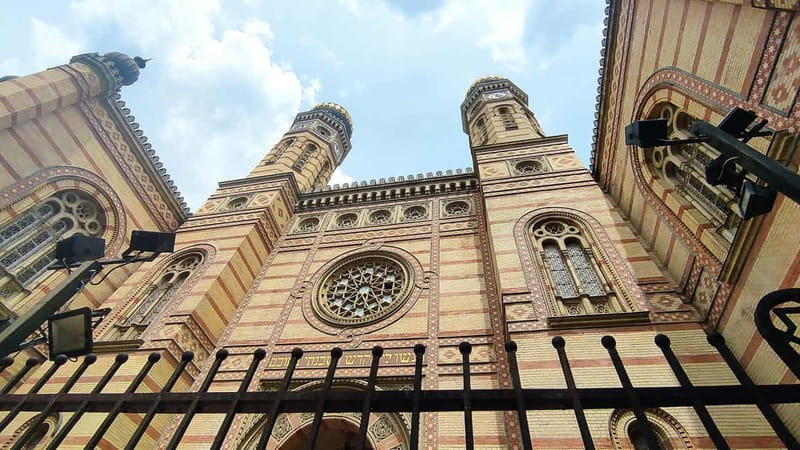
- Rumbach Street Synagogue: why Jewish groups look different
- Dohány Street Synagogue: the Holocaust memorial you can’t miss
- Kazinczy Street Synagogue and conservative/Orthodox life today
- Jewish dessert: Flodni and why food belongs on this route
- The outside-only synagogue approach (and what it means for you)
- German-language guide: how to get the most from it
- Meeting point and finding your guide fast
- Group size and why it affects the experience
- Value for money: $23 for three synagogues, plus Flodni
- Who should book this Jewish Quarter tour
- Should you book the Jewish Budapest German-language city tour?
- FAQ
- What is the duration of the Jewish Budapest city tour?
- Where does the tour start?
- Where is the meeting point exactly?
- What language is the tour in?
- Which synagogues are included on the route?
- Are you allowed inside the synagogues during the tour?
- Is Flodni included?
- Is the tour wheelchair accessible?
Key highlights at a glance
- Three largest synagogues in Budapest on one route: Rumbach, Dohány, and Kazinczy are your main stops.
- Holocaust remembrance you can point to: you’ll see the small cemetery area and the Emanuel Tree memorial at Dohány.
- Jewish community life, not just monuments: you’ll hear about customs and traditions, including conservative and Orthodox practices.
- Taste a Budapest Jewish classic: you’ll try Flodni, a traditional dessert.
- Smaller groups help questions land well: group size is capped at 25, and it can be very intimate.
- Useful learning tools: you get digital guides to Jewish cuisine and Jewish terms.
Deeper into old District VII
- Budapest Jewish Heritage Memorial Walking Tour & Synagogue Entry★ 5.0 · 568 reviews
- Budapest: Jewish Heritage Guided Tour with Synagogue Ticket★ 4.8 · 533 reviews
- Jewish Quarter of Budapest Walking Tour★ 4.7 · 369 reviews
- German tour in the Budapest city centre & the Jewish quarter★ 5.0 · 359 reviews
Why Jewish Budapest starts at Madách tér
The tour kicks off at Madách Imre tér 1, right at the area known as the Gate to the Jewish Quarter. That’s a smart opening point because it frames the neighborhood as a living place with borders—social and historical—rather than treating it like a museum zone.
From the start, you learn how Budapest’s Jewish community grew, changed, and survived through time. The tone is practical: you’re not only memorizing dates, you’re learning how the neighborhood became what it is.
The walking pace that keeps you oriented (and not bored)
This is a 1.5-hour city walk, built around short stretches and repeated context. You’ll move between sites at a steady pace, with breaks handled naturally by the guide’s explanations at each stop.
You’ll also want to know the tour’s physical flow: it includes walk segments of about 20 minutes, 15 minutes, and 30 minutes between major points. That’s enough time to absorb the stories, but not so much that you’re exhausted before the best stops.
And you’ll finish at Budapest, Kazinczy u. 27, 1075. Ending there makes it easy to keep exploring the area without hopping around.
Rumbach Street Synagogue: why Jewish groups look different
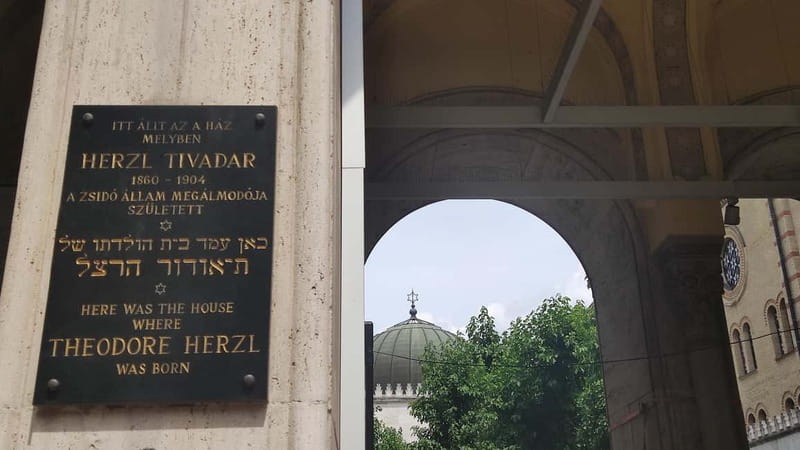
Your first major stop is the Rumbach Synagogue on Rumbach Street (after roughly a 20-minute walk). This is where the tour slows down and turns architectural details into social clues.
You’ll talk about the split between Jewish groups and the different ways synagogues are built. Even if you’re not an architecture person, you’ll start noticing patterns once someone explains the “why” behind the “what.”
What I like here is the cause-and-effect style. Instead of saying “this group believed X,” you learn how belief, community needs, and identity can show up in the shape and style of the place.
Dohány Street Synagogue: the Holocaust memorial you can’t miss
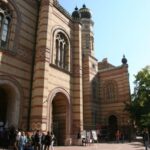
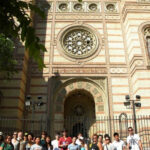
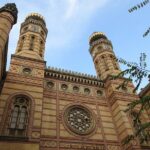
Next comes the Great (Dohány) Synagogue area (about a 15-minute walk). This is the emotional center of the route, and the tour treats it that way.
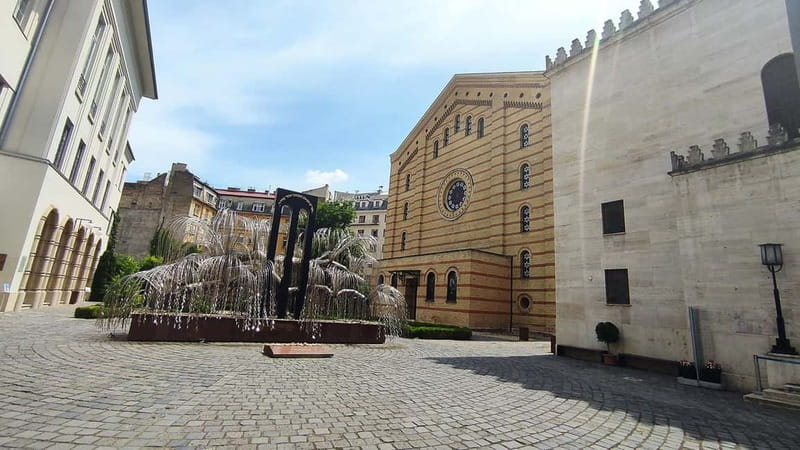
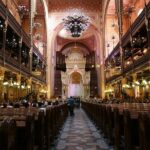
At Dohány, you’ll see a small Jewish cemetery and the Emanuel Tree, which functions as a Holocaust memorial. You also get historical context about the Hungarian Holocaust and what the situation of Jews in Budapest looks like today.
One reason this stop lands well: it doesn’t lock you into one era. The guide links past persecution and loss to the present reality of Jewish life in the city, so you leave with a fuller picture instead of a single heavy chapter.
A consideration: because the synagogues aren’t visited from the inside during the tour, your learning here is mostly visual and spoken—what you see around the building matters a lot.
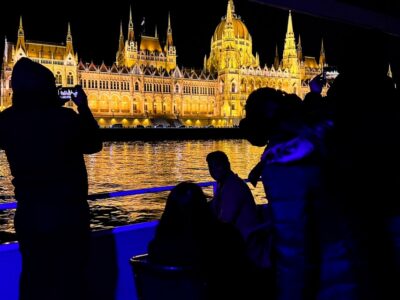
The big Budapest sights, gathered into one run


Kazinczy Street Synagogue and conservative/Orthodox life today
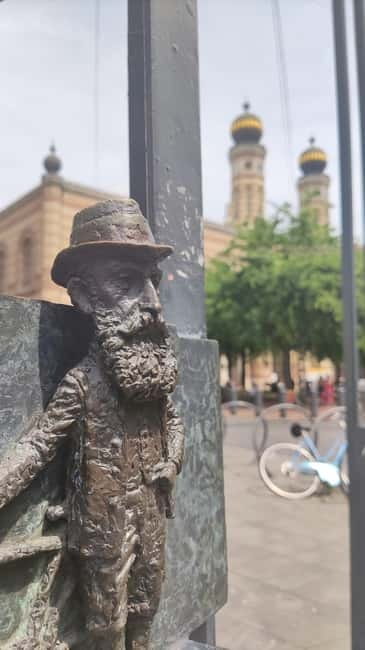
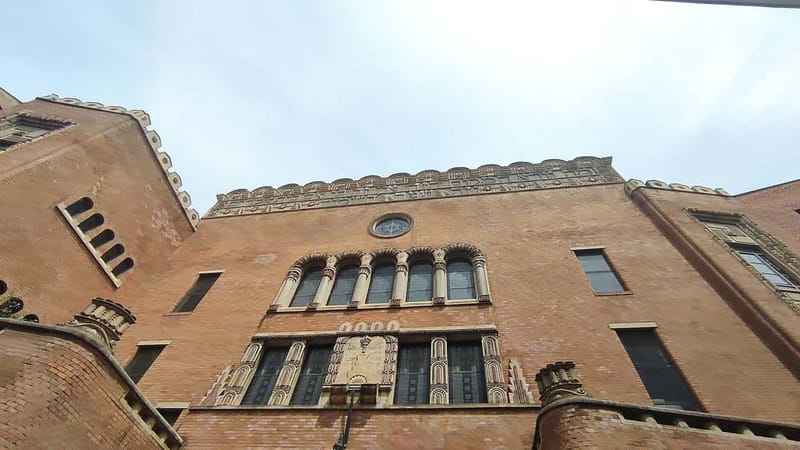
After another walk segment of about 30 minutes, you reach the Kazinczy Street Synagogue zone. This part shifts from landmark history into community structure: the tour ends with a focus on conservative Jews and everyday religious institutions.
You’ll learn about the mikvah (ritual bath), and you’ll hear about an Orthodox synagogue and kosher restaurants and other community institutions. The goal is to show tradition as something practiced now, not only something preserved in old photos.
This is also where the tour’s practical side comes through. You start to understand how a visitor can recognize Jewish customs in daily life—what kinds of places exist, why they exist, and how they support community rhythm.
Jewish dessert: Flodni and why food belongs on this route
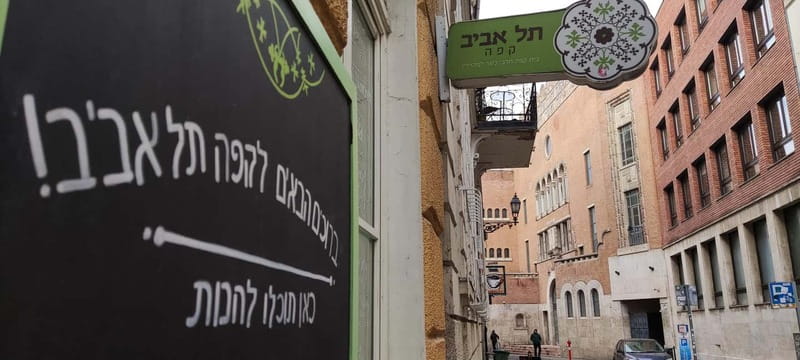
The tour includes a tasting of Flodni, a typical Jewish dessert associated with Budapest Jewish eating habits. This is more than a snack stop; it’s a cultural anchor.
Food makes the stories stick. After hearing about traditions and community continuity, trying Flodni gives you a simple way to remember the tour beyond names of buildings. Even better, the included dessert keeps the experience from feeling purely academic.
You may also receive a digital guide to Jewish cuisine, which helps you connect the dots later when you’re walking around looking for what to eat next.
The outside-only synagogue approach (and what it means for you)
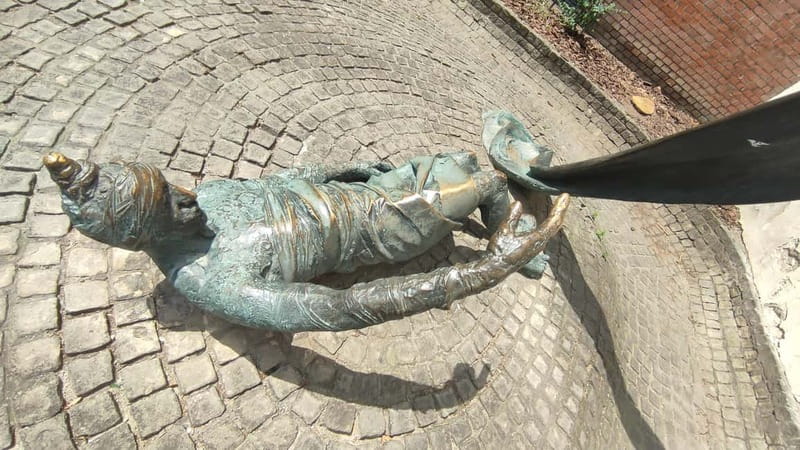
A key detail: the synagogues are not visited from the inside during the tour, and entrance fees are not included. For some people, that’s a disappointment.
For others, it’s actually an advantage. Outside viewing plus guided context can be ideal if you want a first overview of the quarter without committing to separate entrance hours and timelines. In 1.5 hours, you’re still covering three major synagogues and multiple layers of meaning.
If you’re the kind of traveler who wants interior space—sanctuary layout, guided museum exhibits, or long photo time—this tour may feel limiting. If you want orientation, story, and a neighborhood overview, it’s a strong format.
German-language guide: how to get the most from it
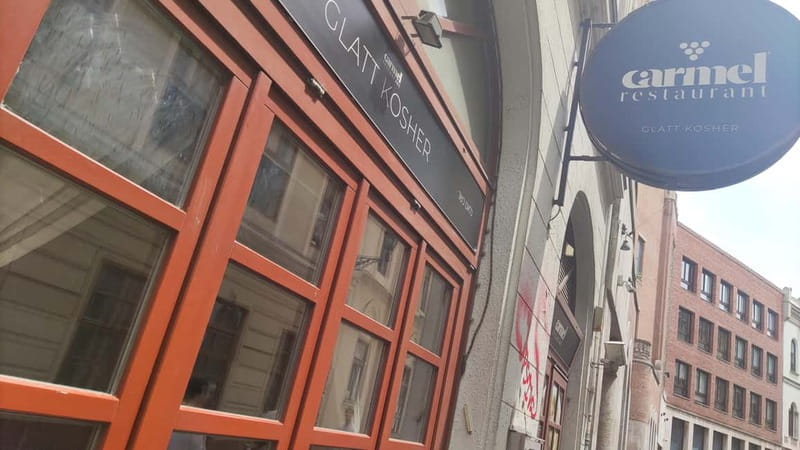
The tour is led in German. If your reading and listening skills are solid, you’ll probably enjoy the finer points about community splits, customs, and terminology.
You’ll also get digital guides: one for Jewish cuisine and one for Jewish terms. That’s a smart inclusion because Jewish life includes a lot of specific vocabulary, and having reference material after the tour can make your notes feel less like a blur.
Also, some content may be shown in its original language. That can be a small upside—more authenticity—if you don’t need everything translated word-for-word.
The guide is Gábor Glasner, and the overall style in the tour format is very Q-and-A friendly, especially in smaller groups.
Meeting point and finding your guide fast
Meet behind the statue of Empress Elisabeth (Sisi). That landmark is easy to spot, and the tour guide will wear a visible tour guide ID around their neck.
If you arrive a few minutes early, you can take in the immediate surroundings and get your bearings before the walking starts. In a neighborhood tour, that little buffer helps you focus on what’s being explained instead of scanning maps.
Group size and why it affects the experience
This tour runs with a maximum group size of 25 people, and you can end up with a very small group depending on demand. Smaller groups make the explanations feel more direct, and it’s easier to ask questions about specific topics like traditions, community structure, or what you’re seeing on the street.
The trade-off with small-group tours is timing: the guide may adjust pacing if questions take longer. In a 1.5-hour format, that flexibility usually keeps the experience from feeling rushed.
Value for money: $23 for three synagogues, plus Flodni
At about $23 per person for 1.5 hours, the value comes from the mix: guided interpretation, coverage of three major synagogues, and an included cultural tasting. On top of that, you receive digital guides that extend learning beyond the walk.
Entrance fees are not included, and you aren’t entering the synagogues during the tour. So if you’re comparing costs, keep the format in mind: you’re paying for the guided neighborhood story and the included dessert, not for building access.
In practical terms, it’s a good deal if it’s your first time in the area and you want a structured way to understand what you’re looking at.
Who should book this Jewish Quarter tour
Book it if:
- you want an organized German-language introduction to Budapest’s Jewish quarter
- you like learning through real places, not just a list of dates
- you want to understand community traditions, from synagogue differences to daily-life institutions
- you’re happy with outside viewing and prefer story-led walking over interior visits
You might pick a different option if:
- you want interior access and timed entry inside the synagogues
- you don’t feel comfortable following a German narration during a walking tour
- you’re mainly focused on photography and want extended time in each building
Should you book the Jewish Budapest German-language city tour?
Yes, if you want a compact, meaningful Jewish Quarter experience with a clear storyline. The route covers the three biggest synagogues you’ll hear about in Budapest, adds important Holocaust remembrance at Dohány, and ends with how conservative and Orthodox life shows up in today’s institutions.
If you’re someone who enjoys short, story-rich walking tours and you’re comfortable in German, this is a solid way to get oriented fast. And if you like food on your cultural tours, the included Flodni tasting is the kind of detail that turns a neighborhood lesson into a personal memory.
Just go in knowing the synagogues are discussed from outside, so plan any interior visits elsewhere if that matters to you.
FAQ
What is the duration of the Jewish Budapest city tour?
The tour lasts 1.5 hours.
Where does the tour start?
You meet at Madách Imre tér 1.
Where is the meeting point exactly?
Meet behind the statue of Empress Elisabeth (Sisi).
What language is the tour in?
The tour is in German.
Which synagogues are included on the route?
The tour covers the Rumbach Synagogue, the Great (Dohány) Synagogue, and the Kazinczy Street Synagogue area.
Are you allowed inside the synagogues during the tour?
No. The synagogues are not visited from the inside during the tour, and entrance fees are not included.
Is Flodni included?
Yes. The tour includes a Jewish dessert called Flodni.
Is the tour wheelchair accessible?
Yes, the tour is wheelchair accessible.
More Tour Reviews in Budapest





Budapest in a Single Day




Around the Old Jewish Quarter

Just Added: More Budapest Reviews
- Sightseeing flight over Budapest
★ 5.0 · 3 reviews - Budapest: Walking Tour with Chimney Cake & Polaroid Photos
★ 5.0 · 3 reviews - Self Guided Tour In Budapest With 100 Captivating Audio Stories
★ 5.0 · 3 reviews - Budapest Art Nouveau Walking Tour
★ 5.0 · 3 reviews - Hungary today: a no-taboo conversation
★ 5.0 · 3 reviews
Jewish Quarter Tours, compared.
 ★ 5.0Budapest Jewish Heritage Memorial Walking Tour & Synagogue EntryFrom $83568 reviews
 ★ 4.8Jewish Heritage Guided Tour with Synagogue TicketFrom $81533 reviews
 ★ 4.7Jewish Quarter of Budapest Walking TourFrom $2369 reviews
 ★ 5.0German tour in the Budapest city centre & the Jewish quarterFrom $23359 reviews
 ★ 5.0Past and Present of Budapest Jewish District TourFrom $3264 reviews
 ★ 5.0Budapest City Walk in Jewish QuarterFrom $356218 reviews
 ★ 4.5Budapest Dohany Synagogue & Hungarian Jewish Museum & free extrasFrom $44218 reviews
 ★ 4.8Jewish History Guided Walking Tour with HistorianFrom $63205 reviews
Browse the lists this tour appears in