
Reviewed · JEWISH QUARTER TOURS
Budapest: Jewish History with Local Guide & Synagogue Ticket
Jewish Budapest hits different when you can walk it. This 2-hour Jewish history tour pairs an English guide with an included visit to the Kazinczy Street Synagogue and its gallery.
What I like most is the way the tour connects the big landmarks to everyday Judaism in Hungary, including holidays and daily life, not just dates. I also appreciate the mix of stops—some outside for orientation and context, then an indoor visit where the story turns hands-on.
One consideration: it’s a walking tour and it’s not suitable for people with mobility impairments, so plan for standing and paced walking through the streets.
In This Review
- Key highlights you’ll actually care about
- Why the Jewish Quarter Walk Works in Just Two Hours
- Meeting at Herzl Tivadar and Getting Oriented Fast
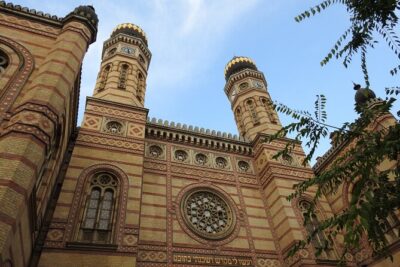
- Dohány Street Synagogue Outside: Europe’s Scale and Budapest’s Presence
- Raoul Wallenberg Holocaust Memorial Park: A Photo Stop That Holds Weight
- Jewish Quarter Guided Time: Holidays, Everyday Life, and Local Stories
- Rumbach Street Synagogue Outside: A Second Look at Orthodox Life
- Jewish Ghetto Wall Fragment: The Short Stop That Makes History Real
- Kazinczy Street Synagogue: The Art-Nouveau Interior With Gallery Access
- Price and Value: What $34 Really Covers
- What the Tour Feels Like on the Ground
- Who Should Book This Jewish History Tour
- Should You Book This Tour of Jewish History and Synagogues?
- FAQ
- How long is the Budapest Jewish history walking tour?
- Is the tour available in English?
- Which synagogue is included with admission?
- What other stops are part of the route?
- Are pets allowed?
- Is it suitable for people with mobility impairments?
Key highlights you’ll actually care about
- Kazinczy Street Synagogue interior visit + ticket included, so you are not hunting entry lines
- Exclusive gallery access at Kazinczy that’s otherwise closed to the public
- Stops built around the Jewish Quarter triangle, so you understand the map, not just memorized facts
- Photo stops and pass-bys that tie the history to real places, including the Holocaust Memorial Park
- Entire tour is English-only, led by a local expert guide
Deeper into old District VII
- Budapest Jewish Heritage Memorial Walking Tour & Synagogue Entry★ 5.0 · 568 reviews
- Budapest: Jewish Heritage Guided Tour with Synagogue Ticket★ 4.8 · 533 reviews
- Jewish Quarter of Budapest Walking Tour★ 4.7 · 369 reviews
- German tour in the Budapest city centre & the Jewish quarter★ 5.0 · 359 reviews
Why the Jewish Quarter Walk Works in Just Two Hours
You can see a lot in Budapest if you pick the right walking route. This tour is designed for that exact thing: a compact loop through the Jewish Quarter area where landmarks are close enough to connect the dots.
The smartest part is the balance. You get outside views to build your bearings fast—then you finish with an inside visit where you can slow down. The Kazinczy Street Synagogue stop is where the experience feels most “real,” because the architecture, the ongoing Orthodox presence, and the gallery access all land in the same place.
Also, it’s not only about tragedy or only about religion. The guide talks about Judaism as a living tradition—holidays, everyday life, and what community meant in Hungary. That’s what helps history stick after you walk away.
Meeting at Herzl Tivadar and Getting Oriented Fast
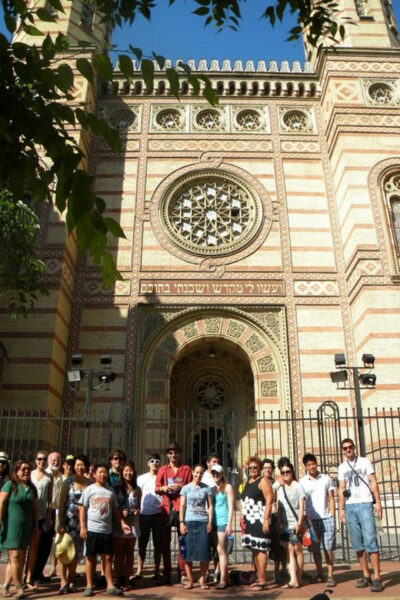
You meet your guide at the Herzl Tivadar sign. That matters more than it sounds. When you start at a real local landmark, you waste less energy trying to figure out where you are supposed to be.
From there, the tour moves in a steady rhythm: short guided segments, outside photo-friendly stops, then more guided time at the synagogue interior. If you like tours that feel organized but not rushed, this pacing tends to work.
One small practical note: pets aren’t allowed inside the synagogue buildings, though they are fine during the walking parts. If you’re bringing a pet, you’ll want to keep that in mind before the group reaches Kazinczy.
Dohány Street Synagogue Outside: Europe’s Scale and Budapest’s Presence
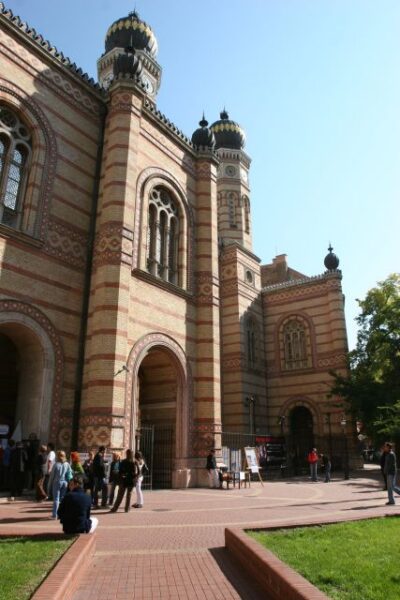
The tour starts at the Dohány Street Synagogue. You’ll view it from the outside, which is a good choice for the first stop because it frames what comes next. The guide points out that it’s the largest synagogue in Europe and the second largest in the world—big numbers, but also a clue about why Budapest mattered to Jewish life.
Outside visits can feel like “just looking,” but here they do real work. You get visual context and key background before you step into the quieter, more focused environment of Kazinczy later. Think of it as setting the stage.
Also, Dohány Street is one of those landmarks that looks even more powerful once you understand what the guide is connecting it to—community, cultural identity, and the historical pressures Budapest’s Jewish population faced over time.
Raoul Wallenberg Holocaust Memorial Park: A Photo Stop That Holds Weight
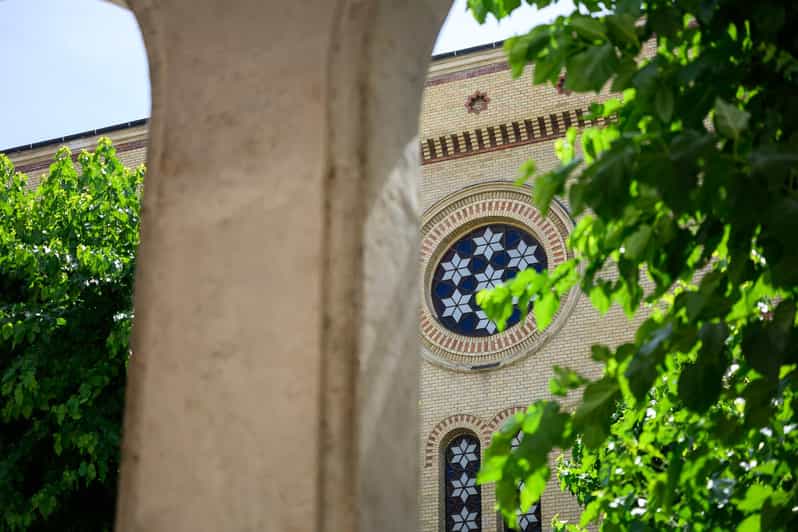
Next comes the Raoul Wallenberg Holocaust Memorial Park. It’s listed as a photo stop and pass-by, so you are not spending a long stretch there. Still, it’s important because it anchors the tour’s timeline in a named person and a specific place.
What I like about adding Wallenberg here is the way it shifts the story from buildings to human action. Wallenberg is recognized for his efforts to help Jews during World War II, and having that name connected to your walk helps the history stop feeling abstract.
If you’re the type who takes photos as a way to remember later, this is a good stop to do that. If you prefer quiet reflection, you can also just slow down for a minute and let it land—no one forces a performance.
Worth setting beside this one before you book:



Jewish Quarter Guided Time: Holidays, Everyday Life, and Local Stories
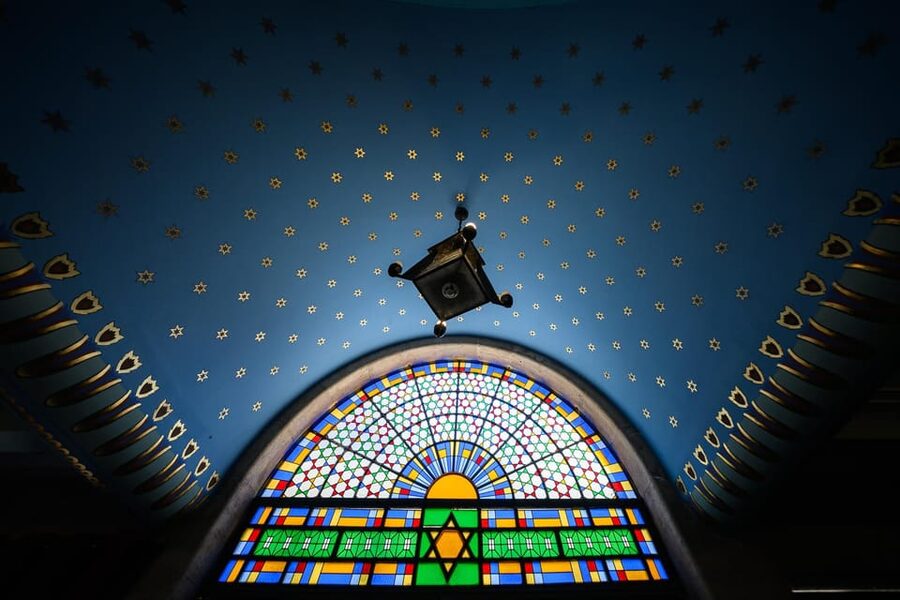
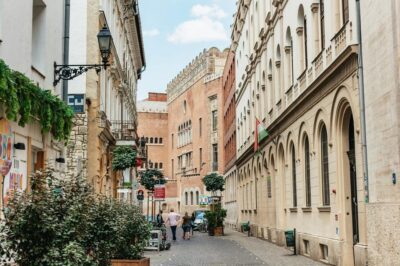
The Jewish Quarter segment is where the tour turns from landmarks into understanding. You get guided walking time, and the guide focuses on Jewish heritage, history, and culture with attention to traditions and everyday life in Hungary.
This is valuable because Judaism in Budapest isn’t only a set of monuments. The guide helps you understand holidays and daily routines as part of how people lived, celebrated, worked, and gathered. When you hear that in the streets of the Jewish Quarter, the neighborhood stops being a background setting and starts feeling like a place with routines and rhythms.
One thing that often makes tours like this feel worth it is how the guide tells local stories tied to the former ghetto area. Even without going inside every building on the route, you still come away with clearer meaning.
Rumbach Street Synagogue Outside: A Second Look at Orthodox Life
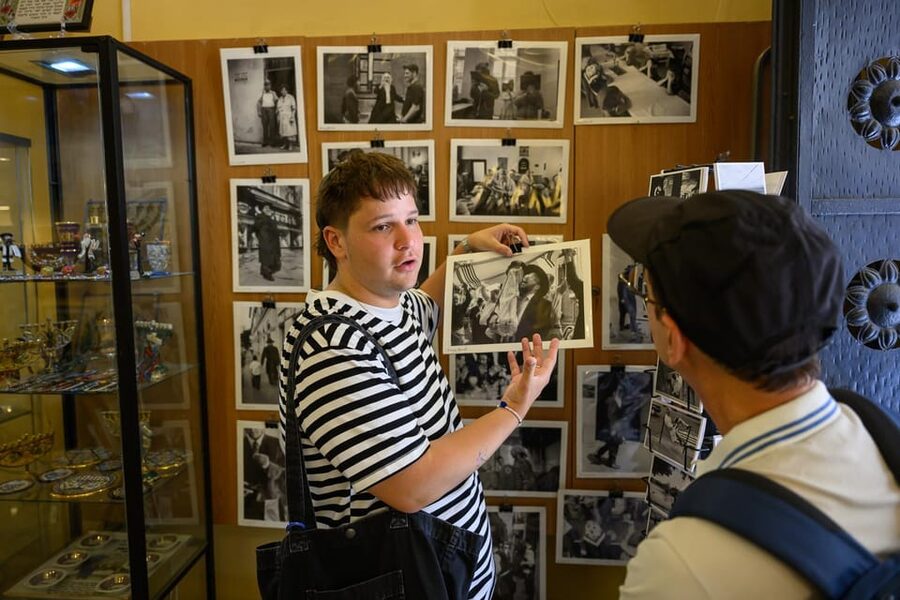
After the Jewish Quarter, you pass by the Rumbach Synagogue. It’s an outside photo stop, not an interior visit, so don’t expect extra gallery access or a long sit-down explanation. But the stop still matters.
Why? Because seeing more than one synagogue from the outside helps you understand that Jewish life in Budapest wasn’t one single style or one single community. The tour uses these visible markers so you can compare, and so the final Kazinczy visit feels more grounded when you learn what you’re looking at.
A practical tip: if your camera battery is low, this is a great moment to grab one clean photo and not overthink it. You’ll have your biggest indoor photographic moment at Kazinczy, since that stop includes the guided visit.
Jewish Ghetto Wall Fragment: The Short Stop That Makes History Real
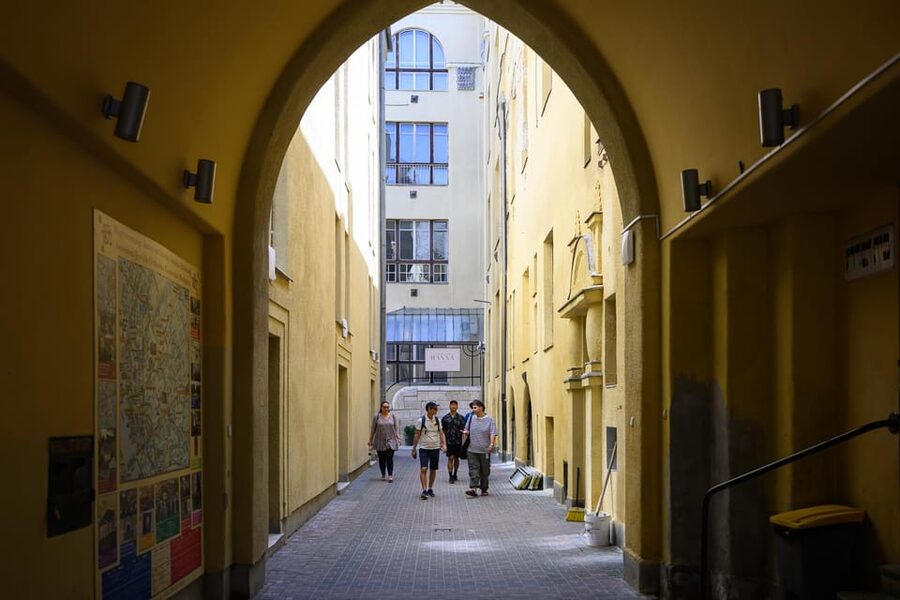
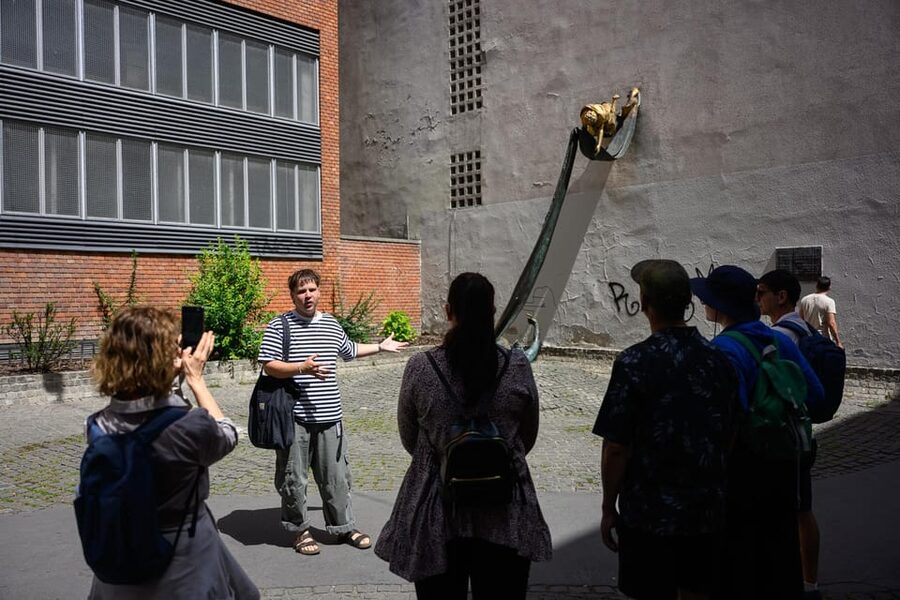
You’ll also make a pass by the Jewish Ghetto Wall Fragment. This is another photo stop, so again, you are not spending a long time there.
But tiny remnants like this are what cut through “timeline history.” They take the story out of the textbook and put it back into the physical street layout. Even if you only pause briefly, this is one of those stops that tends to stick because it’s small enough to feel close and personal.
If you want to get more out of it, look at what surrounds it. The wall fragment isn’t floating in space—it sits in the city fabric. That contrast is part of the message.
Kazinczy Street Synagogue: The Art-Nouveau Interior With Gallery Access
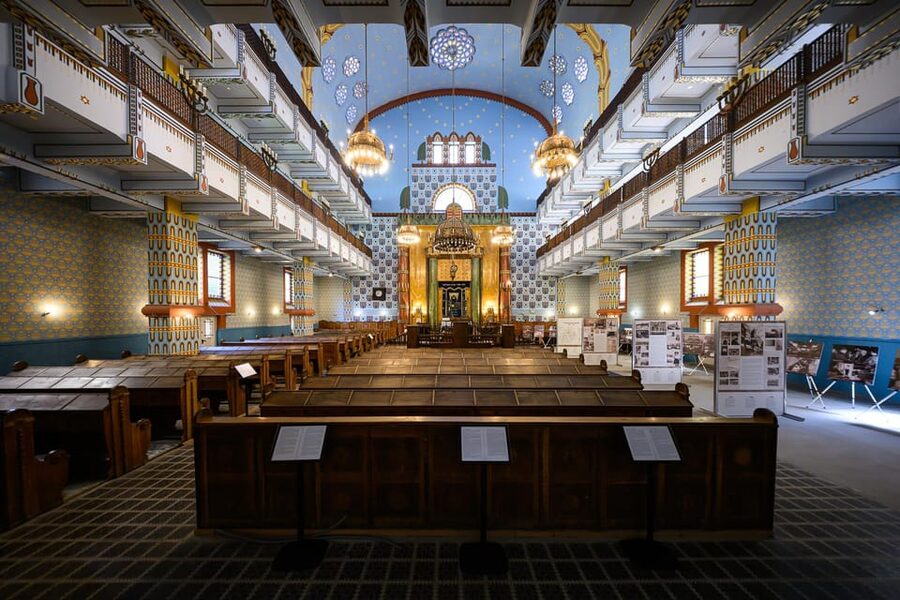
Then comes the star: the Kazinczy Street Synagogue, where the tour switches from outside viewing to an interior visit with your included ticket.
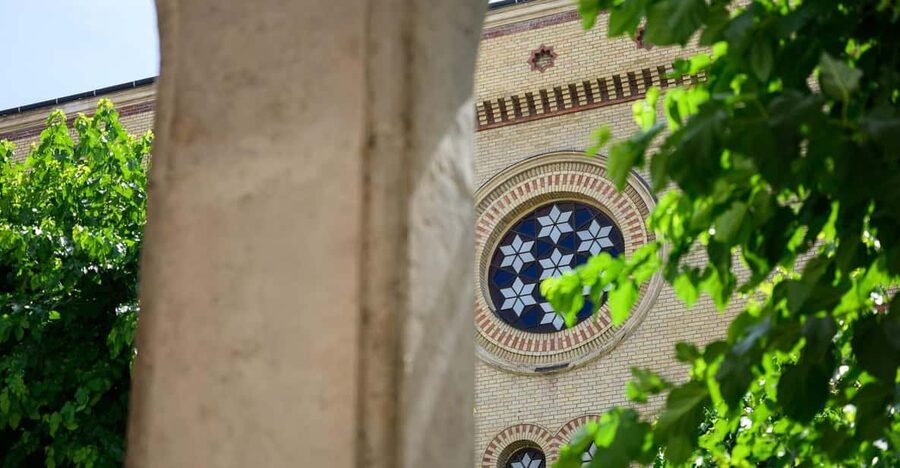
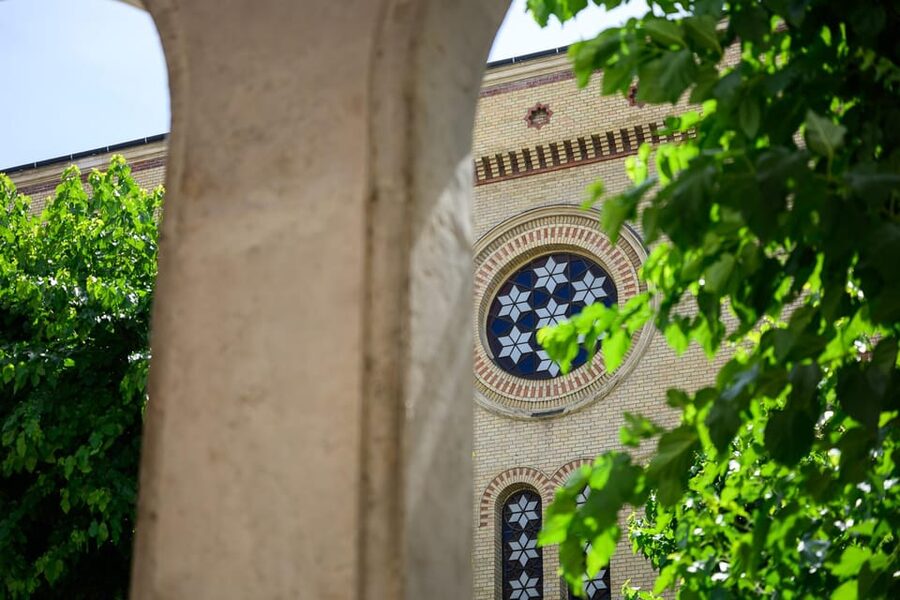
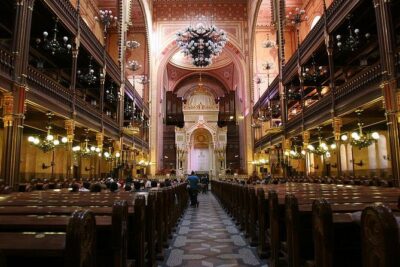
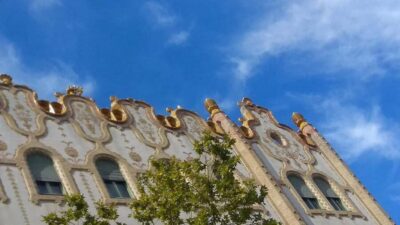
Kazinczy is described as one of the largest operating Orthodox synagogues in Europe, built in an Art-Nouveau style. That combination is one of the reasons I think this stop delivers. It’s not only religious architecture—it’s also cultural design, so you get both spiritual and aesthetic context.
The guide takes you inside and also provides a guided tour of the synagogue. What makes it especially worthwhile is the gallery visit. The gallery is otherwise closed to the public, and you only get access on this guided route.
For me, that’s the key value point. Many walking tours end with you peering at a facade. Here, you go higher up into the space that most visitors don’t see, and the guide can explain what you’re looking at while you’re actually there.
One more detail that helps you appreciate the visit: the walking tour format gets you to Kazinczy after earlier stops that explain the surrounding history. By the time you’re standing inside, you’re not starting from zero.
Price and Value: What $34 Really Covers
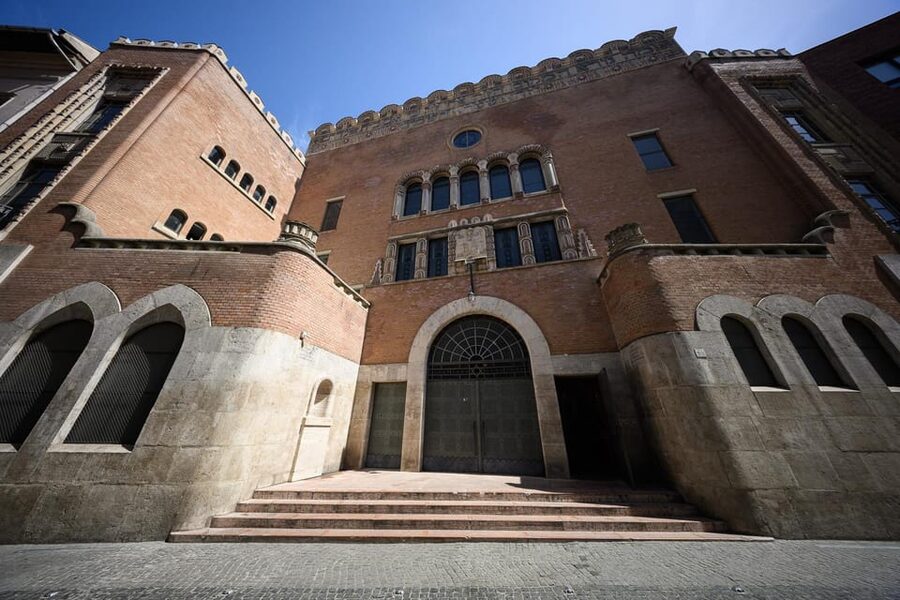
At $34 per person for a 2-hour walking tour, the pricing can feel surprisingly fair once you look at what’s included.
You are paying for:
- an English-speaking local guide
- guided walking time through the Jewish Quarter area
- and the included admission to Kazinczy Street Synagogue, plus the exclusive gallery access
The inside admission and special access are where the value really concentrates. Without those, you’d basically be paying for a guided walk with outside sightseeing. With them, you’re getting a structured cultural visit plus a limited-access interior component.
In other words: the price isn’t just for the walk. It’s also for privileged access to a place you can’t count on getting into easily on your own.
What the Tour Feels Like on the Ground
This tour isn’t a marathon. It’s a steady, city-friendly pace over about two hours. The route is built to keep you oriented in the area without dragging you across too many streets.
There’s also a clear rhythm to the experience:
- outside views to set context
- guided walking where history turns into culture
- photo stops that act like signposts
- one major interior moment at Kazinczy that uses your included ticket
If you prefer tours that are organized and story-driven, this style tends to work. If you hate standing and prefer fully indoor experiences only, this might feel like more street time than you want—especially since it’s explicitly not suitable for mobility impairments.
Who Should Book This Jewish History Tour
This is a strong fit if you want:
- an English tour focused on Jewish heritage, traditions, and culture in Budapest
- a route that helps you understand the Jewish Quarter as a connected area
- an included synagogue interior visit with special gallery access
It’s also a good choice if you like practical touring. You get a defined start point at the Herzl Tivadar sign, a clear ending back at the meeting point, and a ticketed indoor stop that’s part of the package.
If you have mobility limitations, though, this one is not suitable. Plan for alternate options that focus more on seated access or fewer walking segments.
And if you’re traveling with a pet: pets are not allowed inside the synagogue, but they are welcome during the walking portion. That means you’ll need to manage the timing and keep your pet close during the indoor segment.
Should You Book This Tour of Jewish History and Synagogues?
I’d book it if you want a high-impact Budapest experience in a short window. The combination of an English guide, meaningful stops around the Jewish Quarter, and the included Kazinczy Street Synagogue visit with exclusive gallery access is what makes it feel worth your time and money.
If you’re mainly after quick photos of big monuments and nothing more, you might find the outside photo stops a bit brief. But if you want context—holidays, everyday life, and a guided explanation that turns architecture into understanding—this tour hits the sweet spot.
FAQ
How long is the Budapest Jewish history walking tour?
The tour lasts about 2 hours. You can check availability to see starting times.
Is the tour available in English?
Yes. The tour is only available in English.
Which synagogue is included with admission?
Kazinczy Street Synagogue is included with admission. You also get a guided visit, including access to its gallery.
What other stops are part of the route?
You will start at Dohány Street Synagogue (outside visit), pass by Raoul Wallenberg Holocaust Memorial Park, visit the Jewish Quarter area with guided walking, pass by Rumbach Synagogue (outside/photo stop), see the Jewish Ghetto Wall Fragment (photo stop), and finish back at Kazinczy Street Synagogue.
Are pets allowed?
Pets are not allowed inside the synagogue, but they are welcome during the walking tour.
Is it suitable for people with mobility impairments?
No. The tour is not suitable for people with mobility impairments.
More Tickets in Budapest





More Tour Reviews in Budapest





Around the Old Jewish Quarter





Just Added: More Budapest Reviews
- Sightseeing flight over Budapest
★ 5.0 · 3 reviews - Budapest: Walking Tour with Chimney Cake & Polaroid Photos
★ 5.0 · 3 reviews - Self Guided Tour In Budapest With 100 Captivating Audio Stories
★ 5.0 · 3 reviews - Budapest Art Nouveau Walking Tour
★ 5.0 · 3 reviews - Hungary today: a no-taboo conversation
★ 5.0 · 3 reviews
Jewish Quarter Tours, compared.
 ★ 5.0Budapest Jewish Heritage Memorial Walking Tour & Synagogue EntryFrom $83568 reviews
 ★ 4.8Jewish Heritage Guided Tour with Synagogue TicketFrom $81533 reviews
 ★ 4.7Jewish Quarter of Budapest Walking TourFrom $2369 reviews
 ★ 5.0German tour in the Budapest city centre & the Jewish quarterFrom $23359 reviews
 ★ 5.0Past and Present of Budapest Jewish District TourFrom $3264 reviews
 ★ 5.0Budapest City Walk in Jewish QuarterFrom $356218 reviews
 ★ 4.5Budapest Dohany Synagogue & Hungarian Jewish Museum & free extrasFrom $44218 reviews
 ★ 4.8Jewish History Guided Walking Tour with HistorianFrom $63205 reviews
Browse the lists this tour appears in