
Reviewed · DARK HISTORY & GHOST TOURS
Budapest: Hammer & Sickle Communism Walking Tour
Soviet symbols, street-level stories, in one walk. This Hammer & Sickle tour turns Hungary’s communist decades into something you can picture: daily routines, workplace drinks, and the way people kept life moving behind the Iron Curtain. Two things I especially like are the focus on everyday problem-solving (passports, school life) and the stop at the 1956 Revolution exhibition, which gives context without turning it into a textbook. One possible drawback: you’ll do about 2 hours of continuous walking, and it is not recommended for kids under 14 or for anyone with mobility impairments.
You also get something many history tours skip: the sense of how symbols mattered in real places. You’ll move through Pest’s downtown streets tied to major events, ending with Liberty Square and the Parliament area, where the political story shows up in stone and layout. If you want a calm, walk-and-talk format that mixes politics with human daily life, this format fits.
In This Review
- Key Things That Make This Tour Worth Your Time
- Why a Hammer & Sickle Walk Makes Communist History Click
- Starting in Deák Ferenc tér: Where the Walk Begins
- Pest Side Streets, Trabants, Passports, and School Rules
- The 1956 Revolution Exhibit: Why One Stop Changes the Whole Story
- Liberty Square’s Soviet Memorial: Seeing the End of an Era in Public Space
- Hungarian Parliament Area: Big Architecture, Big Meaning
- What the Refreshment Actually Adds (And When It Helps)
- How Long Is Too Long: Walking Pace and What to Wear
- Price and Value: Is $72 Worth It?
- Tips for Getting the Most Out of the Guide
- Should You Book This Communism Walking Tour?
- FAQ
- How long is the Hammer & Sickle Communism Walking Tour?
- Where do I meet the guide?
- Is the tour in English?
- What is included in the price?
- Is pickup available?
- Is it suitable for children or people with mobility impairments?
Key Things That Make This Tour Worth Your Time
- Everyday communist life, not just dates: how people handled passports, school, and work routines
- A dedicated stop for the 1956 Revolution exhibition, plus stories around the early protests
- Walking Pest’s downtown streets connected to major turning points, including Liberty Square
- Views tied to big national symbols at Hungarian Parliament and nearby civic spaces
- A licensed English-speaking guide, with refreshment included (coffee, tea, or soft drink)
Budapest at street level, more routes on foot
- Big Bus Budapest Hop-On Hop-Off Bus and Walking Tour★ 3.5 · 2,206 reviews
- Budapest: Buda Castle District Walking Tour★ 4.6 · 2,108 reviews
- 3-Hour Orientation Walking Tour of Buda and Pest★ 4.8 · 1,834 reviews
- Budapest Historical Sightseeing – Free Walking Tour★ 5.0 · 1,302 reviews
Why a Hammer & Sickle Walk Makes Communist History Click
Communism can sound like a list of policies. This tour makes it human. You’re not only learning what the system claimed; you’re seeing how it shaped ordinary days—how people got documents, what school looked like, and how social life worked when politics sat over everything like a ceiling fan you couldn’t turn off.
What helps is the way the tour connects the big picture to small details you can actually imagine. Hungary’s communist era isn’t presented as one flat experience. It’s shown as something people navigated daily, even when life felt constrained.
And yes, there’s a pay-off for visual thinkers. You’ll walk toward places where communist power is still written into the city’s layout. That makes the story stick faster than a museum stop alone.
Starting in Deák Ferenc tér: Where the Walk Begins
The tour meeting point is very easy to find once you’re there: 1052 Budapest, Deák Ferenc ter 4, in front of the Lutheran Church (pale yellow), on the church steps. If you’re getting your bearings that morning, this is a helpful choice because Deák Ferenc tér is central and well connected.
In practical terms, that location also sets the tone. You’re starting in a lively downtown square area and then moving through smaller Pest streets where the historical events feel closer. The route is designed to keep you walking through real urban space rather than hopping around by bus.
One more small point: you’ll want to be ready at the start. The tour involves around 2 hours of continuous walking, and it’s not a stop-and-sit type experience.
Pest Side Streets, Trabants, Passports, and School Rules
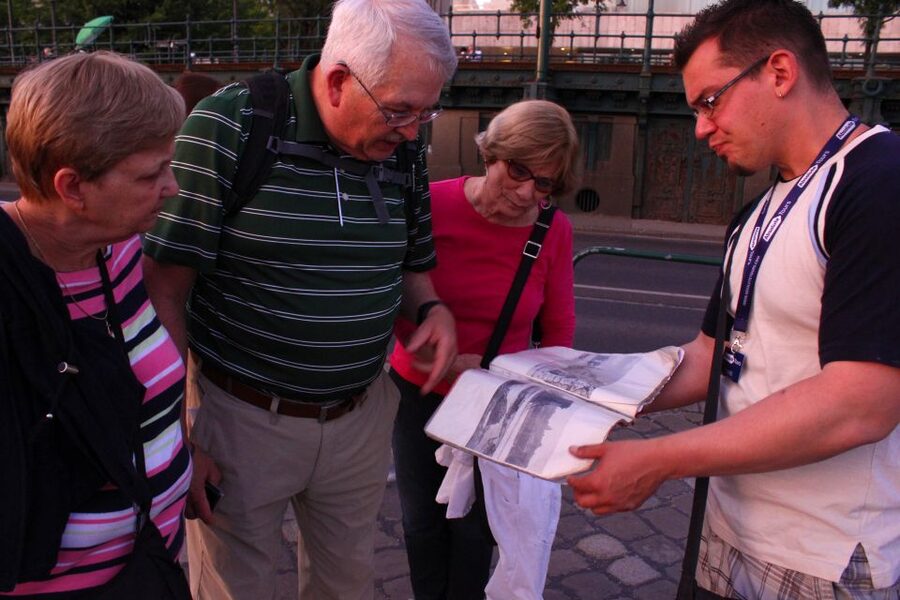
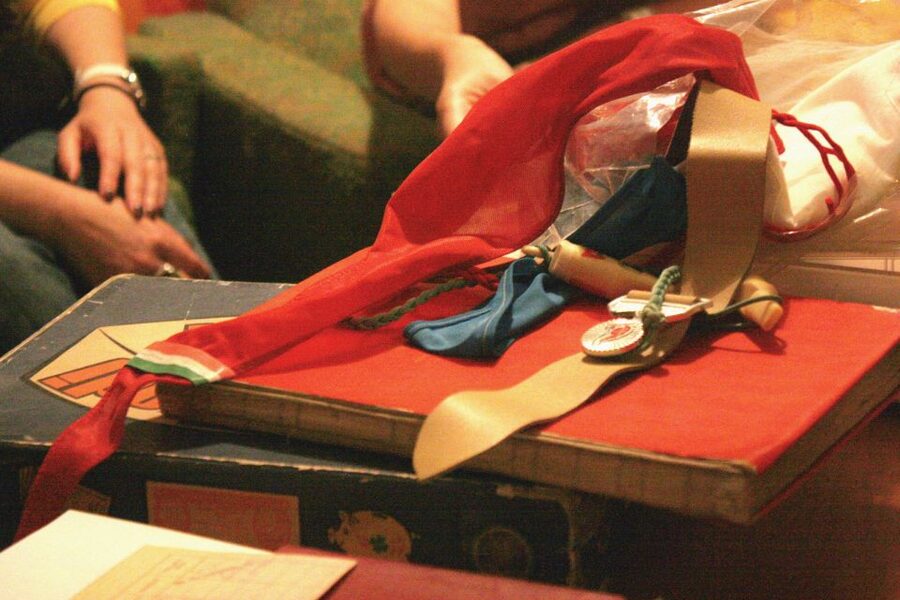
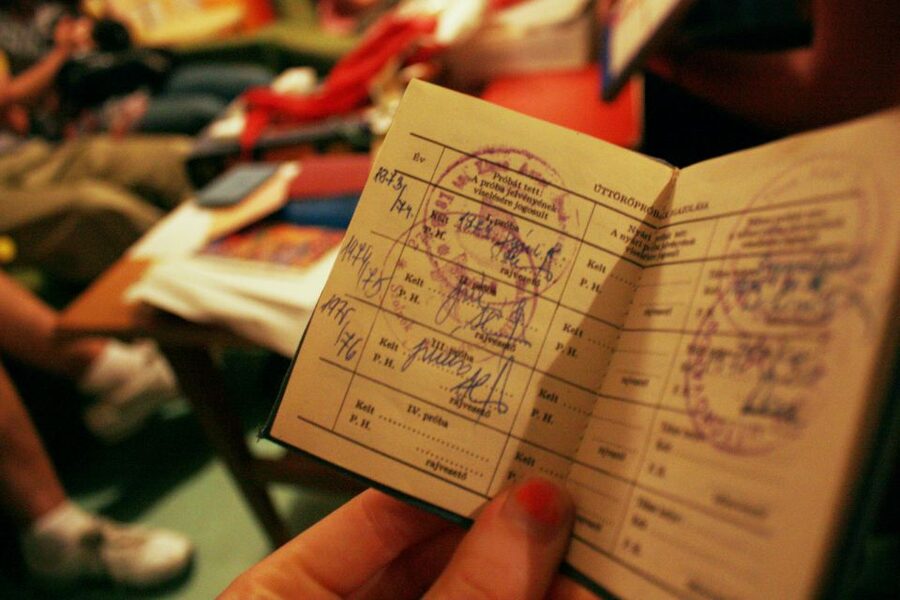
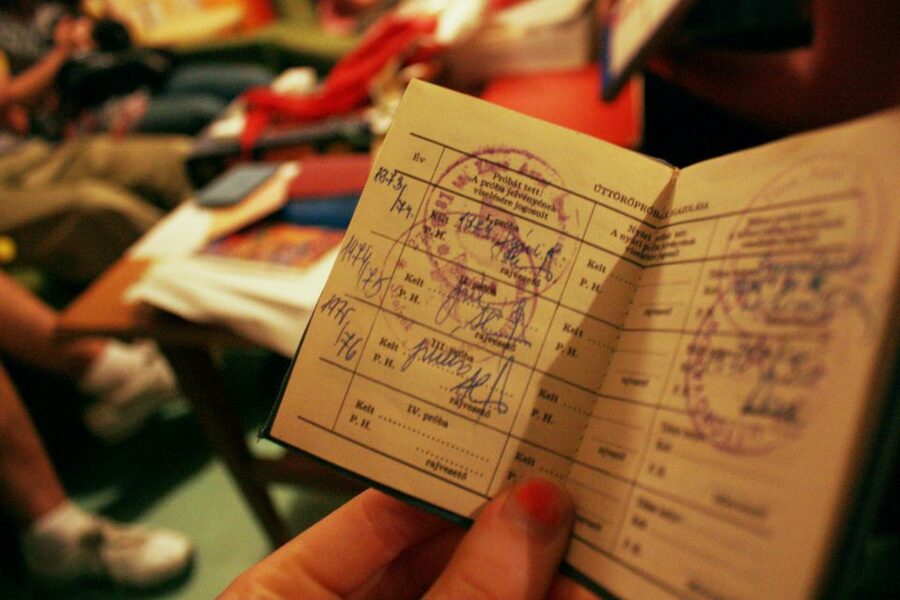
This is where the tour earns its keep for me. The communist story here is not only ideology; it’s logistics. You’ll hear how residents negotiated daily life under the system. That includes practical topics like how to get a passport and what school life looked like.
That kind of detail matters because it tells you what power looked like to regular people. In many places, regimes control information, movement, and education. When you hear how documents and schooling worked, the political system stops feeling abstract.
And there’s a visual hook. The tour references everyday life in communist times—people driving Trabant cars and drinking spirits at work. Even if you only catch those ideas as background, it helps you understand the era’s contradictions: shortages and restrictions paired with routines, habits, and culture.
You’ll also hear historical events that put Hungary on the map—so the local story connects outward. The goal is to help you understand where Hungary’s communist experience fits into the larger Cold War picture.
The 1956 Revolution Exhibit: Why One Stop Changes the Whole Story
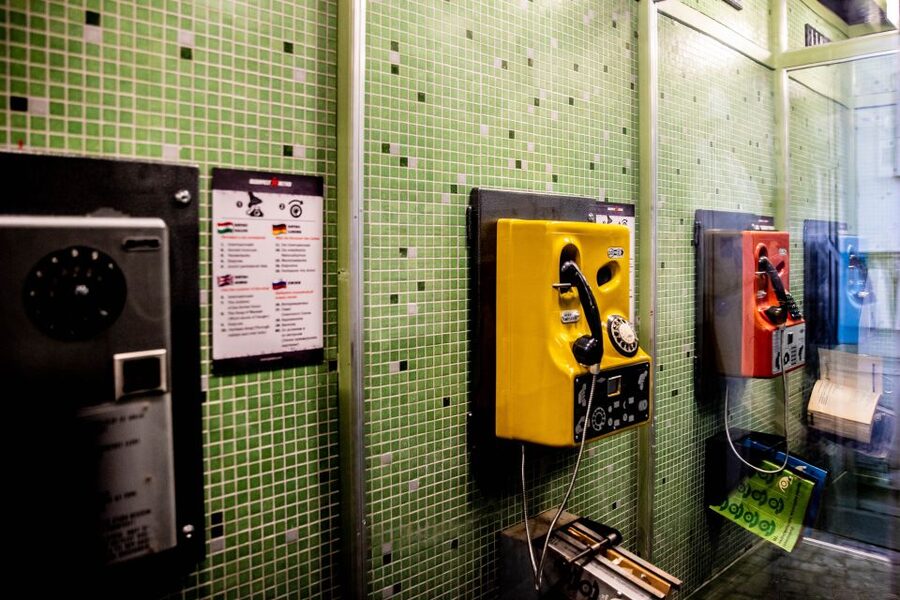
The highlight you should watch for is the stop at an exhibition about the 1956 Revolution. This is the moment that turns the tour from general context into a sharper narrative.
What makes this stop valuable is that it’s paired with stories about protests and the fight back against an unethical regime. You don’t just see commemorative material; you’re given the why behind it—how people pushed back, and what that meant in the streets of Budapest.
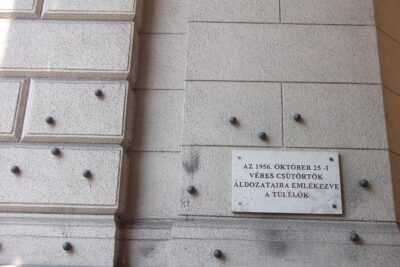
The tour also mentions a small exhibition commemorating the volleys, which points to how the guide frames the revolution as both political and painfully physical. That matters. When you learn about a revolt, you need more than slogans. You need to feel the pressure and the stakes.
If your interest in history is “I want the story to make sense,” this exhibit is your anchor.
The darker Budapest, told after dusk
Liberty Square’s Soviet Memorial: Seeing the End of an Era in Public Space
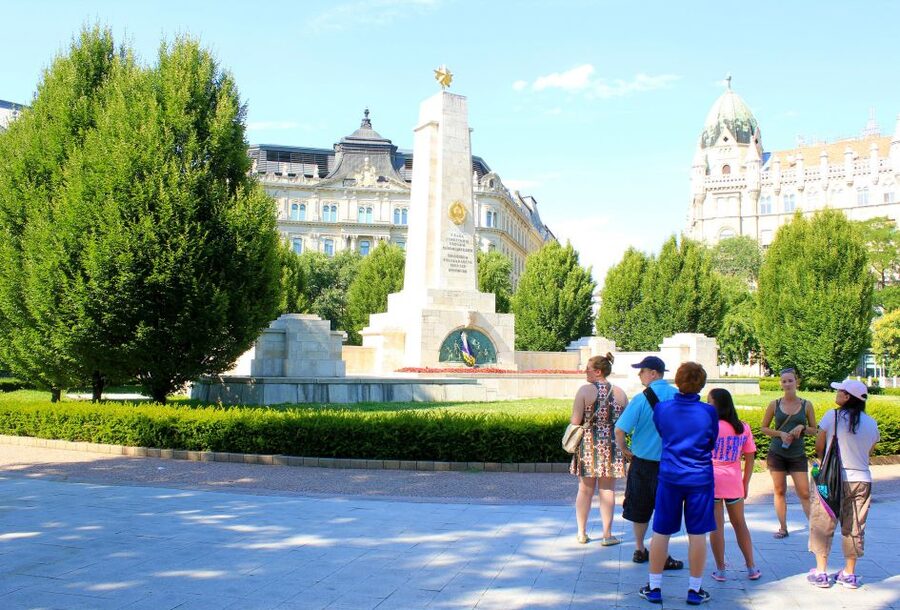
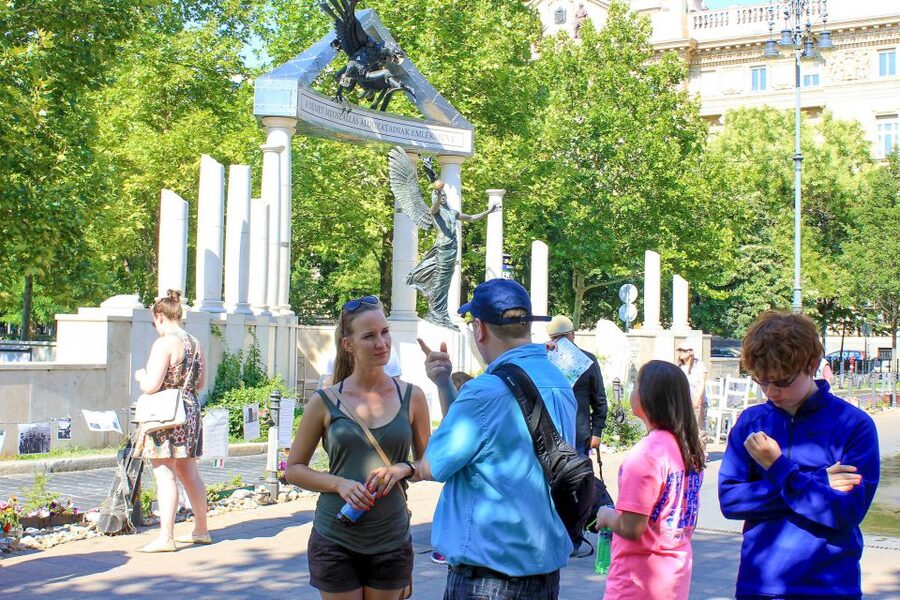
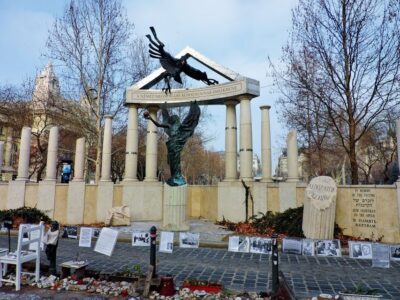
Later, you’ll walk to Liberty Square and the Soviet Memorial, including mention of the last Soviet monument in that context. This stop is powerful because it’s not hiding its message. The city shows you the political layers right in the open.
A good guide will help you read what you see without turning it into a lecture. Here, the goal is to connect the communist era to what Hungary chose to do with those symbols afterward—what stayed, what changed, and how public spaces hold memory.
Liberty Square also works because it’s a civic stage. You’re standing where politics, mourning, and national identity all overlap. That’s exactly where you want to understand how regimes leave marks longer than their control does.
Hungarian Parliament Area: Big Architecture, Big Meaning
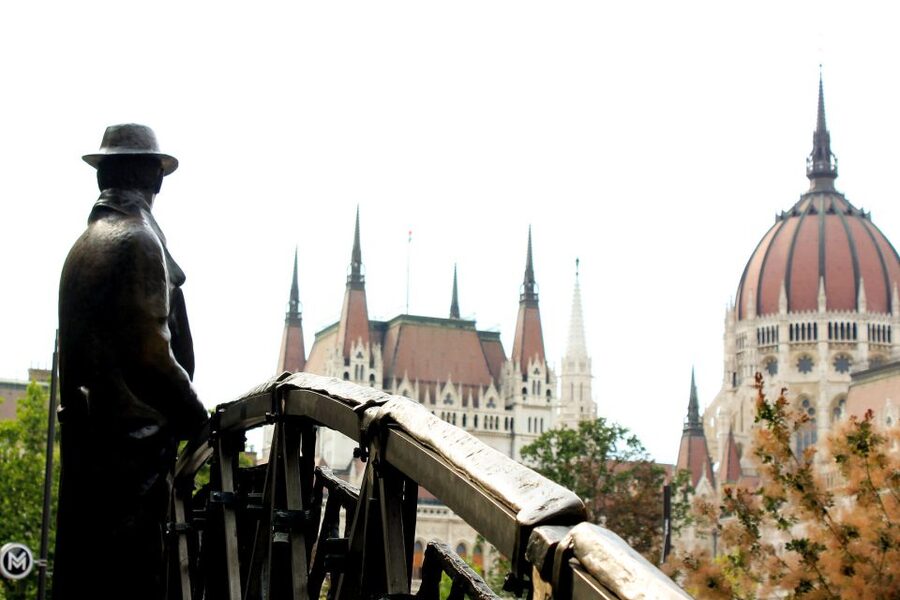
From Liberty Square, the walk continues toward the Hungarian Parliament area. This isn’t just a photo stop. The point is to connect history to the setting where modern Hungary projects itself.
When you’re walking and listening, the Parliament area becomes more than a landmark. It turns into a visual comparison: how power was displayed then versus how Hungary frames itself now. Even if you’re already familiar with Parliament’s look, you’ll be watching it with different questions after hearing how past regimes shaped daily life.
One of the strongest parts of this tour is that you don’t feel yanked around randomly. Stops are tied to story beats: revolution context, street-level experience, and then the monuments and civic buildings that symbolize what came after.
What the Refreshment Actually Adds (And When It Helps)
Refreshments are included—coffee, tea, or a soft drink. That’s not just a nice extra. In a 2.5-hour walking tour, it helps you keep your energy steady so you can stay present for the heavy topic.
You might also find the experience includes a coffee moment near a Trabant-related stop and even a traditional Hungarian dessert paired with it. That kind of small cultural cue works because it reminds you the tour isn’t only about repression. It’s about life, habits, and how people persisted.
If you’re planning to do other things later that day, treat the refreshment as part of the pacing. Eat beforehand, sip during, and you’ll get more from the stories.
How Long Is Too Long: Walking Pace and What to Wear
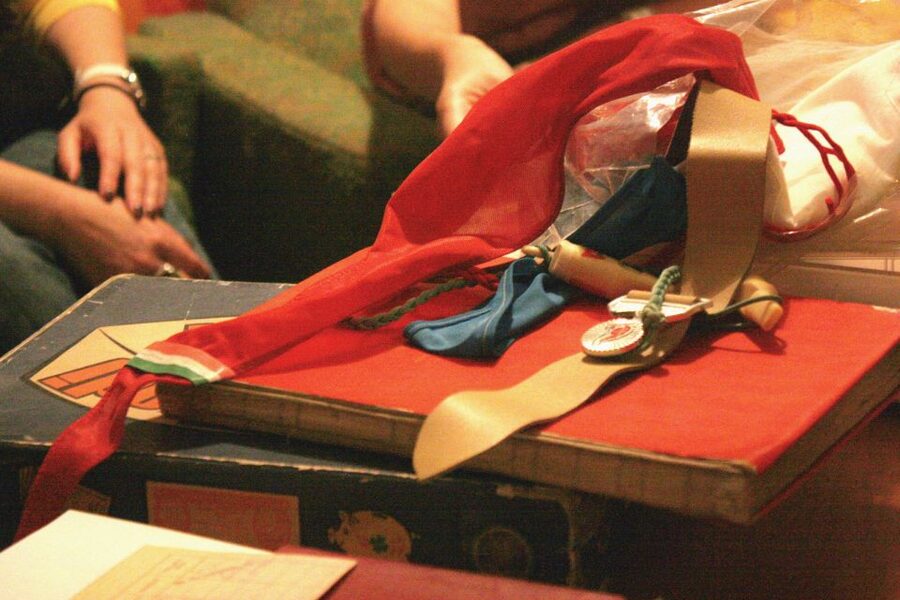
Plan for the reality of the format: about 2 hours of continuous walking. The tour runs in all weather conditions, so you’ll want clothing that can handle a raincoat day or a chilly wind day without slowing you down too much.
Bring comfortable shoes first. This is not the time for blister-prone sandals or fashion sneakers you only tolerate at home. Clothes should be weather-appropriate, and you’ll thank yourself for a light layer if the day turns cool.
Also note who it is and isn’t for. It’s not recommended for kids under 14, and it’s not suitable for people with mobility impairments. If your group includes anyone who needs frequent seating breaks, you may want a different format.
Price and Value: Is $72 Worth It?

At $72 per person for 2.5 hours, the real question isn’t just the number. It’s what you get for your time.
You’re paying for a licensed expert guide and a structured walk that connects everyday communist life to specific Budapest places. That’s usually where tours earn their value: good storytelling plus the right stop locations.
The reviews you’ll find online reflect a split between two concerns. One set of experiences praises the guide as professional and well prepared, with clear, conversational explanations and an ability to make the material feel personal. Another concern is value for money when the flow or delivery doesn’t hit the mark.
So here’s how I’d decide if it’s a good fit for you:
- If you want real context and clear guiding through major sites, the price is easier to justify.
- If you mainly want passive sightseeing with minimal talking, you might feel you’re paying more than you expected.
The tour does include refreshment, which is a small but helpful offset. Still, this is fundamentally a guide-led history experience, so your enjoyment hinges on communication style.
Tips for Getting the Most Out of the Guide
A strong guide makes history feel like a conversation. In the best versions of this tour, guides bring in street-level detail and keep the story moving in a logical order.
One English guide name that shows up in feedback is George, and people specifically describe him as personable and well prepared. That’s the kind of delivery you should hope for: clear explanations, a steady flow, and enough enthusiasm to keep the topic engaging.
You can also help your experience by going in with a tiny bit of curiosity:
- Ask about how passports and schooling worked in practice.
- Pay attention when the tour shifts from everyday life to the 1956 turning point.
- Look at Liberty Square monuments and try to connect what you’re hearing to what you’re seeing.
Should You Book This Communism Walking Tour?
Book it if you want a guided, place-based view of Hungary’s communist era—especially if you like history that explains everyday life, not only political leaders and dates. The combination of the 1956 exhibit stop, street-level stories, and the walk through major civic spaces makes it a solid choice for first-time visitors who want context without a full-day commitment.
Skip it or choose a different format if:
- You can’t manage about 2 hours of continuous walking.
- You’re expecting mostly sightseeing with minimal narrative.
- You’re sensitive to a heavier political theme presented through real events and public memorials.
If you like to understand a city by its layers—why it looks the way it does now—this tour is a strong way to get that perspective fast.
FAQ
How long is the Hammer & Sickle Communism Walking Tour?
The tour lasts 2.5 hours, and it involves about 2 hours of continuous walking.
Where do I meet the guide?
Meet at 1052 Budapest, Deak Ferenc ter 4, in front of the pale yellow Lutheran Church, on the church steps.
Is the tour in English?
Yes, the tour is offered with a live tour guide in English.
What is included in the price?
The tour includes a licensed expert guide and refreshment such as coffee, tea, or a soft drink.
Is pickup available?
Pickup is optional. You can meet the guide in Deák Ferenc Square, or enter pickup details for your centrally located accommodation when booking.
Is it suitable for children or people with mobility impairments?
It is not recommended for children under 14 and not suitable for people with mobility impairments.
More Tour Reviews in Budapest






The Darker Side of Budapest






More of Budapest, Step by Step





Just Added: More Budapest Reviews
- Sightseeing flight over Budapest
★ 5.0 · 3 reviews - Budapest: Walking Tour with Chimney Cake & Polaroid Photos
★ 5.0 · 3 reviews - Self Guided Tour In Budapest With 100 Captivating Audio Stories
★ 5.0 · 3 reviews - Budapest Art Nouveau Walking Tour
★ 5.0 · 3 reviews - Hungary today: a no-taboo conversation
★ 5.0 · 3 reviews
Dark History & Ghost Tours, compared.
 ★ 4.6Buda Castle District Vampires and Myths Night TourFrom $233,830 reviews
 ★ 4.5Buda Castle District Dark History, Legends and Vampire Night TourFrom $211,240 reviews
 ★ 4.9BloodThirsty Hungary: Walking tour & Dark Historical StoriesFrom $21633 reviews
 ★ 5.0Nightmare in Budapest Interactive Horror ExperienceFrom $24390 reviews
 ★ 4.8Communist History Tour with House of Terror OptionFrom $58182 reviews
 ★ 5.0BloodThirsty Hungary – Castle DistrictFrom $2180 reviews
 ★ 5.0Communism in Hungary with a HistorianFrom $5970 reviews
 ★ 4.73-Hour Walking Tour About Communism (Small Group)From $5770 reviews
Browse the lists this tour appears in