
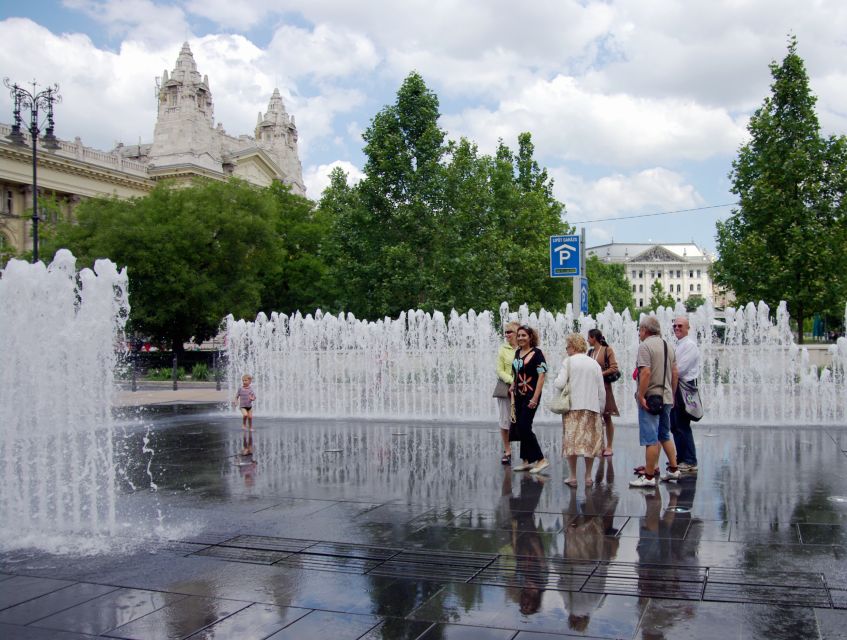
Reviewed · DARK HISTORY & GHOST TOURS
Budapest: Communist History Tour with House of Terror Option
Communist Budapest feels real fast. This 2-hour tour turns big, heavy Soviet-era topics into a street-by-street experience, with an option for either the House of Terror or the lighter Budapest Retro Center. I love the way the route points out specific landmarks tied to oppression and resistance, and I love the small-group size (up to 10) that makes questions feel welcome. One drawback: the House of Terror option can be emotionally intense, so plan your mindset.
Guides like Alexa, Beata, Alexandra, and Flora often add personal perspective and keep the pacing tight without rushing photos. And practical note: you skip the ticket line, with your ticket handed to you by the guide rather than picked up at a window.
In This Review
- Key things to know before you go
- Budapest Communist History Tour: what this experience is really like
- Starting at the Hungarian Parliament: symbols you can’t miss
- Liberty Square and the Soviet Liberation Memorial
- Cardinal Mindszenty windows: exile made visible
- Cold War leftovers: the secret underground nuclear bunker clues
- 1956 on the ground: anti-Soviet revolution sites in context
- Morning option: Budapest Retro Center for 1960s–1980s everyday life
- Afternoon option: House of Terror Museum, WWII to 1989
- AVO State Protection Police: the fear machine behind the scenes
- Guided House of Terror vs. self-guided ticket: how to choose
- Ticket access and getting started without hassle
- Price and value: $58 for 2 hours with real access
- Who should book this Communist History Tour (and who might reconsider)
- Should you book this tour?
- FAQ
- How long is the tour?
- Is this tour in English?
- What are my options besides the walking tour?
- Do I have to guide myself in the museum?
- Where does the tour start?
- Is there a ticket line I need to stand in?
- Who provides the tour guide?
- How do I get my museum ticket?
- Is free cancellation available?
- Can I reserve without paying immediately?
Key things to know before you go
- Two totally different museum vibes: Retro Center for everyday life, or House of Terror for WWII-to-1989 oppression, trials, and terror.
- A strong walking foundation: The street portion sets the timeline before you enter the museum.
- Cold War details you can spot: You’ll hear about things like ventilation channels tied to a Cold War nuclear bunker.
- 1956 explained on the ground: The anti-Soviet revolution isn’t treated like a blur of dates.
- Small-group format helps: Limited to 10 participants, so the guide can slow down when needed.
- Your guide manages tickets: Don’t chase ticket counters; you’ll get the ticket from them.
The darker Budapest, told after dusk
- Budapest: Buda Castle District Vampires and Myths Night Tour★ 4.6 · 3,830 reviews
- Buda Castle District Dark History, Legends and Vampire Night Tour★ 4.5 · 1,240 reviews
- BloodThirsty Hungary: Walking tour & Dark Historical Stories★ 4.9 · 633 reviews
- Nightmare in Budapest Interactive Horror Experience★ 5.0 · 390 reviews
Budapest Communist History Tour: what this experience is really like
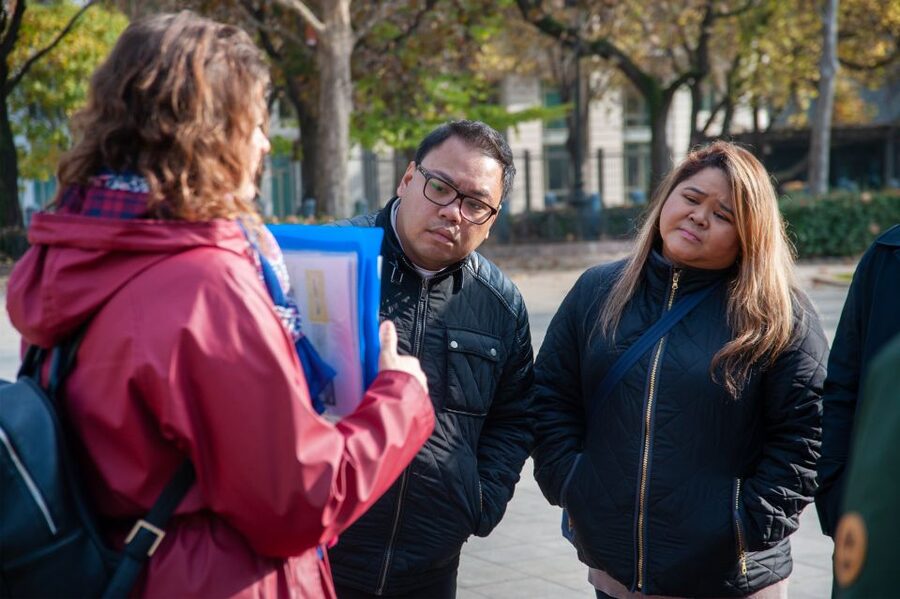
This isn’t a vague “history lecture on a bus.” It’s a walk that uses the city as your classroom. You start at the Hungarian Parliament area and move through central Budapest, picking up context for what came after World War II—Soviet occupation, Communist control, and the long shadow it cast.
What makes it work is the pacing and the structure. The first part lays out key sites and symbols, then you choose how you want the story to finish. The morning option leads to the playful Budapest Retro Center—think 1960s to 1980s life-sized nostalgia. The afternoon option heads toward the House of Terror, where the architecture, exhibits, and guided storytelling focus on interrogation, torture cells, deportations, labor camps, and political trials.
And yes, you’ll feel the contrast. The tour’s real power is that it shows how the same regime could shape daily life and also build mechanisms of fear.
Starting at the Hungarian Parliament: symbols you can’t miss
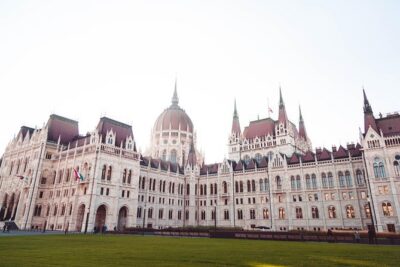
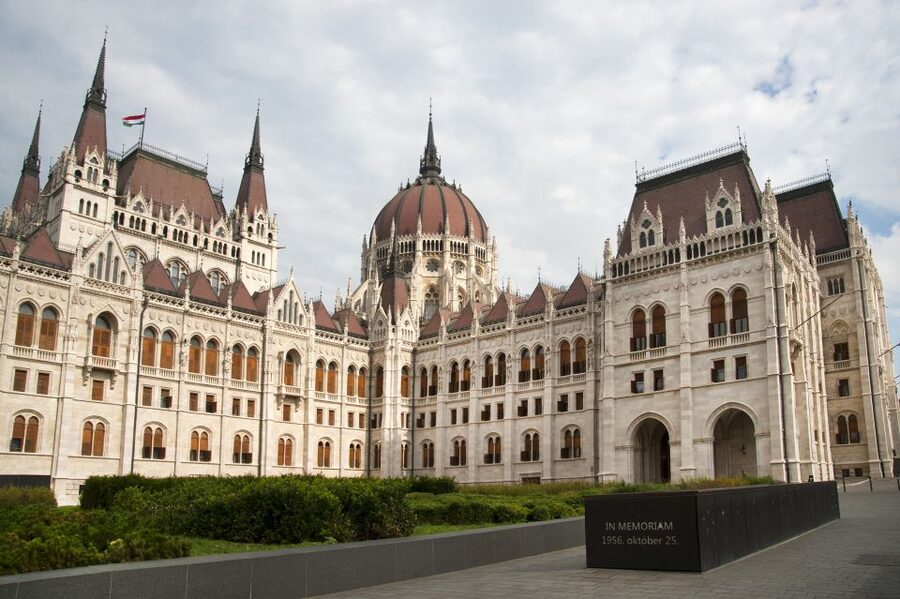
You begin at the Hungarian Parliament—one of those places where Budapest looks both grand and political. From there, the guide takes you through dramatic monuments and lets you connect what you see with what it meant during Communist rule.
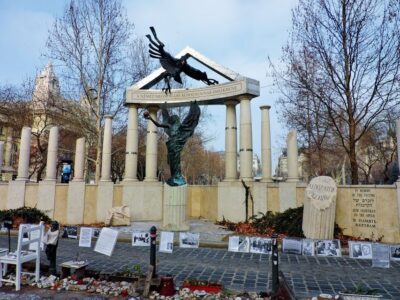
A specific example you’ll hear about is the monument commemorating victims of the red dictatorship. That’s an important early anchor, because it frames the tour’s core idea: this wasn’t just politics. It was control, punishment, and memory—often shaped in public and also hidden underneath.
Why this start matters for you: if you’re coming from a modern Budapest visit—ruins, cafes, river views—this keeps you grounded in the fact that the city’s famous beauty sat above real fear and real repression.
Liberty Square and the Soviet Liberation Memorial
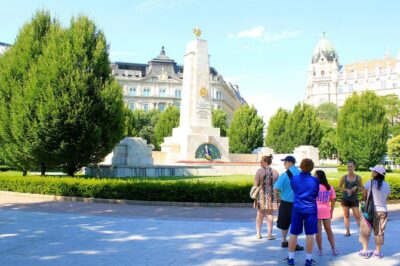
Next stop is Liberty Square, and the story gets sharper. You’ll see the Soviet Liberation Memorial and learn how it functioned as the last Communist monument in its original place in the city.
That detail matters. It’s a reminder that history didn’t vanish just because Communism ended. Some physical markers were left, and some narratives were kept alive through stone, naming, and placement.
You also get to practice a useful skill: reading monuments like documents. The guide doesn’t treat these as random sculptures. You’ll be taught what to look for and why those messages survived.
Cardinal Mindszenty windows: exile made visible
One of the most striking moments is when you reach the famous windows of Budapest. Cardinal Mindszenty—an anti-Communist Catholic leader—spent years of exile, and the tour ties his story to this location.
If you only know Hungary through twentieth-century news headlines, this part often surprises people. It personalizes the era: you’re not just hearing about party lines. You’re learning how religious leadership, resistance, and punishment intersected with Communist policy.
Practical takeaway: if you’re the type who likes to take photos, this is a good segment to slow down and look closely. The guide will point out what the visuals are supposed to mean.
Further back into Budapest's past

Cold War leftovers: the secret underground nuclear bunker clues
The tour also brings in Cold War engineering details—specifically, the ventilation channels of a secret underground nuclear bunker built during the Cold War years.
You might not think you can learn Cold War history by walking, but that’s exactly what makes this tour memorable. Small architectural features become story props. Suddenly, the city’s physical layers make sense.
Even if the topic feels technical, the guide’s job is to translate it into human scale: why such infrastructure existed, and what it suggests about fear and planning behind closed doors.
1956 on the ground: anti-Soviet revolution sites in context
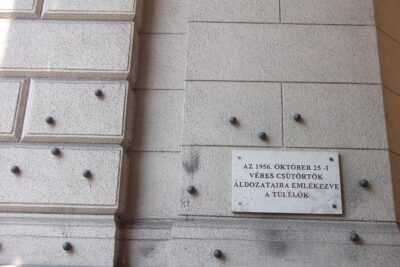
You’ll hear about and see sites linked to the Hungarian anti-Soviet revolution of 1956. This is one of those topics people often associate with a single image or a single date. On this walk, you get help holding the sequence: what led into it, why it mattered, and what happened afterward.
Why you’ll probably appreciate this: the tour doesn’t treat 1956 as isolated rebellion trivia. It’s positioned as part of the larger pressure-cooker created by Soviet occupation and Communist governance.
And the best guides—like those named in the reviews, including Alexandra and Flora—tend to keep the story clear and chronological. That makes it easier to remember after you’ve left.
Morning option: Budapest Retro Center for 1960s–1980s everyday life
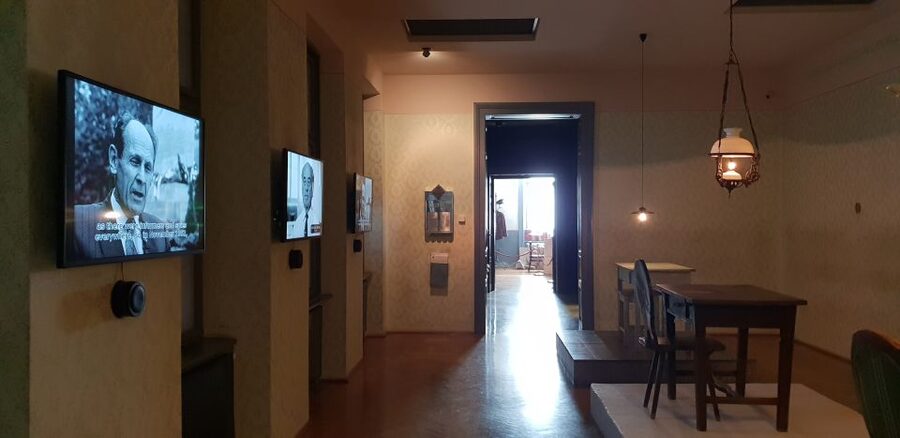
If you choose the morning walking tour, the second half is a 1-hour guided visit to Budapest Retro Center. This is the lighter side of the experience, but it’s not shallow.
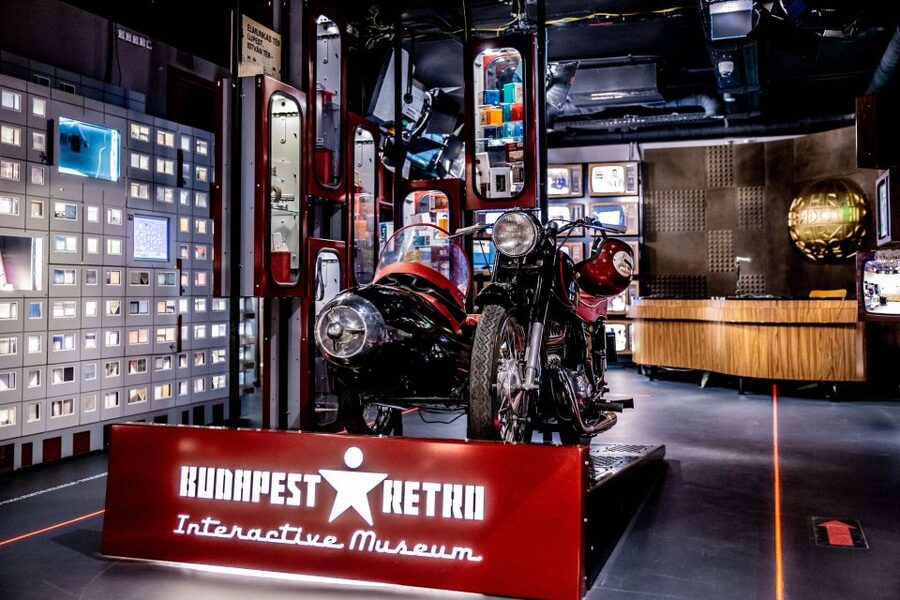
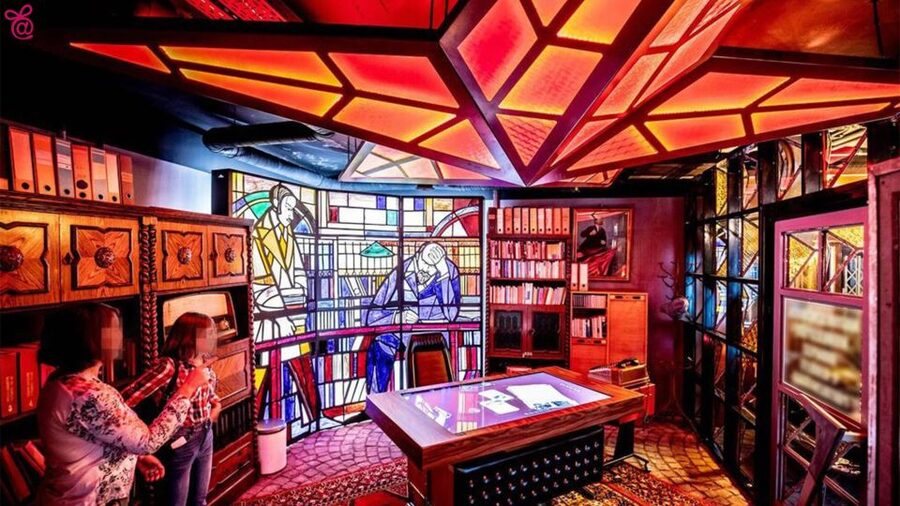
Instead of focusing on interrogation and mass deportations, Retro Center focuses on daily life and the cultural texture of the period—street views, typical vehicles, Soviet-Hungarian space flight astronauts, real interior home designs, and thousands of objects from the 1960–1980 years. It’s arranged over three floors, and the format is described as fun and interactive.
You’ll also get playful options: you can dress as a Communist comrade, or try to be a TV news presenter of the time. That doesn’t erase the past. It gives you a different lens—how propaganda, design, and routine can shape what people expect life to look like.
Who this option fits best: you want context for what life felt like, not just what it looked like from behind official walls.
Possible drawback to consider: if you’re primarily seeking the darkest, most direct story of repression, Retro Center may feel too upbeat. The emotional weight comes later only if you choose House of Terror in the afternoon.
Afternoon option: House of Terror Museum, WWII to 1989
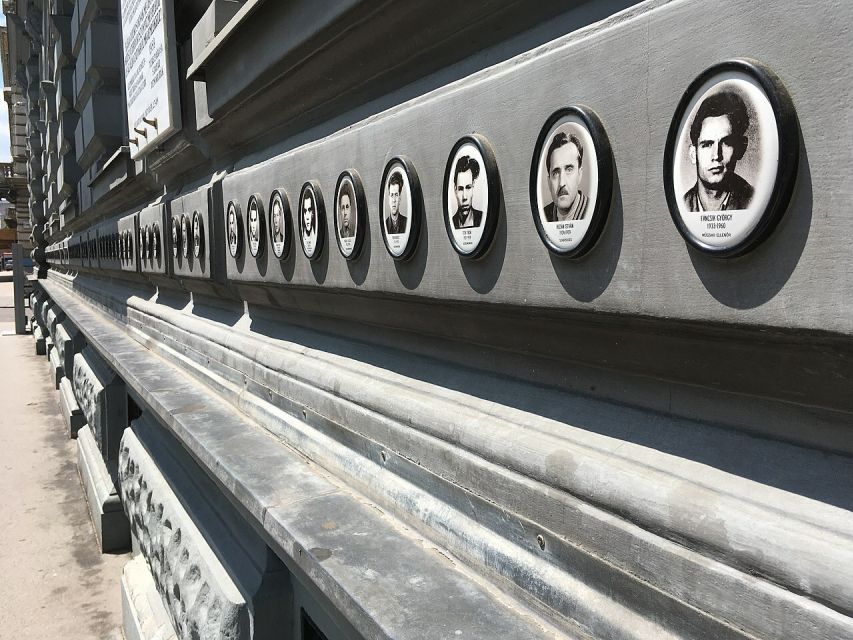
The afternoon gives you access to the House of Terror Museum, either as a self-guided visit with your ticket or as a guided tour led by your guide.
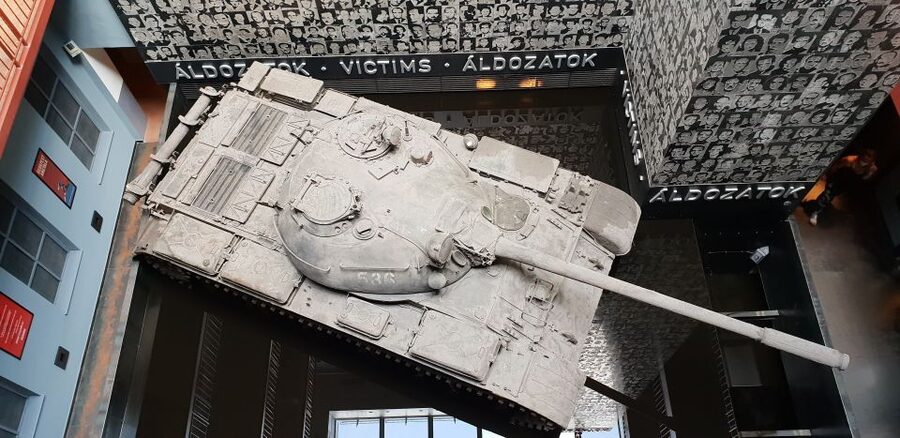
This is where the tour’s tone shifts dramatically. The museum covers Hungary from WWII through Nazi rule, then Soviet Communist occupation. You’ll learn about life and the economy of the 1950s, and you’ll see interrogation and torture cells.
The guided option also includes the office room of the director and stories tied to mass deportations, labor camps, and political trials. Then it brings in the 1956 revolution and its consequences, and closes the narrative with the end of Communism in 1989.
Why this museum choice is valuable for you: the street portion gives you context and anchors. The museum then fills in the details—who was targeted, how the system operated, and what people faced.
What to expect emotionally: some exhibits are meant to be confronting. If you’re sensitive to themes like torture, detention, and deportation, pick your pacing and take breaks.
AVO State Protection Police: the fear machine behind the scenes
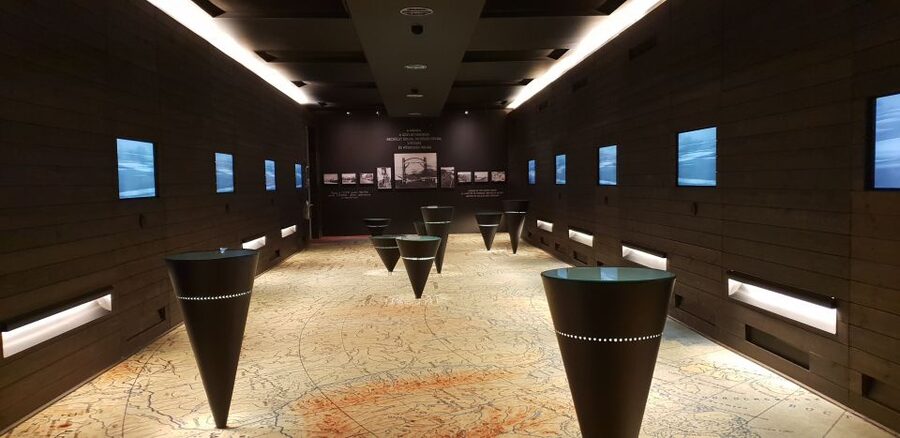
One of the most specific details in the afternoon option is the former seat of the AVO State Protection Police—described as the local version of the Soviet KGB.
That point matters because it links the story to how Soviet systems scaled locally. It’s not abstract. You’re hearing about an organization that helped enforce rule through fear.
When your guide is leading the House of Terror version, you’ll get a guided path through these meanings rather than just reading labels. In the reviews, guides such as Noémi and Naomi (spelled in different ways in feedback) are praised for clarity and for answering questions with depth.
Guided House of Terror vs. self-guided ticket: how to choose
You have two ways to do the afternoon portion:
- Option A: visit the museum on your own after the walking tour.
- Option B: do a guided museum tour with your guide.
Choose guided if you want the story threaded for you—how WWII transitions to Nazi rule, then Soviet occupation, then Communist control through the 1950s, and into 1956 and 1989.
Choose self-guided if you already know the timeline and just want to spend time with the exhibits that hit you most.
My practical advice: if this is your first time learning Hungarian Communist history, guided often helps you avoid the common problem of leaving with “cool facts” but not the connective tissue between them.
Ticket access and getting started without hassle
The tour includes skip-the-ticket-line access and a live English guide. It also has a helpful instruction: don’t look for your ticket at the ticket office. You receive it from your tour guide.
This matters more than it sounds. When you’re heading into busy museums, you save stress—and your time goes to the walking and exhibits you paid for.
Also, the tour is designed as a small group limited to 10 participants, which tends to make a difference in how much time you get for questions. Reviews frequently point out guides being patient and responsive, including one mention of a guide being mindful of walking aids for part of a group.
Price and value: $58 for 2 hours with real access
At $58 per person for 2 hours, the value depends on which option you choose, but the structure helps.
You’re paying for:
- a professional tour guide,
- the Communism-themed walking tour portion (for all options),
- and museum entry (Budapest Retro Center or House of Terror, depending on your selection),
- plus skip-the-ticket-line convenience.
The time window is tight, but the tour is built to maximize it. You’re not spending an hour doing logistics or waiting around. You also get the benefit of a guide doing the hard work of explaining symbols, connecting dates, and steering you toward the most important exhibits.
If you care about history but also care about not wasting vacation hours, this price-to-time ratio can feel fair—especially because the guide-led elements are included.
Who should book this Communist History Tour (and who might reconsider)
You should strongly consider this tour if you want:
- a structured walk across central Budapest tied to specific Communist-era sites,
- a museum option that matches your mood (Retro Center for everyday life vs. House of Terror for oppression and terror),
- and a guide who can answer questions in a clear, human way.
It’s a great fit for history-minded couples, solo visitors who like meaning behind monuments, and people who want context before diving deeper on their own afterward.
You might think twice if:
- you’re looking for a light, casual city stroll with minimal emotional weight,
- or you dislike guided museum pacing and prefer long, self-directed wandering only.
Also, given the House of Terror’s subject matter, I’d plan for slower breathing moments. The tour is 2 hours total, but the museum content can land hard.
Should you book this tour?
Yes—if you want Budapest to make sense beyond postcards. The best reason to book is the pairing: the walk sets context, and the museum choice lets you follow the story in the direction you care about most.
Book the morning Retro Center option if you want everyday life, objects, and period design, plus a playful interactive angle that still points back to the era’s reality.
Book the afternoon House of Terror option (especially guided) if you want the full, direct account of WWII through Nazi rule, Soviet occupation, interrogation and torture spaces, deportations, labor camps, political trials, and the long road to 1989.
FAQ
How long is the tour?
The tour lasts 2 hours. You’ll want to check availability for the morning or afternoon starting times.
Is this tour in English?
Yes. The live tour guide provides the tour in English.
What are my options besides the walking tour?
After the shared Communist-themed walking tour across central Budapest, you can choose either a guided visit to the Budapest Retro Center (morning option) or the House of Terror Museum (afternoon option), either self-guided with an included ticket or as a guided museum tour.
Do I have to guide myself in the museum?
That depends on the option you select. The afternoon offers an additional ticket for you to visit the House of Terror Museum on your own, or you can choose a guided tour in the museum.
Where does the tour start?
The meeting point may vary depending on which option you booked.
Is there a ticket line I need to stand in?
No. The experience includes skip-the-ticket-line access.
Who provides the tour guide?
A professional, independent tour guide leads the experience. The tour is not provided by the museum itself.
How do I get my museum ticket?
You won’t need to look for your ticket at the ticket office. Your ticket is provided to you by your tour guide.
Is free cancellation available?
Yes. You can cancel up to 24 hours in advance for a full refund.
Can I reserve without paying immediately?
Yes. The option is described as reserve now & pay later, letting you keep plans flexible.
More Tours in Budapest





More Tour Reviews in Budapest






The Darker Side of Budapest




Just Added: More Budapest Reviews
- Sightseeing flight over Budapest
★ 5.0 · 3 reviews - Budapest: Walking Tour with Chimney Cake & Polaroid Photos
★ 5.0 · 3 reviews - Self Guided Tour In Budapest With 100 Captivating Audio Stories
★ 5.0 · 3 reviews - Budapest Art Nouveau Walking Tour
★ 5.0 · 3 reviews - Hungary today: a no-taboo conversation
★ 5.0 · 3 reviews
Dark History & Ghost Tours, compared.
 ★ 4.6Buda Castle District Vampires and Myths Night TourFrom $233,830 reviews
 ★ 4.5Buda Castle District Dark History, Legends and Vampire Night TourFrom $211,240 reviews
 ★ 4.9BloodThirsty Hungary: Walking tour & Dark Historical StoriesFrom $21633 reviews
 ★ 5.0Nightmare in Budapest Interactive Horror ExperienceFrom $24390 reviews
 ★ 5.0BloodThirsty Hungary – Castle DistrictFrom $2180 reviews
 ★ 5.0Communism in Hungary with a HistorianFrom $5970 reviews
 ★ 4.73-Hour Walking Tour About Communism (Small Group)From $5770 reviews
 ★ 4.5Budapest Hammer & Sickle Communist Times TourFrom $7968 reviews
Browse the lists this tour appears in