
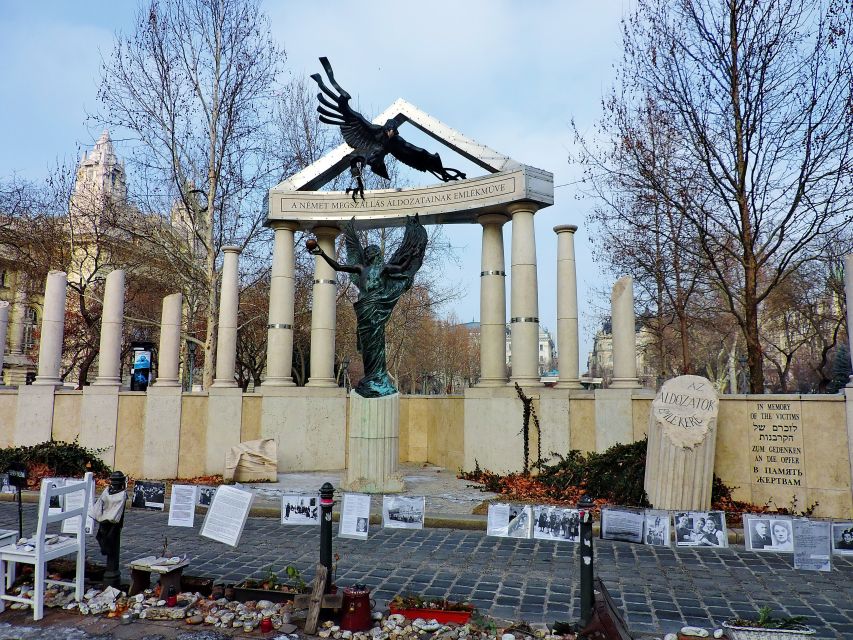
Reviewed · DARK HISTORY & GHOST TOURS
Budapest: 3-Hour Walking Tour About Communism (Small Group)
Communism has a footprint in Budapest. This 3-hour small-group walk turns street corners in Pest into a living timeline, with historian-led context plus personal stories. I love that it goes beyond slogans and asks you to notice how the system showed up in everyday life.
Two things I really like: you get a structured explanation of how Communist ideology arrived, ruled, and left a legacy in Hungary, and you also get human details—family stories with hardships and awkward, even funny moments. One consideration: if you’re looking for a super-chronological, from-everything-in-history sweep, this one focuses tightly on the Communist era and what surrounds it from WW2 into the 1956 revolution and onward toward 1989/early 90s.
In This Review
- Key things you’ll remember
- From Kempinski Corvinus to Deák tér: the start point that gets you oriented fast
- What the historian-led Communism story actually teaches you
- Pest street corners as a timeline: from WW2 to 1956 to 1989/early 90s
- Family stories you can feel: the difference between history and lived experience
- The red M2 subway ride: a practical stop with a smart payoff
- A drink in a retro café from the 1970s to 1961: why this stop matters
- Price and value: what $57 gets you for 3 hours
- Who should book this Communism walk (and who might not)
- Practical tips so you get the most out of the 3 hours
- Should you book it?
- FAQ
- How long is the Budapest 3-hour Communism walking tour?
- Where is the meeting point?
- Is this tour a small group?
- What’s included in the price?
- Do I ride the subway during the tour?
- What language is the tour offered in?
- Is there free cancellation?
Key things you’ll remember
- Historian guide with Q&A you can actually steer
- Family stories that explain the emotional weight
- A red-line M2 subway ride built into the route
- Retro café time, with a drink in a place that barely changed
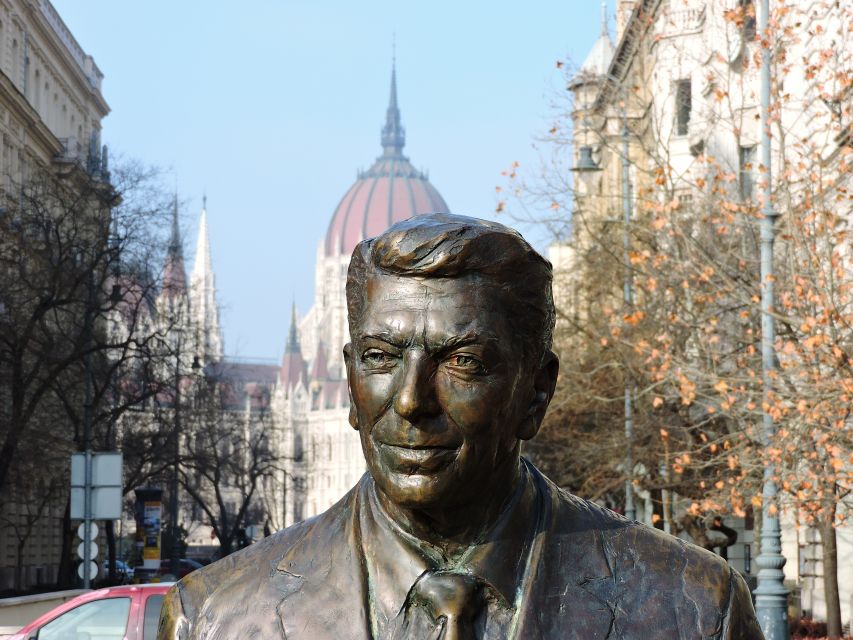
- Central Pest streets where political symbols still show
- Small group size (up to 10) for real conversation
Budapest at street level, more routes on foot
- Big Bus Budapest Hop-On Hop-Off Bus and Walking Tour★ 3.5 · 2,206 reviews
- Budapest: Buda Castle District Walking Tour★ 4.6 · 2,108 reviews
- 3-Hour Orientation Walking Tour of Buda and Pest★ 4.8 · 1,834 reviews
- Budapest Historical Sightseeing – Free Walking Tour★ 5.0 · 1,302 reviews
From Kempinski Corvinus to Deák tér: the start point that gets you oriented fast
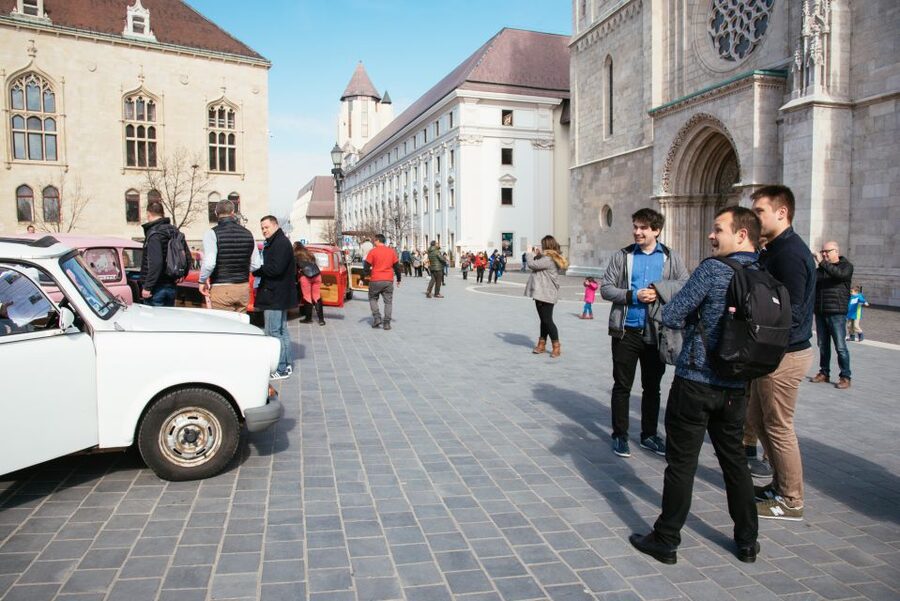
This tour begins at Kempinski Hotel Corvinus Budapest, right on Erzsébet tér, facing the Ferris wheel. It’s an easy spot to find because it sits in the middle of Pest’s action, and you can reach it by M1/M2/M3 subway routes, with Deák Ferenc tér as a handy stop.
Once you’re gathered, the walk swings into one of Pest’s most pleasant areas dotted with reminders of the 20th-century political push and pull. The first goal is simple: help you see patterns on the street instead of just reading plaques.
You’ll be walking on foot for the main portion of the time, so wear shoes you trust. You’re also dealing with a theme that can be heavy, so it helps that the route includes breaks of movement and conversation rather than only long speeches.
What the historian-led Communism story actually teaches you
The core of this experience is a guide who frames Hungary’s Communist period in clear, connected steps. You’re not just getting facts; you’re learning how the ideology worked and why it caught on, how it tightened control, and what survived after the system fell apart.
What I like about this approach is that it gives you language for what you’re seeing in Budapest today. You’ll walk past physical remnants—symbols, design choices, and the feel of certain spaces—and then the guide explains why those details mattered when Communism was in charge.
A big plus: the tour encourages questions. In the reviews, guides like Judith and Zsuzsanna are praised for answering lots of curiosity, not brushing it off. That matters because Communist history isn’t one clean story; it’s full of contradictions, shifting policies, and everyday compromises.
Pest street corners as a timeline: from WW2 to 1956 to 1989/early 90s
The walk is built around the idea that Communism didn’t arrive in a vacuum. You’ll hear the story stretch back through WW2, move into the 1956 revolution, and then travel forward to 1989 and the early 90s—the moment the old system collapsed and a new era began.
In practical terms, that means you’ll keep returning to one theme: how political power shows up in the built environment and in daily routines. You’ll see places where the past feels close, even when the city looks calm now.
What makes this compelling is the mix of big-picture context and grounded detail. You’ll talk about the Communist ideology itself, but you’ll also hear how people lived with it—what changed, what stayed weirdly the same, and what it did to trust, work, schooling, and private life.
And yes, the tour leans into the street-level feel. Some markers are obvious; others are the kind of thing you might walk past without a second look. That’s where the guide’s storytelling matters most.
Family stories you can feel: the difference between history and lived experience
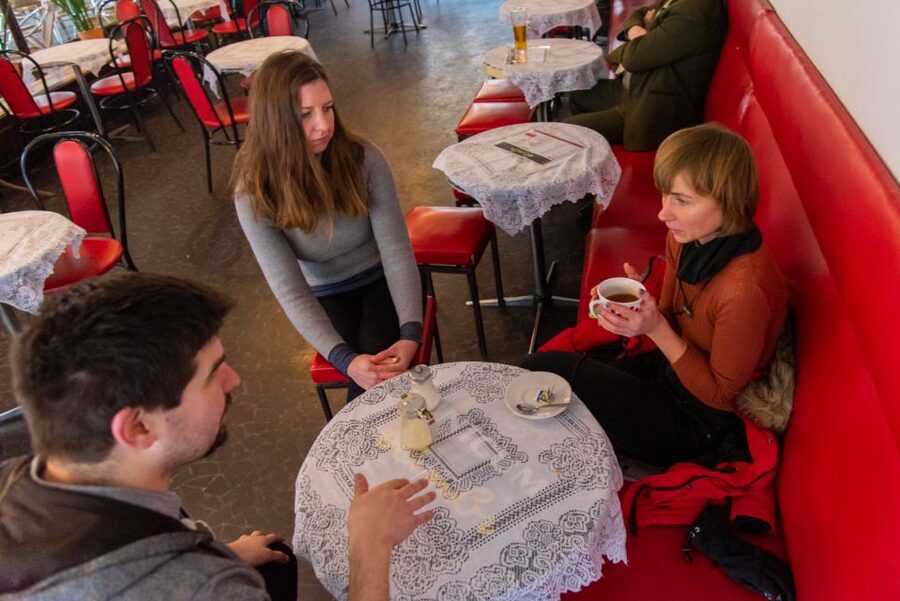
Facts explain systems. Family stories explain weight.
This tour strongly emphasizes real personal accounts from the era. The guides share memories and anecdotes that capture hardships—plus the coping behaviors people developed to survive day to day. You’ll also hear comic moments, which can feel surprising until you realize humor is often a defense mechanism.
In reviews, guides such as Greg, Monica, and Gergely are singled out for adding this human layer, including personal and community perspectives. That’s not just storytelling for entertainment. It helps you understand why some symbols still trigger strong feelings, and why attitudes toward the Communist period can be complicated even decades later.
If you’ve ever wondered how an ideology becomes real in someone’s kitchen or workplace, this is where the tour delivers. You leave with a sense that Communism wasn’t only politics—it was routines, limits, and pressure, mixed with adaptation and resilience.
The darker Budapest, told after dusk
The red M2 subway ride: a practical stop with a smart payoff
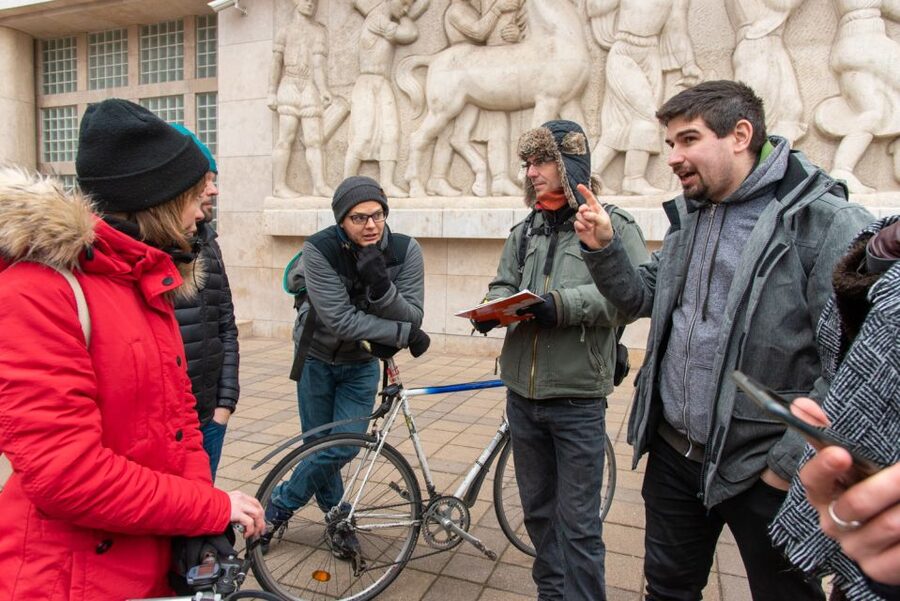
A neat detail: the tour includes a ride on Budapest’s red subway line (M2). It’s only a portion of the overall time, but it serves two purposes.
First, it keeps the tour grounded in real city movement. You’re not only walking through history; you’re also experiencing how the city connects neighborhoods today. Second, the subway ride becomes part of the teaching rhythm. You get a change of pace, then you’re back out on foot with fresh context and a clearer sense of direction.
This is also a value point. You’re not paying extra for transit on your own. The tour includes a transportation ticket as part of the experience.
For readers who like tours that feel efficient rather than rushed, this is one of the smarter inclusions. You get variety without turning the day into a logistics headache.
A drink in a retro café from the 1970s to 1961: why this stop matters
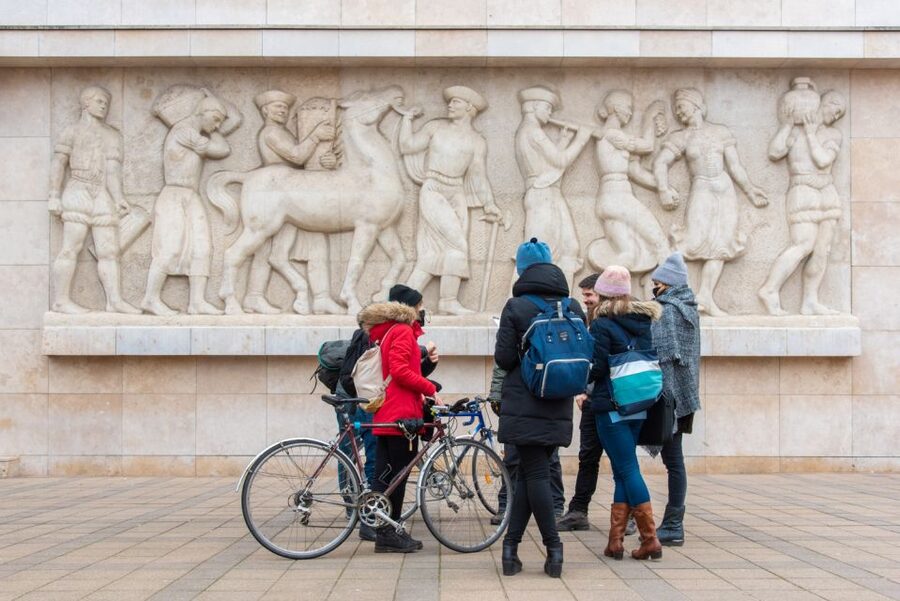
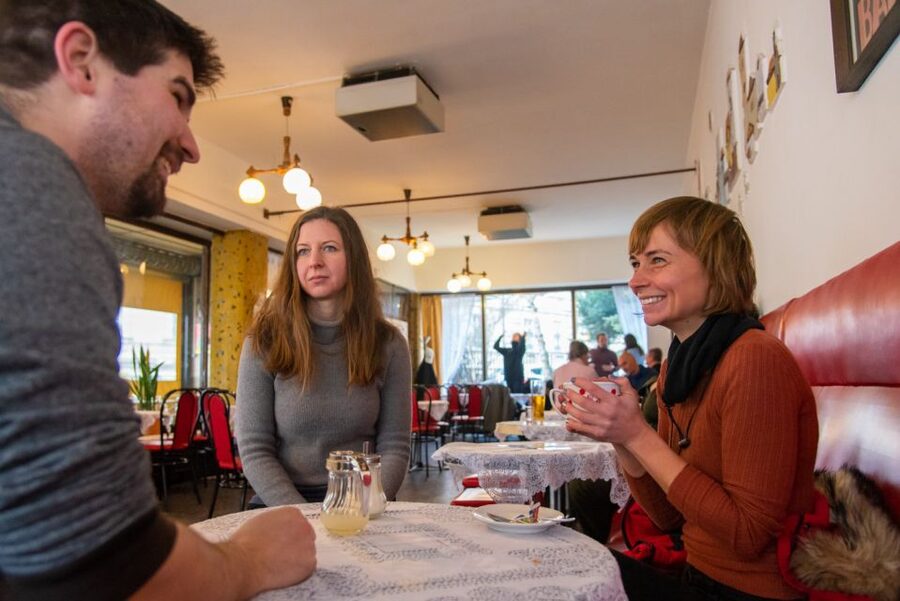
The tour ends with a drink and a chat in a retro café that has changed very little since it opened in 1961. That detail sounds small until you notice the bigger story: you’re talking about Communism in a setting that feels like time stayed put in the décor.
In reviews, the café break is consistently praised as a highlight. It’s not just a beverage stop; it’s a chance to keep processing what you learned while the guide is still there to answer questions. That conversational wrap-up can turn the whole tour from a lecture into something more personal.
Also, the café atmosphere gives the tour a gentle off-ramp. After heavier topics, you get a normal human moment: sit down, sip, and talk history with real people in a real place.
If you’re the type who likes learning through everyday environments—rather than only monuments—this café stop will land well.
Price and value: what $57 gets you for 3 hours
At $57 per person for 3 hours, this tour is priced for guided context, not for a self-guided wander. The small group size (limited to 10 participants) matters because it makes Q&A feel natural instead of forced into a crowd.
You’re also getting three specific inclusions that support the price:
- an expert guide with historical commentary focused on Communism
- a drink at the retro café
- a subway transportation ticket (the M2 ride)
If you were trying to replicate this on your own, you’d likely spend time figuring out transit and then still miss the structured explanation. The family stories are the part that’s hardest to DIY. That’s where the tour earns its keep.
One balanced note: because the tour emphasizes the Communist period, people who want a broader, more strictly chronological sweep across centuries might feel the edges. One review suggested that adding a more structured, wider historical frame could improve it. So if you want everything from earlier events to modern politics in one go, you might pair this with another history option in Budapest.
Who should book this Communism walk (and who might not)
This tour is a great fit if you:
- care about modern Hungarian history and how politics shapes daily life
- like walking tours that connect monuments to human stories
- enjoy asking questions and talking things through with a guide
- want a small group experience rather than a fast, crowded stamp-collecting route
It’s also ideal if you’re curious about how Budapest’s central streets still carry meaning. Even if you’re not a politics person, the emphasis on everyday impacts makes the era more understandable.
You might skip or supplement it if you:
- only want 100% sightseeing and minimal political discussion
- prefer an ultra-chronological lecture that covers a very broad range without focusing on the Communist arc
- are traveling with someone who finds politics exhausting rather than connecting
Practical tips so you get the most out of the 3 hours
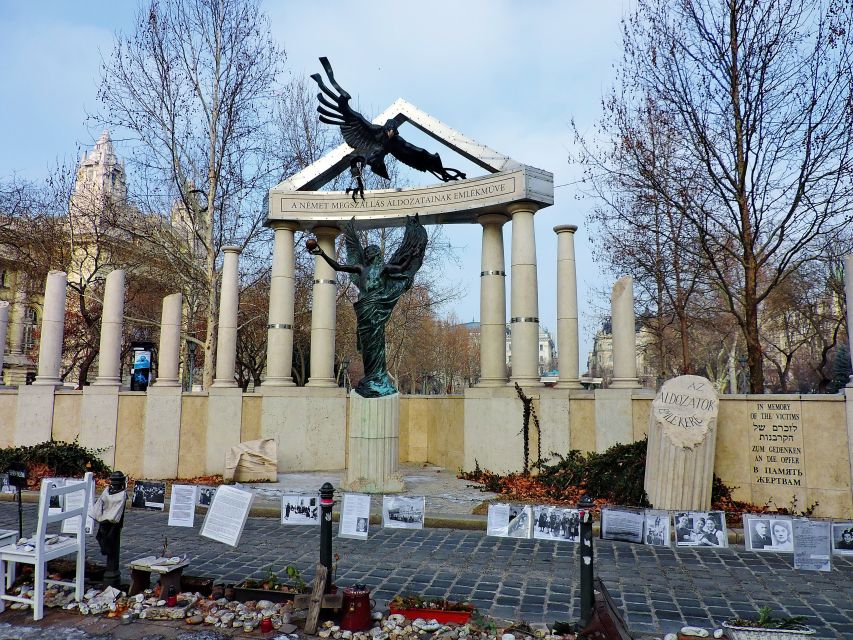
Here’s how to make this tour work for you:
Wear comfortable shoes and plan for steady walking. The route moves through central Pest areas with remnants you’ll want to stop and look at.
Bring questions. This isn’t a one-way lecture. The format is designed for back-and-forth, and that’s where the tour tends to become memorable.
If you want to extend the learning after the tour, pick one follow-up theme: 1956-era stories, the shift around 1989, or how the city remembers politics in public space. You can then choose a museum or a second walking loop based on what stuck.
Finally, if you’re picky about discussion depth, tell your guide early that you prefer more context or more street-level interpretation. Small groups make that adjustment easier.
Should you book it?
Yes—if you want a guided walk that turns Communism from an abstract idea into something you recognize in Budapest’s streets.
The strongest reasons to book are the combination of historian-led context and family stories, plus the smart mix of walking, a short ride on the red M2, and that very specific retro café stop from the early 1960s. At $57 for 3 hours, it’s not the cheapest option in the city, but it’s also not pricing you like a luxury experience. It’s a focused, story-driven tour that earns its value through what you understand at the end.
If your interest is narrower—like you only care about one year or one revolution—or if you want a sweeping chronological encyclopedia, you may want to pair this with another history experience. But for most people looking to grasp what Communism meant in Hungary, this is one of the most direct ways to get under the surface.
FAQ
How long is the Budapest 3-hour Communism walking tour?
It lasts 3 hours.
Where is the meeting point?
Meet in front of Kempinski Hotel Corvinus Budapest on Erzsébet square, facing the Ferris wheel.
Is this tour a small group?
Yes. It’s limited to 10 participants.
What’s included in the price?
The price includes an expert guide, a drink at a retro café, and a transportation ticket for the subway.
Do I ride the subway during the tour?
Yes. The tour includes a ride on the red subway line (M2), and your ticket is included.
What language is the tour offered in?
The tour is offered in English.
Is there free cancellation?
Yes. You can cancel up to 24 hours in advance for a full refund.
More Tour Reviews in Budapest






The Darker Side of Budapest






More of Budapest, Step by Step




Just Added: More Budapest Reviews
- Sightseeing flight over Budapest
★ 5.0 · 3 reviews - Budapest: Walking Tour with Chimney Cake & Polaroid Photos
★ 5.0 · 3 reviews - Self Guided Tour In Budapest With 100 Captivating Audio Stories
★ 5.0 · 3 reviews - Budapest Art Nouveau Walking Tour
★ 5.0 · 3 reviews - Hungary today: a no-taboo conversation
★ 5.0 · 3 reviews
Dark History & Ghost Tours, compared.
 ★ 4.6Buda Castle District Vampires and Myths Night TourFrom $233,830 reviews
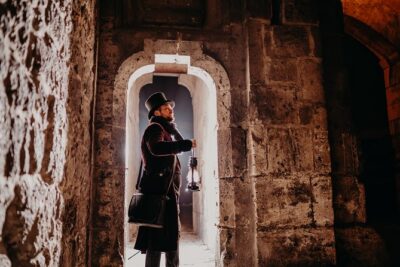 ★ 4.5Buda Castle District Dark History, Legends and Vampire Night TourFrom $211,240 reviews
 ★ 4.9BloodThirsty Hungary: Walking tour & Dark Historical StoriesFrom $21633 reviews
 ★ 5.0Nightmare in Budapest Interactive Horror ExperienceFrom $24390 reviews
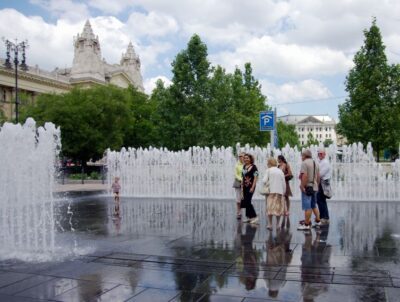 ★ 4.8Communist History Tour with House of Terror OptionFrom $58182 reviews
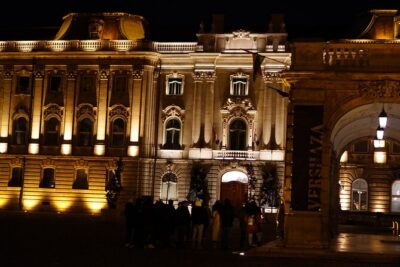 ★ 5.0BloodThirsty Hungary – Castle DistrictFrom $2180 reviews
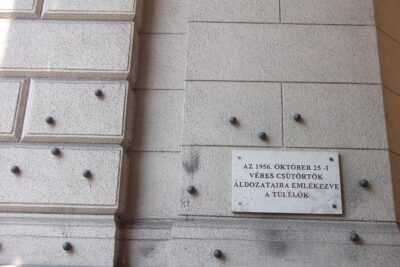 ★ 5.0Communism in Hungary with a HistorianFrom $5970 reviews
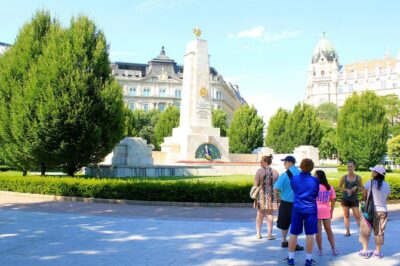 ★ 4.5Budapest Hammer & Sickle Communist Times TourFrom $7968 reviews
Browse the lists this tour appears in