
Reviewed · DARK HISTORY & GHOST TOURS
Lives of Hungarians Under Communist and Capitalist system
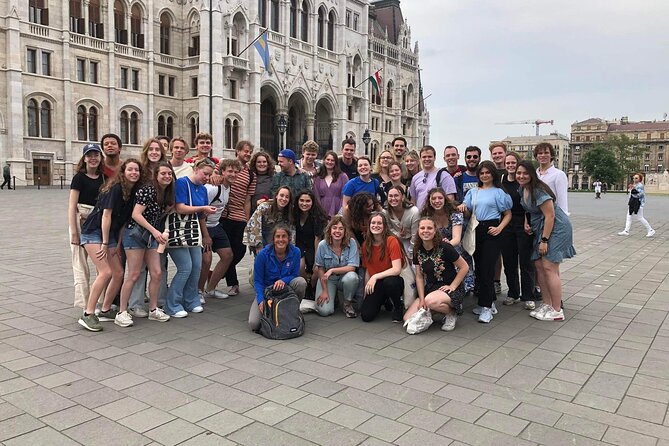
History has left fingerprints on Budapest. This tour explains Hungary’s Communism and what followed, using a guide who lived through the era and a route that goes past real places, not textbook ideas. You’ll connect daily topics like travel documents, housing, and education to big moments like 1956, all in about 90 minutes.
Two things I especially like: first, the stop-by-stop storytelling that makes daily life under Communism concrete, from travel logistics to family religion; second, the way the tour stays balanced by pairing “then” with “now,” including why some people look back with nostalgia. The guide also builds in an interactive history lesson early so you’re not just listening while you walk.
One consideration: this is a short tour with a lot of ideas packed in, so if you prefer long, museum-style explanations or you want lots of personal questions time, you might feel slightly rushed through certain stops.
In This Review
- Quick highlights
- Why this Communism-to-Postcommunism walk makes sense in Budapest
- Meeting at Budapest Eye: quick context, easy start
- Stop 1: Budapest Eye area and the interactive Communism primer
- Stop 2: Fröccsterasz—travel documents, Communist cars, and getting around
- Stop 3: St. Stephen’s Basilica and the complicated side of religion
- Stop 4: District V (inner city)—housing, healthcare, education, media, sport
- Stop 5: Szabadság tér—monuments, guerrilla statues, and the F4 nuclear bunker exit
- Stop 6: Hungarian Parliament Building—1956, bullet holes, and childhood memories
- Price and value: a low booking fee, plus the real tipping expectation
- What the small group size buys you
- Who should book this tour
- Practical tips to get the most out of your 90 minutes
- Should you book Lives of Hungarians Under Communist and Capitalist system?
- FAQ
- How long is the tour?
- Where do I meet the guide?
- Where does the tour end?
- Is the group size small?
- Are admissions included for the stops?
- Do I get a mobile ticket?
- What about tipping and guide earnings?
- When does the tour start?
- Can I cancel for a full refund?
Quick highlights
- 15-minute interactive Communism lesson right at the meeting point, to set the context fast
- Fröccsterasz travel documents and Communist-era transportation stories, including famous car types
- St. Stephen’s Basilica and family-by-family religion during Communism
- District V inner-city sites for housing, healthcare, media propaganda, and the Olympics
- Szabadság tér with the F4 nuclear bunker emergency exit and guarded-historic shelter
The darker Budapest, told after dusk
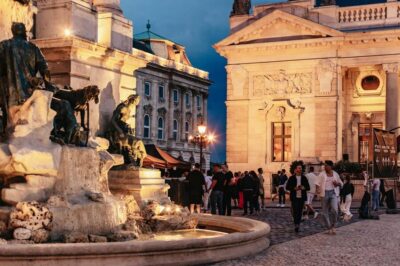
- Budapest: Buda Castle District Vampires and Myths Night Tour★ 4.6 · 3,830 reviews
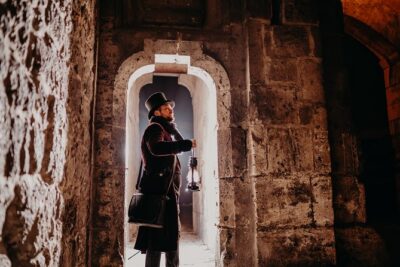
- Buda Castle District Dark History, Legends and Vampire Night Tour★ 4.5 · 1,240 reviews
- BloodThirsty Hungary: Walking tour & Dark Historical Stories★ 4.9 · 633 reviews
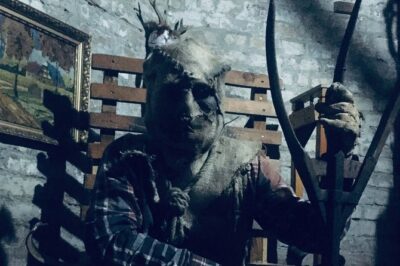
- Nightmare in Budapest Interactive Horror Experience★ 5.0 · 390 reviews
Why this Communism-to-Postcommunism walk makes sense in Budapest
Budapest is full of grand buildings and dramatic statues, but the story of Hungary under Communism doesn’t fully show up unless you connect the street details to daily life. This tour is built to do exactly that. You’ll hear how ordinary people handled travel, housing, religion, and education, then see how those systems changed after Communism ended.
What makes it click is the pacing and the pairing. You’re not only learning about politics or leaders. You’re getting the human-scale mechanics—what documents looked like, what daily rules felt like, and how culture and sport were shaped in the Communist era and later on.
Also, this isn’t a lecture you have to endure. The early history lesson is interactive, and each stop has a theme so you can follow the thread as you move.
Meeting at Budapest Eye: quick context, easy start
The tour starts at the Ferris Wheel of Budapest (Budapest Eye), at Erzsébet tér. Your guide meets you about 20 meters from the Budapest Eye, so you’re not wandering around trying to find a person in a crowd.
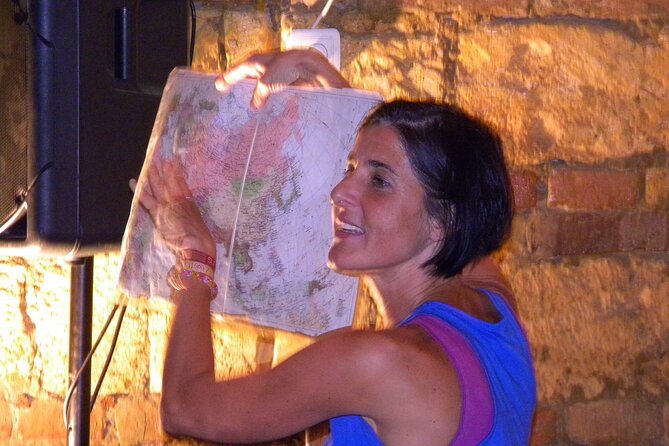
Right at the start, you get a 15-minute interactive history lesson on Hungarian and Central European Communism. For a topic this heavy, I love that the tour gives you a map first—so the later details about religion, education, propaganda, and 1956 aren’t isolated facts. They’re part of a larger system.
Logistically, it’s straightforward: you’ll get a mobile ticket, and the route keeps you near public transportation. And since the whole thing runs about 1 hour 30 minutes, it’s a solid choice if you want a meaningful history experience without wiping out your whole day.
Stop 1: Budapest Eye area and the interactive Communism primer
Even though the first stop is close to a modern landmark, the point is to set your mental framework. The guide uses the early minutes to help you understand how Communism worked in the Hungarian context, not just in theory but as a living structure that affected daily decisions.
This is one of the tour’s smartest design choices. Many “history walks” start right at the first monument and assume you already know the background. Here, you get a short orientation first, so you can listen better to what comes next.
You’ll also be seeing how the guide handles the subject: guided, but not simplistic. The tour promises a balanced explanation of both Communism and post-Communism, and that tone starts immediately.
Stop 2: Fröccsterasz—travel documents, Communist cars, and getting around
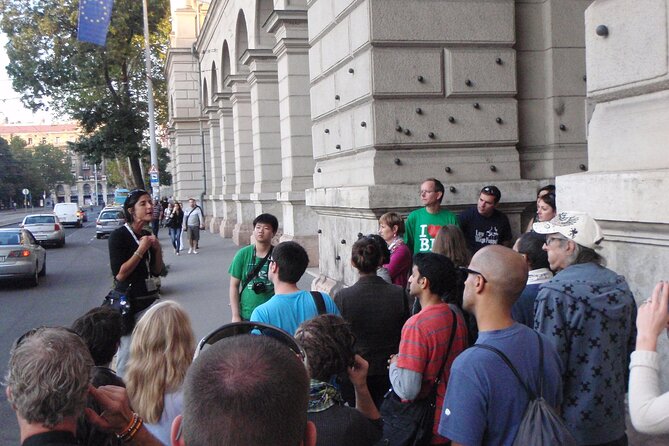
This is where the tour turns practical. At Fröccsterasz, you’ll hear stories about incoming and outgoing travel from Hungary, and you’ll see basic travel documents. That matters because travel rules are rarely just paperwork. They shape who can go where, when, and under what conditions—so they become a daily reality for families, students, and workers.
You’ll also learn about Communist car types and transportation in more depth. This isn’t just trivia. In a system where resources and production are controlled, everyday mobility becomes part of the bigger story. You get a feel for what life looked like when choices were narrower.
If you’re the kind of person who enjoys understanding the “how” behind history—how people moved, what they carried, what they could expect—this stop will land well. If you’re expecting only major dates and political figures, you might find this more grounded than you planned.
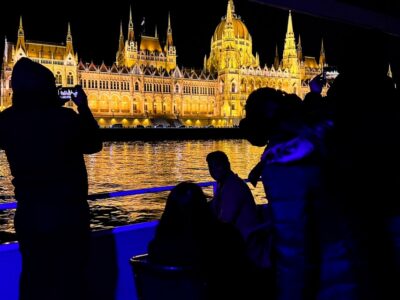


Stop 3: St. Stephen’s Basilica and the complicated side of religion
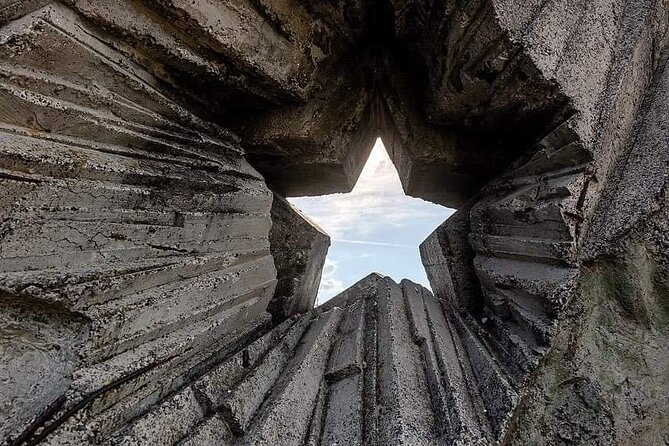
At St. Stephen’s Basilica (Szent István Bazilika), the focus shifts to faith and identity under Communism. You’ll learn about the difficulties different denominations faced, and how religious life varied family by family.
That “family by family” detail is key. Communism was not one single experience for everyone. The way religion showed up in daily life depended on household choices, local realities, and how people negotiated rules and expectations.
This stop also helps the tour stay balanced. Instead of treating religion as a backdrop, the guide frames it as a lived part of society—something people protected, practiced, adjusted, or sometimes hid, depending on the era and circumstances.
One small consideration: this is a walking tour, and religious sites may have rules about behavior and where you can linger. Plan to be respectful and follow your guide’s pace.
Stop 4: District V (inner city)—housing, healthcare, education, media, sport
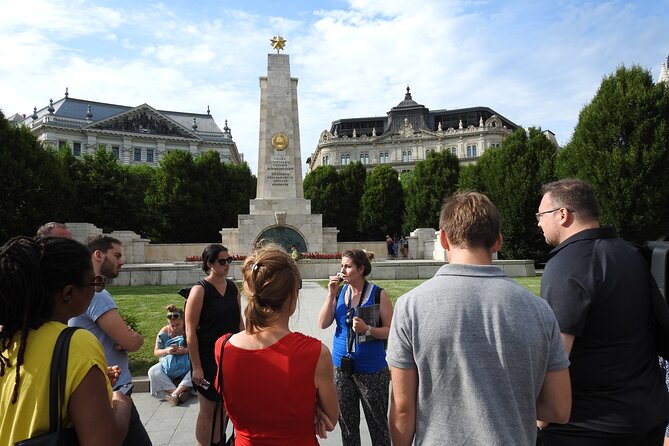
Now you move through the inner-city fabric where systems show up in daily life. In District V / inner city, the guide covers major themes: housing, health care, education, media culture and propaganda, and sport and the Olympic Games in Communism and post-Communism.
Here’s what I think you’ll like most. The tour doesn’t treat these topics like separate chapters. It shows how they connect. Education affects what people learn and how they fit into society. Media culture and propaganda shape what people see and repeat. Sport and the Olympics show how ideology can ride on something that looks like ordinary entertainment.
This stop also touches on a sensitive question: why some people have nostalgia for Communism. That’s not an “easy yes/no” topic, and I appreciate that the tour includes it rather than pretending everyone felt the same way.
If you want a history experience that reaches beyond monuments into systems people lived under, this is a central payoff moment.
Stop 5: Szabadság tér—monuments, guerrilla statues, and the F4 nuclear bunker exit
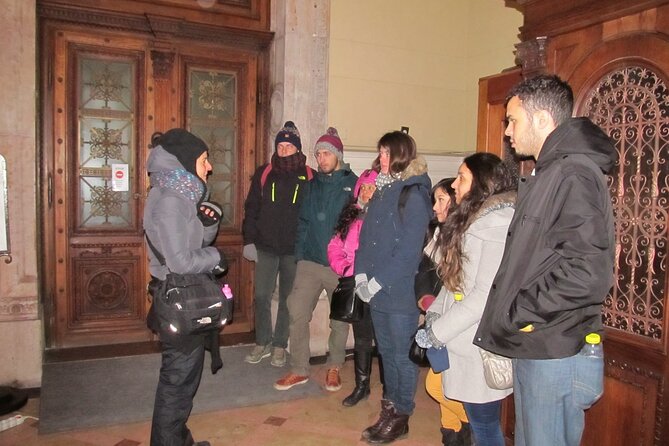
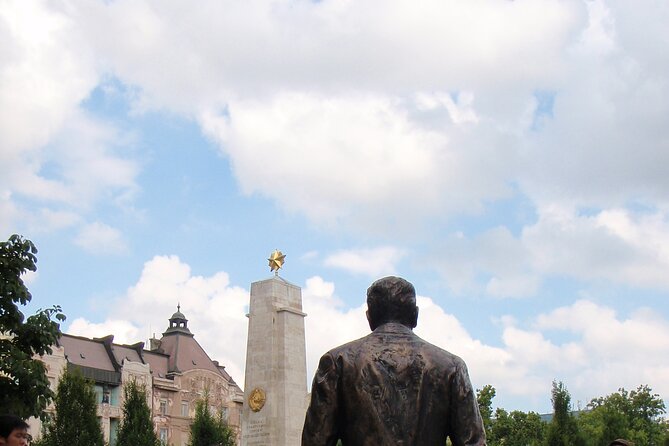
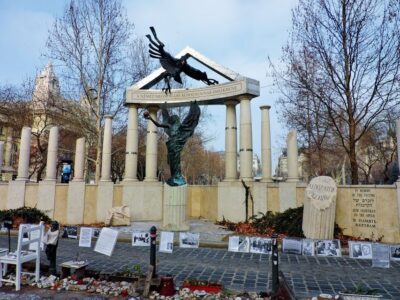
Szabadság tér is the tour’s most visually intense segment. You’ll see controversial monuments together with the emergency exit of the F4 military nuclear bunker, plus urban art guerrilla statues.
That combination is striking. It forces you to confront how fear and power can sit right alongside public space and culture. You’re looking at reminders of conflict and preparedness, but also at how people express themselves through art in the city.
The stop also mentions a second highly guarded building that provided shelter for a prominent Hungarian person for over 15 years. Even without turning it into a thriller, this kind of story adds weight to the idea that surveillance and security weren’t abstract concepts. They shaped real lives over long stretches of time.
If you’re sensitive to heavy topics, go in with the expectation that this stop includes symbolism and references to military planning. It’s not graphic, but it’s not just pretty photos either.
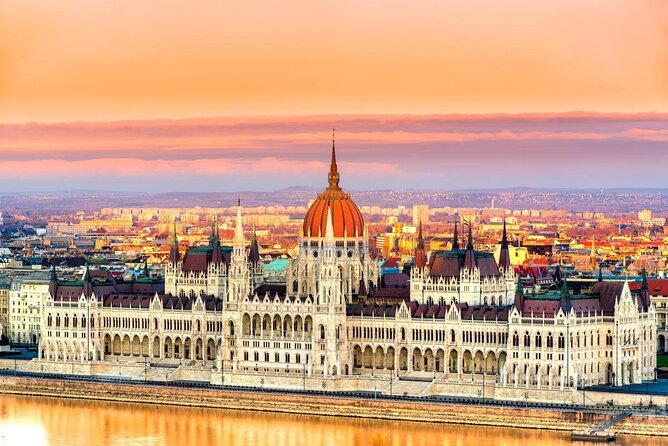
Stop 6: Hungarian Parliament Building—1956, bullet holes, and childhood memories
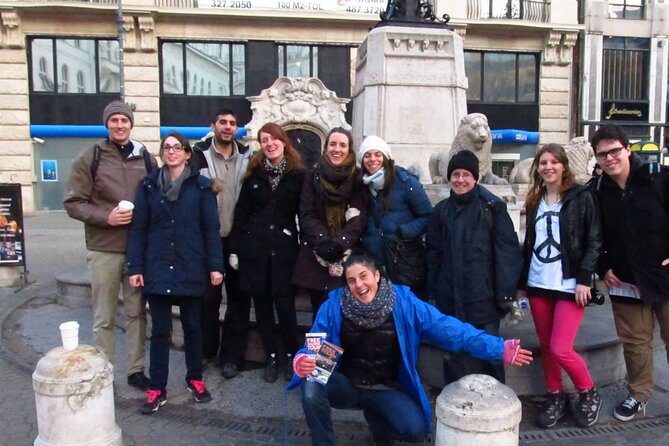
At the Hungarian Parliament Building, the tour shifts into the most emotional part of the route: the 1956 uprising.
You’ll learn about it in depth, see information tied to 1956 heroes, and you’ll also hear about experiencing the revolution and Communism as a child. That last piece is what makes this stop feel human. The tour frames political events as something families endured, not just something that happened to history books.
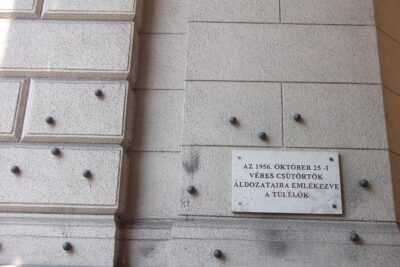
You’ll also be shown bullet holes on the facade of residential buildings around the Parliament area. That’s the kind of detail that makes the past feel immediate—because it shows physical evidence of violence in the spaces where people continued living.
If you want to understand why 1956 still matters in Hungarian identity, this is where it becomes clear. It’s also a reason the earlier stops were valuable: you now see how day-to-day life and big political shockwaves interacted.
Price and value: a low booking fee, plus the real tipping expectation
The tour price is listed at $4.65 per person, and it’s short—about 1 hour 30 minutes for up to 20 people. On paper, it’s an easy “yes” if you’re watching costs.
But here’s the practical part you should understand: the booking fee is described as an administrative and marketing fee and does not contribute to the guide’s earnings. The guide depends on your donations at the end. The tour notes that most guests tip €10 per person, and some tip more.
That changes how you should think about value. The low price isn’t the full story; the tour’s “true cost” includes what you choose to tip. If you care about paying guides fairly, plan your budget accordingly before the walk starts.
Also, several stop entries are marked as admission ticket free within the tour structure, which helps keep the experience from turning into an extra-fee scavenger hunt.
What the small group size buys you
With a maximum group size of 20 travelers, you’re more likely to get the kind of attention that matters on a thematic tour like this. You also get fewer distractions than on big coach tours, which helps when the guide is sharing stories that connect policy to personal life.
The route is also designed for walking between these specific Budapest points. The tour ends near Kossuth Lajos tér, about 50 meters from the M2 metro line, which is convenient if you want to keep going after the tour.
Who should book this tour
This is a great fit if you want history that answers everyday questions: How did people travel? What did families do about religion? What did education and media look like? Why did propaganda and sports show up in public life?
It’s also especially useful if you’re traveling with teens or older students who have learned about Communism in school but struggle to picture what it meant at home. The tour’s personal lens can make those topics feel more real and less like memorization.
You might skip it if you only want highlights and photos, or if you’re completely burned out by political history. It’s not a sightseeing “greatest hits” loop. It’s a structured explanation of systems and their effects.
Practical tips to get the most out of your 90 minutes
Arrive a bit early at the Ferris Wheel of Budapest area so you can settle in before the interactive lesson begins. Bring comfortable shoes; the route depends on walking between central sites.
If you tend to forget dates, jot down a quick note during the opening context lesson. You’ll hear 1956 and multiple themes across Communism and post-Communism, and it helps to anchor the ideas.
Finally, budget time at the end. The tour finishes near the Parliament area with metro access, so you can transition easily—just don’t plan a tight appointment for right after unless you’re comfortable moving quickly.
Should you book Lives of Hungarians Under Communist and Capitalist system?
If you want a short Budapest walk that turns Communism from an abstract chapter into something you can picture in daily life, I’d book it. The combination of practical topics—travel documents, religion, education, media—with the on-the-ground anchors like the 1956 evidence around Parliament is exactly the kind of guide-led format that sticks.
Just go in knowing two things: it’s not just monuments, and the booking fee is not the guide’s pay. If you plan a fair donation (often around €10 per person), you’ll leave feeling you backed the work that made the story come alive.
FAQ
How long is the tour?
The duration is about 1 hour 30 minutes.
Where do I meet the guide?
You meet at the Ferris Wheel of Budapest (Budapest Eye) at Erzsébet tér, and the guide meets you about 20 meters from Budapest Eye.
Where does the tour end?
The tour ends at the Hungarian Parliament Building area, Kossuth Lajos tér 1-3, and the conclusion point is about 50 meters from the M2 red metro line.
Is the group size small?
Yes. The tour has a maximum of 20 travelers.
Are admissions included for the stops?
The stops list admission as free within the tour experience, and the tour includes ticket entry where noted as admission ticket free.
Do I get a mobile ticket?
Yes, the tour uses a mobile ticket.
What about tipping and guide earnings?
The booking fee is described as administrative and marketing and does not contribute to the guide’s earnings. The guide depends on your donations at the end, and the tour notes that most guests tip around €10 per person.
When does the tour start?
The start time listed is 3:30 pm.
Can I cancel for a full refund?
You can cancel for a full refund if you cancel at least 24 hours before the experience start time.
More Tour Reviews in Budapest



The Darker Side of Budapest


Just Added: More Budapest Reviews
- Sightseeing flight over Budapest
★ 5.0 · 3 reviews - Budapest: Walking Tour with Chimney Cake & Polaroid Photos
★ 5.0 · 3 reviews - Self Guided Tour In Budapest With 100 Captivating Audio Stories
★ 5.0 · 3 reviews - Budapest Art Nouveau Walking Tour
★ 5.0 · 3 reviews - Hungary today: a no-taboo conversation
★ 5.0 · 3 reviews
Dark History & Ghost Tours, compared.
 ★ 4.6Buda Castle District Vampires and Myths Night TourFrom $233,830 reviews
 ★ 4.5Buda Castle District Dark History, Legends and Vampire Night TourFrom $211,240 reviews
 ★ 4.9BloodThirsty Hungary: Walking tour & Dark Historical StoriesFrom $21633 reviews
 ★ 5.0Nightmare in Budapest Interactive Horror ExperienceFrom $24390 reviews
 ★ 4.8Communist History Tour with House of Terror OptionFrom $58182 reviews
 ★ 5.0BloodThirsty Hungary – Castle DistrictFrom $2180 reviews
 ★ 5.0Communism in Hungary with a HistorianFrom $5970 reviews
 ★ 4.73-Hour Walking Tour About Communism (Small Group)From $5770 reviews
Browse the lists this tour appears in