Reviewed · DARK HISTORY & GHOST TOURS
Life Behind the Iron Curtain, the communist Budapest private
Budapest history hits hard, then changes tone. This private tour threads communist-era memory through the city, from wartime siege viewpoints to propaganda statues. I like that it’s built as a true half-day route, not a scattershot walk.
I love the balance of stops: House of Terror gives you the human cost of communist repression, and Memento Park lets you see how symbols were moved out of everyday life. One thing to consider: this is not a light sightseeing day, and the museum content is emotionally heavy.
In This Review
- Key highlights you’ll feel right away
- A private Iron Curtain route that moves between shock and perspective
- Citadella and the Siege of Budapest: where WWII’s ending gets political
- Gellért Hill’s Liberty Statue: the tallest “freedom” story in Europe
- House of Terror: when remembrance is built from fear
- Memento Park: the propaganda statues of the communist era, removed and reframed
- How the Children’s Railway helps the day breathe again
- Price at $294 per person: what feels like value here
- What the day feels like: van time, walking time, and mental stamina
- Who this tour is best for (and who might want a different tone)
- Practical tips so your day runs smoothly
- Is it worth booking?
- FAQ
- FAQ
- How long is the tour?
- Is this a private tour, and do I get pickup?
- What’s included in the price?
- What isn’t included?
- Is the tour wheelchair accessible?
- What do I need to bring?
- Can I cancel or pay later?
- What languages are offered?
Key highlights you’ll feel right away
- Gellért Hill’s Freedom Statue: a towering monument with a complicated origin story
- Citadella siege viewpoints: the WWII ending that fed the next occupation
- House of Terror with audio guidance: a focused memorial to victims of the communist era
- Memento Park’s 42 relocated pieces: Marx, Lenin, and other leaders in an open-air setting
- Liberty-style context at “friendship” monuments: how ideology was packaged as unity
- Children’s Railway in the Buda hills: a gentler finish after the dark material
The darker Budapest, told after dusk
- Budapest: Buda Castle District Vampires and Myths Night Tour★ 4.6 · 3,830 reviews
- Buda Castle District Dark History, Legends and Vampire Night Tour★ 4.5 · 1,240 reviews
- BloodThirsty Hungary: Walking tour & Dark Historical Stories★ 4.9 · 633 reviews
- Nightmare in Budapest Interactive Horror Experience★ 5.0 · 390 reviews
A private Iron Curtain route that moves between shock and perspective
This is a 5-hour private half-day that tries to do something tricky: explain how Hungary moved from WWII into decades of communist control, without drowning you in dates. The format matters. You’re in a van for part of the day, and then you’ll step out for guided time at key memorial spaces.
It’s the kind of tour where the guide’s voice can make or break it. The best versions I’ve seen described are led by people like Ildiko or Thomas, who bring clear context and also real personal framing, not just names and dates. That matters because much of what you’ll see is designed to tell a story. A good guide helps you read the story back the other way.
Citadella and the Siege of Budapest: where WWII’s ending gets political
The tour starts by connecting the late stages of World War II to the beginning of Hungary’s occupation. From the Citadella area, you get the big-picture geography that makes sense of why Budapest became such a choke point. Even if you’re not a battlefield expert, you’ll come away understanding the logic of an “end” that wasn’t really an end.
Why this stop is valuable: it sets up the rest of the day. The communist era you’ll visit afterward didn’t start in a vacuum. It grew out of the violence, the shifting control, and the reshaping of institutions that followed the siege.
Practical note: this is one of those viewpoints where weather and light affect what you can take in. If your day is cold or windy, wear something that lets you stand still long enough for your guide to point things out.
Gellért Hill’s Liberty Statue: the tallest “freedom” story in Europe
Next comes one of Budapest’s most recognizable silhouettes: the Liberty (Freedom) Statue on Gellért Hill. The facts alone are eye-catching. It was erected in 1947, with origins tied to Russian troops. The pedestal is 26 meters high, and the statue itself adds 14 meters—a total that makes it probably the tallest monument of its kind in Europe.
But what really makes this stop click is the way the meaning changed over time. Today it’s treated as a universal symbol of freedom, and it plays a big role in Budapest’s panorama. That doesn’t erase the origin story—it makes it harder to keep history simple.
When you’re standing there, you’ll likely notice how monuments can do two jobs at once: memorial and persuasion. This statue is both. A guide helps you see how a “freedom” symbol can start as a political message and later become a broader one.
House of Terror: when remembrance is built from fear
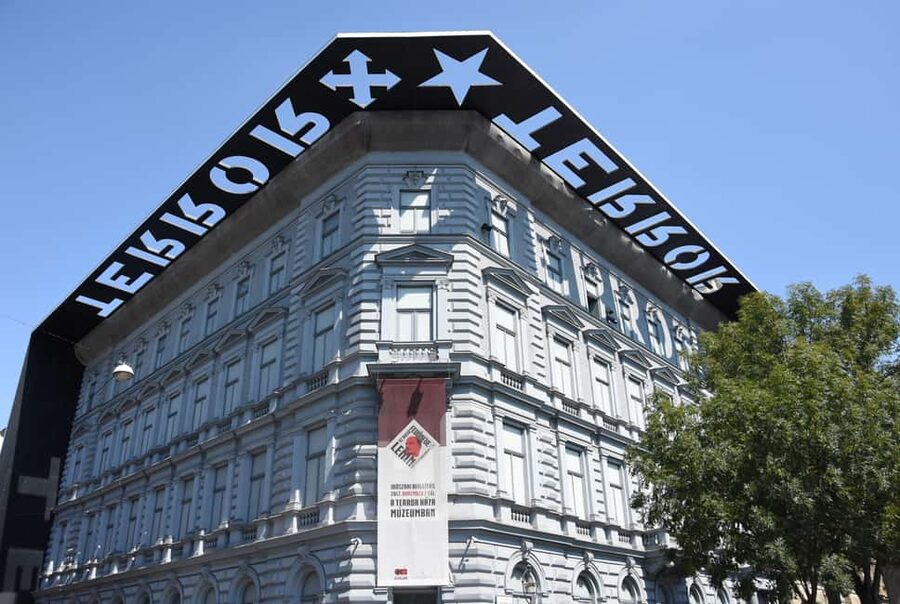
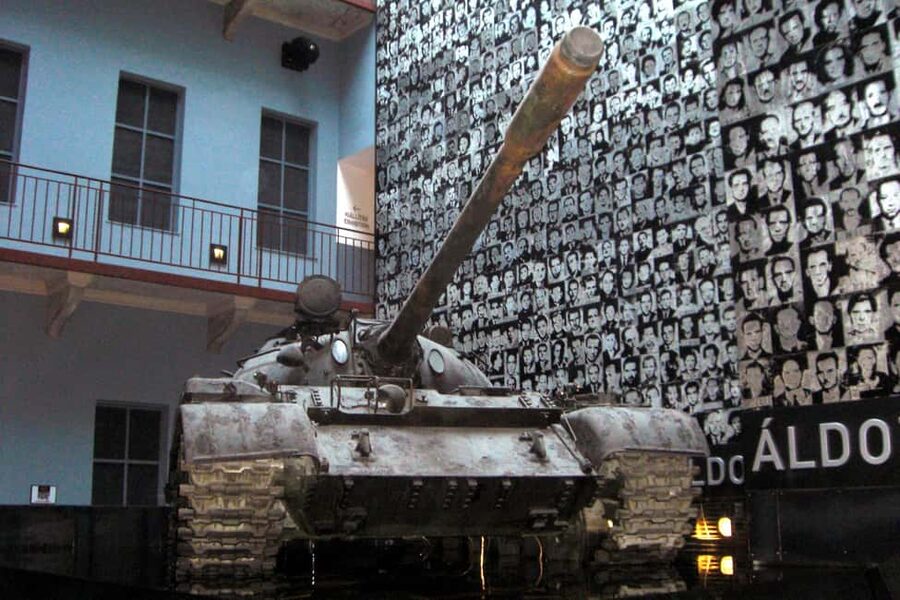
The tour’s emotional center is the House of Terror, a museum dedicated to the victims of Hungary’s communist era. This isn’t a quick photo stop. You’ll have a guided visit (about 1.5 hours) and you’ll also get an audio guide.
What I like about this museum stop is the focus. Instead of trying to cover every political twist in the 20th century, it zooms in on what repression does to real people—through the lens of those who were targeted. That’s exactly why it belongs in this itinerary: the day moves from wartime siege context into how power operated day to day, then ends by showing what those power symbols looked like after they were rejected.
A consideration: if you usually prefer lighter museum themes, you might find the tone intense. Plan for it. This is one of those times where you’ll appreciate slowing down, letting the guide explain, and not treating it like a checklist.
More just-your-group days in Budapest
Memento Park: the propaganda statues of the communist era, removed and reframed
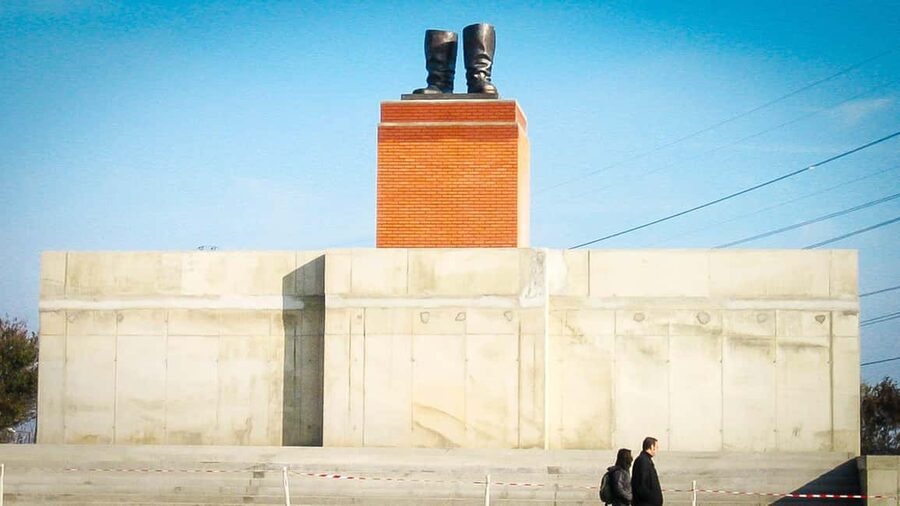
After the darker museum, you’ll head into open-air territory at Memento Park. This is where the tour becomes visually memorable.
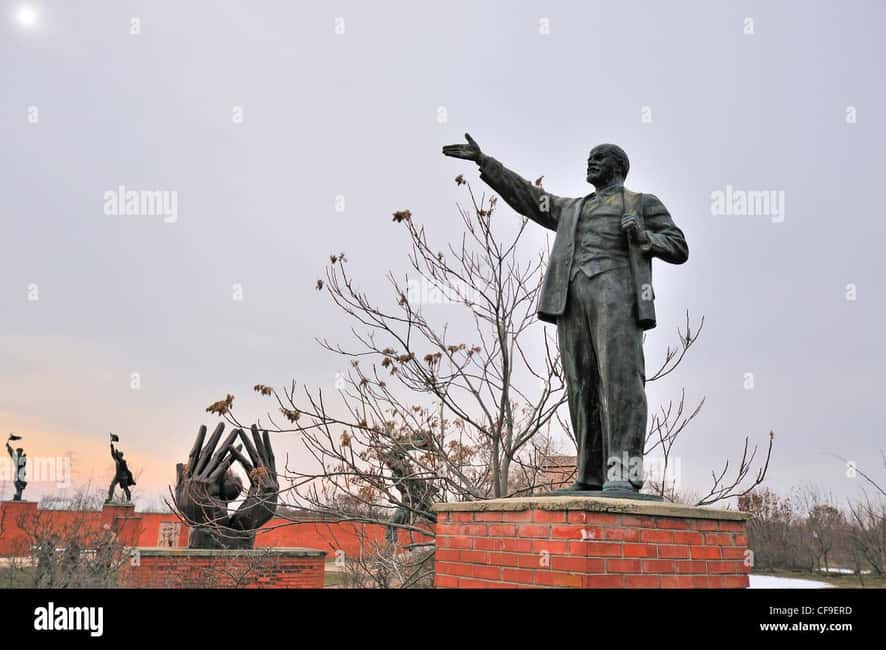
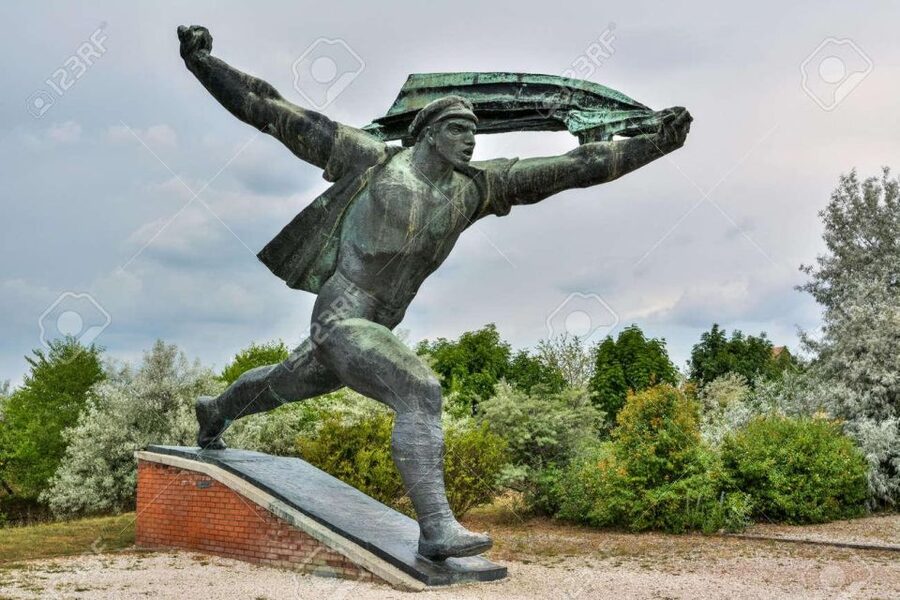
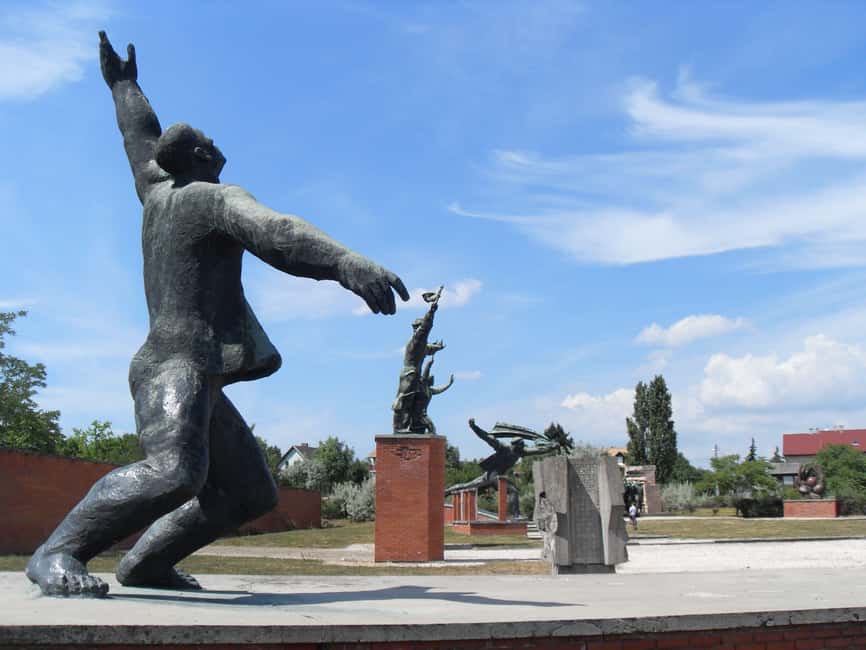
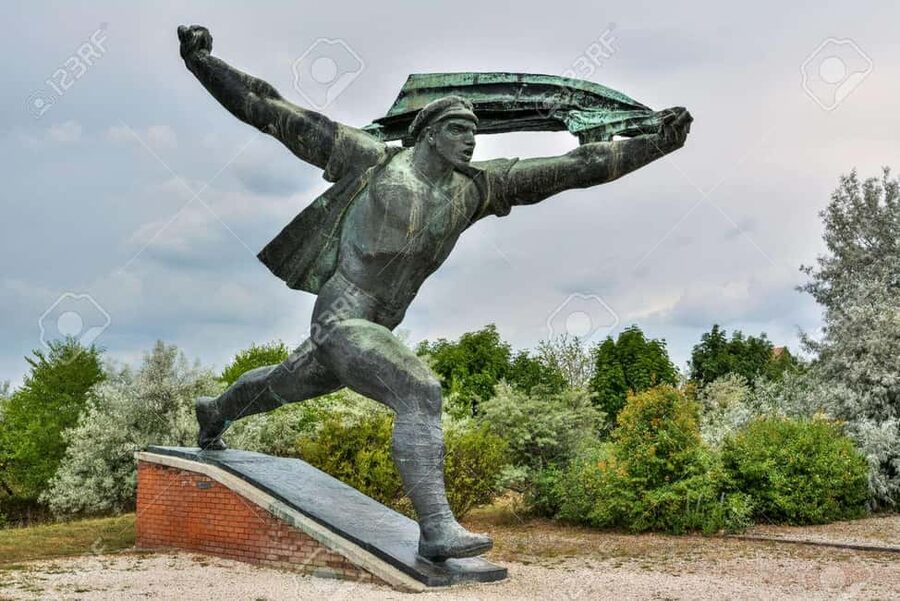
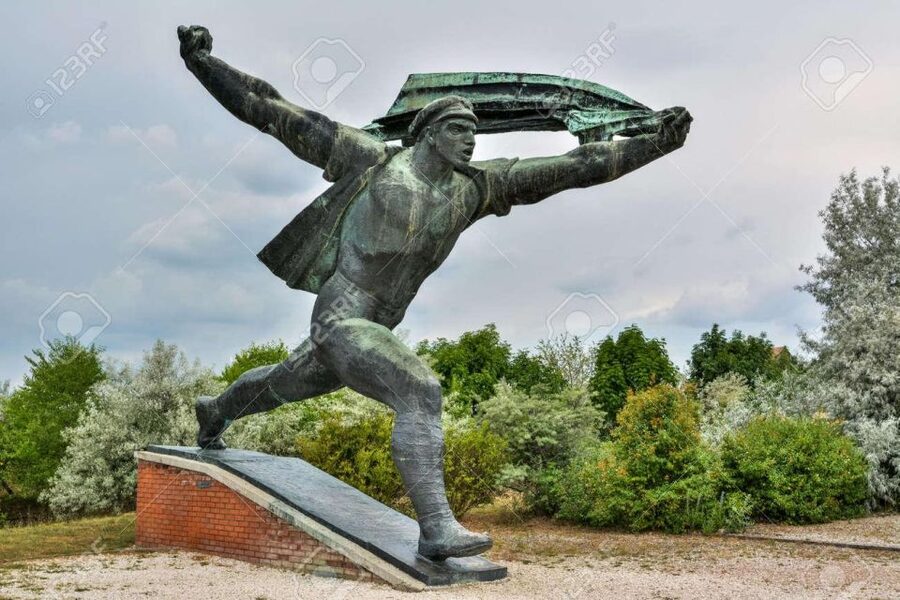
You’ll get a guided visit (about 1 hour), and entry into Memento Park is included. The collection includes 42 pieces, including the 6-meter-high Liberation Army Soldier statue. You’ll also see the kind of figures and messaging that were meant to define public life for decades—like statues of Marx, Lenin, and Hungarian Communist leaders, including Ostapenko.
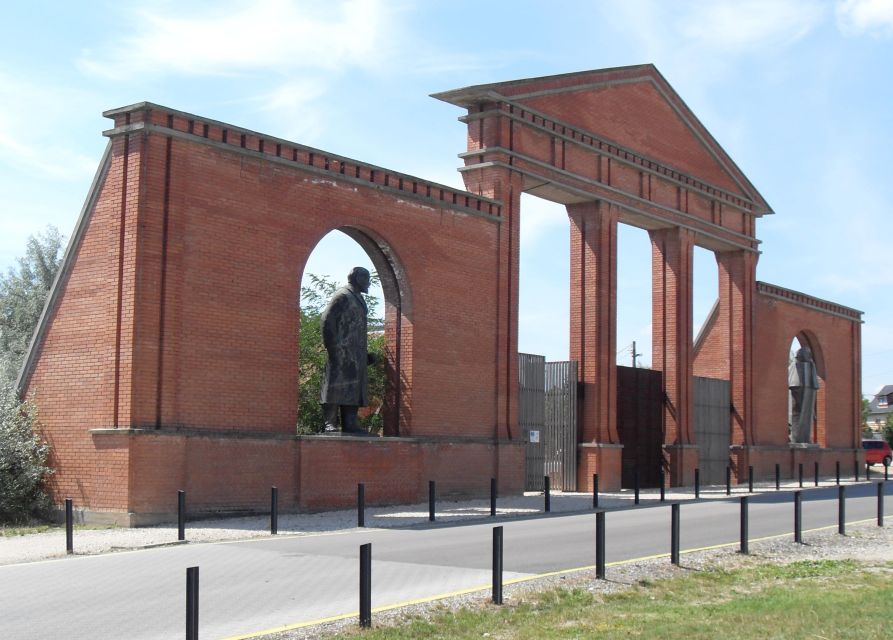
The really important idea here: these monuments were originally erected in the city from 1945 to 1989, and then many were relocated into Memento Park. When you stand among them outside their original street setting, the messages shift. The statues feel less like everyday power and more like artifacts—evidence of how ideology tried to colonize public space.
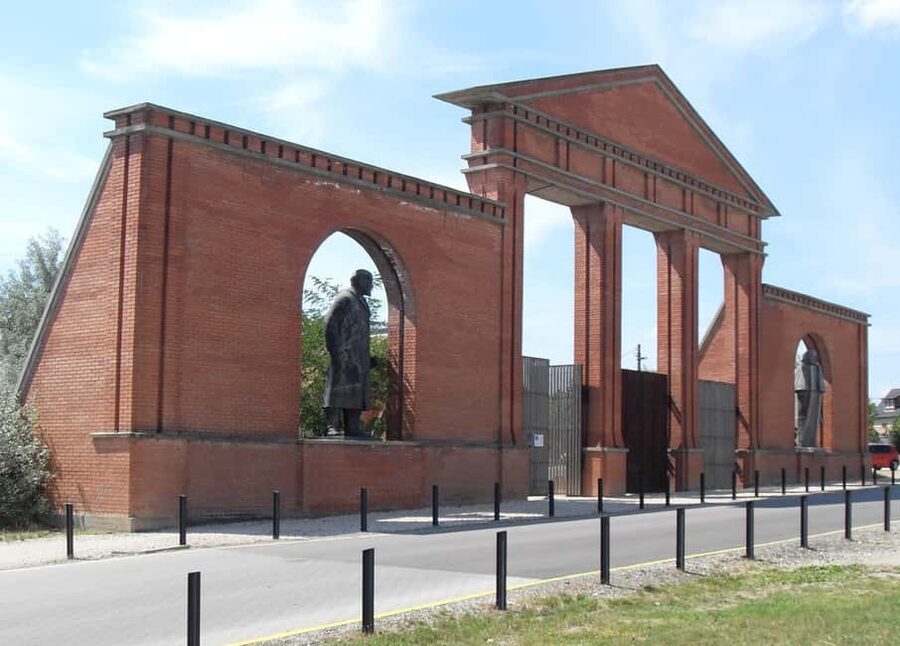
You’ll also see the Memorial of the Hungarian-Soviet Friendship. That phrase sounds warm on paper, but the tour framing makes you look harder. “Friendship” was often used to soften domination. Your guide’s job is to connect the slogan to the reality.
How the Children’s Railway helps the day breathe again
The last stop is a curveball—in a good way. You’ll ride the Children’s Railway in the Buda hills. It opened in 1949, originally known as the Pioneer’s Railway. Here’s the detail that makes it fun even after a serious day: it was operated by children aged 10 to 14.
This part helps because you don’t just leave with information. You leave with a different sensory memory—movement, views, and a sense of play. It’s a small reminder that the story of an era isn’t only fear and control. People lived lives inside it, even when systems were coercive.
If you’re traveling with kids or you just need a break from museum gravity, this ending is a smart design choice.
Price at $294 per person: what feels like value here
At $294 per person for a private 5-hour tour, you’re paying for three things at once: a guide who can connect the dots, private transport, and guided entry/time where it counts.
Here’s where the value shows up:
- Hotel pickup and drop-off saves time, and it reduces stress on a day with multiple distinct sites.
- Entry into Memento Park is included, so you’re not juggling extra costs for that stop.
- The itinerary is built to cover both the symbolic side (statues and monuments) and the human side (House of Terror).
What’s not included matters too. Entry fees for House of Terror (and also Retro Museum, listed as not included) aren’t included, and lunch isn’t included. So budget for museum entry and a meal on your own.
If you compare this to doing everything independently, the guide’s role is the deciding factor. On your own, you’d still see the same monuments, but you’d likely miss the thread that explains why these places were created, how they were used, and why they were later repurposed or relocated.
What the day feels like: van time, walking time, and mental stamina
The tour mixes van transport with guided walking segments. One of the best-reviewed aspects of the private format is that it doesn’t feel like a marathon, which matters given the subject matter. You’ll spend most of your time with the guide at structured sites, not wandering for directions.
Still, you should plan your mental energy. You’re going from:
- WWII siege context and big monuments,
- into an intense repression-focused museum,
- then into a heavy symbolism refit at an open-air park.
By the time you get to the Children’s Railway, it should feel like relief instead of whiplash.
Who this tour is best for (and who might want a different tone)
This tour is a great fit if you:
- want a guided explanation of Hungary’s communist era symbols and their impact,
- like connecting history to what’s physically still visible in the city,
- appreciate a route that doesn’t stop at propaganda sightseeing and instead confronts victims’ stories.
You might prefer a different kind of tour if you:
- want only cheerful sightseeing,
- get uncomfortable with museums that focus on political violence and repression,
- hate “context heavy” days where the meaning matters more than photos.
Practical tips so your day runs smoothly
Bring passport or ID card. Budapest checks can come up even when you’re only moving between sites, and this tour explicitly calls for identification.
Wear shoes that work for a mix of time outdoors and museum walking. The itinerary includes viewpoint and open-air elements, plus a guided museum visit, so you’ll be on your feet longer than a simple city-stroll.
If you’re traveling in a group, the private format is helpful because the guide can adjust pace and emphasis. Guides like Ildiko are known for personal touch and engagement, and that can make a big difference when the topic is heavy.
Also, this tour is wheelchair accessible, which is worth noting if you want a structured route rather than piecing together visits on your own.
Is it worth booking?
If your goal is to understand what Hungary’s communist era did to public life—and what Hungary chose to remember afterward—this private tour is a strong bet. You get both sides of the story: symbols (statues and relocated monuments) and memory (House of Terror). The pricing isn’t low, but you’re buying time saved by pickup/drop-off, a guide who connects meaning, and included entry to Memento Park.
I’d book it if you’re open to serious content and you want clarity without doing research on your own first.
FAQ
FAQ
How long is the tour?
It runs for 5 hours.
Is this a private tour, and do I get pickup?
Yes, it’s a private group tour. Hotel pickup and drop-off are included, with pickup options in District XI, District V, or District VII, and drop-off in those same areas.
What’s included in the price?
The tour includes transfers, a guide, entry into Memento Park, and hotel pickup and drop-off.
What isn’t included?
Entry fees to Retro Museum and House of Terror are not included, and lunch is not included.
Is the tour wheelchair accessible?
Yes, the tour is wheelchair accessible.
What do I need to bring?
Bring a passport or ID card.
Can I cancel or pay later?
You can cancel up to 24 hours in advance for a full refund. You can also reserve now & pay later, meaning you pay nothing today.
What languages are offered?
The live tour guide is available in English, Spanish, Italian, German, and French.
Budapest to Yourselves



More Tour Reviews in Budapest



The Darker Side of Budapest


Just Added: More Budapest Reviews
- Sightseeing flight over Budapest
★ 5.0 · 3 reviews - Budapest: Walking Tour with Chimney Cake & Polaroid Photos
★ 5.0 · 3 reviews - Self Guided Tour In Budapest With 100 Captivating Audio Stories
★ 5.0 · 3 reviews - Budapest Art Nouveau Walking Tour
★ 5.0 · 3 reviews - Hungary today: a no-taboo conversation
★ 5.0 · 3 reviews
Dark History & Ghost Tours, compared.
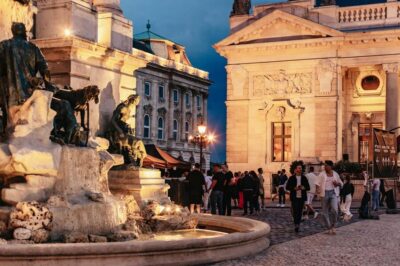 ★ 4.6Buda Castle District Vampires and Myths Night TourFrom $233,830 reviews
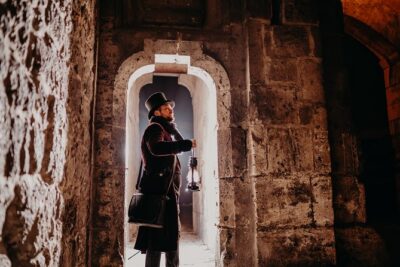 ★ 4.5Buda Castle District Dark History, Legends and Vampire Night TourFrom $211,240 reviews
 ★ 4.9BloodThirsty Hungary: Walking tour & Dark Historical StoriesFrom $21633 reviews
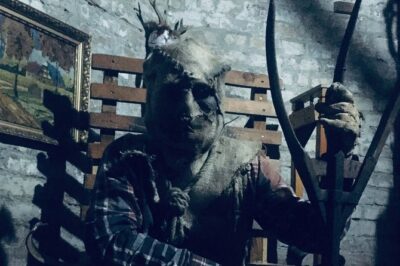 ★ 5.0Nightmare in Budapest Interactive Horror ExperienceFrom $24390 reviews
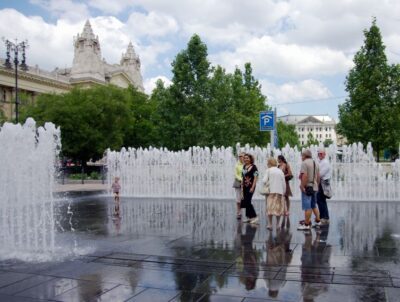 ★ 4.8Communist History Tour with House of Terror OptionFrom $58182 reviews
 ★ 5.0BloodThirsty Hungary – Castle DistrictFrom $2180 reviews
 ★ 4.73-Hour Walking Tour About Communism (Small Group)From $5770 reviews
 ★ 5.0Communism in Hungary with a HistorianFrom $5970 reviews
Browse the lists this tour appears in