Reviewed · STREET ART
Budapest: Street Art Tour
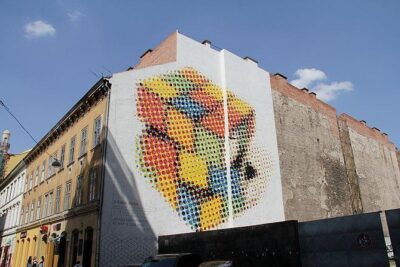
Budapest’s walls talk—if you know where to look. This small-group street art tour uses murals, graffiti, and street-level storytelling to explain how contemporary Budapest thinks about culture, history, and politics. I particularly like that you’re not just chasing photos; you get real context from a live English guide, with Attila specifically called out in recent feedback.
I also love the focus on the Jewish Quarter. As you walk, the art appears on the most ordinary streets, and the guide helps you connect what you’re seeing to the neighborhood’s deeper stories. One thing to consider: it’s a walking tour, so if you hate rain or cold city sidewalks, plan for weather and comfy shoes.
In This Review
- Street Art Tour quick hits (what matters most)
- Why Budapest’s street art feels like a shortcut to the real city
- Jewish Quarter walls, My Little Melbourne coffee, and the 3-hour flow
- How each mural gets explained (so it’s more than street-level art)
- The political and cultural angles you’ll actually want to talk about
- Small group size and why it changes the whole experience
- Price and value: is $53 worth three hours with coffee?
- Rain, comfort, and what to bring for a street art walk
- Who this tour fits best (and who might want something else)
- Should you book this Budapest street art tour?
- FAQ
- How long is the Budapest Street Art Tour?
- Where do we meet?
- Is coffee included?
- Is the tour wheelchair accessible?
- What language is the guide?
- What is the group size?
Street Art Tour quick hits (what matters most)
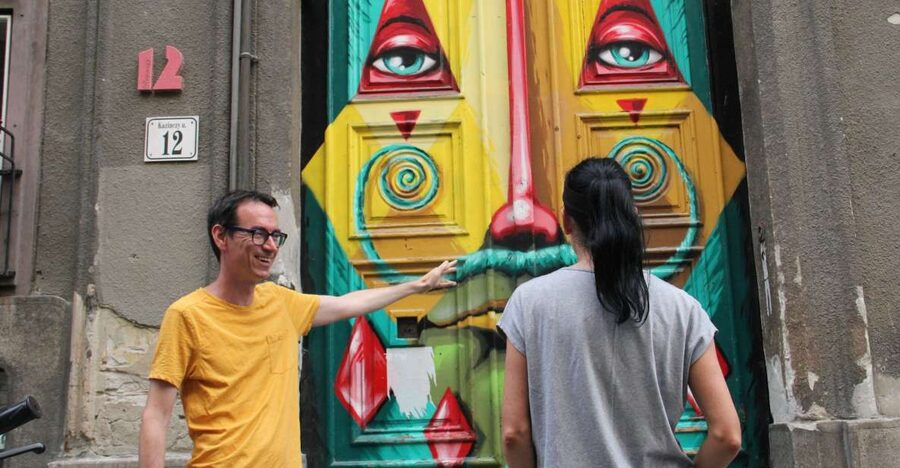
- Jewish Quarter route: street art appears in the corners and gaps you’d normally skip
- Piece-by-piece meaning: you’ll talk about themes, socio-political context, and the artists behind each work
- Small group size: limited to 6 participants in booking details, with the tour description also noting up to 8
- Coffee included: you’ll stop at the cozy café where the tour starts
- English guide: live interpretation, plus room for questions
Worth setting beside this one before you book:
- Budapest: Street Art and Underground Movements Walking Tour★ 5.0 · 365 reviews
- Alternative Street Art Free Walking Tour of Budapest★ 4.5 · 53 reviews
- Street Art and Alternative Tour in Budapest★ 5.0 · 52 reviews
- Budapest: Alternative Street Art & Jewish Tour★ 4.8 · 49 reviews
Why Budapest’s street art feels like a shortcut to the real city
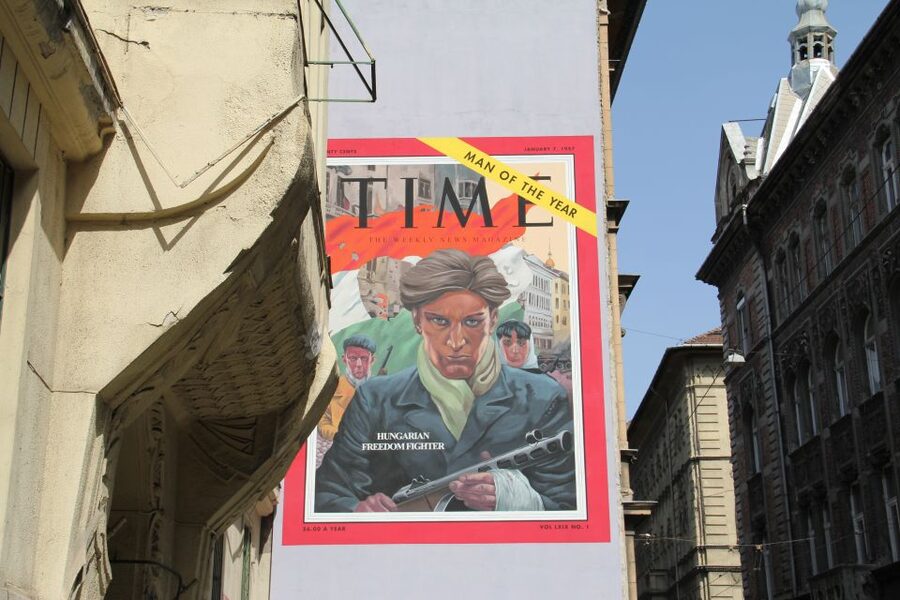
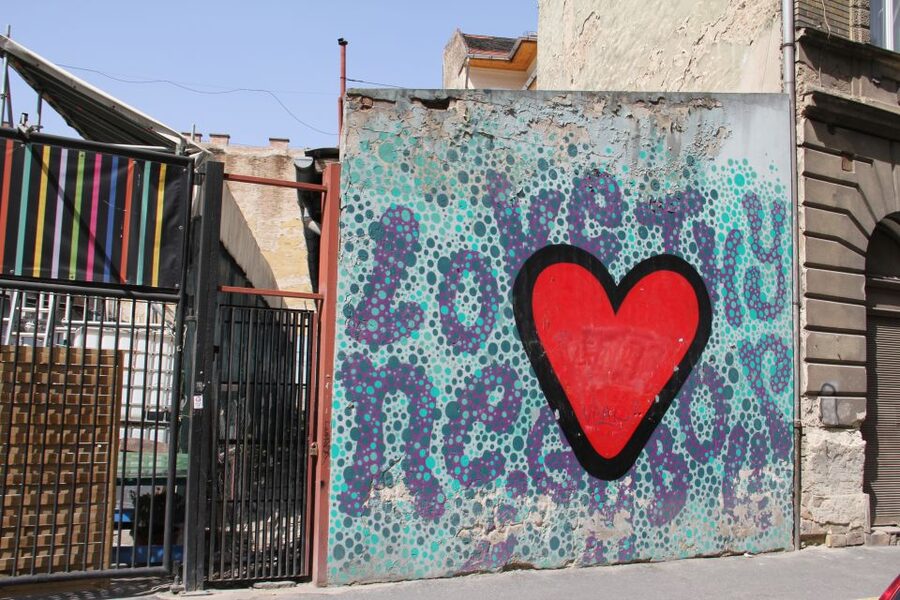
Budapest street art isn’t just decoration. It’s a form of public conversation—about identity, politics, memory, and daily life—written in paint, tags, and murals you can’t ignore once you start looking.
The tour’s core idea is simple: if you want to understand the cultural undercurrents of contemporary Budapest, you need to watch how people express themselves right on the street. The Jewish Quarter is a smart choice for this, because it’s a place where the past is always nearby—and the newer art often responds to that weight. You’ll spend most of your time with your eyes up, but also with your brain switched on, linking the artwork to what’s going on around it.
And yes, you’ll still get great shots. But the payoff is bigger than the image. When you understand what a piece is saying, the whole neighborhood starts reading differently—like the walls become another kind of guidebook.
Jewish Quarter walls, My Little Melbourne coffee, and the 3-hour flow
You meet at the entrance of the coffee shop My Little Melbourne. That’s not a random detail: it sets the tone. It’s a cozy local café setting where the guide can orient the group before you start walking, and you’ll also enjoy a complimentary cup of coffee.
From there, plan for a steady 3-hour outing that’s mostly outdoors. The tour spends the bulk of the time stopping to look at murals, graffiti, and other street art forms dotted around the Jewish Quarter. Expect the pacing to be “watch, stop, explain, move,” not “march and glance.”
One practical note: this is a city-walk style tour, so you’ll want shoes that handle uneven sidewalks. Weather can also matter; one guide-run you’ll want to be prepared for is a rainy day where the tour still moves quickly—fun, but you’ll feel the damp if you’re unprepared.
Also, food isn’t included. The coffee break is covered, but you’ll likely want to eat before or after, especially if you tend to get hungry while walking.
How each mural gets explained (so it’s more than street-level art)
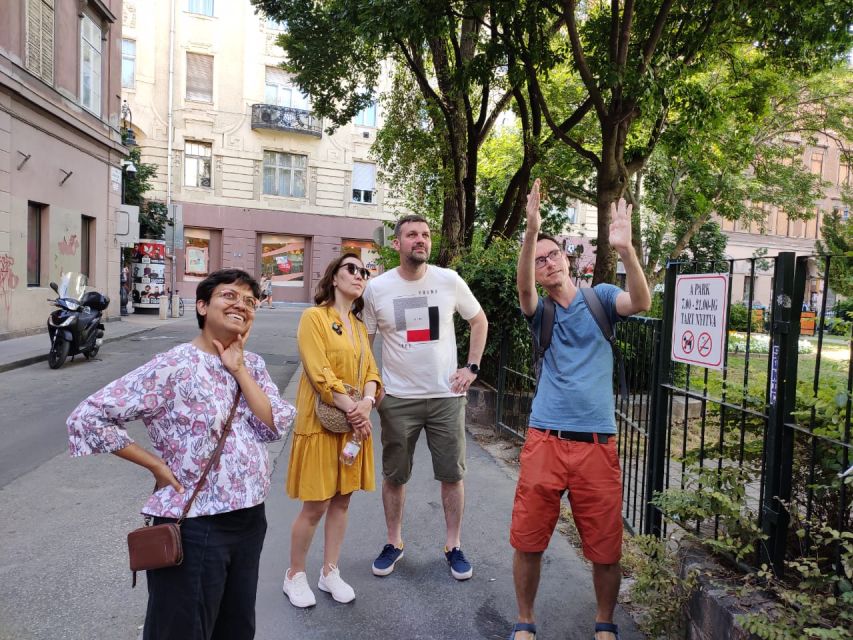
This tour’s biggest strength is the discussion. You’re not sent to wander alone while the guide waits off to the side. Instead, for each artwork, you’ll get a focused conversation about what it’s communicating and why it matters.
That typically means three things:
- Themes you can spot quickly once the guide points them out
- Socio-political context tying the art to current issues and local conversations
- The artists behind the work, often with local creators playing a major role
Local artists dominate the scene on this route, and that matters. Street art works best when it’s rooted in people who live there, not just artists visiting for a project. When you hear what locals care about—values, everyday life, and how they want their city to be seen—you start to understand why these walls get painted in the first place.
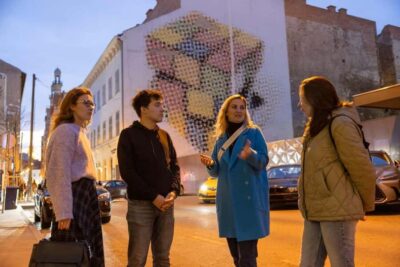
And here’s the part you’ll probably enjoy most if you’re the type who likes asking why: the guide makes it a conversation. With a small group, you can raise questions and get direct answers without feeling like you’re interrupting a moving bus tour.
The political and cultural angles you’ll actually want to talk about
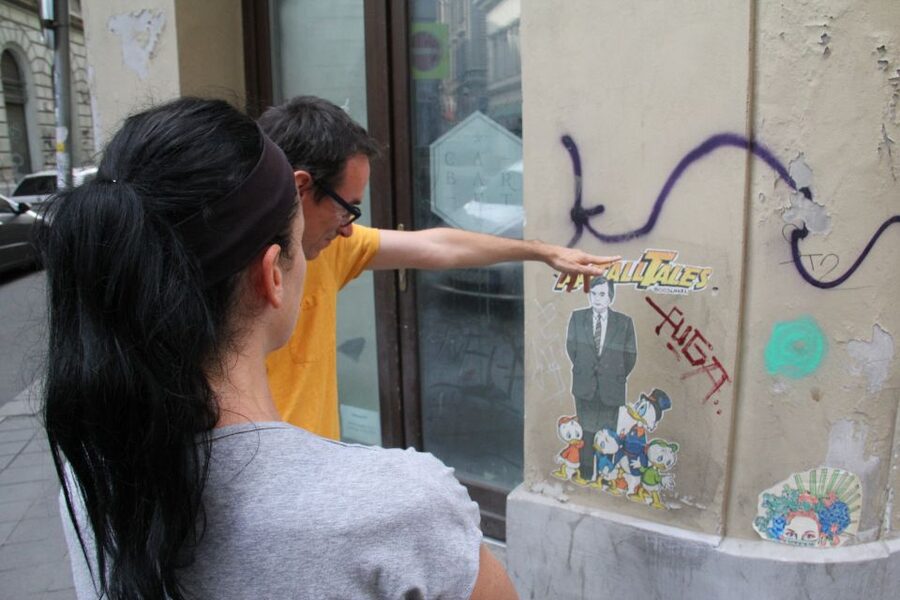
It’s easy to hear “history, culture, politics” and picture a dry lecture. This tour doesn’t aim for that. It uses street art as a living lens, where politics shows up as symbolism and culture shows up as references you learn to recognize.
As you walk, you’ll connect the art to the city’s contemporary mindset—how people talk about identity, belonging, and public space. The Jewish Quarter context adds extra weight because it’s a neighborhood where remembrance and community history are part of the backdrop. When a piece appears in that setting, it lands harder, because it’s not happening in a blank canvas.
What I find useful for planning: go in expecting mixed vibes. You may see pieces that feel celebratory, pieces that feel critical, and pieces that feel like commentary—sometimes all within the same stretch of street. The tour’s job is to help you interpret those tones, not force one meaning onto everything.

Small group size and why it changes the whole experience
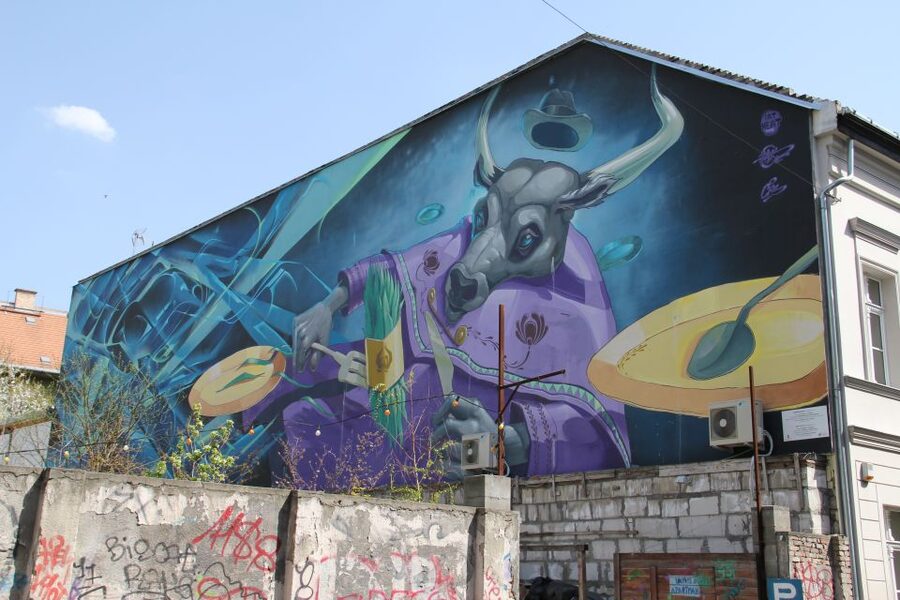
This is a small group tour, and that’s not marketing fluff. Booking details list a limit of 6 participants, while the tour description also notes a cap of up to 8. Either way, it’s clearly designed to keep the group tight.
In practice, that means:
- You can hear explanations without leaning in
- You can ask questions as you go
- The guide can adjust pacing to the group’s reactions
The best moments on tours like this often come from short side questions. Someone spots a detail in a mural and asks what it refers to. Someone else wonders about the artist or the message. With fewer people, those questions don’t get swallowed by the crowd.
Recent feedback also highlights that the guide is friendly and responsive, including taking questions and adapting to what people want to know. One guide-run also mentions strong knowledge of the local art scene paired with solid neighborhood context, and it’s easy to see how that pairing would keep the walk from turning into a list of pretty pictures.
Price and value: is $53 worth three hours with coffee?
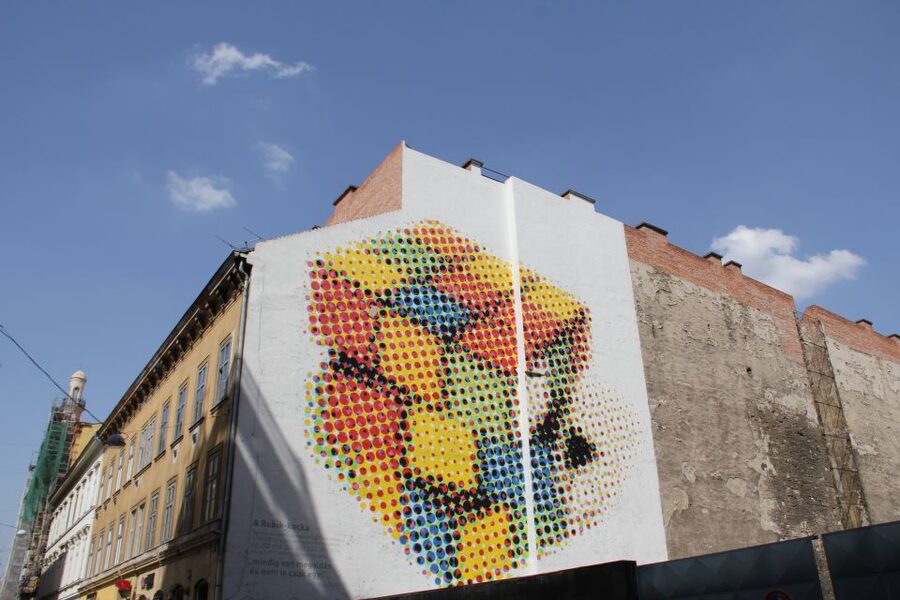
At $53 per person for a 3-hour tour with a live English guide and included coffee, the question isn’t just cost—it’s what you’re buying.
You’re paying for four things that are hard to get on your own:
- Interpretation: learning themes and socio-political context tied to specific pieces
- Local grounding: hearing why local artists make the choices they do
- Time saved: street art is everywhere, but meaning takes guidance
- Group discussion: a real Q-and-A format instead of silent walking
If you love art, history, or politics as “how people live,” this kind of tour can feel like good value fast. You also get included coffee, which doesn’t sound huge, but it confirms this is a proper meeting-point café stop rather than a quick photo break.
On the other hand, if you’re only after casual scenery and don’t care about context, you might get less out of it than someone who wants to understand what they’re looking at. The value is in the explanation—so check your own interest level.
Rain, comfort, and what to bring for a street art walk
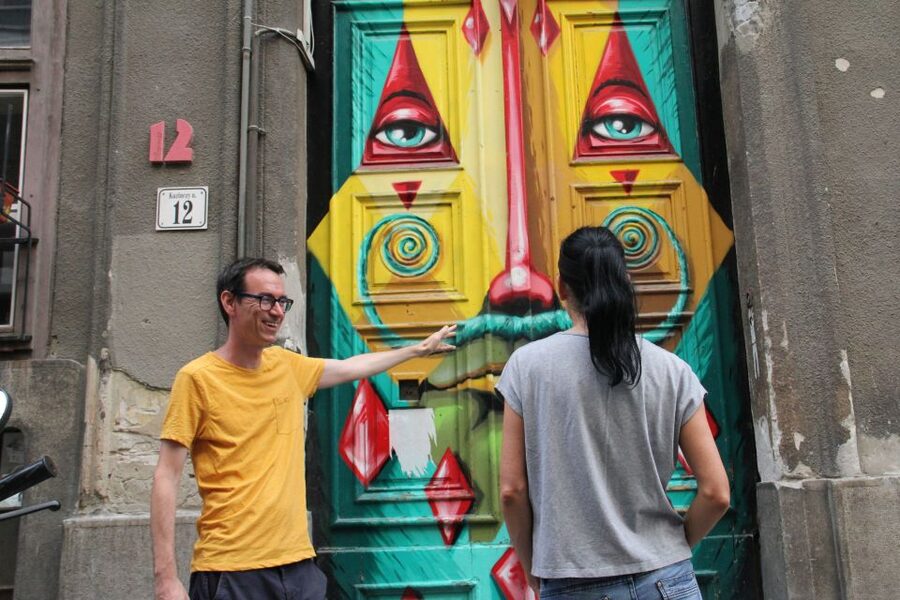
Because most of the tour is spent outdoors looking at street art, you should dress for the weather. Even if you get rain, the tour can still run smoothly, but you’ll want to avoid feeling miserable while you’re trying to look closely.
Bring:
- Comfortable walking shoes (street-level walking adds up)
- A light rain layer if weather looks iffy
- A phone with battery if you want photos (you’ll likely take more than you planned)
Also, since food isn’t included, plan your timing around a meal before or after. Three hours is long enough to change how you feel if you’re running on empty.
Who this tour fits best (and who might want something else)
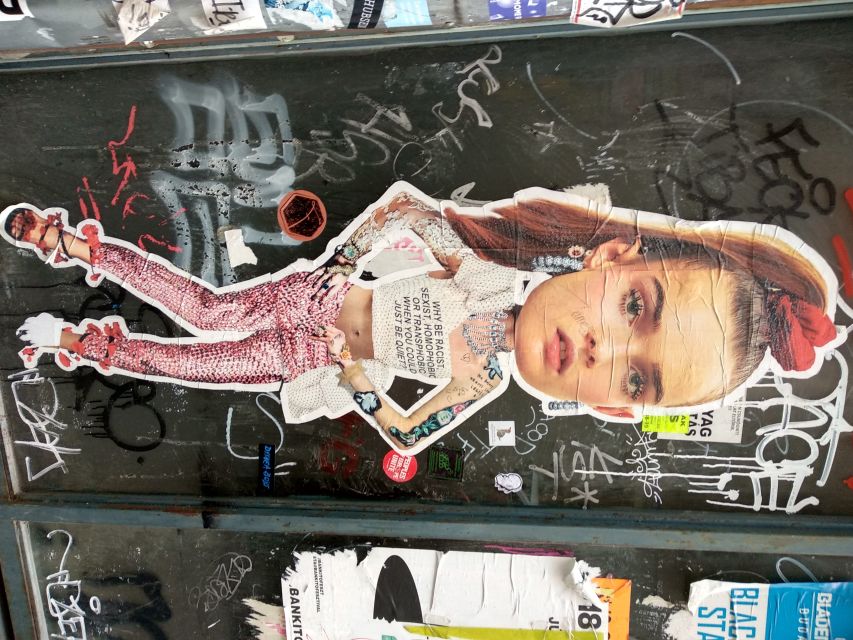
This Budapest street art tour is a great match if you:
- Like art that has a message, not just style
- Want a different angle on the city beyond viewpoints
- Enjoy small-group conversations and asking questions
- Are especially interested in the Jewish Quarter and what shapes it
It’s also a solid choice if you’re coming for a short stay. In a single afternoon, you get both the city streets and the cultural lens that helps you read them.
If you strongly prefer museums, indoor pacing, or totally hands-off sightseeing, you might feel constrained by the walking and the interpretive focus. But if you’re open to meaning behind the paint, you’ll probably leave with a more personal understanding of Budapest.
Should you book this Budapest street art tour?
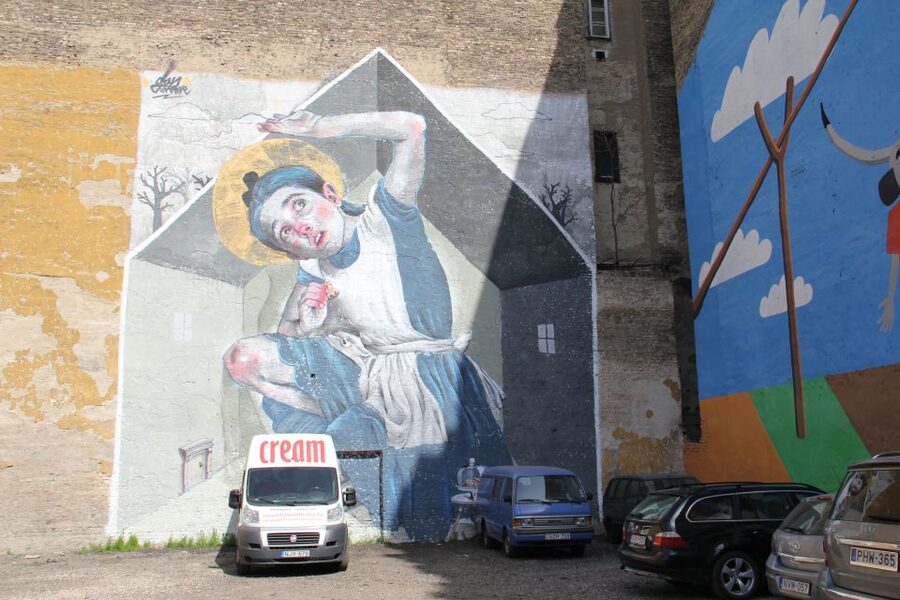
If you want street art as more than a photo stop, I’d book it. The tour’s best ingredient is the guided explanation—themes, socio-political context, and the artists behind each piece—plus the fact that it’s done in a small group where questions actually matter. Meeting at My Little Melbourne with included coffee is a nice, human touch, not a gimmick.
I’d only hesitate if you dislike walking in weather or if you’re uninterested in cultural and political context. Otherwise, this is exactly the kind of tour that turns everyday streets into a meaningful experience you can talk about afterward.
FAQ
How long is the Budapest Street Art Tour?
The tour lasts 3 hours.
Where do we meet?
You meet at the entrance of the coffee shop My Little Melbourne.
Is coffee included?
Yes. A complimentary cup of coffee is included.
Is the tour wheelchair accessible?
Yes. The tour is listed as wheelchair accessible.
What language is the guide?
The live tour guide speaks English.
What is the group size?
The tour is described as a small group, limited to 6 participants in the booking details.
More Street Art in Budapest


More Tours in Budapest


More Tour Reviews in Budapest





Just Added: More Budapest Reviews
- Sightseeing flight over Budapest
★ 5.0 · 3 reviews - Budapest: Walking Tour with Chimney Cake & Polaroid Photos
★ 5.0 · 3 reviews - Self Guided Tour In Budapest With 100 Captivating Audio Stories
★ 5.0 · 3 reviews - Budapest Art Nouveau Walking Tour
★ 5.0 · 3 reviews - Hungary today: a no-taboo conversation
★ 5.0 · 3 reviews
Street Art, compared.
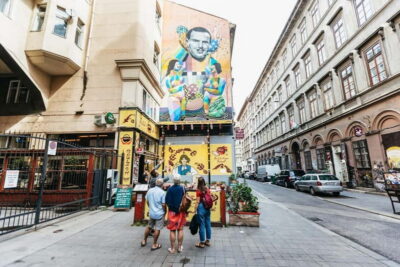 ★ 5.0Street Art and Underground Movements Walking TourFrom $28365 reviews
 ★ 4.5Alternative Street Art Free Walking Tour of BudapestFrom $353 reviews
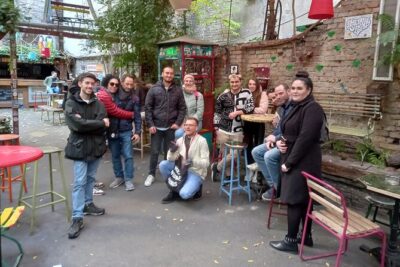 ★ 5.0Street Art and Alternative Tour in BudapestFrom $3652 reviews
 ★ 4.8Alternative Street Art & Jewish TourFrom $2349 reviews
 ★ 5.0Street Art Tour BudapestFrom $5340 reviews
 ★ 5.0Budapest Vibe: Ruin Bars, Street Art and Culture TourFrom $6014 reviews
 ★ 4.5Original Budapest Alternative Street Art & Jewish TourFrom $2514 reviews
 ★ 5.0Ruin Bars, Street Art, and Jewish Quarter TourFrom $704 reviews
Browse the lists this tour appears in