
Reviewed · HISTORICAL TOURS
Hollókő, the rural Heritage, Day Tour from Budapest
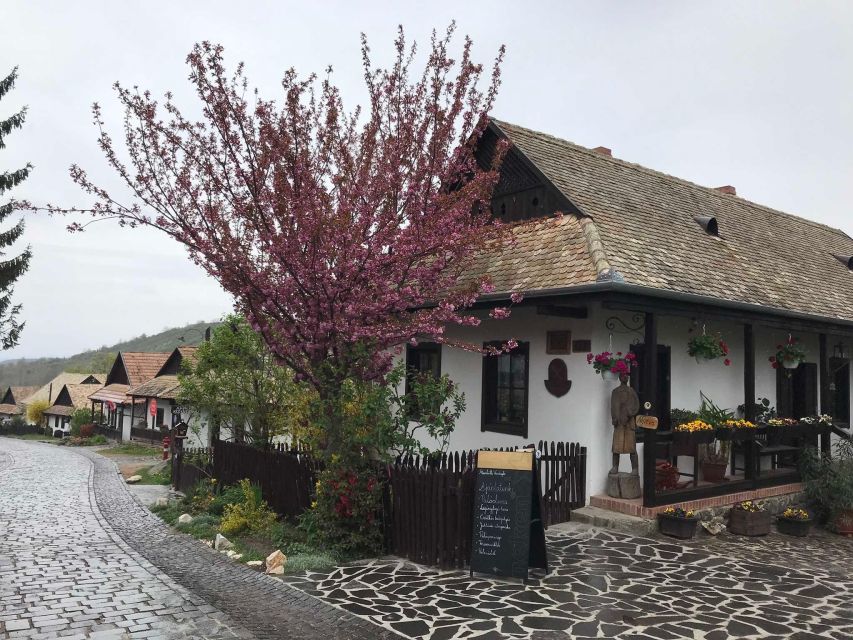
A UNESCO village that still breathes life. Hollókő is a rural settlement recognized by UNESCO since 1987, with 67 protected peasant-house buildings dating from the 17th–19th centuries—an unusually complete snapshot of how people lived before the big agricultural changes of the 20th century. This is one of those places where the setting matters as much as the stories, because the village has been deliberately preserved as a living heritage site, not just a backdrop.
What I also like is the human side: you meet Palóc residents and see their traditions in real time, including folk crafts, songs, and the colorful, heavily decorated costumes (often with children in the mix). The tour I’m looking at builds in museum time, craft time, and a performance-style glimpse of Hungarian folk dance, and a guide named Kinga is one example of the kind of thoughtful pacing you want on a day trip. One possible drawback: at this price level, you should set expectations with care—this tour explicitly includes entry to the Palóc Folk Museum, but museum hours and the scale of demonstrations or performances can vary by day, so check what’s actually open before you go.
In This Review
- Key highlights worth putting on your radar
- Hollókő’s Palóc village: why the 17th–19th century houses hit so hard
- From Budapest to Nográd County: pickup options and what to do with the drive
- The 4-hour guided block in Hollókő: what you’ll actually see
- Palóc Folk Museum plus extra museum time: why these stops matter
- Crafts, folk dance, and meeting Palóc residents: the best way to judge the day
- Lunch and regional food: how to enjoy it without rushing
- Easter timing in Hollókő: when the day becomes something special
- Price and value: is $377 per person a fair trade?
- Who this private Hollókő tour suits best
- Should you book the Hollókő Heritage Day Tour from Budapest?
- FAQ
- FAQ
- How long is the Hollókő Heritage Day Tour from Budapest?
- Where do you get picked up in Budapest?
- Is hotel pickup included?
- How long is the coach ride to the village area?
- What’s included for museum entry?
- What kinds of activities happen in Hollókő?
- What languages are available for the guide?
- Is the tour wheelchair accessible?
- What do I need to bring with me?
- Is there free cancellation?
- Is there a time of year that’s especially good to visit Hollókő?
Key highlights worth putting on your radar
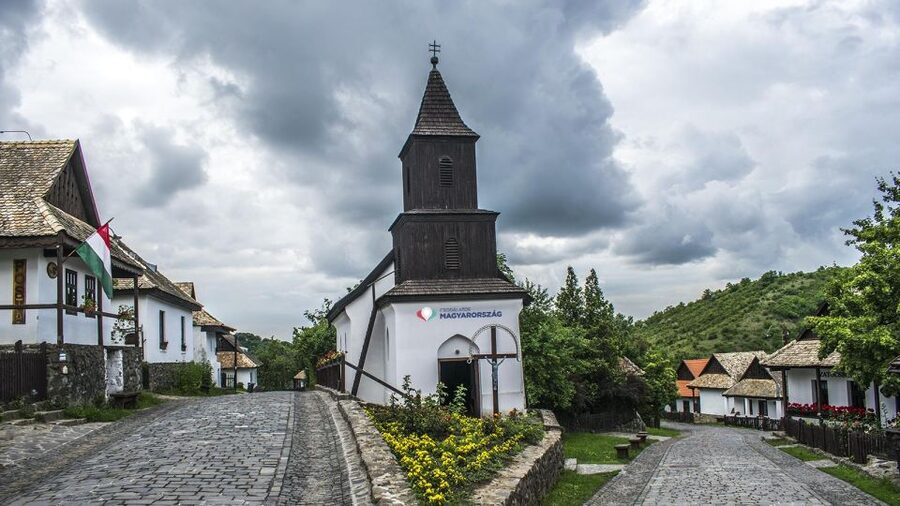
- UNESCO since 1987: Hollókő is protected as a deliberately preserved traditional settlement, not a rebuilt theme park.
- Palóc culture in plain view: You’ll hear about dialect and traditions and see the costuming firsthand.
- A guided 4-hour on-site block: The schedule is structured around a long, walkable visit in Nográd County.
- Museums included at least partly: Entry to the Palóc Folk Museum is included, with additional museum stops during your visit.
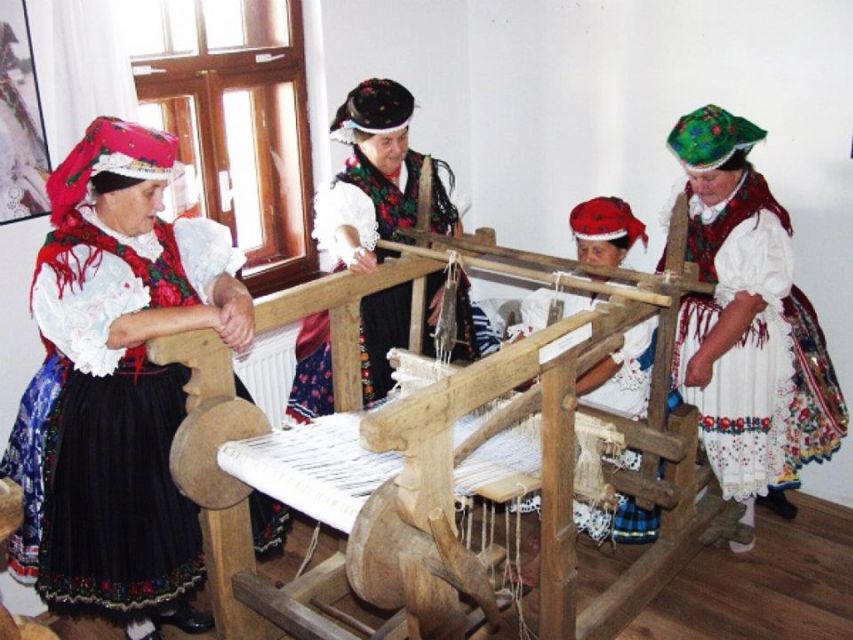
- Workshop-style craft time: You’ll watch craftsmen work during the sightseeing portion.
- Easter can add special programming: If you can travel around Easter, you may catch extra traditions and sometimes even weddings.
Further back into Budapest's past
- Budapest: Historic Cruise with Welcome Drink★ 4.7 · 6,512 reviews
- Budapest Historical Sightseeing – Free Walking Tour★ 5.0 · 1,302 reviews
- Buda Castle District Dark History, Legends and Vampire Night Tour★ 4.5 · 1,240 reviews
- BloodThirsty Hungary: Walking tour & Dark Historical Stories★ 4.9 · 633 reviews
Hollókő’s Palóc village: why the 17th–19th century houses hit so hard
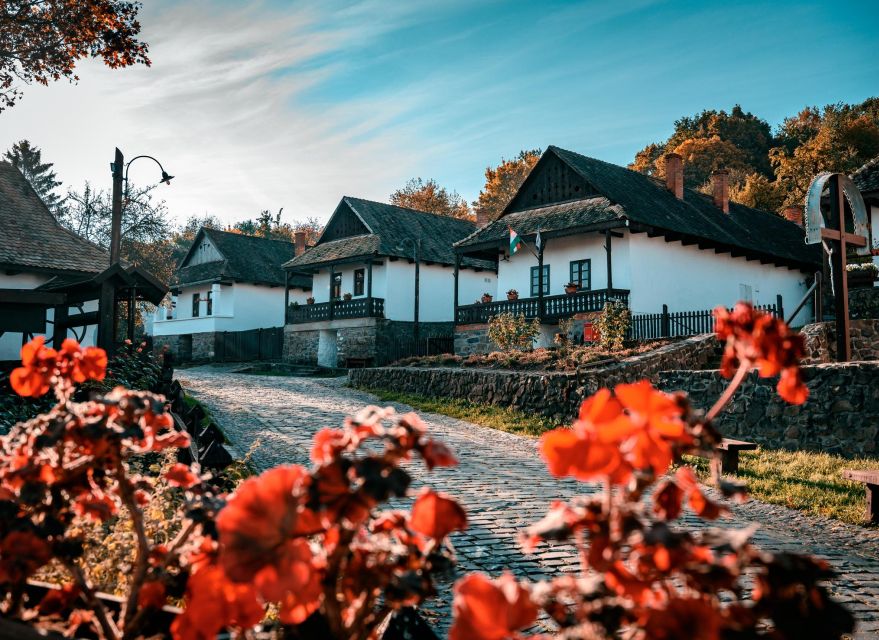
Hollókő’s appeal isn’t only that it’s old. It’s that it’s still arranged the way a traditional Palóc village functioned—streets, homes, and community spaces preserved to keep their original feel. The 67 protected buildings are mostly the characteristic peasant houses from the 17th–19th centuries, and that’s what makes the whole place so legible as you walk.
You’ll notice the houses aren’t all matching replicas. They reflect a real rural building style, which helps you understand the logic of a settlement built for daily life rather than tourism. Even if you only have a day, it’s the kind of place where you start asking better questions: Where would people gather? How did work shape the home? How did seasonal rhythms show up in clothing and craft?
From Budapest to Nográd County: pickup options and what to do with the drive
This is a classic Budapest day trip with an organized rhythm. You get hotel pickup from three possible meeting points: Deák Ferenc tér, Széchenyi Tér, or Király Street. After that, you’re on a coach for about 80 minutes before you reach the Hollókő area.
That ride is useful time if you plan it right. Bring a snack or water if you’re the type who gets hungry mid-morning, and keep your camera ready because countryside views can be the first payoff. Also, since you’ll be walking afterward, it helps to wear shoes that don’t punish you for uneven ground and cobbled sections.
Hollókő is rural, so expect that the day will feel like movement plus focused village time—less like an urban crawl, more like a guided immersion in one specific place.
The 4-hour guided block in Hollókő: what you’ll actually see
Once you’re in Nográd County, the tour structure shifts into a long, guided chunk: about 4 hours of sightseeing and a workshop component, led by your guide.
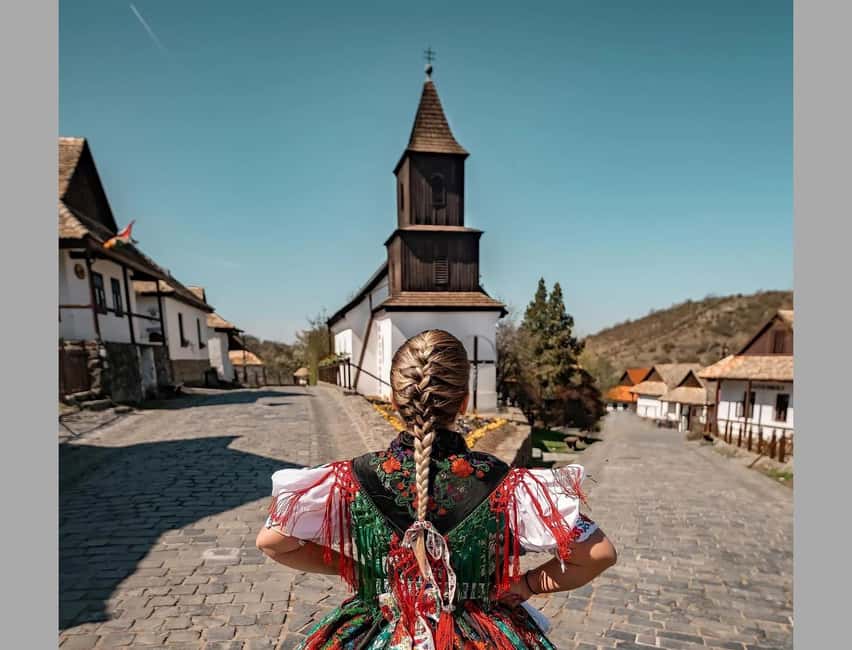
During this time, you’re not just looking at buildings. You’re meant to connect the visuals to the living culture around them. You’ll walk through the preserved village to see those traditional peasant houses that define Hollókő’s UNESCO status. And you’ll also get demonstrations that turn the village into a classroom: crafts at work, and a better sense of how the Palóc community maintained its identity through traditions, dialect, and daily customs.
A practical tip: pace yourself. Hollókő is small, but it’s easy to rush because every corner looks like a postcard. Instead, slow down where you see costume details, household features, or craft tools on display. Those micro-details are where the day starts to feel real.
Palóc Folk Museum plus extra museum time: why these stops matter
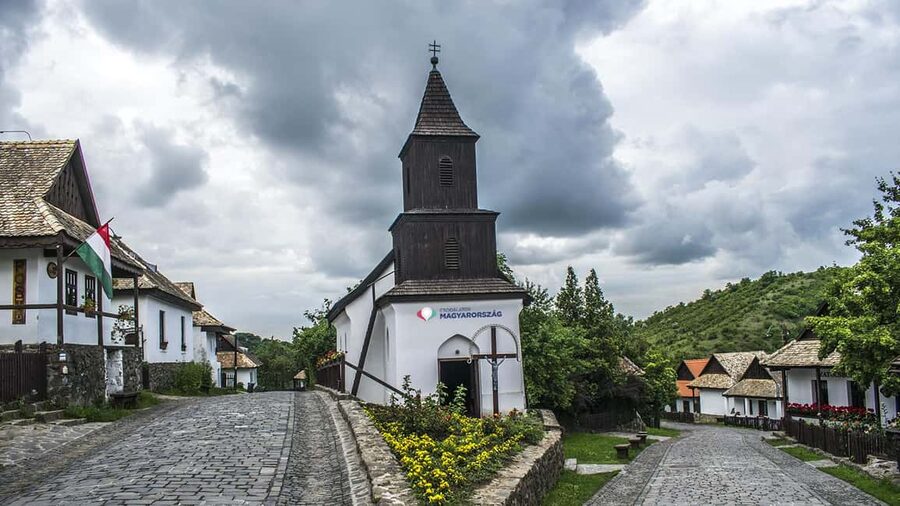
The tour includes entry into the Palóc Folk Museum, which is a big help. It means you’re not stuck outside hoping things line up—at least one key cultural stop is covered.
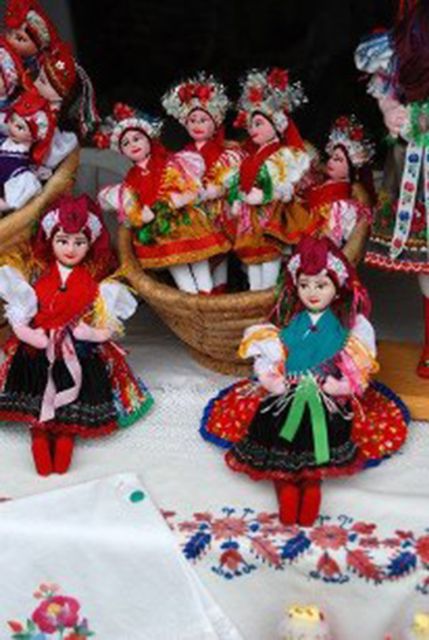
Your on-site time also typically includes museum visits that go beyond the village layout. In particular, the doll museum is often singled out as a standout, and it makes sense why: it’s not just objects behind glass. Doll collections in folk contexts usually connect to childhood, storytelling, and clothing styles, so you’re learning culture through craftsmanship and design, not lectures.
The Village Museum is part of the experience too, but here’s the balanced note: museum hours and access can vary by season and day. If your visit happens on a quiet day, you might get less interior time than you expect. So if you care about museum depth, I’d arrive with a flexible mindset and plan to enjoy the outdoors and demonstrations even if indoor stops feel more limited than promised.

Crafts, folk dance, and meeting Palóc residents: the best way to judge the day
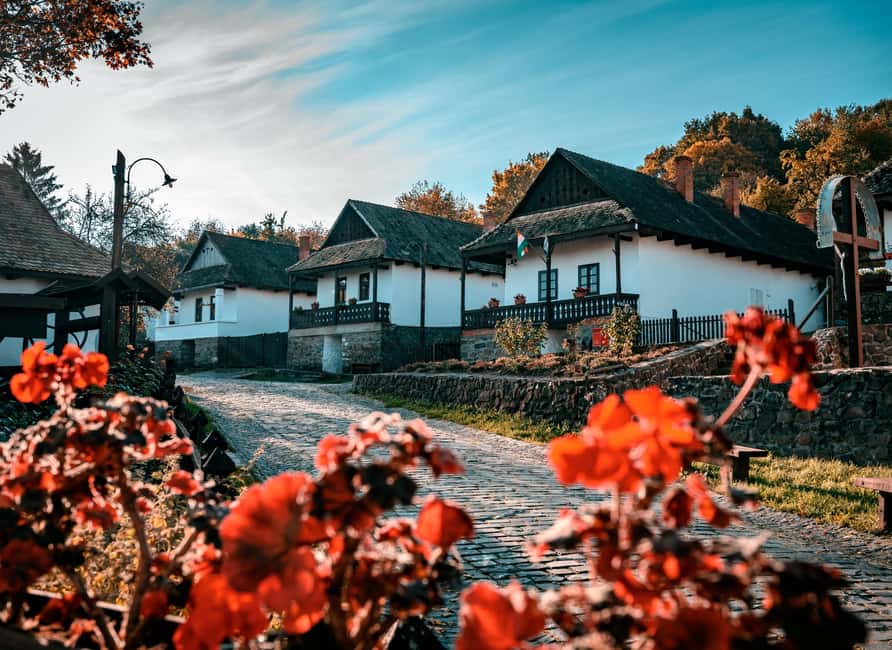
This is the heart of Hollókő. The tour is designed to introduce you to Palóc life through performance and hands-on viewing: folk dance, watching craftsmen work, and seeing residents in traditional costumes.
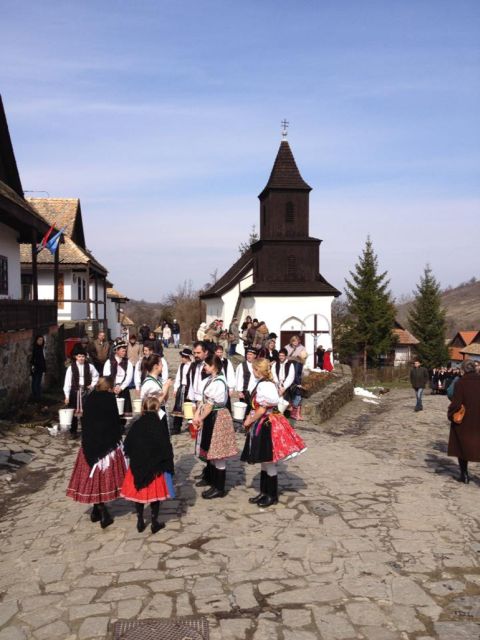
What I like about this approach is that it doesn’t ask you to guess. The point is interpretation—explaining what you’re seeing while you’re seeing it. When the performances are running, the effect can be striking: traditional dance dressed in regional costumes, with live music. That kind of cultural context is what makes photos more meaningful. And the best moments often involve real people interacting with visitors—sometimes including children in costume, which makes the whole village feel less like a staged set.
There’s also a downside to this kind of cultural programming: it can depend on timing. If you go on a day when fewer programs are scheduled or museums are closed for the day, you may end up spending more time walking and less time watching. At Hollókő, the village still works as a heritage visit—but if your main goal is seeing lots of costumed demonstrations, it’s worth checking what’s scheduled for your specific date.
Also, quick reality check for photography: rural heritage sites can have modern elements nearby. You might see modern cars around the edges, which can ruin a perfect shot. Go for angle, not perfection. Look for the corners where the traditional structures frame cleanly.
Lunch and regional food: how to enjoy it without rushing
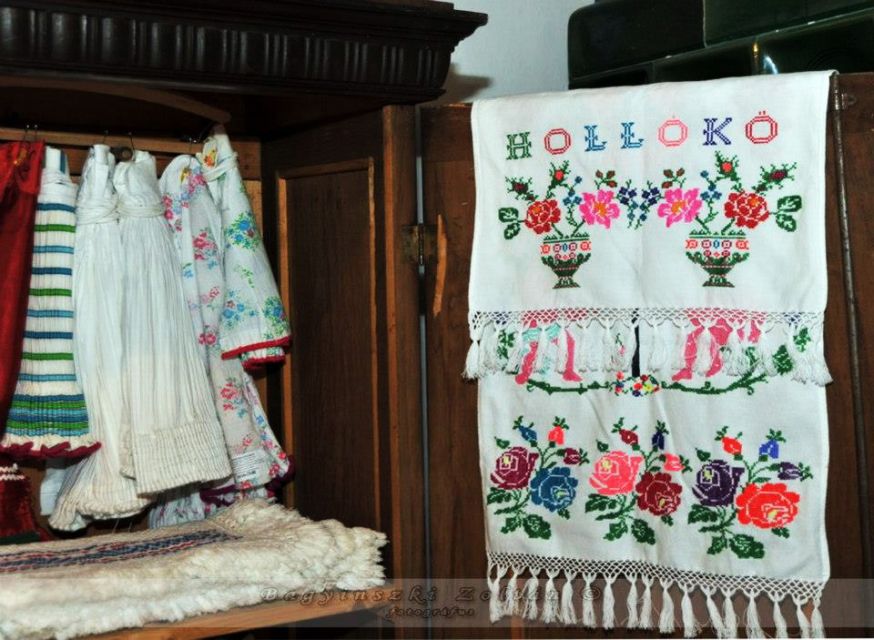
The day includes a lunch stop and time for regional food made in the Palóc way. That matters because Hungarian folk food isn’t just about taste—it’s about seasonality and local habits tied to rural life.
You’ll likely find multiple food booths or small options during the day. Use lunch as a reset rather than a scramble. If you’re hungry after the walk, grab something early and then come back for more browsing while others are finishing up.
One smart move: eat and then prioritize the museum/doll portion or the craft portion depending on how the day is running. If performances are happening, don’t postpone them. If the schedule feels calm, you can slow-roll the interiors and shops.
Easter timing in Hollókő: when the day becomes something special
If you can arrange it, Hollókő at Easter is the moment to target. The tour information points to special programs and Easter traditions around this time, and sometimes you may even catch Palóc weddings.
Even if you aren’t traveling for religious events, holiday programming often means more costuming, more music, and more cultural continuity on display. The village’s heritage focus becomes more visible, because traditions come alive instead of being only explained.
So if you’re deciding between two dates, Easter can be the deciding factor. Just remember that holiday periods can also come with different crowds and different schedules—so keep your expectations flexible and accept that you may trade some quiet for more ceremony.
Price and value: is $377 per person a fair trade?
At $377 per person for an 8-hour day trip, you’re paying for more than a bus ticket. You’re buying the combination of hotel pickup, round-trip transportation, a live multi-language guide, and at least entry into the Palóc Folk Museum—plus a guided on-site block in a UNESCO protected village.
Whether it’s a great value comes down to what you want most:
- If you want a guided, structured day where you don’t have to coordinate transportation and timing, the price can make sense.
- If you’re hoping for a maximum amount of staged performances and fully open museum access, you should manage expectations by considering that some parts may vary by day.
Here’s the honest comparison in plain terms: the village itself is the main attraction, and it’s worth seeing. The cost is mainly for convenience plus interpretation. If you’re the kind of traveler who enjoys sorting details in your own time, you might feel the cost more sharply. If you prefer a guide to help you connect houses, costumes, crafts, and museum objects into one coherent story, you’re more likely to feel like you got your money’s worth.
Who this private Hollókő tour suits best
This tour is a strong match if you like:
- Cultural experiences tied to place, not just museums in a city.
- Seeing people in traditional costumes and learning the meaning behind crafts and performances.
- A guided walk through a preserved rural village where the details matter.
It also fits well for travelers who want a clean plan. You’ve got defined pickup options, a long on-site guided segment, and a structured schedule that includes museums and food time.
It may feel less ideal if:
- You want a totally freeform village stroll with no schedule.
- Your priorities depend on specific performances happening the exact day you go.
- You’re sensitive to the idea that rural heritage sites can include modern elements at the edges.
On the people-and-service front, the tour includes a live guide and you’ll be with a private group, which usually means less crowding and more ability to ask questions. Guides have been praised for careful attention and good pacing, and a guide named Kinga shows up as an example of that kind of service.
Should you book the Hollókő Heritage Day Tour from Budapest?
I’d book it if Hollókő’s Palóc culture and UNESCO village preservation are near the top of your list and you want a guided day that does the heavy lifting for you. It’s especially worth it if you can time your trip around Easter for extra traditions.
I’d think twice if your must-haves are super specific: maximum performance time, guaranteed museum openness beyond what’s included, or perfect photos with no modern visual distractions. In that case, do your homework on dates and plan to enjoy the village layout and craft demonstrations even if the most theatrical moments are smaller than you hoped.
If you go in with flexible expectations and good walking shoes, you’ll likely come away with that rare feeling: not just seeing a heritage site, but understanding why it was preserved and how the people around it still carry the culture forward.
FAQ
FAQ
How long is the Hollókő Heritage Day Tour from Budapest?
The tour duration is listed as 8 hours.
Where do you get picked up in Budapest?
You’ll have pickup from Deák Ferenc tér, Széchenyi Tér, or Király Street.
Is hotel pickup included?
Yes. Hotel pickup is included.
How long is the coach ride to the village area?
The itinerary lists a bus/coach transfer of about 80 minutes.
What’s included for museum entry?
The tour includes entry into the Palóc Folk Museum.
What kinds of activities happen in Hollókő?
You’ll have a guided tour and sightseeing, plus a workshop component, and you’ll also have time for museum visits and regional food at lunch.
What languages are available for the guide?
The live tour guide is available in English, German, Spanish, Italian, and French.
Is the tour wheelchair accessible?
Yes, the tour is wheelchair accessible.
What do I need to bring with me?
Bring your passport or ID card.
Is there free cancellation?
Yes. You can cancel up to 24 hours in advance for a full refund.
Is there a time of year that’s especially good to visit Hollókő?
Easter is highlighted as a great time, with special programs, Easter traditions, and sometimes Palóc weddings.
The Old Budapest, Toured Properly



More Tours in Budapest




More Tour Reviews in Budapest






Just Added: More Budapest Reviews
- Sightseeing flight over Budapest
★ 5.0 · 3 reviews - Budapest: Walking Tour with Chimney Cake & Polaroid Photos
★ 5.0 · 3 reviews - Self Guided Tour In Budapest With 100 Captivating Audio Stories
★ 5.0 · 3 reviews - Budapest Art Nouveau Walking Tour
★ 5.0 · 3 reviews - Hungary today: a no-taboo conversation
★ 5.0 · 3 reviews
Historical Tours, compared.
 ★ 4.7Historic Cruise with Welcome DrinkFrom $126,512 reviews
 ★ 5.0Budapest Historical Sightseeing – Free Walking TourFrom $31,302 reviews
 ★ 4.5Buda Castle District Dark History, Legends and Vampire Night TourFrom $211,240 reviews
 ★ 4.9BloodThirsty Hungary: Walking tour & Dark Historical StoriesFrom $21633 reviews
 ★ 5.0Budapest Jewish Heritage Memorial Walking Tour & Synagogue EntryFrom $83568 reviews
 ★ 4.8Jewish Heritage Guided Tour with Synagogue TicketFrom $81533 reviews
 ★ 5.0Budapest Historic Downtown Bicycle Tour in small groupsFrom $41288 reviews
 ★ 5.0Historic Downtown ride on E-Bicycles Buda & PestFrom $65227 reviews
Browse the lists this tour appears in