
Reviewed · CHIMNEY CAKE & COOKING CLASSES
Chefparade Cooking School_ Hungarian menu
Paprika power in three hours in Budapest. This Chefparade Cooking School class turns a traditional Hungarian meal into something you can actually make, with a local English-speaking chef and tastings along the way. You’ll build your menu from scratch, then sit down to eat what you cooked—very practical, very Budapest.
I love the small-group feel (limited to 10) and the hands-on flow that keeps you doing real tasks, not just watching. I also like that you leave with a printed set of recipes, so the class doesn’t vanish the moment you get home.
One thing to consider: the exact meeting location can vary by class (two Chefparade addresses, plus sometimes Central Market Hall). And while most runs are tightly handled, one review noted a slightly larger group than advertised and a more hectic pace—so if you’re picky about step-by-step attention, be ready to speak up quickly.
In This Review
- Key highlights to look for
- A 3-course Hungarian menu you can cook again at home
- Where the class happens: Páva utca, Bécsi utca, or Central Market Hall
- The 3-hour flow: snacks, cooking, tastings, then lunch
- 1) Start with Hungarian food culture and the cooking game plan
- 2) Hands-on prep: from ingredients to techniques
- 3) Snacks, drinks, and tastings while you cook
- 4) A sit-down lunch with wine
- The dishes you’ll likely make: goulash, paprikash, and classic dessert choices
- What you actually learn: paprika technique, not just paprika vibes
- Drinks and pairings: wine with lunch and a pálinka tasting
- Small group reality: why limit matters, and what to do about it
- Equipment and mess factor: aprons, utensils, and a real kitchen setup
- Recipes to take home: the real souvenir
- Price and value: is $123 worth it?
- Who this Hungarian cooking class suits best
- Quick heads-up before you book
- Should you book Chefparade’s Hungarian menu class?
- FAQ
- FAQ
- How long is the Hungarian menu cooking class?
- What dishes can I expect to cook?
- Is the class taught in English?
- What’s included in the price?
- Are lunch and wine included?
- Is there pick-up or drop-off included?
- Where do I meet for the class?
- How big is the group?
- Is cancellation free?
Key highlights to look for
- Pick your menu from a traditional 3-course Hungarian format, with classics like goulash soup and chicken paprikash
- Paprika-led technique learning so you understand what makes Hungarian flavor taste Hungarian
- Pálinka tasting plus wine with lunch, not just soft drinks in the background
- You cook and then eat the dishes you make, straight from the same kitchen
- Chefparade provides the setup: ingredients, utensils, aprons, and a recipe printout
- English instruction in a small group (up to 10), ideal for questions and hands-on work
Aprons on for chimney cake and goulash
- Budapest All in One Small Group Walking Tour with Strudel Stop★ 5.0 · 1,277 reviews
- Budapest: Hungarian Chimney Cake Workshop in the City Center★ 4.7 · 1,263 reviews
- Budapest: Traditional Chimney Cake (Kürtőskalács) Workshop★ 4.8 · 323 reviews
- Chimney Cake Workshop Budapest Downtown – Kürtőskalács Class★ 5.0 · 220 reviews
A 3-course Hungarian menu you can cook again at home
This is the kind of cooking class I recommend when you want more than a food tour. You’re not just tasting Hungarian dishes and nodding politely. You’re making a traditional meal from scratch, learning the steps and the logic behind the flavors, and then eating your results.
The menu is built as a 3-course Hungarian experience. Based on the class format and what’s been taught, you can expect iconic dishes like goulash (often as soup) and chicken paprikash, plus dessert choices that can include Hungarian-style favorites such as apple strudel. The exact combination depends on what you select for that session.
For your brain, it’s a win. You get technique and context: what paprika does, how to build flavor without turning your kitchen into chaos, and how Hungarian meals balance rich, savory dishes with something sweet at the end.
Where the class happens: Páva utca, Bécsi utca, or Central Market Hall
Chefparade runs this cooking school in two different locations. Your confirmation email after booking should tell you exactly where to show up for your date. Common meeting points include:
- D9, Páva utca 13 passage
- D3, Bécsi utca 27
- Sometimes Central Market Hall is part of the setup for a session
This matters because you don’t want to lose time hunting. Budapest is easy to navigate, but you still want your bearings before you start chopping onions.
Practical tip: plan to arrive a bit early. If your address is the Páva utca passage, look carefully at the building entrance. Passages in busy areas can be easy to miss if you’re rushing.
Also note: there’s no pick-up and drop-off transfer included. You’re responsible for getting yourself there, like a local would.
The 3-hour flow: snacks, cooking, tastings, then lunch
A 3-hour duration is long enough to learn real technique without turning into a full-day cooking marathon. The class runs in a sequence that keeps you moving.
1) Start with Hungarian food culture and the cooking game plan
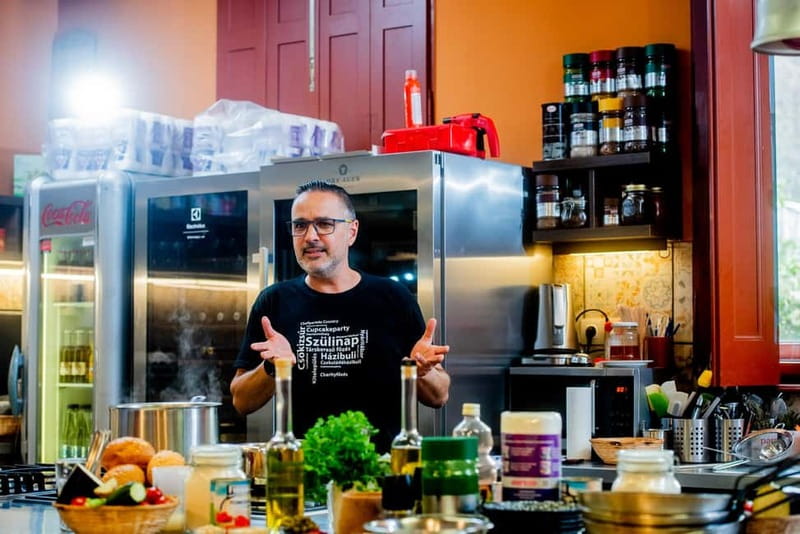
You’ll get an introduction to Hungarian food culture from a friendly local chef. The goal isn’t just history—it’s why Hungarian cooking tastes the way it does. Paprika is the star ingredient, but the chef should also explain how the rest of the flavor structure works so you can recreate it later.
You’ll also choose your preferred dishes in advance or at the start of the session, depending on how the class is arranged that day.
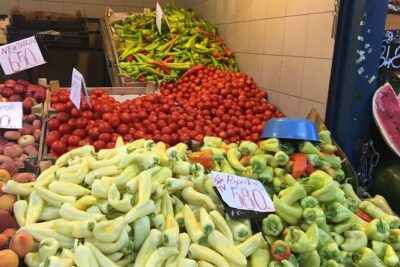
Back to the Hungarian kitchen
2) Hands-on prep: from ingredients to techniques
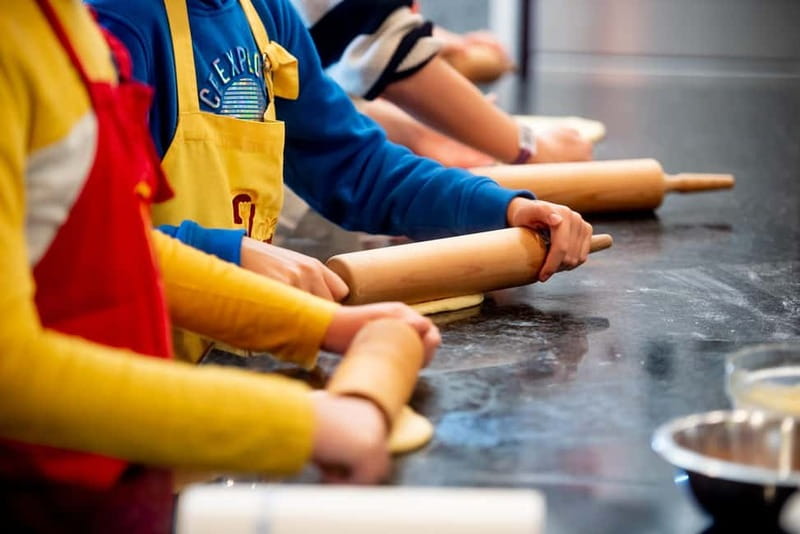
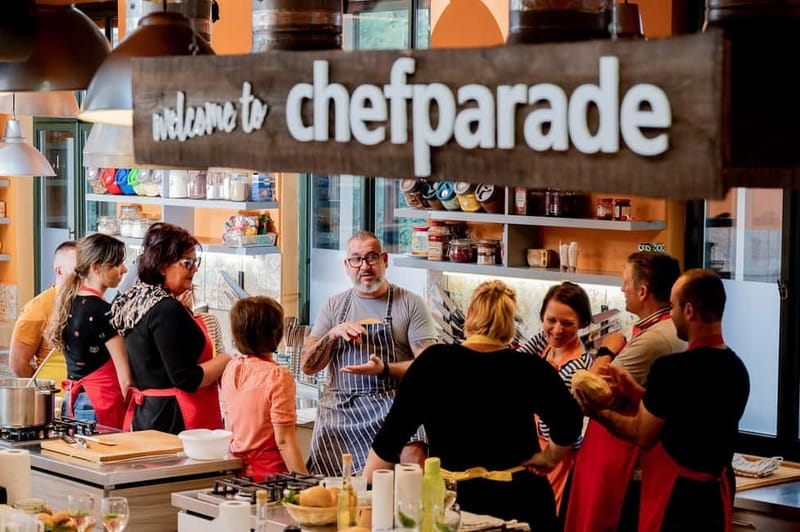
Then it’s real kitchen work. The class is designed so you prepare a traditional meal from scratch with guidance. This is where the small group matters. With a limit of 10 participants, you can ask questions without feeling like you’re yelling across a stadium.
Your instructor should explain steps gently and clearly. One review described directions as good and measured, with explanations step by step. That kind of pacing makes it easier to keep up, especially if you don’t cook often.
3) Snacks, drinks, and tastings while you cook
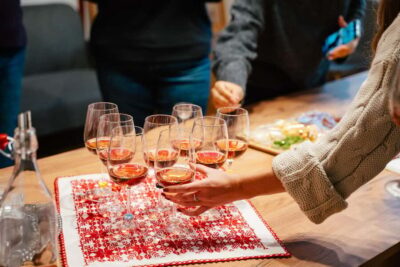
Along the way, you get complimentary snacks and drinks, plus tastings of local beverages. The included menu beverages list calls out soft drinks, coffee, tea, soda, and a pálinka tasting.
If you’re new to Hungarian spirits: pálinka is a traditional fruit brandy. Even if you don’t love spirits, the tasting is a small, guided way to understand the drinks that sit beside Hungarian meals.
4) A sit-down lunch with wine
You finish by sitting down together to enjoy the dishes you prepared. Lunch includes a glass of wine. This is more than a meal break. It’s the payoff moment where you see how the flavors work when everything lands together—soup, main, and dessert.
Several participants liked that the class is relaxed enough to understand how the dishes should look and taste. That makes it easier to cook again after you’re home.
The dishes you’ll likely make: goulash, paprikash, and classic dessert choices
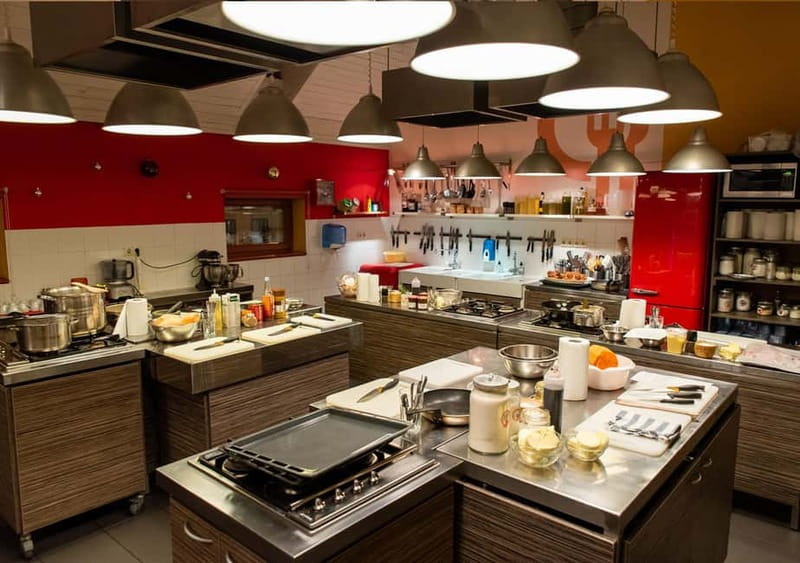
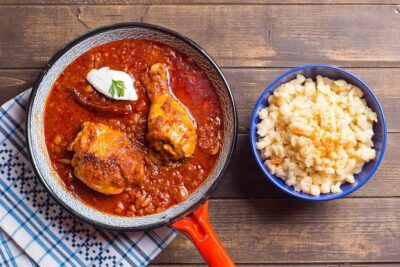
Chefparade’s Hungarian menu is built around core favorites. The highlight list specifically mentions a menu including goulash and chicken paprikash. That’s already a strong lineup, because these two dishes show different sides of Hungarian comfort food.
- Goulash (often as soup) teaches you the foundation: building savory flavor, balancing richness, and getting the texture right.
- Chicken paprikash shows paprika as a true sauce-maker—where it’s not just color, it’s flavor.
Dessert options can vary by session. One review included apple strudel, and another included cold cherry soup. That tells you the class can range from savory-to-sweet in an authentic Hungarian way, not just repeating the same template every time.
What you should do: when you choose your dishes, pick at least one that feels slightly challenging. If you only pick the easiest sounding course, you might miss the learning you’re paying for.
What you actually learn: paprika technique, not just paprika vibes
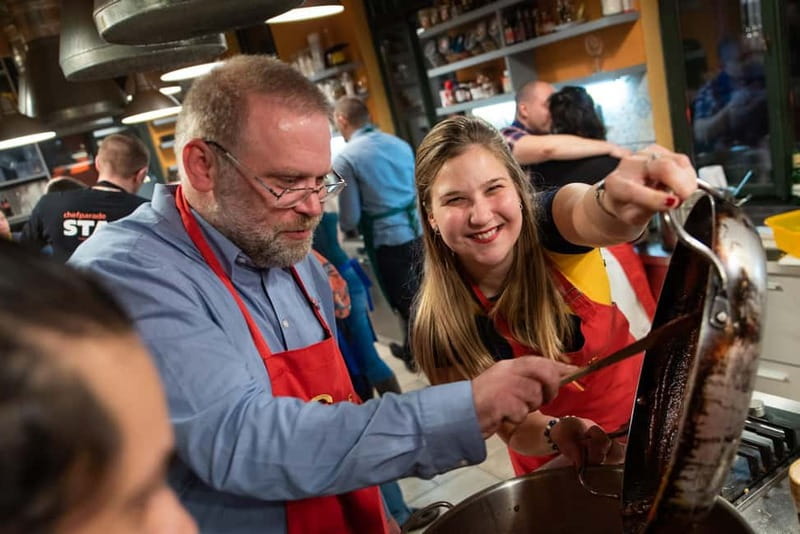
A lot of cooking classes say you’ll learn technique. This one is set up so you should, in practice, understand the steps behind Hungarian favorites.
Here’s what you’re likely to take away:
- Paprika’s role in Hungarian cooking: not just sprinkled spice, but a flavor engine that changes sauce character
- How to pace cooking during a multi-course meal: you’ll need to time steps so everything finishes together for lunch
- Texture and balance: Hungarian dishes often lean hearty, so learning how to keep them from getting too heavy is key
- How Hungarians serve and enjoy meals: the class ends with shared eating, which reinforces how the cuisine is meant to be consumed, not just cooked
One review said the class helped them understand Hungarian food culture. That matches the format here: you cook, taste, and then eat in a way that makes the cuisine feel like a lived tradition.
And yes, you’ll likely still have a few questions while you cook. If the chef is moving between tasks, ask right away. That’s part of the small-group advantage.
Drinks and pairings: wine with lunch and a pálinka tasting
I like that this class doesn’t treat drinks like an afterthought. Lunch includes a glass of wine, and the included beverage list also includes pálinka tasting plus coffee, tea, soda, and soft drinks.
For most people, that means you’ll get two kinds of Hungarian drinking context:
- Wine that fits the meal setting
- Pálinka that gives you a sense of traditional spirits you might hear about in Hungarian food culture
The best part: you don’t have to figure it out yourself. It’s built into the class so you can focus on cooking and tasting in one go.
Small group reality: why limit matters, and what to do about it
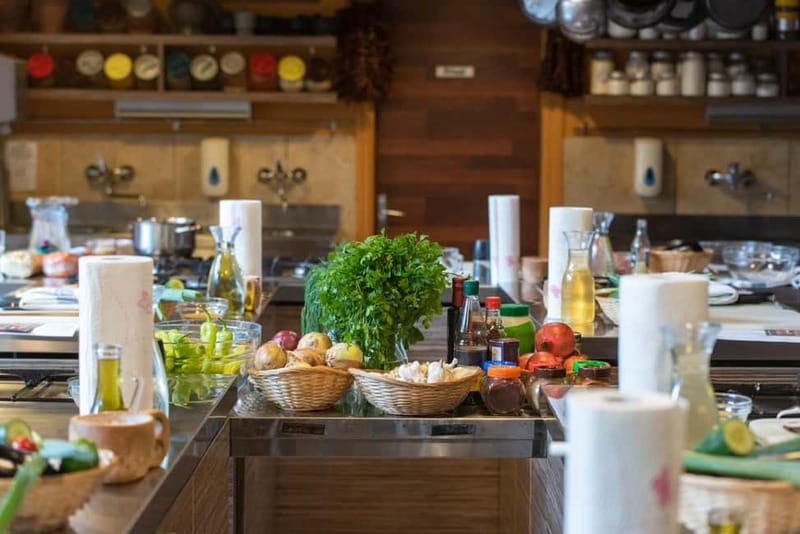
The class is advertised as small group with a limit of 10 participants. In a cooking environment, that’s huge. It affects how often the instructor can check your technique, how quickly tools and ingredients move to the right stations, and how likely it is you’ll get your questions answered.
Most reviews praise a relaxed, intimate feel. One participant called it beautiful and intimate, and described the instructor as kind and impressive. Others noted the relaxed pace helped them see how dishes should turn out.
Still, one review had a downside worth taking seriously: the group was apparently one person over the limit, and the cooking process felt chaotic at times. The instructor split the group for different dishes and had to bounce between them.
What should you do with that? If you’re attending solo or you’re the type who needs lots of direct guidance, go in with a mindset of asking early. When you’re unsure what comes next, speak up fast. Cooking is unforgiving, and you don’t want to lose time waiting.
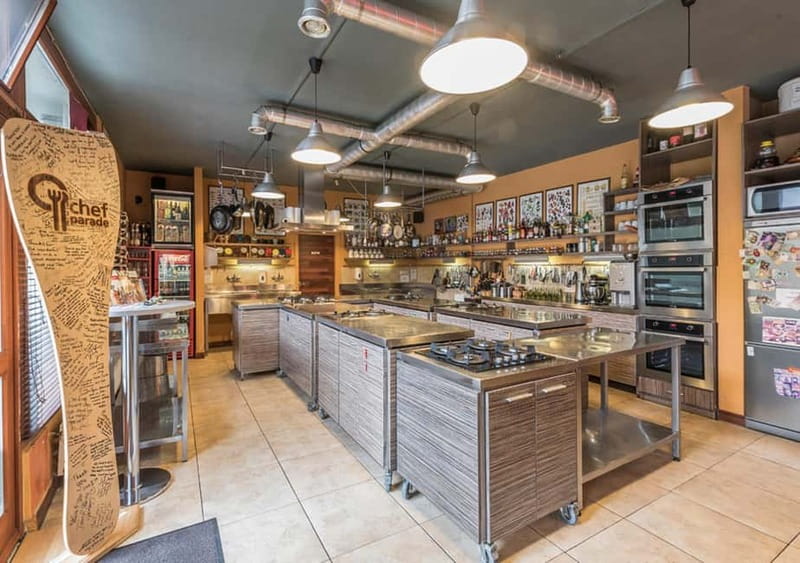
Equipment and mess factor: aprons, utensils, and a real kitchen setup
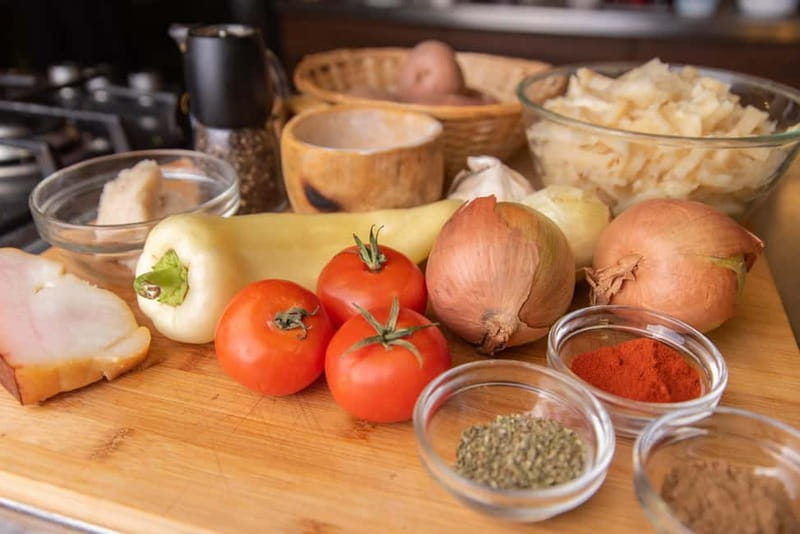
Chefparade includes ingredients, utensils, and aprons. That’s not a minor detail. Cooking classes can be stingy with equipment, forcing you to improvise like a DIY video.
Here, one review specifically praised the kitchen tools and described the equipment as very good. That matters because good tools make it easier to learn the right technique instead of fighting your gear.
Also, you don’t have to worry about bringing supplies. You show up ready to cook. You’ll get the apron and the setup.
Pro tip: wear clothes you don’t mind smelling faintly like paprika by the end of the day. It’s Hungary, not a spa.
Recipes to take home: the real souvenir
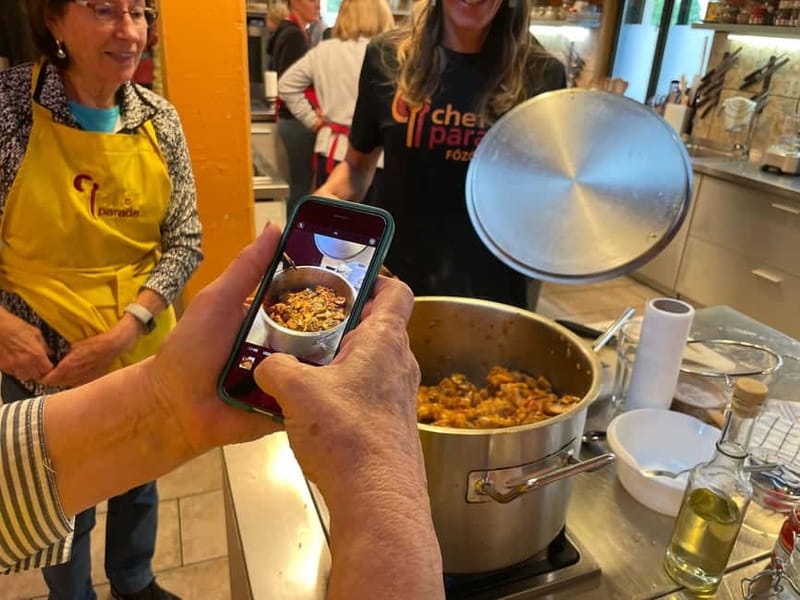
The highlight list includes that you’ll take home your recipes in a beautiful and colourful print. That’s one of the best ways to measure value in a cooking class.
Tasting is nice, but recipes are what help you turn the experience into a repeatable dinner at home. If you’ve ever tried to recreate a meal later and realized you only remembered the vibe, you’ll appreciate having a clear written reference.
Do expect the recipes to be part of what’s included. One negative review said recipes weren’t handed over during the course and had to be bought separately. That was the exception, but it’s a reminder to confirm what’s included for your exact session if you care about receiving the print immediately.
Price and value: is $123 worth it?
At $123 per person for about 3 hours, the price can feel steep—until you break down what’s included.
You’re not just paying for instruction. You’re also getting:
- Ingredients and utensils
- Aprons
- A recipe print you can take home
- Complimentary snacks and drinks (soft drinks, coffee, tea, soda)
- A pálinka tasting
- Lunch with a glass of wine
If you’d otherwise spend money on a dinner plus a drink plus a cooking activity with a meal, this often stacks up as fair. And because you’re eating what you cooked, you’re getting both the learning experience and the payoff meal.
The only time value drops is if your session runs with a more hectic pace or if recipe delivery feels unclear. If you want a calm, guided experience, choose a time when you can focus and ask questions quickly.
Who this Hungarian cooking class suits best
I think this class fits best if you want one of these outcomes:
- You want Hungary on your plate, not just in photos
- You enjoy interactive experiences more than museum-style learning
- You cook at home and want paprika-forward techniques you can repeat
- You’d like a small-group class where you can ask for help
It’s also a good option if you’re in Budapest for a short time. Three hours is manageable, and the meal itself becomes part of your day.
If you’re expecting a strict, perfectly paced production line, keep your expectations flexible. Cooking classes can get busy when everyone is learning at the same time. But the overall format is designed to keep you involved.
Quick heads-up before you book
- Meeting point varies by class. You’ll get precise details after booking.
- No transfer is included, so plan your own transit.
- Instructor language is English.
- Group is small, capped at 10, which is the right size for questions and hands-on work.
Should you book Chefparade’s Hungarian menu class?
If you like the idea of cooking goulash and chicken paprikash, learning how paprika fits into the flavor system, and eating a sit-down lunch you made yourself, then yes—this is a strong bet.
I’d especially recommend it if you care about getting recipes to take home, and if you want your Hungary experience to feel practical and real. The occasional complaint about group size and pacing seems like the exception, not the rule, but it’s worth remembering if you’re sensitive to slow, chaotic moments.
FAQ
FAQ
How long is the Hungarian menu cooking class?
The class lasts 3 hours.
What dishes can I expect to cook?
The menu includes Hungarian classics such as goulash and chicken paprikash, plus other traditional options. You can select your preferred dishes.
Is the class taught in English?
Yes. The instructor speaks English.
What’s included in the price?
Included are ingredients, utensils, aprons, recipes, beverages (soft drinks, coffee, tea, soda, pálinka tasting), and lunch with wine.
Are lunch and wine included?
Yes. You’ll have a lunch with a glass of wine at the end of the class.
Is there pick-up or drop-off included?
No. There is no pick up and drop off transfer.
Where do I meet for the class?
After booking, you’ll receive confirmation with the exact meeting point. It may be at one of two Chefparade locations (D9, Páva utca 13 passage or D3, Bécsi ut 27) or at Central Market Hall.
How big is the group?
It’s a small group limited to 10 participants.
Is cancellation free?
The experience offers free cancellation up to 24 hours in advance for a full refund.
Learn Another Hungarian Dish




More Tour Reviews in Budapest






Chimney Cake and the Hungarian Kitchen



Just Added: More Budapest Reviews
- Sightseeing flight over Budapest
★ 5.0 · 3 reviews - Budapest: Walking Tour with Chimney Cake & Polaroid Photos
★ 5.0 · 3 reviews - Self Guided Tour In Budapest With 100 Captivating Audio Stories
★ 5.0 · 3 reviews - Budapest Art Nouveau Walking Tour
★ 5.0 · 3 reviews - Hungary today: a no-taboo conversation
★ 5.0 · 3 reviews
Chimney Cake & Cooking Classes, compared.
 ★ 5.0Budapest All in One Small Group Walking Tour with Strudel StopFrom $1001,277 reviews
 ★ 4.7Hungarian Chimney Cake Workshop in the City CenterFrom $421,263 reviews
 ★ 5.0Budapest Cooking Class & Market Tour with Local Guide & WinesFrom $99553 reviews
 ★ 4.8Traditional Chimney Cake (Kürtőskalács) WorkshopFrom $22323 reviews
 ★ 5.0Chimney Cake Workshop Budapest Downtown – Kürtőskalács ClassFrom $38220 reviews
 ★ 5.0Premium Hungarian Home Cooking Experience with Chef MartiFrom $131169 reviews
 ★ 5.0Small-Group Cooking Class & Market Tour with LocalFrom $100138 reviews
 ★ 4.5Hungarian Cooking and optional Local Market TourFrom $12698 reviews
Browse the lists this tour appears in