
Reviewed · BUDAPEST WALKING TOURS
Budapest Walking Tour with Your Private Guide: 20+ Highlights
Budapest can feel like three different cities packed into one day. This private route strings together more than 20 major sights with fast transit hops and a guide who explains what you’re looking at.
I especially love two things about this tour. First, you get big-picture storytelling that makes the monuments click, from Heroes’ Square to the Parliament area. Second, the pace is built around real logistics: you’re not just walking everywhere, you’re using the city’s metro and tram where it actually saves time.
One consideration: it’s a long day (about 6 to 7 hours) with a noticeable climb at Citadella and some walking in the Castle District. If you have leg or knee problems, you’ll want to think hard before booking.
In This Review
- Key things that make this private tour work well
- A 6–7 hour sweep of Budapest’s best-known sights (and what to notice)
- Why a private guide helps at Heroes’ Square and the Danube memorials
- Getting around like a local: metro, tram, and the Castle District escalator
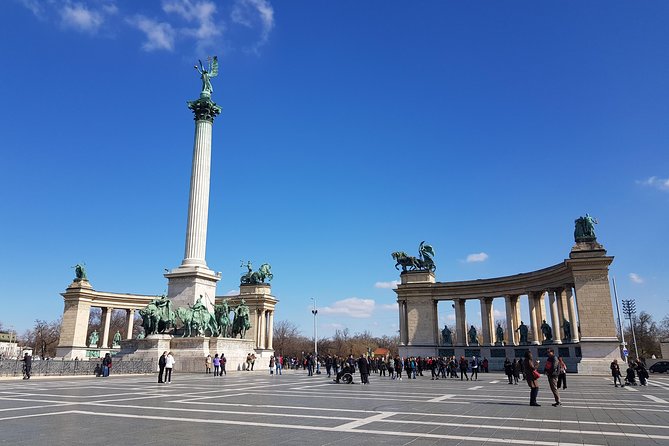
- Heroes’ Square: statues as a political story, not just a photo stop
- Vajdahunyad Castle and the Széchenyi Baths area: quick architecture and a taste of Budapest leisure
- Andrassy Avenue: why the metro ride is part of the sightseeing
- St. Stephen’s Basilica: the Holy Right and your chance to go inside
- Parliament and the surrounding squares: exterior views plus the why-behind-it
- Shoes on the Danube: a short stop that carries weight
- Central Market Hall for lángos: energy, local flavor, and a few smart souvenirs
- Liberty Bridge to Citadella: switching districts and climbing for the payoff
- Buda Castle District: finding the Royal Palace and getting your bearings
- Matthias Church and Fisherman’s Bastion: your classic ending with optional tickets
- Lunch and traditional food: where the tour pays off in small ways
- Price and value for a private group up to 15
- Who this tour suits best (and who should reconsider)
- Should you book this Budapest private tour with Lara?
- FAQ
- How long is the Budapest walking tour?
- What’s the group size and tour type?
- Where do I meet and where does the tour end?
- Is the tour offered in English?
- Do I need a public transportation ticket?
- Are entry tickets included for all stops?
- Is lunch included?
- Do I need to book the Hungarian Parliament in advance?
- Is the tour suitable for people with knee or leg issues?
Key things that make this private tour work well
- More than 20 highlights without feeling like a rushed checklist
- A guided look at the first historical underground metro line in Europe via Andrassy Avenue
- Time planned for both views and interiors, including St. Stephen’s Basilica and optional church/castle tickets
- A practical sweep across Pest and Buda, plus Danube memorials like Shoes on the Bank
- Local-food stops built into the route, including lángos at the Central Market Hall
- A guide with a clear, story-driven style (Lara), including helpful tips on using trams and metro
Budapest at street level, more routes on foot
- Big Bus Budapest Hop-On Hop-Off Bus and Walking Tour★ 3.5 · 2,206 reviews
- Budapest: Buda Castle District Walking Tour★ 4.6 · 2,108 reviews
- 3-Hour Orientation Walking Tour of Buda and Pest★ 4.8 · 1,834 reviews
- Budapest Historical Sightseeing – Free Walking Tour★ 5.0 · 1,302 reviews
A 6–7 hour sweep of Budapest’s best-known sights (and what to notice)
This is the kind of day that helps you understand Budapest fast. You’ll start on the Pest side with grand ceremonial spaces, move through iconic landmarks along major boulevards, then finish in the Castle District for the classic views people come for.
What makes the day feel efficient is how it’s designed around sight-to-sight movement. You’ll switch between walking and public transit, including a metro ride on Andrassy Avenue (more on why that matters below). The result is a full, connected loop that covers a lot without turning into a nonstop slog.
You’ll also be given the kind of small focus points that change how you experience the city. Instead of just seeing statues and buildings, you’ll understand why they’re there, what era they represent, and how the layout of Pest and Buda shaped what came next.
Why a private guide helps at Heroes’ Square and the Danube memorials
Budapest’s best monuments can look like they’re just standing there. They aren’t. Lara’s approach is to connect each location to the people and power shifts that built modern Hungary.
At Heroes’ Square, for example, you’re not only looking at stone figures—you’re learning how the square works as a visual timeline. Even the seasonal detail matters: there’s an artificial lake there during summer, and it helps you see the square as a living public space, not a museum set.
Then the day turns emotionally serious with Shoes on the Danube Bank, the Jewish memorial. This isn’t a stop where you’ll rush past. The point is to pause and take in what the memorial is saying, and why the Danube matters so much in Budapest’s story.
A small bonus: with a private group, your pace stays your pace. If you want a photo, a breath, or one extra explanation at a stop, you’re not fighting a crowd flow.
Getting around like a local: metro, tram, and the Castle District escalator
This tour is walk-forward, transit-smart. You’ll cover long stretches with public transport instead of forcing everything on foot.
A big highlight is the metro ride on Andrássy Avenue, described on the route as the longest road in the city (about 2.5 km) where you’ll take the metro instead of walking. This is tied to a major bragging right of Budapest: it has the first historical underground metro line in Europe. Even if you’ve never cared about transit design, this is one of those moments where you’ll start noticing details like how the city engineered speed and access.
Later, you’ll head toward the Buda side using a tram (or you can walk, depending on preference). And when you reach the Castle District approach, you’ll use the escalator so you’re not losing your legs early in the final section.
One more practical point: you’re also given options for the steepest part of the day. At Citadella, you can walk up or, if requested, take a public bus partway and do a shorter walk.
Heroes’ Square: statues as a political story, not just a photo stop
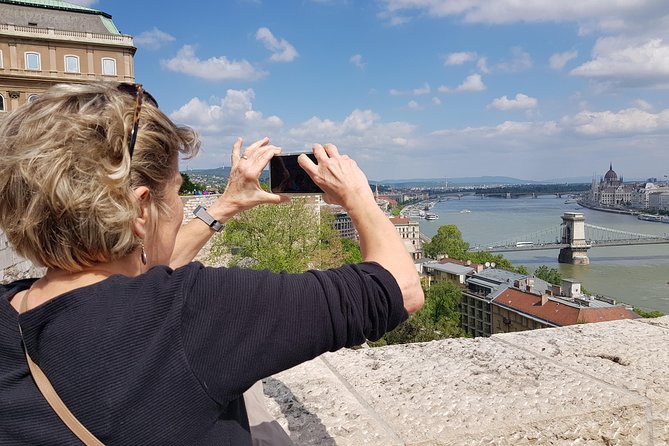
Start at Elizabeth Square (meeting near Deák Ferenc tér, listed as Deák Ferenc tér 2). From there, Heroes’ Square becomes your opening lesson in how Budapest likes to tell its history in stone.
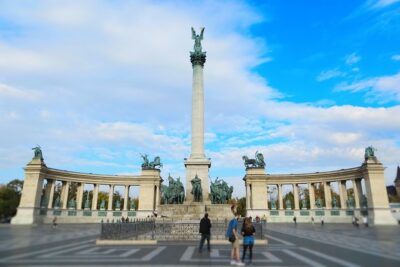
You’ll spend about 15 minutes here. The focus is on the Hungarian history “sum-up” told through the story of the statues. That’s useful because it prevents the classic mistake: taking the square as decoration instead of context.
Also notice the square’s layout as you’re there. It’s one of those places where the space itself matters, and in summer the artificial lake adds a reflective, almost ceremonial feel that changes what the area looks like.
What to watch for:
- The way statue groupings feel like chapter breaks
- How the square’s symmetry guides your attention toward the center
If you like historical symbolism, this stop pays off fast.
Your own guide and your own timing in Budapest

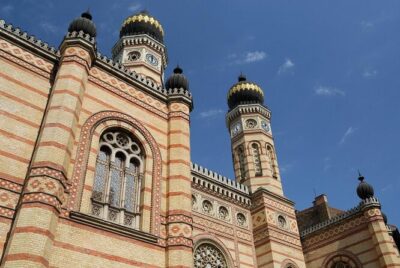
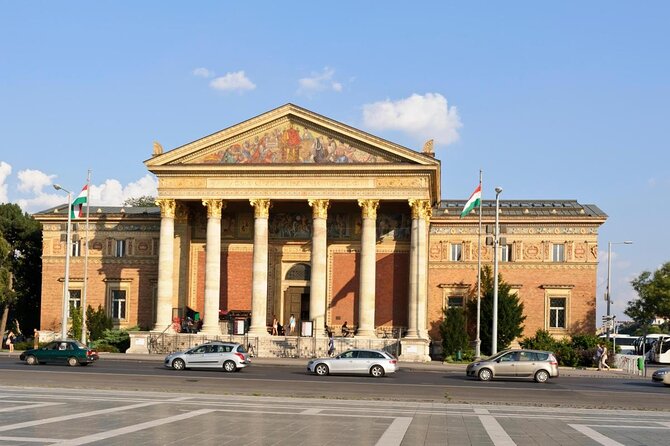
Vajdahunyad Castle and the Széchenyi Baths area: quick architecture and a taste of Budapest leisure
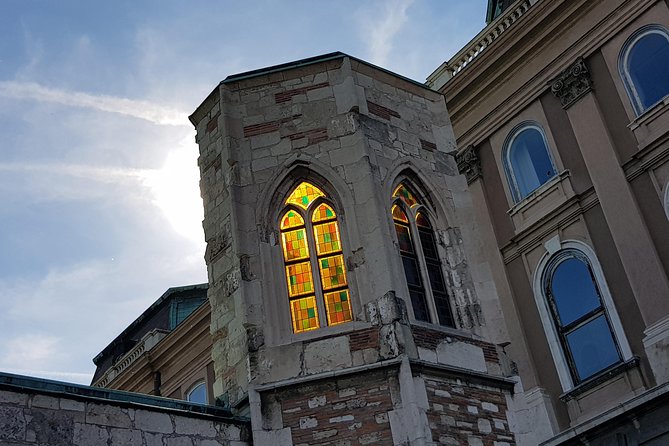
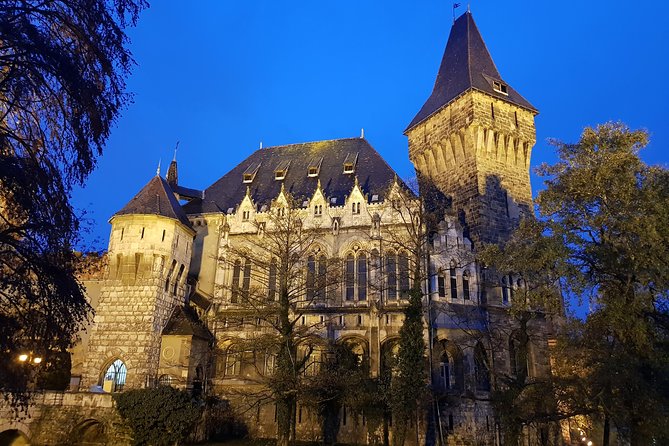
After Heroes’ Square you’ll move to Vajdahunyad Castle, which is a great palate cleanser. You’ll have about 10 minutes, with time for the fun part: describing the architectural styles. This is one of those Budapest moments where one location covers multiple vibes—more playful and scenic than the heavy political landmarks earlier.
Then comes a “look, don’t linger” moment at Széchenyi Baths and Pool. You’ll only have a quick look at the interior design, mainly at the entrance. That means you get the visual impression without the long soak-and-bathing time.
Two practical implications for you:
- If you’re hoping to fully experience the baths as a soak, you’ll need a separate booking later.
- For this walking tour, the baths work as a recognizable cultural stop, not a time-consuming detour.
Andrassy Avenue: why the metro ride is part of the sightseeing
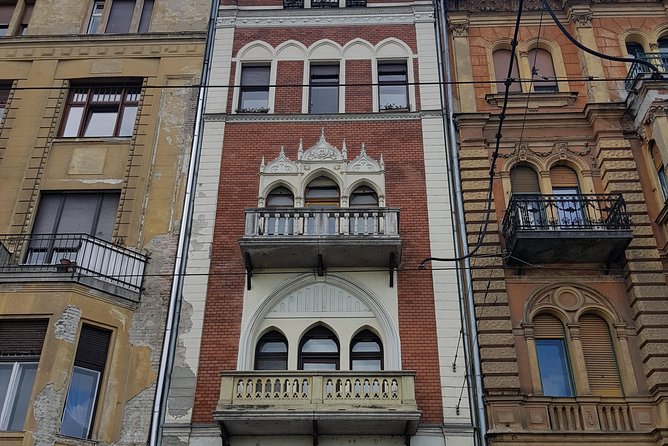
Andrássy Avenue is the kind of boulevard that can feel like background if you just walk it. The tour uses the metro instead of walking the whole stretch, turning transit into a sightseeing feature.
You’ll also get a sense of the corridor’s importance as you move through the area. Even when you’re not stopping inside, you’ll still learn how Budapest’s grand avenues connect major districts.
And you’ll pass by the Budapest Eye and Danubius Fountain area. Think of these as quick landmarks that help you orient your mental map of central Budapest.
St. Stephen’s Basilica: the Holy Right and your chance to go inside
Next is St. Stephen’s Basilica (Szent István Bazilika). This is where the day adds a real interior experience.
You can go inside for a fee (listed as 250 HUF). The highlight explained on the route is the Holy Right, tied to Hungary’s first king. That detail matters because it turns the church from a pretty building into a place with religious and national symbolism.
Plan tip: if you’re the type who likes to look slowly, this stop is one of your best bets to spend a little extra time, even though the tour time here is around 10 minutes.
Parliament and the surrounding squares: exterior views plus the why-behind-it
You’ll continue to Szabadság tér, a square packed with political and historical markers. The tour calls out a WWII memorial and major institutions, including the National Bank, former Stock Exchange, US Embassy, a Soviet memorial monument, and even a Ronald Reagan reference point. That mix tells you a lot about how Hungary’s modern identity has been shaped by shifting alliances and ideologies.
Then you’ll reach the Hungarian Parliament Building. Here, you’ll admire it from outside. If you want to visit inside, you’ll need to book online weeks ahead of your arrival—so for this tour, treat Parliament as a view and a context stop unless you plan ahead separately.
Right after, there’s Kossuth Lajos Square, described as having amazing buildings worth a quick scan. This section works best when you let the guide connect what you see to the bigger story: power, borders, and the national narrative Hungary wants to project.
Shoes on the Danube: a short stop that carries weight
Shoes on the Danube Bank is brief (around 3 minutes) but not meaningless. The route identifies it clearly as a Jewish memorial, and this is one of those places where a guide’s explanation keeps it from becoming background.
What I like about how this tour handles it: it doesn’t swallow the whole afternoon. It gives you a moment, then keeps moving so you still get the reward stops in Buda.
If you tend to feel affected by memorials, this stop might hit harder than the photos suggest. That’s normal. Just don’t plan to treat it as a casual photo break.
Central Market Hall for lángos: energy, local flavor, and a few smart souvenirs
Now you’re in the food and people-energy zone at Central Market Hall. You’ll spend about 20 minutes.
The highlight here is getting lángos to keep you fueled for the rest of the day. This is the practical part of the tour. Walking so many districts works better when you’ve got simple, fast calories in your system.
You’ll also have time for souvenirs. Even if you don’t buy anything, it helps you understand what everyday Hungary’s shopping culture looks like.
One caution: the tour doesn’t list food as included. So plan on paying for your meal and drinks separately.
Liberty Bridge to Citadella: switching districts and climbing for the payoff
Crossing to the Buda side happens around Liberty Bridge (Szabadság hid), reached by tram or walking. The route timing is about 10 minutes here, with a few exterior looks afterward.
Then comes Citadella, the day’s biggest physical challenge. You’ll have about an hour on this section total, with a 12-minute walk-up option, or a slightly easier alternative if you request a public bus partway and walk the shorter remaining stretch.
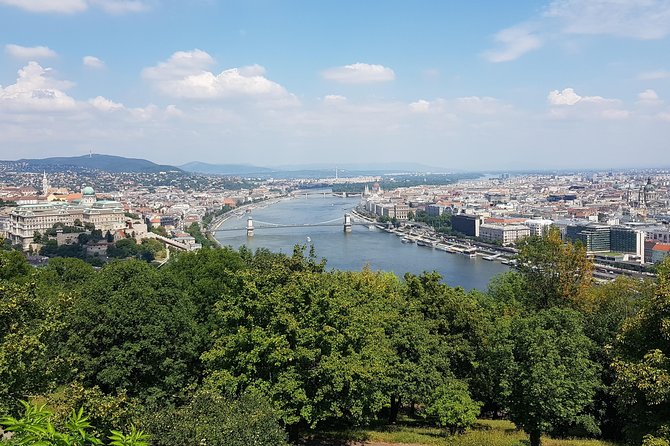
The key value of Citadella is views and perspective. From up there, the river and city layout start to make sense in a way that photos alone can’t do.
If you’re sensitive to steep climbs, consider the bus option early. You’ll enjoy the Castle District more if you don’t arrive exhausted.
Buda Castle District: finding the Royal Palace and getting your bearings
Once you reach the Castle District, the tour’s story focus ramps up.
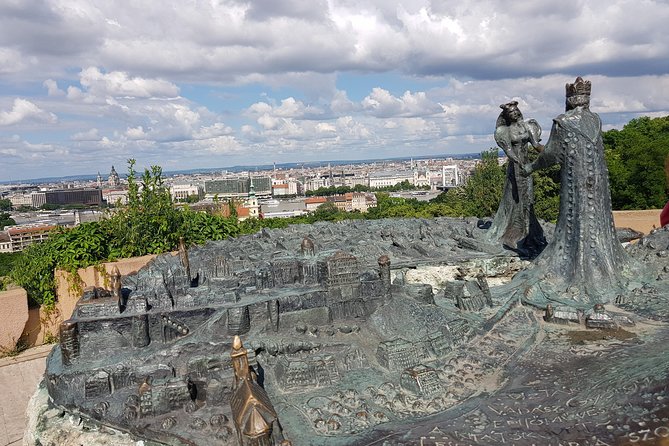
At Buda Castle, the route notes there is no castle in the way people imagine; the area is associated with the Royal Palace, and you’ll be shown where the historic complex hides in the layout. That phrasing is helpful because the Castle District can confuse first-timers: it’s a set of viewpoints, courtyards, and buildings, not one single obvious entrance.
You’ll also get a stop for the so-called white house area. The tour keeps this segment flexible and guided, which matters here because the district can feel like a maze without context.
You’ll use the Castle District escalator as part of the transition upward, which is a small thing that makes a big difference on a long day.
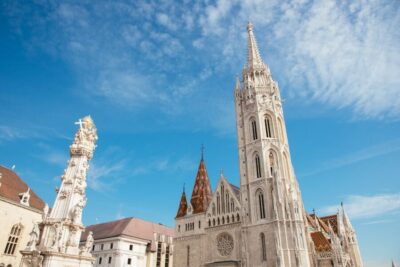
Matthias Church and Fisherman’s Bastion: your classic ending with optional tickets
The final stretch is designed to leave you with a memorable visual “button.”
At Matthias Church, you’ll spend about 30 minutes. You can enter with a fee listed as 2800 HUF. The tour highlights it as the most fascinating church in the country, and if you’re choosing between exterior views and interior details, this is one of the better paid options on the route.
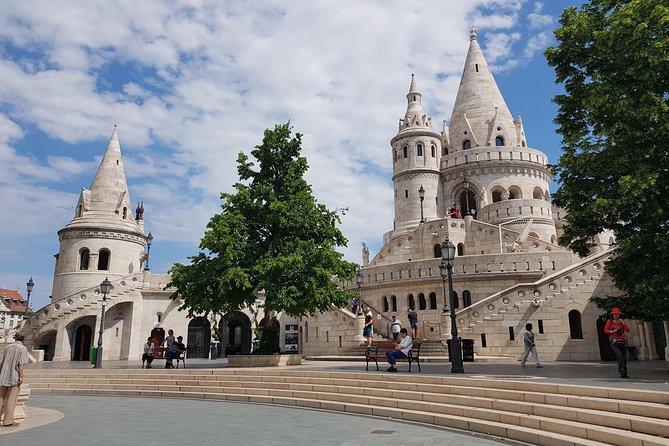
Then the day ends at Fisherman’s Bastion. You’ll have about 10 minutes here, with an admission fee listed as 1000 HUF. The way the stop is described is practical: the bastion was built to decorate the surrounding area around the church—meaning it’s a viewpoint-driven finish. Expect photos, angles, and that wow factor people come to Budapest for.
If you want a last-minute snack afterward, you’ll need to handle it on your own. Food isn’t part of the included package, but the money you spend is usually worth it if you can sit and take in the view while your legs recover.
Lunch and traditional food: where the tour pays off in small ways
The tour overview includes a delicious traditional lunch at a local restaurant, and the itinerary also includes lángos at Central Market Hall. Since food and drink aren’t listed as included, plan on paying for meals directly.
What makes this worth it rather than random food stops is that you’re not just grabbing something close by. You’re given a route where the market is used as your energy base, and the later lunch reinforces the Hungarian food experience in a calmer setting.
And because this is private, the guide can often help you choose what to order based on what you like—savory, filling, or easy. That kind of on-the-spot advice saves time and helps you avoid ordering mistakes when menus are unfamiliar.
Price and value for a private group up to 15
The price is listed as $576.76 per group (up to 15), for about 6 to 7 hours with an English-speaking guide. That pricing setup is interesting because it can work out well for families and small friend groups.
Here’s how I think about value:
- You’re paying for a single guided experience that covers a lot of ground with planned transit.
- You’re not buying a bunch of separate tickets just to get a walking guide version of a hop-on ride.
- The route includes meaningful stops that are usually time-consuming if you DIY them, like explaining the symbolism at major squares and getting you oriented across Pest and Buda.
What costs extra (so you don’t get surprised): public transport ticket (listed as 1650 HUF/person), selected admissions like St. Stephen’s Basilica (250 HUF), Matthias Church (2800 HUF), and Fisherman’s Bastion (1000 HUF), plus food and drinks.
If you’re traveling solo, the total cost may feel steep compared with group tours. If you have a group of 3 to 10 or a family unit, it tends to feel more like a smart splurge—especially because the guide is clearly invested in teaching you how to read the city.
One more practical note: this type of tour is often booked far ahead (the average booking window listed is 188 days). If your dates matter, don’t wait.
Who this tour suits best (and who should reconsider)
This tour fits best if you want a structured day with lots of highlights and real context, and you like learning while you walk.
You’ll enjoy it most if:
- You’re comfortable with moderate walking
- You want to see both Pest and Buda without planning every step
- You want an English-speaking guide who connects monuments to story
You should reconsider if:
- You have leg or knee problems. There’s a climb at Citadella, and the Castle District involves uneven terrain and stairs/escalator transitions.
- You hate timed walking days. The route is packed, even though it uses transit strategically.
Service animals are allowed, and the tour is near public transportation, so it’s not hard to meet up or move through central areas.
Should you book this Budapest private tour with Lara?
If your goal is to get oriented fast and see a lot of Budapest’s iconic layers in one day, I’d book it. The combination of Lara’s clear explanations, the mix of Pest and Buda sights, and the way transit is used as part of the experience makes it feel smarter than a basic sightseeing walk.
I’d especially recommend it if you like history as a story, not just facts. Heroes’ Square, the Parliament area, and the Danube memorials are the kinds of places where a good guide changes everything.
Skip or ask for a plan adjustment if your legs won’t handle the Citadella climb. If you’re okay with that tradeoff, this is a strong, efficient way to start (or complete) your Budapest trip with real understanding, not just snapshots.
FAQ
How long is the Budapest walking tour?
It runs about 6 to 7 hours.
What’s the group size and tour type?
It’s a private tour, with only your group participating. The group size is up to 15 people.
Where do I meet and where does the tour end?
The start is at Elizabeth Square (near Deák Ferenc tér, Deák Ferenc tér 2, 1052 Hungary). The tour ends in front of Matthias Church in the Castle District (Mátyás Templom, Szentháromság tér 2, 1014 Hungary).
Is the tour offered in English?
Yes, the tour is offered in English.
Do I need a public transportation ticket?
Yes. A daily public transportation ticket is listed as 1650 HUF per person and is not included.
Are entry tickets included for all stops?
No. Some entries are optional and not included. The tour lists fees such as 250 HUF for St. Stephen’s Basilica, 2800 HUF for Matthias Church, and 1000 HUF for Fisherman’s Bastion.
Is lunch included?
The plan includes a traditional lunch in a local restaurant, but food and drink are not listed as included, so you should expect to pay for meals separately.
Do I need to book the Hungarian Parliament in advance?
If you want to visit the Parliament building (not just view it from outside), you need to book online weeks ahead of your arrival.
Is the tour suitable for people with knee or leg issues?
The tour recommends moderate physical fitness and is not recommended for travelers with leg or knee problems. There is walking involved, including an up-and-down climb at Citadella.
More Tour Reviews in Budapest






Private Budapest, Your Pace






More of Budapest, Step by Step





Just Added: More Budapest Reviews
- Sightseeing flight over Budapest
★ 5.0 · 3 reviews - Budapest: Walking Tour with Chimney Cake & Polaroid Photos
★ 5.0 · 3 reviews - Self Guided Tour In Budapest With 100 Captivating Audio Stories
★ 5.0 · 3 reviews - Budapest Art Nouveau Walking Tour
★ 5.0 · 3 reviews - Hungary today: a no-taboo conversation
★ 5.0 · 3 reviews
Budapest Walking Tours, compared.
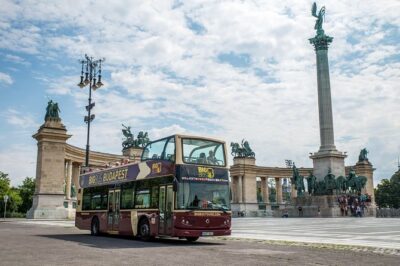 ★ 3.5Big Bus Budapest Hop-On Hop-Off Bus and Walking TourFrom $422,206 reviews
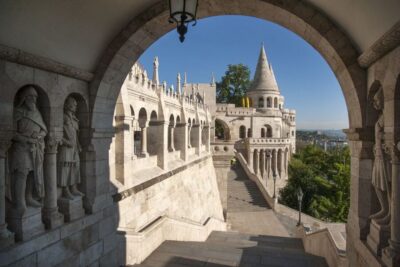 ★ 4.6Buda Castle District Walking TourFrom $142,108 reviews
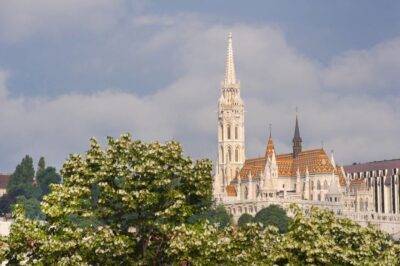 ★ 4.83-Hour Orientation Walking Tour of Buda and PestFrom $411,834 reviews
 ★ 5.0Budapest Historical Sightseeing – Free Walking TourFrom $31,302 reviews
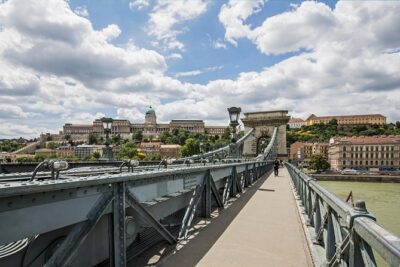 ★ 5.0Budapest All in One Small Group Walking Tour with Strudel StopFrom $1001,277 reviews
 ★ 4.8Budapest Food Walking Tour: Eat, Sip & Explore Like a LocalFrom $731,027 reviews
 ★ 4.9Buda Castle District Walking Tour with a HistorianFrom $63867 reviews
 ★ 4.9BloodThirsty Hungary: Walking tour & Dark Historical StoriesFrom $21633 reviews
Browse the lists this tour appears in