
Reviewed · BUDAPEST WALKING TOURS
Budapest : Must-see attractions walking tour
Budapest clicks fast on foot. This 2-hour private walking tour strings together the landmarks you’re most likely to want on a first visit, with a local guide who explains what you’re looking at as you go.
What I like most is the focus: you hit major stops like St. Stephen’s Basilica and the Hungarian Parliament Building, not just photo angles. And I really appreciate the format, because you can ask questions and even shape the walk toward what interests you most.
The main thing to consider is time and pace. In two hours you’ll see a lot, so if you need lots of breaks (or prefer a slower stroll), plan your day around that and wear comfy shoes.
In This Review
- Key highlights to know before you go
- Meeting at Kempinski Corvinus: a smart, central place to start
- Erzsébet Square: the quick-history crash course you’ll actually use
- St. Stephen’s Basilica and Square: architecture first, then the fun details
- József nádor tér: Habsburg connections plus hand-painted porcelain
- Vörösmarty Square and Váci útca: people-watching with a plan
- Danube Embankment viewpoints: the skyline lineup that makes Budapest make sense
- Vigadó Square and the Habsburg banquet story
- Chain Bridge and Gresham Palace: the city’s engineering and style
- Hungarian Parliament Building finish: neo-Gothic exterior plus modern context
- The private guide factor: why this works better than a big-group shuffle
- Price and value: does $29 buy enough in two hours?
- Should you book this Budapest must-see attractions walking tour?
- FAQ
- How long is the Budapest must-see attractions walking tour?
- Where do I meet the guide?
- Is this a private tour?
- What sights are included?
- What languages are available?
- Is food or drinks included?
- Does the price include transportation?
- Is it wheelchair accessible?
Key highlights to know before you go

- Private, exclusive group means it’s tailored to your pace and questions
- Customizable route keeps you from feeling stuck in a fixed script
- Basilica to Parliament covers Budapest’s big “must-see” arc on foot
- Danube Embankment viewpoints line up Castle Hill, Matthias Church, Fisherman’s Bastion, and more
- Local culture stops include Hungarian language basics plus food and society tips
- Secession-style Gresham Palace and Chain Bridge context help the city make sense fast
Budapest at street level, more routes on foot
- Big Bus Budapest Hop-On Hop-Off Bus and Walking Tour★ 3.5 · 2,206 reviews
- Budapest: Buda Castle District Walking Tour★ 4.6 · 2,108 reviews
- 3-Hour Orientation Walking Tour of Buda and Pest★ 4.8 · 1,834 reviews
- Budapest Historical Sightseeing – Free Walking Tour★ 5.0 · 1,302 reviews
Meeting at Kempinski Corvinus: a smart, central place to start
This tour kicks off at Erzsébet tér 7, meeting at the front of the Kempinski Hotel Corvinus Budapest. That’s a practical choice: you start in a high-visibility, easy-to-find spot near the city’s core, so you spend less time hunting and more time seeing.
I also like that the walk starts with orientation. Your guide doesn’t just point at buildings; they set the stage with how Budapest works—where neighborhoods and landmarks fit together, and what to pay attention to as you move across the center. For first-time visitors, that matters more than people expect. When you understand the “why,” the “wow” hits harder.
One more small plus: the tour is designed to be private and customizable. Even within a tight two-hour window, that flexibility can make the difference between feeling rushed and feeling in control.
Erzsébet Square: the quick-history crash course you’ll actually use
The first formal stop is Elizabeth Square (Erzsébet tér). From there, the guide introduces the tour with a mix of history, architecture, public art, and local culture. Expect conversation-style explanations rather than a lecture. You’ll also get basic Hungarian language and cultural insights, which is useful immediately—especially when you’re trying to decode signs and menus later.
This stop is also a good mental reset. Elizabeth Square works like a hinge between different parts of central Budapest. Once your guide connects the dots here, the rest of the itinerary feels less like random landmarks and more like a coherent route.
And because this is a walking tour with optional short public transport, you’re not stuck doing everything the hard way. The key is that the route is planned around seeing, not just walking for walking’s sake.
St. Stephen’s Basilica and Square: architecture first, then the fun details

Next up is St. Stephen’s Basilica, the largest church in Budapest. The guide focuses on architecture and history here, so you’re not only looking up at the dome—you’re understanding why it looks the way it does and what it represents in the city.
From there, you move through St. Stephen’s Square and into a different flavor of storytelling: public art, society, and Hungarian culinary history. One specific detail that makes this stop memorable is the public art depicting fat policemen. It’s one of those Budapest moments where the city shows you it has a sense of humor, not just grandeur.
What you take away: this area helps you see the “everyday Budapest” layer under the iconic monuments. After learning a bit about food culture and local history around this square, you’ll be better prepared to choose where to eat and what to look for next.
József nádor tér: Habsburg connections plus hand-painted porcelain

At József nádor tér, the guide shifts from religious and civic landmarks into political history and material culture. You’ll learn about Hungarian Habsburg history—and then you’ll get a tangible, visual payoff through exquisite hand-painted porcelains and colorful ceramics.
This is a smart pairing: history becomes something you can point to. Even if you’re not the type who normally seeks out decorative arts, this kind of stop helps you connect Budapest to the broader European currents that shaped it. It also breaks up the heavier monument-viewing so you’re not just staring at stone and statues for two straight hours.
If you’re traveling with someone who loves shopping, design, or crafts, this stop tends to land well. It gives you something to notice beyond the skyline, and it’s an easy way to remember Budapest’s style beyond the obvious photos.
More Budapest on foot
Vörösmarty Square and Váci útca: people-watching with a plan
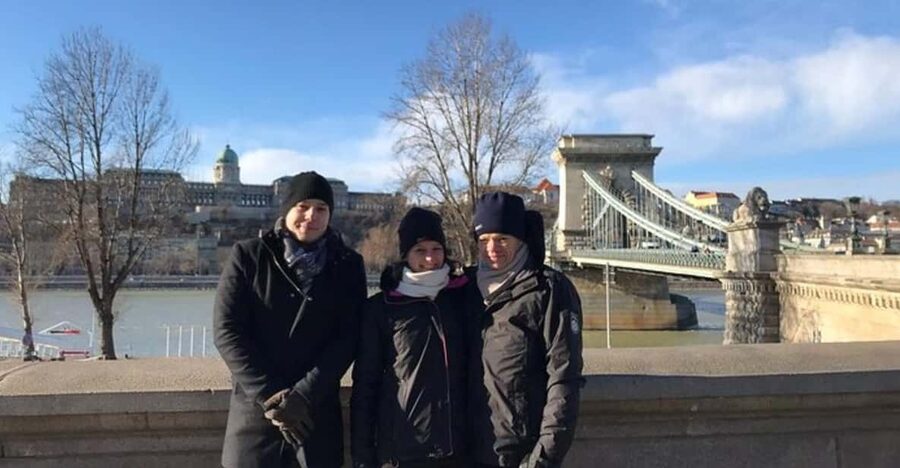
Then you arrive at Vörösmarty Square, a classic people-watching zone and the end point of Váci utca, Budapest’s famous pedestrian street. This is where the tour starts to feel more like “city life” than “architecture tour.”
The guide also brings in culinary art and history while you’re here, which is a big practical advantage. By the time you’re standing in the square, you’re not only seeing where people stroll—you’re also getting guidance for what to eat next and what to look for when you’re choosing restaurants on your own.
One thing to keep in mind: this area can feel busy compared to earlier stops. That’s not a problem, but it does affect your pace. If you want calmer conversation with your guide, it’s worth leaning into the moments when you’re walking between points rather than hovering at the busiest edges of the square.
Danube Embankment viewpoints: the skyline lineup that makes Budapest make sense
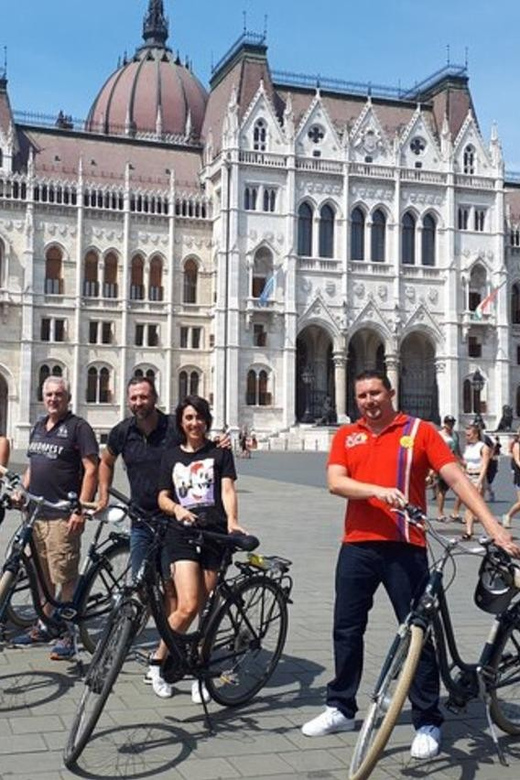
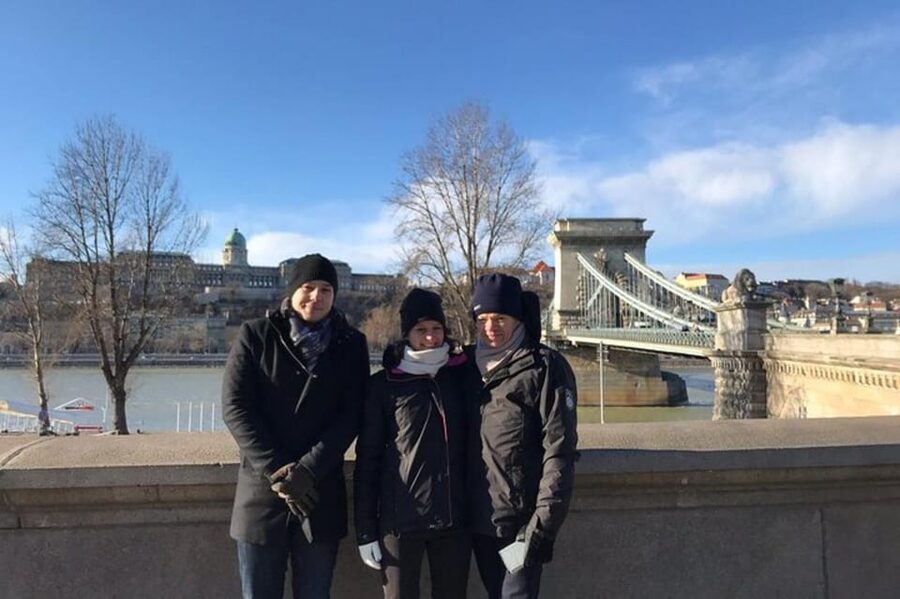
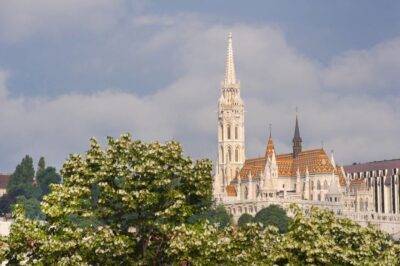
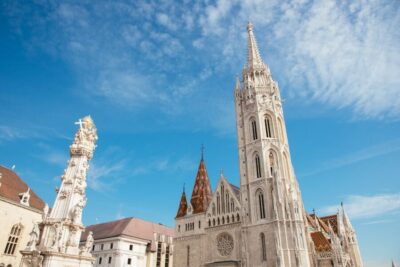
Now the tour walks along the Danube Embankment, and this is where your brain starts building a mental map. On the route, you get panoramic views of Castle Hill, Matthias Church, Fisherman’s Bastion, Buda Castle, and Gellért Hill with the Citadel.
A good guide makes this kind of view more than sightseeing. The difference here is that you’re learning which landmarks relate to each other and why the riverfront layout matters. That context helps you later when you’re deciding which side of the Danube to explore for sunset, or where to stand for the best sightlines.
You’ll also stop at the Little Princess Statue to make a secret wish. It’s a small moment, but it works as a reset in the middle of big views. You get a quick break, a fun tradition, and then you’re back into landmark mode.
If you like photography, this section is prime time. Just don’t let that swallow the tour—use the stops to orient yourself, then take pictures only when the view is clearly framed.
Vigadó Square and the Habsburg banquet story
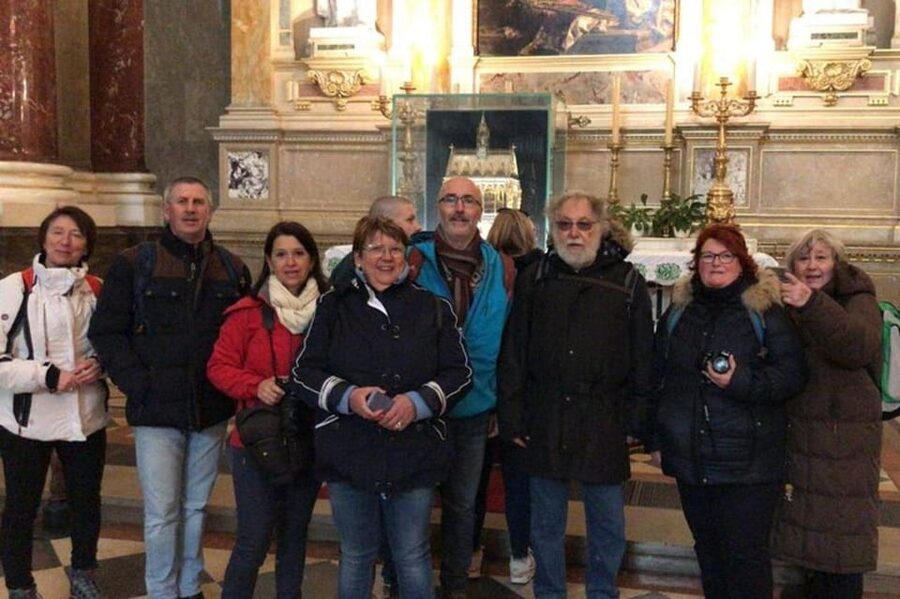
From the river views you head toward Vigadó Square, where the guide tells the story of Franz Joseph’s and Sissy’s coronation banquet. This is one of those “it’s a building, but it’s also a chapter” stops.
What I like here is the way royal history is made readable. Instead of treating the past like a distant fact, the guide ties it to a specific place and moment, so the story feels anchored rather than abstract. Even if you’re not deeply into monarchy, it helps you understand the symbols Budapest keeps returning to.
This portion of the walk also serves as a bridge between the river’s scenery and the civic/memorial tone of what comes next. You’re moving from skyline and ceremony into government and modern identity.
Chain Bridge and Gresham Palace: the city’s engineering and style
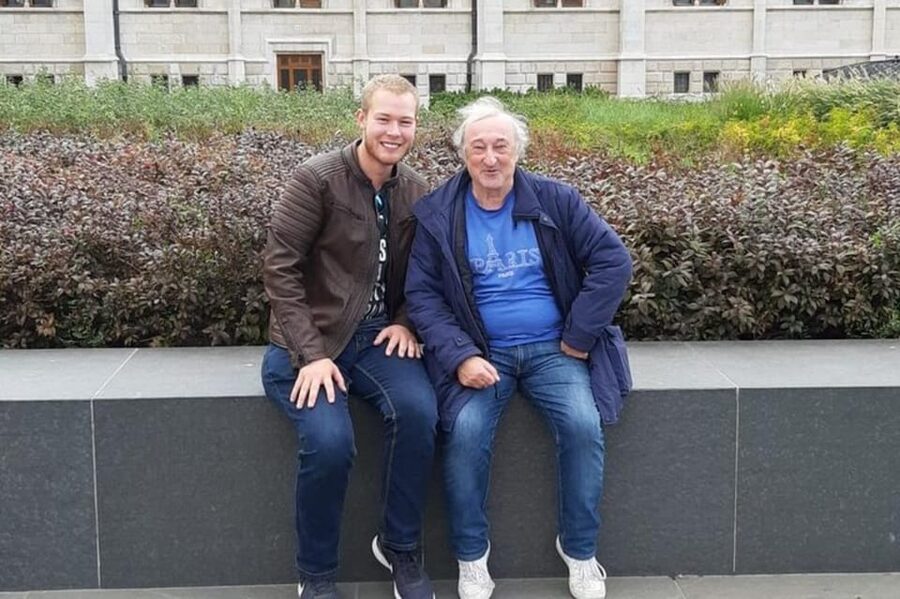
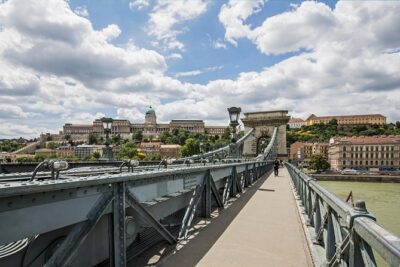
Next comes Széchenyi Lánchíd (the Chain Bridge), including the history behind it. Chain Bridge is the kind of landmark you’ve probably seen in photos already, but learning its background makes the structure feel purposeful instead of purely decorative.
Then you admire Gresham Palace, known for its Secessionist style. The guide’s angle here is practical: they help you notice how Budapest’s architecture has different voices. One street might scream grand civic power, while another tells you about design trends and European influences.
This is also where the tour earns its “I get this city” feeling. When you understand the bridge and the building styles, Budapest stops looking like a scatter of famous points and starts looking like a designed system.
Hungarian Parliament Building finish: neo-Gothic exterior plus modern context
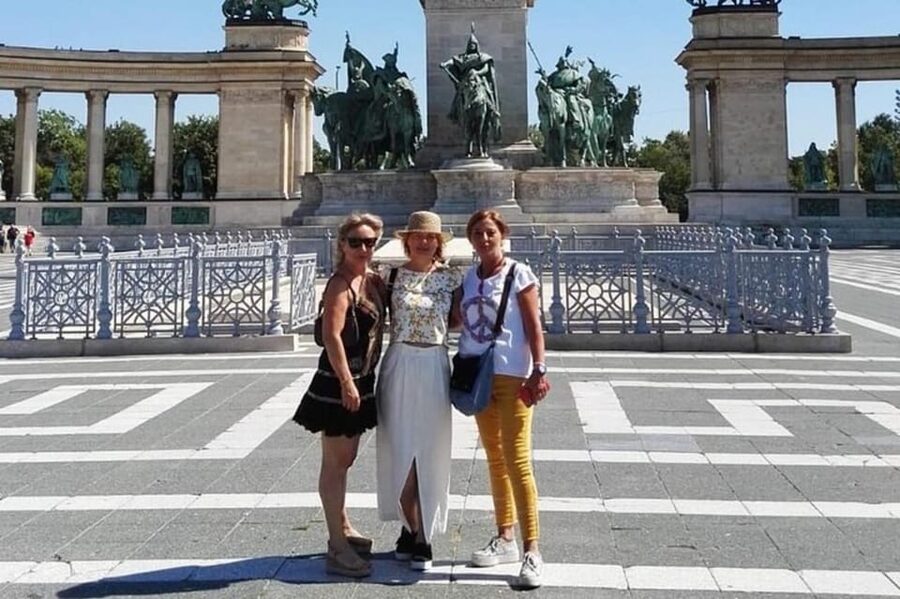
The tour ends at the Hungarian Parliament Building, where you learn about recent history, elections, and neo-Gothic architecture. This final stop is powerful because it connects the “old-world stone” you saw earlier with the country’s more modern political story.
Even if you’re not planning to go inside, standing here with the explanation gives you a better sense of why it matters and what it represents. It also helps you connect the visual language of the building to the way public life works in Hungary today.
If you’re hungry for more after the tour, this ending spot sets you up well. You’re still in the thick of the city’s central action, and you’ll leave with ideas from your guide about where to go next.
The private guide factor: why this works better than a big-group shuffle
This tour is private and exclusive—meaning you won’t be sharing the experience with other groups. That sounds like a small detail, but it affects everything: the pace, the questions you can ask, and how your guide responds to what you care about.
It also supports customization. If you’d rather spend an extra few minutes on architecture, or you want more time for the Danube viewpoints, your guide can adjust. In a city where routes can feel crowded and timed too tightly, having control is genuinely valuable.
From past groups, certain guides like Adrienne and Anikó have been praised for being diligent, professional, and highly qualified, with a strong focus on historical explanation and practical advice. Another guide, Alix, is noted for sharing historical context in a way that stays enjoyable—even on nighttime variations. The consistent theme: history that feels human, plus room for questions.
Price and value: does $29 buy enough in two hours?
At $29 per person for a 2-hour private walking tour, you’re paying for three things: a local guide, a focused route, and a format that doesn’t waste your time.
Here’s the value logic. You’re covering major sights—Basilica, Vörösmarty Square, Danube Embankment viewpoints, Chain Bridge, and Parliament—with explanations that help you connect what you see. You also get advice for other activities in the city, plus basic Hungarian language and cultural tips. That’s the kind of “extras” benefit that often makes a guided tour feel worth it, even if you could technically walk the route alone.
On top of that, the tour includes walking and public transport (unless you choose a different option). That matters in Budapest, where it’s not always efficient to sprint from one viewpoint to the next without a plan.
Also consider what’s not included: food and drinks. So budget for that separately. The tour itself stays focused on sightseeing and context, not dining.
Finally, there’s the practical support: the provider team can help you book tickets for desired visits. That’s not a small thing when you’re juggling schedules and want the day to run smoothly.
Should you book this Budapest must-see attractions walking tour?
If this is your first time in Budapest and you want your bearings fast, I’d lean yes. The route hits the landmarks most people come for, but the guide’s emphasis on architecture, public art, and political context helps it stick in your head.
I’d especially book it if you like walking with a purpose, want a private experience where you can ask questions, and appreciate practical city advice so you don’t spend your remaining time guessing what to do next.
Skip (or choose a different style) if you hate a packed schedule. Two hours can feel busy once you factor in multiple viewpoints and transfers. If you need a slower day, build in extra breaks before and after the tour.
FAQ
How long is the Budapest must-see attractions walking tour?
The tour lasts 2 hours.
Where do I meet the guide?
Meet the guide in front of the Kempinski Hotel Corvinus Budapest (Erzsébet tér 7).
Is this a private tour?
Yes. It is a private and exclusive tour, with no one else in your group.
What sights are included?
You’ll see highlights including St. Stephen’s Basilica, Elizabeth Square, József nádor tér, Vörösmarty Square, the Danube Embankment viewpoints, Vigadó Square, Széchenyi Chain Bridge, Gresham Palace, and finish at the Hungarian Parliament Building.
What languages are available?
The live guide is available in English, Spanish, Italian, and French.
Is food or drinks included?
No. Drink and food are not included.
Does the price include transportation?
The tour includes a walking tour and public transport, except if you select one of the options.
Is it wheelchair accessible?
Yes, the tour is wheelchair accessible.
More Tours in Budapest






More Tour Reviews in Budapest






More of Budapest, Step by Step




Just Added: More Budapest Reviews
- Sightseeing flight over Budapest
★ 5.0 · 3 reviews - Budapest: Walking Tour with Chimney Cake & Polaroid Photos
★ 5.0 · 3 reviews - Self Guided Tour In Budapest With 100 Captivating Audio Stories
★ 5.0 · 3 reviews - Budapest Art Nouveau Walking Tour
★ 5.0 · 3 reviews - Hungary today: a no-taboo conversation
★ 5.0 · 3 reviews
Budapest Walking Tours, compared.
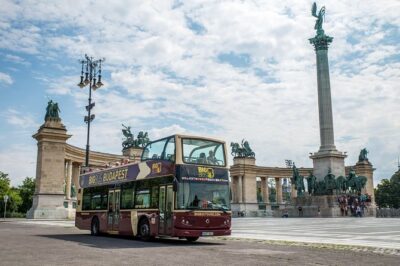 ★ 3.5Big Bus Budapest Hop-On Hop-Off Bus and Walking TourFrom $422,206 reviews
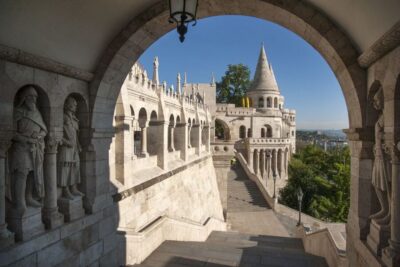 ★ 4.6Buda Castle District Walking TourFrom $142,108 reviews
 ★ 4.83-Hour Orientation Walking Tour of Buda and PestFrom $411,834 reviews
 ★ 5.0Budapest Historical Sightseeing – Free Walking TourFrom $31,302 reviews
 ★ 5.0Budapest All in One Small Group Walking Tour with Strudel StopFrom $1001,277 reviews
 ★ 4.8Budapest Food Walking Tour: Eat, Sip & Explore Like a LocalFrom $731,027 reviews
 ★ 4.9Buda Castle District Walking Tour with a HistorianFrom $63867 reviews
 ★ 4.9BloodThirsty Hungary: Walking tour & Dark Historical StoriesFrom $21633 reviews
Browse the lists this tour appears in