
Reviewed · MUSEUMS & IMMERSIVE EXHIBITS
Budapest: Museum of Ethnography Official Entry ticket
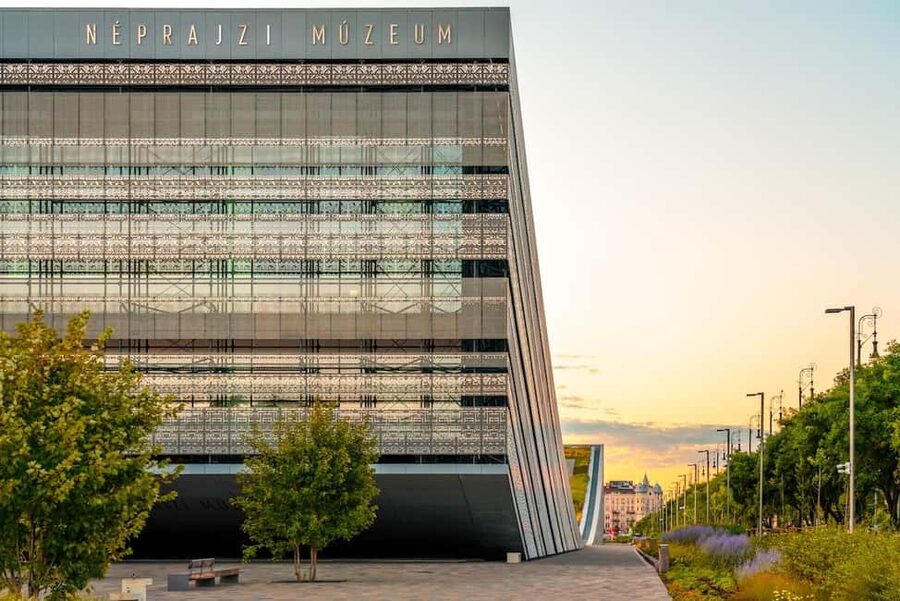
First, one museum turns objects into a story. The Museum of Ethnography in Budapest is built for modern visitors, with a new-design building that opened in 2022 and a collection that reaches from everyday life to social change. I love that it treats folk culture as something alive, not just dusty tradition, and it does it with serious museum design.
Second, I really like the sheer scale and variety: you’re looking at 225,000+ ethnographic artifacts plus archives of photographs, manuscripts, and recordings. You also get room for contemporary research themes, so the museum doesn’t stop at the past.
One heads-up: timing can be strict. One booking story shows that arriving near closing (their stated time was 18:30) can mean no entry, so plan to get there with a safety margin.
In This Review
- Key things to know before you go
- Budapest’s Museum of Ethnography: why the building matters
- The Collection Exhibition (2024) and the ZOOM concept
- 225,000+ objects: what you’re actually looking at
- Archives of photos, manuscripts, and recordings
- Contemporary social phenomena: the museum isn’t stuck in the past
- A practical 1-day plan that won’t feel rushed
- Step 1: Start where the museum sets its rules
- Step 2: Hit the ZOOM space with slower attention
- Step 3: Choose your own path through archives and media
- Step 4: Finish with the contemporary research themes
- Rules that affect your visit (and how to avoid frustration)
- Price and value: a $0 ticket that still costs time
- Who this works best for
- Should you book this Museum of Ethnography ticket?
Key things to know before you go
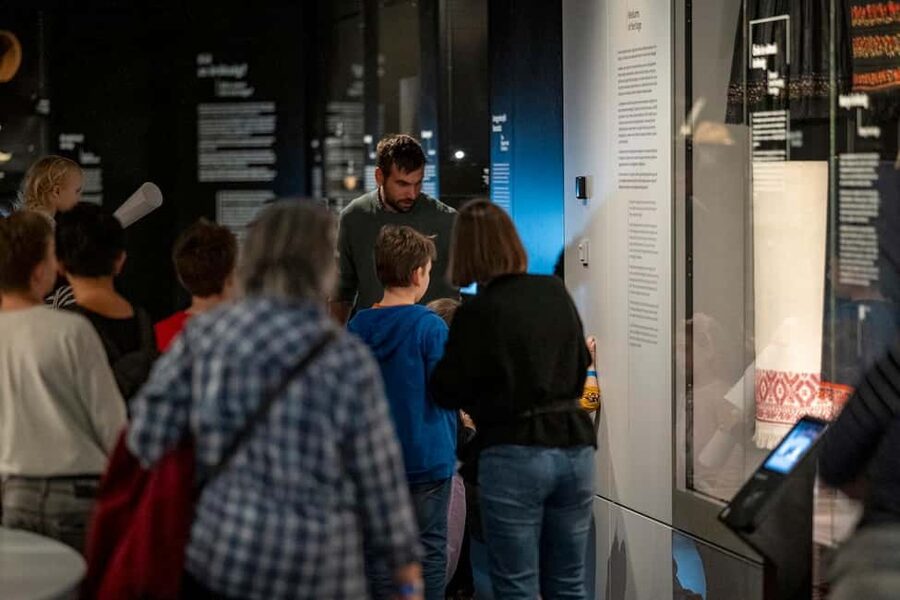
- A 2022 modern museum space that helps you understand folk culture through design and display, not just captions
- 225,000 artifacts plus photographs, drawings, manuscripts, audio, and films across centuries
- The ZOOM exhibition space where the collection is shown in a more “raw” way before it’s organized
- Collection Exhibition opened in 2024, built around the idea of turning chaos into order through interpretation
- Research projects on contemporary social phenomena, so it’s not only historical “stuff”
Out of the weather, more halls and screens
- Budapest: Cinema Mystica Entry Ticket★ 4.3 · 3,103 reviews
- Budapest: Cat Museum Budapest Entry Ticket★ 4.4 · 2,210 reviews
- Budapest: Light Art Museum Skip-the-Line Entry Ticket★ 3.9 · 1,531 reviews
- Budapest: Madame Tussauds Ticket + POP&ROLL Access★ 4.7 · 1,525 reviews
Budapest’s Museum of Ethnography: why the building matters
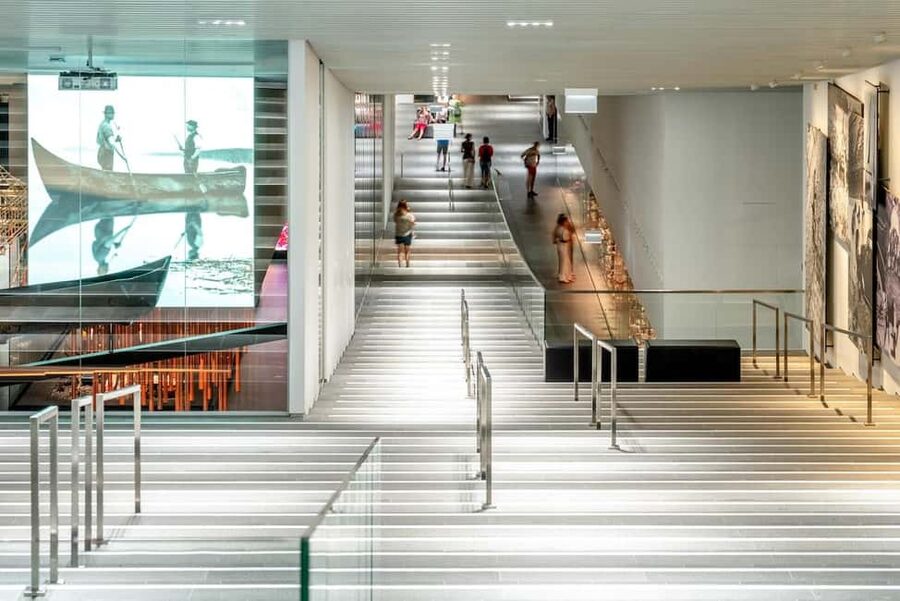
This isn’t a classic “quiet rooms and old cases” museum. The Museum of Ethnography is in a landmark institution in Europe’s cultural landscape, and its newer building opened in 2022 with a modern approach to how people move through exhibitions.
That matters because ethnography can feel abstract if the displays are flat. Here, the presentation tries to help you see how meaning gets made—how collections become stories, and how different viewpoints can change what you notice. Even if you’re not a museum person, the design choices help you get your bearings fast and stay engaged.
Also, the location is practical. It’s in Budapest, and you can tack it onto a day of other cultural sights without needing special planning for transport or long transfers.
The Collection Exhibition (2024) and the ZOOM concept
If you want one big idea to anchor your visit, it’s this: the museum shows how collections go from scattered material to an organized “museum galaxy.” The Collection Exhibition opened in 2024, and it specifically asks how systemization and interpretation turn a huge pile of objects into something you can understand.
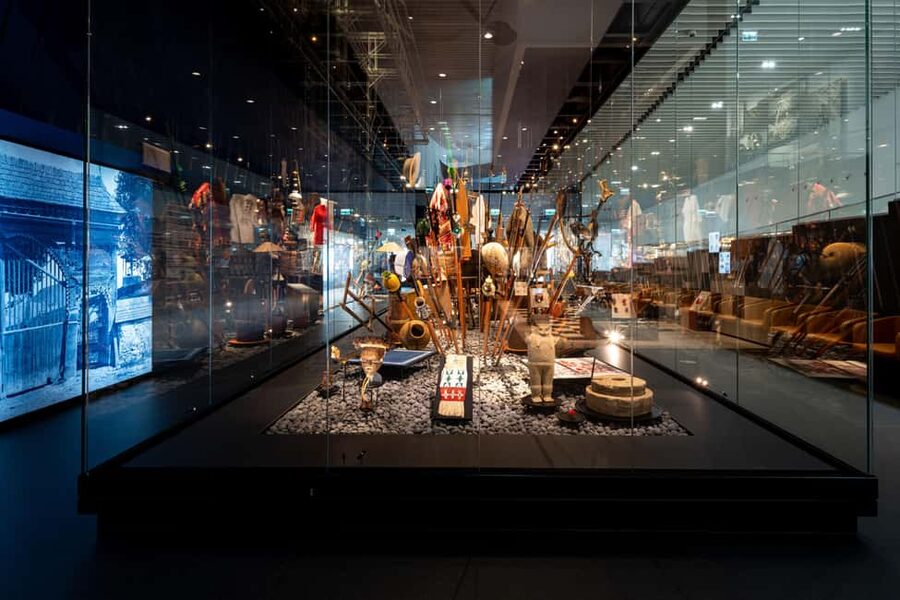
You’ll see this theme in the ZOOM exhibition space. Instead of presenting everything as cleanly labeled “finished knowledge,” the description points to a more primordial feel—material shown as a kind of starting state. The museum uses that approach to help you understand that museums are not neutral: the way items are selected, grouped, and explained affects what you learn.
Here’s the practical take: plan to slow down in these spaces. Spend time in front of the displays where the museum is signaling its own method. That’s where the experience goes beyond facts and becomes a lesson in cultural thinking.
225,000+ objects: what you’re actually looking at
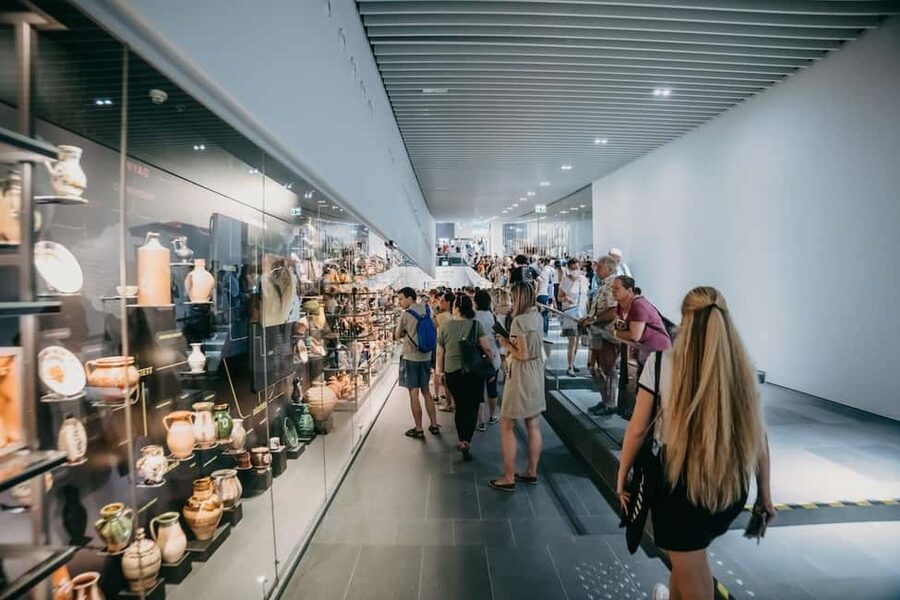
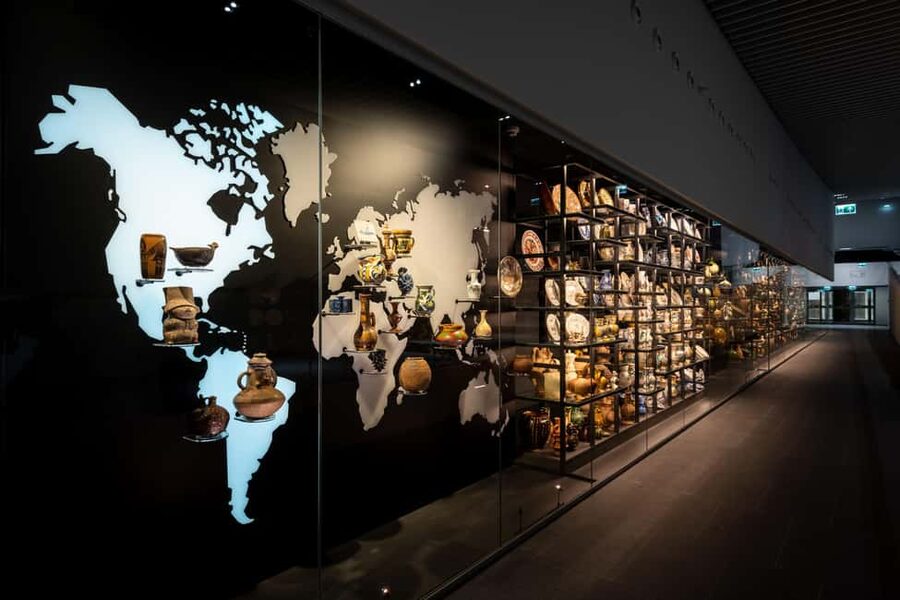
The headline number is more than 225,000 ethnographic objects. That’s big, but what counts is what the collection includes and the time span it covers. You’re not only seeing folk items tied to Hungary; you’re also seeing materials connected to global folk cultures.
The collection stretches from at least the 17th century to the present. That time range matters because folk traditions aren’t frozen snapshots. They change with politics, migration, economics, technology, and everyday choices. When you’re viewing items that span centuries, you start noticing patterns: what holds steady, what shifts, and what only makes sense in a specific social moment.
And it’s not just physical objects. The museum unites the collection material with hundreds of thousands of related media such as:
- photographs
- drawings
- manuscripts
- audio recordings
- films
So if you’re the type of visitor who gets stuck on “just artifacts,” you still have plenty of ways in. Text, sound, and film let you connect with daily life and cultural expression without needing a museum degree.
Archives of photos, manuscripts, and recordings

One of the most useful things about the museum is that it doesn’t treat culture as only what’s made by hand. You also get archives: photographs, manuscripts, and folk music recordings, plus audio and films connected to the broader collection.
For you, that means you can approach the museum in different modes:
- If you love imagery, focus on the photographic and drawing materials.
- If you prefer stories, look for manuscripts and context pieces.
- If sound pulls you in, seek out recordings and folk music materials.
Even if you don’t stay long at each item, the museum’s format gives you chances to switch your attention. That’s good for stamina, especially on a 1-day visit.
One card gets you through more of the doors

Contemporary social phenomena: the museum isn’t stuck in the past
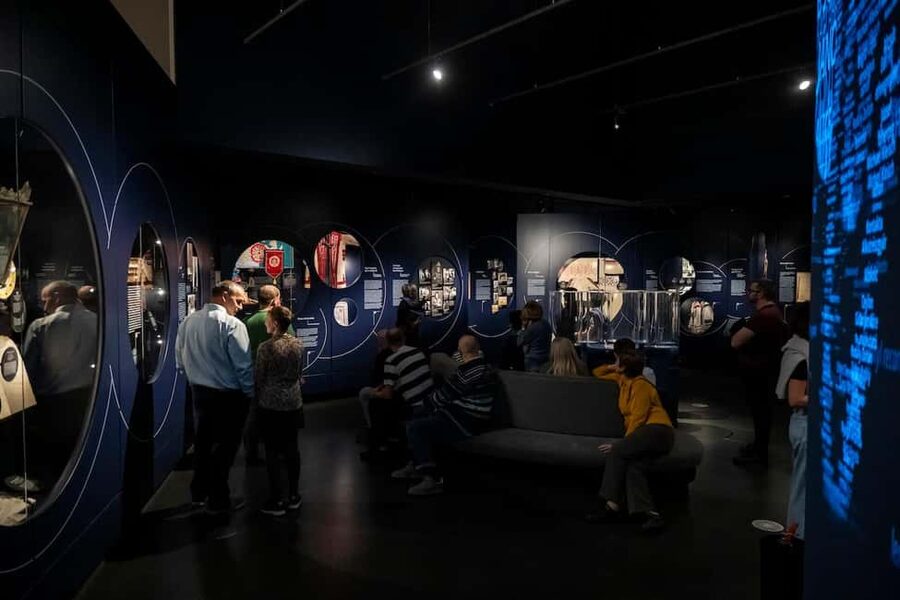
The museum also includes research themes and projects related to contemporary social phenomena. That line in the description is more important than it sounds, because ethnography today includes how communities live right now, how identities shift, and how traditions get reinvented.
So you’ll likely notice a tilt toward interpretation and present-day questions rather than a strict timeline-only approach. For a first visit, that helps. You can leave feeling like you understood a living subject, not just viewed objects from a display shelf.
A practical 1-day plan that won’t feel rushed

This ticket is valid for 1 day, and it includes access to the museum’s exhibitions. There’s no guided tour included, which means you’ll get the most value by making your own route.
Here’s a simple structure you can use:
Step 1: Start where the museum sets its rules
Spend your first block in the spaces that explain the museum’s approach—especially anything connected to the Collection Exhibition (2024) concept of chaos-to-order. This helps your brain “switch on” before you hit the full collection.
Step 2: Hit the ZOOM space with slower attention
Use ZOOM as your second anchor stop. It’s the part described as showing collection material in a more primordial state. That can be visually intense, so give yourself a little time even if you think you’re not “learning yet.”
Step 3: Choose your own path through archives and media
After that, let your interests steer you. Look for:
- photo-based sections if you like visual evidence
- manuscript or text-heavy areas if you like written context
- audio and film elements if you want a break from reading
Step 4: Finish with the contemporary research themes
If you have energy, end with the parts dealing with contemporary social phenomena. Finishing there helps you connect the past materials to current cultural questions.
If you’re the type who likes to see everything, you can. The museum’s included access suggests you can move across exhibitions without another ticket. But with a collection this big, a smarter plan is choosing a few anchors and then exploring around them.
Rules that affect your visit (and how to avoid frustration)
Museums always have house rules. Here are the ones that can impact your day:
- No backpacks (plan to travel light)
- No touching exhibits
- No pets (assistance dogs allowed)
- No weapons or sharp objects
- No intoxication
- No nudity
That list is worth taking seriously. The backpack rule is the one that most often causes last-minute stress, especially if you’re doing a walking day around Budapest.
Then there’s timing. One documented experience described arriving at 17:45 for a museum that states closing at 18:30, and being denied entry. I can’t know if that’s common, but it’s enough to change how you should plan. Give yourself a buffer—arrive comfortably earlier than the deadline.
Price and value: a $0 ticket that still costs time
The ticket price listed here is $0.00 per person. Even if you’d pay something normally elsewhere, free entry turns the value math into a no-brainer: you’re buying time and attention, not admission.
But don’t let the free price trick you into under-planning. The museum is about a large collection and multiple exhibitions, including research-driven displays. That means you still need:
- enough time to move between zones
- enough energy to read and look
- enough patience to handle the volume of material
If you only have a short window in Budapest, you might still choose it—just go in with a route. The museum’s scale is exactly why a focused visit beats a “see it all” attempt.
Who this works best for
This museum fits you if you like any of these:
- folk culture as a serious subject
- museums that show how interpretation works
- archives with photos, manuscripts, and recordings
- exhibitions that connect past and present social questions
You might not love it if you mainly want quick “top highlights” with minimal reading or if you hate museums that make you think about the act of collecting and presenting.
Should you book this Museum of Ethnography ticket?
Yes, I think you should book it—especially if the entry price you’re seeing is truly $0.00 and you have at least half a day to a full day to work through exhibitions on your own pace.
Book it if:
- you want a modern museum experience in Budapest
- you’re curious about Hungary and wider folk cultures
- you enjoy archives and research themes, not only displays
Skip the gamble if:
- you’re tight on time and can’t arrive with a buffer before closing
- you’re traveling with a backpack and don’t want to change plans
If you do go, arrive early enough to avoid door disappointment. Then let the museum’s big idea—turning collected “stuff” into cultural meaning—guide where you spend your attention.
More Tour Reviews in Budapest






One Card, Every Door




Indoors Done Well: More Exhibits



Just Added: More Budapest Reviews
- Sightseeing flight over Budapest
★ 5.0 · 3 reviews - Budapest: Walking Tour with Chimney Cake & Polaroid Photos
★ 5.0 · 3 reviews - Self Guided Tour In Budapest With 100 Captivating Audio Stories
★ 5.0 · 3 reviews - Budapest Art Nouveau Walking Tour
★ 5.0 · 3 reviews - Hungary today: a no-taboo conversation
★ 5.0 · 3 reviews
Museums & Immersive Exhibits, compared.
 ★ 4.3Cinema Mystica Entry TicketFrom $213,103 reviews
 ★ 4.4Cat Museum Budapest Entry TicketFrom $142,210 reviews
 ★ 3.9Light Art Museum Skip-the-Line Entry TicketFrom $211,531 reviews
 ★ 4.7Madame Tussauds Ticket + POP&ROLL AccessFrom $341,525 reviews
 ★ 4.0Ikono Budapest Entry TicketFrom $18924 reviews
 ★ 4.5IKONO Budapest – Immersive ExperienceFrom $18626 reviews
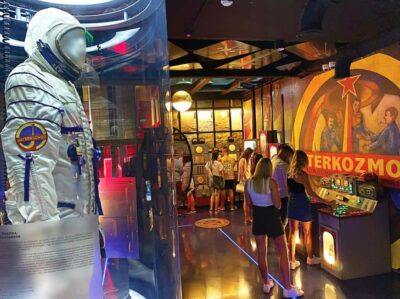 ★ 4.4Budapest Retro Interactive Museum TicketFrom $17569 reviews
Van Gogh Immersive Exhibition TicketFrom $18399 reviews
★ 4.4Budapest Retro Interactive Museum TicketFrom $17569 reviews
Van Gogh Immersive Exhibition TicketFrom $18399 reviews
Browse the lists this tour appears in