
Van Gogh looks different when it’s moving light. At the Vincent Hall in Budapest, this projection-based program turns famous paintings into a story you can watch in detail. I especially like the panoramic screens that let you catch brushstroke-level visuals, and the laid-back bean-bag seating that keeps the whole thing from feeling like a school lecture. One drawback: it’s not a good match if you’re sensitive to motion or visual effects, since the show uses motion design and animated sequences.
The ticket is priced around $18 per person and, best of all, it comes as a combined entry that also lets you see Frida and Klimt on the same day. You’ll spend about an hour on-site even if you only catch Van Gogh, because the pacing is a short main session plus time to move between rooms and galleries.
In This Review
- Key things to know before you go
- Where Van Gogh shows up in Budapest: Vincent Hall basics
- What the 40-minute Van Gogh show actually feels like
- How the bean-bag setup changes your experience (and your photos)
- Choosing your session language: Magyar vs English
- Using the combined ticket: Frida and Klimt on the same day
- A realistic schedule plan (so you don’t waste time)
- Rules that affect your comfort: drinks and motion sensitivity
- The value math: is it worth about $18 in Budapest?
- Who this experience is for (and who should skip)
- Tips to get the best experience (without overthinking it)
- Should you book the Van Gogh ticket in Budapest?
- FAQ
- How long is the Van Gogh multimedia experience?
- Where is the Van Gogh exhibition located?
- What does the ticket include?
- Can I choose a session in different languages?
- Is the ticket valid for more than one day?
- Is it wheelchair accessible?
- Are drinks allowed inside?
- Is it suitable if I get motion sickness?
Key things to know before you go
- Vincent Hall, Piarista köz 1 (1052 Budapest): your entry point for the Van Gogh program
- 40-minute Van Gogh multimedia session: the main show you plan your timing around
- 130 iconic works on panoramic screens: including well-known favorites like Starry Night and Sunflowers
- Bean bags for comfort: a rare sit-and-stay approach compared with typical museum tours
- Same ticket covers Frida + Klimt: you can mix language sessions without buying another entry
- Not suitable for motion sickness: the animation and motion design can be a deal-breaker
Out of the weather, more halls and screens
- Budapest: Cinema Mystica Entry Ticket★ 4.3 · 3,103 reviews
- Budapest: Cat Museum Budapest Entry Ticket★ 4.4 · 2,210 reviews
- Budapest: Light Art Museum Skip-the-Line Entry Ticket★ 3.9 · 1,531 reviews
- Budapest: Madame Tussauds Ticket + POP&ROLL Access★ 4.7 · 1,525 reviews
Where Van Gogh shows up in Budapest: Vincent Hall basics
Budapest has plenty of art spots, but this one is built for a different kind of looking. You’re heading to Vincent Hall at 1052 Budapest, Piarista köz 1, where the setup is designed around film, motion design, and big projection surfaces. Instead of walking room to room with paintings on walls, you’re mostly watching and responding to the visuals as they play out.
That matters for what you’ll get from your visit. If you love art because you like the slow inspection of details, the panoramic format is a strong match—because it’s not just a slideshow. If you love art because you want context and narrative, the show leans into storytelling about Vincent’s life and emotional intensity behind the paint.
It also helps to know the venue vibe. The experience is structured like a program you sit through, with the option to relax on bean bags. That makes it feel less formal than a gallery. You can also plan your day like a timed stop rather than a wandering museum day.
What the 40-minute Van Gogh show actually feels like
The Van Gogh part of the ticket is a 40-minute multimedia experience focused on Vincent. The show presents a guided storyline, then feeds you the visuals in a way that’s meant to feel like the paintings are unfolding around you.
Here’s what you can expect during the main program:
You start with a narrative guide through Vincent’s world—his fearless and passionate genius is a recurring theme. Then the projection work takes over: 130 iconic works appear through animated projections, designed so you can observe lots of detail. The show isn’t trying to be subtle about scale; it uses motion to make the brushwork feel larger than life.
Two moments are especially obvious from the show’s design: Starry Night and Sunflowers. You’ll see them as anchor points, not just as famous “cameos.” The pacing is built to keep shifting what you focus on—sometimes it’s the artwork itself, sometimes it’s the emotional tone the program wants you to feel.
If you’re the type of person who likes art that explains the “why” behind the “what,” this works well. If you’re expecting a museum-style catalog of facts and dates, you might feel the show is lighter on traditional explanations. But the real value here is the format: motion design plus giant projection screens makes the art feel present and alive rather than static.
How the bean-bag setup changes your experience (and your photos)
One of the most practical things to know is that this show gives you relaxing seating instead of forcing you to stand the entire time. The bean bags help you stay in one spot and watch closely. That’s not just comfort—it changes how you experience the projections.
When you’re seated, you’re less tempted to do the “walk-through” thing. Instead, you tend to actually look at details, especially with the way the program encourages close viewing. Several people highlight the comfort factor, which makes sense: this is a longer visual experience than a quick photo stop.
On the photo angle: this is the kind of venue where the visuals are designed to be seen from where you sit. You’ll likely end up with social-friendly images because the panoramic visuals fill the frame. If you’re careful and don’t block other viewers, it’s one of those activities where your photos don’t feel like you’re interrupting a quiet museum moment.
Choosing your session language: Magyar vs English
Budapest is multilingual, but this show makes language choice very specific. Your Van Gogh session is offered in Magyar and English depending on the time slot, and the other included exhibitions also have set languages.
Here’s how it lines up based on the schedule:
- Van Gogh (Magyar): 10:50, 16:00, and 20:00
- Van Gogh (English): 12:50 and 18:00
- Klimt: listed as English in every shown slot
- Frida: offered in both Magyar and English across different times
Why this matters: even if you’re not fluent, language affects how much you understand in the moment—especially because the show is storytelling-driven. If you want to follow the emotional narrative without guessing, pick the English Van Gogh session. If you want the full experience in Hungarian, the Magyar sessions are your best bet.
Worth setting beside this one before you book:


Using the combined ticket: Frida and Klimt on the same day
This is a big part of the value. Your Van Gogh ticket is combined, and you can visit the Frida Immersive Exhibition with it for free. The same ticket also covers Klimt Immersive Exhibition, giving you more than one art program without more entry fees.
So, you’re really planning a mini art day around three themed shows:
- Van Gogh (your ticket main)
- Frida
- Klimt
Here’s a straightforward way to structure it if you want to maximize what you see:
1) Pick your language priority for Van Gogh (English or Magyar).
2) Then decide which of the other two you want based on the times you’re comfortable with.
3) Treat transitions as part of the experience—don’t schedule your arrival too tight.
The schedule gives you several opportunities throughout the day. For example, you can pair Frida and Van Gogh sessions that are close together, or add Klimt after if you’re enjoying the format.
One practical note: because each program has its own time slot, you’ll want to arrive a bit early so you’re not rushing once you’re inside.
A realistic schedule plan (so you don’t waste time)
If you only want the Van Gogh show, you can treat this as an easy add-on to a Budapest day. The Van Gogh multimedia program is 40 minutes, and the rest of your time goes to getting settled and moving between spaces.
If you want the full set, plan around the session times. The day includes multiple Van Gogh showings, plus Frida and Klimt sessions. A good strategy is to choose a Van Gogh time that fits your energy level:
- Morning slots can work if you like starting early and having the rest of the day free.
- Evening slots can be great if you’re already doing daytime sightseeing and want a relaxing visual show after.
Also, pick one “extra” show (Frida or Klimt) if you want variety without turning your day into a marathon.
Rules that affect your comfort: drinks and motion sensitivity
This is where you save yourself from surprises.
- Drinks aren’t allowed during the experience.
That means you may want to grab water before you enter and then just settle in.
- Not suitable for people with motion sickness.
Since the show uses motion design and animated projections, it can be uncomfortable if your body is sensitive to that kind of visual movement.
If you’re on the fence about motion sensitivity, be honest with yourself. This isn’t a quiet room with still images. It’s a motion-and-story setup, and the programming is part of the attraction.
The value math: is it worth about $18 in Budapest?
For about $18 per person, you’re paying for a 40-minute multimedia presentation plus access to additional included exhibitions with the combined ticket. That matters because many “one-show” experiences in big-city art hubs are pricey for what is basically a short room visit.
Here, the value comes from two angles:
1) You get more than one show on the same ticket.
2) The show is built for scale—panoramic screens, animated projection work, and a narrative format that’s harder to recreate at home.
Is it “expensive”? Not really, based on what you receive—especially if you actually use the Frida and Klimt add-ons. If you only attend Van Gogh and skip the other two, you’re still buying a fun art story with comfortable seating, but you lose part of the ticket’s best advantage.
Who this experience is for (and who should skip)
You’ll likely enjoy this if:
- You like modern presentation of classic art (projection, storytelling, big visuals).
- You want a break from walking museums all day.
- You care about comfort and prefer sitting on bean bags over standing and hunting for good angles.
You might want to skip or replace it if:
- You have motion sickness.
- You dislike shows that rely on animated visuals and motion design.
- You need a quiet, traditional art-viewing environment.
It’s also a nice choice for couples and friends because it has a shared “watch together” rhythm. You’re not splitting up to read different wall labels; you’re watching the same story unfold.
Tips to get the best experience (without overthinking it)
A few small choices make a big difference here:
- Pick the language slot intentionally. If storytelling is what you care about, match Van Gogh to the language you understand best.
- Arrive a little early for your session. The schedule has specific times for Frida, Van Gogh, and Klimt, so don’t treat it like a drop-in cinema.
- Plan your day around the show’s pacing. Because it’s only 40 minutes for Van Gogh, you can keep the rest of your schedule flexible rather than stacking too many heavy activities.
- Use the comfort to your advantage. Sit back and let your eyes adjust to the projections. If you keep moving, you’ll miss the details the format is designed to show.
Should you book the Van Gogh ticket in Budapest?
Yes—if you want a sit-down, story-driven art show with big, detailed projections and the option to add Frida and Klimt for no extra entry. For roughly $18, it’s a practical way to experience three major artist themes in one day without planning a complex museum route.
Skip it if motion sensitivity is an issue. And if you’re craving a traditional art gallery experience with actual paintings on walls and museum-style curatorial text, you might prefer a classic museum stop instead.
If you’re aiming for a fun, photogenic, low-effort art afternoon or evening—this is an easy choice.
FAQ
How long is the Van Gogh multimedia experience?
The Van Gogh program is a 40-minute multimedia experience.
Where is the Van Gogh exhibition located?
It takes place at Vincent Hall, 1052 Budapest, Piarista köz 1.
What does the ticket include?
The ticket includes entry to the Van Gogh: Immersive Exhibition from the Netherlands multimedia experience, and it also works as a combined ticket that lets you visit Frida and Klimt exhibitions.
Can I choose a session in different languages?
Yes. Van Gogh sessions are listed in Magyar and English depending on the time slot, while Klimt sessions are listed in English and Frida sessions are offered in both Magyar and English.
Is the ticket valid for more than one day?
No. It’s valid for 1 day, starting from the first activation.
Is it wheelchair accessible?
Yes, the experience is wheelchair accessible.
Are drinks allowed inside?
No. Drinks are not allowed.
Is it suitable if I get motion sickness?
No. It is not suitable for people with motion sickness.
More Tickets in Budapest


More Tour Reviews in Budapest



Indoors Done Well: More Exhibits




Just Added: More Budapest Reviews
- Sightseeing flight over Budapest
★ 5.0 · 3 reviews - Budapest: Walking Tour with Chimney Cake & Polaroid Photos
★ 5.0 · 3 reviews - Self Guided Tour In Budapest With 100 Captivating Audio Stories
★ 5.0 · 3 reviews - Budapest Art Nouveau Walking Tour
★ 5.0 · 3 reviews - Hungary today: a no-taboo conversation
★ 5.0 · 3 reviews
Museums & Immersive Exhibits, compared.
 ★ 4.3Cinema Mystica Entry TicketFrom $213,103 reviews
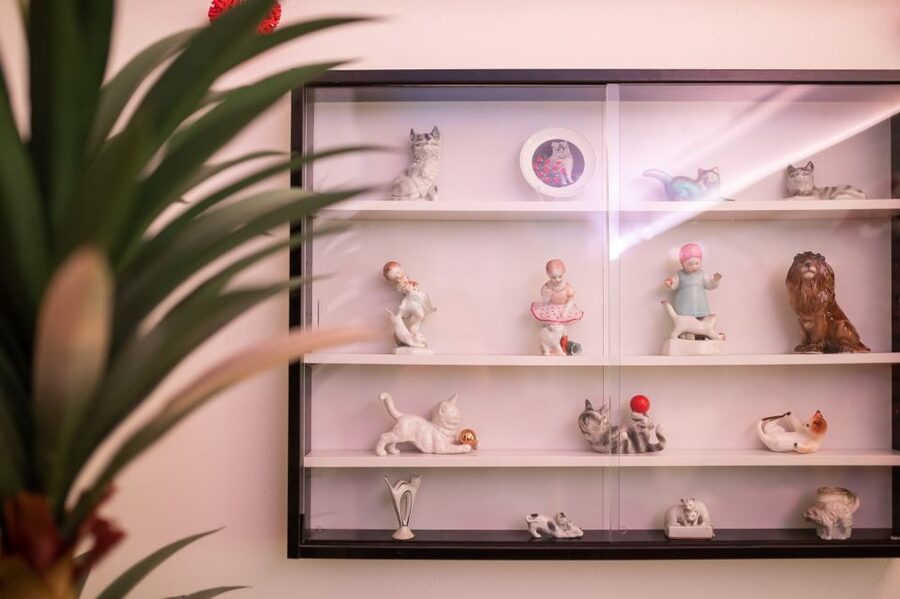 ★ 4.4Cat Museum Budapest Entry TicketFrom $142,210 reviews
 ★ 3.9Light Art Museum Skip-the-Line Entry TicketFrom $211,531 reviews
 ★ 4.7Madame Tussauds Ticket + POP&ROLL AccessFrom $341,525 reviews
 ★ 4.0Ikono Budapest Entry TicketFrom $18924 reviews
 ★ 4.5IKONO Budapest – Immersive ExperienceFrom $18626 reviews
 ★ 4.4Budapest Retro Interactive Museum TicketFrom $17569 reviews
 ★ 4.4Lumina Light Park Wonderworld Entry TicketFrom $21251 reviews
Browse the lists this tour appears in