
Reviewed · MUSEUMS & IMMERSIVE EXHIBITS
Budapest: Budapest Retro Interactive Museum Ticket
A trip to the communist past, with buttons to press. The Budapest Retro Interactive Museum turns 1970s and 80s daily life into an interactive walk-through, and I especially like the Lada police car simulator and the period TV news studio. The only real catch is that parts of the exhibit info may not be in English, so you’ll want patience (and maybe a translation app).
Spread across three floors, this museum packs thousands of authentic items into themed rooms, from school routines to cramped apartments. I also like that it’s built for different ages, with hands-on features that work just as well for kids as for adults. For a full experience, plan on 1–2 hours, because the museum’s small enough to finish fast but detailed enough to slow you down.
If you’re curious about how ordinary people lived behind the Iron Curtain, you’ll get a clearer picture here than you would from a quick photo stop. It’s not a dry lecture. It’s a practical, tactile way to understand how people moved, worked, watched TV, and kept routines running—often with a light, everyday tone that people label as goulash communism.
In This Review
- Key things you’ll notice right away
- Three Floors of 1970s–80s Everyday Life in Budapest
- Why the Lada Police Car Simulator Is the Museum’s Best Hook
- The Vintage TV News Studio and Its Original Cameras
- Soviet Cars, Motorcycles, and the Hardware of Daily Existence
- Inside a Typical Communist Apartment: Functionality First
- School Life, Pioneer Scarves, and Propaganda Songs
- Gazing Up at Space: Hungary and Salyut 6 in 1980
- How Long You Really Need, and What Timing Helps
- Where the Museum Fits in a Budapest Day
- Retro Bistro Stop: How to End the Visit Easy
- Should You Book the Budapest Retro Interactive Museum?
- FAQ
- How long does the Budapest Retro Interactive Museum visit take?
- What’s the ticket price?
- Is skip-the-line admission included?
- Where do I present my voucher?
- Is food included with the ticket?
- What can I do in the Lada police car simulator?
- Is there a TV studio in the museum?
- What does the museum cover across its floors?
- Is the museum wheelchair accessible?
- Is free cancellation available?
- What about paying later?
Key things you’ll notice right away
- Lada police car simulator in Gazdagrét lets you patrol a virtual housing estate
- A vintage news studio with functioning TV cameras helps you read period broadcasts
- Typical apartments and interactive mirror show the everyday feel of the era
- Soviet cars and motorcycles bring hardware and real objects into the story
- School life, pioneer scarves, and propaganda songs are explained in context
- Salyut 6 room with Hungarian space memorabilia and canned goulash adds a surprising twist
Out of the weather, more halls and screens
- Budapest: Cinema Mystica Entry Ticket★ 4.3 · 3,103 reviews
- Budapest: Cat Museum Budapest Entry Ticket★ 4.4 · 2,210 reviews
- Budapest: Light Art Museum Skip-the-Line Entry Ticket★ 3.9 · 1,531 reviews
- Budapest: Madame Tussauds Ticket + POP&ROLL Access★ 4.7 · 1,525 reviews
Three Floors of 1970s–80s Everyday Life in Budapest
The big idea is simple: you’re not just looking at communist history, you’re walking through how it felt day to day. The Budapest Retro Interactive Museum spreads that story over three floors, with themed rooms built around daily routines in the 1970s and 80s.
What makes it work is the mix of authentic objects and staged settings. You’ll see thousands of real items—organized so you can spot patterns, like how people studied, shopped, entertained themselves, or decorated their homes. Even the tone leans practical, showing how life could be structured and controlled, but also still included community activities and summer escapes.
I like that you’re shown the more relaxed side of the era too, often summarized as goulash communism. That matters, because it prevents the whole experience from turning into pure gloom. You come away with a more human sense of routine, even when the politics were heavy.
Why the Lada Police Car Simulator Is the Museum’s Best Hook
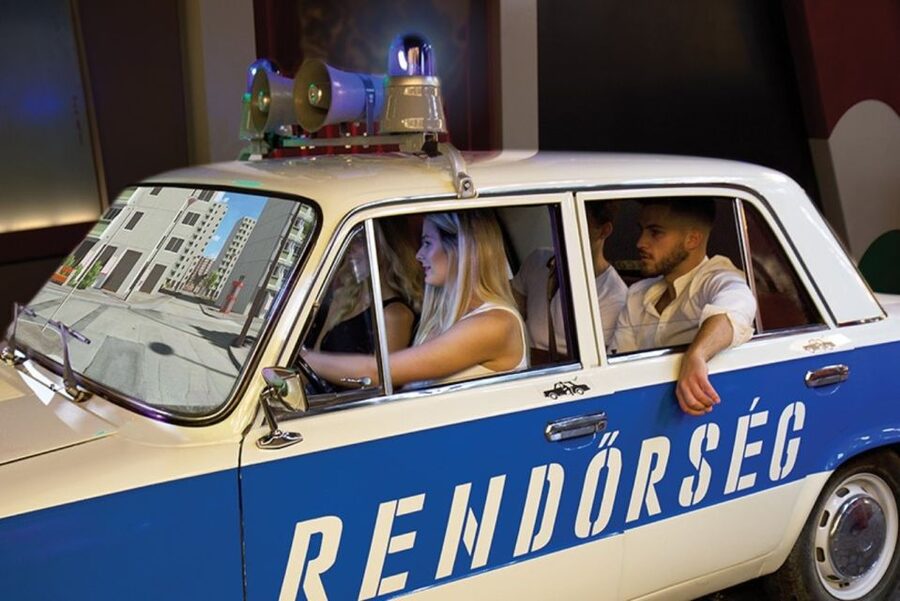
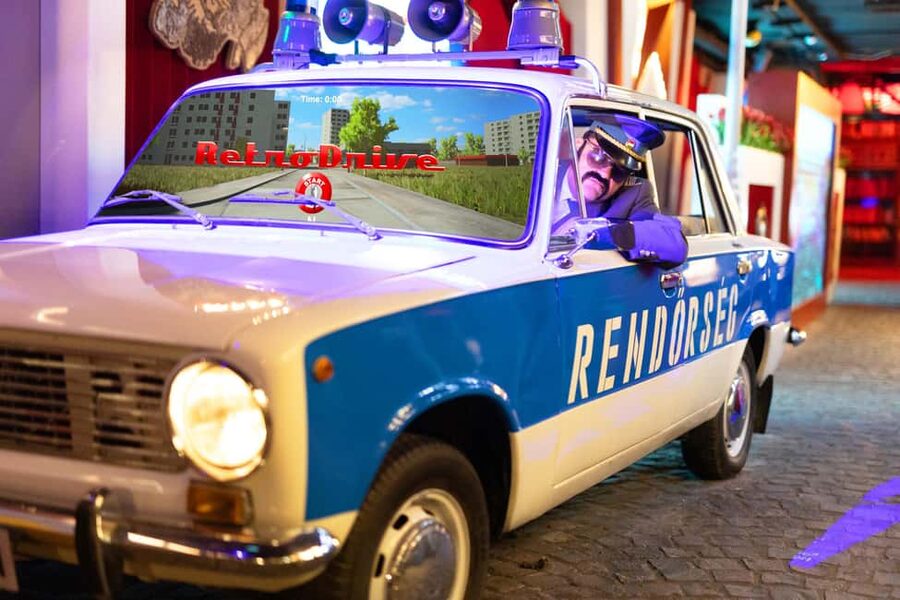
One of the most memorable parts is the Soviet-made Lada police car turned into a simulator. Instead of a static display, you get the chance to patrol a virtual version of Gazdagrét, an iconic Budapest housing estate known for its long rows of similar apartment blocks.
This is more than a fun gimmick. The simulator reinforces a big theme running through the museum: the built environment shaped daily life. When your surroundings look repetitive and system-driven, you feel how people experienced their city differently than today.
It also gives you an easy starting point. If your group includes kids, or people who usually skip “museum lecture” vibes, this is the place that converts them into participants. The museum doesn’t hide the past behind glass; it gives you a role in it.
The Vintage TV News Studio and Its Original Cameras
Next, the museum gives you a slice of media life. You can step into a period news studio equipped with two original, functioning TV cameras. The setup is meant to help you read communist-era news broadcasts from the time.
This room is valuable because it shows how information moved through daily life. TV wasn’t just entertainment here; it was a way to shape what people thought was normal, important, and true. You’re not only seeing equipment—you’re interacting with the content format.
It’s also a great choice if you don’t want only “objects and apartments.” This is about communication, too. And since the museum places this studio alongside other daily-life displays, you can connect the dots between what people watched and how they lived.
Soviet Cars, Motorcycles, and the Hardware of Daily Existence
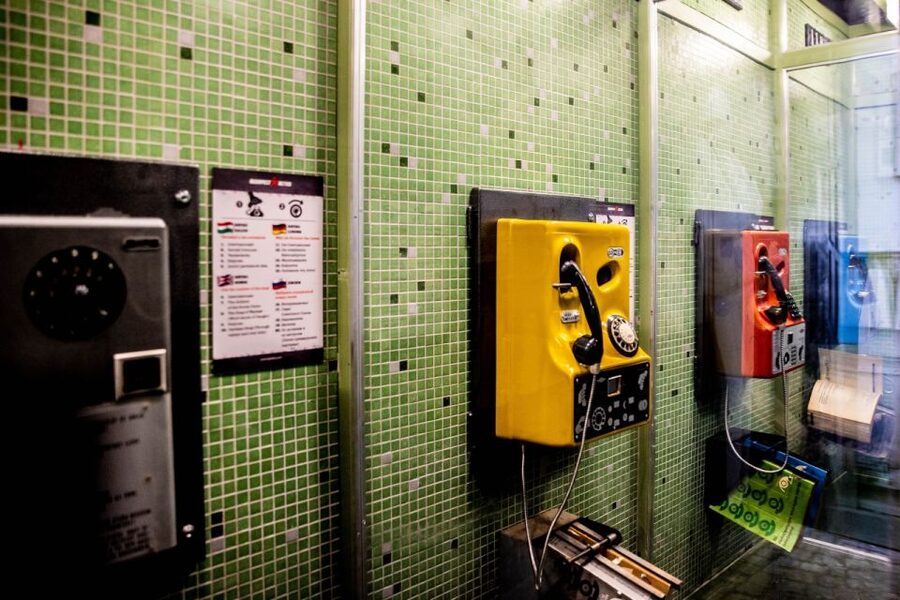
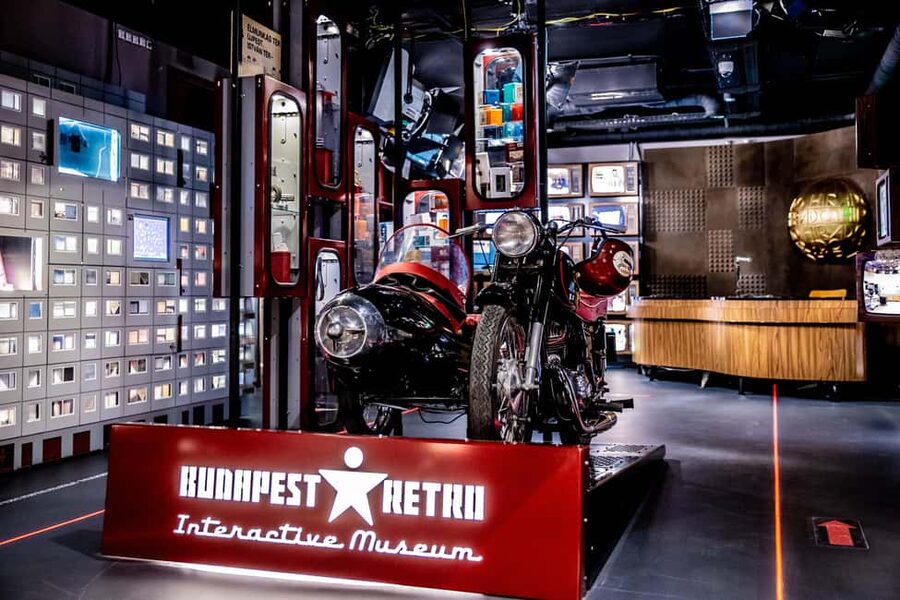
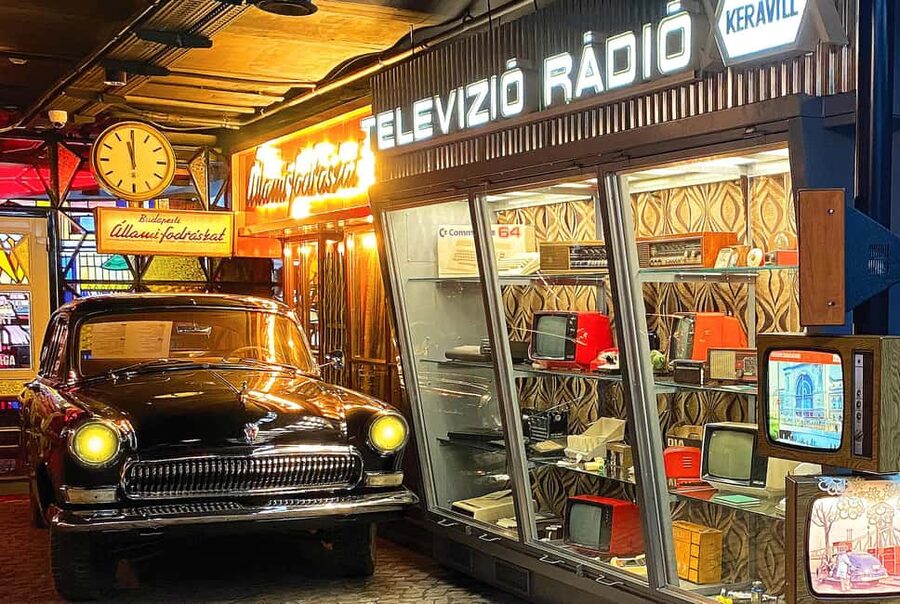
If you like transportation, don’t rush past this section. The museum includes nine motorcycles and three renovated vintage Soviet cars, including a distinctive black Volga. There’s a strong sense here that technology wasn’t abstract; it was what people relied on, repaired, and lived alongside.
Cars and motorcycles also make history feel tangible. When you see the shapes, the materials, and the scale of these vehicles, you get a better sense of the era’s design priorities. The museum ties this to the bigger idea of functionality first, which shows up again in the apartment exhibits.
One practical benefit: if your group has different interests, this is a natural meeting point. Car lovers get their moment, families have something visually engaging, and everyone else gets a calmer break before the next interactive station.
One card gets you through more of the doors

Inside a Typical Communist Apartment: Functionality First
A core exhibit is a typical apartment built to reflect everyday household life. The museum focuses on the design principle of functionality first, and it uses the repeated look of square apartment blocks to explain how housing was planned.
You’ll tour a space arranged with everyday items from the period, including furniture and the look of common household goods. It’s the kind of arrangement that helps you understand why people experienced their city as patterned and standardized. Even details like similar carpets and TV sets reinforce that idea.
The apartment section also includes an interactive mirror where you can try on vintage outfits. That’s not just for photos; it helps you see how appearance, clothing, and public identity worked together in everyday life. If you care about how culture shows up in small habits, you’ll appreciate this part.
School Life, Pioneer Scarves, and Propaganda Songs
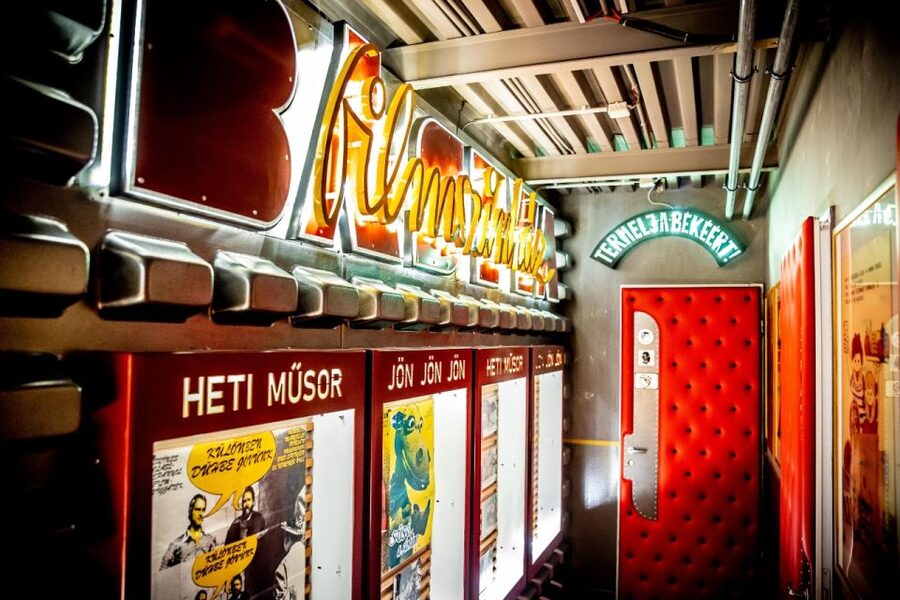
The museum doesn’t skip education. You’ll learn how schooling worked and what students wore, including distinctive red pioneer scarves. You’ll also encounter the role of propaganda songs, presented in a way that helps you understand what students were asked to repeat and remember.
What I like here is the balance. The exhibit doesn’t reduce school to drills alone. It also points to community activities and summer camps at Lake Balaton, which gives context for how young people spent time beyond the classroom.
This blend matters because it reflects reality: even under political pressure, life still had rhythm. By showing both structure and free-time activities, the museum makes the era feel readable rather than cartoonish.
If you’re visiting with kids, this is one of the best areas for them to ask questions. It’s not all politics; it’s also uniforms, songs, and what a normal day might have looked like.
Gazing Up at Space: Hungary and Salyut 6 in 1980
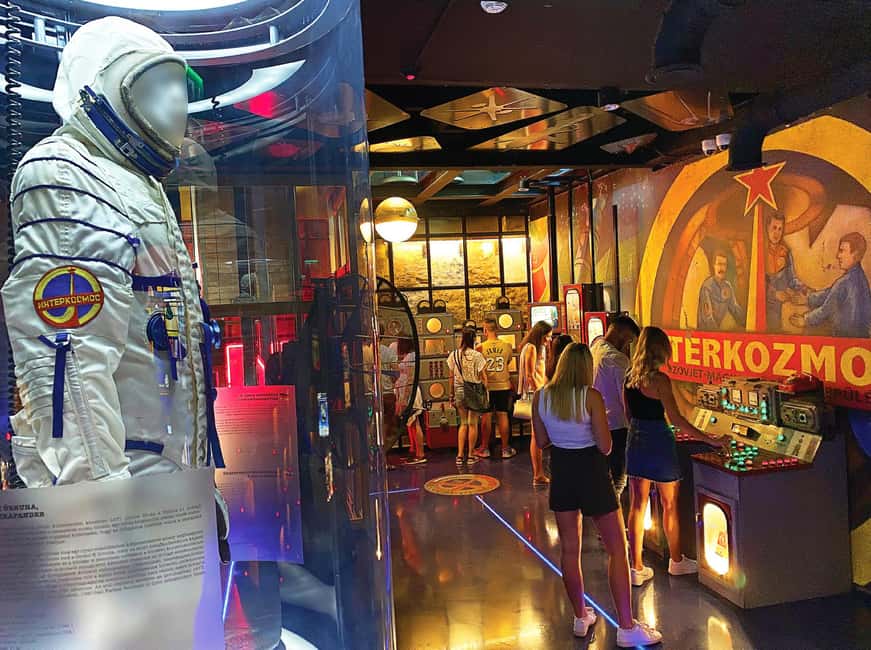
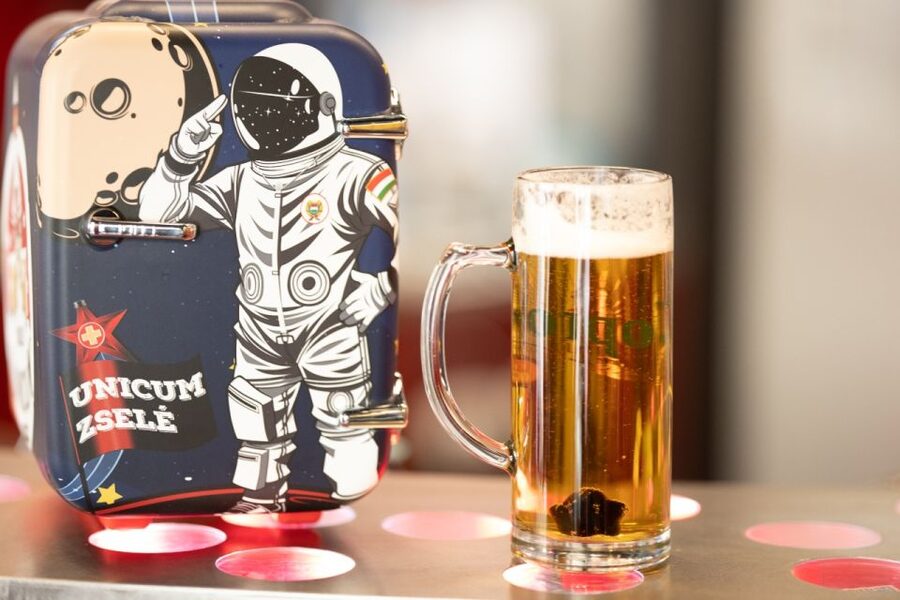
A standout room looks at Hungary’s space connection. In 1980, Hungary became the seventh nation to send an astronaut to space as part of a Soviet mission. The museum dedicates a room to that journey and includes a spacesuit.
Then it adds a detail that makes the story feel oddly personal: a Hungarian folk art-patterned canned goulash presented as a gift to the Salyut 6 space station crew. That’s such a specific, human touch that it cuts through the usual space-mission grandiosity.
This section is worth your attention if you want history that feels less like policy and more like culture traveling through systems. It also gives the museum variety. After apartments, schools, and TV studios, the space room resets your brain and adds surprise.
How Long You Really Need, and What Timing Helps
A good rule: plan on 1–2 hours. The museum is sized so you can do it quickly, but the hands-on stations and room-to-room detail reward slower pacing. If you try to rush, you’ll miss the interactive beats that give the exhibits their personality.
Price is $17 per person, and ticket prices can vary by day of the week. Skip-the-line admission is included, which helps a lot if you’re scheduling around meals or other stops. For the amount of interactive content—simulator, TV studio, mirror—this is reasonable value.
The main practical consideration is language coverage. Some exhibit info may not be in English, so I suggest you come with curiosity, and use translation if you want to read every label. If you have a group with mixed language comfort, it helps to identify the “can’t miss” rooms in advance.
Also consider that the museum can get busy, so if you’re sensitive to crowds, arrive earlier in your day and be ready for brief waits at interactive stations.
Where the Museum Fits in a Budapest Day
This is a smart add-on in Central Budapest because it’s not a half-day commitment. You can slot it between other activities without burning your entire afternoon. Think of it as a focused detour: history, but with plenty of physical interaction.
If you’re building your day around themes, this museum pairs nicely with time outdoors or a classic city stroll afterward. The museum gives you perspective on how people lived in dense housing blocks, then you can look at modern Budapest with more context.
If you’re visiting with kids, plan a route that includes the simulator and the mirror first, while everyone’s energy is high. Then move into quieter rooms like the apartment and school exhibits, and finish with the TV studio or space room based on what your group enjoys most.
Retro Bistro Stop: How to End the Visit Easy
After you’ve worked through the floors, there’s a retro bistro for coffee, drinks, and pastries, plus a jukebox vibe. Food or drink isn’t included in your ticket, but the café makes a clean wrap-up if you need a recharge.
It’s also a practical last step for families. Kids can rest while adults sift through the souvenir selection with less pressure to keep moving. The bistro adds a gentle continuity: even the end feels like part of the retro theme rather than a generic café stop.
If you’re sensitive to waiting, grab refreshments near the end rather than before you start. That way you’re not rushing your visit while also trying to keep everyone fed and hydrated.
Should You Book the Budapest Retro Interactive Museum?
Yes, if you want communist-era history that feels hands-on and understandable. This museum is best when you like interaction: the Lada simulator, the functioning TV studio setup, and the apartment experience do more than show—they help you feel the routines.
You should think twice if language coverage is a must for you. Some information may not be in English, and that can slow your enjoyment if you prefer reading everything on your own. You’ll also want to plan around hot days or crowded times, since the experience depends on comfortable movement through interactive rooms.
For most visitors, though, the value is strong: included skip-the-line entry, a solid 1–2 hour time window, and enough variety across three floors to keep adults and kids engaged. If you’re building a Budapest trip around real stories instead of just postcard views, this is a smart stop.
FAQ
How long does the Budapest Retro Interactive Museum visit take?
Plan for about 1–2 hours to fully experience the museum.
What’s the ticket price?
The price is $17 per person, and ticket prices can vary by day of the week.
Is skip-the-line admission included?
Yes. Skip-the-line admission is included with your ticket.
Where do I present my voucher?
Present your voucher at the Budapest Retro Interactive Museum desk.
Is food included with the ticket?
No. Food or drink is not included, but the museum has a retro bistro with coffee, drinks, and pastries.
What can I do in the Lada police car simulator?
You can patrol a virtual version of Gazdagrét using a simulator built from a Soviet-made Lada police car.
Is there a TV studio in the museum?
Yes. There’s a period news studio with two authentic, functioning TV cameras, where you can read communist-era news broadcasts.
What does the museum cover across its floors?
The museum covers everyday life during Hungary’s communist era in the 1970s and 80s, including themes like education, daily household life, and period media.
Is the museum wheelchair accessible?
Yes, the museum is wheelchair accessible.
Is free cancellation available?
Yes. You can cancel up to 24 hours in advance for a full refund.
What about paying later?
You can reserve now and pay later, so you can book your spot without paying today.
More Tour Reviews in Budapest






One Card, Every Door




Indoors Done Well: More Exhibits



Just Added: More Budapest Reviews
- Sightseeing flight over Budapest
★ 5.0 · 3 reviews - Budapest: Walking Tour with Chimney Cake & Polaroid Photos
★ 5.0 · 3 reviews - Self Guided Tour In Budapest With 100 Captivating Audio Stories
★ 5.0 · 3 reviews - Budapest Art Nouveau Walking Tour
★ 5.0 · 3 reviews - Hungary today: a no-taboo conversation
★ 5.0 · 3 reviews
Museums & Immersive Exhibits, compared.
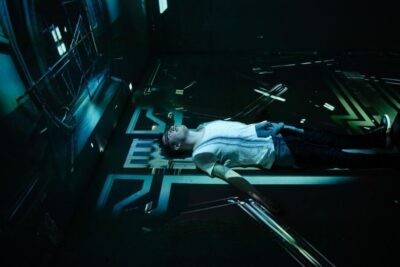 ★ 4.3Cinema Mystica Entry TicketFrom $213,103 reviews
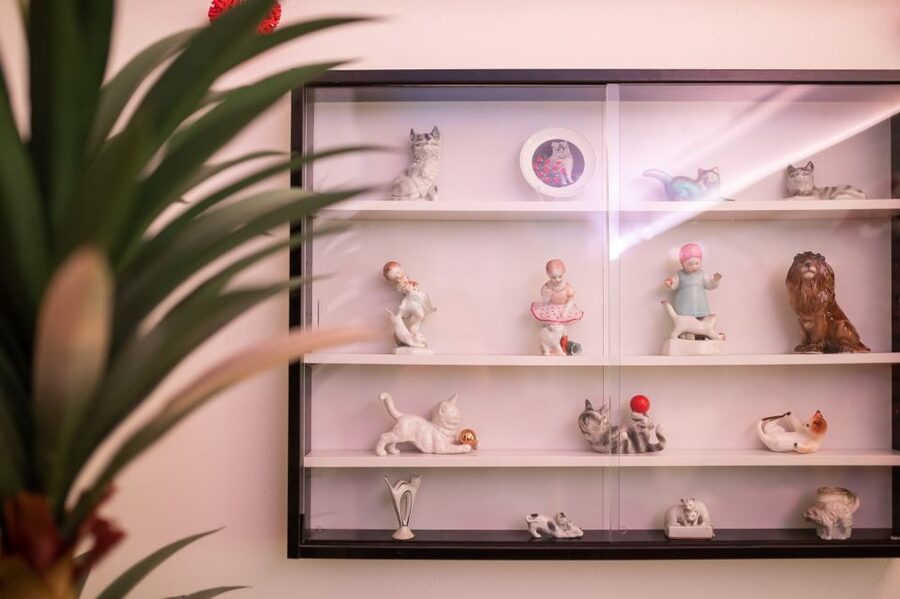 ★ 4.4Cat Museum Budapest Entry TicketFrom $142,210 reviews
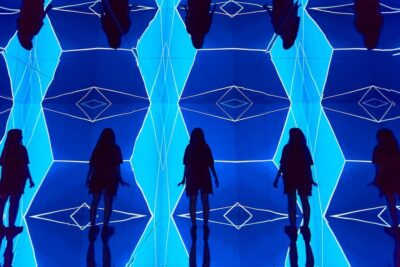 ★ 3.9Light Art Museum Skip-the-Line Entry TicketFrom $211,531 reviews
 ★ 4.7Madame Tussauds Ticket + POP&ROLL AccessFrom $341,525 reviews
 ★ 4.0Ikono Budapest Entry TicketFrom $18924 reviews
 ★ 4.5IKONO Budapest – Immersive ExperienceFrom $18626 reviews
Van Gogh Immersive Exhibition TicketFrom $18399 reviews
★ 4.5IKONO Budapest – Immersive ExperienceFrom $18626 reviews
Van Gogh Immersive Exhibition TicketFrom $18399 reviews
 ★ 4.4Lumina Light Park Wonderworld Entry TicketFrom $21251 reviews
Browse the lists this tour appears in