
Reviewed · MUSEUMS & IMMERSIVE EXHIBITS
Budapest: Mika Tivadar Secret Museum Entry Ticket
Budapest’s Kazinczy Street hides a history shortcut. This small museum packs late-1800s hotel life, interwar nightlife, and even big-name cultural shocks into a tight walk. I like that it tells the story of its building and the surrounding streets, and I like the hands-on feel of voiceovers on your phone while you explore at your own pace.
One thing to consider: it’s not suitable for wheelchair users, so plan your route accordingly.
In This Review
- Key things I’d plan around
- Entering Hotel Mika’s Secret-Museum world
- The setting: 140 sqm, and somehow that’s the point
- What you’ll walk through, chapter by chapter
- The building and the street: history beyond one doorway
- Big historical names you won’t expect to see in a tiny museum
- Nightlife and entertainment: cabaret, Blue Cat, and a film-starting moment
- The Budapest Ghetto, the brothel story, and wartime scenes
- A cocktail bar on-site: why it changes the visit
- The pace: 30 minutes on paper, more in reality
- Price and value: why $5 makes sense here
- Who should book this ticket?
- Should you book this secret museum entry?
- FAQ
- How long does the Budapest Mika Tivadar Secret Museum experience take?
- Where is the meeting point?
- Do I need a guided tour to visit?
- Do I need an app to use the audio?
- What languages are available?
- Is there Wi-Fi on site for the audio?
- What should I bring with me?
- Is it wheelchair accessible?
- Is the ticket worth it if I only have a short time in Budapest?
Key things I’d plan around
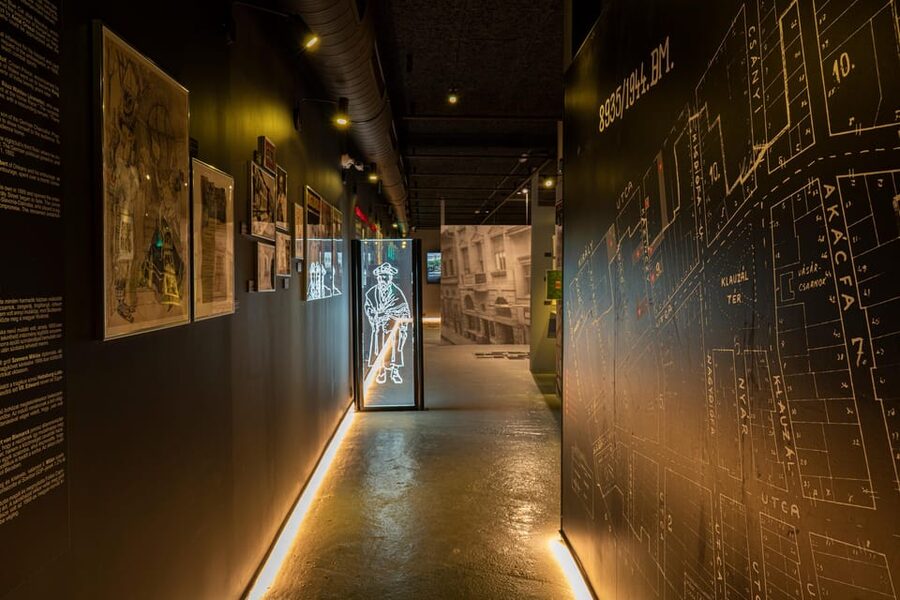
- Kazinczy Street focus: you’re not just touring rooms; you’re getting a map of a whole district’s past.
- First Hungarian hotel museum: the setting matters, because the building’s story is part of the show.
- 8 languages with free audio: you’ll follow chapter by chapter on your own mobile device.
- On-site cocktail bar and restaurant: you can slow down with a drink without leaving the experience.
- Unexpected connections: from Blue Cat cabaret lore to surprising pop-culture threads.
Out of the weather, more halls and screens
- Budapest: Cinema Mystica Entry Ticket★ 4.3 · 3,103 reviews
- Budapest: Cat Museum Budapest Entry Ticket★ 4.4 · 2,210 reviews
- Budapest: Light Art Museum Skip-the-Line Entry Ticket★ 3.9 · 1,531 reviews
- Budapest: Madame Tussauds Ticket + POP&ROLL Access★ 4.7 · 1,525 reviews
Entering Hotel Mika’s Secret-Museum world
You start at Hotel Mika Downtown Reception. From there, you’re greeted and given a printed flyer, plus a quick orientation on what you’ll find inside. No formal guide herds you along, which I actually like here. It keeps the pace human, and it means you can spend extra time where a chapter grabs you.
A big part of this place is also practical: the audio experience runs on your charged smartphone. All audioguides are accessible on your phone, and Wi-Fi is free, so you’re not stuck hunting for data. In other words, you don’t need to be a tech wizard, but you do need a phone with enough battery to do the job.
The museum is listed as taking about 30 minutes, but this isn’t the kind of ticket where you’re forced to sprint. You can move at your own speed as you listen to each chapter. In a small space like this, slowing down is usually worth it.
The setting: 140 sqm, and somehow that’s the point
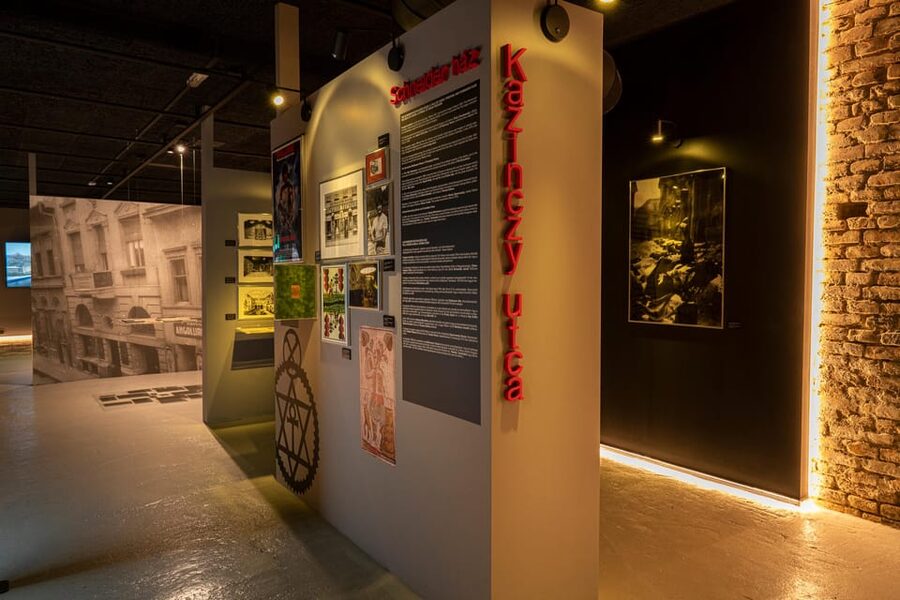
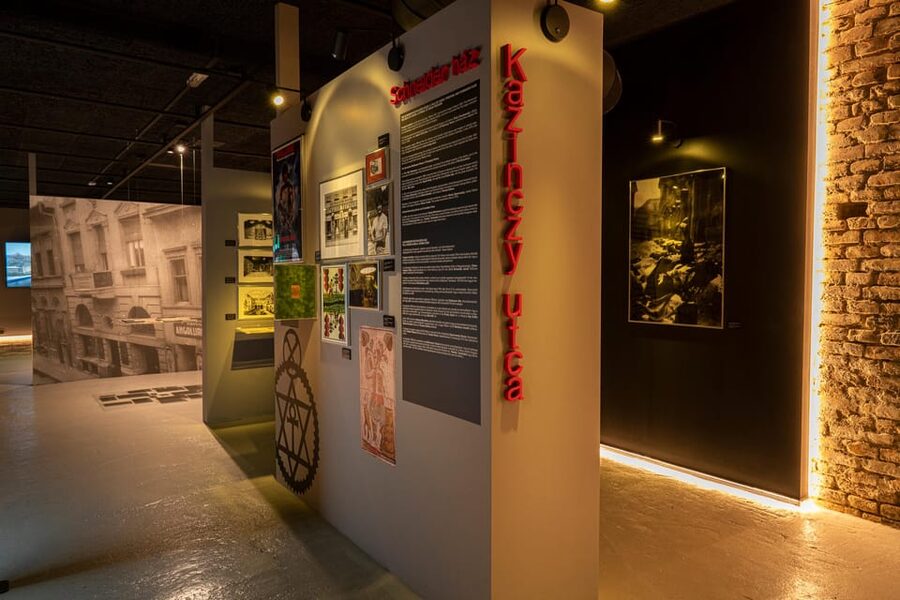
This is a 140 sqm specialty museum, so yes, it’s compact. But compact is not the same as skimpy. Here, the storytelling is built for a short visit: you get enough context to understand why Kazinczy Street matters, without feeling like you need to clear an entire day.
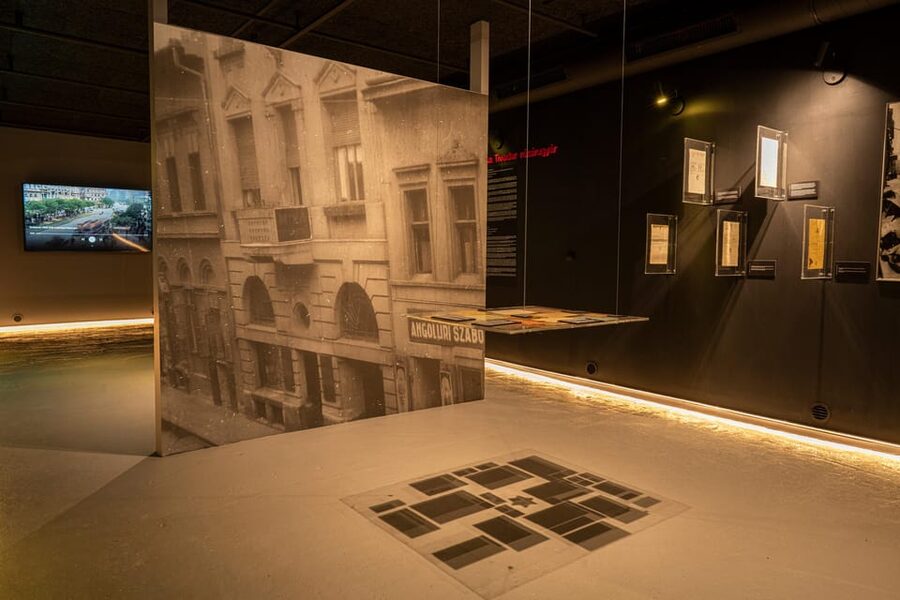
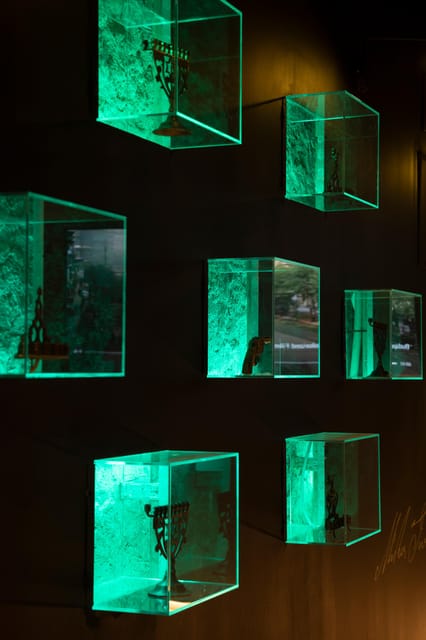
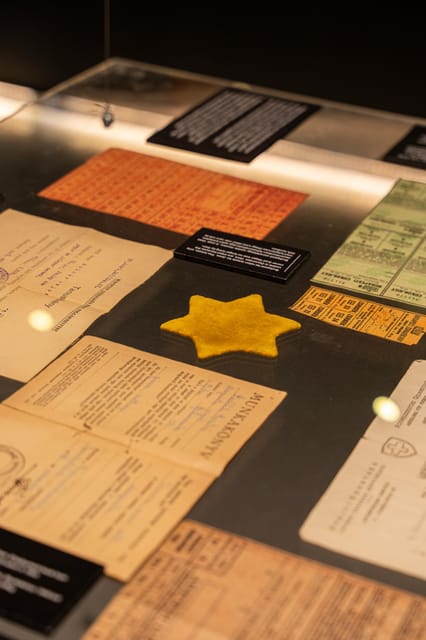
The museum’s “time-travel” approach uses authentic installations, photographs, and written narratives. Translation: you’re not just reading facts on a wall. You’re seeing scenes that help you picture how the area looked and felt across a range of eras.
The time period runs from the late 19th century through the years between the two world wars. That range is a sweet spot for Budapest visitors. It’s close enough to feel modern, but old enough that the city’s personality is still forming—especially in district 7’s party-and-street-life DNA.
What you’ll walk through, chapter by chapter
You won’t get a live tour, so the structure is built around chapters you listen to on your mobile. Each chapter corresponds to a part of the story, and the audio includes voiceovers and voice effects, which matters in a small museum. It helps your brain stay in the right mood while you’re reading and looking around.
As you move through the space, the museum emphasizes how the area’s history connects to larger European forces. That’s not abstract. You’ll see how Hungarian life intersects with big-power politics and shifting identities across the continent.
The museum also highlights ethnic communities in Hungary. It’s designed so international visitors can find points of connection, not just Hungarians reading about Hungarians. That focus is a big reason the museum plays well for first-time visitors who want more than postcard Budapest.
The building and the street: history beyond one doorway
One reason I recommend this ticket is that it doesn’t treat Kazinczy Street like a static backdrop. It actively brings the neighboring buildings into the story. The museum’s own house is the anchor, but the experience keeps widening so you understand the district as a layered place.
That matters because Budapest’s “party district” reputation can flatten your understanding. You see the street now—bars, lights, tourists—and it’s easy to assume it’s always been that way. Here, you learn that the district’s identity has multiple lives: hospitality, nightlife, entertainment venues, and the political shocks of the early 1900s.
One card gets you through more of the doors

Big historical names you won’t expect to see in a tiny museum
This museum is good at dropping recognizable figures into surprising contexts. The audio and displays connect the space to legendary guests, including King Edward VII of the United Kingdom, Otto von Bismarck, and Milan I of Serbia.
The point isn’t celebrity worship. It’s scale. When you realize major European figures were part of the story around this street, you start to see why district 7 matters historically, not just socially.
And then the museum goes one step weirder, which I mean as a compliment. You’ll encounter surprising connections involving famous modern names—specifically a link between Sylvester Stallone and Arnold Schwarzenegger connected to a tiny house on Kazinczy Street. It’s the kind of detail that makes people lean closer and pay attention, because your brain suddenly thinks: wait, how does that connect?
Nightlife and entertainment: cabaret, Blue Cat, and a film-starting moment
The museum doesn’t just mention entertainment; it places you inside the legacy of it. The Blue Cat cabaret once operated here. That’s perfect if you like the idea that Budapest has always been a city of performers, not only a city of thermal baths.
It also covers an important film footprint: Hungary’s first cinema opened on this very spot, and director Michael Curtiz—later famous for Casablanca—began his film career here. That’s one of those facts that makes you feel like you’re standing in a small room with a big branching timeline.
If you’re a movies person, you’ll probably pause more than once just to connect the dots: small early-career beginnings in a street that became globally known later.
The Budapest Ghetto, the brothel story, and wartime scenes
Some museum experiences keep history polite and distant. This one doesn’t. The story touches subjects tied to World War II and the area’s darker chapters, including the Budapest Ghetto and the area’s reputation for sex work, often described through the lens of Europe’s most famous brothel.
There’s also a focus on the property’s look and use during wartime. You’re not shown history as a “clean” timeline. You’re shown history as lived space—rooms, buildings, and the ways people survived, hustled, and endured.
That can be emotionally heavy, but it’s also part of what makes the experience meaningful. If you prefer your Budapest history light and scenic only, you may find some sections intense.
A cocktail bar on-site: why it changes the visit
This museum isn’t just a museum. It has an on-site cocktail bar and restaurant in the same environment. That’s a practical win if your schedule is tight, because you can keep the vibe going without walking away.
It also changes how you experience the place. A 30-minute audio walk can feel quick, but it helps to have a real human break afterward. If you want a slow finish, you can read your flyer again, replay a chapter on your phone, and then settle in for a drink.
One detail I found useful: some of the space historically is described as a copper shop that later became part of the area’s hospitality story. In a place like this, those transformations are part of the message. The district shifts roles over time, and the building keeps absorbing new eras.
The pace: 30 minutes on paper, more in reality
Duration is listed at 30 minutes, and that’s realistic if you follow the audio track straight through. In practice, the experience can run longer because the museum is compact and easy to re-read or replay if something hooks you.
Audio is chapter-based, so you control the tempo. Want to speed up? You can. Want to stop and focus on one photo or one written narrative? You can do that too, and you still won’t feel like you’re holding up a group because there’s no live guide timer.
The language support is a major plus: audio is available in 8 languages, and the setup uses mobile access. You might also find it uses QR code scanning for the audio, which makes it feel smooth and modern for an old building.
Price and value: why $5 makes sense here
At $5 per person, this ticket is one of those value moves that feels more like a smart add-on than a standalone “tour.” Because there’s no guided overhead and because the museum uses your mobile audio, you get a lot of content for a low cost.
You’re paying for:
- A compact but information-dense museum space (140 sqm)
- 8-language audio on your phone
- Voice effects that guide your attention
- A setting tied directly to Kazinczy Street’s story
- The option to stay in the same complex for a drink or meal
If you’ve got limited time in Budapest, $5 is the kind of price that lets you take a “try it and see” bet. And if you’re the type who likes understanding a neighborhood, it’s especially cost-effective.
If your plans change, the ticket offers free cancellation up to 24 hours in advance, and you can reserve and pay later, which is handy during the chaos of trip planning.
Who should book this ticket?
I think this is a strong fit for three kinds of travelers:
First-time Budapest visitors who want more than the obvious sights. You’ll learn how district 7’s entertainment identity connects to earlier hotel culture and broader European events.
History-lovers who hate slow museums. The space is small, the audio keeps you moving, and the chapters feel built for short attention spans without feeling shallow.
People who want context for the party district. If you’ll be out on Kazinczy Street anyway, this gives you a backstory that makes the nightlife setting more meaningful.
I’d be a little cautious if you need step-free access or rely on wheelchairs, because it’s listed as not suitable for wheelchair users.
Should you book this secret museum entry?
Yes, if you want a fast, high-impact way to understand Kazinczy Street beyond today’s scene. For $5, you get a structured audio tour in 8 languages, set in a physically small space where stopping to read doesn’t feel like you’re wasting time.
Book it especially if you like oddball, memorable details—cabaret lore, early film history with Michael Curtiz, and those surprise links that connect the street to bigger stories. Skip it only if you strongly dislike heavier wartime topics or if mobile audio isn’t your thing.
If you’re deciding between this and another “big attraction,” think of this as the neighborhood story you can finish while other sights are still spinning around you.
FAQ
How long does the Budapest Mika Tivadar Secret Museum experience take?
It’s listed as about 30 minutes. That’s a good planning number for following the audio chapters through the museum.
Where is the meeting point?
You meet at Hotel Mika Downtown Reception.
Do I need a guided tour to visit?
No. No museum guide or tour guide is included. Staff greet you, share a printed flyer, and give brief instructions. You listen to the audio chapters on your phone.
Do I need an app to use the audio?
The audioguides are accessible on your mobile device. The museum also notes that Wi-Fi is free, so you can use your phone to access the audio.
What languages are available?
Audio is available in 8 languages.
Is there Wi-Fi on site for the audio?
Yes. Wi-Fi is free.
What should I bring with me?
Bring a charged smartphone.
Is it wheelchair accessible?
It is not suitable for wheelchair users.
Is the ticket worth it if I only have a short time in Budapest?
At about $5 and roughly 30 minutes, it’s a good short add-on if you want neighborhood context for district 7 and a story-driven visit using audio on your phone.
More Tour Reviews in Budapest






One Card, Every Door




Indoors Done Well: More Exhibits



Just Added: More Budapest Reviews
- Sightseeing flight over Budapest
★ 5.0 · 3 reviews - Budapest: Walking Tour with Chimney Cake & Polaroid Photos
★ 5.0 · 3 reviews - Self Guided Tour In Budapest With 100 Captivating Audio Stories
★ 5.0 · 3 reviews - Budapest Art Nouveau Walking Tour
★ 5.0 · 3 reviews - Hungary today: a no-taboo conversation
★ 5.0 · 3 reviews
Museums & Immersive Exhibits, compared.
 ★ 4.3Cinema Mystica Entry TicketFrom $213,103 reviews
 ★ 4.4Cat Museum Budapest Entry TicketFrom $142,210 reviews
 ★ 3.9Light Art Museum Skip-the-Line Entry TicketFrom $211,531 reviews
 ★ 4.7Madame Tussauds Ticket + POP&ROLL AccessFrom $341,525 reviews
 ★ 4.0Ikono Budapest Entry TicketFrom $18924 reviews
 ★ 4.5IKONO Budapest – Immersive ExperienceFrom $18626 reviews
 ★ 4.4Budapest Retro Interactive Museum TicketFrom $17569 reviews
Van Gogh Immersive Exhibition TicketFrom $18399 reviews
★ 4.4Budapest Retro Interactive Museum TicketFrom $17569 reviews
Van Gogh Immersive Exhibition TicketFrom $18399 reviews
Browse the lists this tour appears in