
Reviewed · BUDAPEST WALKING TOURS
Budapest : Highlights & Hidden Gems Walking Tour
Three hours, and Budapest clicks. This private, customizable walking tour is built to help you connect the big sights with the real stories behind them, led by a local guide who keeps the pace practical. I especially like the way it’s set up so you can steer it toward what you care about, and the fact that your time stays just for your group.
The only catch is simple: it’s still a 3-hour walking experience with a mix of streets and steps, so good footwear matters more than you think. If you’re visiting in bad weather or you tire easily, plan to move slowly and let your guide adjust the flow.
You’ll start near Immaculata kegyoszlop at Szervita tér and work your way through Parliament, Chain Bridge, Buda Castle, Matthias Church, St. Stephen’s Basilica, Fisherman’s Bastion, Liberty Square, Andrassy Avenue, and the Shoes on the Danube Bank memorial. And between the stops, you’ll get solid, no-fluff advice for what to do next in Budapest.
In This Review
- Key things I’d lock in before you go
- How this 3-hour Budapest route gives you momentum
- Meeting at Immaculata kegyoszlop (Szervita tér) and starting in the right place
- Hungarian Parliament Building: Gothic Revival symbolism, explained simply
- Crossing Chain Bridge for those skyline views that actually mean something
- Buda Castle complex: royal past, tight streets, and a sense of place
- Matthias Church: Roman Catholic artistry at the heart of the Castle District
- St. Stephen’s Basilica: naming, dedication, and what to notice
- Fisherman’s Bastion: panoramic views with historical flavor
- Liberty Square: business and residential mix, not just a big-name sight
- Andrassy Avenue: Neo-Renaissance grand facades you can read at street level
- Shoes on the Danube Bank memorial: a quiet moment with heavy meaning
- Customization and private guide time: where the value really is
- Price reality check: $35 for 3 hours, and what you’re actually buying
- Getting the most out of your guide: practical moves for better photos and better decisions
- Weather and stamina: the one thing you should plan for
- Should you book this Budapest highlight walk?
- FAQ
- Where does the tour start?
- How long is the tour?
- Is the tour private?
- What languages are offered?
- Does the tour include transportation?
- Are meals or drinks included?
- Is the tour wheelchair accessible?
Key things I’d lock in before you go
- Private, exclusive group: you won’t be sharing your guide time with strangers.
- Customization is real: your guide can adjust what you focus on during the route.
- A tight loop of must-sees: Parliament, Castle District highlights, Basilica, Bastion, and the Danube memorial in one go.
- Public transport included: the tour includes walking plus transit (unless you select an option that changes this).
- Guides who get you photos and questions answered: several guides are praised for going the extra mile and responding to questions clearly.
Budapest at street level, more routes on foot
- Big Bus Budapest Hop-On Hop-Off Bus and Walking Tour★ 3.5 · 2,206 reviews
- Budapest: Buda Castle District Walking Tour★ 4.6 · 2,108 reviews
- 3-Hour Orientation Walking Tour of Buda and Pest★ 4.8 · 1,834 reviews
- Budapest Historical Sightseeing – Free Walking Tour★ 5.0 · 1,302 reviews
How this 3-hour Budapest route gives you momentum
Budapest is the kind of city where it helps to understand the “why” behind each view. This tour does that quickly, without making you sit through lectures. In 3 hours, you get a visual map of the city: political power on the Pest side, royal buildings on the Buda side, then the long arc of history that shows up again and again along the Danube.
The time matters. If it’s your first day, you usually spend hours figuring out where everything is. Here, your guide strings together the places you’d otherwise have to research and schedule separately. That’s where the value lives: you’re paying to save decision fatigue.
Meeting at Immaculata kegyoszlop (Szervita tér) and starting in the right place
You meet your guide in front of Immaculata kegyoszlop, at Szervita tér. That’s a useful start point because it puts you close enough to begin moving toward the Parliament area without wasting early time.
I like tours that start with a moment of orientation, not just a headlong sprint. Here, you get that right away: your guide sets expectations and helps you understand what you’re about to see, so the first stop doesn’t feel like a random monument to check off.
Hungarian Parliament Building: Gothic Revival symbolism, explained simply
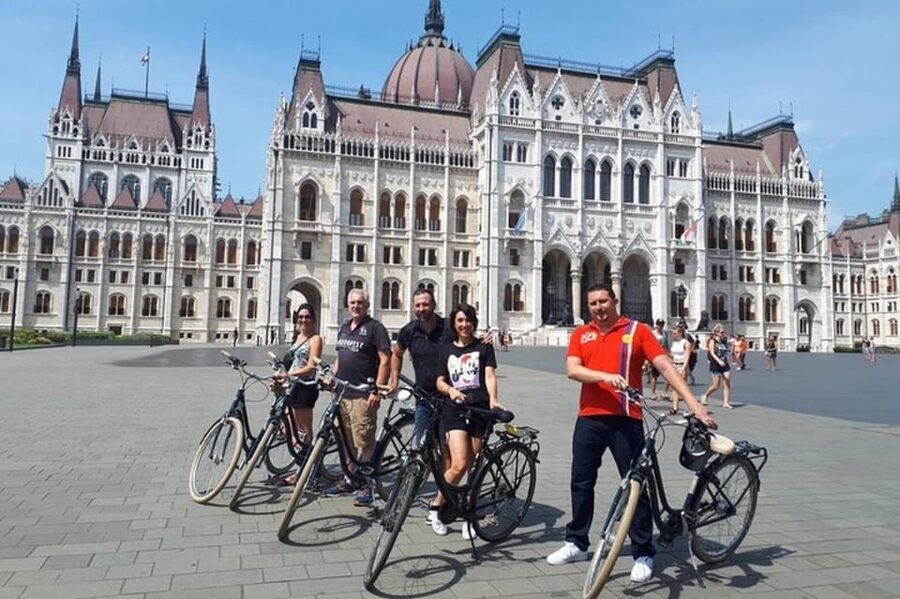
Your route kicks off at the Hungarian Parliament Building, with a guided look at the building and what it represents. It’s described as Gothic Revival in style and a symbol of Hungary’s history. The practical advantage here is timing: if you’re standing in the right context, that architecture starts to make sense instead of just looking impressive.
What you’ll want to do is pay attention to how your guide links the building to the wider story of Hungary. Even if you don’t go deep into politics, you’ll walk away with a clearer mental picture of what this place means in the Hungarian story.
Crossing Chain Bridge for those skyline views that actually mean something

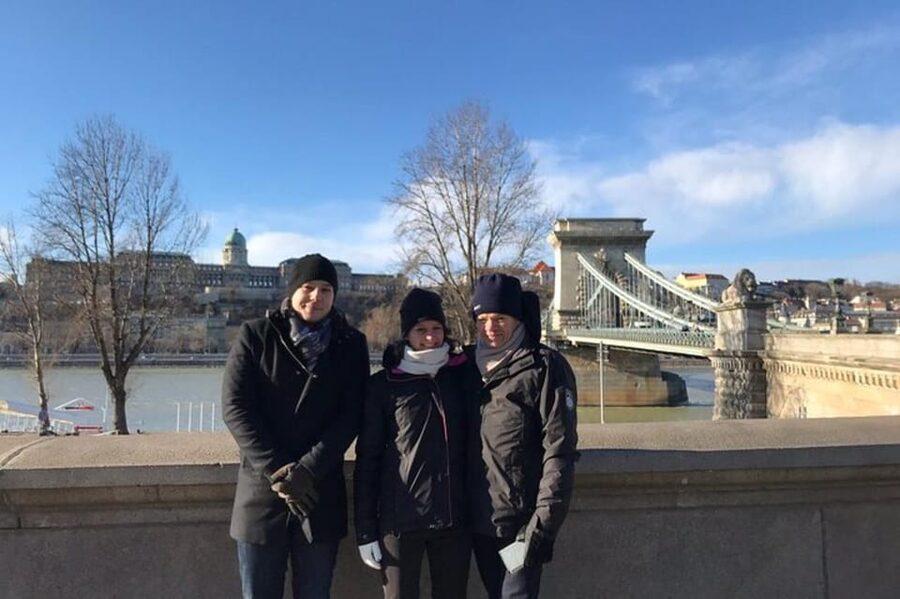
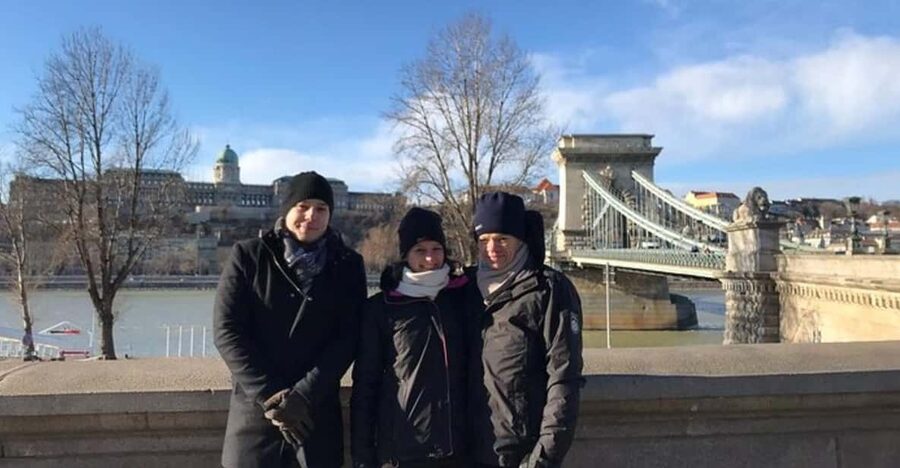
Next comes the Chain Bridge, the classic link between Buda and Pest. You don’t just cross it for photos. Your guide uses it as a viewpoint moment and a transition point, so you can connect what you saw at Parliament with where the city is heading next.
This is one of those stops where your attitude changes everything. If you treat it like a postcard, you’ll get the view and move on. If you let your guide frame what you’re seeing, the bridge feels like part of the city’s structure, not just background scenery.
More Budapest on foot
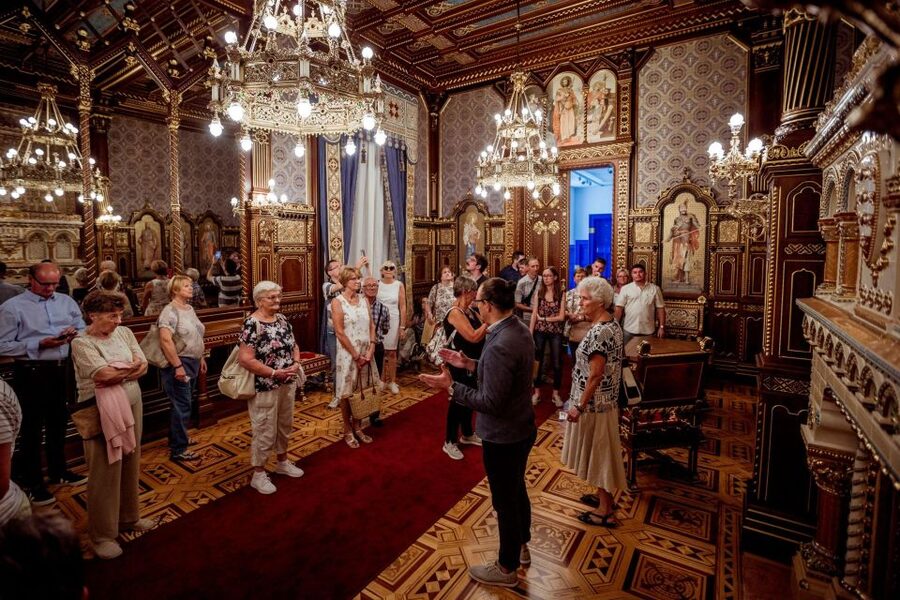
Buda Castle complex: royal past, tight streets, and a sense of place

Then you head into the Buda Castle area. The tour includes a guided look at the palace complex, described as offering a glimpse into Hungary’s royal past. This is where Budapest shifts from broad grand streets to tighter, older-feeling surroundings.
What I like about including the Castle District highlights is that it prevents the classic mistake: wandering around up there without a plan. You get the key anchor stops so your eyes know what they’re looking at and your time doesn’t evaporate.
If you want the day to feel organized, this is the section that makes it work.
Matthias Church: Roman Catholic artistry at the heart of the Castle District

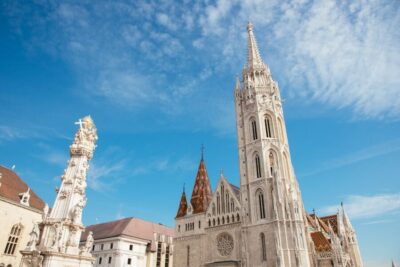
From the Castle complex, you go to Matthias Church, a Roman Catholic church in the heart of the district. The big win here is focus. Without a guide, you might notice the church and keep moving. With one, you understand why it’s important and how it fits into the Castle District’s overall role in the city.
This stop is also a useful pause. Churches naturally slow you down. If you’ve been outside in cold or wind, you’ll appreciate getting off the main walking rhythm for a bit, even briefly.
St. Stephen’s Basilica: naming, dedication, and what to notice
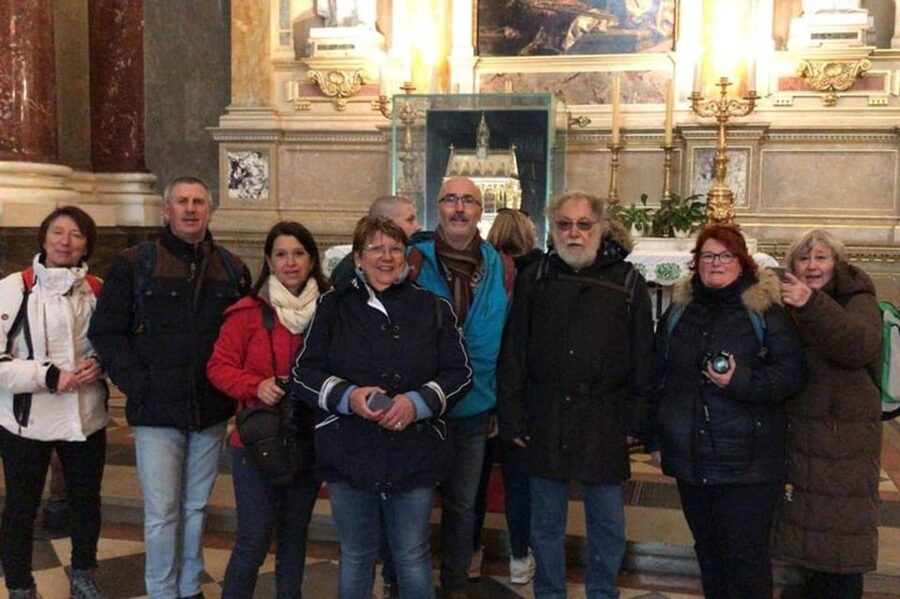
St. Stephen’s Basilica comes next. The guide’s job is to help you see the basilica as more than a landmark name. It’s dedicated to Hungary’s first king, which gives you a clear entry point for the visit.
This is another one where you can get a lot out of a short time if you know what to look for. If your guide answers questions and points out key details, the stop turns into a quick history lesson you can actually remember.
Fisherman’s Bastion: panoramic views with historical flavor
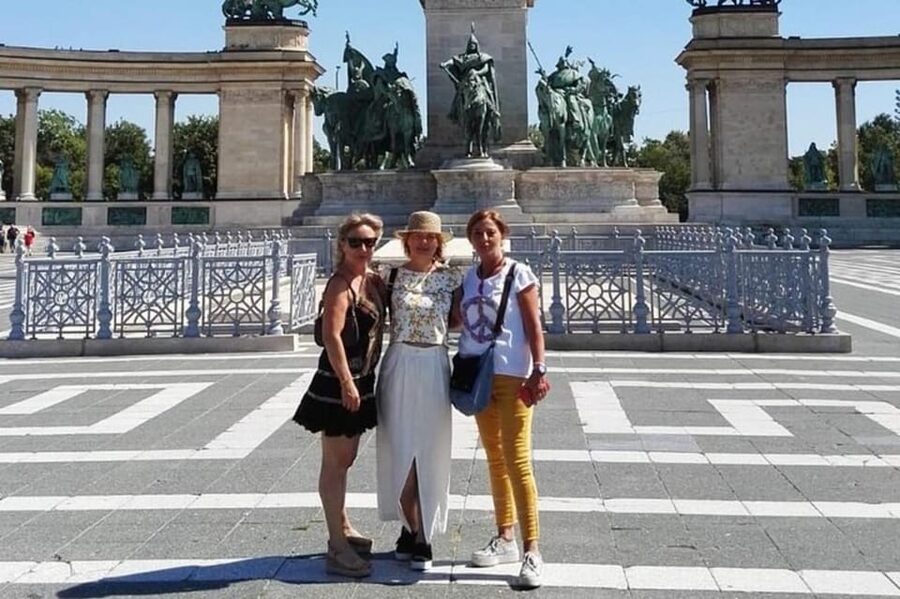
Fisherman’s Bastion is a neo-Romanesque monument, and the big payoff is the panoramic view of Budapest. The tour frames it as both a visual and a historical stop, so it’s not just about standing at the perfect angle.
If you care about photos, this is your moment. If you care more about understanding, your guide should help you connect the viewpoint back to the story of how Pest and Buda developed side by side.
Liberty Square: business and residential mix, not just a big-name sight
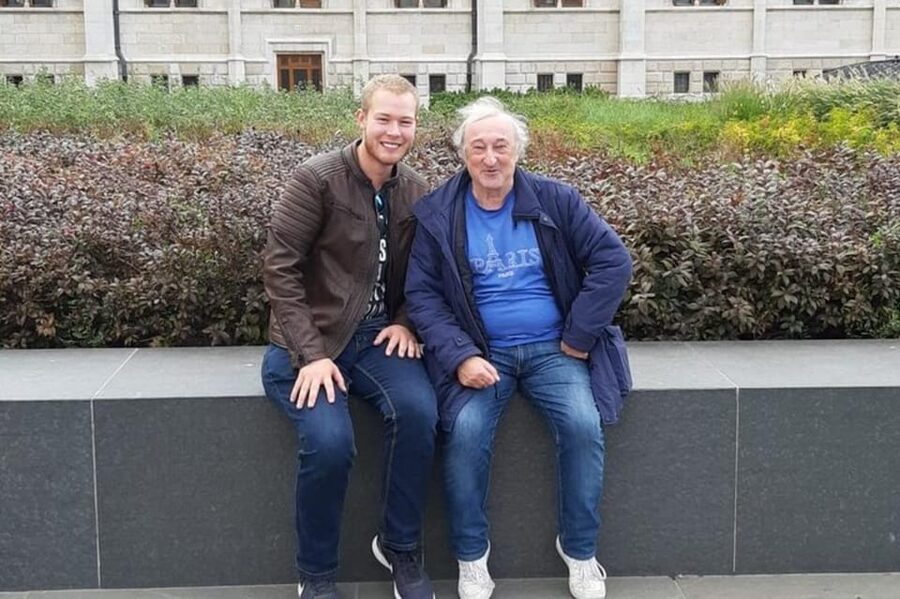
You’ll also visit Liberty Square, described as having a mix of business and residential buildings. That detail matters. It’s a reminder that Budapest isn’t only museums and castles. Even near major monuments, daily life is part of the city’s texture.
This is the kind of stop that helps you travel smarter after the tour. Once you see how neighborhoods feel in motion, it’s easier to pick where to eat, where to walk next, and where you’ll actually enjoy spending time.
Andrassy Avenue: Neo-Renaissance grand facades you can read at street level
Andrassy Avenue is included with its Neo-Renaissance mansions and townhouses lining the boulevard. I love this part because it’s architectural reading without needing a textbook. You get a street-level understanding of style and scale, and your guide can point out what makes the area feel distinct.
It also works as a “reset” after Castle District viewpoints. You return from the heights to the long, straight lines of a boulevard, and your brain gets a different kind of stimulation.
Shoes on the Danube Bank memorial: a quiet moment with heavy meaning
The final stop is the Shoes on the Danube Bank memorial. It’s described as a poignant tribute to those who lost their lives during Arrow Cross rule. This isn’t a light, fun photo-op. It’s a place for reflection, and a guide’s respectful framing matters.
In tours like this, the danger is making a memorial feel like a quick checkbox. Done well, it becomes a turning point where you understand that the city’s beauty and its suffering history belong together. If your guide keeps the tone respectful and offers context, you’ll leave with a more honest sense of Budapest.
Customization and private guide time: where the value really is
This is not a group cattle-car tour. It’s a private and exclusive experience, with no one else in your group. That changes everything about what you can ask and how fast you move.
Your guide can customize the tour. In plain terms, that means if you’re more interested in architecture, history context, or practical recommendations for what to do next, you can steer your guide there. Even within a 3-hour window, customization keeps the day from feeling like you’re rushing through stops that don’t connect to your interests.
Guides are also praised for extra effort and clear explanation. Some names that show up in strong feedback include Ferenc Vass (praised for Italian language skills, going the extra mile, and being helpful with photos), Benjamin (praised for lots of information and answering questions), Alix (praised for taking time with history and giving tailored recommendations), and Anikó Dömötör (praised for clarity and precision). You may not get these exact guides, but the consistent theme is strong: people with the right communication style tend to do well here.
Price reality check: $35 for 3 hours, and what you’re actually buying
At about $35 per person for a 3-hour walking tour, the price can look low compared to how expensive guided experiences can be in Europe. Here’s how I’d think about value.
You’re paying for:
- A focused route that strings together many top sights in one session
- A guide who can answer questions and offer advice beyond the itinerary
- Help booking tickets for desired visits (when needed)
- A mix of walking plus public transport (unless an option changes this)
If you were to plan and coordinate all of these stops yourself, you’d lose time—and time is money in a city where everything is spread across Pest and Buda. Also, ticket-booking help can save stress, especially if you’re trying to line up must-sees quickly.
So the money isn’t only for walking next to someone. It’s for reducing planning friction while you get context you’d struggle to piece together alone.
Getting the most out of your guide: practical moves for better photos and better decisions
A good guide does two jobs: explains what you see, and helps you decide what to do next. This tour is designed to do both. Before you set off, tell your guide what you care about most: views, architecture, religion, memorials and history, or just practical city tips.
If you want better photos, ask for photo spots at the right times. Some guides are noted for taking the time to help with photography and even getting you extra time where it counts.
And keep your expectations realistic. In three hours, you’re not going to become a Budapest expert. You are going to become oriented. That orientation is what pays off later when you wander on your own and realize you’re not guessing.
Weather and stamina: the one thing you should plan for
Because it’s mostly walking for a few hours, weather and comfort matter. This is especially true if you’re visiting in winter or when streets are slippery. Wear shoes you trust, and bring a layer you can adjust fast.
If you’re mobility-limited, the tour is wheelchair accessible, which is a big plus. Still, you’ll want to confirm what pacing looks like on the day you book, since different surfaces and steps can affect how a tour feels in practice.
Should you book this Budapest highlight walk?
If you’re visiting Budapest for the first time and you want a fast, organized way to understand where the main sights are and what connects them, I’d book it. The private setup makes it worth considering even if you’re comfortable walking, because you get attention and tailored advice in a short window.
I’d especially choose this tour if you like:
- A mix of major sights plus real context
- Asking questions and getting answers on the spot
- Practical guidance for what to do after the tour
If you dislike walking for any reason, or you want only one or two big attractions instead of a route that touches several key areas, then you might prefer a shorter, more targeted option. But for most first-timers, this is a strong way to start.
FAQ
Where does the tour start?
You meet your guide in front of Immaculata kegyoszlop at Szervita tér.
How long is the tour?
The tour runs for 3 hours.
Is the tour private?
Yes. It’s a private, exclusive tour, with no one else in your group.
What languages are offered?
The live guide is available in English, French, Italian, and Spanish.
Does the tour include transportation?
It includes walking and public transport, except if you select one of the options that changes this.
Are meals or drinks included?
No. Drinks or food are not included.
Is the tour wheelchair accessible?
Yes, the tour is listed as wheelchair accessible.
More Tours in Budapest





More Tour Reviews in Budapest






More of Budapest, Step by Step



Just Added: More Budapest Reviews
- Sightseeing flight over Budapest
★ 5.0 · 3 reviews - Budapest: Walking Tour with Chimney Cake & Polaroid Photos
★ 5.0 · 3 reviews - Self Guided Tour In Budapest With 100 Captivating Audio Stories
★ 5.0 · 3 reviews - Budapest Art Nouveau Walking Tour
★ 5.0 · 3 reviews - Hungary today: a no-taboo conversation
★ 5.0 · 3 reviews
Budapest Walking Tours, compared.
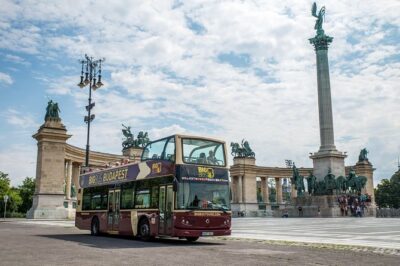 ★ 3.5Big Bus Budapest Hop-On Hop-Off Bus and Walking TourFrom $422,206 reviews
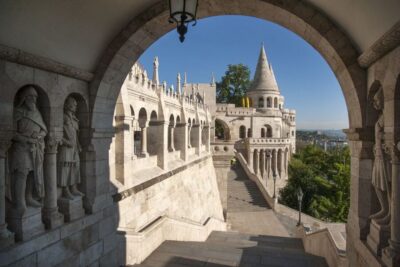 ★ 4.6Buda Castle District Walking TourFrom $142,108 reviews
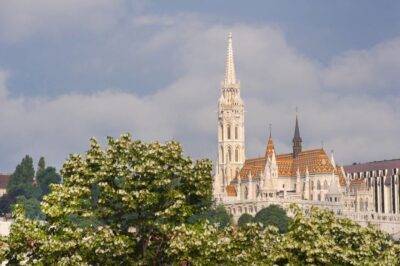 ★ 4.83-Hour Orientation Walking Tour of Buda and PestFrom $411,834 reviews
 ★ 5.0Budapest Historical Sightseeing – Free Walking TourFrom $31,302 reviews
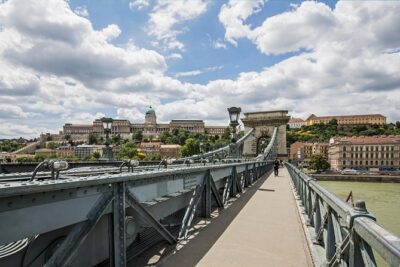 ★ 5.0Budapest All in One Small Group Walking Tour with Strudel StopFrom $1001,277 reviews
 ★ 4.8Budapest Food Walking Tour: Eat, Sip & Explore Like a LocalFrom $731,027 reviews
 ★ 4.9Buda Castle District Walking Tour with a HistorianFrom $63867 reviews
 ★ 4.9BloodThirsty Hungary: Walking tour & Dark Historical StoriesFrom $21633 reviews
Browse the lists this tour appears in