

Reviewed · BUDAPEST WALKING TOURS
Budapest: Guided Walking Tour of Pest
Budapest wakes you up fast on the walk along the Danube. This 2-hour Pest tour strings together big-ticket icons—St. Stephen’s Basilica and the Hungarian Parliament area—plus quieter streets and a street-market stop, all with a professional English guide. If you want to get your bearings quickly, this one does the job.
I also like the practical pacing: you get outdoor views you can actually frame for photos, and you’re not stuck in a bus window. And I really appreciate the way guides bring the buildings to life, with a mix of serious context and friendly humor—Monica, Lena, and Lina have all shown up in recent English-language departures and made the history feel usable.
One possible drawback: this is a walking orientation tour, so you may only see some sights from the outside rather than going deep into specific interiors or stepping right up close to every facade—especially around Parliament.
In This Review
- Key highlights worth your attention
- Pest in two hours: what this tour does best
- Meeting at Molnár’s Kürtőskalács: easy start, quick momentum
- St. Stephen’s Basilica: the largest cathedral up close
- Chain Bridge and the Danube Bank: the postcard part you actually understand
- House of Hungarian Art Nouveau: spotting style in motion
- Parliament from the street: huge scale, realistic expectations
- Liberty Square and a street market stop: where the city feels real
- Hidden alleyways and side streets: how the guide makes the route click
- Weather plan: rain or shine means you should pack like a local
- Pace and timing: why the two hours feel focused
- Price value: is $16 per person really fair?
- Who should book this Pest walking tour?
- Should you book? My practical take
- FAQ
- Where does the tour meet?
- How long is the guided walking tour?
- What’s included in the price?
- Is the tour in English?
- Is the tour offered rain or shine?
- What major attractions will I see?
- Are entrance fees included for any sights?
- Do I need hotel pickup?
- Is there a cancellation window?
- Is there an option to reserve without paying immediately?
Key highlights worth your attention

- Molnár’s Kürtőskalács start point: an easy-to-find launchpad before you hit the major sights
- St. Stephen’s Basilica views: Budapest’s largest cathedral on a route you can actually absorb
- Chain Bridge + Danube Bank walk: classic riverside scenes without the bus hassle
- World’s third-largest Parliament building: you’ll spot it clearly, even if you’re not entering
- Liberty Square and a street market: a quick taste of everyday city life between monuments
Budapest at street level, more routes on foot
- Big Bus Budapest Hop-On Hop-Off Bus and Walking Tour★ 3.5 · 2,206 reviews
- Budapest: Buda Castle District Walking Tour★ 4.6 · 2,108 reviews
- 3-Hour Orientation Walking Tour of Buda and Pest★ 4.8 · 1,834 reviews
- Budapest Historical Sightseeing – Free Walking Tour★ 5.0 · 1,302 reviews
Pest in two hours: what this tour does best

This tour focuses on the Pest side of Budapest, and it does it with an efficient loop that hits the most recognizable landmarks. You’ll see major architecture, 19th-century buildings, and side streets that help the city make sense as more than a postcard.
The big value here is guidance. Budapest can feel big and spread out, and a good guide helps you connect what you’re looking at with why it matters—so your photos aren’t just pretty, they’re meaningful. The price (listed at $16) is also unusually friendly for a live guide covering multiple major areas for two hours.
Meeting at Molnár’s Kürtőskalács: easy start, quick momentum
You meet at Molnár’s Kürtőskalács, which is a smart choice because it’s a clear, public landmark to gather near. If you’re arriving on your own, that matters more than you think. You don’t want a “find the tour somewhere on the street” moment right at the start.
From there, you’ll transition right into the sightseeing flow—no hotel pickup, no transfer maze. That keeps it low-fuss, but it also means you’ll want to arrive a few minutes early and be ready to walk from the moment you join.
St. Stephen’s Basilica: the largest cathedral up close

St. Stephen’s Basilica is the kind of stop that can overwhelm you if you only view it for a minute. In this tour, you get time to take it in as you learn what you’re seeing—its importance in Budapest’s visual identity and why it anchors the area around it.
I like that the tour doesn’t treat the cathedral like a quick photo target. It’s part of a larger route, which helps you notice how the surrounding streets and buildings relate to the cathedral’s role in the city.
Practical tip: if you care about photos, bring a jacket even in mild weather. The route is outdoors and you’ll likely want to linger for angles that avoid glare from the Danube side.
Chain Bridge and the Danube Bank: the postcard part you actually understand
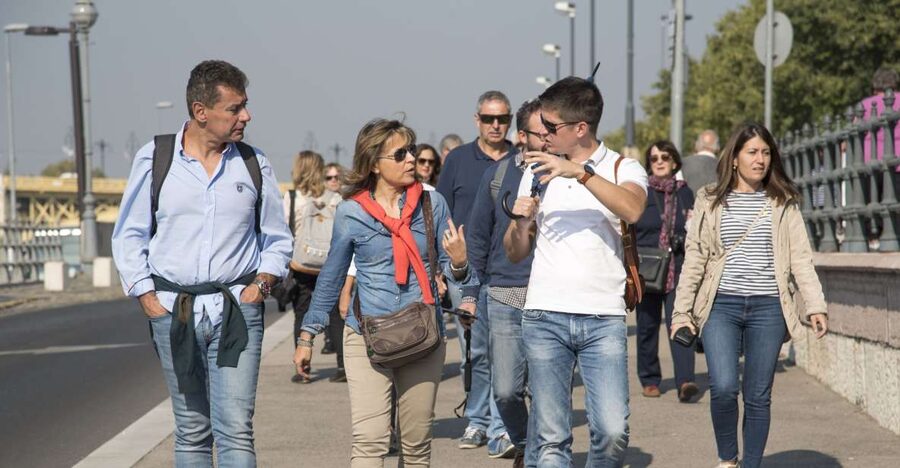
Next comes the Chain Bridge and the Danube Bank stretch. This is the Budapest signature view—an older suspension bridge that instantly tells you you’re on the main stage of the city.
What makes the walk worthwhile is how it’s framed. You’re not just standing near a landmark; you’re moving along the riverside so the bridge, the river, and the city buildings stay connected in your mind. That’s how Budapest starts to feel coherent.
You’ll also get the benefit of avoiding that trapped-in-traffic feel. Instead of watching the river go by, you’re walking beside it. Even if your group is moving steadily, the experience still feels human-sized.
More Budapest on foot
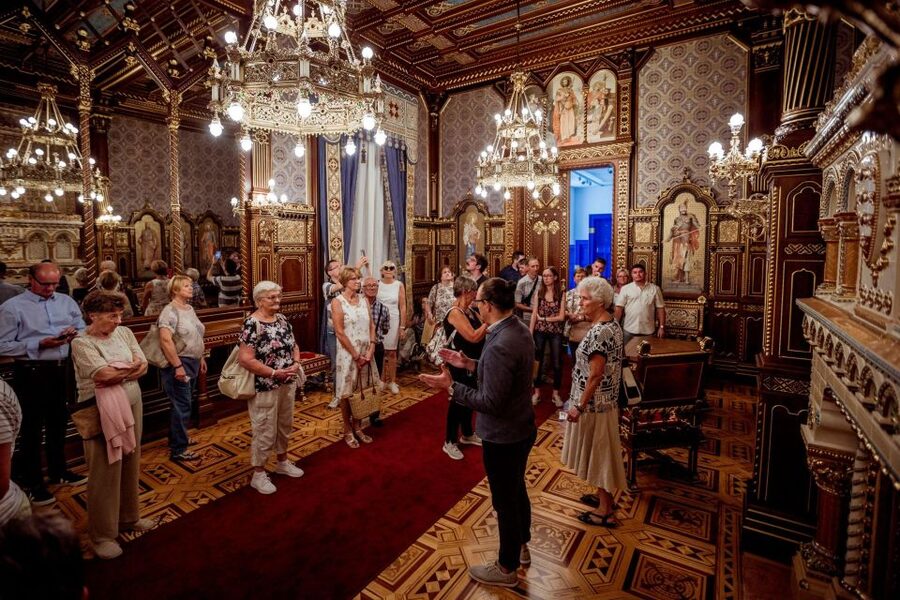

House of Hungarian Art Nouveau: spotting style in motion

Between the biggest monuments, you’ll pass the House of Hungarian Art Nouveau. Even without going inside, this kind of stop is valuable because it trains your eye.
Art Nouveau is about surface and detail—curves, ornament, and a sense of design. On a walking tour, these details are easier to notice because you’re not stuck jumping between far-flung subway stations.
If you enjoy architecture, this is a nice palate cleanser between ultra-famous sights. It gives your brain a break from “wow, giant monument” and shifts you into “look closer.”
Parliament from the street: huge scale, realistic expectations

The Hungarian Parliament is one of the reasons people plan Budapest trips in the first place, and this tour places it right in your walking path. You’ll see the world’s third-largest Parliament building from outside, with the guide filling in context.
Here’s the tradeoff to keep in mind: this kind of tour is timed and paced for walking, not for prolonged inspection. One downside some people note is that you may pass by buildings without getting the kind of close-up access you hoped for around Parliament and nearby grand structures.
My advice: treat this stop as an exterior orientation and photo opportunity. If your priority is entering or spending extra time inside Parliament or other nearby interior sites, plan a separate visit with timed entry. This tour is best for connecting the dots between landmarks.
Liberty Square and a street market stop: where the city feels real
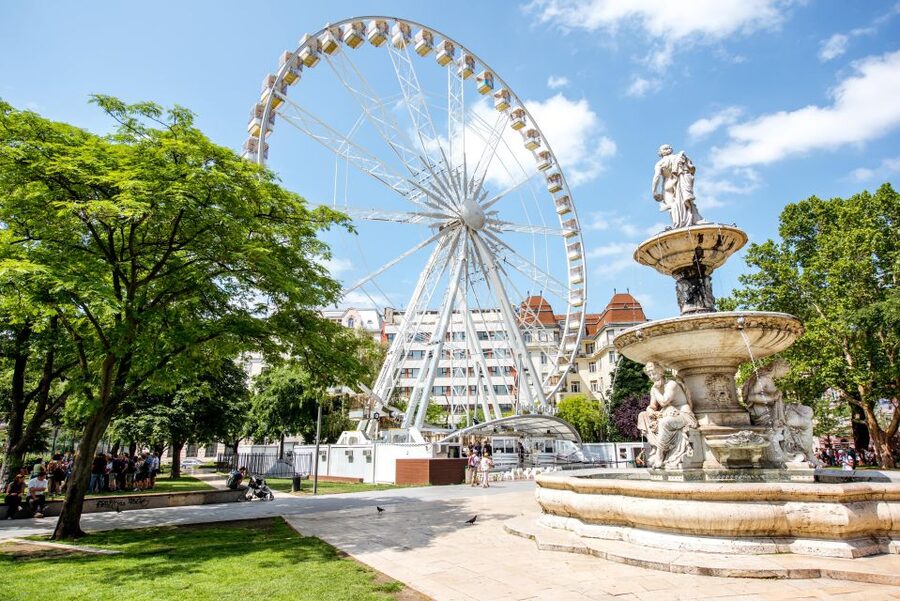
Then you shift from monumental views to Liberty Square and a street market stop. This is where the tour earns its “more than a monuments checklist” rating in practice.
Markets add texture. You’ll get a small window into daily Budapest rhythms—colors, storefront energy, and the kind of casual interactions you miss when you only travel between museums and viewpoints.
I also like that this section helps prevent the tour from feeling like one long exterior parade. It’s a breather, and it’s a chance to slow down, look around, and reset your camera battery before the final stretch.
Hidden alleyways and side streets: how the guide makes the route click

One of the less obvious benefits of a guided walk is learning how to read the city streets. This tour includes side streets and quieter lanes in the Pest area, so the route isn’t just a straight line between famous buildings.
That matters because Budapest has a lot of visual history layered in a relatively compact space. When you walk those connections, you start noticing patterns—how building styles cluster, how streets open up toward major squares, and where major institutions sit within the urban layout.
This is also where the guide’s personality becomes important. In recent departures, Monica and Lina/Lena-style energy shows up as friendly explanations and lively engagement, including humor that keeps the group attentive during the most crowded walking zones.
Weather plan: rain or shine means you should pack like a local
The tour runs rain or shine, so you should treat it like an outdoor walking day rather than a maybe-it’s-fine plan. Budapest weather can change fast, and wind along the river is a common problem.
If you have compact rain gear, this is the moment to use it. A hooded jacket beats an umbrella if crowds get close. And if the ground is wet, choose shoes with decent grip.
Pace and timing: why the two hours feel focused
Two hours sounds short, but for a loop through big landmarks, it’s a sweet spot. You’re not exhausted enough to lose interest, and you still cover enough ground to feel like you actually navigated Pest.
Many tours of famous areas suffer from slow bottlenecks—waiting at the curb, people grouping up, and time slipping away. This one is designed to keep moving while still giving you time to look at each stop, including photo moments.
If you’re hoping to linger for long, prioritize which three sights matter most to you. In a compact walking tour, that choice helps you enjoy every stop without feeling rushed or stressed.
Price value: is $16 per person really fair?
At $16 per person for a 2-hour guided walk with a professional English guide, the value is strong—especially because you’re covering several headline locations rather than just one neighborhood. You’re also not paying for transfers or extra add-ons listed here.
The one thing not included is entrance fees, so if you plan to go inside any major building on your own, budget separately. Still, even without interiors, seeing big exteriors with context can be a smart way to decide what deserves a return visit later.
If you’re traveling on a budget, this is one of the easier ways to get a guide’s perspective without blowing your daily spend.
Who should book this Pest walking tour?
This is a good fit if you:
- want a quick orientation to the Pest side
- enjoy architecture and want it explained in plain language
- prefer walking over bus routes
- like the idea of pairing major monuments with a small street-market feel
It may be less ideal if you want lots of interior time, deep focus on one building (like Parliament), or you need lots of close, lingering access at every facade. If that’s you, I’d pair this with separate timed entries.
Should you book? My practical take
Yes—if you want to understand Pest, not just pass by it. The combination of St. Stephen’s Basilica, Chain Bridge, Danube Bank walking, Parliament-area scale, and Liberty Square keeps the tour varied enough to stay interesting for two hours.
Book it with one realistic mindset: this is an outdoor orientation tour. You’ll get great context and smart route flow, but if you want interiors or extended close-up time, plan those separately.
If you’re flexible and like the idea of starting from a clear meeting spot at Molnár’s Kürtőskalács, this is one of the more cost-effective ways to get a guide’s angle on Budapest’s most famous Pest landmarks.
FAQ
Where does the tour meet?
Meet at Molnár’s Kürtőskalács.
How long is the guided walking tour?
The tour lasts 2 hours.
What’s included in the price?
A professional tour guide is included. Entrance fees are not included.
Is the tour in English?
Yes, the live tour guide offers English.
Is the tour offered rain or shine?
Yes, the tour will take place rain or shine.
What major attractions will I see?
You’ll see St. Stephen’s Basilica, Chain Bridge, the Danube Bank, the Hungarian Parliament area, Liberty Square, and you’ll also pass by the House of Hungarian Art Nouveau. You’ll also have time near a street market.
Are entrance fees included for any sights?
No, entrance fees are not included.
Do I need hotel pickup?
No. Hotel pickup and drop-off are not included.
Is there a cancellation window?
Yes. You can cancel up to 24 hours in advance for a full refund.
Is there an option to reserve without paying immediately?
Yes. You can reserve now and pay later, keeping your travel plans flexible.
More Tours in Budapest






More Tour Reviews in Budapest






More of Budapest, Step by Step





Just Added: More Budapest Reviews
- Sightseeing flight over Budapest
★ 5.0 · 3 reviews - Budapest: Walking Tour with Chimney Cake & Polaroid Photos
★ 5.0 · 3 reviews - Self Guided Tour In Budapest With 100 Captivating Audio Stories
★ 5.0 · 3 reviews - Budapest Art Nouveau Walking Tour
★ 5.0 · 3 reviews - Hungary today: a no-taboo conversation
★ 5.0 · 3 reviews
Budapest Walking Tours, compared.
 ★ 3.5Big Bus Budapest Hop-On Hop-Off Bus and Walking TourFrom $422,206 reviews
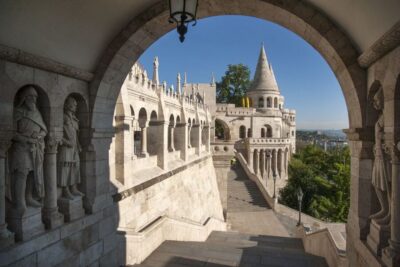 ★ 4.6Buda Castle District Walking TourFrom $142,108 reviews
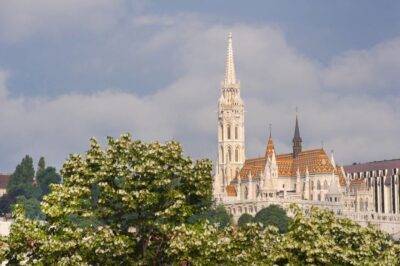 ★ 4.83-Hour Orientation Walking Tour of Buda and PestFrom $411,834 reviews
 ★ 5.0Budapest Historical Sightseeing – Free Walking TourFrom $31,302 reviews
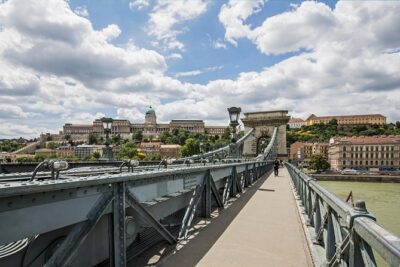 ★ 5.0Budapest All in One Small Group Walking Tour with Strudel StopFrom $1001,277 reviews
 ★ 4.8Budapest Food Walking Tour: Eat, Sip & Explore Like a LocalFrom $731,027 reviews
 ★ 4.9Buda Castle District Walking Tour with a HistorianFrom $63867 reviews
 ★ 4.9BloodThirsty Hungary: Walking tour & Dark Historical StoriesFrom $21633 reviews
Browse the lists this tour appears in