
Reviewed · CHIMNEY CAKE & COOKING CLASSES
Budapest: Cooking School – Hungarian Menu & Local Market
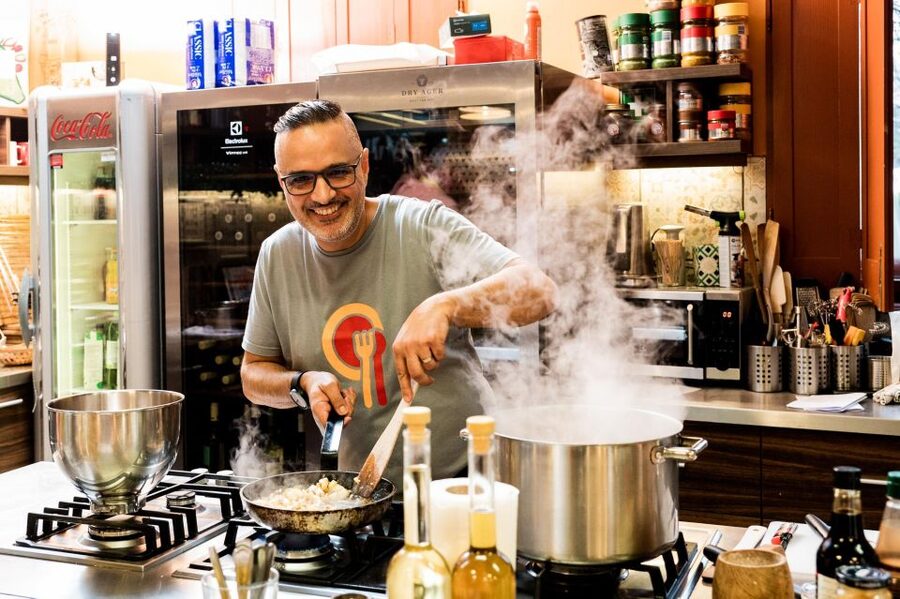
A market in your morning, dinner in your hands. This 4-hour Budapest class pairs a local market walk with a hands-on cooking session, then caps it with a full 3-course meal. I like the way the course teaches you why Hungarian flavors work, from paprika-forward cooking to real ingredient choices at the market. I also like the small-group feel, with English instruction and time to ask questions side-by-side with the chefs (you may meet people like Sylvie, Vesna, or Aggie). One thing to consider: meeting-point confusion can happen if you rely on generic directions, so double-check you’re at the right Central Market Hall spot.
I also like that the experience doesn’t treat food as a museum piece. You start with local snacks during the market visit, then cook the menu yourself at a well-equipped cooking school, finishing with lunch and a take-home recipe set. For your planning, note that dietary needs can be accommodated, but you need to contact the operator so they can adjust the menu to fit.
In This Review
- Key Things You’ll Notice Right Away
- Market Morning at Budapest’s Central Market Hall
- Palinka, Unicum, and the Hungarian Flavor Setup
- Cooking in a Real Studio, Not a Demo Kitchen
- The Hands-On Menu: Soup, Paprikash, and Sour Cherry Pie
- What you learn from paprikash-style cooking
- Why the creamy soup matters
- The dessert lesson: sour cherry isn’t just a flavor
- Market-to-Kitchen Flow: Why the Transfer Helps
- What “Recipes to Take Home” Really Means for You
- Price and Value for a $170, 4-Hour Class
- The Small-Group Advantage: You Can Actually Ask Questions
- Who Should Book This Hungarian Menu Experience
- Should You Book This Hungarian Market-and-Cooking Class?
- FAQ
- How long is the cooking school experience?
- Where do I meet for the class?
- Is the class in English?
- How big is the group?
- What’s included in the price?
- Do you handle dietary restrictions?
- Can I pay later or cancel?
Key Things You’ll Notice Right Away
- Central Market Hall start: a guided look at Hungarian staples before you touch a cutting board
- Hungarian liqueurs on arrival: a fruity Palinka and Unicum before lunch
- Hands-on class with small groups: limited to 10 participants, taught in English
- 3-course lunch + wine: you eat what you cook, with a glass of wine included
- Market tasting to learn by flavor: kolbász and körözött are part of the early bites
- Take-home recipes: so you can recreate your favorites after you go home
Aprons on for chimney cake and goulash
- Budapest All in One Small Group Walking Tour with Strudel Stop★ 5.0 · 1,277 reviews
- Budapest: Hungarian Chimney Cake Workshop in the City Center★ 4.7 · 1,263 reviews
- Budapest: Traditional Chimney Cake (Kürtőskalács) Workshop★ 4.8 · 323 reviews
- Chimney Cake Workshop Budapest Downtown – Kürtőskalács Class★ 5.0 · 220 reviews
Market Morning at Budapest’s Central Market Hall
This experience starts where you want it to start: at the Central Market Hall area, with a guide and a focused plan. Your meeting point is simple but specific—in front of the Central Market Hall at the Burger King. From there, you join a guided market walk that’s meant to make ingredients feel understandable, not overwhelming.
You’ll taste your way into the day, with Hungarian appetizer bites such as kolbász and körözött. That early food moment matters more than people expect. Budapest cooking classes can sometimes jump straight to the recipe card. Here, you get a chance to see the ingredients culture runs on—how Hungarians talk about them, use them, and how they show up in everyday food.
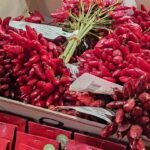
The market stop also helps you learn what to look for later in your own travels. You’ll come away with a clearer sense of what Hungarian cuisine leans on: paprika (in powdered form and in flavor), dairy elements, meat-based staples, and fruit desserts that are common enough to feel normal, not fancy-only.
Palinka, Unicum, and the Hungarian Flavor Setup
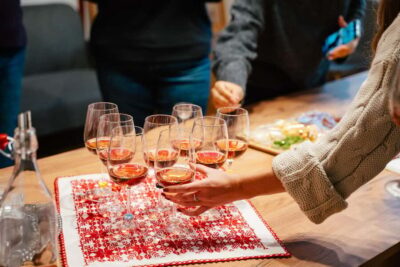
Before lunch even starts, the class gives you a classic Hungarian drink intro: a fruity Palinka and Unicum. This is a practical choice, not just a party move. Those strong flavors act like a warm-up. They sharpen your palate so you notice sweetness, smoke, spice, and savory depth when the food shifts into full meal mode.
Hungarian cuisine often runs on contrast. You’ll taste rich, savory dishes, then find brightness in fruit. You’ll also see how spice works differently from country to country. Paprika can feel gentle or assertive depending on how it’s used and how long it cooks. Drinks like Palinka and Unicum help you pay attention to that spectrum as your lunch menu starts coming together.
Cooking in a Real Studio, Not a Demo Kitchen
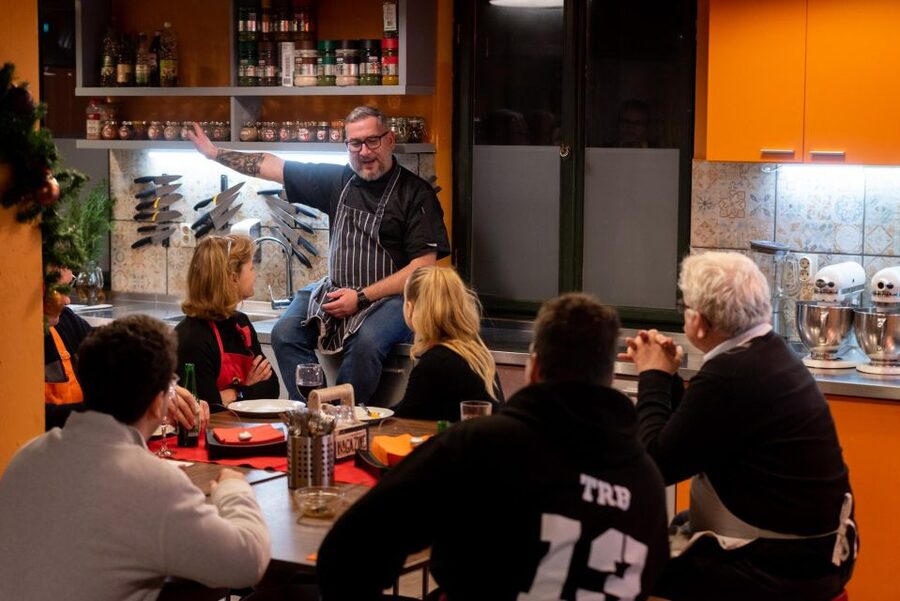
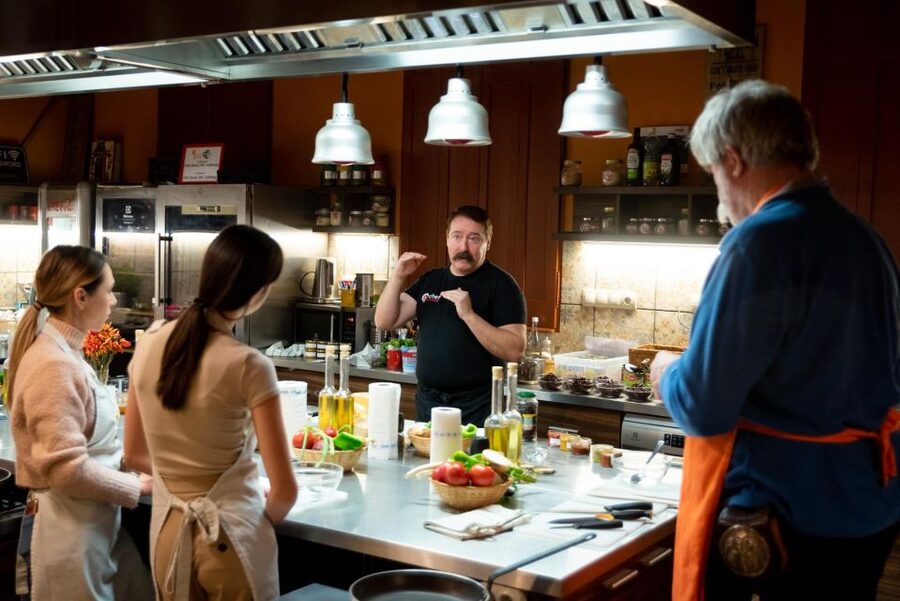
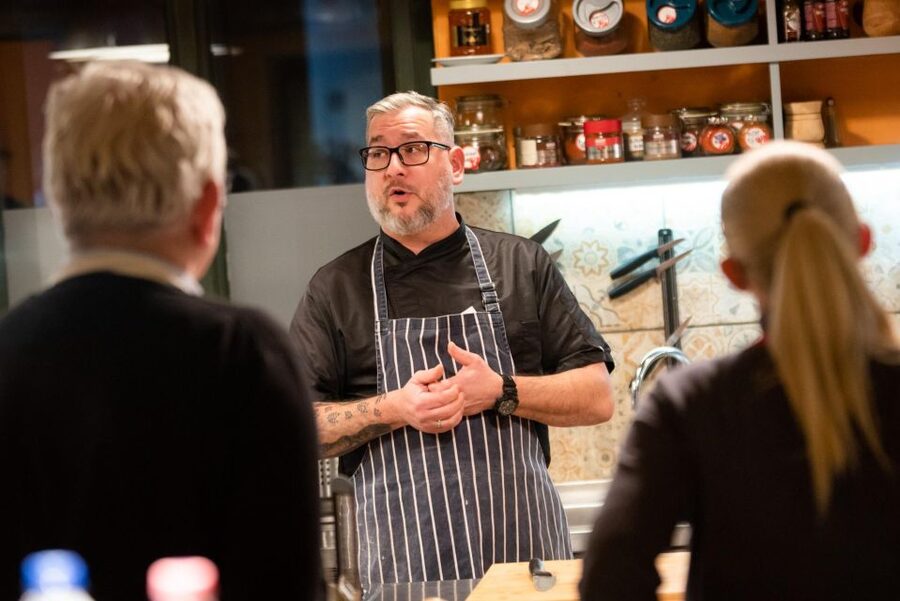
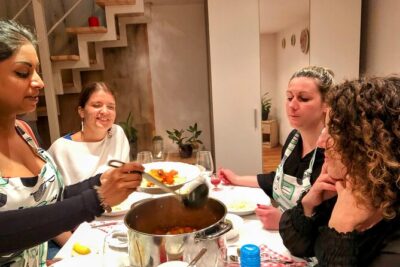
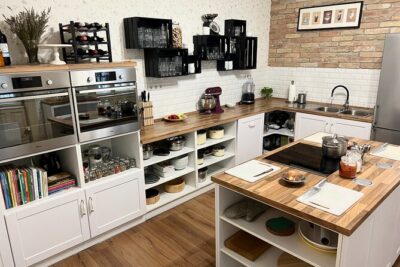
Chefparade’s cooking school is set up for participating, not watching. The studio approach is contemporary and practical—think well-equipped stations where you cook alongside the chef rather than standing at the sidelines.
A major plus for me is the class format: small group, limited to 10 participants, with an English instructor. That size matters. In bigger groups, you often wait for your turn or get instructions secondhand. Here, the structure supports asking questions while you’re actually holding the knife, stirring the pot, or adjusting seasoning.
You’ll wear aprons and get unlimited soft drinks, coffee, and tea throughout the experience. That keeps things comfortable during a 4-hour block when you’ll be tasting and cooking continuously. No need to ration hydration or energy while the day’s shifting from market to kitchen.
The Hands-On Menu: Soup, Paprikash, and Sour Cherry Pie
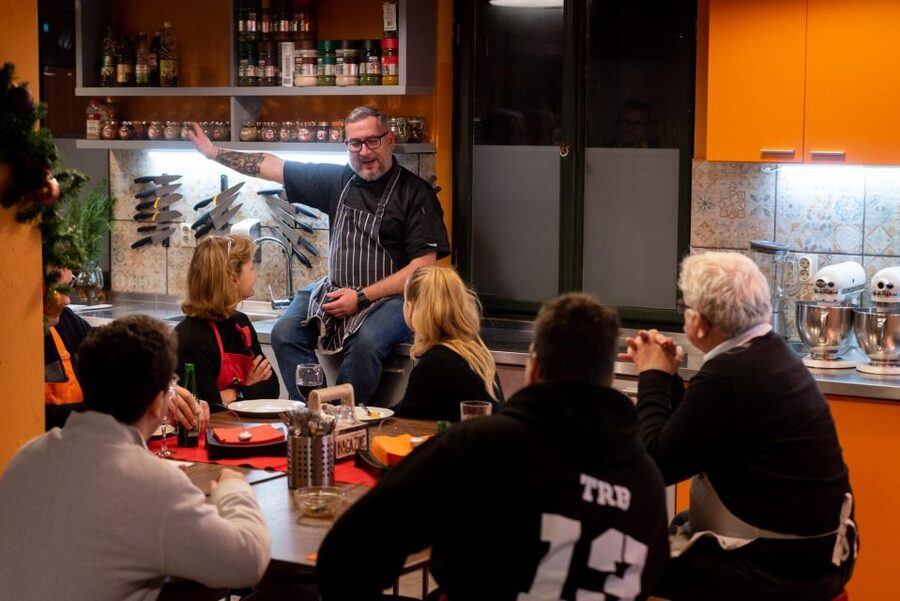
Your class focuses on a traditional 3-course Hungarian menu. The exact dishes can vary by class, but the cooking style is consistent—and the food choices are the heart of the experience.
From what the class has produced for past participants, you’ll likely see dishes like:
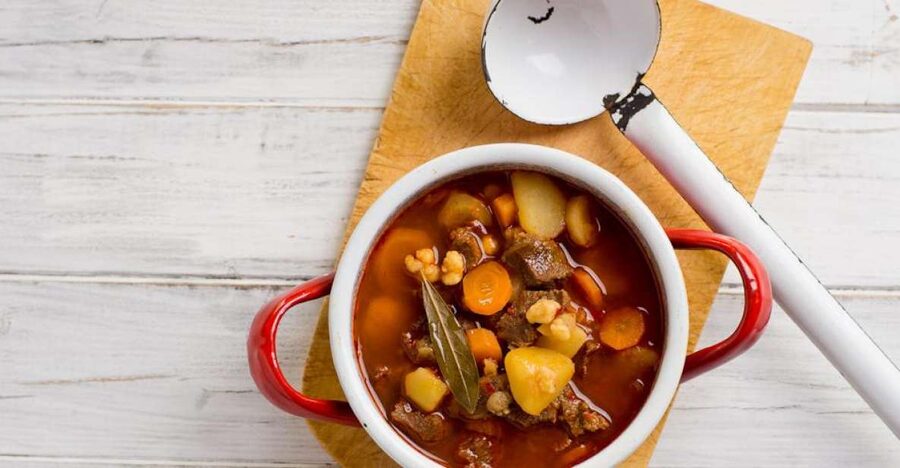
- Tejfölös krumplileves (creamy potato soup)
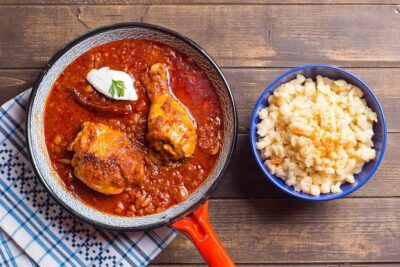
- Csirkepaprikas (chicken paprikash)
- Meggyes pite (sour cherry pie)
Even if your menu comes out slightly different, the pattern will feel familiar: creamy starters, paprika-forward mains, and fruit-forward desserts. Hungarian flavors make sense when you cook them, because many of the key steps involve small decisions: how you build the base for sauce, how you balance salt, and when you add dairy or thickeners so the texture stays smooth.
More Budapest markets and shopping runs
What you learn from paprikash-style cooking
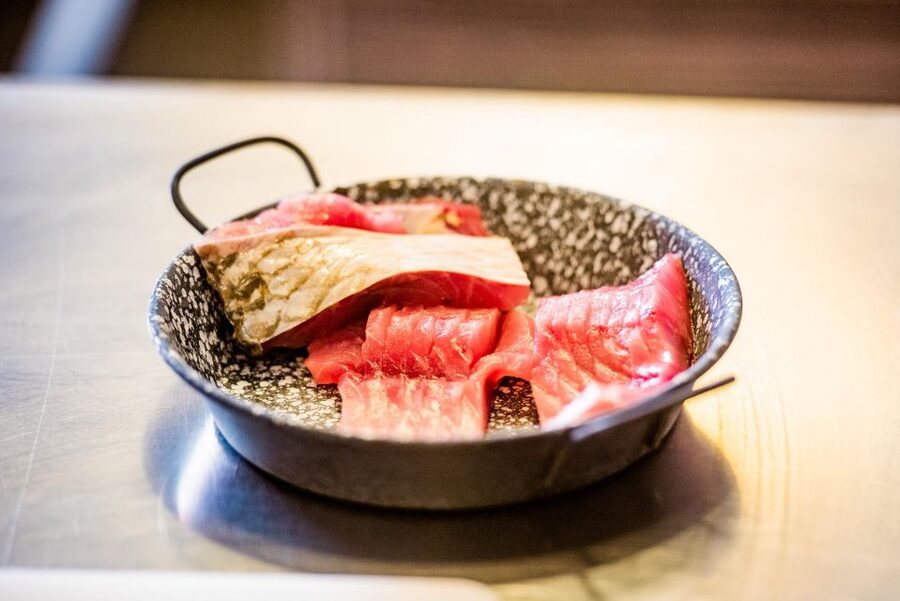
Chicken paprikash is one of those dishes that teaches fundamentals quickly. You get a sense for how paprika behaves once it hits hot fat or gets stirred into the right liquid base. If you’ve ever found paprika either dull or too bitter in home cooking, this is where you learn the difference.
Why the creamy soup matters
A creamy potato soup teaches technique in a forgiving way. It shows how dairy works in Hungarian cooking—what happens when you cook gently, when you stir to protect texture, and how to season for comfort food without making it taste flat.
The dessert lesson: sour cherry isn’t just a flavor
A sour cherry pie like megyses pite gives you something beyond a sweet finish. It teaches how to handle fruit that’s already sharp and tangy. You learn why Hungarian desserts often feel balanced rather than sugary: the fruit’s acidity does part of the work, and the dough or filling provides the support.
Market-to-Kitchen Flow: Why the Transfer Helps
There’s a transfer from the market to the cooking school included in the experience. That might sound like a small detail, but it’s actually useful for your schedule. You don’t waste time figuring out transit while still full of market snacks.
You also keep the day’s momentum. The market tour builds your ingredient recognition, and then the kitchen turns that recognition into muscle memory. That flow is what makes the experience feel like more than a one-off meal.
If you’re using public transport in Budapest, your schedule already has enough moving parts. Having the transfer built in keeps you from turning a fun cooking morning into a logistics project.
What “Recipes to Take Home” Really Means for You
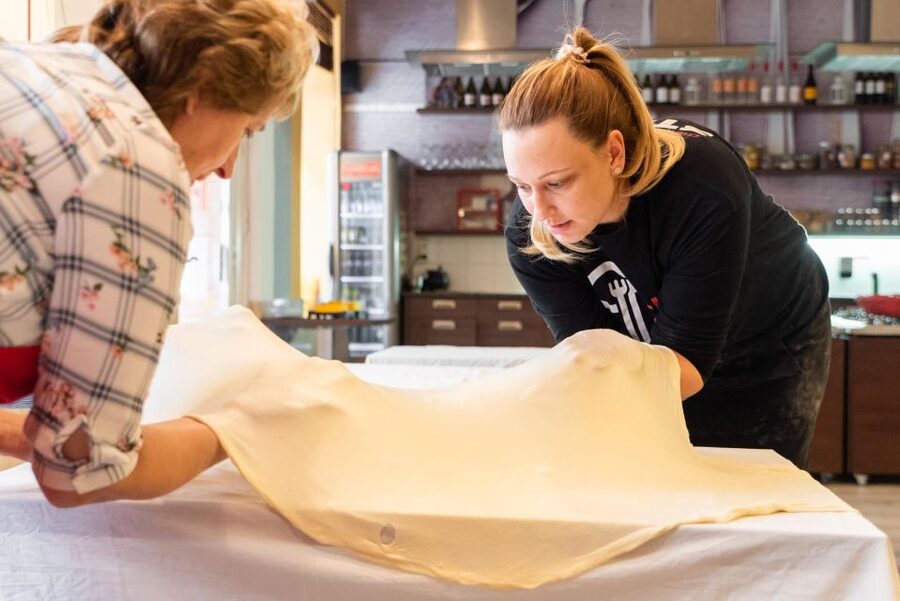
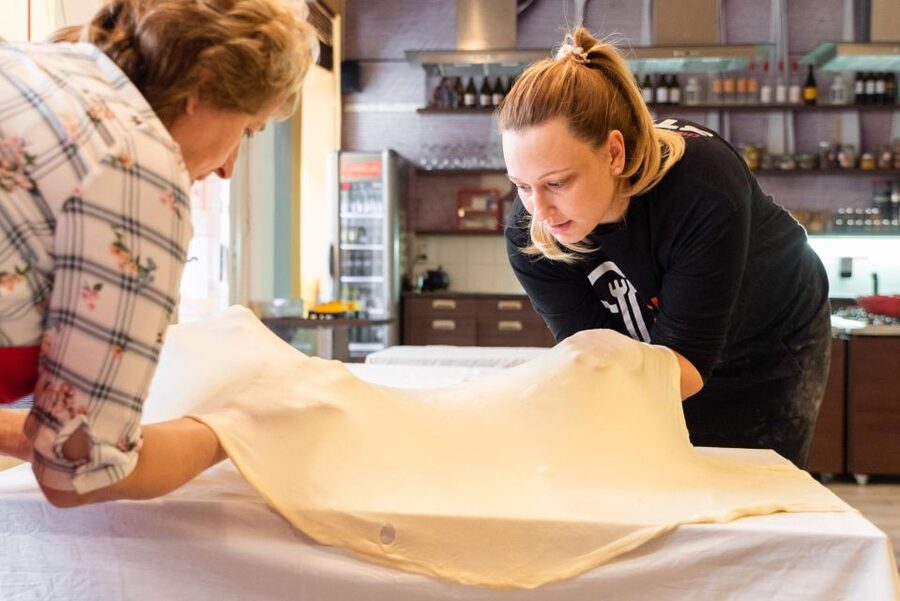
You leave with recipes. That sounds simple, but what you want is practical instructions you’ll actually use later. The value here is that the recipes are tied to what you cooked in the studio, not generic Hungarian food lists.
This matters if you want to recreate the dishes for family or friends back home. Hungarian cooking can feel intimidating if you only see restaurant versions. But once you’ve made a dish yourself—even a beginner-friendly version—you understand the steps behind it: texture targets, timing, and seasoning logic.
You’ll also have a better idea of what ingredients are worth searching for. Some Hungarian products aren’t hard to find in bigger international shops, but knowing the exact items and their role makes it easier to shop with purpose rather than guessing.
Price and Value for a $170, 4-Hour Class
At $170 per person for 4 hours, this isn’t a bargain deal. It is, however, priced like a premium small-group experience—and the inclusions make it feel more justified than a simple dinner.
Here’s what you’re getting that adds real value:
- Market visit with a guide plus tasting of Hungarian appetizers
- Transfer to the cooking school
- A 3-course lunch that you cook and then eat
- Unlimited soft drinks, coffee, and tea
- A glass of wine with your lunch
- Aprons and a chef-led English class
- Recipes to take home
If you’ve ever tried to approximate this at home after your trip, you’ll realize how much time it takes to plan, source ingredients, and cook for a group of friends. This class compresses all of that into a focused morning, with local guidance and a clean, stocked kitchen.
The best way to think about the price: you’re paying for guidance, equipment, and the full day’s food arc—market to meal to recipes—without any guesswork.
The Small-Group Advantage: You Can Actually Ask Questions
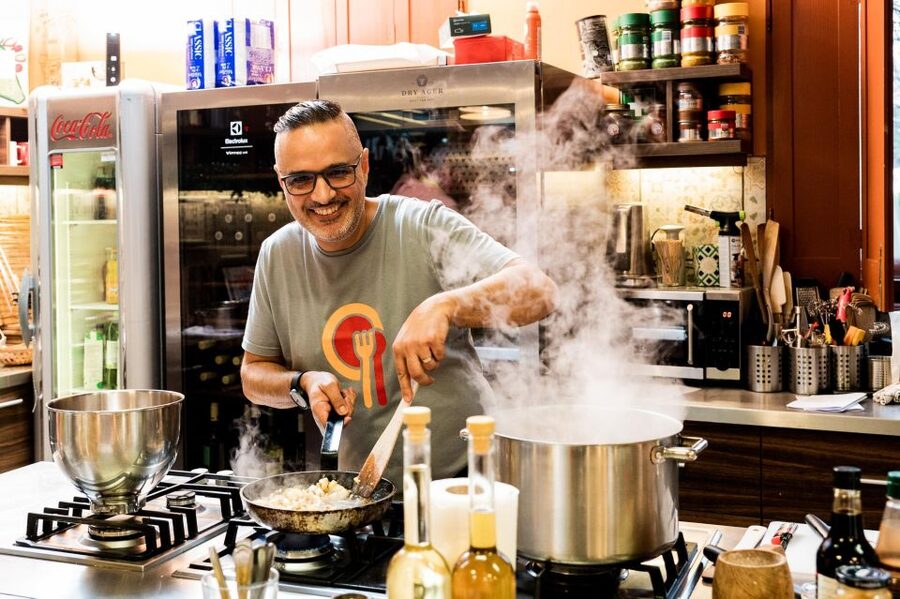
This is one of those experiences where the group size turns into better learning. With up to 10 participants, the chef can pay attention to your questions while you’re working. That’s a big deal when you’re learning spice use like paprika powder and understanding how to adjust seasoning.
It also helps your day feel social in a natural way. One strong sign of success is how often people leave feeling like they shared the meal, not just consumed it. Cooking together naturally creates that relaxed rhythm—especially when the kitchen isn’t overcrowded.
Who Should Book This Hungarian Menu Experience
You’ll probably love this class if you:
- Want a real taste of Hungarian cooking that goes beyond ordering in restaurants
- Like hands-on activities more than passive sightseeing
- Enjoy learning through ingredients, not just following steps
- Want a small-group, English-taught experience with enough structure to feel easy
- Are traveling in a small circle or as a solo diner who wants a social meal day
You might want to think twice if you strongly prefer a low-key day with minimal hands-on cooking. This is designed for participation. You’ll cook, you’ll taste, and you’ll be in motion for most of the 4 hours.
Should You Book This Hungarian Market-and-Cooking Class?
I think this is a smart booking if you want to leave Budapest with more than photos. The combination of Central Market Hall input, early Hungarian tastings, a chef-led studio session, and a full 3-course lunch is exactly the kind of experience that turns into a useful skill at home.
Book it if:
- You want a structured way to learn Hungarian ingredients
- You like the idea of cooking with paprika-forward techniques and learning texture control
- You value small-group attention and English instruction
- You’re okay spending a bit more for a complete food experience
Skip it only if:
- You’re avoiding hands-on cooking entirely
- Your schedule can’t handle a 4-hour block with a market start
If you do book, do one simple thing before you go: confirm the meeting point carefully so you arrive at the correct Central Market Hall spot in front of the Burger King. Once you’re there, the day moves fast—in the best way.
FAQ
How long is the cooking school experience?
It runs for 4 hours, and you can check availability to see the starting times.
Where do I meet for the class?
You meet in front of the Central Market Hall at the Burger King.
Is the class in English?
Yes. The instructor teaches in English.
How big is the group?
It’s a small group limited to 10 participants.
What’s included in the price?
You get a guided market tour, Hungarian appetizer tastings during the market visit, transfer to the cooking school, a 3-course lunch, unlimited soft drinks plus coffee and tea, aprons, a glass of wine with lunch, and recipes to take home.
Do you handle dietary restrictions?
If you have dietary needs or restrictions, you should contact the tour operator so they can come up with a menu that fits your situation.
Can I pay later or cancel?
You can reserve now and pay later. Free cancellation is available up to 24 hours in advance for a full refund.
Budapest Shops and Stalls




More Tour Reviews in Budapest






Chimney Cake and the Hungarian Kitchen



Just Added: More Budapest Reviews
- Sightseeing flight over Budapest
★ 5.0 · 3 reviews - Budapest: Walking Tour with Chimney Cake & Polaroid Photos
★ 5.0 · 3 reviews - Self Guided Tour In Budapest With 100 Captivating Audio Stories
★ 5.0 · 3 reviews - Budapest Art Nouveau Walking Tour
★ 5.0 · 3 reviews - Hungary today: a no-taboo conversation
★ 5.0 · 3 reviews
Chimney Cake & Cooking Classes, compared.
 ★ 5.0Budapest All in One Small Group Walking Tour with Strudel StopFrom $1001,277 reviews
 ★ 4.7Hungarian Chimney Cake Workshop in the City CenterFrom $421,263 reviews
 ★ 5.0Budapest Cooking Class & Market Tour with Local Guide & WinesFrom $99553 reviews
 ★ 4.8Traditional Chimney Cake (Kürtőskalács) WorkshopFrom $22323 reviews
 ★ 5.0Chimney Cake Workshop Budapest Downtown – Kürtőskalács ClassFrom $38220 reviews
 ★ 5.0Premium Hungarian Home Cooking Experience with Chef MartiFrom $131169 reviews
 ★ 5.0Small-Group Cooking Class & Market Tour with LocalFrom $100138 reviews
 ★ 4.5Hungarian Cooking and optional Local Market TourFrom $12698 reviews
Browse the lists this tour appears in