
Reviewed · BUDA CASTLE & FISHERMAN'S BASTION
Budapest Castle Walk
Buda Castle hill packs centuries into three hours. This Budapest Castle Walk threads medieval power, Ottoman pressure, Habsburg influence, and World War II damage into real places you can point at. I love that the tour combines famous stops like Matthias Church with quieter courtyards and gardens people often skip.
I also like the payoff for the effort: you get a true local rhythm, capped at a small group (max eight), plus frequent photo stops and time for questions. One practical caution: right after booking, double-check the exact tour time shown on your confirmation—one past issue was missing the time info at purchase, and reaching support wasn’t instant.
You’ll start near the Zero Kilometre Stone area, move through the UNESCO-listed cobbled hillside, and end back in central Buda near Matthias Church. Expect a lot of walking on uneven streets, solid stories, and panoramic views that make the uphill part feel worth it.
In This Review
- Key takeaways before you go
- What the Budapest Castle Walk is really about
- Royal Palace hillside to Fisherman’s Bastion: where the hill tells the story
- St. Matthias Church: included entry, stained-glass moments, and WWII reality
- National Széchényi Library: the golden age story with an interesting twist
- Várkert Bazaar and Danube-side views: a restored stretch that changes the mood
- Castle Garden and courtyards near the President’s neighborhood
- Coffee break and pacing: how to make a hilly 3 hours feel easy
- Price and value: is $125 a good deal for this mix?
- How to plan your day: meeting at Zero Kilometre Stone and ending near Matthias
- Who should book this tour
- Should you book the Budapest Castle Walk?
- FAQ
- How long is the Budapest Castle Walk?
- What does the tour include?
- Do I need to buy museum tickets?
- Where do I meet the guide and where does the tour end?
- How big is the group?
- What time does the tour start?
- Is the tour available year-round?
Key takeaways before you go
- Small group size (max eight) means more question time and less herding.
- St. Matthias Church entrance is included, so you don’t waste time lining up or buying a separate ticket.
- Fisherman’s Bastion viewpoints give you that postcard angle over the Danube and Parliament area.
- World War II is not hand-waved—you’ll visit a WWII bunker and connect the siege to what you see on the streets.
- Jewish community history gets real emphasis, not just a passing mention.
- Coffee or tea is included, which matters because this walk is hilly and you’ll feel it.
More of Castle Hill, turrets and the river below
- Budapest: Buda Castle Cave Tour★ 4.7 · 5,677 reviews
- Budapest: Buda Castle District Vampires and Myths Night Tour★ 4.6 · 3,830 reviews
- Budapest: Buda Castle Walk with Saint Stephen’s Hall★ 4.5 · 3,012 reviews
- Budapest: Buda Castle District Walking Tour★ 4.6 · 2,108 reviews
What the Budapest Castle Walk is really about
This is not a museum tour where you sit and listen. It’s a walking tour that teaches you how Budapest’s Buda Castle district got layered—brick over stone, rebuilding over destruction, and names that changed with each regime. You’re basically reading the city the way locals do: by looking closely.
The best part is how the guide links big historical eras to everyday sightlines. You’ll hear about how the royal court shaped the area, how Ottoman and Habsburg periods altered the city, and how World War II left physical scars that are still part of the story. Then you’ll switch gears to views—because Budapest is a city that rewards getting higher.
If you want a classic “high points” day with a real education built in, this hits the sweet spot. You also get enough time at key landmarks to understand what you’re seeing, instead of sprinting through.
Royal Palace hillside to Fisherman’s Bastion: where the hill tells the story

Your tour starts around the Zero Kilometre Stone area near Clark Ádám tér, then you work your way into the Buda Castle zone. From the beginning, you’re in the kind of place where the street layout matters—the hill shapes everything, including the flow of pedestrian paths and viewpoints.
Fisherman’s Bastion is your first major stop. It’s not just a pretty viewpoint; it’s also a way to talk about the neighborhood’s long timeline, with royal residences dating back to the mid-1200s. The guide’s emphasis here includes how the area changed under Hungarian royalty and later under Habsburg rule.
The Jewish history angle is a major thread. You’ll hear how this district was once home to a significant Jewish population, and you’ll get pointed toward the old street and synagogue site that served as community hubs. That context changes how you see the places: you’re not just admiring walls; you’re placing people back into the landscape.
One thing to remember: you’ll likely feel the cobbles and slopes. Wear shoes you trust. If your feet hate uneven stone, this tour may test your patience more than you expect.
St. Matthias Church: included entry, stained-glass moments, and WWII reality
St. Matthias Church is where the tour gives you a big “yes, this is worth the climb” moment. Entrance is included, so you can focus on the building instead of planning ticket timing.
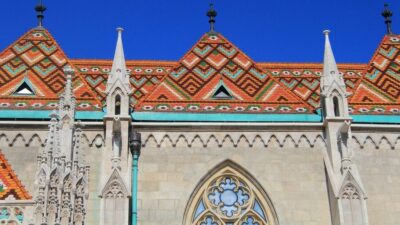
Inside, you’ll learn the church’s role in Hungarian royal tradition, including the coronation site for many Hungarian kings. The roof’s multi-colored tile look is a standout outside, but the interior is where the guide helps you understand why it mattered.
Then the story tightens. You’ll hear about World War Two—specifically the Siege of Budapest—and how devastation reached the area when Russian and German forces met in 1945. This is where the tour becomes more than pretty-photo history. It connects what you’re seeing now to what was destroyed then.
You’ll also visit a WWII bunker, which gives the siege story a physical anchor. Even without a full “underground museum” vibe, it helps you grasp that this wasn’t abstract conflict; it happened block by block and street by street.
If you’re the type who usually skips long interiors, don’t. Matthias Church is one of those places where the guide’s framing turns “a church” into a readable historical document.
National Széchényi Library: the golden age story with an interesting twist
Next up is the National Széchényi Library area, where you get another “history with meaning” stop. You’ll hear how the establishment of the Royal Court sparked a golden age in the neighborhood—even though the royals themselves never actually resided there.
That little twist is useful because it prevents a common misunderstanding. Budapest’s Castle district can feel like everything is “about the palace,” but the area’s role was broader than royal bedrooms. It was part of a system: power, learning, and prestige all feeding the city’s center.
Rebuilding is another theme you’ll connect to the present. The palace and surrounding structures were destroyed and rebuilt multiple times over. After World War II, the damage was extensive, and each rebuilding period left a different mark on what you see today. So you’re looking at layers of restoration, not one single original design.
Admission here is free, so you’re not paying extra to take in the atmosphere. You’ll get just enough time to understand why this library connects to the court-era narrative without feeling rushed.
More Budapest on foot

Várkert Bazaar and Danube-side views: a restored stretch that changes the mood
After the heavier history stops, the tour shifts to a lighter feel with the Várkert Bazaar along the Danube. This area is restored and has a neo-Renaissance look, and it’s a nice contrast to the cobbled uphill streets.
The reason I like this stop is practical: it gives you breathing room. You’ll grab a view line over the river, take photos without climbing another step, and reset your eyes before the church interior segment.
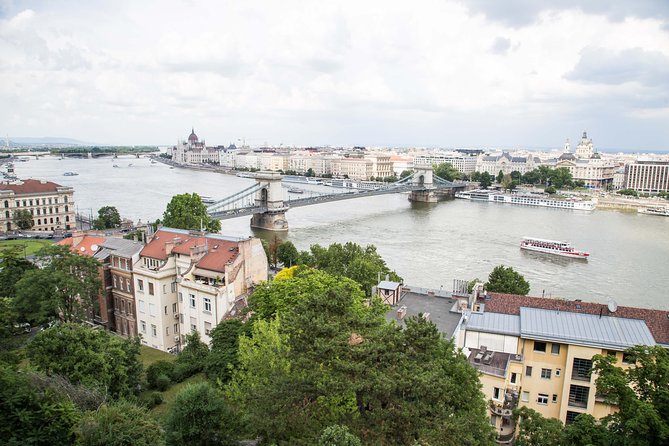
This is also a strong viewpoint setup. From Fisherman’s Bastion and other lookout points, you get the wide panoramas that make Budapest look like a postcard from every direction—especially the Danube corridor.
If you’re planning your day around photo timing, aim to stay present here. The sunlight and river angle can shift fast. Even if you’re not a photography obsessive, it’s worth taking a few minutes just to watch how the city sits along the water.
Castle Garden and courtyards near the President’s neighborhood

The final stretch brings you to Castle Garden, a smaller area that feels less like a showpiece and more like lived-in old Budapest. You’ll learn that the Hungarian president calls the area home, along with a few hundred residents in centuries-old buildings.
That’s a key difference from many “castle district” walks. It’s easy to treat Buda Castle as a backdrop. Castle Garden reminds you it’s still part of real city life—people still live in these historic buildings, not just stage for tourists.
You’ll also hear about the kind of places people miss: hidden gardens, courtyards, and statues tucked into the neighborhood. This is where the guide’s local knowledge matters most. You’re not just walking from landmark to landmark. You’re learning where the quiet corners are and why they mattered in each era.
This section is a good place to ask questions. If the guide already handled Jewish history, WWII rebuilding, and court-era power, this is where you can connect those threads to everyday details—why a certain path exists, what a building’s look suggests, or how the neighborhood layout survived multiple rebuilds.
Coffee break and pacing: how to make a hilly 3 hours feel easy
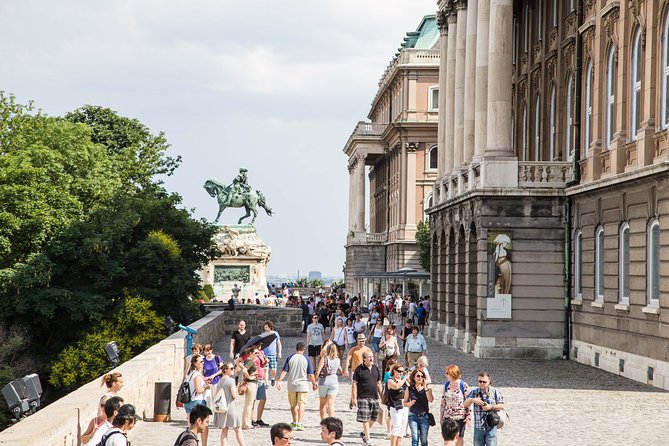
This tour runs about 3 hours and is designed for a smooth rhythm: walking between stops, short focused time at each highlight, and a break when your energy dips.
A coffee or other drink is included, and you’ll also have coffee/tea available. For me, that’s not a tiny perk—it’s practical. Castle district walking can wear you down, and having a scheduled stop keeps the day from turning into frantic snacking and water hunting.
The tour is small group only. Maximum is eight (minimum two), so you’re not squeezed into a big crowd. For people who like to hear details and ask follow-ups, that format helps a lot.
One more pacing tip: this is a guided walk, so it moves at a human pace, but you’ll still cover real ground. If you have another plan right after, tell the guide at the start. The tour can run longer than three hours if you’re not in a rush.
Price and value: is $125 a good deal for this mix?
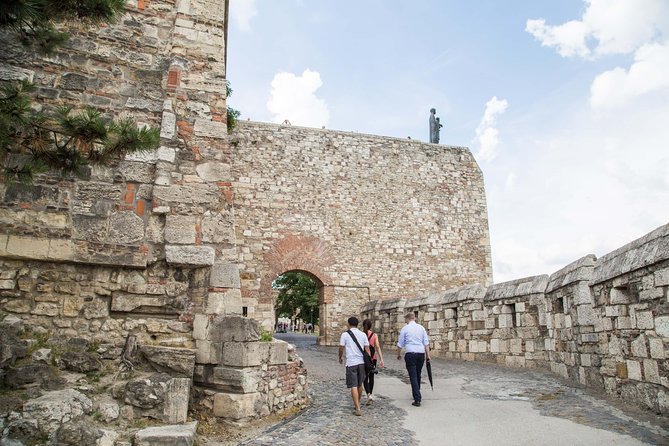
At $125 per person for about three hours, the value comes from what’s included and how the time is used. You’re paying for an experienced local English-speaking guide, a structured route through the UNESCO-listed district, and included refreshment plus entrance to St. Matthias Church.
If you were planning to visit Matthias anyway, the included entry makes the ticket feel less expensive. The coffee also softens the budget impact—especially if you’re the type who likes to stop for a drink during sightseeing.
Where the price feels most justified is the storytelling density. The tour covers medieval through WWII in one coherent walk, and the guide connects each era to specific visible landmarks like the library area, the church, Danube-side parts of the district, and the bunker stop.
Where you should be honest with yourself: if you hate guided tours or you’re only interested in a single “big sight,” you might find this cost harder to justify. But if you want the Castle district to make sense—this price buys you context, not just photos.
How to plan your day: meeting at Zero Kilometre Stone and ending near Matthias
You meet at the Zero Kilometre Stone in Budapest (Clark Ádám tér, 1013). The tour starts at 3:00 pm and ends near Matthias Church (Mátyás Templom, Szentháromság tér 2, 1014).
That ending matters. You’re finishing right in the hub area, so it’s easy to walk to nearby sights or grab dinner in central Buda without a long transit plan. It’s also convenient for people who want to see the church area at the end, then use the neighborhood atmosphere for their next steps.
It’s also “near public transportation,” which helps if you’re coming from elsewhere in the city. Still, plan for walking on uneven surfaces once you reach the hill streets.
Who should book this tour
I’d book this if you want a guided introduction that’s historical but not academic, and views but not just views. It suits first-timers who want to understand why Buda Castle feels different from Pest, and it suits repeat visitors who want the Jewish community thread and WWII bunker element.
It’s also a good choice if you prefer smaller groups. With a maximum of eight, you’re more likely to hear your guide’s explanations clearly and ask questions without feeling like background noise.
If you’re traveling with limited mobility or you know you can’t handle cobblestones and slopes, you might find the physical part challenging. The tour data doesn’t spell out accessibility details, so you’ll want to consider that before committing.
Should you book the Budapest Castle Walk?
Book it if you want a guided way to connect the Castle district’s layers—Hungarian royal years, Ottoman and Habsburg shifts, the Jewish community presence, and WWII damage—into one walk that ends with great city views. The combination of Matthias Church entrance included and a scheduled coffee stop makes the day easier to manage.
Skip or rethink it if you only want one or two landmarks, or if you’re very sensitive to uneven, hilly walking. Also, do yourself a favor: verify your exact start time right after booking so your afternoon doesn’t get derailed.
FAQ
How long is the Budapest Castle Walk?
It lasts about 3 hours.
What does the tour include?
You get an English-speaking local guide, a coffee break (one coffee or drink included), many photo opportunities and time to ask questions, plus coffee/tea. Entrance to St. Matthias Church is also included.
Do I need to buy museum tickets?
Museum entrance fees are not included. St. Matthias Church entry is included, but other museum tickets aren’t part of the price.
Where do I meet the guide and where does the tour end?
You start at the Zero Kilometre Stone area in Budapest (Clark Ádám tér, 1013). The tour ends at Matthias Church (Mátyás Templom, Szentháromság tér 2, 1014).
How big is the group?
This is a small-group tour with a minimum of 2 guests and a maximum of 8 guests. Larger groups have a different group option, and you can also choose a private tour.
What time does the tour start?
The listed start time is 3:00 pm.
Is the tour available year-round?
Yes, the tour runs year-round.
Still Walking Budapest





More Tour Reviews in Budapest






More of Castle Hill



Just Added: More Budapest Reviews
- Sightseeing flight over Budapest
★ 5.0 · 3 reviews - Budapest: Walking Tour with Chimney Cake & Polaroid Photos
★ 5.0 · 3 reviews - Self Guided Tour In Budapest With 100 Captivating Audio Stories
★ 5.0 · 3 reviews - Budapest Art Nouveau Walking Tour
★ 5.0 · 3 reviews - Hungary today: a no-taboo conversation
★ 5.0 · 3 reviews
Buda Castle & Fisherman's Bastion, compared.
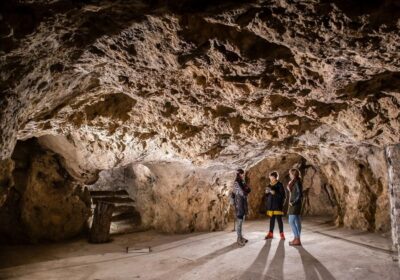 ★ 4.7Buda Castle Cave TourFrom $195,677 reviews
 ★ 4.6Buda Castle District Vampires and Myths Night TourFrom $233,830 reviews
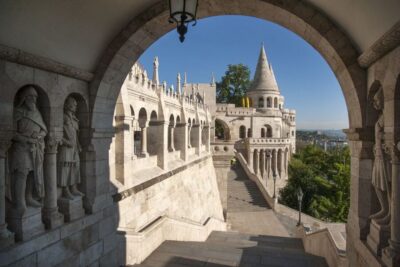 ★ 4.6Buda Castle District Walking TourFrom $142,108 reviews
 ★ 4.33-Hour Grand City Tour and Castle WalkFrom $491,437 reviews
 ★ 4.5Buda Castle District Dark History, Legends and Vampire Night TourFrom $211,240 reviews
 ★ 4.9Buda Castle District Walking Tour with a HistorianFrom $63867 reviews
 ★ 4.6Classical Music Concerts in Matthias ChurchFrom $70792 reviews
 ★ 4.6Matthias Church Entry TicketFrom $25787 reviews
Browse the lists this tour appears in