
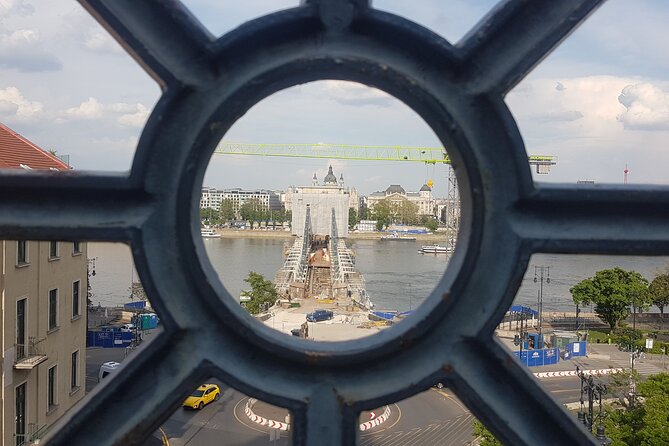
Reviewed · BUDA CASTLE & FISHERMAN'S BASTION
Budapest: Castle District Walking Tour
Castle Hill can feel like a puzzle. This guided walk turns the Buda Castle District into a clear route with real stories behind the stone.
Two things I’d prioritize here: you get a smart sequence of the big sights (so you’re not crisscrossing stairs in the wrong direction), and you hear the human backstory of the district—wars, occupations, and everyday life—without needing to study a guidebook first.
One heads-up: this is a hilly, stair-heavy experience. Plan on comfortable shoes and a moderate effort, including an uphill walk, because the views cost a little sweat.
In This Review
- Why This Tour Works So Well on Castle Hill
- Batthyány tér Start: Finding the Blue Flag and Your First Landmarks
- The Hilly Climb: Pace, Steps, and How to Not Rush Yourself
- Buda Castle District Essentials: From Royal Power to Church Spires
- Fisherman’s Bastion: Views, Weird Trivia, and Cross-Sign Clues
- Underground Castle Hill: Caves, Labyrinths, and Defense Logic
- Jewish Prayer House, Baroque Homes, and the District’s Daily Life
- Ottoman Threads and Gül Baba: Who Came, Who Stayed, What Changed
- WWII Destruction and the Nazi Stronghold Location
- Public Art, Huszár Humor, and the Fun Side of Castle District
- Turul Bird, Government Offices, and Recognizing Modern Power
- Terrace Time Over Pest: Getting the Best View Without Guesswork
- Price Value at $2.27 and What You’re Actually Paying For
- Who This Tour Fits Best (and Who Might Want Another Option)
- Should You Book This Budapest Castle Hill Walking Tour?
- FAQ
- Where is the meeting point for the Budapest Castle District walking tour?
- How long is the tour?
- Is the tour in English?
- What should I bring?
- How physically demanding is the walk?
- Is the tour wheelchair accessible?
- Are there toilets near the meeting point?
- What’s the group size?
- Does the tour offer free cancellation?
Why This Tour Works So Well on Castle Hill
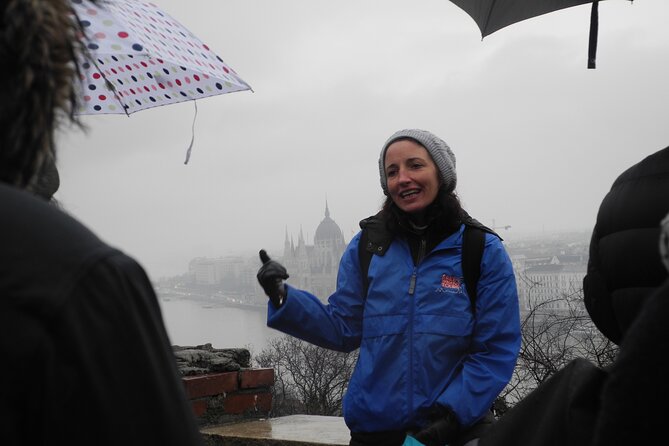
Small-group feel (up to 30 people) keeps questions manageable and the guide’s pacing realistic.
High-impact stops you’ll actually want photos of: Buda Castle, Matthias Church, Fisherman’s Bastion, and more.
Underground Castle Hill stories including caves/labyrinths and the defensive role of the area.
Cultural crossover explanations from Jewish sites to Ottoman history, plus everyday-life context.
Guides who bring personality—with humor and Q&A at the end—so the history lands, not just dates.
More of Castle Hill, turrets and the river below
- Budapest: Buda Castle Cave Tour★ 4.7 · 5,677 reviews
- Budapest: Buda Castle District Vampires and Myths Night Tour★ 4.6 · 3,830 reviews
- Budapest: Buda Castle Walk with Saint Stephen’s Hall★ 4.5 · 3,012 reviews
- Budapest: Buda Castle District Walking Tour★ 4.6 · 2,108 reviews
Batthyány tér Start: Finding the Blue Flag and Your First Landmarks
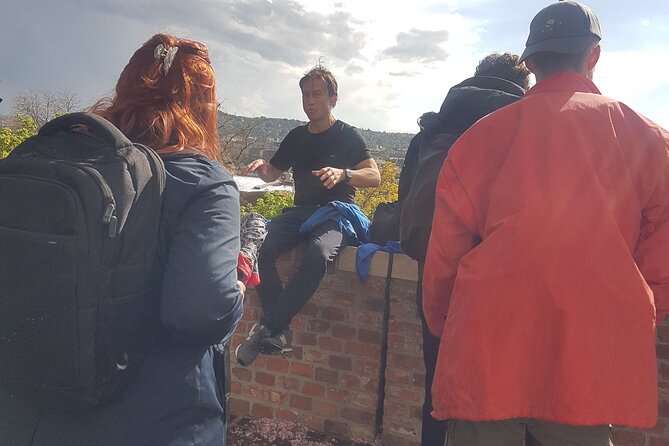
You meet at the Batthyány tér metro exit, about 15 meters from St. Anna Church. Look for a tour guide holding a royal blue flag—this is the cleanest way to avoid wandering around the wrong entrance.
The area around Batthyány tér has practical perks before you climb: public toilets and a food market nearby. If you’re the type who likes to grab water before a walk, do it here while you still have flat ground.
The Hilly Climb: Pace, Steps, and How to Not Rush Yourself
This tour runs about 2 hours, and it includes a moderate physical challenge. You should be ready for at least a 10-minute uphill walk, plus plenty of stairs around Castle Hill.
The good news is that the route isn’t just a straight sprint uphill. Guides build in small pauses along the way, and the group size helps—30 people is big enough to have energy, but small enough to wait when someone needs a breather.
If you’re traveling with strollers, be cautious. The experience isn’t designed for wheelchair users, and the terrain is stair-heavy. For most people, that’s fine; for strollers or anyone who hates stairs, it can feel like more work than you expected.
Buda Castle District Essentials: From Royal Power to Church Spires
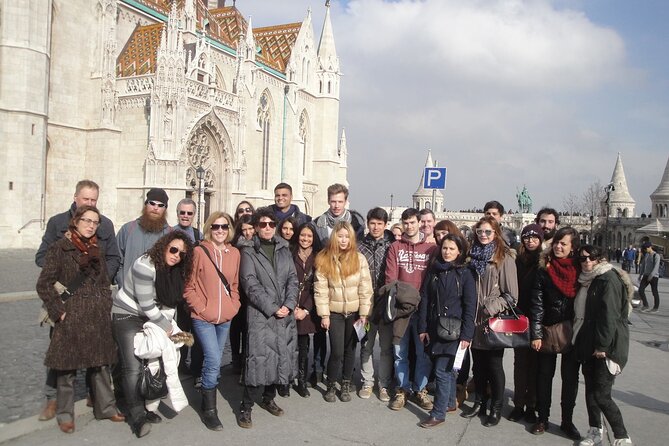
Once you start moving, the tour’s big strength is order. Instead of guessing your way between landmarks, you walk a logical circuit through the Castle District’s core pieces.
You’ll see the Royal Palace area (described as the massive residence of Hungarian kings, rebuilt many times after war destruction). It’s one of those buildings where the scale hits you faster than any explanation—then your guide fills in why it looks the way it does today.
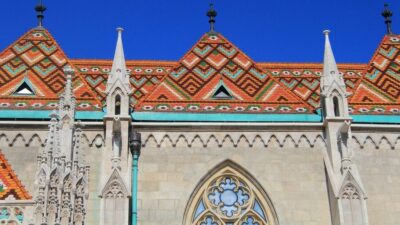
Matthias Church is another anchor stop. Don’t just look up at the spires—use this moment to learn what makes the church important in the district’s story. Your guide’s role here is to connect the church to the larger “who lived here and why” theme, not to treat it like a random photo stop.
You’ll also pass other standout landmarks such as Maria Magdalena Church Tower and additional important buildings. The tour is built to help you recognize what you’re looking at and why it matters.
Fisherman’s Bastion: Views, Weird Trivia, and Cross-Sign Clues
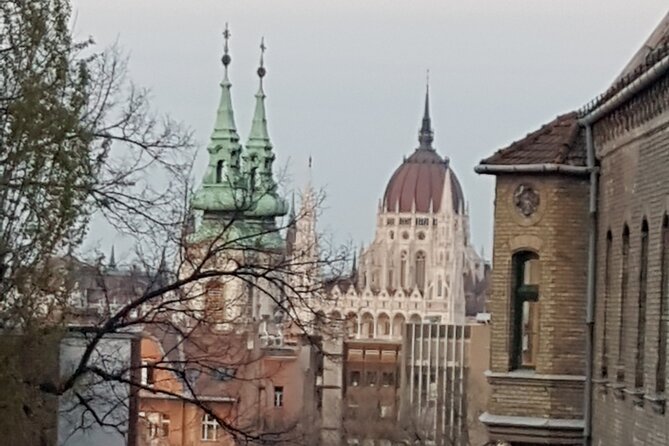
Fisherman’s Bastion is famous for a reason: the terraces frame the Danube and the Pest side skyline in a way you can’t fully recreate from street level. This is one of the stops where your guide’s timing matters, because Castle Hill photos are all about angles and crowd energy.
Expect more than scenery. You’ll hear the difference between a cross with one, two, or three strips—one of those details that can make a structure feel suddenly “readable.” You’ll also get a piece of trivia tied to Walt Disney’s connection to the bastion area. Even if you’ve heard rumors before, the guide version puts it into context with the architecture.
Then there’s the very practical side: you’ll learn how to enjoy a free view from Castle Hill. That means after the tour ends, you won’t feel stuck paying for another lookout just to see what you already came for.
Budapest at street level, more routes on foot

Underground Castle Hill: Caves, Labyrinths, and Defense Logic
Castle Hill isn’t only towers and churches. The area also has stories underground—caves, labyrinths, and the long defensive role the terrain played over centuries.
This is one of the most interesting parts to plan mentally. When you’re standing on the surface, it’s easy to treat the hill as scenery. The tour flips the perspective and helps you picture how the same spaces could defend people, move them, or protect them during conflict.
If you like history that feels physical, this section is for you. It turns abstract “wars and occupations” into a sense of place: why the hill layout mattered, and why certain routes and structures likely existed for more than aesthetics.
Jewish Prayer House, Baroque Homes, and the District’s Daily Life
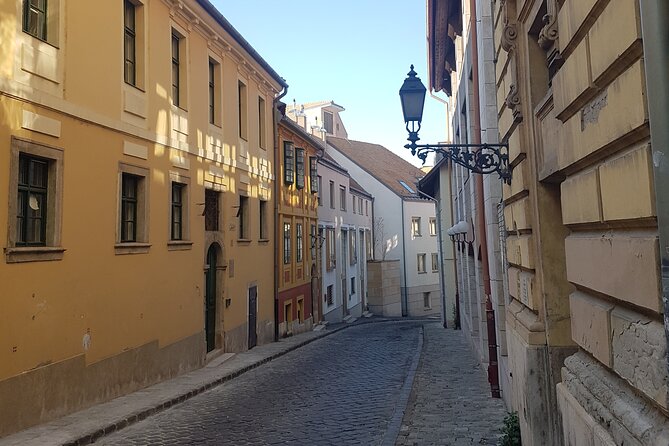
One of the most valuable shifts the guide makes is moving from “monuments” to “people.” You’ll learn about the everyday life of German, Jewish, and Hungarian populations in the district—how multiple communities lived alongside each other in a space shaped by politics and pressure.
A key stop here is the Medieval Jewish Prayer House. It’s surrounded by beautiful baroque residential buildings, and the contrast helps you understand how religious life and neighborhood life share the same slope and streets.
This part is especially useful if you’re the kind of visitor who hates walking past plaques without knowing what they’re actually pointing to. Your guide’s commentary helps the buildings feel lived-in, not staged.
Ottoman Threads and Gül Baba: Who Came, Who Stayed, What Changed
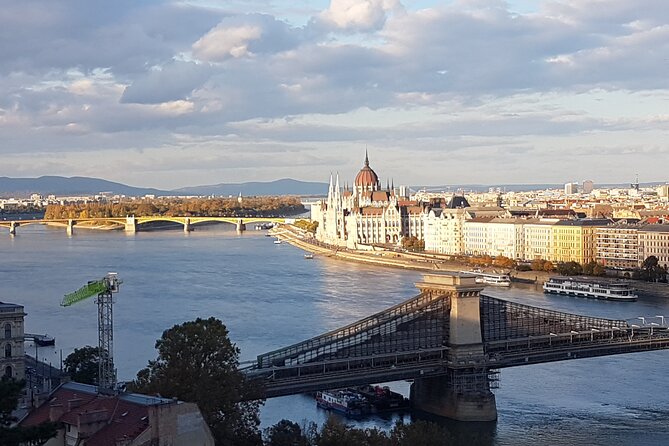
You’ll also cover Ottoman-era history, including Gül Baba, described as an Ottoman Turkish monk and soldier. The guide frames this with the idea of a Muslim site of pilgrimage connected to him.
This isn’t just a historical footnote. It shows how Budapest’s Castle District absorbed layers of influence—sometimes through rule, sometimes through culture, and sometimes through the long after-effects that remain in architecture and local memory.
You’ll also hear about where the rich Hungarians live in the district today. That helps you connect the historical “who had power” theme to how the hill looks in modern times.
WWII Destruction and the Nazi Stronghold Location
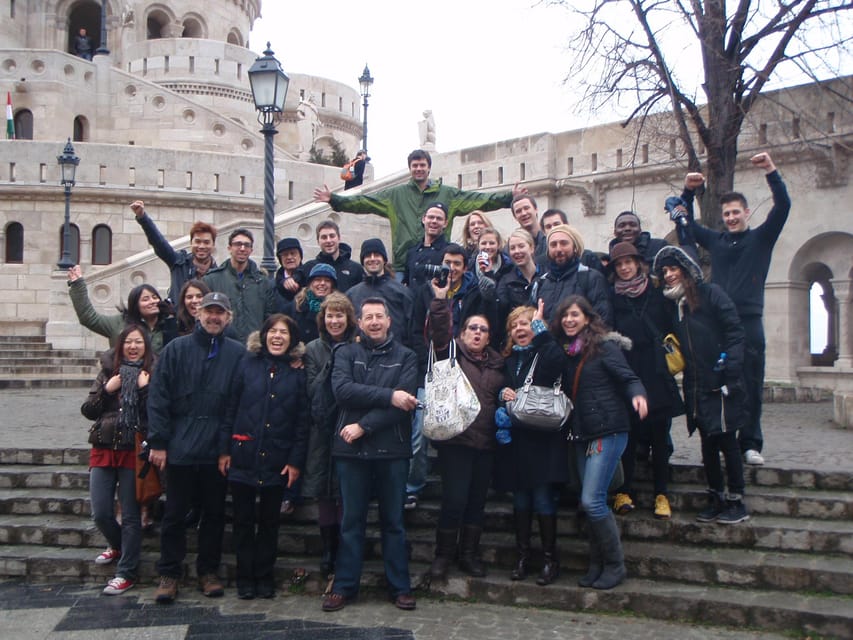
Castle Hill carries visible consequences of the 20th century, not only medieval or Ottoman chapters. The tour explains massive WWII destruction and points out where the Nazi stronghold was.
This is the sobering section of the walk. The best way to handle it is to listen closely during the commentary and then look again at the places you’ve just visited with new context. That’s where the tour earns its place: it teaches you what you’re seeing, so you stop treating it as background.
Public Art, Huszár Humor, and the Fun Side of Castle District
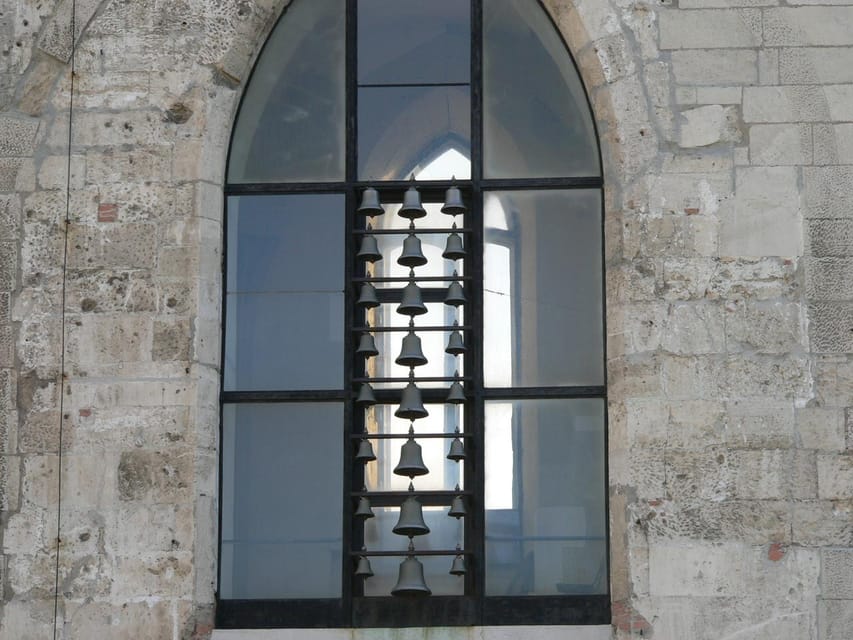
Not every Castle Hill moment needs to be solemn. You’ll hear about urban public art mini monuments and lookout terraces, and you’ll learn the story behind some of Budapest’s funniest public statues.
One of the most memorable bits is the mention of the huszár—womanizer light cavalry fighters known by that name. It’s the kind of detail that makes the district feel less like a museum and more like a living city that loves its own legends.
Expect other lively explanations too: the tour includes tricky questions about the major landmarks, which is a fun way to keep attention during the climb.
Turul Bird, Government Offices, and Recognizing Modern Power
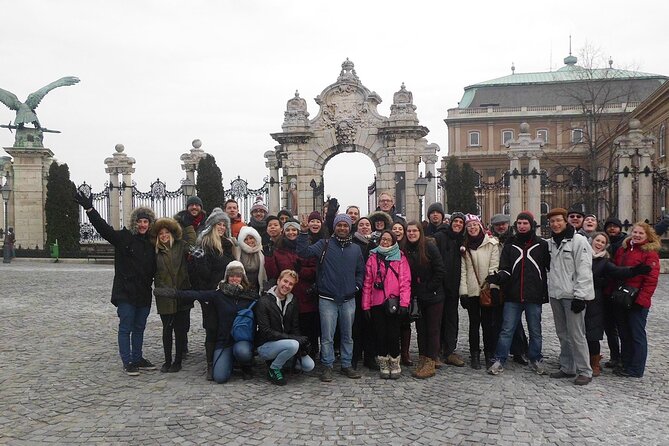
As the tour moves toward its wrap-up, you’ll connect the past to the present. You’ll see where the president and prime ministers’ offices are located and learn about the mythical bird of the Hungarians (the Turul).
That “myth meets government” angle is surprisingly useful. It gives you a lens for understanding why national symbolism appears in places that also function as power centers.
By the time you’re back near the meeting point area, you should feel like you can navigate the Castle District on your own—at least the main spine of it—without second-guessing what everything is.
Terrace Time Over Pest: Getting the Best View Without Guesswork
The tour includes a panorama over the Pest side of the Danube from a terrace. This is the kind of payoff that makes the uphill portion feel worth it.
Here’s how I’d use this moment: don’t just take a photo and move on. Pause long enough to identify what you’re actually seeing—waterway lines, building clusters, and the feel of the city spreading out on the far bank. With the guide’s earlier context, the view becomes more than a postcard.
The tour also includes a free-view learning component, so you can return later with a clearer plan for where to stand for your preferred angles.
Price Value at $2.27 and What You’re Actually Paying For
At the price shown (about $2.27 per person), this is one of those deals that only makes sense once you understand how valuable a good local guide is in a place like Castle Hill.
You’re paying for:
- An efficient route through the major sights you’d otherwise chase randomly
- Context-heavy storytelling that turns landmarks into a connected narrative
- Time saved, because the guide helps you skip the trial-and-error part of navigating the hill
Just keep expectations aligned with reality: this is a walking tour, not a private car, and the guide isn’t doing magic. You’ll still walk the hill. The value is in reducing confusion and getting better questions answered in the moment.
Also note the guide-tip culture. The booking fee you pay is described as an administration/marketing fee, and tips are encouraged. The guidance given is that many guests tip around €10 per person, sometimes more, depending on what they felt the tour was worth.
Who This Tour Fits Best (and Who Might Want Another Option)
This walking tour is a great fit if you want a structured introduction to the Castle District. It’s ideal for first-timers who want the big landmarks plus real context about 800 years of change—wars, occupations, and daily life—without spending evenings reading.
It also works well if you enjoy light humor mixed with history. The guides mentioned by name in past departures (like Gary, Dora, Boulash, Andras, Rita, and Udit) are repeatedly described as friendly, engaging, and willing to answer questions.
Choose another option if:
- you need wheelchair access
- you have a strong dislike of stairs and uphill walking
- you’re traveling with constraints that make a stair-heavy route difficult
Should You Book This Budapest Castle Hill Walking Tour?
Yes, I think you should book it if you want your Castle District visit to feel organized and meaningful. The combination of major stops (Buda Castle, Matthias Church, Fisherman’s Bastion), underground history themes, and culture crossovers (Jewish and Ottoman stories) is the kind of guide-led value that’s hard to DIY.
Book it especially if you’re the type who enjoys learning small details that make buildings feel real—like what to look for, why symbols matter, and where to find viewpoints on your own after the tour.
FAQ
Where is the meeting point for the Budapest Castle District walking tour?
You meet at the Batthyány tér metro exit, about 15 meters from St. Anna Church. Look for the guide holding a royal blue flag.
How long is the tour?
The duration is about 2 hours. Starting times depend on availability.
Is the tour in English?
Yes. The live tour guide speaks English.
What should I bring?
Bring comfortable shoes, water, and weather-appropriate clothing.
How physically demanding is the walk?
It’s listed as suitable for people with moderate physical fitness. There is a note about a roughly 10-minute uphill walk.
Is the tour wheelchair accessible?
No, it is not suitable for wheelchair users.
Are there toilets near the meeting point?
Yes. There are public toilets near Batthyány tér in the meeting point area.
What’s the group size?
The tour has a maximum of 30 travelers.
Does the tour offer free cancellation?
Yes, free cancellation is available up to 24 hours in advance for a full refund.
More Tour Reviews in Budapest






More of Budapest, Step by Step






More of Castle Hill

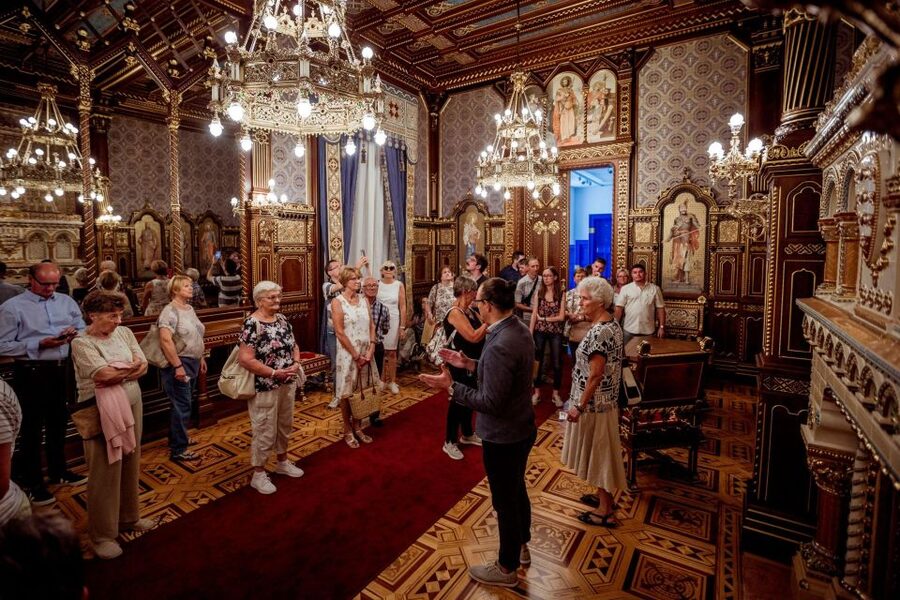


Just Added: More Budapest Reviews
- Sightseeing flight over Budapest
★ 5.0 · 3 reviews - Budapest: Walking Tour with Chimney Cake & Polaroid Photos
★ 5.0 · 3 reviews - Self Guided Tour In Budapest With 100 Captivating Audio Stories
★ 5.0 · 3 reviews - Budapest Art Nouveau Walking Tour
★ 5.0 · 3 reviews - Hungary today: a no-taboo conversation
★ 5.0 · 3 reviews
Buda Castle & Fisherman's Bastion, compared.
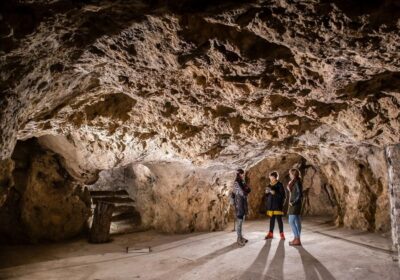 ★ 4.7Buda Castle Cave TourFrom $195,677 reviews
 ★ 4.6Buda Castle District Vampires and Myths Night TourFrom $233,830 reviews
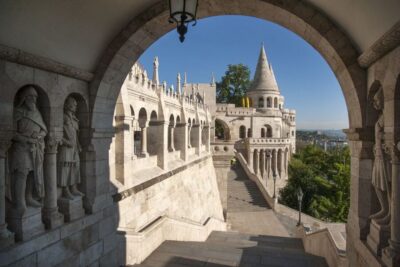 ★ 4.6Buda Castle District Walking TourFrom $142,108 reviews
 ★ 4.33-Hour Grand City Tour and Castle WalkFrom $491,437 reviews
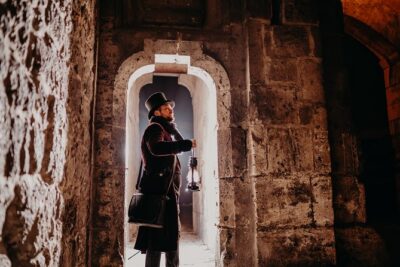 ★ 4.5Buda Castle District Dark History, Legends and Vampire Night TourFrom $211,240 reviews
 ★ 4.9Buda Castle District Walking Tour with a HistorianFrom $63867 reviews
 ★ 4.6Classical Music Concerts in Matthias ChurchFrom $70792 reviews
 ★ 4.6Matthias Church Entry TicketFrom $25787 reviews
Browse the lists this tour appears in