
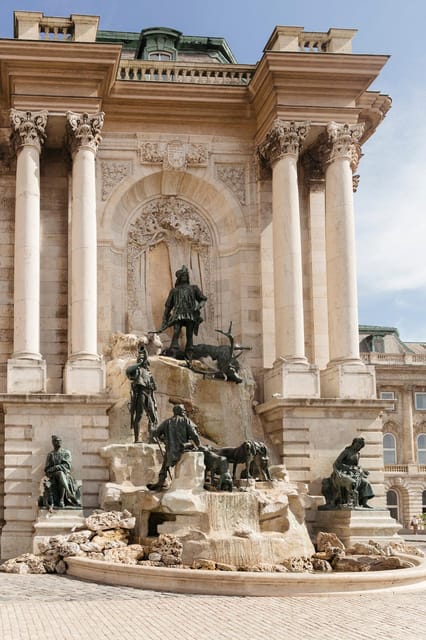
Reviewed · BUDA CASTLE & FISHERMAN'S BASTION
Budapest: Buda Castle Walking Tour & Folk Music Performance
Buda Castle feels like a living story. This guided walk through the Buda Castle District pairs big monuments like Matthias Church with human details that make the hill feel real, then ends with a Hungarian folk music performance led by Kristóf (Kristóf Kovács in his own kind of standout way). If you like history that you can actually picture, this format works.
I love the way the guide connects landmark architecture to everyday life and power, especially around Matthias Church and Fisherman’s Bastion. I also love the finale: singing traditional Hungarian folk songs and showing simple dance steps so you’re not stuck just watching from the sidelines.
One consideration: this is mainly an exterior experience, and entry tickets for the monuments are not included, so you may want to budget extra time (and money) if you’re determined to go inside.
- UNESCO World Heritage feel on Castle Hill without feeling rushed
- Matthias Church + Fisherman’s Bastion explained with clear, story-based context
- Tárnok Street’s architectural mix, including very old building parts
- Pest-side panorama points plus a view of the funicular
- King Matthias storytelling tied to Renaissance culture in Budapest
- Live Hungarian folk music and dance led by Kristóf
In This Review
- Starting at Holy Trinity Square: Getting Oriented Fast
- Matthias Church and Fisherman’s Bastion: More Than Photo Spots
- Tárnok Street’s Architectural Mix: A Street That Shows Centuries
- Royal Buda Palace and King Matthias: Renaissance Stories with Local Flavor
- Pest-Side Views from Tóth Árpád Sétány: Where Budapest Shows Its Scale
- The Hungarian Folk Music Finale with Kristóf: A Cultural Bonus, Not a Side Show
- Price and Value: Is $58 Reasonable for This 2–2.5 Hour Tour?
- Who Should Book This Buda Castle Tour
- Should You Book the Buda Castle Walking Tour with Folk Music?
- FAQ
- How long is the Budapest Buda Castle walking tour?
- What does the tour cost?
- Where do I meet the guide?
- Is the tour in English?
- Are monument entry tickets included?
- What should I bring or wear?
- What about weather and cancellations?
Starting at Holy Trinity Square: Getting Oriented Fast
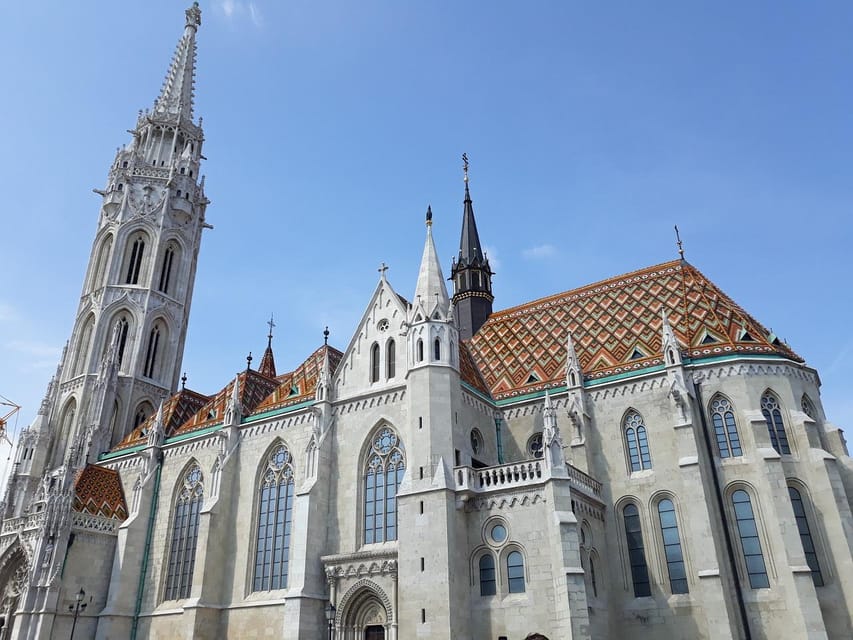
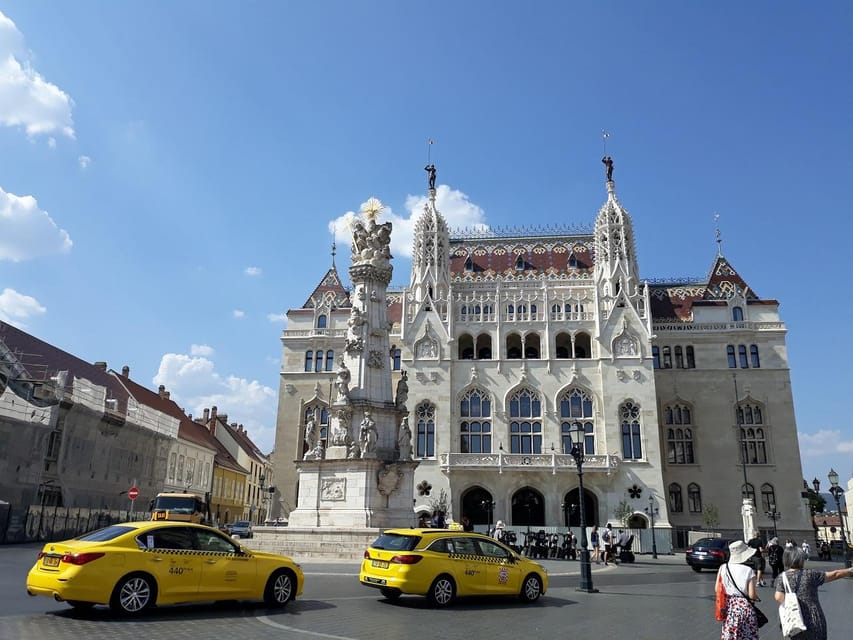
Most people arrive at Castle Hill already impressed. This tour starts at Holy Trinity Square (Szentháromság tér), in front of the Holy Trinity Statue (Szentháromság-szobor). That’s a smart move, because it gets you oriented right away before you start climbing and weaving through the historic core.
I like this opening because you’re not wandering. You get a sense of where the Buda Castle District sits above the rest of Budapest, why this hill mattered, and how the different eras shaped what you see today. The guide is also an active part of the experience—expect interaction and room for questions, not a lecture you endure.
And since the tour is in English with a licensed Hungarian guide, you don’t have to translate the city in your head. The guide’s job is to connect names, dates, and architecture into something you can remember later, especially around the major sights like the church and the palace.
Practical note: wear comfortable shoes. Castle Hill paths can be uneven, and you’ll be walking for the full 2 to 2.5 hours.
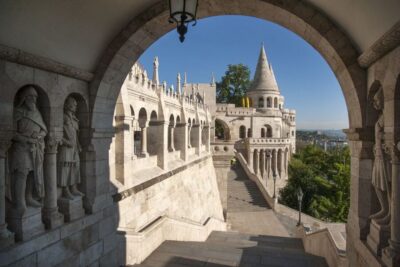
More of Castle Hill, turrets and the river below
- Budapest: Buda Castle Cave Tour★ 4.7 · 5,677 reviews
- Budapest: Buda Castle District Vampires and Myths Night Tour★ 4.6 · 3,830 reviews
- Budapest: Buda Castle Walk with Saint Stephen’s Hall★ 4.5 · 3,012 reviews
- Budapest: Buda Castle District Walking Tour★ 4.6 · 2,108 reviews
Matthias Church and Fisherman’s Bastion: More Than Photo Spots
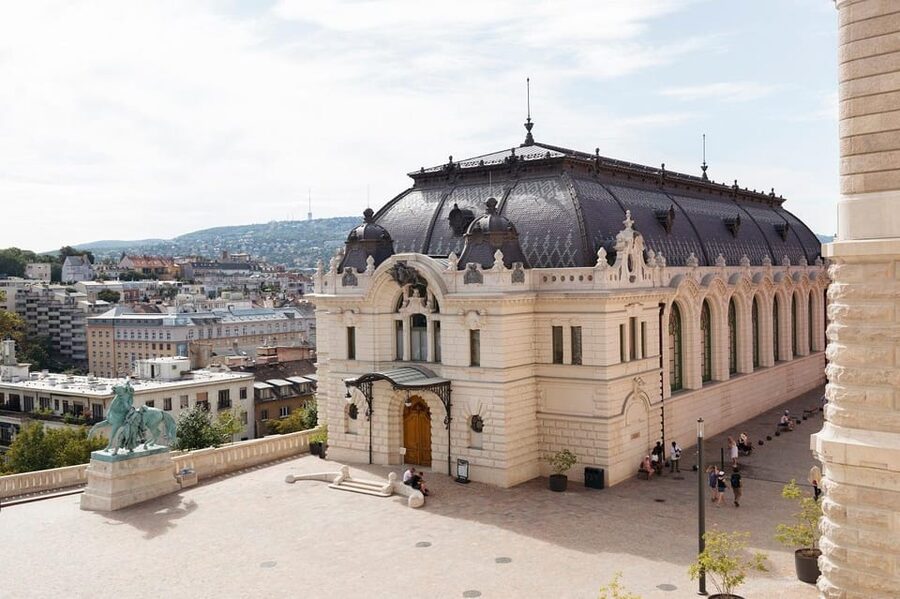
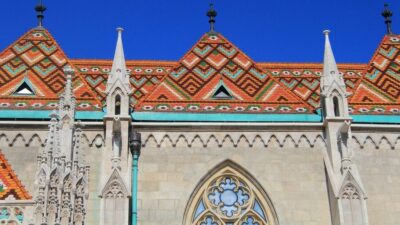
Matthias Church is one of those Budapest places that looks good from every angle. What makes the visit worthwhile here is the explanation: the guide ties the church to the story of the city and the rulers who shaped it.
Then you move toward Fisherman’s Bastion, another must-see. Yes, you’ll get great photo views, especially back toward the city. But you’ll also hear why this area is beloved and how the site became part of Budapest’s identity. The guide doesn’t treat it like a set of isolated attractions; it’s more like a connected timeline you’re walking through.
One reason I think this stop works well for first-timers is the way it sets the tone. Matthias Church and Fisherman’s Bastion are the landmarks everyone recognizes. By the time you’ve heard the context, you’re seeing details with purpose: the role of religion and monarchy, the way style signals power, and how the hill’s layout supports the big “lookout” moments.
You’ll also notice the pacing here: short walks between stops, so the tour never feels like you’re being herded. It’s a steady rhythm you can handle even if you’re not used to city hills.
Tárnok Street’s Architectural Mix: A Street That Shows Centuries
After the major icons, the tour turns you toward Tárnok Street. This is one of those city surprises: a street that acts like a hallway through time. You’ll see a mix of architectural styles that developed in historical Hungary through the end of the 19th century, including building parts that are close to five hundred years old.
I like this part because it teaches you how to look. Instead of only chasing big monuments, you start noticing the layers: what got rebuilt, what survived, and how different styles sit next to each other without apology. Budapest can feel like a museum in motion, and this street gives you the lesson in a small space.
There’s also value for people who like details. Even if you don’t memorize dates, you’ll walk away with a mental map of what different eras look like. That makes the rest of Budapest easier to understand later, because you’ll spot style changes on your own.
Royal Buda Palace and King Matthias: Renaissance Stories with Local Flavor
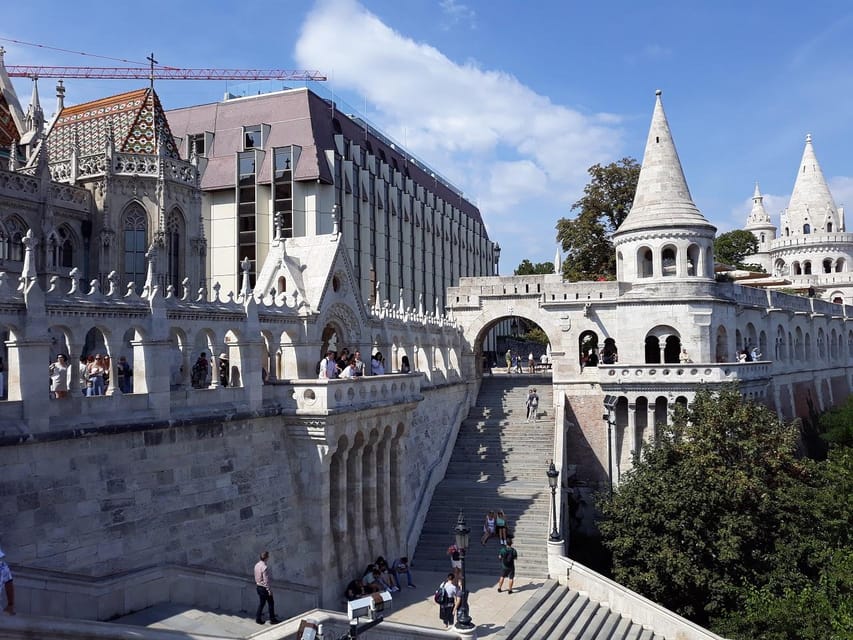
Next comes the Royal Buda Palace area—what many people call Buda Castle. This is the royal seat area, serving Hungarian rulers across centuries, and the tour frames it as more than a grand backdrop.
The guide brings King Matthias into focus, explaining how Matthias helped turn Buda Palace into a Renaissance cultural center in Europe. This matters because without that context, the palace can feel like a set of stone walls. With it, you start seeing the ambition behind the architecture and the way art and power were tied together.
Then comes one of those vivid tour moments: the granite fountains story linked to wine. It’s the kind of detail that makes history feel human. You’re not just hearing a summary—you’re getting an image you can carry in your head while you’re still standing there.
Even better, the tour doesn’t ignore the quieter side of palace life. The guide also points out Budapest’s oldest confectioner’s pastries, noting that even Queen Elisabeth, known as Sisi, loved them. That’s a fun contrast to the grand political narrative, and it reminds you that a palace city isn’t only kings and courts. It’s also food, daily routines, and local favorites that outlast rulers.
Tip for your own pacing: if you want to pause for photos or simply stare up at the details, this is the time to do it. The palace area can overwhelm you if you rush, so slow down for a few minutes.
Pest-Side Views from Tóth Árpád Sétány: Where Budapest Shows Its Scale
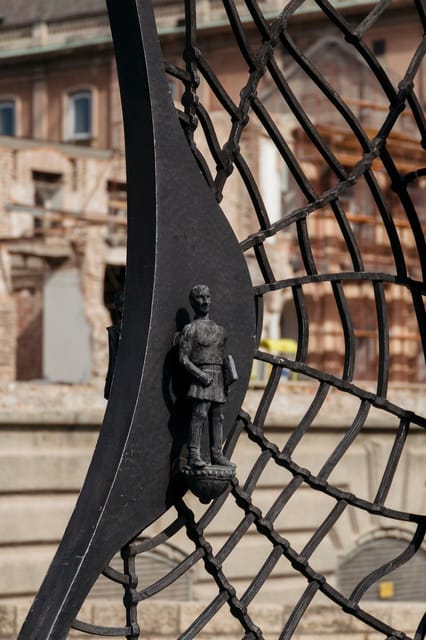
One of the best reasons to do a Buda Castle walking tour is the view—because Budapest is a city of contrasts, and Castle Hill gives you the big picture.
The tour takes you to a spot with breathtaking views toward Pest, and you’ll also see the second funicular built in Europe. Even if you’re not riding it that day, the view helps you understand why this area is connected to the rest of the city in such a practical way. A hill like this doesn’t just sit there for scenery; it’s linked to movement, work, and daily life.
The timing also helps. Instead of squeezing the viewpoints at the end when you’re tired, the tour builds to the panorama. Tóth Árpád sétány is where you finish the scenic section, walking through the view-focused part of the route for about 15 minutes.
This is also where you’ll appreciate that the tour is outdoors for much of the time. On clear days, it’s a payoff you’ll remember. If the weather is gray or windy, the views can still be good, but dress for it. The tour runs in all weather conditions, so plan layers.
Budapest at street level, more routes on foot

The Hungarian Folk Music Finale with Kristóf: A Cultural Bonus, Not a Side Show
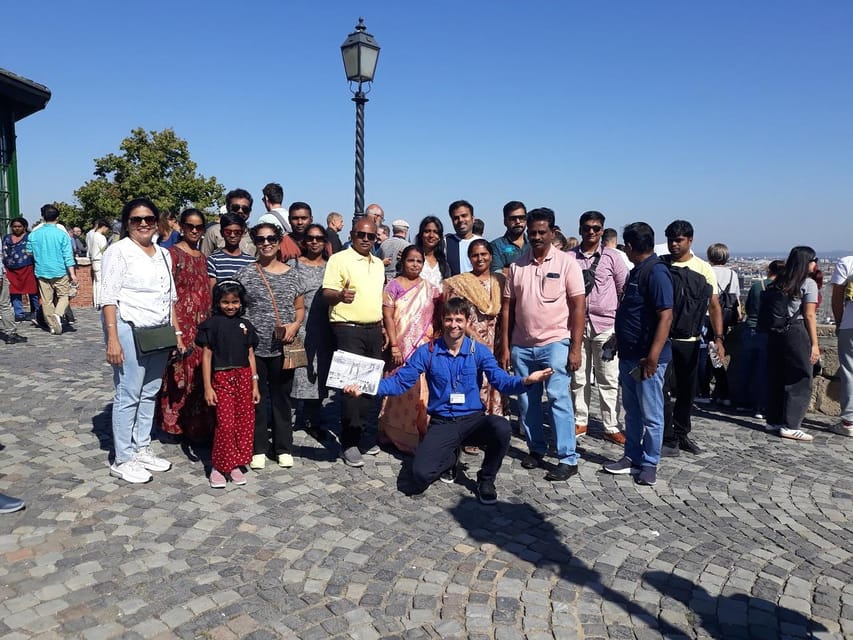
The big differentiator is the ending: a unique Hungarian folk music performance made by your guide. The tour closes by singing traditional Hungarian folk songs and also showing traditional dance steps.
I’ve done tours where the performance feels like a quick gimmick. This one feels integrated. The guide’s personality comes through, and the music-and-dance segment doesn’t land as an afterthought. It feels like a final chapter, giving the cultural context behind what you just saw in stone and street layout.
Kristóf Kovács, in particular, gets high marks for passion and showmanship. In a small-group setting, you’re not shuffled into a corner. You’re part of the moment. You’ll get traditional singing from different regions of Hungary, and the dance part is taught in a way that makes it doable—even if you’ve never stepped into Hungarian folk dance before.
Why this matters for value: you’re paying for more than walking and photos. You’re paying for a living performance tied directly to the culture that shaped the country behind the buildings.
If you enjoy music, you’ll likely find the singing memorable. If you don’t, the dance teaching is still a fun way to break up the walking and end the tour with energy.
Price and Value: Is $58 Reasonable for This 2–2.5 Hour Tour?
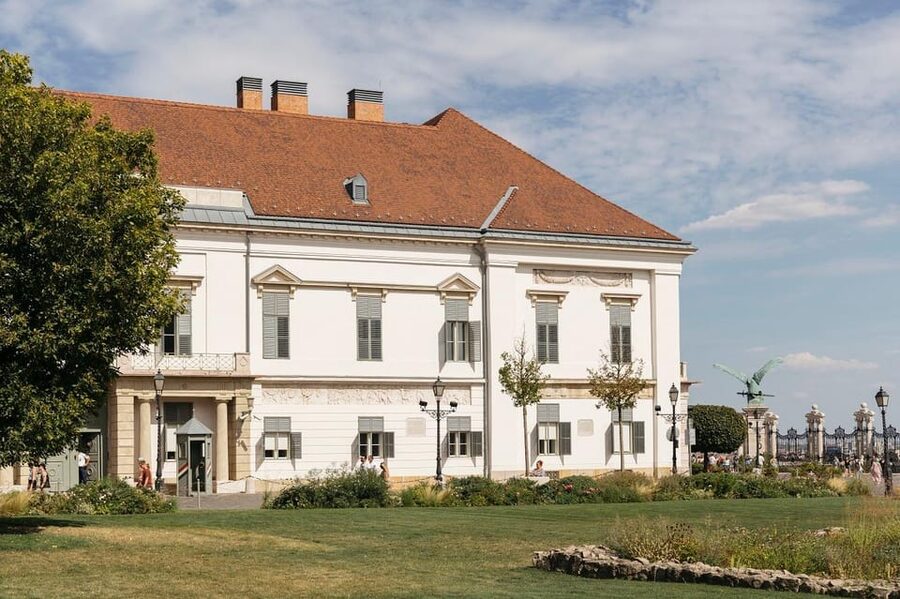
At $58 per person for about 2 to 2.5 hours, this tour sits in the mid-range for Budapest. The question isn’t just the price tag; it’s what you’re getting.
You get:
- a licensed Hungarian guide
- exterior viewing of multiple major monuments
- and a live folk music and dance performance included at the end
That folk segment alone can cost extra on its own if you look for performances separately. Add the fact that entry tickets to monuments are not included, and you’re essentially paying for interpretation, storytelling, and a guided cultural finish—not just access.
You’ll feel the best value if you’re the type of traveler who likes context. If you just want to take photos and move on fast, you might not use the guide’s strengths. But if you want to understand why Matthias mattered, how the palace area connects to Renaissance culture, and what Tárnok Street tells you about architectural change, the $58 feels fair.
Who Should Book This Buda Castle Tour
This experience is a great fit if:
- you’re seeing Budapest for the first time and want a guided walkthrough of Castle Hill highlights
- you love story-driven history tied to real places
- you want a cultural finale that goes beyond a short explanation
It’s also ideal if you prefer small or private groups, since the tour is available as private or small groups. That format tends to make it easier to ask questions and actually interact, which is a big part of why people remember this tour so clearly.
If you’re traveling with kids, it could work well because the music-and-dance ending gives a clear, fun payoff. Still, you’ll want to factor in walking time and outdoor conditions.
Should You Book the Buda Castle Walking Tour with Folk Music?
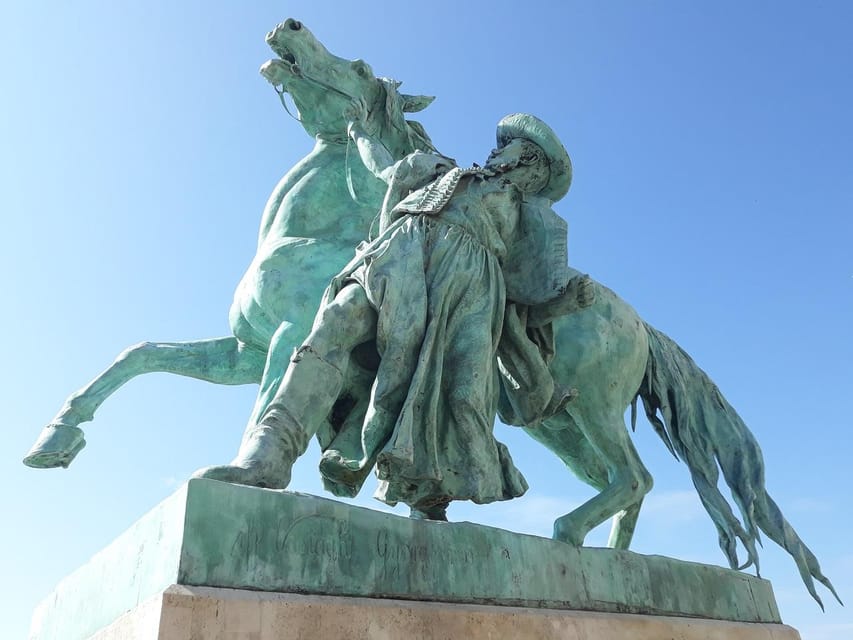
I’d book this tour if you want Budapest to feel more personal than a checklist. Starting at Szentháromság-szobor sets a strong baseline, the Matthias Church and Fisherman’s Bastion stop is where first-time visitors benefit most, and Tárnok Street is the kind of detail that makes the city stick in your mind. Then Kristóf’s folk music and dance gives you a cultural memory you can’t replicate by just reading a sign.
Skip it only if you’re focused on interior monument tickets and don’t care about guided context. This tour is built for exterior sights plus storytelling and performance, not full museum-style entry.
If you’re deciding between a quick monument walk and a guided cultural experience, this one leans toward the second—and it’s a very satisfying choice for a Budapest afternoon or morning.
FAQ
How long is the Budapest Buda Castle walking tour?
It runs about 2 to 2.5 hours.
What does the tour cost?
The price is $58 per person.
Where do I meet the guide?
Meet in front of the Holy Trinity Statue (Szentháromság-szobor) at Holy Trinity Square (Szentháromság tér). The guide holds a board with the Maggino logo.
Is the tour in English?
Yes, the live tour guide speaks English.
Are monument entry tickets included?
No. Entry tickets to the visited monuments are not included.
What should I bring or wear?
Wear comfortable shoes and dress for the weather. Water is recommended.
What about weather and cancellations?
The tour operates in all weather conditions, so dress accordingly. You can cancel up to 24 hours in advance for a full refund.
More Tour Reviews in Budapest






More of Budapest, Step by Step






More of Castle Hill




Just Added: More Budapest Reviews
- Sightseeing flight over Budapest
★ 5.0 · 3 reviews - Budapest: Walking Tour with Chimney Cake & Polaroid Photos
★ 5.0 · 3 reviews - Self Guided Tour In Budapest With 100 Captivating Audio Stories
★ 5.0 · 3 reviews - Budapest Art Nouveau Walking Tour
★ 5.0 · 3 reviews - Hungary today: a no-taboo conversation
★ 5.0 · 3 reviews
Buda Castle & Fisherman's Bastion, compared.
 ★ 4.7Buda Castle Cave TourFrom $195,677 reviews
 ★ 4.6Buda Castle District Vampires and Myths Night TourFrom $233,830 reviews
 ★ 4.6Buda Castle District Walking TourFrom $142,108 reviews
 ★ 4.33-Hour Grand City Tour and Castle WalkFrom $491,437 reviews
 ★ 4.5Buda Castle District Dark History, Legends and Vampire Night TourFrom $211,240 reviews
 ★ 4.9Buda Castle District Walking Tour with a HistorianFrom $63867 reviews
 ★ 4.6Classical Music Concerts in Matthias ChurchFrom $70792 reviews
 ★ 4.6Matthias Church Entry TicketFrom $25787 reviews
Browse the lists this tour appears in