
Reviewed · BUDAPEST WALKING TOURS
Alternative Budapest Walking Tour
Budapest has a second nightlife map. This Alternative Budapest Walking Tour takes you off the usual highlights and into the city’s street art, ruin bars, and creative corners across both Buda and Pest. It’s built to feel current, not like a museum lesson, with an emphasis on what’s happening now in music, fashion, and art.
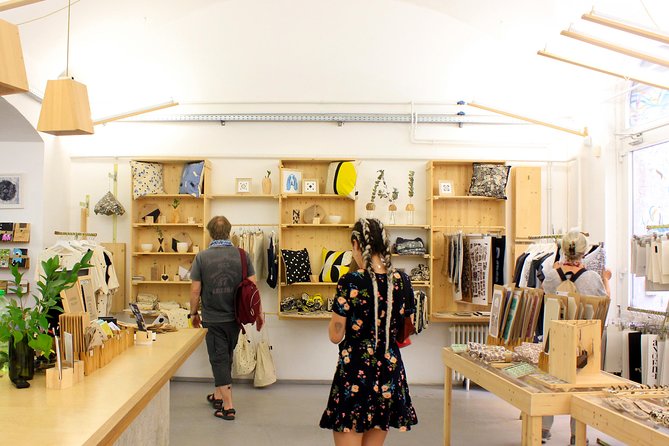
I especially like how the tour uses real local spaces (coffee collectives, ruin bars, galleries, design shops) instead of just pointing at murals from the sidewalk. I also like the small-group setup, limited to 10 people, which means you can ask questions and actually talk with your guide.
One thing to consider: the walk is not for everyone, since it’s 2.5 hours on foot and not suitable for people with mobility impairments or wheelchair users. If you need lots of long stops or step-free routes, this may feel like too much.
In This Review
- Key Points to Know Before You Go
- Street Art Leads You to Real Budapest
- Starting Point at the Pale Yellow Lutheran Church Steps
- Walking the Jewish Quarter and the 7th District Style of Budapest
- Murals, Graffiti Writers, and How to Read the Walls
- Ruin Bars and Cultural Spaces That Blend Nightlife and Community
- The Small-Group Advantage (And Why Your Guide Makes It)
- Price and Value: Is $67 Worth 2.5 Hours?
- What You’ll Actually Do: The Flow of the Walk
- What to Bring (So You Don’t Hate the Middle of the Tour)
- Who Should Book This Tour (And Who Might Skip It)
- Should You Book the Alternative Budapest Walking Tour?
- FAQ
- FAQ
- How long is the Alternative Budapest Walking Tour?
- How much does it cost per person?
- Where do I meet the guide?
- What language is the tour guide?
- How big is the group?
- What is included in the price?
- Are entrance fees or drinks included?
- Is this tour wheelchair accessible?
Key Points to Know Before You Go
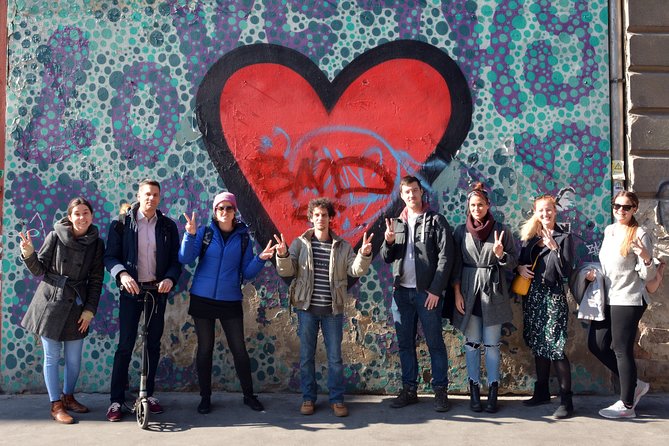
- Small group (max 10): more Q&A, less crowd pressure.
- Street art focus: you’ll learn the context behind murals and graffiti culture.
- Pest’s Jewish Quarter angle: squats, cultural centers, and abandoned synagogues show up in the story.
- Ruin bars and alternative venues: expect stops that mix community and nightlife, not just drinks.
- English guide, professional-led: guides have enough depth to answer the extra questions.
- Comfort matters: comfortable shoes are non-negotiable for this kind of walk.
Budapest at street level, more routes on foot
- Big Bus Budapest Hop-On Hop-Off Bus and Walking Tour★ 3.5 · 2,206 reviews
- Budapest: Buda Castle District Walking Tour★ 4.6 · 2,108 reviews
- 3-Hour Orientation Walking Tour of Buda and Pest★ 4.8 · 1,834 reviews
- Budapest Historical Sightseeing – Free Walking Tour★ 5.0 · 1,302 reviews
Street Art Leads You to Real Budapest
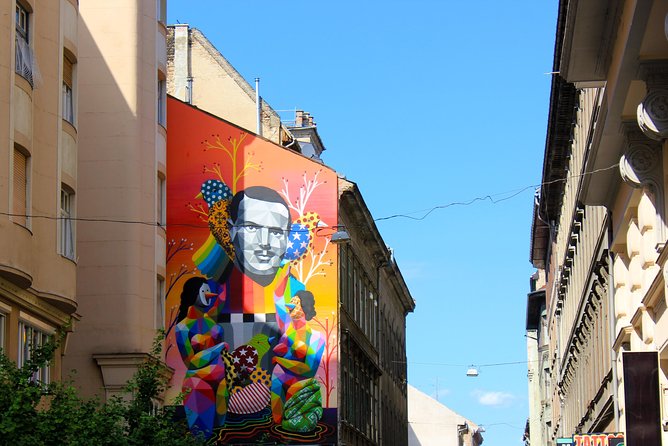
If your idea of Budapest is mainly domes, bridges, and postcard views, this tour changes the picture fast. It’s designed around alternative culture—the graffiti, indie galleries, live music rooms, and hip shops that make the city feel like it’s still growing. Instead of treating street art like decoration, the guides connect it to the people and neighborhoods producing it.
One of the best parts is that you’re not stuck on a single “official route.” The tour is described as ever-changing, which fits Budapest’s vibe: the walls, venues, and creative spaces keep shifting. You’re walking through a city that’s alive, not frozen.
And yes, you still get real context. The tour leans into the way uncared-for districts can become cultural magnets over time—compared (in the tour framing) to East Berlin’s post-wall transformation. That lens helps you understand why today’s street art and ruin-bar scene grew where it did.
Starting Point at the Pale Yellow Lutheran Church Steps
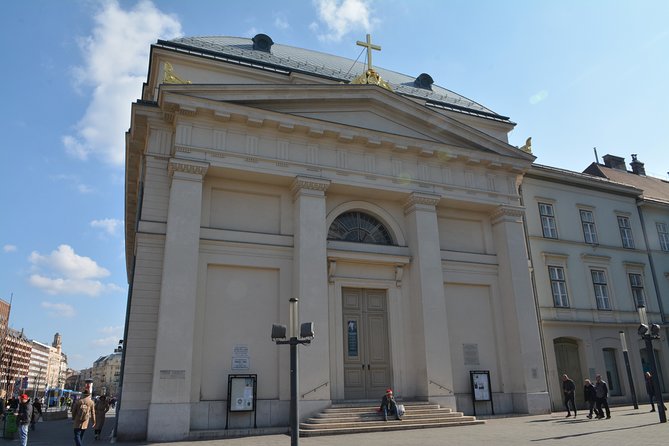
You meet your guide in front of the Lutheran Church—pale yellow—on the church steps. It’s a clear, landmark-style meeting point, but if you’re worried about finding the group, plan to arrive a few minutes early.
This start location matters because it sets the tone: you begin in a normal city street setting, then move outward into the neighborhoods that feel more lived-in than choreographed. Also, because you’re on foot, the meeting time is your best chance to check that your group knows the route pace.
Walking the Jewish Quarter and the 7th District Style of Budapest
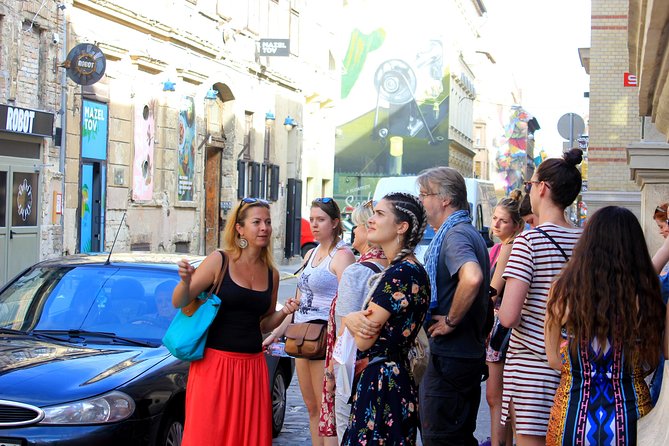
A major theme is heading toward Pest’s Jewish district, where the alternative scene is described as kicking off. You’ll hear about how the area changed, and you’ll see why it became a magnet for new residents, venues, and creative businesses.
The tour also points you toward the city’s “present and future,” not only the past. That can be a refreshing change if you’ve already done the heavy-history tours. Here, history shows up as context for why certain buildings and spaces matter today—especially places tied to community, identity, and reinvention.
In the mix, you might encounter references to the 7th district style of Budapest, and the tour includes stops around areas people often overlook once they stay centered on the biggest tourist squares. If you’re the type who likes city corners—stairs, courtyards, side streets, and signage—that energy fits.
Murals, Graffiti Writers, and How to Read the Walls
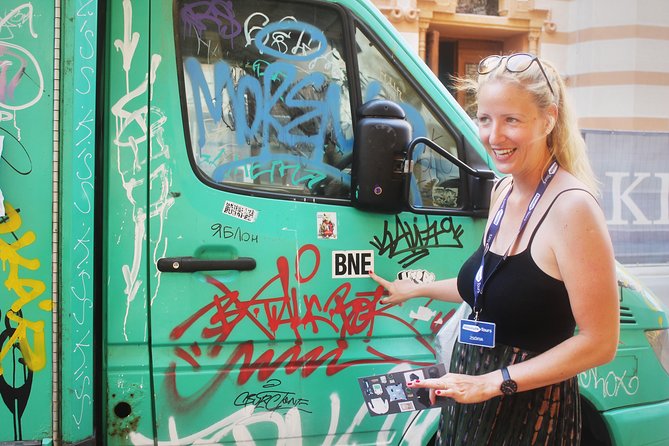
This isn’t a generic street-art walk where the guide points and moves on. The focus is on Budapest’s local street art culture and the people behind it—graffiti writers and street artists. You’ll learn what you’re seeing, not just that you’re seeing it.
That matters because it changes your “walk-by” mindset. Murals can look random if you don’t know the local references. Here, the goal is to help you notice details: styles, symbols, recurring locations, and what the street art is reacting to.
Some guides also bring in the city’s politics and culture around the time the art scene was shaping itself. That can make the murals feel less like decoration and more like public conversation.
If you’re an art history fan, you’ll likely enjoy this section. If street art is new to you, it can still click—because the guide’s job is to translate the scene into something you can understand in real time.
More Budapest on foot

Ruin Bars and Cultural Spaces That Blend Nightlife and Community
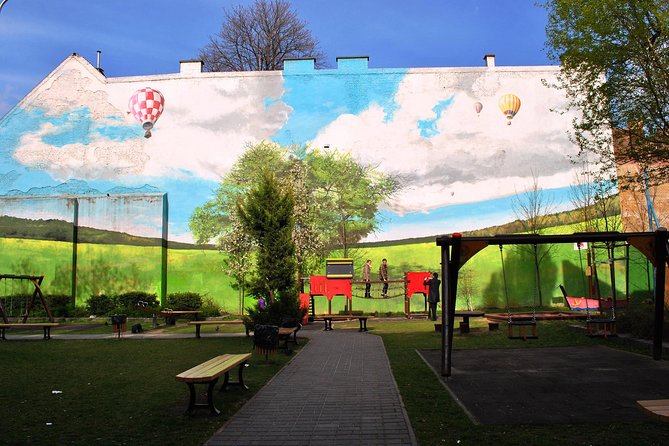
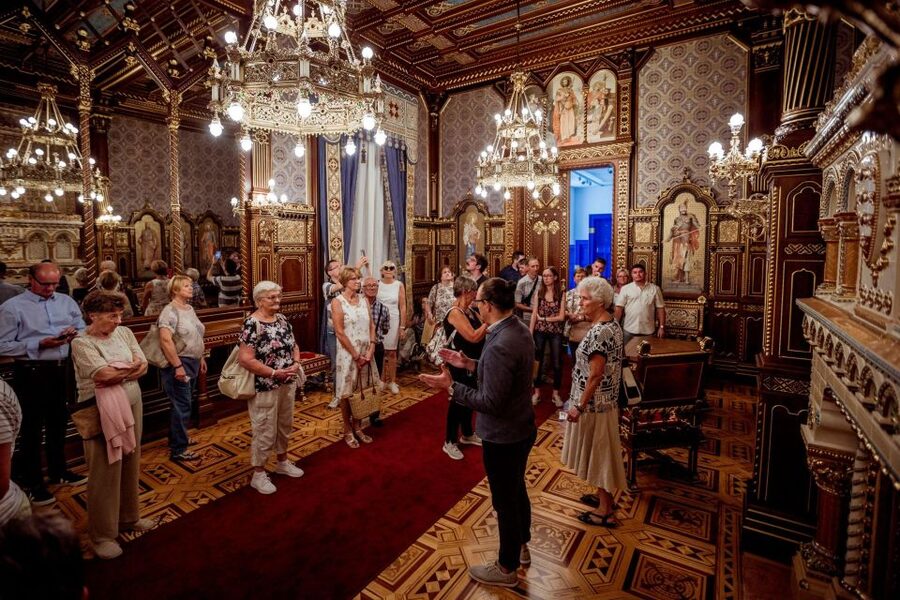
Budapest’s ruin bars are famous, but this tour treats them as more than trendy drinking spots. You’re shown how they functioned as part of the neighborhood’s cultural comeback—spaces where the nightlife and community life overlap.
Expect stops at places described as ruin bar-cum community center, plus other creative hangouts. Think art and coffee collectives, venues that also act like workshops, and spaces that mix old textures with new ideas. The idea is that these places are part of the city’s alternative infrastructure, not just a stop on a bar crawl.
One named example that comes up clearly is Szimpla Kert, described as a ruin bar with lots of rooms around a courtyard, with each room feeling different. One account highlights an especially quirky feature: an old Trabant turned into seating. If your sense of fun leans toward mismatched objects and oddball interiors, this kind of place is a big reason to do the tour.
In cold or rainy weather, some guides also use indoor pauses wisely—coffee, mulled wine, or a seat-down moment—so you don’t end up racing through wet streets with nothing to show for it.
The Small-Group Advantage (And Why Your Guide Makes It)
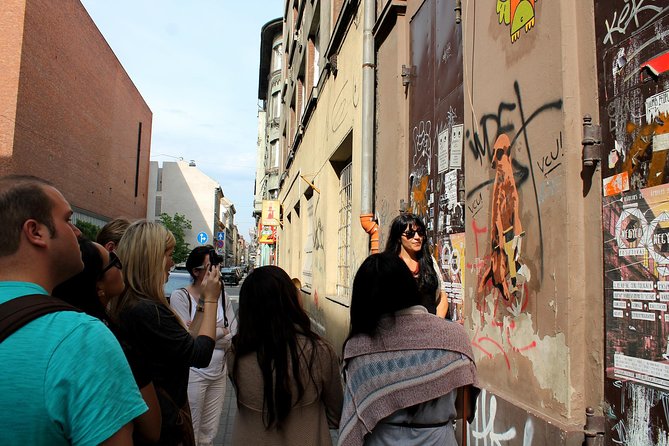
This tour is limited to 10 participants, and that’s not just a marketing number. It changes how the information lands. With fewer people, the guide can explain background without rushing, and you get real chances to ask questions.
Guides named in participant accounts include Raymond (often written as Ray), Petra, Krisztián, Anna, Lauren, Antonia, Bogata, Zsophia, and Bella. You won’t know your guide in advance, but the pattern across names is consistent: engaged delivery, strong English, and an ability to share neighborhood-level context.
A standout feature is how many guides appear to keep the walk flexible. Some mention answering questions in a way that lets the group steer the conversation slightly—like going deeper on Jewish community history, pointing out additional spots nearby, or adjusting where you stop for coffee.
If you want a tour where you leave with a short list of where to go next, this group size helps a lot. You can ask: Where should I eat tonight? Which venue should I check after dinner? What neighborhood should I wander tomorrow?
Price and Value: Is $67 Worth 2.5 Hours?
At $67 per person for a walking tour around 2.5 hours, the value depends on what you want out of Budapest.
If you’re the kind of traveler who enjoys street life and wants context, you’ll likely feel it’s priced fairly. You’re not paying for a single attraction with an entry ticket. You’re paying for a professional guide to connect lots of small things—street art, community spaces, local design shops, and neighborhood changes—into a coherent understanding.
That said, one participant did note it felt slightly overpriced. So here’s my practical take: if your main goal is classic sights, or you expect a “checklist tour,” you might feel the cost more. If your goal is a contemporary view of Budapest and a set of insider leads for the rest of your trip, the guide value makes more sense.
A simple strategy: do this tour early in your stay. Even if you keep your plans flexible, you’ll use it to choose where to spend your remaining free evenings.
What You’ll Actually Do: The Flow of the Walk
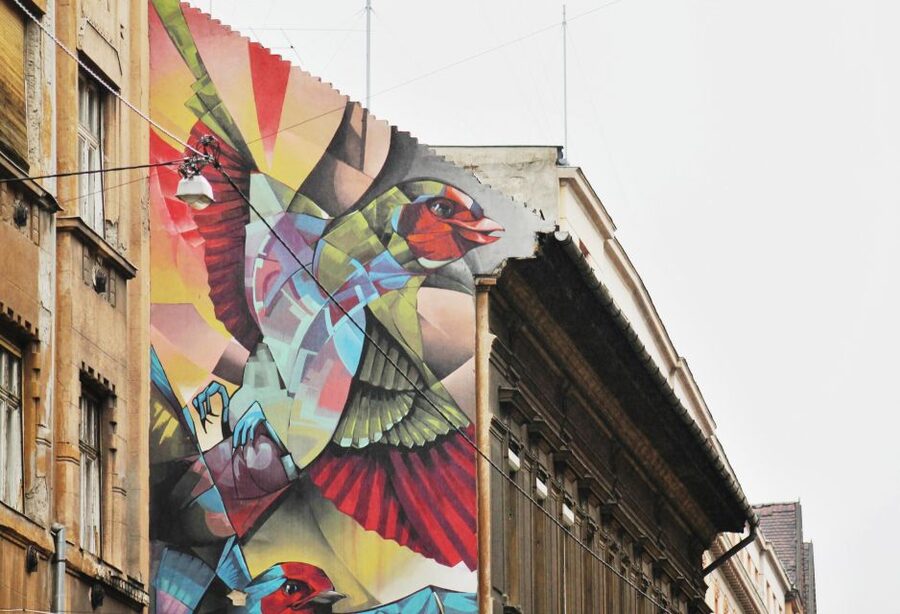
You’ll start at the Lutheran Church steps, then head toward neighborhoods tied to the alternative scene, with a core pull toward the Jewish district and surrounding areas. Along the way, the tour uses street art spots and neighborhood spaces as the “classroom.”
Midway, you’ll likely shift into stops that feel more like hanging out—coffee collectives, design shops, analogue photography spaces, and ruin bars or community-oriented venues. The tour also references stops around squats and cultural centers, plus the idea of abandoned synagogues as part of the story you’re being taught.
Near the end, the vibe often leans toward a place where you can slow down: a café stop or a ruin bar setting. One account mentions the tour finishing at Szimpla Kert, which makes sense because it’s visually full and easy for a guide to wrap up with a few final recommendations for what to do next.
The main trade-off of this format is you’re walking and stopping in an active environment. If you prefer quiet, sit-down museums only, you may not love the pace.
What to Bring (So You Don’t Hate the Middle of the Tour)
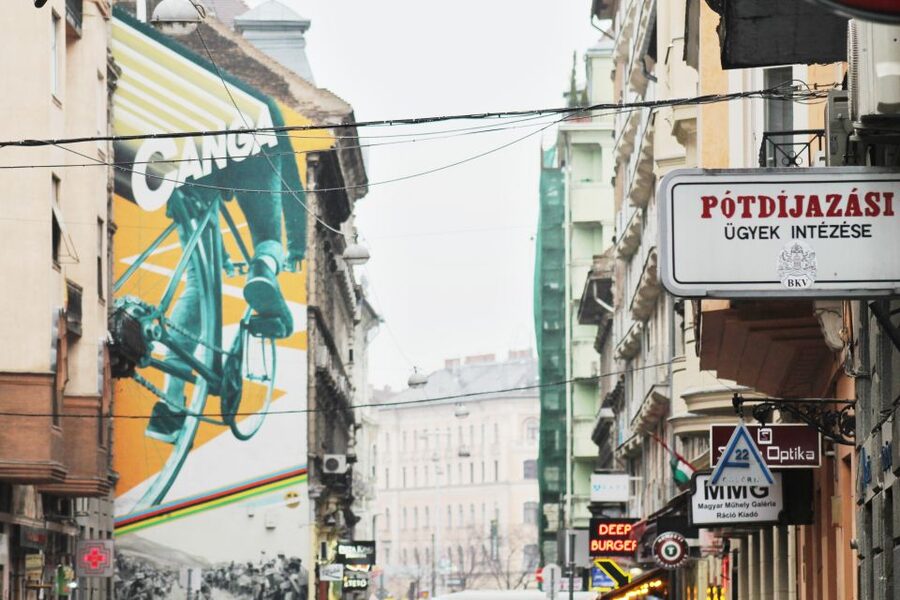
Bring comfortable shoes. This is a walking tour, and the route is described as moving through neighborhoods and alternative venues, which usually means uneven pavement, short transfers on foot, and steady movement.
Wear weather-appropriate clothing. Some accounts mention rain and cold, and guides seem to handle it with indoor or seat-down stops, but you still want to be prepared. If you run cold easily, layer up.
No food or drinks are included, so plan to either buy something during stops or eat before you meet your guide. Entrance fees are also not included, so you won’t be surprised if certain doors remain locked behind a payment wall.
Who Should Book This Tour (And Who Might Skip It)
Book it if you want Budapest to feel current and human. This tour fits best when you like street art, indie music culture, design shops, and nightlife spaces with personality. It’s also a smart pick if you’ve already seen the classic landmarks and want a second layer.
It’s less ideal if you need step-free access or have mobility limitations. It’s explicitly not suitable for people with mobility impairments or wheelchair users.
Also skip it if you’re expecting a quiet, traditional “history lecture.” The tour’s emphasis is on underground music, fashion, and art scenes, and on how the city’s present works—not only the past.
Should You Book the Alternative Budapest Walking Tour?
Yes, I’d book it if your Budapest goal includes street art, ruin bars, and a guide who can connect what you see to why it exists. The small group size, the professional guidance, and the focus on local spaces make the price feel more defensible than a generic walking tour.
Book it especially if you enjoy asking questions. This is one of those tours where the best moments often come from conversation—what to see next, what neighborhoods to explore, and how the alternative scene fits into the broader city story.
Skip it if you mainly want famous monuments, or if a 2.5-hour walk through mixed terrain is a problem for you. In that case, you’ll get more comfort and satisfaction from a more classic, easier-format tour.
FAQ
FAQ
How long is the Alternative Budapest Walking Tour?
The tour duration is listed as 2.5 hours. The description also mentions a three-hour format, so expect it to run close to that time range.
How much does it cost per person?
It costs $67 per person.
Where do I meet the guide?
Meet your guide in front of the Lutheran Church (pale yellow), on the church steps.
What language is the tour guide?
The tour is guided in English.
How big is the group?
The group is small, limited to 10 participants.
What is included in the price?
The price includes a walking tour and a professional guide.
Are entrance fees or drinks included?
No. Entrance fees, food, and beverages are not included, and pick up and drop off are also not included.
Is this tour wheelchair accessible?
No. It is not suitable for people with mobility impairments or wheelchair users.
More Tours in Budapest






More Tour Reviews in Budapest






More of Budapest, Step by Step





Just Added: More Budapest Reviews
- Sightseeing flight over Budapest
★ 5.0 · 3 reviews - Budapest: Walking Tour with Chimney Cake & Polaroid Photos
★ 5.0 · 3 reviews - Self Guided Tour In Budapest With 100 Captivating Audio Stories
★ 5.0 · 3 reviews - Budapest Art Nouveau Walking Tour
★ 5.0 · 3 reviews - Hungary today: a no-taboo conversation
★ 5.0 · 3 reviews
Budapest Walking Tours, compared.
 ★ 3.5Big Bus Budapest Hop-On Hop-Off Bus and Walking TourFrom $422,206 reviews
 ★ 4.6Buda Castle District Walking TourFrom $142,108 reviews
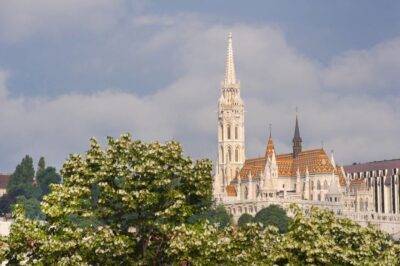 ★ 4.83-Hour Orientation Walking Tour of Buda and PestFrom $411,834 reviews
 ★ 5.0Budapest Historical Sightseeing – Free Walking TourFrom $31,302 reviews
 ★ 5.0Budapest All in One Small Group Walking Tour with Strudel StopFrom $1001,277 reviews
 ★ 4.8Budapest Food Walking Tour: Eat, Sip & Explore Like a LocalFrom $731,027 reviews
 ★ 4.9Buda Castle District Walking Tour with a HistorianFrom $63867 reviews
 ★ 4.9BloodThirsty Hungary: Walking tour & Dark Historical StoriesFrom $21633 reviews
Browse the lists this tour appears in