
Reviewed · HISTORICAL TOURS
7 Days Balkan tour to historic Croatia and Bosnia Herzegovina
Croatia and Bosnia in one tight loop. I like that this route mixes big-name sights with slower, story-driven stops led by an experienced manager. In the best moments, you get the kind of guiding that helps old streets and famous landmarks make sense fast. The reviews also point to a guide highlight: Kenny, who can work in both English and Mandarin and keeps the tone light while still teaching you the key details.
Two things I really like: first, the way the tour handles variety. You’re not stuck in one city or one type of experience. Day by day you swap from Gothic churches and seaside promenades to waterfalls and medieval ruins. Second, the natural and cultural contrasts are the point—Plitvice Lakes on one hand, then Dubrovnik on the other, followed by a full day in Bosnia with Počitelj, Blagaj, and Mostar.
One drawback to consider: this is a packed week. You’ll be on modern A/C coaches a lot, and the itinerary leans into seeing highlights rather than lingering all day in one place. Also, not every attraction is included, and there’s a set daily gratuity you’ll pay in cash (€10 per person per day).
In This Review
- Key things that make this tour worth a look
- The 7-day Croatia and Bosnia loop: how the route actually flows
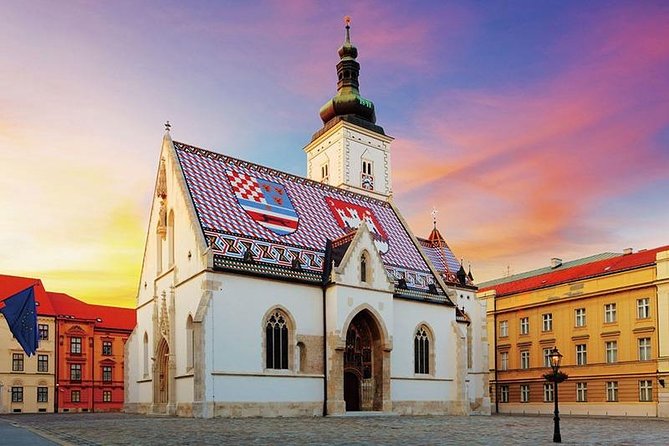
- Zagreb’s Cathedral area: Gothic detail and central squares
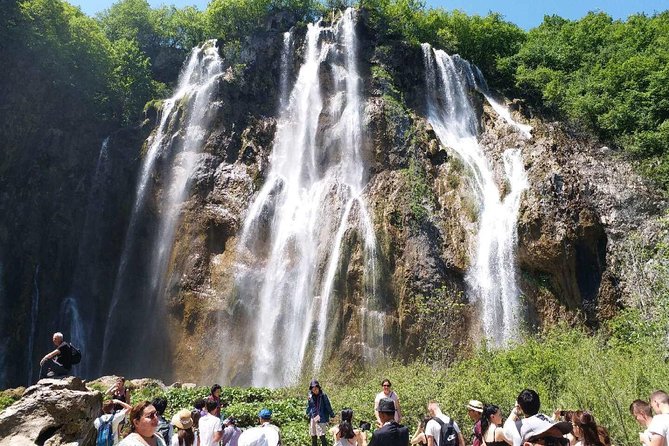
- Plitvice Lakes National Park: guided waterfalls and silver-blue water
- Zadar to Split: Sea Organ sounds and Roman leftovers
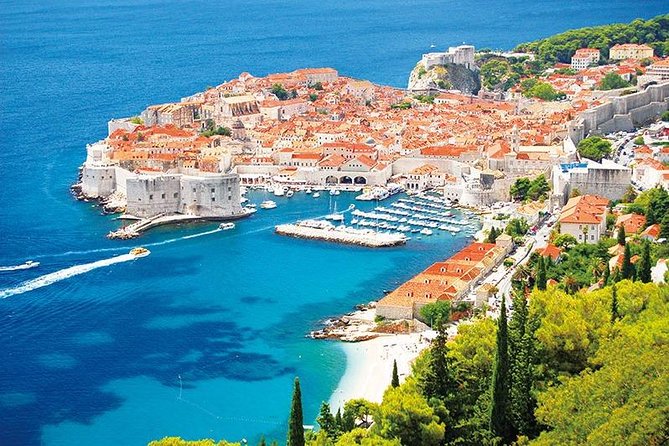
- Dubrovnik’s old town: walls, palaces, and a view you can’t unsee
- Počitelj, Blagaj, and Mostar: one Bosnia day with three different moods
- Sarajevo’s old town and Latin Bridge: where history is still visible
- Pécs and the return to Budapest: a calmer ending in Hungary
- Price and value: what your $1,160.11 is really paying for
- Hotels, pacing, and the “you’re with a group” reality
- Who should book this tour, and who might want a different style
- Should you book this Balkan Croatia and Bosnia tour?
- FAQ
- Where is the meeting point and where do we end?
- What time does the tour start?
- Is the tour offered in English?
- How many travelers is the group limited to?
- What’s included in the price?
- Are entrance tickets included?
- How much are gratuities?
- Is there a luggage limit?
- What is the cancellation policy for a full refund?
Key things that make this tour worth a look
- Kenny’s bilingual guiding style (English and Mandarin) plus strong storytelling
- A guided Plitvice Lakes National Park walk through 16 lakes, waterfalls, and travertine barriers
- Zadar by the water for the Sea Organ and Sun Salutation
- Dubrovnik’s old town focus with walls, Rector’s Palace, and the Franciscan complex
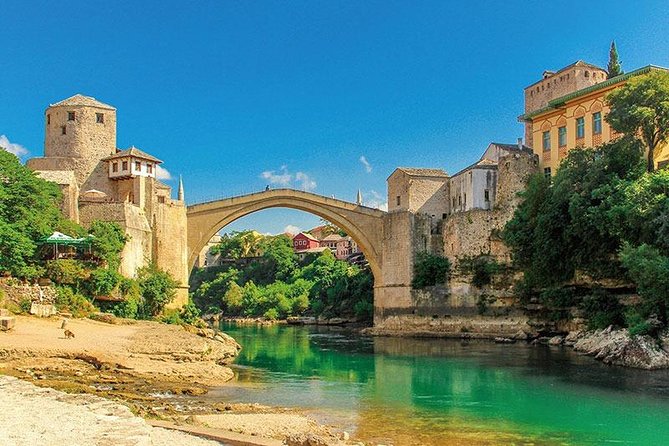
- Bosnia’s three-stop day: Počitelj (UNESCO-listed), Blagaj dervish monastery, and Mostar’s bridge area
- A Hungary finale in Pécs with the cathedral at Szent István Square and Turkish-era ruins
Further back into Budapest's past
- Budapest: Historic Cruise with Welcome Drink★ 4.7 · 6,512 reviews
- Budapest Historical Sightseeing – Free Walking Tour★ 5.0 · 1,302 reviews
- Buda Castle District Dark History, Legends and Vampire Night Tour★ 4.5 · 1,240 reviews
- BloodThirsty Hungary: Walking tour & Dark Historical Stories★ 4.9 · 633 reviews
The 7-day Croatia and Bosnia loop: how the route actually flows
This tour starts in Budapest and ends back at the same meeting point. The day structure is simple: morning sightseeing, afternoon travel, then an overnight in a nearby city (usually 3-star hotels or better, with private facilities). You’ll sleep in places like Zagreb, Zadar/Split area-adjacent (via Neum), Dubrovnik region, Sarajevo, and Vinkovci before wrapping up with Pécs and returning to Budapest.
Expect driving days to feel different from city days. City days give you tighter blocks for walking and photo stops. Driving days are built for moving you to the next highlight, so you shouldn’t plan on long, independent detours.
One more thing: the group size is kept to a maximum of 30 travelers. That matters because it usually keeps your movement through crowded areas from turning into a slow shuffle.
Zagreb’s Cathedral area: Gothic detail and central squares
Your first stop is Zagreb, with an emphasis on the classic center. You’ll visit the Zagreb Cathedral, then spend time around Ban Jelačić Square, and finish with St. Mark’s Church as a signature stop. The tour framing is clear: Zagreb has been shaped by war, but the city center buildings are still well preserved.
What makes this start work is the contrast. You’re dropped into a walkable core early, so you can get your bearings before the tour ramps up. Also, those three stops are perfect “anchors” for first-time understanding of Zagreb’s look: cathedral scale, the square’s civic energy, and St. Mark’s distinctive church presence.
If you like architectural details, bring a little patience. The churches and façades reward slow looking, and the tour gives you short, concentrated time blocks to do that.
Plitvice Lakes National Park: guided waterfalls and silver-blue water
Day two is the big nature day: Plitvice Lakes National Park. You’re guided through a system of 16 lakes connected by waterfalls, walkways, and hiking trails. The description is vivid for a reason—the travertine barriers act like natural dams, creating those layered views the park is famous for.
I like that this isn’t sold as a quick photo stop. It’s set up as a guided walk through the sights, so you know where to look and what you’re seeing. The water is described as having a special silver color because it’s rich in calcium carbonate, reflecting the trees and forming tiny crystals. Even if you’re not trying to memorize the science, the effect is the point: the views feel calm, not chaotic.
Practical note: it’s a “walk + trails” day. Wear shoes you trust, and plan for time outside in changing light, because the park doesn’t just look pretty from one spot.
Zadar to Split: Sea Organ sounds and Roman leftovers
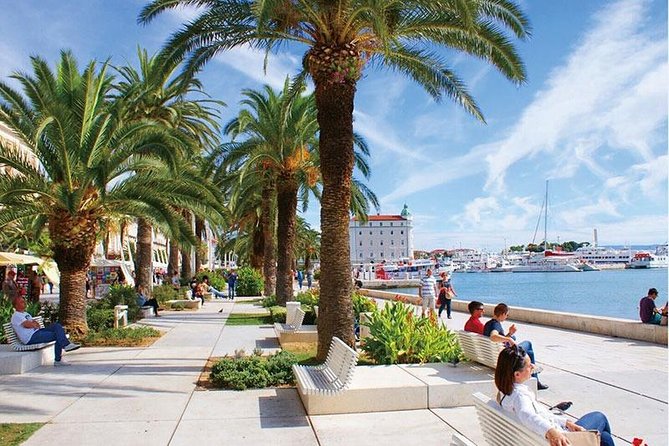
After breakfast you head into Zadar, where the tour leans into two time periods at once. On one side, you get medieval narrow streets and a strong religious atmosphere. On the waterfront, you switch gears to modern sound and light with the Sea Organ (Morske Orgulje) and the Sun Salutation solar display.
Then the route continues toward Split, using the Roman-era setting as your other anchor. The itinerary specifically flags the Peristyle of Diocletian’s Palace, tying the visit to the fourth-century setting and the idea that the Roman structures date back around 1,700 years. That’s a good “bridge” from Zadar’s medieval streets to Split’s heavy stone legacy.
This day is also where the tour’s pace starts to feel like a pattern. You’ll do a mix of guided emphasis and self-paced wandering. If you’re the kind of traveler who likes to re-check photos afterward, Zadar and Split are built for that.
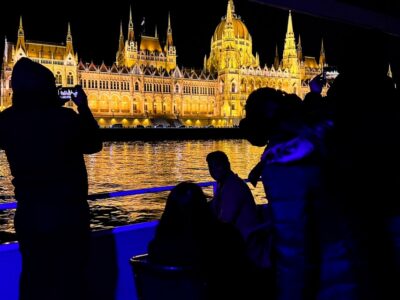


Dubrovnik’s old town: walls, palaces, and a view you can’t unsee
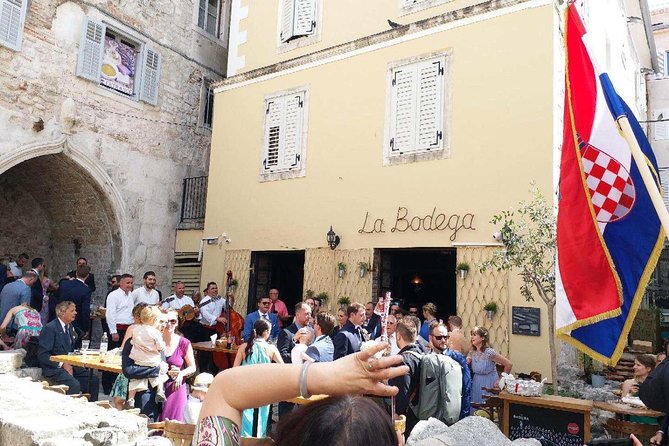
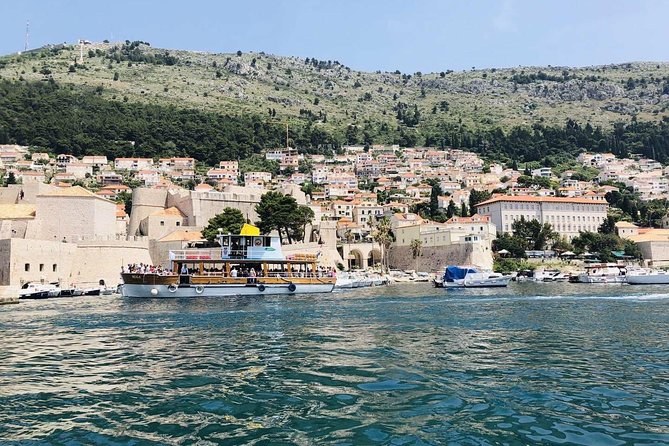
Day four is Dubrovnik, and the tour hits the essentials that make the city feel like a real-life film set. You’ll see the old town, the city walls, a defensive tower, Rector’s Palace, and the Franciscan Church and Monastery. There’s also an optional cable car mention, giving you a chance to go up and take in the view.
This is one of those places where timing and walking matter. The tour’s structure gives you multiple named stops, which helps you avoid the common mistake of just drifting and missing the most famous pieces. Also, Dubrovnik’s layout means you’ll keep seeing the same scene in different angles—walls, rooftops, sea—so even short segments feel productive.
If you’re wondering whether to add the cable car, I’d treat it as a “yes” for first-timers who want perspective. The tour doesn’t force it, but it’s a clean way to break up a day of close-up stone and streets.
Počitelj, Blagaj, and Mostar: one Bosnia day with three different moods
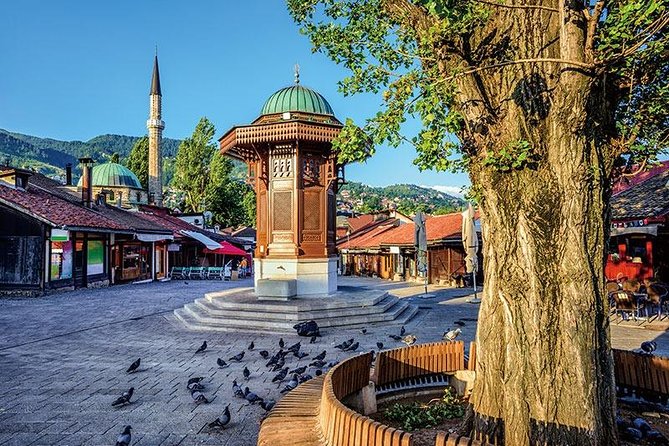
This is the day that gives Bosnia Herzegovina its full spotlight. You start in Počitelj, described as a stepped medieval fortress village that’s included in the World Cultural Heritage list. It’s a good opening stop because it sets the tone: Bosnia here isn’t generic—it’s built out of stone, height, and layered time.
Next comes Blagaj, with the dervish monastery tucked into a cliff about 200 meters high, surrounded by crystal-clear streams. That’s a completely different feel than Počitelj’s fortress vibe. The contrast helps you remember the day as more than one blur of sightseeing.
Then you reach Mostar for the highlight: the magnificent ancient arch bridge and the scenery on both sides of the river. The itinerary also includes time in the old bridge area, which is where photos become easy and the walking flows naturally.
This day can be emotionally intense in a way that’s not always obvious from a brochure. It helps to go in expecting beauty and history together, and to slow down for a few minutes at each stop rather than racing for the next photo.
Sarajevo’s old town and Latin Bridge: where history is still visible
Day six centers on Sarajevo, framed as a gateway between cultures with different religions and cultures in the mix. The tour points you toward the Old Town area for key historical imprint, including the assassination at the Latin Bridge that helped trigger the First World War. It also mentions the Sarajevo Meeting of Cultures Line, marked on the ground.
After your Sarajevo visit, the tour crosses back into Croatia and you overnight in Vinkovci or nearby. That cross-border moment matters because it keeps the tour feeling like a true circuit rather than a series of separate day trips.
The Latin Bridge stop is also a reminder that you’re not just collecting sightseeing stamps. You’re seeing a place where a major world event is tied directly to a specific location in the city, and the tour keeps that anchored.
Pécs and the return to Budapest: a calmer ending in Hungary
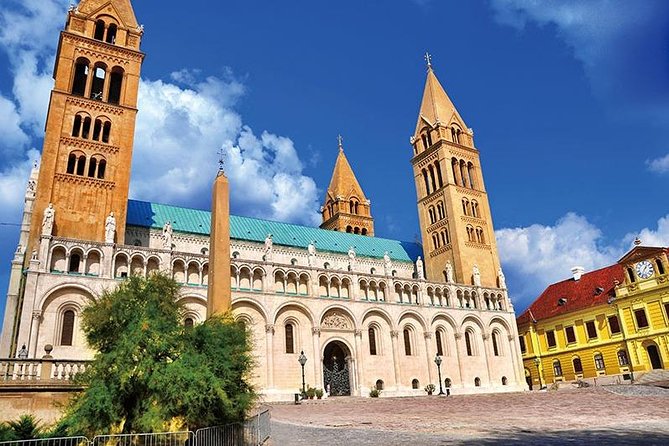
The final day brings you back into Hungary with a stop in Pécs. The itinerary describes the city as located between the Danube and the Drava, with a long history and a pleasant climate. It also flags the best Turkish ruins in the country, plus a museum and cultural life (music, opera, ballet).
Your tour highlight in Pécs is Pécs Cathedral towering over central Szent István Square. This is a nice closing move because it blends neatly with what you’ve seen earlier in the week: churches, old streets, and the sense that each place has its own layer of time.
After the afternoon drive, you return to Budapest. If you choose post-hotel (when available), there’s an optional additional night back in Budapest or nearby.
Price and value: what your $1,160.11 is really paying for
At about $1,160.11 per person for roughly 7 days, you’re paying for more than hotel and a seat on a bus. This tour bundles in 3-star minimum hotel accommodations, daily transportation on modern A/C coaches, and an experienced tour manager. Breakfast is included for 6 mornings, which is a real cost saver in cities where a quick meal can add up.
You’re also getting group discounts (listed as a feature) and a tour size capped at 30, which is usually a sign they’re trying to keep the experience manageable.
What’s not included is equally important. Admission tickets and optional activities are not automatically covered in full, and some items are explicitly listed as not included. Plus, you’ll pay a daily gratuity in cash: €10 per person per day. That’s not unusual for group travel, but you should factor it into your budget from the start.
Finally, you should expect some extra costs for personal expenses like laundry, internet, and phone calls. If you’re the type who needs constant connectivity, build in a small buffer.
Hotels, pacing, and the “you’re with a group” reality
Accommodation is in comfortable 3-star (minimum) hotels, with twin/double/single rooms and private facilities. Hotel details are provided 24 to 48 hours before check-in, which is a practical approach when you’re booking close to departure.
The pacing is where you’ll feel the tour style. You’ll move from city to city with stops built around key sights. A Spanish review description matches what you’ll likely experience: a short but nice setup that shows you many places with the guide and also gives time to explore calmly what interests you.
The group setup also matters. The tour may combine English and Chinese speaking customers on the same bus if the group is small, with one tour leader who can speak both languages. That doesn’t change your route, but it can change the way explanations are delivered at certain moments.
Also: you’re limited to one luggage item (max 30 kg) plus a small hand carry on. Plan to pack light. Old town walking plus hotel transfers is easier when you’re not wrestling heavy bags.
Who should book this tour, and who might want a different style
This tour fits best if you want a structured “greatest hits” week across Croatia, Bosnia Herzegovina, and Hungary. It’s also a good match if you value guided context—especially for places like Sarajevo, where specific historical references matter.
It’s less ideal if you prefer slow travel with lots of free days. The itinerary is built for momentum, and while there is some time to walk on your own, the main goal is seeing a lot of top sights in one week.
If you like meeting people while traveling, the reviews suggest the group can be social. A big plus from one review: meeting fellow travelers with enough shared English for easy conversation, even when the guide is bilingual and manages multiple languages.
Should you book this Balkan Croatia and Bosnia tour?
I’d book it if you want a well-paced circuit that covers iconic Croatian coast cities and gives you a real Bosnia day instead of a quick drive-by. The value makes sense because you’re not paying separately for transportation, tour management, and most of your morning logistics. You’re also getting a guide setup that can communicate clearly in English, with Kenny highlighted in reviews as a strong storyteller.
Skip it (or look harder) if you’re the type who hates packed days and long coach segments. Also, if you want fully inclusive attractions, you’ll need to read the fine print about which admissions are covered versus marked as not included.
If you’re flexible, wear good shoes, and treat each stop as a mini learning moment, this itinerary delivers a lot for one week.
FAQ
Where is the meeting point and where do we end?
The tour starts at Budapest-KeletiBudapest, Kerepesi út 2-4, 1087 Hungary and ends back at the same meeting point.
What time does the tour start?
The start time is 8:30 am.
Is the tour offered in English?
Yes. It’s offered in English.
How many travelers is the group limited to?
The maximum group size is 30 travelers.
What’s included in the price?
Included are 3-star (minimum) hotel accommodation, daily transportation on modern air-conditioned coaches, the services of an experienced tour manager, and breakfast (6).
Are entrance tickets included?
Not all attractions are included. Some stops are listed as free, while others are marked as not included, and optional activities and tickets outside the itinerary are also not included.
How much are gratuities?
Gratuities are €10 per person per day, collected by the tour manager in cash during the tour.
Is there a luggage limit?
Yes. You can bring one luggage item up to 30 kg, plus 1 small hand carry on (purse, backpack, or camera bag).
What is the cancellation policy for a full refund?
You can cancel up to 3 days in advance for a full refund. If you cancel less than 3 full days before the experience’s start time, the amount paid is not refunded.
The Old Budapest, Toured Properly




More Tours in Budapest

More Tour Reviews in Budapest




Just Added: More Budapest Reviews
- Sightseeing flight over Budapest
★ 5.0 · 3 reviews - Budapest: Walking Tour with Chimney Cake & Polaroid Photos
★ 5.0 · 3 reviews - Self Guided Tour In Budapest With 100 Captivating Audio Stories
★ 5.0 · 3 reviews - Budapest Art Nouveau Walking Tour
★ 5.0 · 3 reviews - Hungary today: a no-taboo conversation
★ 5.0 · 3 reviews
Historical Tours, compared.
 ★ 4.7Historic Cruise with Welcome DrinkFrom $126,512 reviews
 ★ 5.0Budapest Historical Sightseeing – Free Walking TourFrom $31,302 reviews
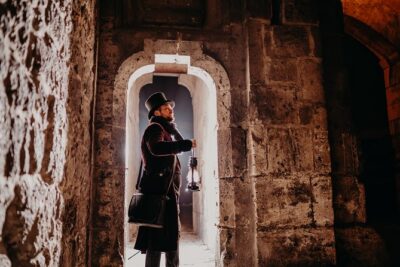 ★ 4.5Buda Castle District Dark History, Legends and Vampire Night TourFrom $211,240 reviews
 ★ 4.9BloodThirsty Hungary: Walking tour & Dark Historical StoriesFrom $21633 reviews
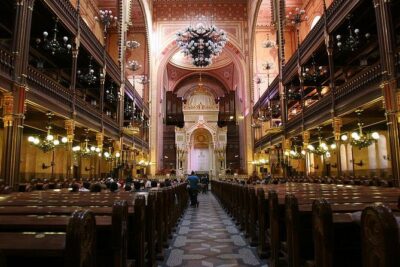 ★ 5.0Budapest Jewish Heritage Memorial Walking Tour & Synagogue EntryFrom $83568 reviews
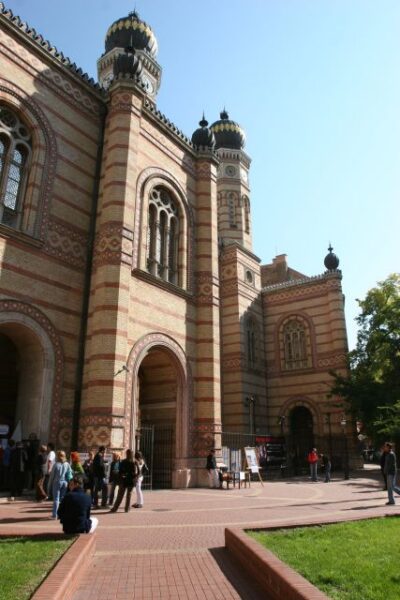 ★ 4.8Jewish Heritage Guided Tour with Synagogue TicketFrom $81533 reviews
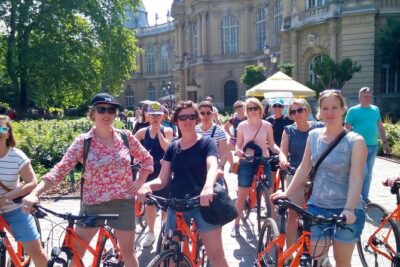 ★ 5.0Budapest Historic Downtown Bicycle Tour in small groupsFrom $41288 reviews
 ★ 5.0Historic Downtown ride on E-Bicycles Buda & PestFrom $65227 reviews
Browse the lists this tour appears in