
Reviewed · BUDA CASTLE & FISHERMAN'S BASTION
2 Hours Buda Castle Walking Tour – Walk with a Historian
Buda Castle is the kind of place that explains itself. This 2-hour Buda Castle walking tour walks you from the civilian quarter toward the royal core, mixing medieval and Ottoman-era threads with modern Budapest in between.
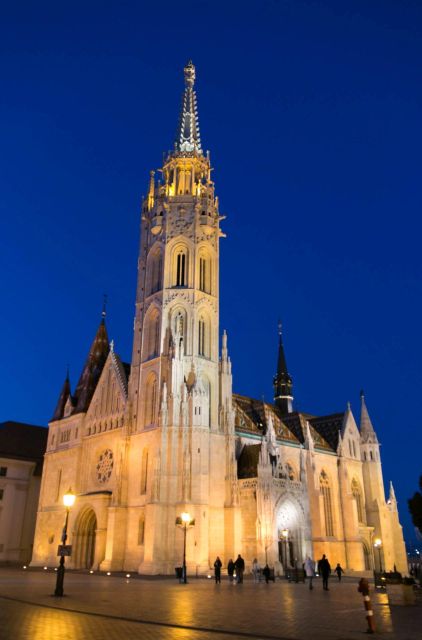
I especially liked two stops: the Matthias Church visit with included entry, and the Jewish Synagogue-Museum stop that connects local streets to broader Jewish history in Hungary. You’ll also hear how the whole district changed over time, not just a list of monuments.
One thing to consider: you’ll walk for 2 hours with key entries, but there’s no food included, so bring water and plan a cafe stop after.
In This Review
- Quick take: the highlights that make this tour worth your time
- Meeting at the Castle Gate: how to start smoothly
- Buda Castle district on foot: from civilian quarter to royal center
- Buda Castle Synagogue-Museum: a small stop with big historical links
- Mary Magdalene Church remains: seeing the past that didn’t fully survive
- Matthias Church entry: the highlight, but with guided meaning
- Buda Castle itself: seeing the royal seat in walking order
- Price and value: is $49 a fair deal for this mix?
- Practical pacing: what 2 hours feels like in real terms
- Who should book this historian tour?
- Should you book this Buda Castle walking tour?
- FAQ
- How long is the Buda Castle walking tour?
- What is the price per person?
- Where does the tour meet?
- What sites are included in the tour?
- Is entry to Matthias Church included?
- Is entry to the Jewish Synagogue-Museum included?
- Is food or drink included?
- What language is the tour guide using?
- Can I cancel for a full refund?
- Is there an option to reserve and pay later?
Quick take: the highlights that make this tour worth your time
- Historian-led street storytelling that helps you read the district instead of just sightseeing
- Matthias Church entry included, so you don’t spend time deciding whether it’s worth it
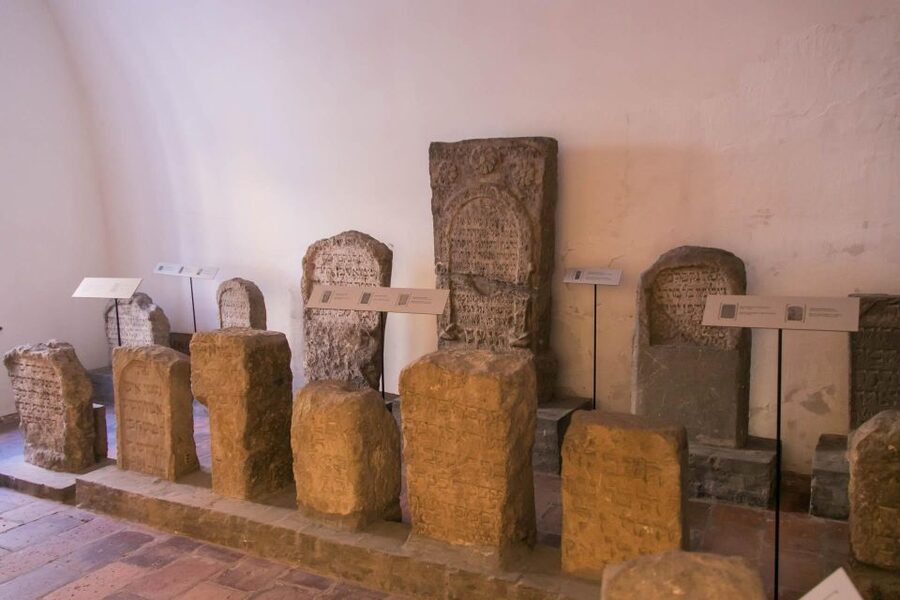
- Jewish Synagogue-Museum visit, plus the story of a larger synagogue that once stood nearby
- Mary Magdalene Church remains, for a visible reminder that layers keep getting added
- Buda Castle itself, ending at the seat of Hungarian kings rather than stopping at the views
- Less-frequented details in the streets, including tales you won’t get from guidebooks alone
More of Castle Hill, turrets and the river below
- Budapest: Buda Castle Cave Tour★ 4.7 · 5,677 reviews
- Budapest: Buda Castle District Vampires and Myths Night Tour★ 4.6 · 3,830 reviews
- Budapest: Buda Castle Walk with Saint Stephen’s Hall★ 4.5 · 3,012 reviews
- Budapest: Buda Castle District Walking Tour★ 4.6 · 2,108 reviews
Meeting at the Castle Gate: how to start smoothly
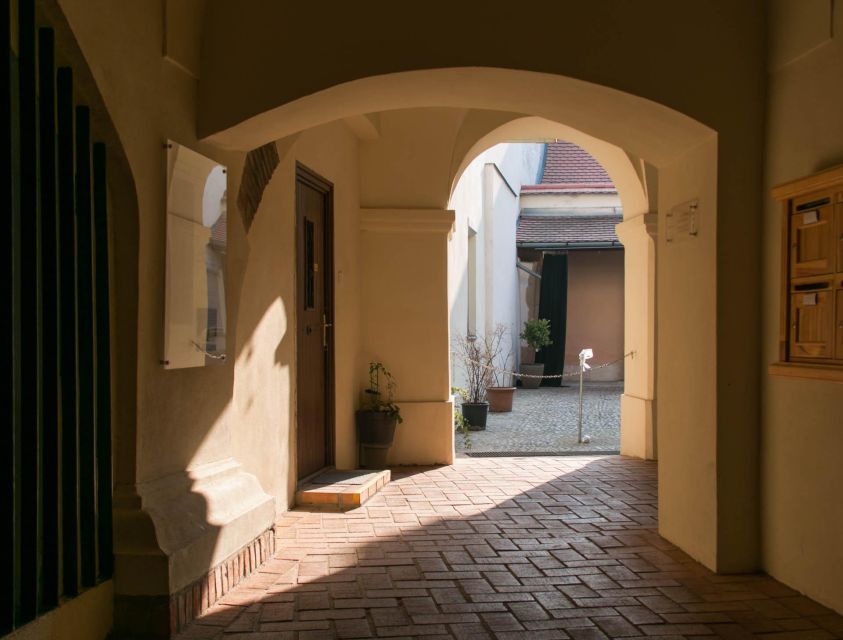
The tour meets in front of the Lutheran Church of Buda Castle, the white church right by the Castle Gate. That meeting spot matters more than you’d think: Buda Castle district walking is steep, twisty, and easy to misread when you’re trying to find the right corner.
If you’re coming from central Budapest, give yourself a little extra time to arrive early. You’ll be starting your 2-hour rhythm from the civilian side at Bécsi kapu Square, so being prompt helps you get the full arc of the walk without feeling rushed.
Buda Castle district on foot: from civilian quarter to royal center
You start in the so-called civilian quarter near Bécsi kapu Square, and the guide keeps the story moving as you walk. The payoff here is how the district stops feeling like a museum you pass by and starts feeling like a living timeline.
The tour is built around the idea that practically every century left its mark in this area—medieval, Ottoman, and later modern layers. So instead of treating the sites as separate attractions, you connect them into one picture: what people built, what changed, what survived, and what got repurposed.
A good part of the value is that you’re not only seeing monuments. The streets themselves get the spotlight, with tales tied to place names and local landmarks. That’s where the tour becomes more satisfying for you if you like context, not just photos.
Buda Castle Synagogue-Museum: a small stop with big historical links
One of the most interesting parts is a unique small synagogue-museum in this area. You’ll learn the story of this site and also hear about a bigger synagogue that once stood nearby, which helps explain why this district carries more history than the architecture alone shows.
What I like about this stop for your experience: it keeps the tour from being only royal-and-church-focused. The guide ties the area’s Jewish story to the broader history of Hungary, so you see how different communities shaped Buda Castle district over time.
If you’re the type who appreciates details you’d otherwise miss, this is where the tour earns its historian label. Even if you’re not a deep-history person, the way the guide connects the museum to the neighborhood’s past makes it feel clear, not academic.
Mary Magdalene Church remains: seeing the past that didn’t fully survive

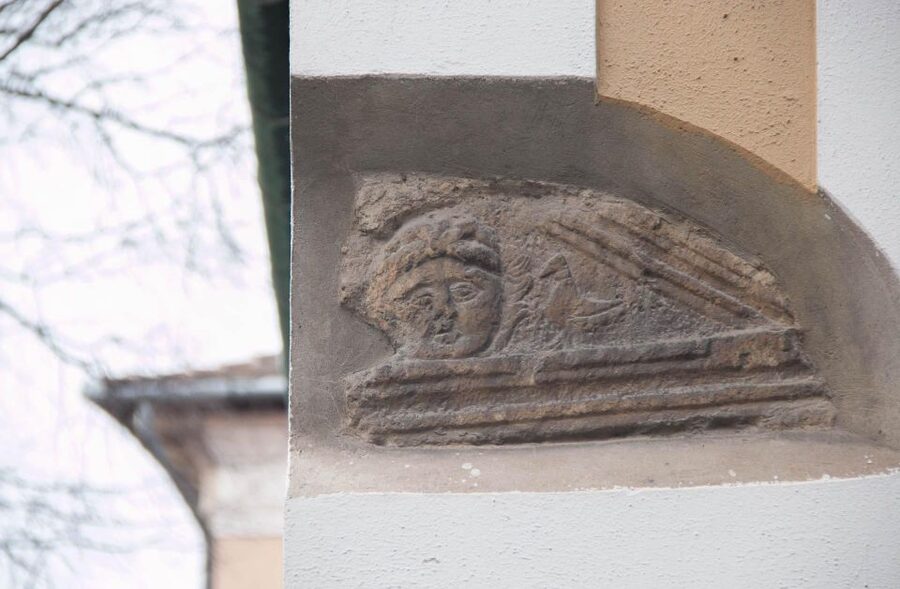
Next you’ll visit the remains of the Mary Magdalene Church. This kind of stop can feel a little less flashy on a postcard, but it works well in a guided walk because it teaches you how to read what’s missing.
The message here is simple: centuries weren’t tidy. Buildings changed, eras replaced each other, and not every structure stayed intact. By the time you reach the grand sites later on, you understand more about why those grand sites matter—and what came before.
If you prefer tours that move beyond only the most famous facades, the remains stop is a smart middle step. It adds weight to the story instead of letting the tour speed past history in name only.
Budapest at street level, more routes on foot

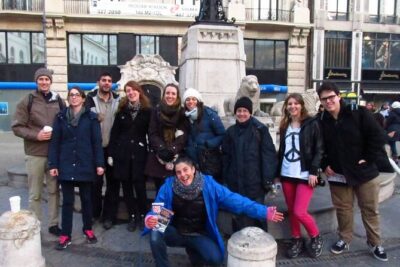
Matthias Church entry: the highlight, but with guided meaning
Then you get to Matthias Church in full glory, with included entry. I like that this isn’t just a photo stop. You’re brought in with context from earlier parts of the walk, so it lands as a real part of the district’s timeline, not a standalone monument.
Because the guide is a field expert historian, the experience is more about what you notice while you’re inside and around the church than it is about repeating facts. That’s what makes the included entry worth paying attention to: you don’t need to figure out what matters on your own.
One practical tip for your visit: with any church entry, plan for a steady pace and take your time at the spots your guide highlights. The tour moves forward, but your best photos and best understanding will come when you slow down for the church-focused section.
Buda Castle itself: seeing the royal seat in walking order
The tour’s ending point is Buda Castle, once the seat of the Hungarian kings. Ending here makes sense because you’ve already built the story as you moved from the civilian quarter to the power center.
By the time you arrive, the district feels less like a hilltop you climbed and more like a place with roles: people lived and worked below, religious life shaped the landscape, and royal authority anchored the top.
This is also where the walking-tour format pays off. You don’t just arrive at a viewpoint. You arrive with a sense of why the route matters and how the buildings and streets connect.
Price and value: is $49 a fair deal for this mix?
At $49 per person for a 2-hour walking tour, the value comes from what’s included, not just the guide’s time.
Here’s what you get included:
- Field expert historian guide
- Entry to Matthias Church
- Entry to the Jewish Synagogue-Museum
- The walking tour itself
That combination is key. Many tours charge around the same range but leave you to figure out entry tickets at your own cost. Here, you’re paying for a plan that already covers two major sites, which helps you budget cleanly.
If you’re going to want at least those two entries anyway—and you like history that explains the street-level why—this price feels reasonable. If you only care about the most famous sights and hate walking, you may find the structure a bit more than you need.
Practical pacing: what 2 hours feels like in real terms

Two hours is long enough to build momentum and short enough to keep you from burning a full half-day. You’ll cover the flow from the Castle Gate area toward Buda Castle, with the major moments spaced out so you’re not sprinting from stop to stop.
Still, expect walking. The district is on a hill and the streets are not laid out like a flat promenade. Wear shoes that handle uneven ground and take your time during transitions, especially around entrances and indoor stops.
Because food and drink aren’t included, I recommend bringing water for the walk and planning a cafe stop afterward. You’ll get more out of the tour if you’re not thinking about snacks every ten minutes.
Who should book this historian tour?
This tour is a strong fit if:
- You want context, not just facts, while you walk
- You’re interested in how medieval, Ottoman, and modern layers show up in the same district
- You’d like both church history and Jewish history in one route
- You enjoy street-level storytelling tied to real places
It’s less ideal if:
- You only want a quick look from the outside and don’t care about museum/church entry
- You’re hoping for a food-focused experience (there’s no included cafe stop)
Also, the tour runs in English with a live guide, Kálmán Dániel, which is useful if you want clear explanations rather than self-guided reading.
Should you book this Buda Castle walking tour?
Yes—if you want a guided route that connects the dots from the civilian quarter to the seat of Hungarian kings, with included entry to Matthias Church and the Jewish Synagogue-Museum.
Book it especially if you like tours where you can walk away understanding why the district looks the way it does, not just collecting a list of stops. If you’re on the fence, decide based on one question: do you want a historian to translate the streets for you over two focused hours? If the answer is yes, this is a solid use of your time in Budapest.
FAQ
How long is the Buda Castle walking tour?
It lasts 2 hours.
What is the price per person?
The price is $49 per person.
Where does the tour meet?
Meet in front of the Lutheran Church of Buda Castle, the white church in front of the Castle Gate.
What sites are included in the tour?
You’ll visit Matthias Church, the Buda Castle Synagogue-Museum, the remains of the Mary Magdalene Church, and Buda Castle itself.
Is entry to Matthias Church included?
Yes, entry to the Matthias Church is included.
Is entry to the Jewish Synagogue-Museum included?
Yes, entry to the Jewish Synagogue-Museum is included.
Is food or drink included?
No, food and drink at a local café is not included, though it may be optional.
What language is the tour guide using?
The tour is in English.
Can I cancel for a full refund?
Yes. You can cancel up to 24 hours in advance for a full refund.
Is there an option to reserve and pay later?
Yes. You can reserve now and pay later.
More Tour Reviews in Budapest






More of Budapest, Step by Step






More of Castle Hill


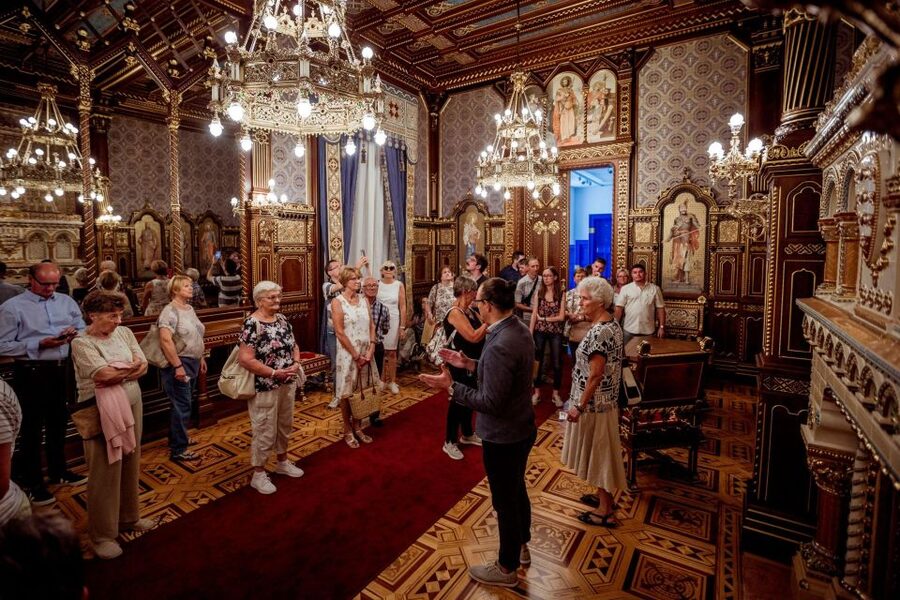


Just Added: More Budapest Reviews
- Sightseeing flight over Budapest
★ 5.0 · 3 reviews - Budapest: Walking Tour with Chimney Cake & Polaroid Photos
★ 5.0 · 3 reviews - Self Guided Tour In Budapest With 100 Captivating Audio Stories
★ 5.0 · 3 reviews - Budapest Art Nouveau Walking Tour
★ 5.0 · 3 reviews - Hungary today: a no-taboo conversation
★ 5.0 · 3 reviews
Buda Castle & Fisherman's Bastion, compared.
 ★ 4.7Buda Castle Cave TourFrom $195,677 reviews
 ★ 4.6Buda Castle District Vampires and Myths Night TourFrom $233,830 reviews
 ★ 4.6Buda Castle District Walking TourFrom $142,108 reviews
 ★ 4.33-Hour Grand City Tour and Castle WalkFrom $491,437 reviews
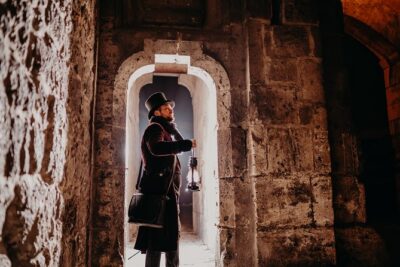 ★ 4.5Buda Castle District Dark History, Legends and Vampire Night TourFrom $211,240 reviews
 ★ 4.9Buda Castle District Walking Tour with a HistorianFrom $63867 reviews
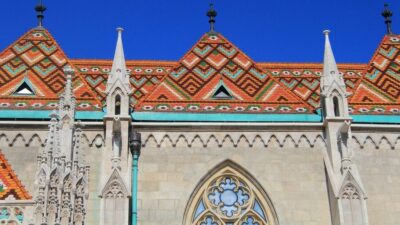 ★ 4.6Classical Music Concerts in Matthias ChurchFrom $70792 reviews
 ★ 4.6Matthias Church Entry TicketFrom $25787 reviews
Browse the lists this tour appears in