
Reviewed · FOOD & CULINARY TOURS
Hungarian Langos Making Class: The No. 1 Street Food in Hungary
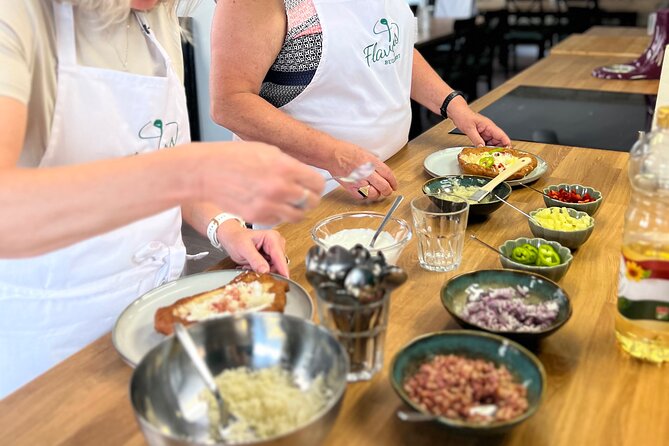
Lángos is the kind of street food you can learn. This hands-on Budapest class turns deep-fried flatbread into a skill you can actually repeat, from kneading to frying to topping. You’ll make two types of langos and taste them warm, right after they come out of the pan.
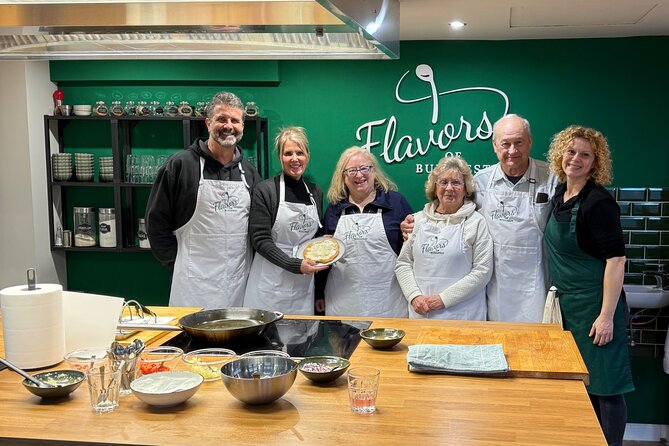
I love that it’s a small-group setup with real attention from your tutor, so you’re not just watching food happen. I also like that you learn the practical logic behind the toppings and cooking rhythm, and you get recipes to take home. Plus, the host you’ll hear called Marti brings a friendly, inclusive vibe in the kitchen.
One thing to consider: this is not a sit-and-snack tour. You’ll be working with dough and frying, and the class runs only if at least 6 participants sign up.
In This Review
- Key Things to Know Before You Go
- Why Lángos Cooking Feels Like More Than a Food Class
- Meeting at Hajós u. 14: Easy Access, Clear Start
- Step-by-Step: What Happens During the Class
- The Real Skill: Kneading and Frying So It Stays Crispy
- Classic vs. Potato Lángos: The Two Versions You’ll Actually Taste
- The Topping Setup: Sour Cream, Cheese, and the Hungarian Garlic Habit
- Drinks and the Group Table: Eating Together, Not Afterthoughts
- Where This Class Delivers Value for the Price
- Location Tips: Pair It With Your Budapest Day Plan
- Who Should Book This (And Who Might Skip It)
- Should You Book This Lángos Making Class in Budapest?
- FAQ
- Where is the meeting point for the Hungarian Lángos Making Class?
- How long does the class last?
- What is the price per person?
- What’s included in the meal?
- What toppings are provided?
- Do I get to taste what I make?
- Is this an English-language experience?
- How large is the group?
- Is there hotel pick-up or drop-off?
- Is service animal access allowed?
Key Things to Know Before You Go
- Two dough styles: Classic and potato langos, both made by hand
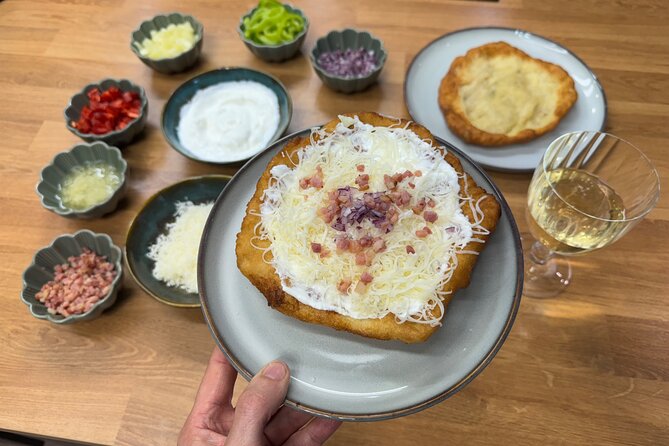
- Toppings you control: sour cream, cheese, bacon/sausage, red onion, peppers, and garlic cream
- Small group feel: maximum 15 people, so questions don’t get lost
- Eat what you make: you gather together and sample your own creations
- Drinks included: Hungarian wine plus homemade soft drinks and water
- Central meeting spot: Budapest, Hajós u. 14, close to major sights and public transit
Still hungry? More markets, mains and tavern stops
- Countryside Half-day Gastro-Wine Tour from Budapest Meal & pickup★ 5.0 · 1,450 reviews
- Budapest Food Walking Tour: Eat, Sip & Explore Like a Local★ 4.8 · 1,027 reviews
- Budapest Centre Food Tour with 10+ Tastings, Wine & Street Food★ 5.0 · 810 reviews
- Budapest Guided Food Walking Tour with Drinks Included★ 4.8 · 472 reviews
Why Lángos Cooking Feels Like More Than a Food Class
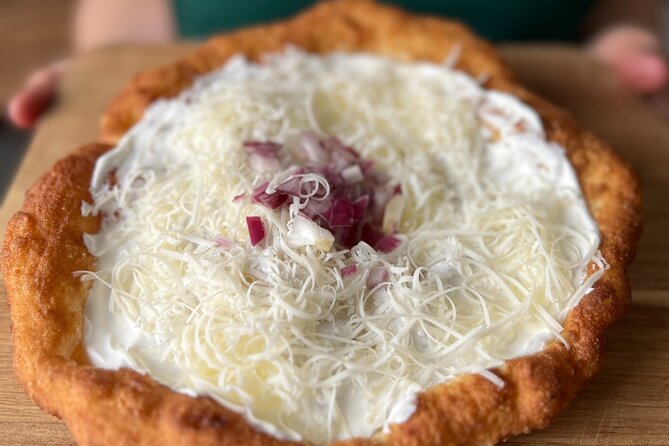
Budapest has plenty of food tours, but this one is different because it’s built around a single job: making lá-ngos the right way, from scratch. Langos is deep-fried flatbread, meant to be eaten hot and crisp, then topped (or left plain) while it’s still at its best.
The real value here isn’t just tasting. It’s understanding how a simple dough becomes something that feels fast, street-style, and comforting all at once. When you make it yourself, you notice details you’d miss just walking by a stall—like how the dough behaves, how frying time changes the texture, and why toppings work better when the bread is fresh.
Meeting at Hajós u. 14: Easy Access, Clear Start
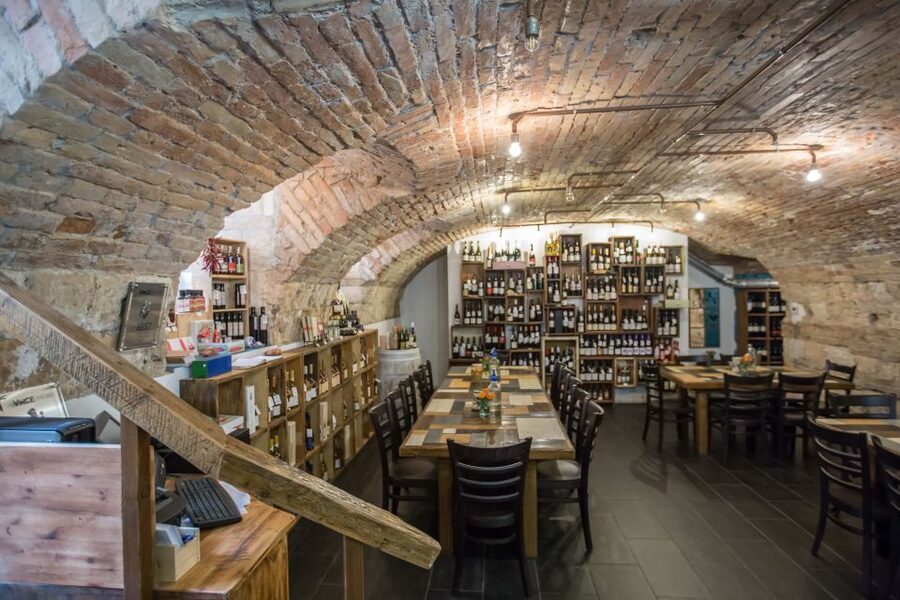
You’ll meet at Budapest, Hajós u. 14, 1065 Hungary, and the class ends back at the same point. That matters because you can plan your day without a complicated route across town or waiting around for transfers.
In practice, the meeting spot is described as being near the Opera House, and that’s a big plus. It makes the whole experience easier to stitch into a normal sightseeing schedule—either before dinner plans or as your main food moment of the day.
If you like to travel lightly, you’ll probably appreciate the format: mobile ticket, English offered, and the activity is near public transportation. No hotel pick-up is included, so plan to get yourself there efficiently.
Step-by-Step: What Happens During the Class
This is about two hours of focused, friendly kitchen time. It’s not rushed, but it moves with enough pace to keep frying cycles and dough prep flowing.
Here’s the typical rhythm you should expect:
- you start by learning the process and handling the dough
- you shape and prep your langos for frying
- you fry the breads and adjust based on how they look and feel
- you add toppings and finish with the right finishing touches
- you all gather to sample what you made
The class is designed so you’re not standing idle. Even if you’re new to cooking, the small-group format means your tutor can guide hands-on, not just explain from across the room.
The Real Skill: Kneading and Frying So It Stays Crispy
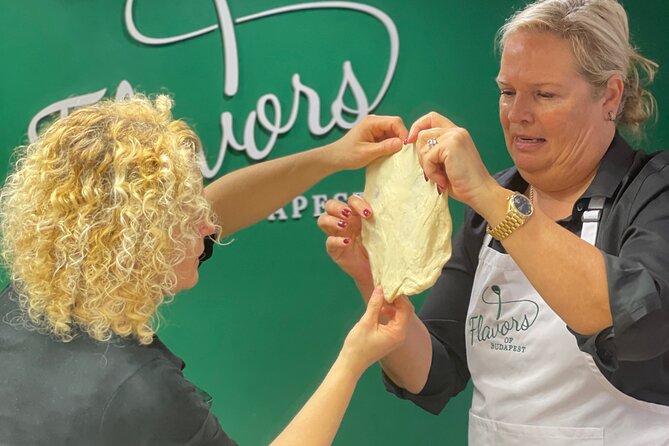
The star of langos is the texture: hot, crunchy outside, softer inside, and oily in the way that makes you understand why street food is such a universal travel lure. In this class, you’ll get to do the key steps, including kneading and frying.
That might sound basic, but it’s not just one move. Getting langos right is about timing and feel—how the dough stretches, how it puffs or spreads in the pan, and when the surface turns the right color. Because you’re actively frying, you quickly learn what happens when you wait too long or flip too soon.
This is also where the small-group size helps most. If you have questions—like how to judge doneness without guessing—you’re more likely to get immediate help instead of waiting your turn.
More Budapest plates and glasses worth the walk


Classic vs. Potato Lángos: The Two Versions You’ll Actually Taste
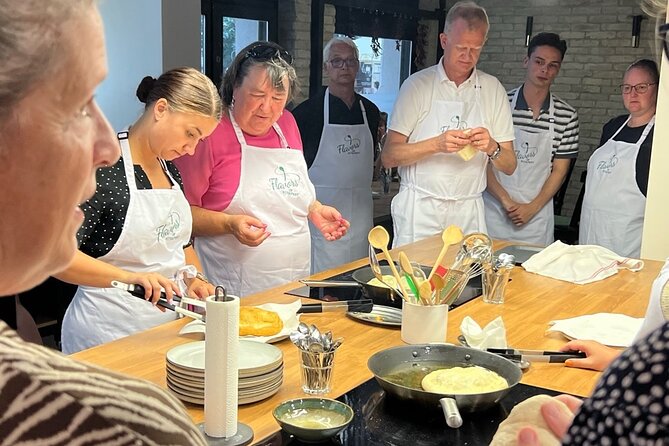
You make and taste two different types of langos: Classic and Potato. That’s a smart setup because it gives you a built-in comparison, so you’re not just learning a technique—you’re learning two flavor-and-texture outcomes.
Classic langos is the baseline: deep-fried flatbread where the dough’s behavior and the frying process create the crunch you expect from street langos. Potato langos shifts the mix by adding potato into the dough, which typically changes how it holds together and how it feels in your bite.
What I like about this pairing is that it helps you answer a travel question fast: which style fits your taste? After you’ve tasted both, you can order confidently the next time you see langos on a menu—or even recreate it at home.
The Topping Setup: Sour Cream, Cheese, and the Hungarian Garlic Habit
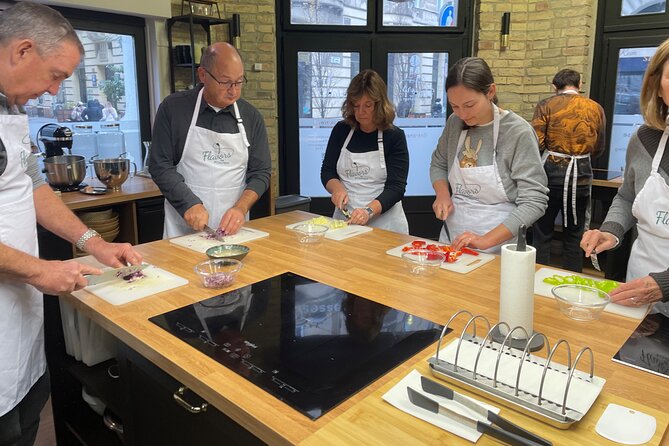
This is not a one-topping situation. You’ll get topping options including sour cream, cheese, bacon, sausage, red onion, and peppers. You’ll also have the garlic option—often described as garlic cream brushing, which is a classic way to keep things simpler while still going all-in on flavor.
The most practical part is how the class treats toppings as strategy. Warm, freshly fried bread is a moving target, so the class encourages you to add what you want while the langos is still at its peak. That’s how you get that combination of creamy coolness (like sour cream) and salty richness (like cheese and cured meats) against hot, crisp bread.
And if you prefer less clutter, there’s room for that too. Langos can be enjoyed with toppings piled on, but it’s also commonly eaten with no toppings—just garlic cream or similar finishing touches. The class gives you enough variety to see what you naturally gravitate toward.
Drinks and the Group Table: Eating Together, Not Afterthoughts
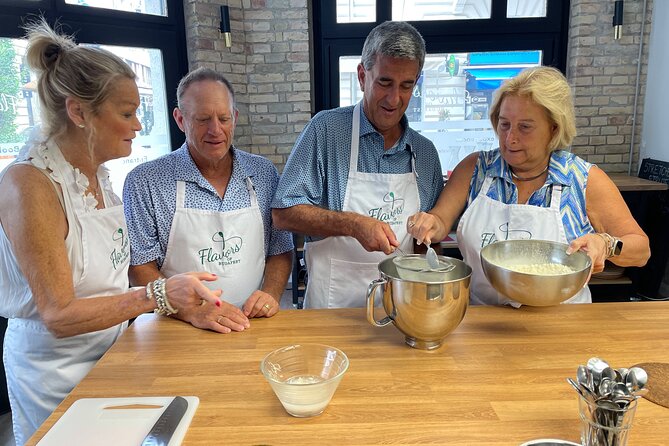
You’ll enjoy your finished langos with drinks included: Hungarian wine, homemade soft drinks, and mineral water (still or sparkling water is also part of the drink setup). This isn’t a tiny beverage add-on; it’s part of the pacing of the meal.
After frying, the class brings you together to sample what you made. That social part matters more than you might expect. Langos is messy in the best way, and sharing food you created side-by-side turns the class into more of a group experience than a solo cooking demo.
In the reviews, that togetherness shows up as a big reason people feel good about the experience. You’re not just leaving with a full stomach; you’re leaving with a “we did this” sense of achievement.
Where This Class Delivers Value for the Price
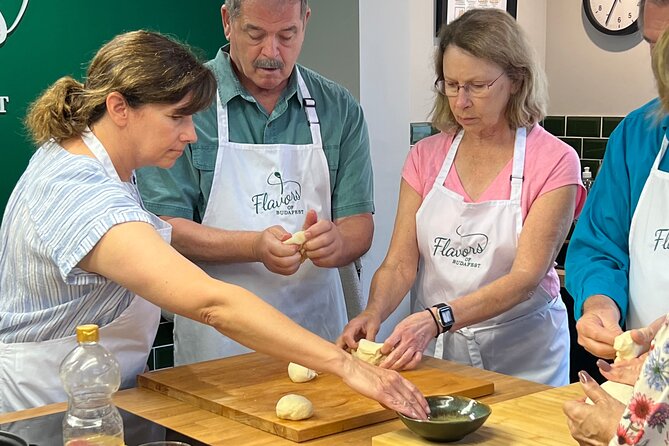
At $83.27 per person for about two hours, you’re paying for several things at once: instruction, ingredients, equipment, hands-on coaching, and included drinks. That turns the price into a comparison game—do you want the street-food version, or do you want the process version?
If your plan is simply to grab one langos and wander off, this may feel pricey. But if you value learning technique—especially frying and texture management—this becomes a bargain relative to the cost of ingredients plus the value of guided instruction.
Also, you get more than one outcome. Two kinds of langos plus multiple topping options means you’re not stuck eating the same basic version twice. That variety makes it easier to justify the cost because you’re getting a fuller flavor education.
And the class includes recipes, which is a quiet value booster. If you care about taking something home that isn’t only a photo, recipes make the experience last beyond the day.
Location Tips: Pair It With Your Budapest Day Plan
Because you start and end at the same central point, it’s easy to map this into your schedule. Here are a few ways to use it well:
- Before dinner: have langos as your main food moment, then keep dinner lighter
- After sightseeing: treat it like a warm reset mid-day, especially if the weather is cool
- Between major sights: meet near the Opera House area, then keep walking
No hotel pick-up is included, so I’d plan to arrive a bit early. That gives you time to settle in, find the room, and start the class feeling calm instead of rushed.
Who Should Book This (And Who Might Skip It)
This class is a great fit if you:
- love street food and want more than just a sample
- enjoy hands-on cooking and want small-group attention
- want to learn both Classic and Potato langos styles
- like the idea of eating what you made immediately, warm and fresh
You might want to consider skipping if you:
- only want a quick bite and don’t care about cooking
- are strongly uncomfortable with frying smells and kitchen work
- prefer dining without any active participation
That said, even beginners seem to do well here. The setup is structured so you can participate without needing past cooking experience.
Should You Book This Lángos Making Class in Budapest?
I think you should book it if you want an authentic food experience that turns into a practical skill. The combination of small-group attention, hands-on dough work, and tasting your creations right away makes it feel like more than a guided snack.
It’s also a smart choice if you’re the type who likes learning the “why” behind what you eat. You’ll come away understanding the difference between Classic and potato langos, how toppings work when the bread is freshly fried, and how garlic finishing fits into the broader Hungarian street-food style.
Go for it when you have at least a couple hours to enjoy food without rushing. And if you love social meals with fellow foodies, this class delivers that too—one fryer at a time.
FAQ
Where is the meeting point for the Hungarian Lángos Making Class?
The meeting point is Budapest, Hajós u. 14, 1065 Hungary. The activity ends back at the same meeting point.
How long does the class last?
The duration is about 2 hours.
What is the price per person?
The price is $83.27 per person.
What’s included in the meal?
You get two different types of langos (Classic and Potato) with toppings, plus drinks including Hungarian wine, homemade soft drinks, and mineral water.
What toppings are provided?
Toppings mentioned include garlic, sour cream, cheese, bacon, sausage, red onion, and peppers.
Do I get to taste what I make?
Yes. After you fry your langos, you gather together and sample your creations.
Is this an English-language experience?
Yes, it is offered in English.
How large is the group?
The activity has a maximum of 15 travelers, and it requires a minimum of 6 participants to run.
Is there hotel pick-up or drop-off?
No, hotel pick-up and drop-off are not included.
Is service animal access allowed?
Yes, service animals are allowed.
Eat Your Way Round Budapest




More Tour Reviews in Budapest





Eat Budapest: More Food Walks




Just Added: More Budapest Reviews
- Sightseeing flight over Budapest
★ 5.0 · 3 reviews - Budapest: Walking Tour with Chimney Cake & Polaroid Photos
★ 5.0 · 3 reviews - Self Guided Tour In Budapest With 100 Captivating Audio Stories
★ 5.0 · 3 reviews - Budapest Art Nouveau Walking Tour
★ 5.0 · 3 reviews - Hungary today: a no-taboo conversation
★ 5.0 · 3 reviews
Food & Culinary Tours, compared.
 ★ 5.0Countryside Half-day Gastro-Wine Tour from Budapest Meal & pickupFrom $991,450 reviews
 ★ 4.8Budapest Food Walking Tour: Eat, Sip & Explore Like a LocalFrom $731,027 reviews
Budapest Centre Food Tour with 10+ Tastings, Wine & Street FoodFrom $118810 reviews
★ 4.8Budapest Food Walking Tour: Eat, Sip & Explore Like a LocalFrom $731,027 reviews
Budapest Centre Food Tour with 10+ Tastings, Wine & Street FoodFrom $118810 reviews
 ★ 4.8Budapest Guided Food Walking Tour with Drinks IncludedFrom $69472 reviews
 ★ 5.0Budapest Food Tour: Market to Tavern with 14+ Tasters & WinesFrom $76434 reviews
 ★ 5.0Budapest Culinary & Wine WalkFrom $120397 reviews
 ★ 4.9Food Tour Market to Tavern: 14+ Tasters & WinesFrom $78375 reviews
 ★ 5.0Budapest Tipsy Food Tour with Wines, Small Group & Local GuideFrom $84234 reviews
Browse the lists this tour appears in