
This tour runs on one simple idea: taste your way through Budapest. You get to start at Great Market Hall for the food and the context, then work through a fast, fun lineup of bites, including exclusive Hungarian foie gras served on this tour. It’s a story-driven day that feels like hanging out with a local.
One thing to plan for: Hungary’s food culture is heavy on bread and meat, so even though the guide can adjust things, some stops may be modified or skipped depending on your needs.
In This Review
- Key things to know
- Why This 20+ Tasting Budapest Tour Works So Well
- Where You Meet George: Nagycsarnok to Ferenciek Tere
- Great Market Hall: More Than a Pretty Food Building
- The Bites Between Stops: What “18–20+ Tastings” Really Means
- Hungarian Beef Goulash: Comfort Food With a Real Purpose
- Crispy Lángos and the Street-Food Payoff
- The Exclusive Mid-Tour Hungarian Foie Gras Stop
- Homemade Pickles, Artisanal Cold Cuts, and the Stuff Locals Actually Reach For
- Sweet Chimney Cake and Local Dessert: Budapest’s Bakery Side
- Pálinka and Wine Pairings: The Drinks Tour That Isn’t Just Alcohol
- Price and Value: Is $81 for 3 Hours Worth It?
- Dietary Restrictions: Bread-and-Meat Culture, With Options
- Pacing, Group Size, and What the 3 Hours Feels Like
- Who This Tour Is Best For (And Who Might Want Another Plan)
- Should You Book This Budapest Food Tour?
- FAQ
- How long is the Budapest Food Tour with Wine, Foie Gras & 20+ Tastings?
- Where do I meet the guide?
- Where does the tour end?
- What foods and drinks are included?
- Is Hungarian foie gras included, and what’s special about it?
- How many tastings should I expect?
- Can the tour accommodate dietary restrictions?
- What language is the tour guide?
- Is the tour wheelchair accessible?
- What should I bring?
- Is there free cancellation?
- Can I book and pay later?
Key things to know
- Exclusive foie gras bites mid-tour, including multiple ways of serving goose liver
- Great Market Hall time (45 minutes) focused on what you’re eating and why it matters
- 18–20+ samples where each unique item counts, so the variety adds up quickly
- Hungarian drink tastings including homemade pálinka and wine you’ll actually want
- Classic comfort foods like beef goulash and crispy lángos, plus sweet chimney cake
- English live guide (George) who keeps the pace social, not lecture-like
Still hungry? More markets, mains and tavern stops
- Countryside Half-day Gastro-Wine Tour from Budapest Meal & pickup★ 5.0 · 1,450 reviews
- Budapest Food Walking Tour: Eat, Sip & Explore Like a Local★ 4.8 · 1,027 reviews
- Budapest Centre Food Tour with 10+ Tastings, Wine & Street Food★ 5.0 · 810 reviews
- Budapest Guided Food Walking Tour with Drinks Included★ 4.8 · 472 reviews
Why This 20+ Tasting Budapest Tour Works So Well
Budapest food tours can fall into two categories: either you get a lot of talking with a few snacks, or you get a snack parade with no real sense of place. This one tries to do both right. You’ll get the market sights and the why-behind-the-food stories, and you’ll also leave full.
The strongest part for me is the way the tour builds toward big Hungarian hits. It doesn’t just toss a taste at you and move on. You see, then taste, then understand. That matters with Hungarian dishes where ingredients and habits are tied to history, seasons, and what families actually cook.
The second big win is the sheer count. 18–20+ tastings sounds like marketing until you learn how it’s measured. If something shows up three ways, it counts as three separate samples. You’re not just eating bread with spread. You’re sampling variations, textures, and pairings—enough that your palate starts picking up patterns.
Where You Meet George: Nagycsarnok to Ferenciek Tere
The tour starts at Nagycsarnok, outside the main entrance of the Market Hall. Your guide, George, will be easy to spot: he’ll be carrying the white Experiences by George bag and described (very specifically) as the bald guy with the best beard in town.
You’ll end at Ferenciek tere, so you can finish near public transport and keep exploring on your own. That end point is useful if you want to grab dinner somewhere nearby without backtracking.
This is also the kind of tour where comfortable shoes matter. You’re moving between market and local spots for about 3 hours, and the tastings do not slow down the walking.
Great Market Hall: More Than a Pretty Food Building
Great Market Hall is where the tour sets its tone. You’re not there just to look at stalls. You’ll spend about 45 minutes inside with a guide who turns the space into context.
Here’s what makes this stop valuable: markets teach you how locals shop and think about food. In Hungary, that means meat, bread, pickles, and cured goods aren’t side characters—they’re central. In a few minutes, you’ll see the rhythm of the place, then you get samples that match what you’re seeing.
The market also gives you a shortcut to understanding Hungarian flavors. When you taste cold cuts, pickles, and rich bites shortly after, your brain connects it to a real food environment instead of treating it like a one-off item on a plate.
The Bites Between Stops: What “18–20+ Tastings” Really Means
This tour is built around small portions—snack-sized, bite-sized, and designed to keep you moving. That sounds simple, but it’s not always done well. Here, the structure is meant to keep your appetite intact while still giving you variety.
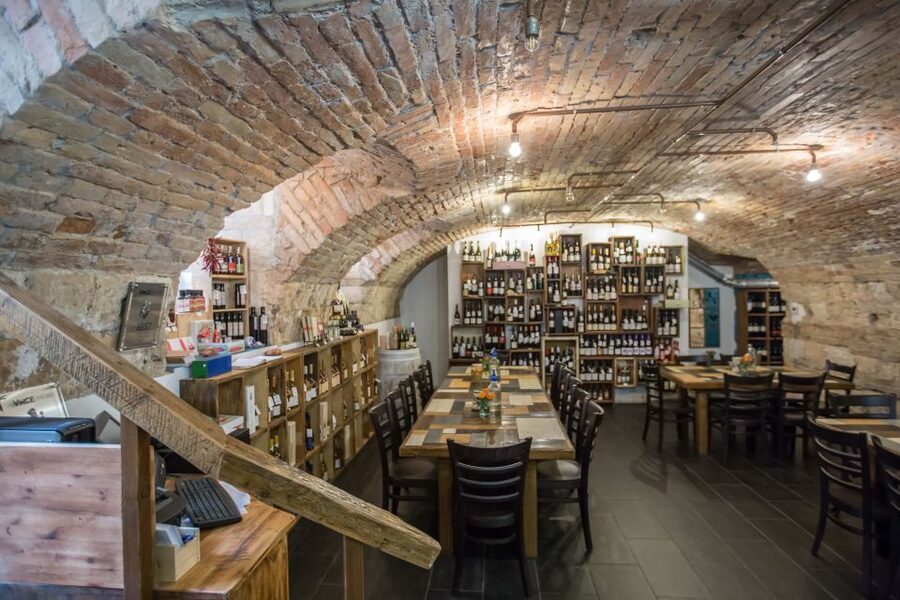
You’ll hit a mix of family-run restaurants, beloved street-food vendors, and local bakeries. The tour timing is tight enough to keep momentum, but not so rushed that every stop feels identical. One stop might center on savory staples. Another focuses on bakery items. Another brings you to a more substantial plate later in the day.
Think of it like this: you’re not waiting for one big meal. You’re collecting Hungarian flavors in the right order—so when the big stuff shows up, it feels like the payoff, not the first thing you ate today.
More Budapest plates and glasses worth the walk
Hungarian Beef Goulash: Comfort Food With a Real Purpose
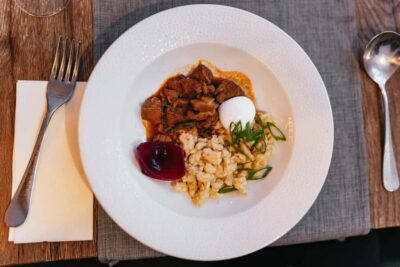
One of the included highlights is a tasting of traditional beef goulash. Goulash is famous enough that you might assume you already know what it’s about. The point here isn’t to reinvent it. The point is to taste it in the context of Hungarian everyday food culture—spiced, hearty, and made to be eaten where people actually gather.
This dish also helps you anchor the tour. Once you’ve tasted goulash, you have a reference point for the rest of the flavors: how paprika shows up, how rich the meat feels, and how well Hungarian breads and drinks fit the meal.
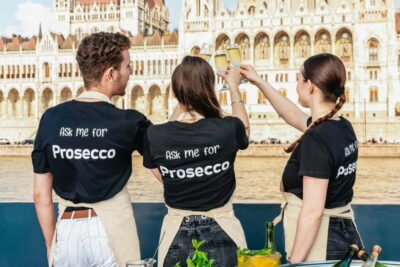
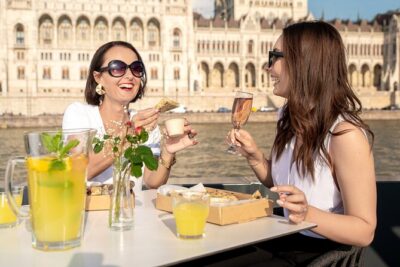
The tour pairs this part of the day with Hungarian wine, which is smart. Wine here isn’t an afterthought. It’s part of how locals balance a savory, paprika-forward bite.
Crispy Lángos and the Street-Food Payoff
You’ll also get a tasting of crispy lángos. If you’ve never had lángos, picture street food built for maximum texture: hot, crisp outside, soft inside, and usually topped in ways that turn a simple base into comfort you can’t stop eating.
Why this stop works on a food tour: lángos is portable and satisfying, and it helps break up richer items like cured meats and foie gras. It’s the kind of food that makes the whole day feel less formal and more social.
If you’re the type who likes tours that feel grounded in daily life, lángos is exactly the kind of stop that delivers. It’s not just a tourist dish—it’s part of Budapest street culture.
The Exclusive Mid-Tour Hungarian Foie Gras Stop
Now for the standout. You’ll taste Hungarian foie gras (goose liver) bites that are described as exclusive to this tour. The key detail is that it’s not one single sample. Your tour counts multiple variations—and the total tasting count reflects that.
That matters because foie gras isn’t just about the ingredient. It’s about how it’s handled and served: texture, spreadability, seasoning, and pairings all change the experience. When you’re sampling more than one form, you get a better sense of what Hungarian cooks aim for.
This mid-tour stop also does something practical: it shifts your palate at exactly the moment you’re ready for a richer experience. You’ve already had market-based tastes, and you’re primed to notice subtle differences.
If you’re curious about Hungarian cuisine beyond the usual goulash-and-paprika stereotypes, this is the moment that pushes you past the safe choices.
Homemade Pickles, Artisanal Cold Cuts, and the Stuff Locals Actually Reach For
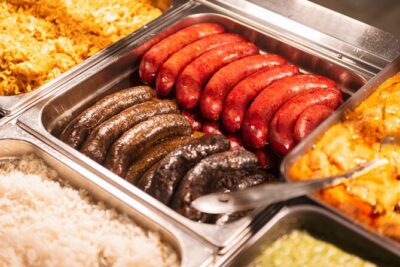
You’ll also taste artisanal cold cuts and homemade pickles. These don’t sound flashy on paper, but they’re the backbone of a lot of Hungarian eating. Pickles add acidity, while cured meats bring saltiness and fat. Together, they do the work that sauces do elsewhere.
On a tour like this, those tastes matter for another reason: they help you understand why Hungarian food is so satisfying even when portions are small. Salt, fat, sour, and bread all work together. One bite can feel complete even before the heavy hitters arrive.
This section of the tour is also where you start to pick up the difference between mass-produced and locally made flavors. You’re not just chasing heat and smoke—you’re sampling balance.
Sweet Chimney Cake and Local Dessert: Budapest’s Bakery Side
Hungary has a sweet bakery tradition that shows up in tourist photos for a reason. You’ll try sweet chimney cake, including three variations. That’s one of those rare situations where a tour gives you enough samples to notice differences instead of just eating one sweet and moving on.
Chimney cake is a fun food because it’s both snacky and indulgent. It also fits Budapest well: warm, portable, and easy to enjoy in between savory tastings.
You’ll also taste local dessert. The goal here isn’t novelty. It’s contrast. After foie gras, cured meats, and goulash, dessert gives your palate a reset.
Pálinka and Wine Pairings: The Drinks Tour That Isn’t Just Alcohol
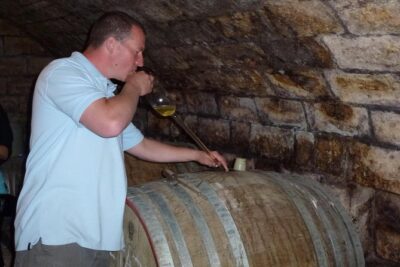
The included drinks are a big part of the value. You’ll get a homemade pálinka tasting (Hungarian spirit) and also wine tasting.
A quick reality check: pálinka can be intense. That’s why I like that the tour pairs it with food throughout, so you’re not tasting spirits on an empty stomach with no context. You’re tasting drinks as Hungarians might—part of a meal rhythm.
The wine tasting also helps you connect flavors. If you taste goulash, cold cuts, and foie gras, you start understanding why specific drinks show up alongside savory Hungarian bites.
Price and Value: Is $81 for 3 Hours Worth It?
At $81 per person for 3 hours, the value depends on what you want from a food tour: volume, variety, and quality, not just one or two stand-out dishes.
Here’s what you’re really paying for:
- 20+ tastings counted as unique samples, not just “one portion per stop”
- Multiple included drinks (pálinka and wine)
- Market time plus cultural stories, not only eating
- A signature element: exclusive foie gras bites
- A guide with real depth: George has 1,000+ hosted experiences over four years
If your ideal tour is collecting a mix of classics (goulash, lángos, chimney cake) plus one memorable specialty (foie gras), this price feels fair. If you only want a light snack and you hate drinking alcohol, you might feel the cost more. But for most food-focused travelers, this is priced like a true tasting experience, not a casual stroll.
Dietary Restrictions: Bread-and-Meat Culture, With Options
The tour says it can accommodate all dietary restrictions. Still, it’s honest about the challenge: Hungary has a strong bread- and meat-based food culture. That means some stops may need to be modified or skipped, and substitutes will be offered where possible.
Practical advice: if you have any dietary needs (allergies or serious restrictions), mention them clearly ahead of time and be ready for the guide to adjust the lineup. The good sign here is that the tour doesn’t treat dietary restrictions as an afterthought.
If your restriction is only preferences (like avoiding a specific meat), you may still get a full tasting menu experience with swaps. If your restriction is severe, you’ll still likely get choices, but expect the exact items to change.
Pacing, Group Size, and What the 3 Hours Feels Like
This is described as a small-group tour, which matters. With a group that’s not huge, you can ask questions and keep up without losing track of where you’re going. It also helps the guide tell stories in a natural way instead of shouting over crowds.
The structure is consistent: market + several tastings in restaurants and bakeries, then a heavier food finale. You’re moving steadily, but the stops are long enough (often 15–45 minutes depending on the stop) to enjoy each item rather than eat it while walking.
Because it’s only 3 hours, it’s also a smart fit for a busy travel day. You can do this in the afternoon or early evening and still have room for a second dinner if you want.
Who This Tour Is Best For (And Who Might Want Another Plan)
This tour is a strong match if you:
- want authentic Hungarian food rather than a generic sampler
- like tours that mix food with cultural context
- enjoy variety and don’t mind tasting lots of small portions
- want one memorable specialty bite: exclusive foie gras
It may feel like too much if you:
- dislike alcohol-based tastings (pálinka and wine are included)
- struggle with richer foods and strong flavors
- prefer a slow sit-down meal rather than snack-sized sampling
Should You Book This Budapest Food Tour?
If you want a Budapest food experience that actually earns your appetite, I’d book it. The combination of Great Market Hall context, a tight 3-hour flow, and 18–20+ tastings makes it feel like real value—not just a checklist.
Especially consider it if you’re curious about Hungarian flavors beyond the obvious. The exclusive foie gras bites, the repeated bakery experience with chimney cake variations, and the classic finale with goulash and lángos give you a well-rounded picture of what people eat and how they eat it.
FAQ
How long is the Budapest Food Tour with Wine, Foie Gras & 20+ Tastings?
The tour lasts 3 hours.
Where do I meet the guide?
You meet outside the main entrance of the Great Market Hall (Nagycsarnok).
Where does the tour end?
The tour ends at Ferenciek tere.
What foods and drinks are included?
Included tastings cover traditional beef goulash, crispy lángos, sweet chimney cake, local dessert, artisanal cold cuts, homemade pickles, homemade pálinka, and a wine tasting, plus the Great Market Hall visit.
Is Hungarian foie gras included, and what’s special about it?
Yes. You’ll taste Hungarian foie gras (goose liver) bites, described as exclusive to this tour.
How many tastings should I expect?
The tour includes 18–20+ tastings, and each unique item counts as a sample.
Can the tour accommodate dietary restrictions?
Yes, the tour says it can accommodate all dietary restrictions, with some stops needing modifications or skips and suitable substitutes where possible.
What language is the tour guide?
The tour is guided in English by a live guide.
Is the tour wheelchair accessible?
Yes, the tour is wheelchair accessible.
What should I bring?
Wear comfortable shoes.
Is there free cancellation?
Yes. You can cancel up to 24 hours in advance for a full refund.
Can I book and pay later?
Yes. It offers reserve now & pay later.
More Tours in Budapest






More Tour Reviews in Budapest






Eat Budapest: More Food Walks


Just Added: More Budapest Reviews
- Sightseeing flight over Budapest
★ 5.0 · 3 reviews - Budapest: Walking Tour with Chimney Cake & Polaroid Photos
★ 5.0 · 3 reviews - Self Guided Tour In Budapest With 100 Captivating Audio Stories
★ 5.0 · 3 reviews - Budapest Art Nouveau Walking Tour
★ 5.0 · 3 reviews - Hungary today: a no-taboo conversation
★ 5.0 · 3 reviews
Food & Culinary Tours, compared.
 ★ 5.0Countryside Half-day Gastro-Wine Tour from Budapest Meal & pickupFrom $991,450 reviews
 ★ 4.8Budapest Food Walking Tour: Eat, Sip & Explore Like a LocalFrom $731,027 reviews
Budapest Centre Food Tour with 10+ Tastings, Wine & Street FoodFrom $118810 reviews
★ 4.8Budapest Food Walking Tour: Eat, Sip & Explore Like a LocalFrom $731,027 reviews
Budapest Centre Food Tour with 10+ Tastings, Wine & Street FoodFrom $118810 reviews
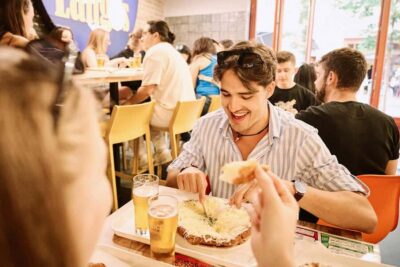 ★ 4.8Budapest Guided Food Walking Tour with Drinks IncludedFrom $69472 reviews
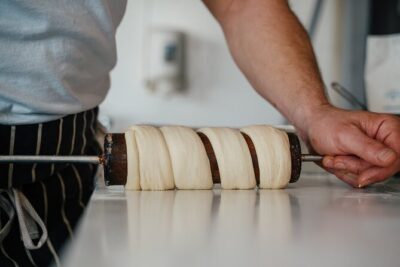 ★ 5.0Budapest Food Tour: Market to Tavern with 14+ Tasters & WinesFrom $76434 reviews
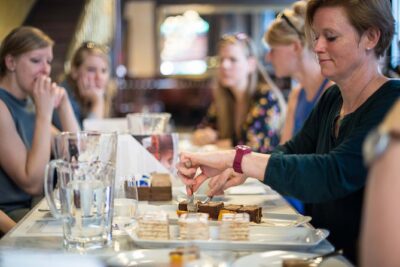 ★ 5.0Budapest Culinary & Wine WalkFrom $120397 reviews
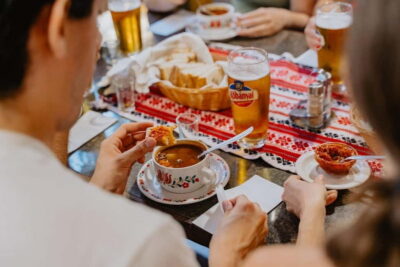 ★ 4.9Food Tour Market to Tavern: 14+ Tasters & WinesFrom $78375 reviews
 ★ 5.0Budapest Tipsy Food Tour with Wines, Small Group & Local GuideFrom $84234 reviews
Browse the lists this tour appears in