

Reviewed · FOOD & CULINARY TOURS
Budapest Food Tour in Obuda with 8+ Tastings of Hidden Food Gems
Budapest food can be tourist-proof or tourist bait. This Óbuda tour mixes real local bites with Roman ruins and a Danube view, so you get context with your calories.
I like two things most: the shift away from the center to a quieter neighborhood, and the way the food lineup feels built for eating, not just posing.
The one thing to plan for is the walking: it’s described as a fair amount of walking, so comfortable shoes matter.
Óbuda instead of the center gives you a more day-to-day Budapest feel
Max 12 people keeps it friendly and easier to ask questions
8+ tastings include strudel, lángos, Hungarian comfort foods, and pálinka
Roman Amphitheater stop connects dishes to place and time, not just menus
End near Árpád Bridge means an easy tie-in to more sightseeing
In This Review
- Óbuda Over the Usual Tourist Trail
- Roman Amphitheatrum: The Tour’s First Big Scene
- Danube River Stops: History Views Without the Ticket Headaches
- Óbuda: Eating Where Locals Live, Not Where Tour Groups Line Up
- The Food Lineup: Why These Tastings Work Together
- Stop-by-Stop: What You’ll Feel at Each Tasting Moment
- Pálinka, Cheese, Wine, Coffee: The Drink Pairing That Makes It Memorable
- How Much Walking Is Actually Involved (And What to Wear)
- Price and Value: Is $118.52 Reasonable for This Mix?
- Who This Tour Is Best For
- Should You Book the Budapest Food Tour in Óbuda?
- FAQ
- What’s included in the tastings on this tour?
- How many people are in the group?
- How long does the tour last?
- Where does the tour start and end?
- Do I have to pay for admission to the amphitheater stop?
- Is alcohol included?
- What if I have dietary requirements?
Óbuda Over the Usual Tourist Trail
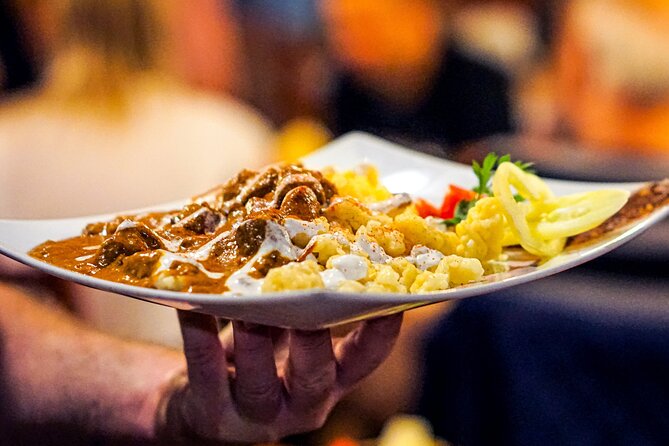
I like a food tour when it does two jobs: it feeds you and it teaches you how locals think about meals. This one does both, with a clear reason for heading into Óbuda—you trade big-name streets for an area that feels more lived-in, with local shops and everyday rhythms.
The biggest value here is focus. You’re not hopping through a dozen flashy stops that all feel the same. Instead, you’re guided through a stretch of Budapest that most visitors simply don’t spend time in. The small-group limit of 12 travelers helps too. You get time to talk with the guide, and you’re less likely to feel like you’re being moved along like cargo.
There’s also a “stories with food” approach. In past reviews, guides such as Zoltan and George are praised for connecting what you’re tasting with Hungarian food culture and local history. That matters because it turns a plate of sausage or soup into something you can actually remember.
Still hungry? More markets, mains and tavern stops
- Countryside Half-day Gastro-Wine Tour from Budapest Meal & pickup★ 5.0 · 1,450 reviews
- Budapest Food Walking Tour: Eat, Sip & Explore Like a Local★ 4.8 · 1,027 reviews
- Budapest Centre Food Tour with 10+ Tastings, Wine & Street Food★ 5.0 · 810 reviews
- Budapest Guided Food Walking Tour with Drinks Included★ 4.8 · 472 reviews
Roman Amphitheatrum: The Tour’s First Big Scene
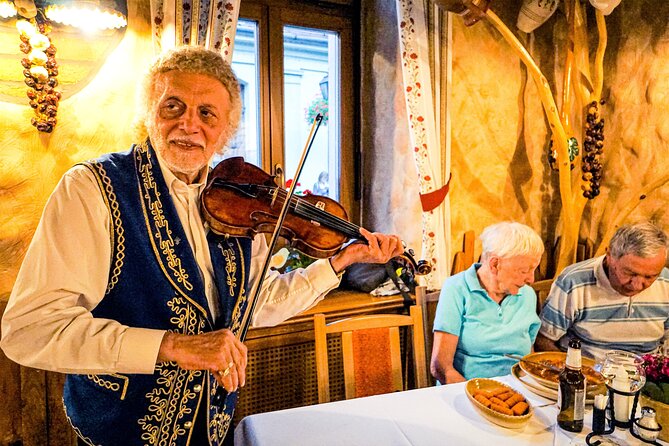
The tour starts at the Statue of Árpád and then heads to the Amphitheatrum, an archaeological site linked to the Roman presence around Aquincum. This isn’t a museum-style walk-through with a lot of reading. It’s more of a dramatic way to get your bearings: you’re seeing physical proof that Budapest’s story goes way beyond the Danube postcard.
You’ll learn what the amphitheater was for: entertainment and public gatherings during the Roman era, with gladiatorial contests and theatrical performances. The site dates to the 2nd century AD, and it once held thousands of spectators. Even if you don’t care about Romans on a personal level, the scale helps you grasp why Budapest became such a crossroads city.
Practical note: admission at this stop is free (so you’re not hit with surprise ticket costs). The drawback is simply that it’s early in the tour, so dress for the conditions and keep your energy steady. You’ll want your feet and appetite ready for what comes next.
Danube River Stops: History Views Without the Ticket Headaches
After the amphitheater, the tour shifts toward the Danube River, the iconic waterway that divides Budapest into Buda and Pest. Even though the stop is shorter in the schedule, it gives you a useful perspective: Hungary’s capital isn’t just a collection of buildings—it’s shaped by the river’s role in trade, travel, and daily life.
You’ll get a quick orientation to the city’s landmarks too, including views you associate with the Hungarian Parliament Building and Buda Castle. This is the kind of stop that helps later, when you’re walking on your own and suddenly you can place what you see.
The best part is that you’re getting the viewpoint context while still staying in the flow of the food tour. You’re not breaking off into a separate sightseeing mission. And since admissions at the listed itinerary stops are noted as free, you don’t have to budget extra just to enjoy the main sights.
Óbuda: Eating Where Locals Live, Not Where Tour Groups Line Up
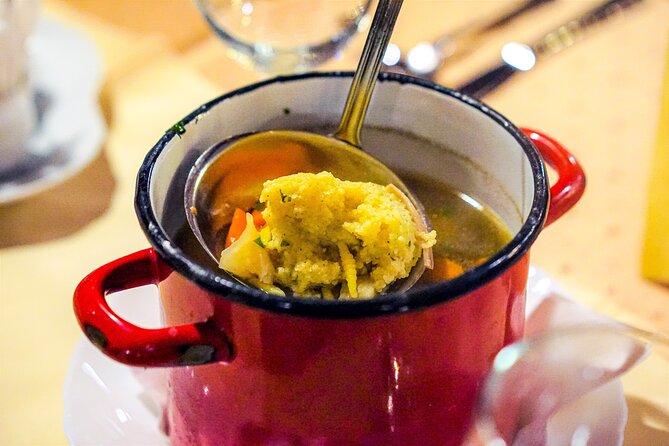
The third major segment is Óbuda, the neighborhood chosen specifically to keep the experience from feeling like a clone of every other Budapest itinerary. Óbuda is described as a mix of history, culture, and local charm, with parks and modern amenities sitting alongside older streets and architecture.
What I like about ending up here is that it makes the food feel more credible. When you taste traditional dishes and snacks in a place that doesn’t exist primarily for visitors, you start to see how the food fits daily life. This is where markets, smaller shops, and family-run places tend to matter more than the grand postcard stuff.
From what’s been shared in reviews, the food stops are very much anchored in neighborhood businesses. One tour review specifically called out a sequence like a strudel shop, a butcher’s shop with hot and cold meats, a restaurant for stuffed cabbage (a standout for that writer), and a wine shop for cheese and wine along with pálinka. That pattern matters. It’s not one restaurant repeated three times. You’re sampling different parts of the local food supply chain.
The Food Lineup: Why These Tastings Work Together

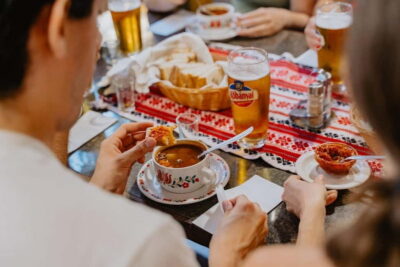
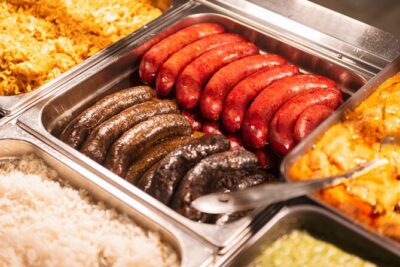
This tour is built around 8+ tastings with a lineup designed to cover sweet, savory, and drink. The included items give you a practical sense of Hungarian comfort food: fried dough, pastry, cured and cooked meats, sour and pickled flavors, soup, bread, and a digestif at the end.
Here’s what you should expect from the included tasting menu:
- Sweet strudel
- Crispy lángos
- Hungarian sausages or pork knuckle
- Pickles (for that tang that cuts through richness)
- Gulyás soup
- Freshly baked bread
- Our delicious secret dish
- A shot of pálinka
- Rich, aromatic coffee
That list is the core value. You’re not buying small bites one by one. You’re also not stuck with a single “signature” dish for the whole tour. The goulash soup and pickles combo, for example, is classic for a reason: it balances fat and salt with acid. Same idea with bread—Hungarian food often performs better when you can mop up sauce and go back for one more bite.
Also, the secret dish is there for a reason: it keeps the menu from feeling predictable. In a food tour, predictability is a letdown. A secret dish keeps you tasting with curiosity instead of checking a mental spreadsheet.
One small caution: there’s a review note suggesting smaller portions would be preferred. That’s not a deal-breaker, but it’s a useful heads-up. This is a “tasting” tour, yet the portions can still leave you full by the end. If you like to snack light, plan to eat a later dinner, not a big lunch and dinner.
More Budapest plates and glasses worth the walk
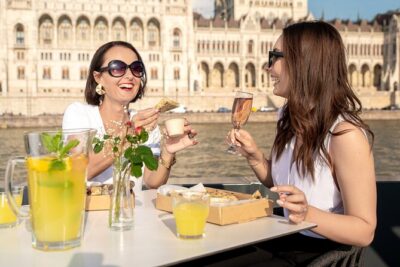
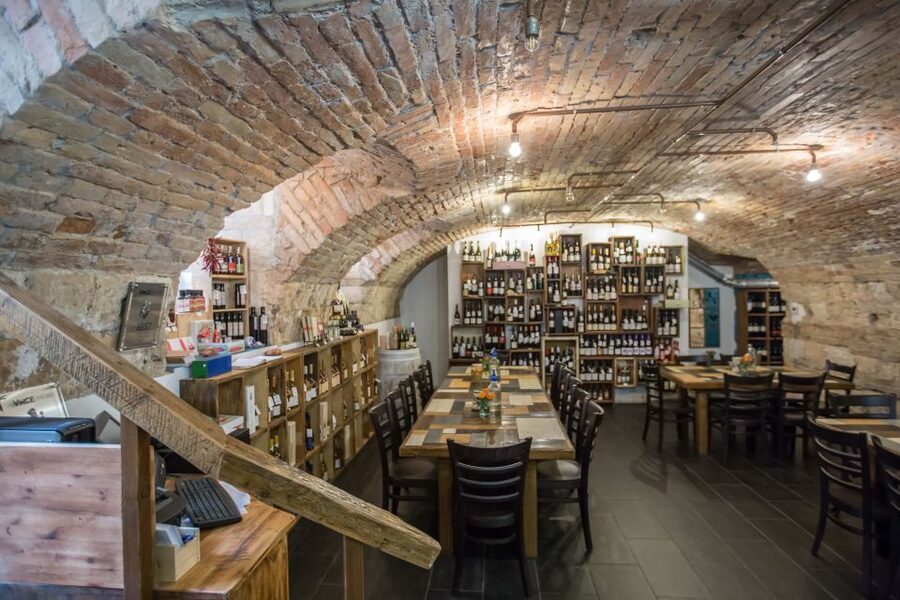
Stop-by-Stop: What You’ll Feel at Each Tasting Moment
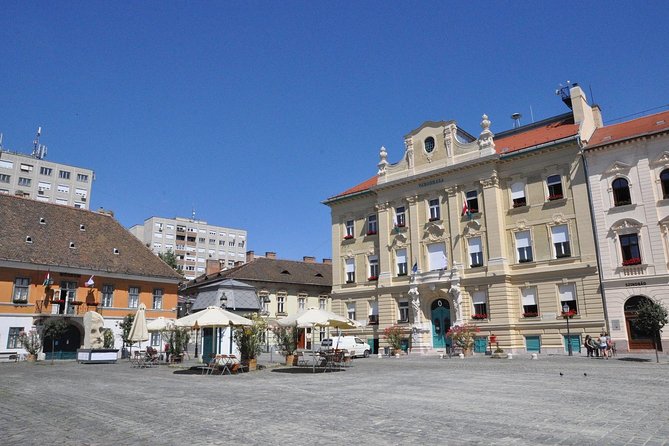
Even though the itinerary lists sights, the heart of the tour is the food progression through neighborhood businesses. You’ll feel a shift in tone at each stop, like moving from one role in the local food system to the next.
At the pastry stop, you’ll get sweet strudel. This is a smart early choice because it gives you something comforting and unmistakably Hungarian, without the heaviness that can slow you down.
Then you move into the savory world with crispy lángos. Think of it like Budapest’s fried bread cousin—warm, salty, and made for eating right there. Lángos is also the kind of dish where you realize why it’s best eaten fresh, not bought packaged.
After that comes meat and the kind of salty richness that tells you Hungary loves to treat food as a centerpiece, not a side character. One review specifically highlighted a butcher’s shop with an array of hot and cold meats, and another praised the tour for hitting multiple Hungarian staples you’d miss without a guide.
Later, you’ll likely hit a restaurant stop featuring stuffed cabbage, which stood out as a favorite dish for one writer. It’s the kind of comfort food that tastes better after you’ve already had soup and pickles—your palate starts to “click” into the rhythm of the meal.
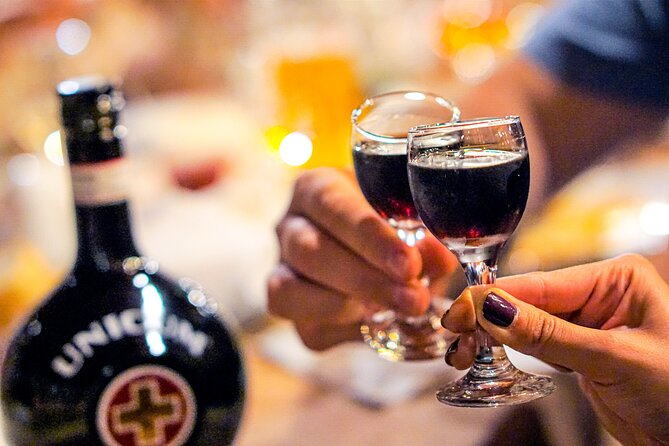
Then the tour turns toward drinks and finishing flavors with cheese and wine at a shop stop, leading to the included shot of pálinka. Pálinka is strong and fragrant, and it’s best treated like a purposeful final step: a small amount that changes how you taste the air afterward. You’ll also get coffee, which is a very practical way to close the loop.
And yes, the day also includes Hungarian sausages or pork knuckle, plus gulyás soup, plus bread and pickles. In other words, you won’t leave hungry, and you won’t leave with only one flavor story.
Pálinka, Cheese, Wine, Coffee: The Drink Pairing That Makes It Memorable
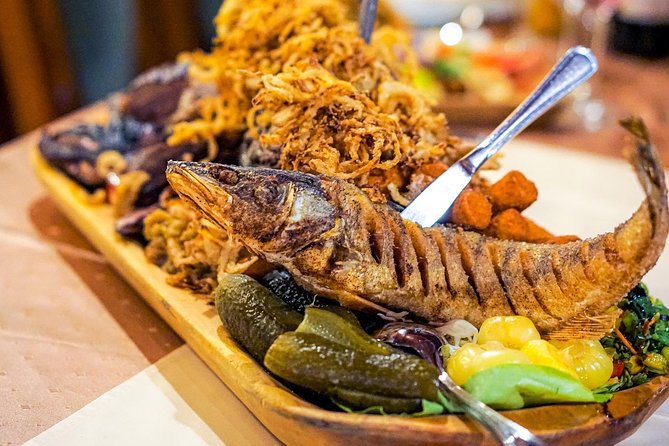
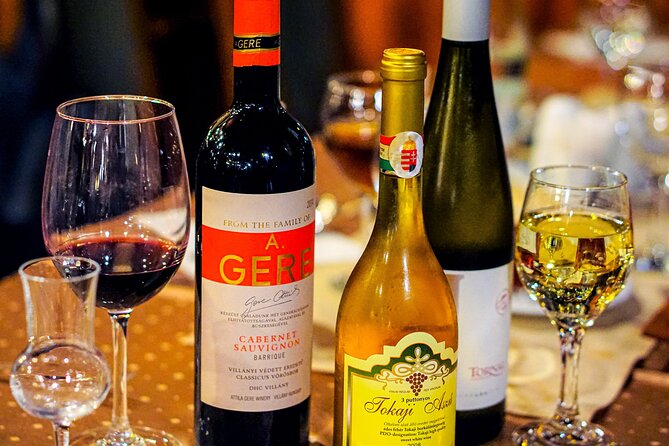
Plenty of food tours stop at bread and meat. This one treats drinks like part of the cuisine, not an afterthought. The inclusion list calls out pálinka, and reviews also mention a wine-and-cheese shop moment.
That combination is the reason the tour feels cohesive. Cheese and wine help soften the intensity of richer savory bites. Then the pálinka shot gives you the Hungarian punch—something floral and sharp that lingers. Coffee afterward helps you reset.
If you’re not a big alcohol person, you can still enjoy it, but know the tour includes at least a shot of pálinka. There’s a note to contact the operator in advance for dietary needs, but the data doesn’t spell out alcohol alternatives. I’d plan on tasting it, even if you take it slow.
How Much Walking Is Actually Involved (And What to Wear)
The tour description calls it a tour with a fair amount of walking, and it specifically recommends comfortable shoes. That’s enough to take seriously. Even if you’re fit, you don’t want to do a 3.5-hour food-and-sight circuit in thin-soled city shoes.
What I’d wear: supportive sneakers and a light layer. This is Budapest, so conditions can change during the day, and the itinerary can shift based on weather and availability. Since the menu and routing can be adjusted, you might end up walking a little more than you expect, even if the total duration stays around 3 hours 30 minutes.
Good news: the start and end points are both easy to connect to other sightseeing. You begin at the Árpád statue area and finish near Árpád Bridge on the Buda side, close to Korona tér 1 and the Hungarian Museum of Commerce and Hospitality. That makes it simple to keep moving after the tour ends.
Price and Value: Is $118.52 Reasonable for This Mix?
At $118.52 per person, this isn’t a cheap snack crawl. But value isn’t just cost—it’s what you actually receive for that money.
You’re getting:
- A 3.5-hour guided experience
- 8+ tastings across multiple food categories (pastry, fried bread, meats, soup, pickles, bread)
- Included pálinka plus coffee, and a shop stop for cheese and wine mentioned in reviews
- A small group capped at 12 travelers
- Sightseeing context at key stops like the Roman amphitheater and Danube area
When you add up multiple tastings plus drink plus guided storytelling, the price starts to make sense. You’re paying for access and coordination—the exact places you’re likely to miss on your own, and the context that explains what you’re eating.
The admission at the amphitheater is listed as free, which also helps keep the total predictable. Also, gratuities are not included, so if you like to tip, you’ll want to plan for that.
Who This Tour Is Best For
I’d point this tour at travelers who want more than a list of dishes. It works well if you:
- Prefer small groups over big buses
- Want to see Budapest beyond the usual center
- Like food tours that explain how a dish fits local culture
- Enjoy walking as part of the experience, not something you dread
It also suits couples and friends who like talking with a guide and comparing bites. With a group limit of 12, you’re more likely to have real conversation time.
If you hate walking or you’re very sensitive to strong spirits, you may want to think twice. The tour does recommend comfortable shoes, and pálinka is part of the deal.
Should You Book the Budapest Food Tour in Óbuda?
Yes, if you want Budapest that feels lived-in. The combination of Óbuda neighborhood food stops plus Roman and Danube context is the right kind of structure: you get a story, then you get to eat your way through it.
Book it sooner rather than later. It’s described as commonly booked about 57 days in advance, which usually means you’re better off planning than waiting for last-minute availability.
I’d especially recommend it if you’re staying in Budapest for a short time and you want one outing that covers both “see” and “taste” without turning into a crowded marathon. Just bring comfortable shoes, go with an appetite, and be ready for pálinka to do its job.
FAQ
What’s included in the tastings on this tour?
You’ll get sweet strudel, crispy lángos, Hungarian sausages or pork knuckle, pickles, gulyás soup, freshly baked bread, a shot of pálinka, coffee, and a secret dish.
How many people are in the group?
The tour has a maximum group size of 12 travelers.
How long does the tour last?
The duration is about 3 hours 30 minutes.
Where does the tour start and end?
It starts at the Statue of Árpád, Budapest 1034, Hungary. It ends near Árpád Bridge on the Buda side at Korona tér 1, 1036 Hungary, by the Hungarian Museum of Commerce and Hospitality.
Do I have to pay for admission to the amphitheater stop?
Admission for the Amphitheatrum stop is listed as free.
Is alcohol included?
Yes. The tasting includes a shot of pálinka, and reviews mention a stop with cheese and wine as well.
What if I have dietary requirements?
You’re asked to contact the tour in advance about any dietary requirements so they can cater for you as best they can.
More Tours in Budapest





More Tour Reviews in Budapest





Eat Budapest: More Food Walks

Just Added: More Budapest Reviews
- Sightseeing flight over Budapest
★ 5.0 · 3 reviews - Budapest: Walking Tour with Chimney Cake & Polaroid Photos
★ 5.0 · 3 reviews - Self Guided Tour In Budapest With 100 Captivating Audio Stories
★ 5.0 · 3 reviews - Budapest Art Nouveau Walking Tour
★ 5.0 · 3 reviews - Hungary today: a no-taboo conversation
★ 5.0 · 3 reviews
Food & Culinary Tours, compared.
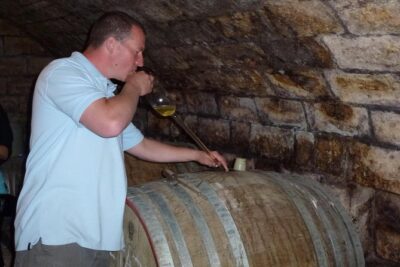 ★ 5.0Countryside Half-day Gastro-Wine Tour from Budapest Meal & pickupFrom $991,450 reviews
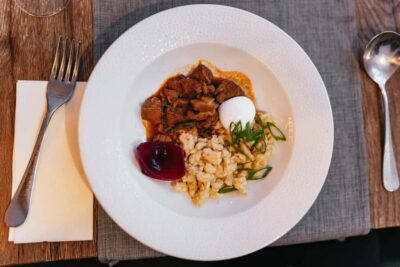 ★ 4.8Budapest Food Walking Tour: Eat, Sip & Explore Like a LocalFrom $731,027 reviews
Budapest Centre Food Tour with 10+ Tastings, Wine & Street FoodFrom $118810 reviews
★ 4.8Budapest Food Walking Tour: Eat, Sip & Explore Like a LocalFrom $731,027 reviews
Budapest Centre Food Tour with 10+ Tastings, Wine & Street FoodFrom $118810 reviews
 ★ 4.8Budapest Guided Food Walking Tour with Drinks IncludedFrom $69472 reviews
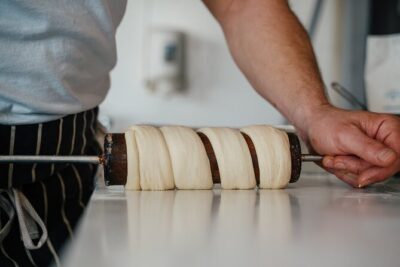 ★ 5.0Budapest Food Tour: Market to Tavern with 14+ Tasters & WinesFrom $76434 reviews
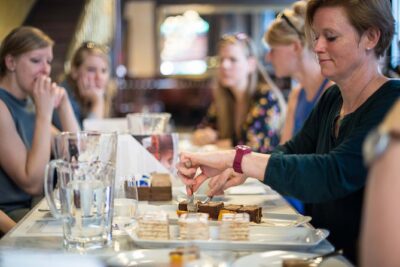 ★ 5.0Budapest Culinary & Wine WalkFrom $120397 reviews
 ★ 4.9Food Tour Market to Tavern: 14+ Tasters & WinesFrom $78375 reviews
 ★ 5.0Budapest Tipsy Food Tour with Wines, Small Group & Local GuideFrom $84234 reviews
Browse the lists this tour appears in