
Reviewed · WINE & TOKAJ TASTINGS
Budapest: Essentials of Hungarian Wine Tasting Class
Eight pours. One clear Hungarian wine story.
This 2-hour sommelier-led tasting in Budapest turns a confusing wine country into something you can actually picture, from winemaking history to regions, styles, and what to look for next. You’ll taste 8 Hungarian wines (starting with an aperitif and ending with sweet Tokaj Aszú) with food pairings that keep each sip grounded in real local flavors. The tasting room is easy to reach from Astoria and Kálvin tér, and it’s just a short walk from the National Museum.
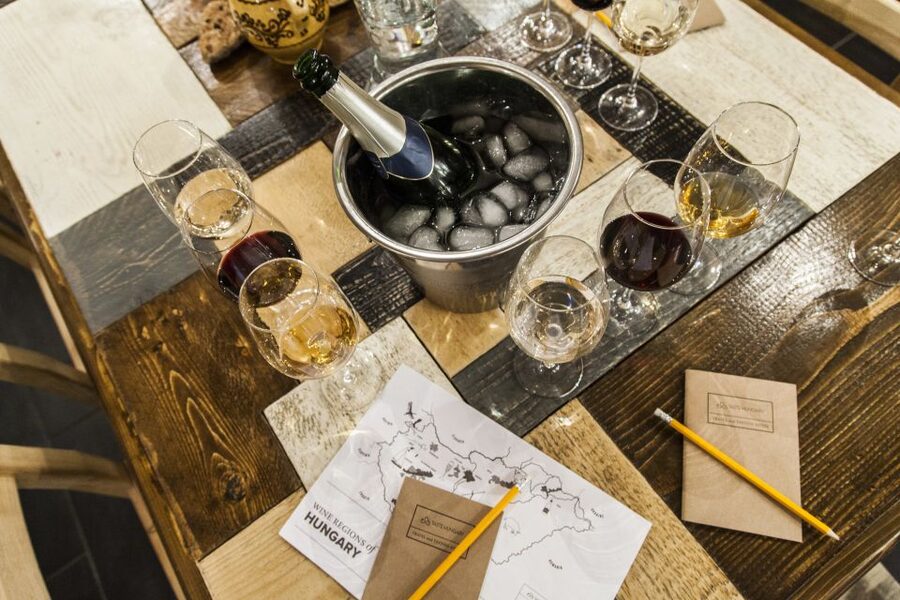
Two things I like a lot: first, the format gives you an “overview you can remember,” not just random sips. Second, you get tasting sheets with a map of the Hungarian wine regions, so you can connect names you hear to places you can revisit later. Food is part of the point here, not an afterthought.
One drawback to consider: you may find the commentary a bit info-heavy at times, especially if you’re expecting mostly quiet sipping. The good news is the pace still lets you taste and talk in between rounds.
In This Review
- Key things that make this tasting work
- Entering Tasting Table Budapest near the National Museum
- The 2-hour flow: aperitif, whites/reds, then Tokaj Aszú
- What the tasting actually feels like
- The sommelier crash course that connects regions to flavor
- Food pairings that make the wines easier to enjoy
- What you’re really paying for: $65 worth it
- Who should book this tasting in Budapest
- Practical tips for your tasting night
- Should you book Budapest: Essentials of Hungarian Wine Tasting Class?
- FAQ
- How many wines are included in the tasting?
- What food is included?
- Where is the meeting point?
- What time does the tasting run?
- Do I need to know wine already?
- Is the tasting for adults only?
Key things that make this tasting work
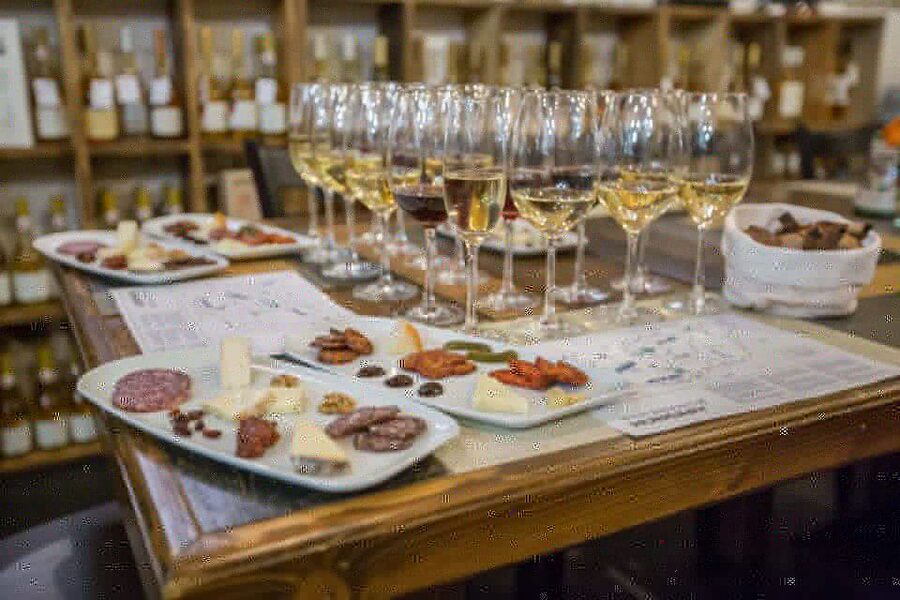
- 8 wines with a start-to-finish storyline, from aperitif through reds/whites (and sometimes rosé) to sweet botrytised Tokaj Aszú
- Food pairings built for Hungarian flavors, including cheese and charcuterie that handle both delicate whites and richer reds
- A sommelier-led crash course on regions, history, varietals, and the traits that define Hungarian styles
- Tasting sheets + a Hungary wine-region map so you can take notes without losing the big picture
- Small-producer focus, since the wines are sourced directly from producers the team knows well
Another glass of Tokaji poured close by
- Countryside Half-day Gastro-Wine Tour from Budapest Meal & pickup★ 5.0 · 1,450 reviews
- From Budapest: Half-Day Countryside Wine Tour with Meal★ 4.8 · 657 reviews
- Budapest: Wine, Cheese, and Charcuterie Tasting★ 4.9 · 647 reviews
- Hungarian Wine Tasting (with Cheese and Charcuterie) in Budapest★ 5.0 · 531 reviews
Entering Tasting Table Budapest near the National Museum
This tasting happens at Tasting Table Budapest, at Bródy Sándor utca 9 (District VIII). It’s an easy find if you’re already out and about: it’s about 150 meters from the National Museum, and you can reach it on foot from Astoria (M2) and Kálvin tér (M3). Trams 47 and 49 also stop at Astoria and Kálvin tér, which matters if you’re bouncing between neighborhoods and don’t want to plan an extra route.
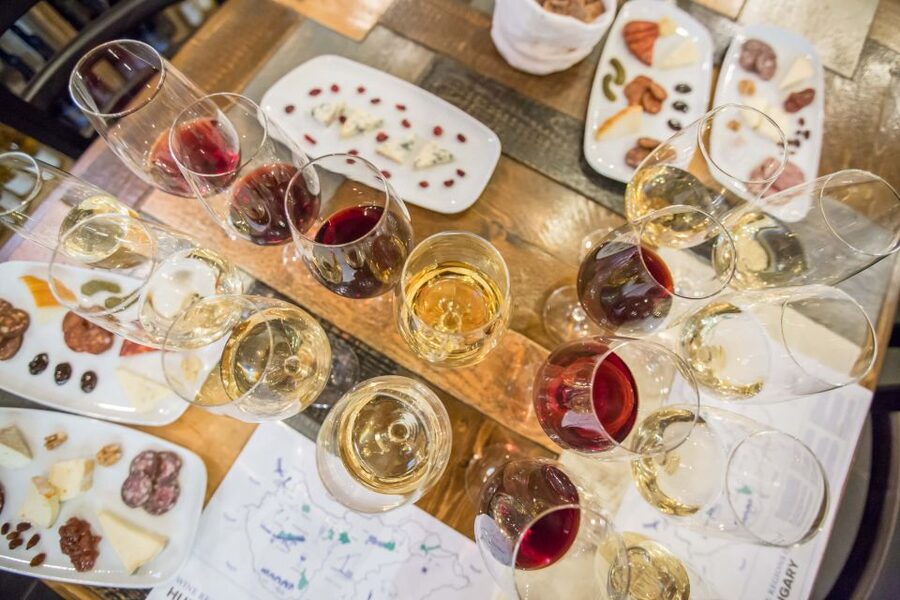
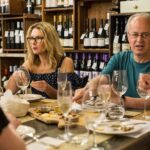
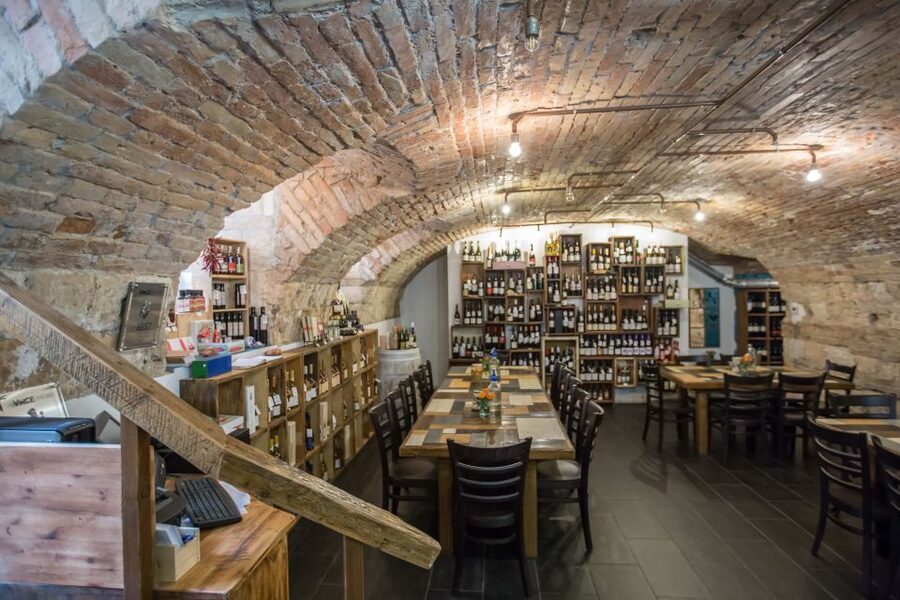
Inside, the room has an inviting, lived-in feel. Some guests describe a brick-arched wine cellar vibe, which is exactly the kind of setting that helps you slow down. You’re not just in a shop tasting a few pours. It feels like a place built around wine and conversation.
The session is English-hosted and runs on most evenings between 6:00 PM and 8:00 PM. You’ll be with other people, so it’s a good option if you want a social evening that still has structure.
The 2-hour flow: aperitif, whites/reds, then Tokaj Aszú
The heart of the experience is the 2-hour progression through 8 wines, each one placed on purpose. The order is designed to teach you, not just entertain you with variety.
Here’s the general rhythm you can expect:
First, you’ll start with an aperitif. This isn’t a random “warm-up.” It sets the tone for how the tasting will run and helps you get your palate ready before the main rounds.
Then you’ll move into whites and reds, with rosé possible depending on the selection that night. Expect the sommelier to explain what you’re tasting in plain terms: what style it represents, where that style fits in Hungarian wine culture, and why the region and grape choices create the flavors you’re picking up.
Finally, you’ll end with a sweet botrytised Tokaj Aszú. That last step is one of the clearest ways to understand why Tokaj has such a reputation: you’re not just tasting something sweet—you’re experiencing the “why” behind Hungary’s most famous dessert wine style. It’s a satisfying finish, and it also helps the earlier wines click into place.
What the tasting actually feels like
One of the most consistent themes in the experience is pacing. You’re not meant to be talked at the whole time. Most of the format works like mini-lectures followed by actual tasting and discussion.
Also, plan on generous pours. Multiple guests note that it feels closer to real glasses than tiny tasting sips. That’s great for value, but it also means you should eat beforehand if you can, and don’t schedule anything demanding right after.
The sommelier crash course that connects regions to flavor
This class is built like a fast but readable map of Hungarian wine. Over the 2 hours, you’ll get an overview that covers:
- History of winemaking
- Major wine regions
- Important varietals and how styles differ
- Unique characteristics and trends
The key is how it’s packaged. Hungarian wine can feel hard to crack if you’re trying to learn it from menus or bottle labels. Here, the sommelier tries to build a story where each wine earns its place. By the end, the goal is that Hungary feels less like a mystery and more like a set of recognizable patterns.
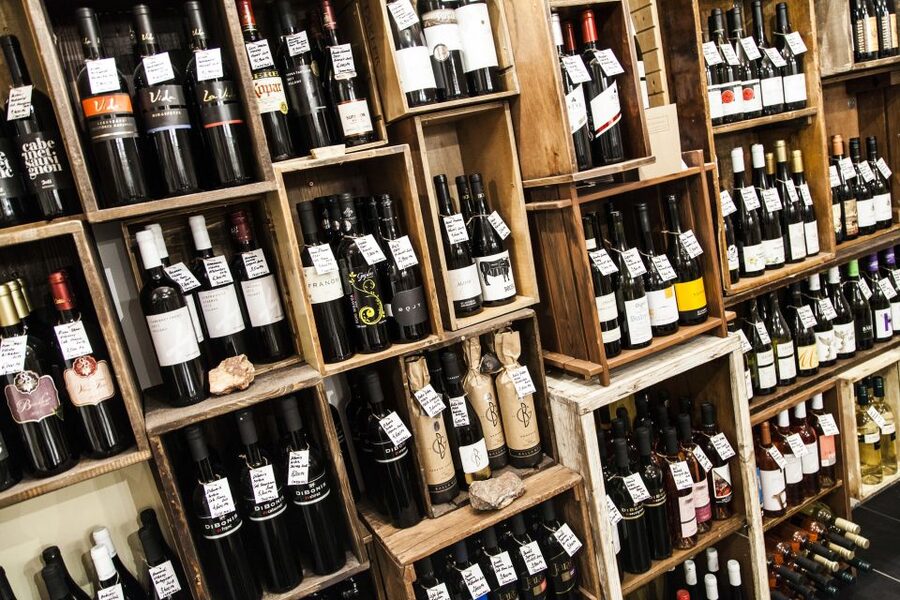
You’ll also learn that the wines aren’t just imported or mass-produced for export. The tasting selection is described as coming from small producers, with the team buying wines directly from producers they’ve gotten to know over the years. That matters because it usually leads to a better cross-section of what Hungarian wine can be—not only the most famous styles, but the ones that show the range.
If you like tasting with context, this is where it shines: you’ll start noticing how acidity, texture, and sweetness (especially with Tokaj Aszú) line up with region and winemaking choices, not just grape names.
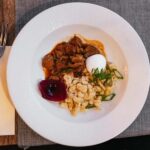
More Budapest plates and glasses worth the walk
Food pairings that make the wines easier to enjoy
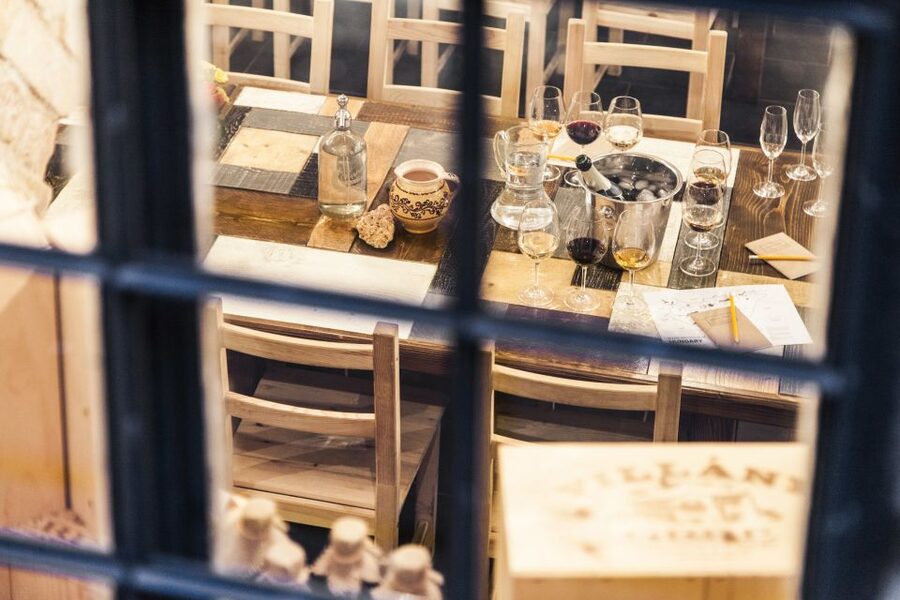
Wine tastings often treat food as decoration. Not here. The session includes food pairings with local Hungarian delicacies, including cheese and charcuterie.
That pairing matters for two reasons:
- Hungarian wines can be expressive, and the food helps you “read” flavors instead of guessing.
- You’ll likely taste a range of styles across the evening—light to richer—so you need palate resets that feel natural, not like random crackers.
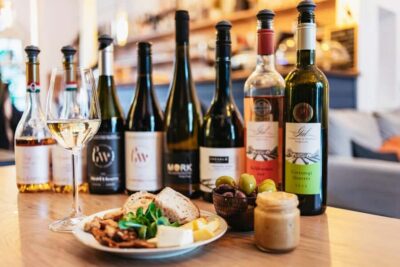
Guests frequently mention the boards as a highlight—especially the cheeses and meats—because they’re abundant and genuinely suited to what’s in the glass. There’s also bread and typical tasting-friendly accompaniments (like crisp bread and traditional flavors), so you don’t feel like you’re tasting in a vacuum.
One small practical note: if you’re very detail-oriented, you might notice that the glasses aren’t always swapped exactly the way a strict sommelier might in a restaurant. One guest suggested switching glasses between whites and reds, so if you care about full flavor separation, keep that in mind and just rinse your palate with water between rounds.
What you’re really paying for: $65 worth it
At $65 per person for 2 hours, this is priced like a proper wine experience, not a casual “drink and learn” stop. The value comes from three things you get together:
- 8 wines (not a couple pours)
- A sommelier-led guided explanation
- Food pairings plus mineral water
If you compare it to the cost of buying bottles separately, the math works out quickly because you’re tasting a meaningful variety in one night. And because the selection is tied to producer connections and not just whatever’s cheapest or most available, you’re not stuck tasting only the easiest crowd-pleasers.
This is also one of those tours where the price buys you momentum. A crash course like this can save you time later. Instead of researching Hungarian wine cold, you leave with a framework and tasting sheets that help you make smarter choices if you buy bottles afterward.
Who should book this tasting in Budapest
This tour is best for you if you want:
- A structured way to learn Hungarian wine without needing to be a wine expert
- A guided evening that includes real food pairings, not just “here’s a glass”
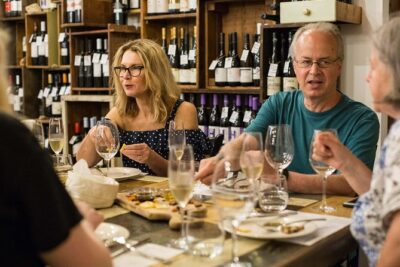
- A social setting where you can meet other English-speaking people and chat between pours
It may not be ideal if you:
- Want a very quiet, low-information tasting (some guests note the amount of explanation can be more than expected)
- Have to be sober-fast after, since pours can be generous and the session can run slightly longer depending on the group mood
Still, the overall tone described for hosts is consistently friendly and engaging. Names like Somali, Tomas, Carlos, John, Christian, Nikki, Sam, and Sebastian come up as examples of how the guides tend to create an approachable atmosphere.
Practical tips for your tasting night
A few things will make the evening smoother:
- Eat beforehand if you can. The food helps, but with generous pours, you’ll feel it.
- Take advantage of the tasting sheets and map. Use them during the session so you don’t try to reconstruct everything later.
- Pace yourself with water. The tasting includes mineral water, so use it between rounds.
- If you’re sensitive to noise, pick a seat where you can hear. Some groups are talkative, and it can affect how well you catch the explanation.
- If you love your favorites, know you can continue the experience by purchasing wines from the shop area (some guests mention they bought bottles after).
Should you book Budapest: Essentials of Hungarian Wine Tasting Class?
I’d book it if you’re the type who enjoys learning through taste, not through lectures. This is one of the most efficient ways to understand Hungarian wine in a short window, especially because you get 8 wines, pairings, and a region map that helps you connect the dots right away.
Skip it only if you strongly prefer ultra-quiet tastings or you dislike guided talk. Otherwise, it’s a solid value evening in Budapest: a guided crash course, good pours, and local food that makes the wines easier—and more interesting—to understand.
FAQ
How many wines are included in the tasting?
You’ll taste 8 Hungarian wines during the 2-hour session, paired with food. The tasting begins with an aperitif and ends with a sweet botrytised Tokaj Aszú.
What food is included?
The experience includes food pairings featuring local Hungarian flavors, including cheese and charcuterie, along with the wines.
Where is the meeting point?
The meeting point is Tasting Table Budapest, Bródy Sándor utca 9, District VIII, about 150 meters from the National Museum.
What time does the tasting run?
It’s available on most evenings between 6:00 PM and 8:00 PM, with specific start times depending on availability.
Do I need to know wine already?
No. This tasting is designed as a beginner-friendly crash course, explaining Hungarian wine regions, history, varietals, and styles with a sommelier.
Is the tasting for adults only?
Yes. The legal drinking age in Hungary is 18, so participants must be 18+.
Eat Your Way Round Budapest


More Tour Reviews in Budapest




Budapest by the Glass

Just Added: More Budapest Reviews
- Sightseeing flight over Budapest
★ 5.0 · 3 reviews - Budapest: Walking Tour with Chimney Cake & Polaroid Photos
★ 5.0 · 3 reviews - Self Guided Tour In Budapest With 100 Captivating Audio Stories
★ 5.0 · 3 reviews - Budapest Art Nouveau Walking Tour
★ 5.0 · 3 reviews - Hungary today: a no-taboo conversation
★ 5.0 · 3 reviews
Wine & Tokaj Tastings, compared.
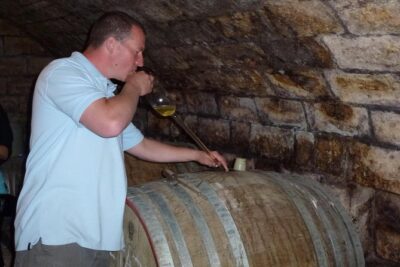 ★ 5.0Countryside Half-day Gastro-Wine Tour from Budapest Meal & pickupFrom $991,450 reviews
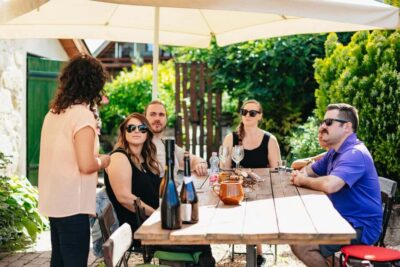 ★ 4.8From Budapest: Half-Day Countryside Wine Tour with MealFrom $96657 reviews
 ★ 4.9Wine, Cheese, and Charcuterie TastingFrom $50647 reviews
 ★ 5.0Hungarian Wine Tasting (with Cheese and Charcuterie) in BudapestFrom $50531 reviews
 ★ 4.9Hungarian Wine Tasting with 8 Wines and TapasFrom $68446 reviews
 ★ 5.0Budapest Culinary & Wine WalkFrom $120397 reviews
 ★ 4.98-Tier Hungarian Wine Tasting in a Cozy Downtown Wine BarFrom $55269 reviews
 ★ 5.0Evening Wine, Cheese, & Charcuterie Tasting in BudapestFrom $65121 reviews
Browse the lists this tour appears in