
Reviewed · ST. STEPHEN'S BASILICA
Budapest: Classical Music Concerts in St Stephen’s Basilica
One great hour can change how you feel about a city. In Budapest, this classical concert turns St. Stephen’s Basilica into your soundtrack with three different programs to choose from.
I love that you can tailor the experience—different concert lineups, plus four seating categories—so you’re not stuck with one version of the evening. I also like that the performances lean serious: you’re listening to standout soloists and a full musical set in a venue that looks unreal at night.
A key consideration: the date-specific venue change is real—on December 30, the concert happens in Matthias Church instead of the Basilica—so double-check your show day before you go.
In This Review
- Key things to know before you book
- St. Stephen’s Basilica at night: the building is the first performance
- Three concerts, not one: choose your mood (Requiem vs organ vs Ave Maria)
- Requiem: Mozart’s dramatic centerpiece
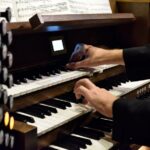
- Organ concert: Bach to Widor with famous vocal moments
- Ave Maria Air Alleluja II: lyrical, devotional, and melodic
- What the 70-minute format really means for you
- Seating classes and the uncomfortable truth: your view depends on timing
- My practical advice for where to sit
- Sound quality: where people agree, and where they don’t
- Concert content: what you’ll actually hear (and why it matters)
- Mozart Requiem: why it lands in this room
- Organ concert: why the mix works in an hour
- Ave Maria Air Alleluja: why it feels easy and beautiful
- Arrival tips: meeting point confusion and the side door reality
- Before the music: what to do inside (and bathroom timing)
- Price and value: is $70 reasonable for this kind of evening?
- Who should book this Budapest classical concert?
- The one reason to double-check: date and venue
- Should you book this classical concert in St. Stephen’s Basilica?
- FAQ
- Where does the concert meet?
- How long is the concert?
- How much does it cost?
- What kind of music is performed?
- Are there different seating options?
- Is the concert wheelchair accessible?
- What is included in the ticket price?
- Is food or drinks included?
- Where is the concert on December 30?
- What are the cancellation terms?
Key things to know before you book
- Three program styles: Requiem, a big organ-and-choral “church music” mix, or an Ave Maria + air-and-alleluja set
- Four seating categories, but seating behavior matters: some tickets are not assigned, so early arrival can pay off
- Basilica acoustics are powerful: expect lots of reverberation—many love it, a few find clarity less crisp
- Sometimes the venue shifts: December 30 is at Matthias Church, not St. Stephen’s Basilica
- Comfort is mixed: it can run hot in warmer months, benches can feel uncomfortable
- You can tour while you wait: the concert setup often lets you enjoy the interior details before music begins
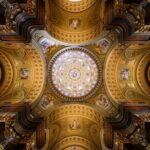
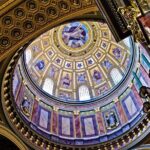
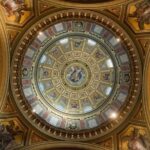
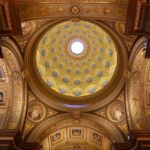
Up under the basilica cupola, other visits
- Budapest: Classical Music Concerts in St Stephen’s Basilica★ 4.7 · 1,479 reviews
- Budapest: Organ Concert in St. Stephen’s Basilica1,299 reviews
- Organ Concert in the St. Stephen’s Basilica★ 4.0 · 173 reviews
- Budapest: Saint Stephen’s Basilica Tour★ 4.5 · 142 reviews
St. Stephen’s Basilica at night: the building is the first performance
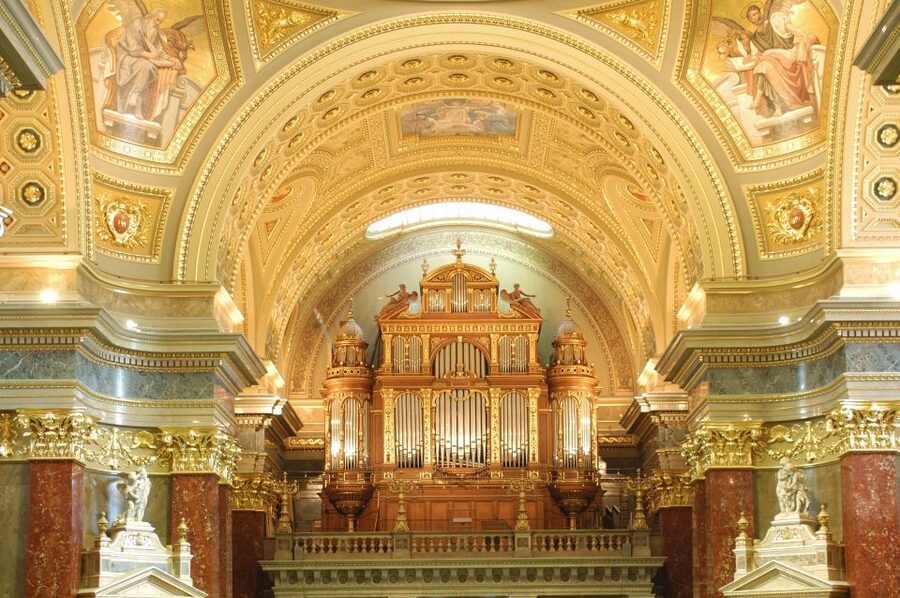
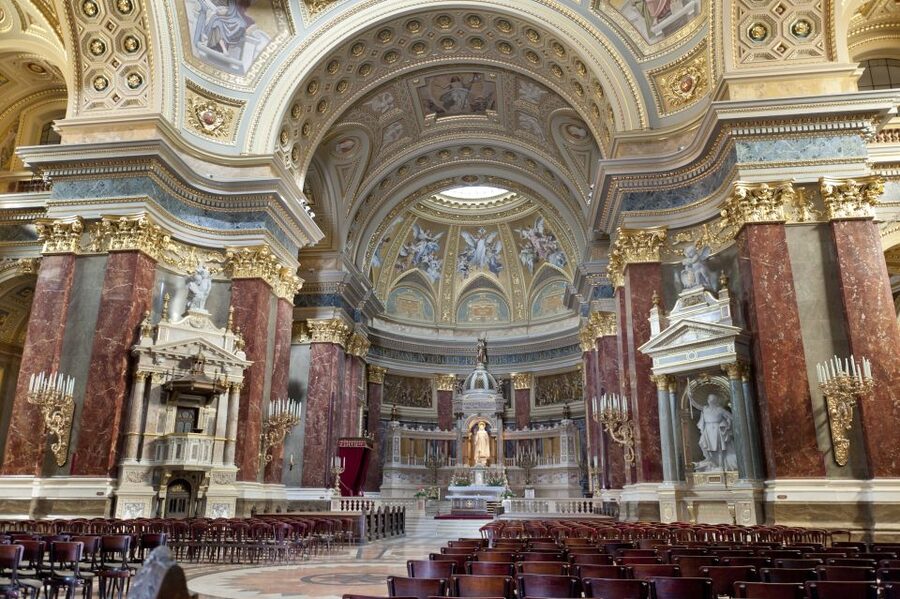
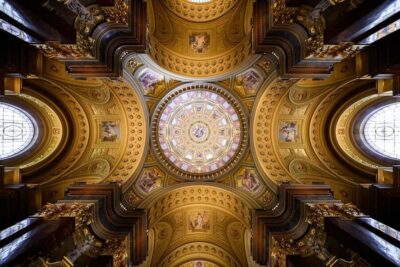
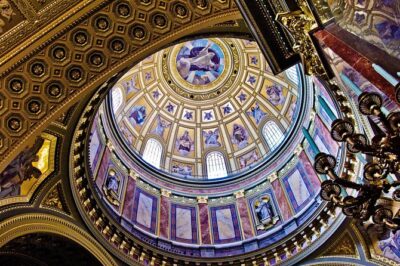
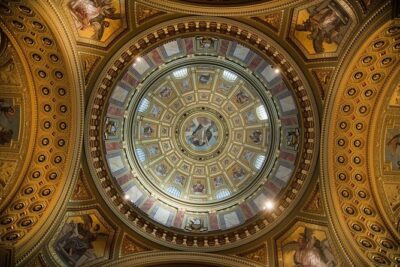
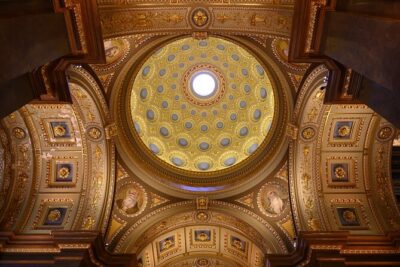
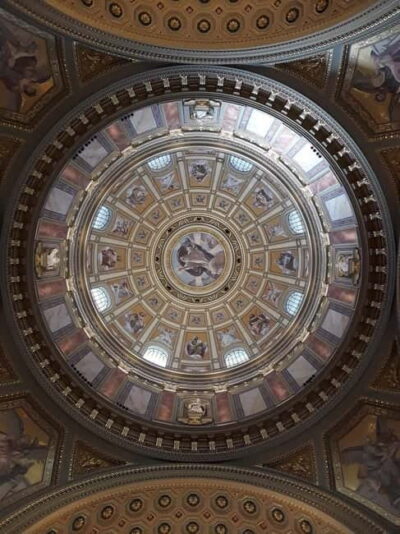
This is one of those Budapest experiences where the room matters as much as the music. St. Stephen’s Basilica has that bright, neo-classical feel that turns dramatic when the lights come on after dark. You arrive to a space that’s already “in performance mode,” with interior details pulling your attention while you find your spot.
The best part? You don’t just stand outside, take a photo, and leave. You sit down inside and let the architecture do its job—high ceilings, stone surfaces, and lots of open air that make sound bloom. If you love hearing classical music in a historic setting, this hits that sweet spot quickly.
One practical note: you’re inside a real church, not a theater. That means you’ll feel the temperature and the seating more than you might in a concert hall. Bring layers if you’re going in cold months, and plan for the fact that some benches aren’t built for long comfort.
Three concerts, not one: choose your mood (Requiem vs organ vs Ave Maria)
What makes this ticket worth your time is choice. You’re not buying a generic “classical concert” bundle—you’re picking among three distinct programs. Each one pulls the atmosphere in a different direction.
Requiem: Mozart’s dramatic centerpiece
If you want something that feels full-scale and emotionally heavy in the best way, the Mozart Requiem in D minor (K. 626) is the standout. This version is built with its key movements and sections, including Kyrie, Sequenzia (Dies Irae, Tuba Mirum, Rex Tremendae, Recordare, Confutatis, Lacrimosa), and the closing Communio (Lux Aeterna).
The Requiem program works especially well if you like music that has momentum, contrast, and that “cathedral drama” feeling. You’ll hear a structure that’s easier to follow than it sounds—big recognizable segments keep the evening moving.
Organ concert: Bach to Widor with famous vocal moments
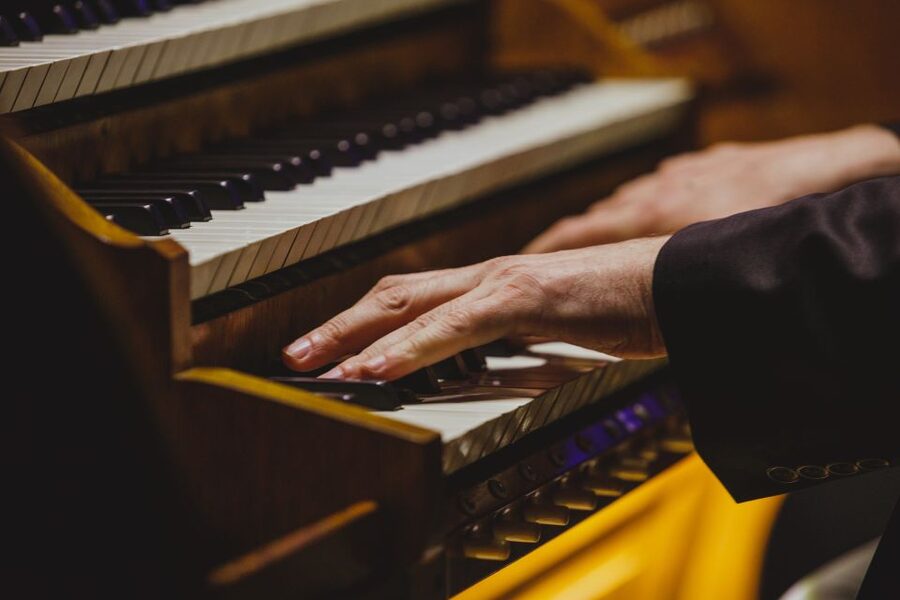
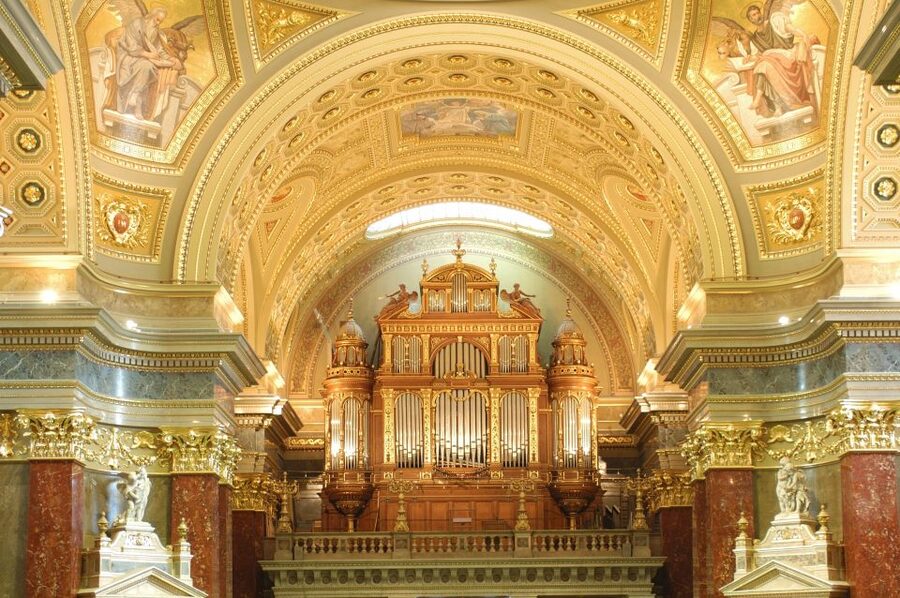
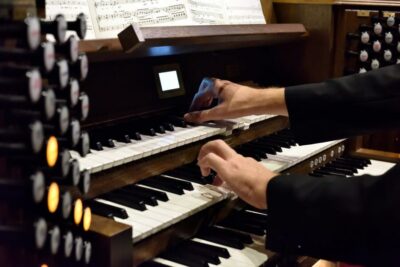
If your dream is organ power plus well-known choral highlights, you’re looking at the organ program lineup. It includes J.S. Bach (Toccata, Air), Handel’s Messiah moments (Rejoice, plus other Handel selections), and keyboard-to-choir vibes that feel like a religious concert tradition.
You’ll also hear Vivaldi’s The Four Seasons (Winter, Largo), Gounod’s Ave Maria, Widor’s Toccata from the Organ Symphony No. 5, and Liszt’s Ave Maris Stella, plus pieces like Franck’s Panis Angelicus and Massenet’s Thais Meditation. It’s a set that moves between instrumental brilliance and vocal sweetness without getting boring.
This one is great if you want variety in a single hour: organ flourishes, recognizable melodies, and a mix that stays approachable even if you don’t read every note like a score.
More music under Budapest ceilings


Ave Maria Air Alleluja II: lyrical, devotional, and melodic
For a calmer, more lyrical evening, the Ave Maria Air Alleluja II program leans into singing and melodic comfort. It features Bach’s Air, multiple Handel moments (Messiah, Xerxes Largo), Albinoni Adagio, Vivaldi (Winter), and repeated Ave Maria settings from Gounod and Schubert.
This is the program I’d point you to if you’re the type who enjoys the “feel” of sacred music—beauty, balance, and a strong melodic thread—more than the heavy drama of a full Requiem.
There’s also a special note for December 25 and December 31: the Ave Maria Air Alleluja II set runs a different mix that includes Mozart’s Requiem/Lacrimosa and Alleluja from Exultant, Jubilate. If you’re traveling around those dates, that’s part of the appeal: the music shifts.
What the 70-minute format really means for you
The duration is listed as about 1 hour to 70 minutes, and that time window is exactly right for people who want culture without losing their whole evening. You can do this concert as a “first big highlight” after dinner or as your calm capstone before you turn in.
I like how the timing keeps your attention. Sacred music can be hypnotic, but long concerts can fatigue the ears and the body. Here, the structure is tight enough that you stay engaged through multiple pieces—especially in sets like the organ program, which cycles through contrasting composers and styles.
Also, for planning your day: this concert is short enough that you can still enjoy the Basilica area afterward. The setting is central, and you can easily roll it into a night walk near the main restaurant streets if you want a bit of atmosphere after the music stops.
Seating classes and the uncomfortable truth: your view depends on timing
You’ll see four seating categories, which is a nice way to let the price match what matters to you: proximity, sightlines, and overall comfort. Some seating tends to be closer to the action, and many people prefer that for vocal-heavy programs like the Ave Maria set.
But here’s the truth you should plan around: at least some tickets behave like a priority entry system rather than strict assigned seating. One review specifically notes that seats are not assigned and that VIP access is effectively first-come, first-served. That means you should arrive early if you care about front-row or near-front seating.
My practical advice for where to sit
- If you care most about singers and orchestral detail, aim to get there before the crowd settles.
- If you mostly want the “sound in a sacred space” experience, you can tolerate a slightly less perfect view as long as you’re comfortable.
- If your primary goal is comfort, don’t assume “premium” automatically means “cushioned.” Church benches can be stubborn.
If you’re traveling with someone picky about seating, I’d treat arrival time as part of the value—not just the ticket itself.
Sound quality: where people agree, and where they don’t
The Basilica is famous for giving sound a big, echoing shape, and it shows here. A lot of people love the acoustics and describe the experience as clear, powerful, and soulful. That makes sense: the architecture supports resonance, which helps voices and organ notes feel full.
Still, a few reviews flag that the reverberation can be intense, so the sound may feel less crisp than what you’d get in a modern hall. That’s not really a “performance” problem. It’s physics. If you like dry, studio-clean audio, you might find the space blurrier than you expect.
The good news: classical music is built for rooms like this. If you treat it like an immersive listening experience—less “audio engineering” and more “cathedral resonance”—you’ll probably love what you hear.
Concert content: what you’ll actually hear (and why it matters)
This is where the choices become more than marketing. The programs are built around composers and piece types that match different kinds of listeners.
Mozart Requiem: why it lands in this room
Mozart’s Requiem is dramatic even on recordings, but live it changes shape. In a space with heavy resonance, the crescendos and choral sections feel even larger. The movement list you’ll encounter also helps you track the arc—Kyrie into Sequenzia into Offertorium, Sanctus, and the closing Communio (Lux Aeterna).
If you like recognizable structure and a “beginning-to-end story,” this is a strong pick.
Organ concert: why the mix works in an hour
The organ program isn’t just organ for organ’s sake. It blends organ pieces with vocal music moments and famous melodies like Handel. That matters because it prevents the evening from turning one-note.
You’ll get the excitement of Widor’s Toccata, the lyric side of Ave Maria settings, and recognizable classical “hits” like Four Seasons (Winter). If you’ve never heard organ live before, this is an approachable way to experience the instrument.
Ave Maria Air Alleluja: why it feels easy and beautiful
This program is basically a playlist of sacred melodies that many people already know in some form. Bach’s Air and Gounod’s Ave Maria show up, along with Handel and Vivaldi selections. The result is a gentle, coherent emotional tone—devotional without being heavy.
If you’re traveling with friends who like classical music but don’t want a “serious for serious’s sake” mood, this tends to be the easiest buy.
Arrival tips: meeting point confusion and the side door reality
The listed meeting point is St. Stephen’s Basilica, Szent István tér 1, 1051 Hungary. That’s the anchor. But plan for the practical detail that matters in real life: some entry routes can be different from what you expect.
One review noted that the meeting point guidance led people to a side door, and that you may enter via a side entrance rather than the main doors with the longest line. Another review suggested waiting near the side area where washrooms are located, then entering through the side entrance about 10 minutes before the event.
So I’d do this: arrive a little early, scan the side entrance approach, and follow signage or staff instructions. You don’t need to stress, but you do want to be settled before music starts.
Before the music: what to do inside (and bathroom timing)
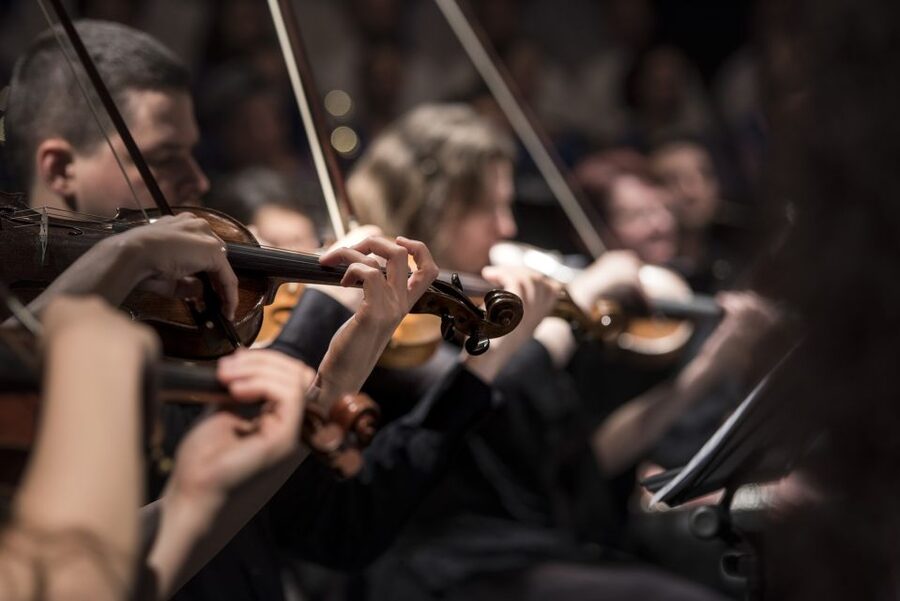
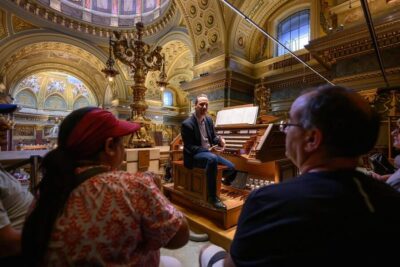
One of the underrated parts of this experience is using the time before the concert starts to actually look around. Many people love the way the Basilica’s interior details keep them occupied while they wait. It turns your “waiting time” into sightseeing time.
Bathroom timing is a real-world constraint. One review says a restroom is available inside but only before the concert, and another notes restrooms that were open on entry were locked upon exit. So if you want to use facilities, do it early rather than assuming you’ll have a window later.
Also, temperatures can surprise you. Some people report it’s warm inside, while others mention there isn’t heating in winter. If you’re visiting during cooler months, dress like you might be seated for a while. If you’re going in summer, expect it could feel warm too.
Price and value: is $70 reasonable for this kind of evening?
At $70 per person for a concert that lasts around an hour to 70 minutes, the value depends on what you’re buying: the music, the venue, or both.
I think it’s good value if:
- you want the specific experience of hearing classical pieces in this particular Basilica
- you’re willing to pay extra for a live performance in an iconic room
- you care about choosing your program—Requiem vs organ vs Ave Maria
It may feel expensive if your goal is mainly sightseeing and you’re not into classical music. For that, you’d be better off doing Basilica entry and sightseeing. But if you already love classical music, or you want one strong “signature evening” that feels like Budapest at night, $70 can make sense fast—because the venue alone is half the story.
Who should book this Budapest classical concert?
This works best for you if:
- you want a high-impact cultural evening without a huge time commitment
- you prefer listening in an architectural landmark, not a generic hall
- you like familiar classical material like Mozart, Bach, Handel, and Vivaldi
- you’re happy choosing between three program moods
It’s less ideal if you:
- hate reverberant acoustics and want ultra-clean sound
- need guaranteed assigned seating and maximum comfort
- are very sensitive to long bench discomfort
If you’re traveling as a couple or solo, it’s especially easy: you can relax, listen, and let the Basilica do the heavy lifting.
The one reason to double-check: date and venue
Before you go, confirm your exact date. The information you have says December 30 uses Matthias Church on Castle Hill, not St. Stephen’s Basilica. Matthias is reachable from central areas, but it’s still a different location, and that matters for timing and expectations.
If you’re traveling in late December, this is the one logistical detail I’d treat as non-negotiable.
Should you book this classical concert in St. Stephen’s Basilica?
Yes, I’d book it if you want a “Budapest evening classic” that mixes real music with a world-famous building. The three program options make it easier to match your taste: Requiem for drama, organ concert for big musical variety, and Ave Maria Air Alleluja for lyrical comfort.
If you’re the type who cares about seating position, arrive early and be ready that seating may not work like a modern, assigned theater setup. If you’re sensitive to echo-heavy sound, go in knowing the Basilica is an echoing church.
In short: for most people who love classical music (or want to try it in a magical setting), this is a strong buy.
FAQ
Where does the concert meet?
The meeting point is St. Stephen’s Basilica, Budapest, Szent István tér 1, 1051 Hungary.
How long is the concert?
The duration is listed as 1 hour to 70 minutes.
How much does it cost?
The price is $70 per person.
What kind of music is performed?
You can choose between three concert programs: Mozart’s Requiem, an organ-focused classical program, or an Ave Maria Air Alleluja program.
Are there different seating options?
Yes. There are 4 seating categories (and 3 concert choices).
Is the concert wheelchair accessible?
Yes, the activity is listed as wheelchair accessible.
What is included in the ticket price?
The ticket includes the concert ticket.
Is food or drinks included?
No. Food and drinks are not included.
Where is the concert on December 30?
On December 30, the concert takes place in Matthias Church instead of St. Stephen’s Basilica.
What are the cancellation terms?
Free cancellation is offered up to 24 hours in advance for a full refund.
More Music Under Budapest Ceilings





More Tour Reviews in Budapest





Under the Basilica Cupola

Just Added: More Budapest Reviews
- Sightseeing flight over Budapest
★ 5.0 · 3 reviews - Budapest: Walking Tour with Chimney Cake & Polaroid Photos
★ 5.0 · 3 reviews - Self Guided Tour In Budapest With 100 Captivating Audio Stories
★ 5.0 · 3 reviews - Budapest Art Nouveau Walking Tour
★ 5.0 · 3 reviews - Hungary today: a no-taboo conversation
★ 5.0 · 3 reviews
St. Stephen's Basilica, compared.
 ★ 4.6St. Stephen’s Basilica Entry with OptionsFrom $1212,322 reviews
 Organ Concert in St. Stephen’s Basilica1,299 reviews
 ★ 4.0Organ Concert in the St. Stephen’s BasilicaFrom $34173 reviews
 ★ 4.5Saint Stephen’s Basilica TourFrom $21142 reviews
 ★ 4.5Budapest St. Stephen’s Basilica Skip The Line TicketsFrom $13124 reviews
 ★ 4.6Budapest Super Saver: Spa, Basilica Tour, and Danube CruiseFrom $6493 reviews
 ★ 4.9St.Stephen’s Basilica Grand Organ Concert TicketsFrom $6125 reviews
 ★ 5.0St. Stephen’s Basilica Tour & Music PerformanceFrom $6423 reviews
Browse the lists this tour appears in