
Reviewed · CLASSICAL CONCERTS & SHOWS
Budapest: Classical Music Concert in St. Michael’s Church
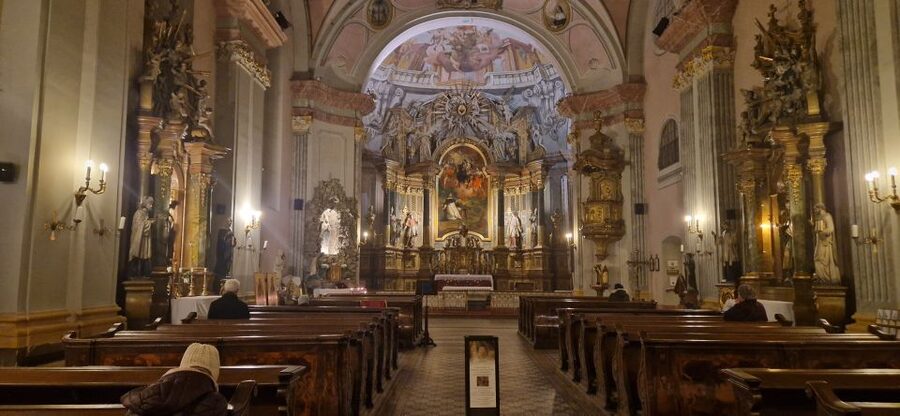
Budapest nights don’t get much better than a live classical set in a church. Here you’re in St. Michael’s Church, with Vivaldi’s Four Seasons and Mozart’s Requiem performed by the Danube String Orchestra in a room praised for its acoustics and atmosphere. Two things I really like: the choice of three seating categories (so you can match comfort and budget), and the program mixes big-name favorites with churchy, emotional pieces you’ll recognize. The main drawback to plan for is that the wooden pews can feel hard after a while, even when the sound is spectacular.
The experience is built for an easy, one-hour evening. You arrive at the inner-city church, take your seat, and settle in while the music moves through baroque and classical highlights, then toward a heavier, more dramatic Mozart section, and finally into organ selections and other beloved religious works. It’s also a nice pick if you want something culture-forward that doesn’t demand a long attention span or complicated planning.
If you’re traveling in winter, you’ll be happy to know heated seat pads have been a standout detail. And when the weather gets warm, plan ahead too—at least one performance season felt stuffy since there’s no air conditioning in the church.
In This Review
- Key Highlights at a Glance
- St. Michael’s Church: The Venue That Makes Everything Sound Better
- The 70-Minute Flow: What Music You’ll Hear (and Why It Works)
- Act 1: Baroque and Classical Favorites Around Vivaldi
- Act 2: Mozart’s Requiem, a More Dramatic Middle
- Act 3: Organ Highlights and Extra Sacred Hits
- Choosing Your Seat Category: Comfort, View, and Staying Power
- Quick comfort checklist
- Getting There at the Inner-City Church of Saint Michael
- What Makes This Concert Worth Your Money
- The Real-World Experience: Atmosphere, Pace, and Listening Mode
- Who Should Book This, and Who Might Prefer Something Else
- Should You Book This St. Michael’s Church Classical Concert?
- FAQ
- How long is the concert?
- Where is the meeting point?
- What kind of music is included?
- Is the ticket price $53 per person?
- Is food and drinks included?
- Is there free cancellation?
Key Highlights at a Glance
- St. Michael’s Church acoustics: a listening room made for strings and classical vocal writing
- A program with recognizable hits: Vivaldi, Mozart, Saint-Saëns, Bach, Handel, and more
- Three seating categories: choose based on your budget and how close you want to be
- Heated seat pads: a comfort upgrade that shows up in colder months
- A full 70-minute concert: long enough to matter, short enough to fit your evening plans
A seat for the evening, more concerts and shows
- Budapest: Dinner Cruise with Live Music and Folk Dance Show★ 4.4 · 2,090 reviews
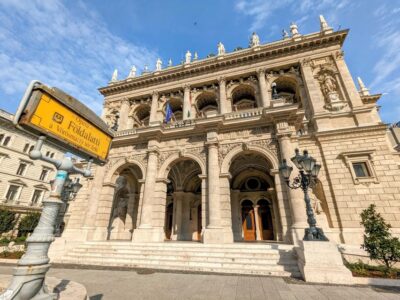
- Budapest: Opera House Guided Tour★ 4.6 · 1,533 reviews
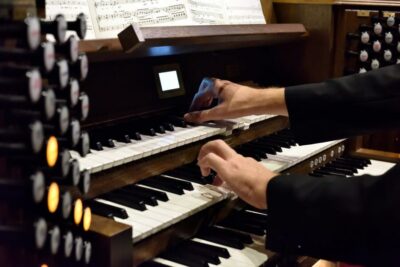
- Budapest: Organ Concert in St. Stephen’s Basilica1,299 reviews
- Budapest: Hungarian Folk Dance & Concert with Dinner Option★ 4.2 · 786 reviews
St. Michael’s Church: The Venue That Makes Everything Sound Better

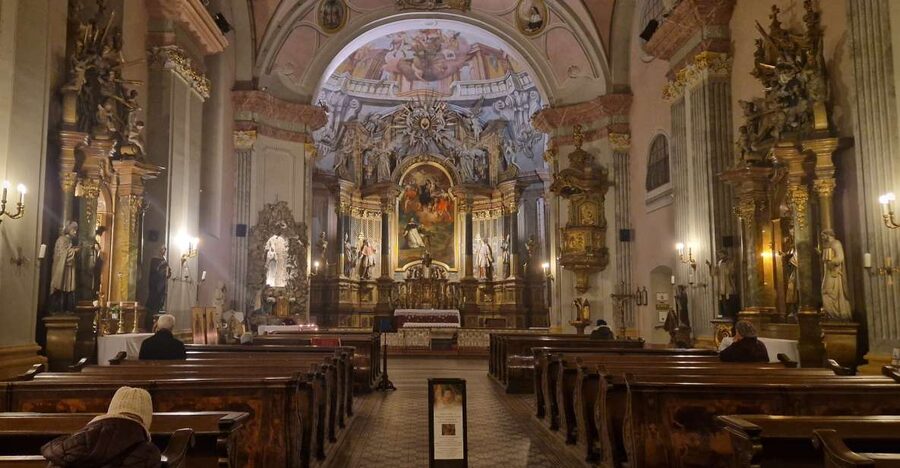
If you care about sound quality, this is the kind of concert venue you pay for. St. Michael’s Church has a natural way of carrying music—especially strings—and that’s exactly what you’ll notice once the first notes land. People consistently mention the acoustics as a major reason this works, even from farther back.
The setting also feels special in a practical way. You’re not sitting in a modern hall where you’re just trying to tolerate the experience. You’re in a historic church interior with baroque character and an intimate feel that keeps the music from drifting into the background. When the orchestra plays, you get a sense of closeness: the room helps rather than fights the performance.
I also like that the atmosphere fits Budapest. This isn’t a touristy “big show” vibe. It’s quieter, more reflective, and it pairs naturally with a night out in the city center—especially if you’re already walking around near Váci utca and the inner-city sights.
Two comfort notes matter. First, the pews are wooden, and that’s not the same as a modern padded chair. Second, depending on the season, the church can run warm since there’s no air conditioning. The good news: a lot of seats include heated pads, which can turn the “cold pew” problem into a non-issue.
The 70-Minute Flow: What Music You’ll Hear (and Why It Works)
This concert is tightly timed at 70 minutes, which is perfect for a “one big cultural thing” evening. You don’t have to build a whole plan around it, and you can still keep dinner and a river walk on your schedule.
The program is organized into three big musical blocks, and that structure helps you follow along even if you don’t read music. You’ll start with a set that leans into Vivaldi and familiar sacred-court favorites, then move into Mozart’s Requiem, and finish with an organ-forward selection plus additional beloved choral and religious pieces.
Act 1: Baroque and Classical Favorites Around Vivaldi
Expect a mix of well-known and deeply listenable works. The concert includes J. Pachelbel’s Canon, Vivaldi pieces such as Gloria and the famous Four Seasons movements (Summer, Winter, Spring, Autumn), plus a few other moods in between. There’s also Mozart’s Ave Verum and Alleluja, and Saint-Saëns’ The Swan, which is basically a shortcut to emotional, singable melody.
Why it works: this part of the program gives you variety without whiplash. You’re not stuck in one style or one tempo for the whole hour. Even if you’re new to classical concerts, the ear-friendly melodies do the heavy lifting, and the string sound in the church helps these themes feel crisp and present.
Act 2: Mozart’s Requiem, a More Dramatic Middle
Then the mood shifts. You’ll hear Mozart’s Requiem in D minor (K. 626), including movements such as the Introitus and Kyrie, then the Dies Irae section (with its thunderous, intense character), and into pieces like Lacrimosa and Lux Aeterna.
This is the section that turns “nice concert” into “I’m glad I came.” Requiem music has weight, and in a church that weight lands differently. If you like music that feels like it means something, this is the part to stay fully present for.
One small practical thought: if you’re the type who enjoys a sentence of context before a piece starts, you may wish you’d skimmed a few lines beforehand. Some performances don’t include much spoken introduction, so knowing the basics can boost your enjoyment.
More music under Budapest ceilings

Act 3: Organ Highlights and Extra Sacred Hits
The final block moves into organ and additional classics, including Bach’s Toccata and Air, Handel’s selections like Messiah, Rejoice, and Xerxes, Largo, along with a Vivaldi Largo from Winter. You’ll also hear pieces such as Gounod’s Ave Maria, Widor’s Toccata, Liszt’s Ave Maris Stella, Franck’s Panis Angelicus, Massenet’s Thais Meditation, and more Mozart (including Alleluja).
Why it works: you end with variety. You get the blend of strings and familiar sacred melodies, then the organ sound adds a grounded, cathedral-like depth. It’s a strong closer for people who want both beauty and atmosphere in one short night.
Choosing Your Seat Category: Comfort, View, and Staying Power
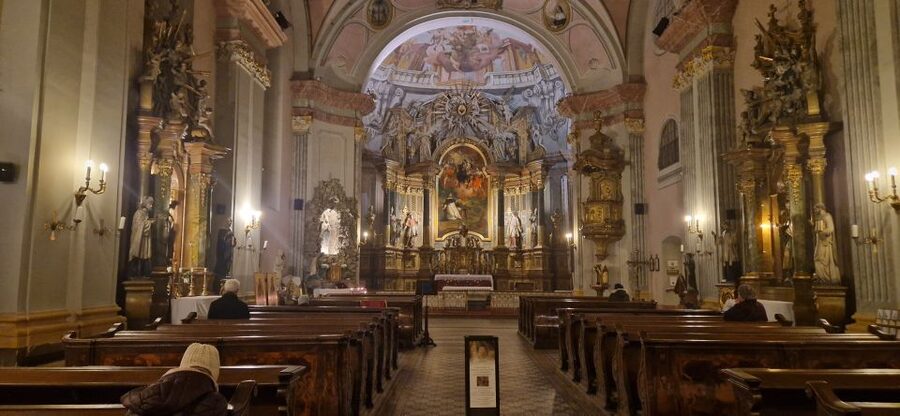
You get to pick from three seating categories, which is a big deal in a church concert. In practical terms, it usually means you can trade price for things like proximity and how manageable the seating feels for you personally.
Here’s the honest comfort reality: the pews can be tough. Many people love the concert enough to shrug it off, but it’s still worth planning for. If you tend to get uncomfortable sitting still, I’d strongly consider choosing a category that places you in a better position for your body—and if you see heated pads listed for your seat, that’s a sign you should prioritize comfort.
Heated pew pads show up as one of the most appreciated details. In colder months, those small comfort perks matter a lot because you’re sitting quietly through multiple sets. One downside to remember: even with seat warmers, hard wood isn’t magical. If you know your threshold, bring a better mindset and plan for it.
Also, your “view” experience depends on where you sit. If your seat is far back or angled in a way that limits sightlines, you can still enjoy the sound (the acoustics are praised), but you might feel a little more disconnected from the musicians themselves. If seeing the players helps you connect, lean toward a closer category.
Quick comfort checklist
- Pick the category that feels right for your budget and your tolerance for pew seating
- If you’re visiting in warmer weather, plan for a stuffier room since there’s no air conditioning
- Treat the concert as an all-listening experience, not a multitasking moment
Getting There at the Inner-City Church of Saint Michael
Your meeting point is Budapest’s Inner-City Church of Saint Michael. That location is convenient for an evening already spent walking in the center. It’s also easy to fit with other city plans because the concert itself is only 70 minutes.
In practice, I’d do this: confirm your route ahead of time, then give yourself extra minutes on foot so you don’t arrive stressed. Church events can feel a little more formal than outdoor shows, and you’ll enjoy it more if you take a moment to settle.
Because this is in the inner city, you can often combine it with a dinner stop nearby. That said, the event doesn’t include food or drinks. So if you want a proper pre-concert meal or a post-concert drink, do it around the concert rather than expecting it to be part of the ticket.
If you’re trying to squeeze this into a day packed with museums or boat rides, this is still manageable. One of the practical advantages is how predictable the timing feels: you’re not stuck for half an evening, and you can still keep your walking plans intact.
What Makes This Concert Worth Your Money
At about $53 per person for a 70-minute performance, you’re paying for a very specific combination: a historic venue, live musicians, and a program that hits both famous names and deeper sacred repertoire.
It’s not just “ticket price versus time.” The venue and sound are doing a lot of work for you. When people say the acoustics are excellent, they’re describing why the money feels justified. You’re not paying to listen in a room that blurs everything together—you’re listening in a room built (by architecture and shape) to carry what the performers are doing.
The other value piece is variety. You’re not stuck with only one composer or only one mood. You’ll hear Vivaldi’s bright motion, Mozart’s dramatic gravity, and organ and other sacred favorites that feel instantly recognizable even if you don’t know every title. That balance makes it a good “first live classical concert” night for some people, and a satisfying revisit for fans too.
And yes, it’s also a pre-booked ticket event, which helps reduce the hassle component. You’re spending your energy on the music, not on last-minute ticket hunts.
If you’re comparing options in Budapest, I’d treat this as a “listening evening” rather than a “party evening.” You’ll get more enjoyment if you lean into quiet appreciation.
The Real-World Experience: Atmosphere, Pace, and Listening Mode
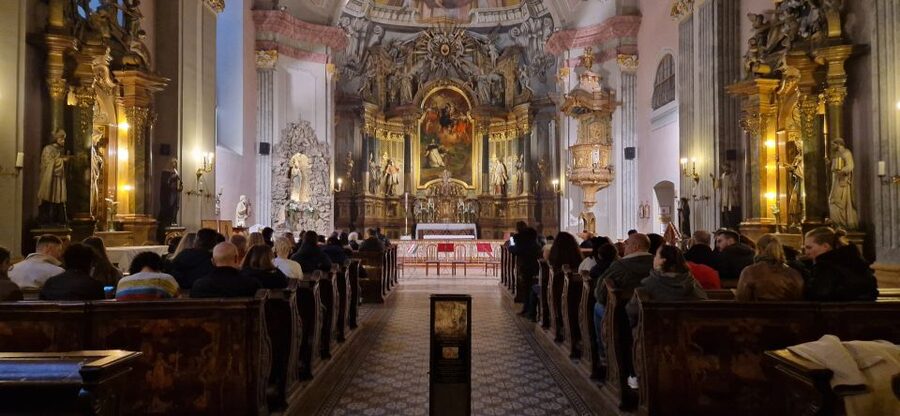
The best way to describe this concert is calm, focused, and emotionally direct. People praise the performance quality and the way the church supports the music. When the orchestra plays and the vocal writing comes through, the atmosphere becomes part of the feeling, not just the backdrop.
The pace is also a plus. 70 minutes is long enough for multiple styles to land, but short enough that you don’t start tuning out. That matters on vacation, when you’re already walking all day.
One small caution: if you’re sensitive to distraction, set yourself up for success. A couple of attendees have mentioned phone and screen behavior being distracting. So do yourself a favor: keep your phone away unless you truly need it, and let the music take over.
One more practical thought about enjoyment. Some people wish performers or staff gave more spoken introductions before pieces. That doesn’t ruin the show, but if you like context, a little pre-reading on composers like Vivaldi and Mozart can make the listening feel sharper.
Who Should Book This, and Who Might Prefer Something Else
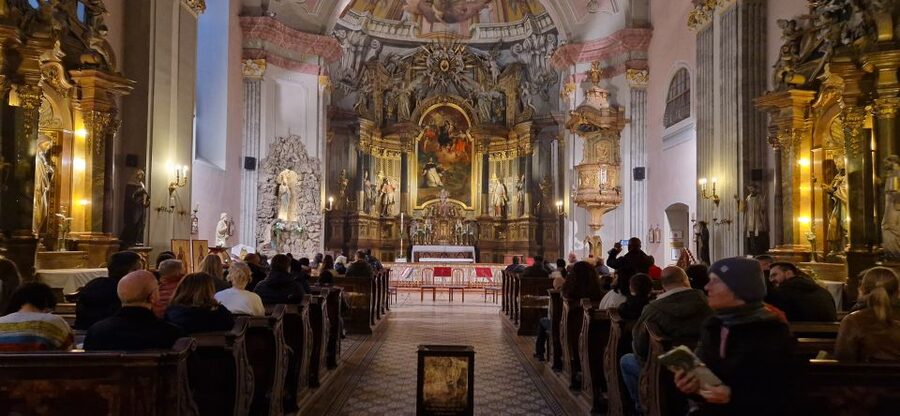
This concert fits best if you want:
- A one-hour classical evening that doesn’t require a big itinerary change
- Music lovers who enjoy a mix of Vivaldi, Mozart, and sacred favorites
- Travelers who care about acoustics and a historic setting more than flashy staging
- Anyone who wants a Budapest night that’s quiet and atmospheric, not rushed
It might be less ideal if:
- You’re extremely sensitive to hard seating for long stretches
- You need a lot of spoken program notes during the performance
- You’re looking for something that includes food and drinks as part of the ticket
If you’re unsure, think of it like this: you’re buying the combination of sound + setting + a strong repertoire list. If those matter to you, you’ll likely feel it was money well spent.
Should You Book This St. Michael’s Church Classical Concert?
I’d book it if you want a straightforward, high-reward cultural evening with major classical names and genuinely good acoustics in a historic church. The comfort details (including heated seat pads in colder months) help, and the 70-minute length keeps the night from dragging.
I’d skip it or choose your seating carefully if you know you can’t handle pew-style seating or if you get frustrated without piece introductions. But for most people who love classical music—or want a first “real” concert night in Budapest—this is a strong pick.
FAQ
How long is the concert?
The concert runs for 70 minutes.
Where is the meeting point?
You’ll meet at Budapest’s Inner-City Church of Saint Michael.
What kind of music is included?
The program features Vivaldi-related works including Four Seasons, Mozart including Requiem in D minor, plus additional pieces by composers such as Pachelbel, Bach, Handel, Saint-Saëns, Gounod, Widor, Liszt, Franck, Massenet, and Schubert.
Is the ticket price $53 per person?
Yes, the listed price is $53 per person.
Is food and drinks included?
No. Food and drinks aren’t included with the concert ticket.
Is there free cancellation?
Yes. You can cancel up to 24 hours in advance for a full refund.
More Music Under Budapest Ceilings





More Tour Reviews in Budapest






An Evening at the Concert


Just Added: More Budapest Reviews
- Sightseeing flight over Budapest
★ 5.0 · 3 reviews - Budapest: Walking Tour with Chimney Cake & Polaroid Photos
★ 5.0 · 3 reviews - Self Guided Tour In Budapest With 100 Captivating Audio Stories
★ 5.0 · 3 reviews - Budapest Art Nouveau Walking Tour
★ 5.0 · 3 reviews - Hungary today: a no-taboo conversation
★ 5.0 · 3 reviews
Classical Concerts & Shows, compared.
 ★ 4.4Dinner Cruise with Live Music and Folk Dance ShowFrom $932,090 reviews
 ★ 4.6Opera House Guided TourFrom $331,533 reviews
 Organ Concert in St. Stephen’s Basilica1,299 reviews
 ★ 4.1Sir Lancelot Medieval Dinner with Drink and ShowFrom $501,155 reviews
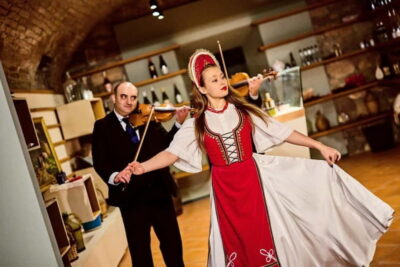 ★ 4.2Hungarian Folk Dance & Concert with Dinner OptionFrom $22786 reviews
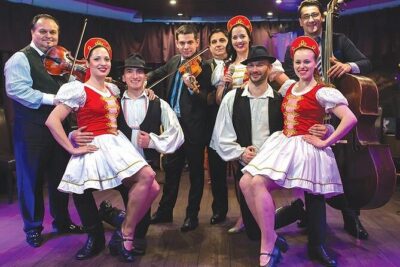 ★ 4.04 Course Dinner Cruise with Operetta, Folk Show and Welcome DrinkFrom $109272 reviews
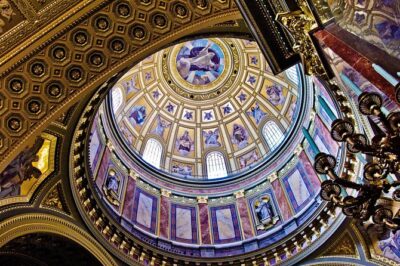 ★ 4.0Organ Concert in the St. Stephen’s BasilicaFrom $34173 reviews
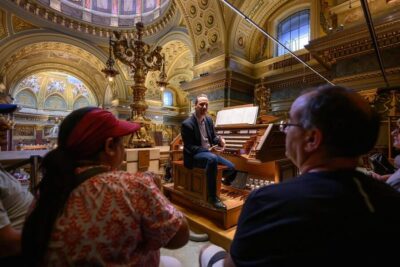 ★ 4.9St.Stephen’s Basilica Grand Organ Concert TicketsFrom $6125 reviews
Browse the lists this tour appears in