
Reviewed · TOURS
Urban Tour of Budapest’s Most Controversial District.
Budapest keeps changing, and District VIII shows it. This 2.5-hour walking tour strings together Keleti pályaudvar, cemeteries, and markets so you see the city’s edges, not just its postcard center.
I love two things most: the Keleti station arrival hall moment (with the princess Sissi tie-in) and the way the day ends in Kínai Piac, where you get guided context and then time to wander the market yourself.
One thing to consider: the tour deals with crime cases, political controversy, and death rituals, plus you’ll climb at a major cemetery. If you want only cheerful sightseeing, this one will feel heavy.
In This Review
- Key highlights you’ll actually care about
- Step off the tourist route into District VIII
- Starting at Keleti pályaudvar: the Sissi-era arrival hall moment
- Police Museum: forensic exhibits and case stories you can’t unsee
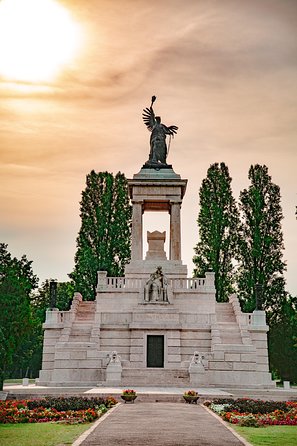
- Fiumei Road Cemetery: death customs, mausoleums, and Kossuth’s viewpoint
- Természet Fitotéka and Laszlá ter: why a carbon market got a writer’s name
- Párbeszéd Háza (House of Fates): an unfinished museum with political weight
- Orczy tér and the Csobánc Társasház: traffic chaos and gentrification scars
- Golgota tér gardens, 14 reliefs, and Budapest’s first commercial TV
- MÁVAG Kolónia: fortress-like worker apartments that still look like a set
- Kínai Piac (China Market): a huge market finish with real street-food potential
- Price, pace, and what to expect walking day-of
- Should you book this District VIII controversy walk?
- FAQ
- How long is the Budapest District VIII walking tour?
- How much walking is involved?
- What does the tour cost?
- Is the tour in English?
- What’s the meeting point and start time?
- Where does the tour end?
- Is the Police Museum included, and is it open on Sundays?
- Is the China Market open year-round?
- Is this a private tour?
- Can I cancel for a full refund?
Key highlights you’ll actually care about
- Old Budapest, not just tourist Budapest: Keleti pályaudvar, Fiumei Road Cemetery, and working-class architecture give you a different city map.
- Police Museum without sugarcoating: forensic displays and real case stories (with grim imagery).
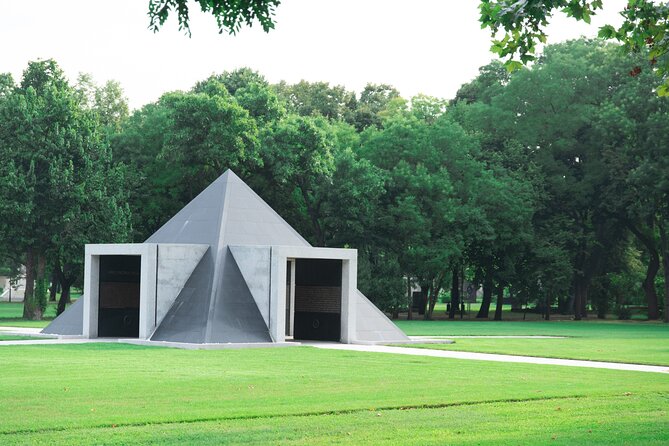
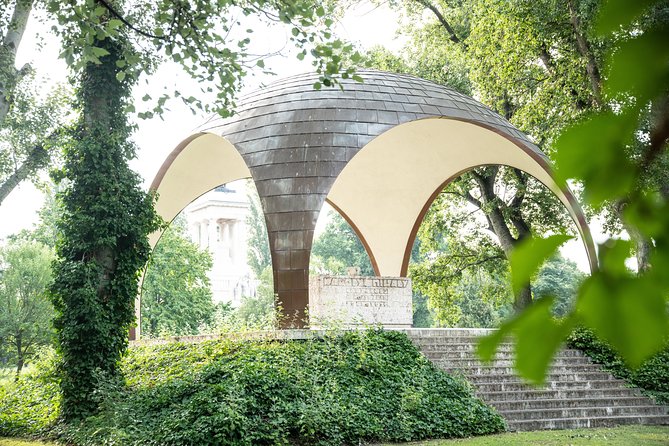
- Fiumei Road Cemetery as an outdoor museum: architecture, mausoleums, and a viewpoint from Kossuth’s tomb.
- Architecture that carries scars: Orczy tér’s housing complex and the Kokárda Catacomb link design to painful social change.
- Kínai Piac as a finish, not a detour: guided browsing first, then a chance to eat and explore on your own.
Still narrowing it down? A few more Budapest tours to weigh against this one.
- Budapest: City Highlights Sightseeing Cruise★ 4.6 · 43,981 reviews
- Budapest: Unlimited Prosecco, Beer and Aperol Spritz Cruise★ 4.8 · 37,304 reviews
- Budapest: Széchenyi Spa Day Ticket with Optional Upgrades★ 4.3 · 23,911 reviews
- Budapest: Nighttime or Daytime Sightseeing Cruise★ 4.2 · 21,062 reviews
Step off the tourist route into District VIII
District VIII in Budapest is where you go when you’re tired of the same views. This tour is built to take you off the mainstream path and into the daily layers of the city. You’ll move from a grand train station into institutions that most visitors skip—then land at a major multicultural market.
The big value here is the balance: you get context for what you’re seeing, not just a list of stops. And if you’re lucky enough to have a guide like Victoria, you’ll appreciate how she mixes clear pacing with humor and useful detail. One of the best compliments I’ve seen for her style is that she speaks in a way that’s easy to follow and doesn’t drown you in jargon.
Just know what you’re signing up for. Some stops are emotionally intense, and the political questions around one museum building aren’t resolved in a neat bow. If that kind of material makes you uncomfortable, think carefully.
Starting at Keleti pályaudvar: the Sissi-era arrival hall moment
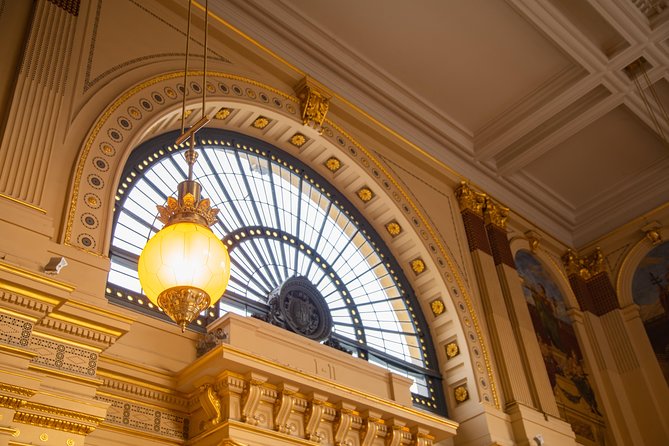
You begin at Keleti pályaudvar, Budapest’s major train station hub. The tour focuses on the station’s history and points you toward a famous arrival hall connected to princess Sissi. Even if you’ve passed Keleti before, this is the angle most visitors miss.
What I like about this first stop is that it sets the mood fast. The hall you’ll see isn’t all polished glamour—there are signs of neglect—but the eclectic ballroom-style details are still impressive. You’ll notice Greek-style supporting columns, huge window frames, marble surfaces, and carved wooden coverings. In other words, you get grandeur with real-world wear. That’s very Budapest.
A practical note: this is an indoor stop with a ticket included, and it’s timed for a short visit (about 15 minutes). It’s a good “warm up” even if you’re jet-lagged.
Police Museum: forensic exhibits and case stories you can’t unsee
Next up is the Police Museum. This is the point in the tour where the tone turns darker. You’ll get a quick visit (about 15 minutes) focused on both forensic science and police history.
On the forensic side, you’ll run into case themes and named examples such as the Black Angel crime case, crimes linked to Béla Kiss (described as Hungary’s first serial killer), and other named cases including the Yugoslav serial killer, Whisky’s crime case, Nicotine murder, Martfűi serial murder, and Miskolc Bonny and Clyde. The museum also covers “Past and Present” photo material and police history relics like uniforms, weapons, documents, certificates, sculptures, awards, and photos.
What I appreciate is that this isn’t presented as sensational trivia. You’re given enough framework to understand how police work, evidence, and public memory connect. But also: if you’re sensitive to grim imagery, plan for it. One thing I strongly suggest: treat this stop like a content warning you can’t skip. The displays can include heavy visuals.
Two timing details matter:
- Admission is free for this stop.
- On Sundays, the Police Museum is closed and you do not enter. You’ll still move on with the rest of the walk.
Fiumei Road Cemetery: death customs, mausoleums, and Kossuth’s viewpoint
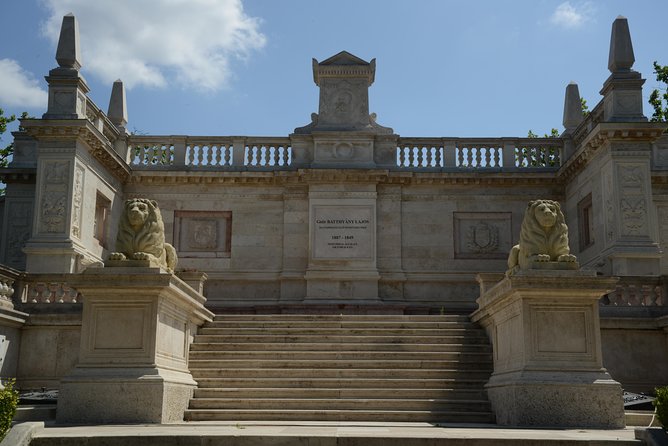
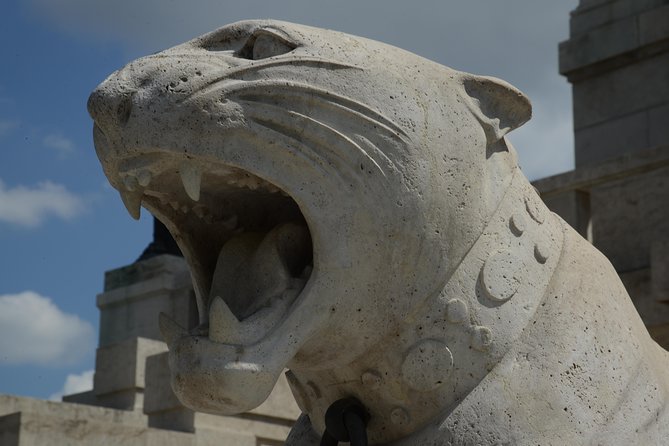
If you think cemeteries are just sad places, this stop will reset that idea. Fiumei Road Cemetery is set up like an outdoor museum: major tombs, striking architecture, and layers of local burial culture that you can’t learn from a quick photo.
You’ll learn why it was once nicknamed the Communist Cemetery. You’ll also get a guide-led explanation of death customs—how people were remembered, how burial practices shaped public identity, and what politics did to the way graves were treated over time.
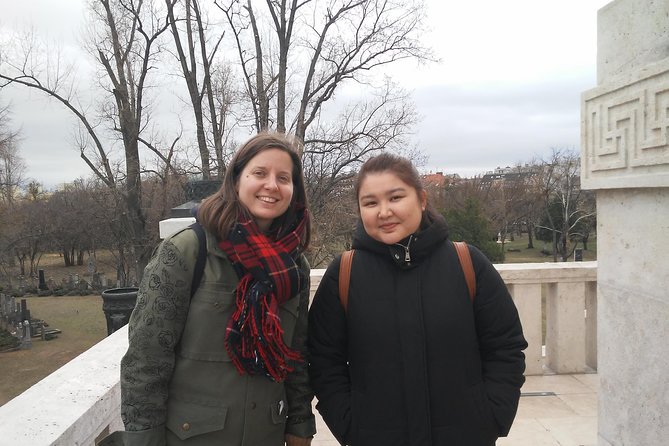
There’s also a physical aspect. You’ll climb to the top of Kossuth’s tomb for the best views of the 8th district. That’s not a metaphor. It’s the kind of viewpoint that makes the earlier neighborhoods feel real instead of abstract on a map.
The tour also points out stories connected to martyred prime minister Batthyány. You’ll enter one of the mausoleums, and you’ll see a grand horse-drawn funeral hearse that was last used for Count Apponyi. Yes, horse-drawn. It’s one of those details that makes you understand how ceremonial death rituals were in Hungary.
This stop runs about 30 minutes and is free. You might want to wear shoes with good grip—cemetery surfaces can be unforgiving.



Természet Fitotéka and Laszlá ter: why a carbon market got a writer’s name
After the solemn cemetery, the pace shifts to something more grounded in everyday urban history. You’ll stop around Természet Fitotéka Kkt. and the refurbished Laszlá ter area.
Here’s what you’ll get: a short look at the space and the story of a carbon market that used to be located there, plus why the place is named after a famous Hungarian writer. It’s quick (about 10 minutes), but it matters because it shows how Budapest’s “modern” streets are layered over old trade life.
This stop is a good breather if you’re pacing the day right. It’s also a reminder that history isn’t only palaces and memorials. It’s marketplaces, fuel supply, and the naming of places after real people.
Párbeszéd Háza (House of Fates): an unfinished museum with political weight
Then you reach Párbeszéd Háza, commonly described as the House of Fates. This building is highly disputed and unfinished, and it’s designed to spread a government message about Holocaust memory of Hungarian Jews. The memory of the Holocaust in Hungary is described as turbulent for decades, and the tour doesn’t treat it like a simple yes-or-no story.
The guide will show you the strange structure designed by Attila F. Kovács, including a giant star and railway carriage tower-like forms. The building’s look is meant to remind you of the terrible start of events connected to the location.
I like how this stop forces you to think. You’re not asked to take one side on the spot; you’re given enough context to understand why people fight about this kind of memorial. If you visit Budapest for architecture only, you’ll miss why buildings like this exist—and why they keep getting argued about.
This is a short stop (about 10 minutes) and is free. If political controversy exhausts you, you might want to mentally brace before you arrive here.
Orczy tér and the Csobánc Társasház: traffic chaos and gentrification scars
Orczy tér is described as an unfortunate symbol of traffic disorder. You’ll see why people call it confusing: tram tracks, sidewalk islands, and a layout that doesn’t feel friendly or clear.
But the point of this stop is what’s underneath the mess. You’ll visit the Csobánc Társasház housing complex, designed by award-winning architect György Kévés. The building is a brick-heavy “complex architectural work” with numerous arches, evoking early modern design around 1910.
The big emotional center here is the Kokárda Catacomb—an underground memorial and chapel at the project’s center. It commemorates the failed revolutions of 1848 and 1956. This is architecture with a job: it stores memory underground.
And then you’ll hear how this housing complex marked the start of painful gentrification in the area. That’s the kind of link you rarely get in a casual city walk. It explains why some neighborhoods feel like they keep changing roles—first for residents, then for newcomers, and often at a human cost.
This part runs about 7 minutes and is free. Plan for quick moving between viewpoints rather than long time to linger.
Golgota tér gardens, 14 reliefs, and Budapest’s first commercial TV
Golgotá tér is small, tucked into gardens, and it carries layers. You’ll see the remains of a chapel that workers from nearby apartment buildings used. The communists who tried to destroy it were only successful on the third attempt, and you’ll hear the motivation behind that effort.
Then you’ll see reconstruction work of bronze 14 reliefs by sculptor Antal Szécsi, featuring the Máriabesnyő Calvary Station. It’s a visual stop, but it also makes a religious-social point: how belief, symbols, and politics collided in public space.
Next, you’ll learn about Budapest Europe Television, said to be the first commercial TV station in Hungary. The guide explains the business model and mentions an unusual structure that nearly escalated to violence between the company manager and a liquidator. You’ll also hear about the station’s strange end.
Finally, you’ll see the Goyla bar and community center, and learn what events and activities it runs. That last detail matters because it shows how a neighborhood isn’t only trauma and controversy. People organize culture there too.
This section includes a mix of guided interpretation and short independent wandering (about 8 minutes total). If you like to move slowly, you may want to keep your pace steady so you don’t fall behind.
MÁVAG Kolónia: fortress-like worker apartments that still look like a set
MÁVAG Kolónia is one of the most tangible “people-history” stops on the route. You’ll learn that this fortress-like apartment block was home to around three thousand workers when it was built.
The tour explains that the apartments—room and kitchen—were built by MÁVAG (Hungarian Royal State Iron, Steel and Machine Works) to provide good conditions for workers. The compound included a bathhouse, canteen, laundry, doctor’s office, kindergarten, and a public market. In modern terms, it’s a planned life-support system for work and family.
What I find useful is that you can still read the social logic in the architecture. You’re not seeing a random apartment block. You’re seeing a designed ecosystem.
Today the colony is often used as a film location, including titles like Colorado Kid, The Exam, and the documentary The City Dweller’s. It’s a neat way to connect Budapest’s housing story to pop culture, without losing the human basics.
This stop is very short (about 5 minutes) and free. Give yourself permission to notice details instead of trying to memorize everything.
Kínai Piac (China Market): a huge market finish with real street-food potential
Your last stop is Kínai Piac, also known as China Market or the Four Tigers Market. It’s in an old industrial estate and is described as one of the largest markets for southeast Asian goods in eastern central Europe.
The guide will walk you through what you’re looking at and how the market works. You’ll hear facts like:
- Over 10,000 workers
- Around 1,500 business locations
- A wide range of goods, from socks and frying pans to dragon fruit, hot chicken, fresh live fish, Chinese medicine, fake flowers, and even plastic surgery services
Yes, it’s that wide-ranging. The point is the market’s role as a meeting point for different communities, not just a place to buy cheap stuff.
Then comes the best part for many people: guided browsing first, then time to explore on your own at the end. You can wander and try street food options before you head back.
Two practical warnings:
- The market is closed on Christmas and Easter holidays.
- This is a finish location. After the tour, you can rejoin the guide at Goyla a ruin pub, explore the market further, or follow help to the nearest tram stop (about 5 minutes on foot) for your ride back toward the meeting point and the city center.
This stop is about 20 minutes and is free, but treat it like the end-of-journey freedom segment, not a quick “look and go.”
Price, pace, and what to expect walking day-of
At $27.04 per person for about 2 hours 30 minutes, this is strong value. You’re paying for a guided path through places that usually take separate planning: train-station architecture, a museum stop with heavy content, an outdoor cemetery with viewpoints, several free architecture/political sites, and then a market with time to explore.
You should know the pace upfront. You must be able to walk about 4 km in 2.5 hours. That’s not a casual stroll. It’s doable for most people, but don’t plan this as a recovery day if your legs are already tired.
Good to know:
- It’s offered in English.
- It uses a mobile ticket.
- It’s private, meaning only your group participates.
- Service animals are allowed.
- It’s near public transportation, and the guide can help you connect to tram service after you finish.
My practical advice: wear shoes you trust, bring water, and decide in advance how you want to handle the grim museum stop and the political museum topic. Neither is optional once you’re there, but you can choose how emotionally ready you are.
Should you book this District VIII controversy walk?
Book it if you want Budapest that feels lived-in and slightly uncomfortable—in a good way. You’ll get architecture tied to real events, a cemetery that explains burial culture instead of just showing tombstones, and a market finish that can turn into your best snack hour of the trip.
Skip it if you want only light, fast, beautiful sights with no moral heavy-lifting. The Police Museum content can be grim, and Párbeszéd Háza brings political controversy into the walk. Also, if 4 km over 2.5 hours sounds like too much, you’ll feel it by the end.
If you’re curious, open-minded, and okay with learning what many tourists never see, this tour is a solid way to spend a half day in Budapest.
FAQ
How long is the Budapest District VIII walking tour?
It lasts about 2 hours 30 minutes.
How much walking is involved?
You must be able to walk about 4 km in 2.5 hours.
What does the tour cost?
The price is $27.04 per person.
Is the tour in English?
Yes, it’s offered in English.
What’s the meeting point and start time?
The tour starts at Keleti pályaudvar, Budapest 1087 Hungary, at 10:30 am.
Where does the tour end?
It ends at Kínai Piac (China Market) at Kőbányai út 25, Budapest 1087 Hungary.
Is the Police Museum included, and is it open on Sundays?
The Police Museum is a stop on the route, and admission is free. However, on Sundays the museum is closed and the tour does not enter.
Is the China Market open year-round?
No. The China Market is closed on Christmas and Easter.
Is this a private tour?
Yes. It’s a private tour/activity, so only your group participates.
Can I cancel for a full refund?
Yes. You can cancel up to 24 hours in advance for a full refund.
More Tours in Budapest






More Tour Reviews in Budapest






Just Added: More Budapest Reviews
- Sightseeing flight over Budapest
★ 5.0 · 3 reviews - Budapest: Walking Tour with Chimney Cake & Polaroid Photos
★ 5.0 · 3 reviews - Self Guided Tour In Budapest With 100 Captivating Audio Stories
★ 5.0 · 3 reviews - Budapest Art Nouveau Walking Tour
★ 5.0 · 3 reviews - Hungary today: a no-taboo conversation
★ 5.0 · 3 reviews
Tours, compared.
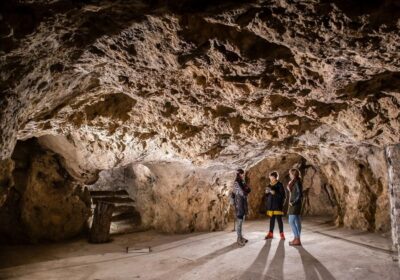 ★ 4.7Buda Castle Cave TourFrom $195,677 reviews
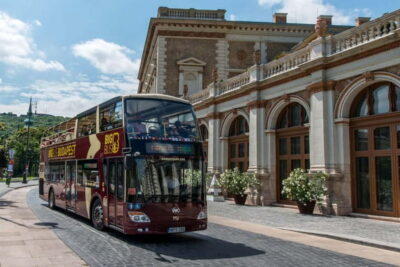 ★ 4.1Big Bus Hop-On Hop-Off Tour by Open-top BusFrom $414,493 reviews
 ★ 4.1City Sightseeing Hop-On Hop-Off Bus Tour & ExtrasFrom $414,337 reviews
 ★ 4.6Buda Castle District Vampires and Myths Night TourFrom $233,830 reviews
 ★ 4.3Floating Bus Tour by Land and WaterFrom $283,342 reviews
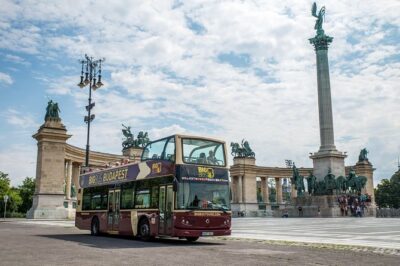 ★ 3.5Big Bus Budapest Hop-On Hop-Off Bus and Walking TourFrom $422,206 reviews
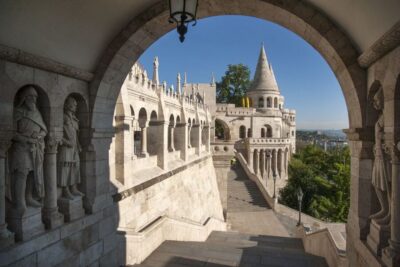 ★ 4.6Buda Castle District Walking TourFrom $142,108 reviews
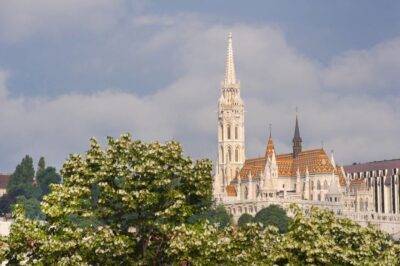 ★ 4.83-Hour Orientation Walking Tour of Buda and PestFrom $411,834 reviews