
Art Nouveau in Budapest hits you fast. This private 4-hour tour pairs in-the-streets architecture with a complimentary coffee stop, all with an Art Historian leading the way. The biggest drawback is you’ll want to stay flexible, because the pace can shift a bit with what your guide spots and how you’re moving.
I love that it’s truly private (up to 15 people total), so the story can fit your questions. I also like that the stop list is designed around both the bold facades and the details inside, including mosaics and hall interiors. The only consideration: one of the stops is limited because the Museum of Applied Arts is under renovation, so you won’t get the full access you might hope for.
In This Review
- Key Highlights You’ll Actually Feel
- Budapest’s Art Nouveau: Why This Tour Feels Personal
- Private Pickup and a 4-Hour Rhythm That Makes Sense
- Parisian Passage Café: Coffee in a Passageway That’s Worth Pausing For
- Liszt Academy: Music Tradition in a Secession-Style Hall
- Váci Street: Historic Shopping Energy With Architectural Stops
- Torok-Bankhaz: The Transition Clue From Art Nouveau to Art Deco
- Postatakarek Bank: Lechner’s Secession in Castle-Like Details
- House of Hungarian Art Nouveau: The National Style Story in One Visit
- Budapest Zoo Buildings and the Spread of Secession Style
- Museum of Applied Arts: Facade Focus Because Renovation Limits Access
- Your Guide Makes the Difference: Who They Are and What You Get
- Price and Value: $243.53 for the Group (Up to 15)
- Small Watch-Outs That Can Affect Your Day
- Who This Tour Is Best For
- Should You Book This Private Art Nouveau Tour?
- FAQ
- How long is the Private Art Nouveau Tour Budapest?
- How much does the tour cost?
- Is the tour private?
- Do I get hotel or port pickup?
- Is the tour offered in English?
- Are admission tickets included for the stops?
- Is coffee or tea included?
- What should I wear?
- Does it run in bad weather?
- Do I need public transportation tickets?
- How far in advance is this tour typically booked?
Key Highlights You’ll Actually Feel
- Hotel pickup and drop-off makes this feel effortless, especially if you’re short on time
- Art Historian guide focus: architecture tied to Hungarian culture and music
- Parisian Passage Café coffee: a Secession-era setting where you can slow down
- Free entry at every listed stop, so you’re not juggling tickets while walking
- Art Nouveau meets Art Deco clues, with a transition building that helps it all click
More just-your-group days in Budapest
- Private Budapest TukTuk Tour: Custom Route, Hotel Pickup★ 5.0 · 1,307 reviews
- Budapest Essentials Private Tour Highlights and Hidden Gems★ 5.0 · 861 reviews
- Budapest Private Tuk Tuk Half-Day Tour★ 5.0 · 606 reviews
- Budapest One Way Private Transfer to or from Airport★ 4.5 · 548 reviews
Budapest’s Art Nouveau: Why This Tour Feels Personal
If you’ve seen Art Nouveau anywhere else, Budapest can still surprise you. Here, the style isn’t just decorative. It’s part of a bigger national story—Hungarian identity and the Secession movement showing up in metalwork, mosaics, and the way buildings frame everyday life.
This is a private format, which matters more than you might think. In a group tour, you often get a fixed script. With a private guide, I’d expect you to get better explanations, quicker adjustments, and time to look closely at details you’d otherwise miss. And based on the experience’s overall rating and themes, the guiding is a major reason people feel satisfied.
One more practical win: the tour is set up around walkable city rhythm, but it’s still designed for comfort. Hotel/port pickup and drop-off means you don’t lose energy in transit before you even start seeing buildings.
Private Pickup and a 4-Hour Rhythm That Makes Sense
The whole tour runs about 4 hours, which is a sweet spot for architecture walking in a big city. You get enough time to connect styles—Art Nouveau, Hungarian National Style/Secession, and even the shift toward Art Deco—without feeling like you’re sprinting from stop to stop.
You also get a mobile ticket, so your day stays simple. Dress is smart casual, and it runs in all weather conditions, so plan for rain or wind if they show up (Budapest can be moody).
Group size is capped at up to 15, which is small enough to feel human-scale. And since it’s private, it’s not a crowded “herd” experience.
Parisian Passage Café: Coffee in a Passageway That’s Worth Pausing For
Your first meaningful stop centers on a landmark passage café—Parisian Passage Café. It’s described as recently renovated, and the tour takes you through the passage so you can see the interior in addition to the exterior.
This is the kind of stop that works whether you’re an architecture nerd or just someone who enjoys pretty spaces. Passageways like this are built to slow your movement. You walk in thinking you’ll just get a look, and then you realize you’re standing in a designed world: shapes, light, and materials all used to create atmosphere.
Plus, your tour includes coffee and/or tea, and this is exactly the setting where that feels extra right. Instead of grabbing caffeine on the go, you get to sit for a moment in a space tied to the style you’re learning about.
Liszt Academy: Music Tradition in a Secession-Style Hall
Next comes the Liszt Academy area, with the music academy building framed as both a tribute to Hungarian music and an example of international secession style.
You’ll go inside the hall to see details like mosaics and interior features. This is a smart choice for a style tour. Facades teach you what the building wants to say from the street. Interiors teach you what it wants to feel like from the inside—especially in a music space where the design supports sound, movement, and focus.
Time here is shorter (about 15 minutes), so don’t expect a long sit-down. The goal is to recognize the motifs, then connect them to what you saw outside and what you’ll see later on the walk.



Váci Street: Historic Shopping Energy With Architectural Stops
Then you move onto Váci Street, Budapest’s famous historic shopping street. This is where the tour shifts from “building as object” to “building as part of a living city.”
You’ll walk and stop at various urban palaces to explore their Art Nouveau heritage. This part is valuable because it shows how the style isn’t stuck behind museum doors. It shows up on streets people actually use.
The tradeoff: you’re sharing the public street with regular city life. Expect noise and movement. If you’re the type who wants quiet photo time, save your quiet focus for the short building stops rather than trying to linger in the flow of walkers.
Torok-Bankhaz: The Transition Clue From Art Nouveau to Art Deco
One of the most useful stops for making sense of the bigger timeline is Torok-Bankhaz. This building is framed as a bridge between the two major pre-war styles: Art Nouveau and Art Deco.
You’ll spend about 15 minutes here. Short, yes—but it’s exactly the kind of stop that helps your brain connect dots. When architecture shifts from one style language to another, you often see the change first in ornament, angles, and how structures frame windows and entrances. This is the “look for the in-between” stop.
If you want to understand Hungarian architecture beyond a single label, this kind of transitional building is gold.
Postatakarek Bank: Lechner’s Secession in Castle-Like Details
Next is Postatakarek Bank, another highlight focused on Secession’s Hungarian national branch. You’ll spend about 15 minutes, and the description sets expectations clearly: expect marvellous architecture and castle-like details attributed to LECHNER.
Lechner-style design is about more than decoration. It tends to combine national motifs with a formal, structured look—so you get the sense that the building belongs to its place, not just to a fashionable trend.
This stop is also a good photo-and-notes moment. Because time is limited, focus on the most distinctive exterior features your guide points out, then check how they relate to other nearby examples. That’s how the tour’s whole “style map” starts to click.
House of Hungarian Art Nouveau: The National Style Story in One Visit
Then you’ll visit the House of Hungarian Art Nouveau, which is explicitly dedicated to the period of Secession in Hungarian architecture, including influences behind the Hungarian National Style.
You’ll have about 15 minutes here. That’s not a museum marathon, but it’s enough time to grasp what makes Hungarian Secession different from imported Art Nouveau versions you might recognize elsewhere. The benefit is perspective: you stop seeing buildings as isolated pretty facades and start seeing them as part of a cultural identity conversation.
If you like architecture that carries meaning—symbols, national flavor, and style choices driven by local goals—this is one of the most satisfying “learning” moments on the tour.
Budapest Zoo Buildings and the Spread of Secession Style
There’s also a stop that takes you past some buildings of the Budapest Zoo, used as a visual way to show diversity in Art Nouveau and Secession architecture.
This is a clever pacing tool. By the time you reach the Zoo area, you’ve already seen a few key buildings and terms. Now you’re seeing variation in the same style family. That helps you spot patterns like recurring design language, not just one-off masterpieces.
It’s also a reminder that Secession architecture isn’t confined to one district or one grand landmark. It spreads through the city’s planning and ambition.
Museum of Applied Arts: Facade Focus Because Renovation Limits Access
Finally, you stop at the Museum of Applied Arts. Here, the style focus is Hungarian National Style/Secession, and you’ll discover and discuss what you’re seeing—but only the facade.
The reason is straightforward: the museum is under renovation, so interior exploration isn’t part of what you can do today. If you were hoping for full access to rooms and displays, this is the tradeoff to accept.
Still, facades can be incredibly instructive for this kind of tour. You can learn a lot from how the exterior organizes ornament, how it balances verticality and detail, and how style language gets scaled to a major institution.
Your Guide Makes the Difference: Who They Are and What You Get
The tour includes a professional Art Historian guide, and that’s where the value really shows. Architecture tours can become awkward if the guide just lists facts. Here, the goal is interpretation: how the design connects to Hungarian culture and how the style evolved.
From examples of guides linked to this experience, names like Suzy, Szoke Zsuzsanna, Michael, and Bogata come up. The recurring theme is that they tailor the experience and make it feel special in the moment.
One practical example worth noting: a guide adapted the tour to a limited walking ability, using a mix of taxis and public transportation to keep the architecture stops reachable. Even if you’re not dealing with mobility challenges, it signals something important: your guide isn’t trapped by a rigid script.
If you have any walking concerns, ask early. Smart planning can turn a “we’ll see what we can do” day into a smooth one.
Price and Value: $243.53 for the Group (Up to 15)
The price is $243.53 per group for up to 15 people, for about 4 hours. That’s how private tours can turn into a real bargain—or a splurge—depending on your group size.
- If you’re a group near the top end (close to 15), the cost per person becomes quite low.
- If it’s just you and a small party, you’ll pay more per person, but you still gain things you can’t fake: pickup convenience, private pacing, and expert interpretation.
The tour also includes coffee/tea, hotel/port pickup and drop-off, and the major stops list free admission. Those details matter because they reduce “extra costs” that often sneak into architecture days.
Small Watch-Outs That Can Affect Your Day
Two things can affect how you experience this tour:
First, the pace may shift. In one case, an approach was described as somewhat flexible rather than strictly structured. That can be great if you like spontaneity. If you prefer a tightly timed checklist, be honest at the start about what you want most.
Second, the Museum of Applied Arts is facade-only due to renovation. That’s not a deal breaker, but it does change expectations. If you’d rather focus on interiors above all else, plan to balance this with another day at a museum that’s open fully.
Who This Tour Is Best For
This tour fits you best if you want:
- A structured way to understand Art Nouveau and Secession in Budapest
- A guide who can connect buildings to Hungarian culture and music
- A comfortable day with pickup/drop-off, not just a long walk on your own
It’s also a good option if you like learning while moving—because the stops are close enough to keep the theme going. And if you’re traveling with limited time, four hours is enough to give you real momentum.
Should You Book This Private Art Nouveau Tour?
Yes, if you want a smart, architecture-focused tour that doesn’t turn into a generic “pretty buildings” walk. The combination of private guiding, free entry at the key stops, and a coffee stop in an Art Nouveau passage setting makes this feel like more than a basic sightseeing loop.
Book it if you care about understanding style transitions like Art Nouveau toward Art Deco, and if you’ll enjoy short, high-impact stops rather than long museum time.
Skip it only if you’re strongly set on extensive interior access everywhere. With the Museum of Applied Arts being facade-only and some stops capped at short visits, it’s not built for a slow, room-by-room day.
FAQ
How long is the Private Art Nouveau Tour Budapest?
It lasts about 4 hours.
How much does the tour cost?
It costs $243.53 per group, up to 15 people.
Is the tour private?
Yes. It’s private, and only your group participates.
Do I get hotel or port pickup?
Yes. Hotel/port pickup and drop-off are included.
Is the tour offered in English?
Yes, it’s offered in English.
Are admission tickets included for the stops?
Admission tickets for the listed stops are marked as free in the tour details.
Is coffee or tea included?
Yes. Coffee and/or tea are included.
What should I wear?
The dress code is smart casual.
Does it run in bad weather?
Yes, it operates in all weather conditions, so dress appropriately.
Do I need public transportation tickets?
Public transportation tickets are not included.
How far in advance is this tour typically booked?
On average, it’s booked 20 days in advance.
Budapest to Yourselves




More Tours in Budapest



More Tour Reviews in Budapest




Just Added: More Budapest Reviews
- Sightseeing flight over Budapest
★ 5.0 · 3 reviews - Budapest: Walking Tour with Chimney Cake & Polaroid Photos
★ 5.0 · 3 reviews - Self Guided Tour In Budapest With 100 Captivating Audio Stories
★ 5.0 · 3 reviews - Budapest Art Nouveau Walking Tour
★ 5.0 · 3 reviews - Hungary today: a no-taboo conversation
★ 5.0 · 3 reviews
Private, compared.
 ★ 5.0Private Budapest TukTuk Tour: Custom Route, Hotel PickupFrom $991,307 reviews
 ★ 5.0Budapest Essentials Private Tour Highlights and Hidden GemsFrom $116861 reviews
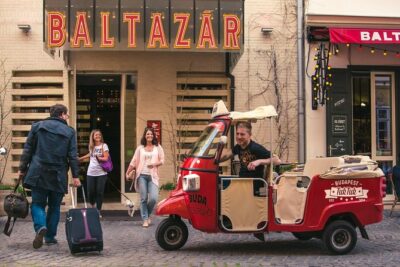 ★ 5.0Budapest Private Tuk Tuk Half-Day TourFrom $178606 reviews
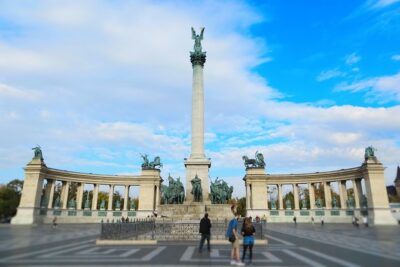 ★ 5.0Budapest Private Luxury Sightseeing Tour with Guide and TransportFrom $483442 reviews
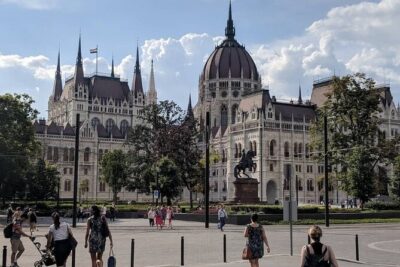 ★ 5.0Budapest Private Full Day City Sightseeing Tour Walking or by CarFrom $181299 reviews
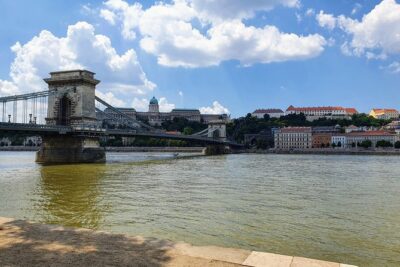 ★ 5.0Private city tour by vanFrom $181273 reviews
 ★ 5.0Private photography photo session at Fisherman BastionFrom $45269 reviews
 ★ 4.9Private City Tour with a Vintage Russian JeepFrom $318246 reviews