
Reviewed · TOURS
Budapest: Virtual Reality Tour in 8 Languages
VR turns Budapest into a history movie. What makes this tour stand out is the way you watch major moments of Hungarian history in the exact places they connect to, with Buda Castle and Royal Palace scenes front and center. I also like the bird’s-eye city view angle, which helps you stop seeing Budapest as a postcard and start seeing it as a city shaped by power and conflict. The only caution: the experience can feel more like a game-style presentation than high-end cinema, and a few people feel the price is a lot for VR plus walking.
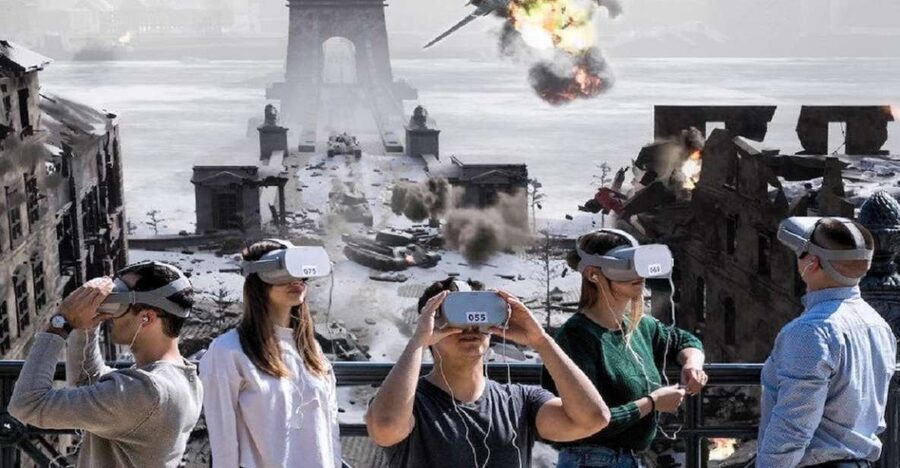
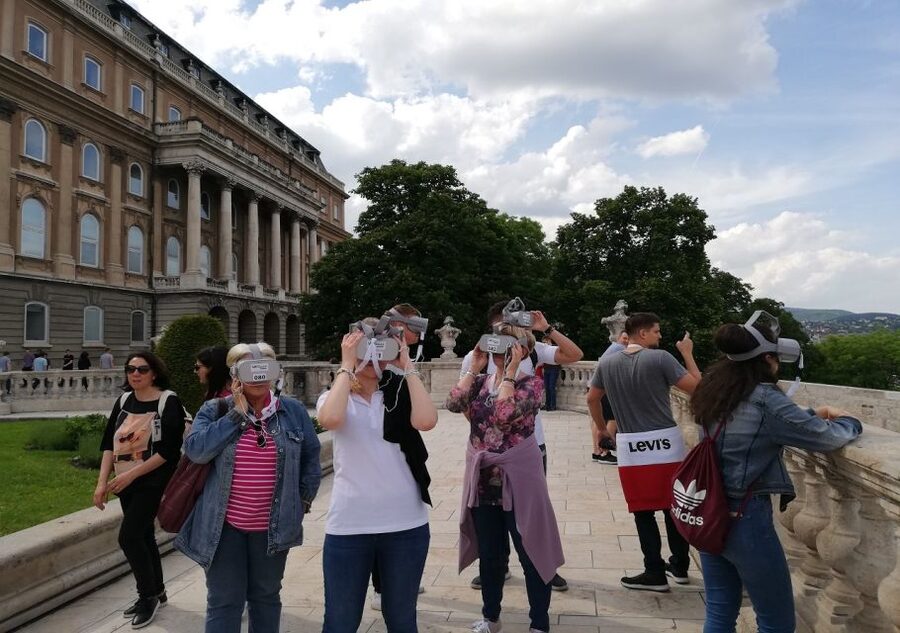
You start on the Buda side near Chain Bridge, gear up with VR equipment, and follow a guide between about six VR stops. Each time the headset comes on, an audio track explains what you’re seeing in context, and you get a guided hand for the walking parts. One more practical thing: there’s a light hike, so comfortable shoes matter, and it’s not for everyone if you have certain medical conditions.
In This Review
- Key Highlights You Actually Get
- From Chain Bridge to the Castle District: Where the Story Begins
- How the VR Time Jumps Work in Six Stops
- Stop by Stop: Medieval Castle Construction and Early Power
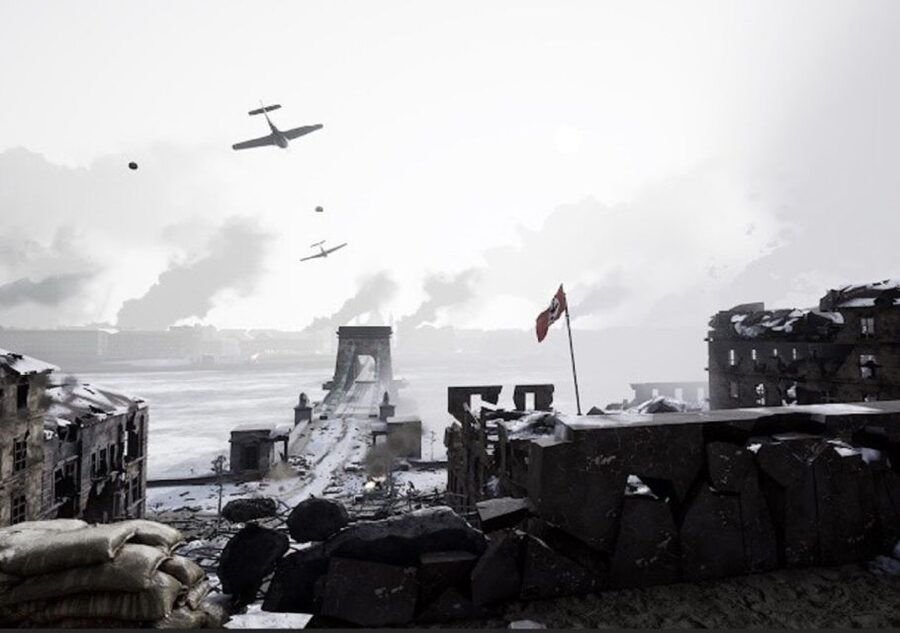
- Battles and World War II Destruction, Right Where You’re Standing
- 1956 Comes Alive: The Hungarian Revolution Section
- The Bird’s-Eye View Moment That Helps You Place Everything
- Price and Value: Is $43 Reasonable?
- Comfort, Safety, and Who Should Skip It
- Practical Tips to Make the 90 Minutes Worth It
- Should You Book Budapest’s 8-Language VR Tour?
- FAQ
- Where is the meeting point for the VR tour?
- How long is the tour?
- What languages are available during the experience?
- What’s included with the ticket?
- Do I need a deposit to use the VR headset?
- Is there walking involved?
- Who should not take this tour?
Key Highlights You Actually Get
- Six VR pauses around the city that map out centuries instead of just one era
- Buda Castle and Royal Palace at the center of the story
- Battles, World War II destruction, and the 1956 uprising shown with modern tech
- Audio guidance in 8 languages so you can match your comfort level
- A high viewpoint moment that helps you understand Budapest’s layout fast
Still narrowing it down? A few more Budapest tours to weigh against this one.
- Budapest: City Highlights Sightseeing Cruise★ 4.6 · 43,981 reviews
- Budapest: Unlimited Prosecco, Beer and Aperol Spritz Cruise★ 4.8 · 37,304 reviews
- Budapest: Széchenyi Spa Day Ticket with Optional Upgrades★ 4.3 · 23,911 reviews
- Budapest: Nighttime or Daytime Sightseeing Cruise★ 4.2 · 21,062 reviews
From Chain Bridge to the Castle District: Where the Story Begins
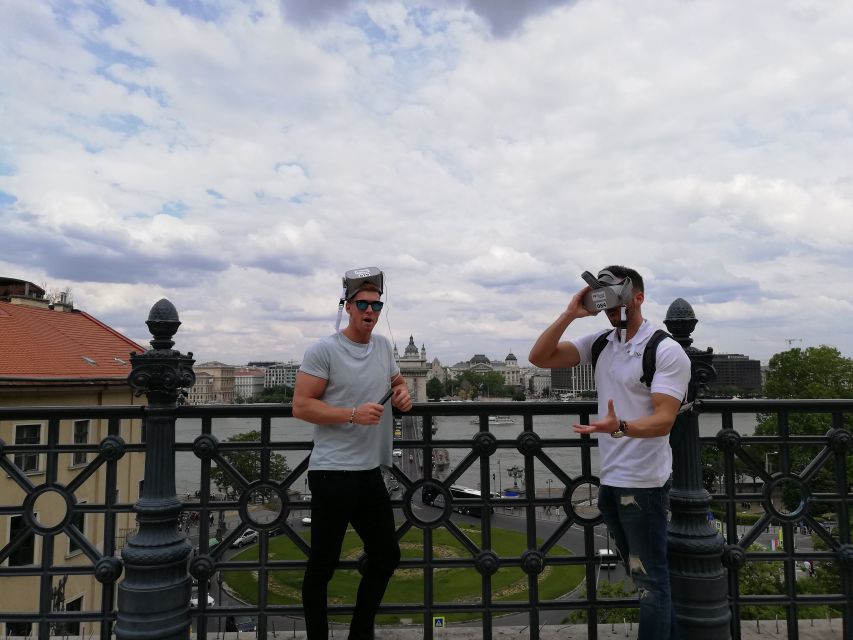
The tour kicks off on the Buda side, right near Lánchíd u. 23, a practical jump-off spot if you want to combine the experience with a day of sightseeing. The meeting point is on the street side, and you’ll look for the VR Tour flags facing the road. They ask you to arrive about 15 minutes early, which makes sense because you’ll need time for check-in, gear setup, and settling before you get switched into the headset.
After the quick start, you head into the Castle District area. This matters because Budapest’s topography is part of the meaning. Getting to the Castle side on foot means you’re already climbing while you’re getting your bearings. You should also plan on the tour’s “light hike” meaning: it’s not a flat stroll. Expect uphill walking, then walking back down.
Before you go, I suggest you do a quick mental checklist: comfortable shoes, hydration if it’s hot, and a calm approach to wearing a VR headset for multiple short segments. The guide is there to help you navigate between stops, but you still cover some ground, and you’re doing it while listening through your audio guidance.
How the VR Time Jumps Work in Six Stops
This is not one long VR video. It’s about six VR stops, spread over roughly 90 minutes to about two hours. Between each stop, you walk and the guide keeps things moving so you don’t lose the thread.
At each stop, you put on the VR gear and you see different historical scenes. The story includes:
- medieval-era construction tied to the castle
- brutal battles and destruction
- World War II devastation
- the 1956 Hungarian Revolution
- and a broader city overview that helps you place everything in context
Two things I like about the format. First, the walking sections act like a reset. You come out of the headset, look around, then you go back in with a clearer sense of where you are. Second, the audio guide runs alongside what you’re seeing, so it’s not just spectacle. You get explanations that connect the events to Hungarian history.
Your language options are also a practical win. There’s a live guide in English and Hungarian, and the audio is available in English, Chinese, German, Hungarian, Spanish, Russian, Italian, and French. That’s a lot of languages for one experience, and it helps if you’re traveling with mixed language comfort levels.
One detail worth keeping in mind: the VR graphics may not feel state-of-the-art. Some people describe it as more game-like than film-like. If you go in expecting cinematic polish, you might be disappointed. If you go in expecting education plus a sense of scale, it’s easier to enjoy.
Stop by Stop: Medieval Castle Construction and Early Power
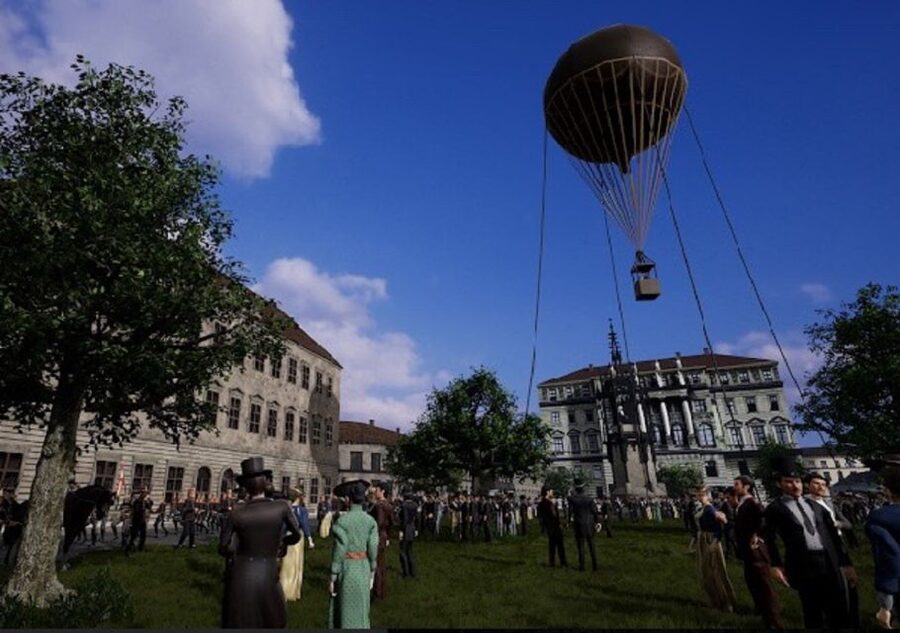
Early in the experience, you move into a medieval-focused segment tied to the construction of the castle. This is the part that helps you understand why Buda Castle and the Royal Palace aren’t just pretty stone. They were built as power structures, and VR does a good job of showing how the city’s shape ties to politics.
At the first couple of VR pauses, the experience shifts you from what you see around you in real life to a reconstruction of earlier times. Even if you’re not a “history person,” I find this easier to grasp when you’re standing where something stands now. You can look at the modern setting, then pop into the past, then look again with different context.
Why this works for your day: it gives you a framework before the tour turns darker. By the time you reach the more intense scenes, you already have a sense of the castle’s importance in Budapest’s story. The audio guidance matters here, because it tells you what you’re seeing and why it counts.
Possible downside: if you’re sensitive to heavy conflict imagery (or if your tolerance is low for war scenes), this part can set the tone quickly. The tour includes battle sequences and destruction later, so you’ll want to gauge your own comfort level before committing.
Battles and World War II Destruction, Right Where You’re Standing
The tour doesn’t shy away from the hard chapters. During the VR stops, you watch brutal battles and World War II destruction unfold. This is the section that many people find the most intense, simply because it’s war-heavy and visually direct.
What I think makes these stops valuable is not the shock value. It’s the location connection. You’re not just watching abstract history. You’re seeing dramatic scenes paired with the places around Budapest that shaped what happened next. The audio guide helps too, because it explains the significance of what unfolds, rather than just presenting it as random scenes.
Still, a practical consideration: the tour is short, and the emotional content ramps up. If you’re traveling with kids, you’ll want to decide if they can handle war imagery. The overall review tone suggests families can enjoy it, but that doesn’t mean every child will.
Also, this portion is where some people end up judging the “value” most strongly. If you feel like you’re paying a premium mostly for a video, you might notice it here. If you feel like you’re paying to understand how Budapest got shaped by these events, you’ll likely feel differently.


1956 Comes Alive: The Hungarian Revolution Section
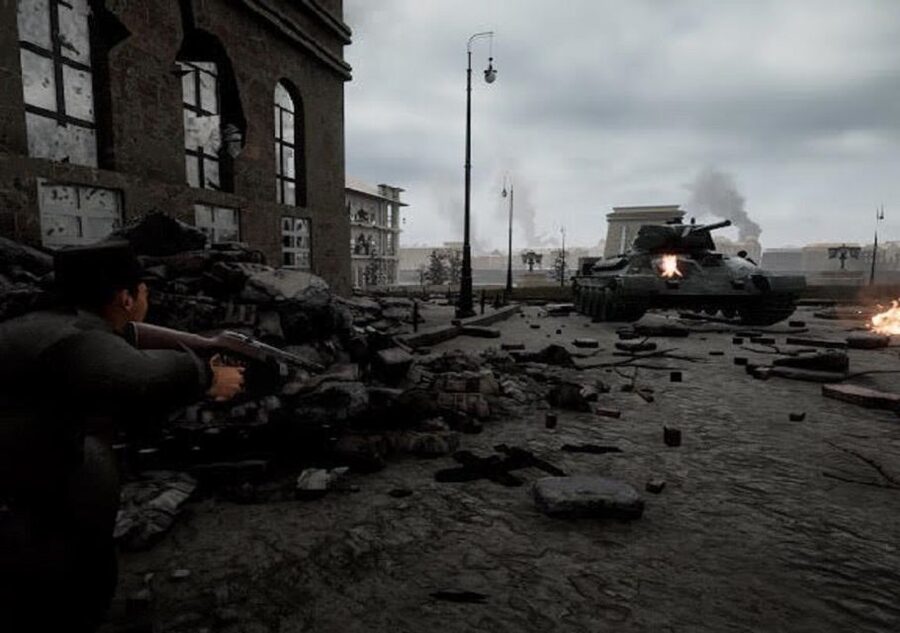
Then the story turns to the 1956 Hungarian Revolution. This is another shift in both theme and emotional weight. The VR stops show the outbreak of the uprising, and the audio guide walks you through the details so the moment lands in context of Hungarian history.
If you’re trying to understand Hungary beyond headlines, this segment helps you connect 1956 to what you see around the city today. It also reframes the earlier castle-focused scenes. The message becomes: Budapest’s history isn’t separate from politics and everyday life. It’s built into the streets and architecture you’re walking through.
One thing to plan for: VR means you’re visually “switched off” from your immediate surroundings. When the revolution scenes play, you’re relying on the audio track to anchor the meaning. That’s why it helps to pick the language you’ll understand best, and to listen rather than multitask.
If you’re the kind of person who likes to take notes mentally, you can use the audio explanations as a mini study guide for your next stop in Budapest. You’ll find yourself pointing at places you previously would’ve skipped.
The Bird’s-Eye View Moment That Helps You Place Everything
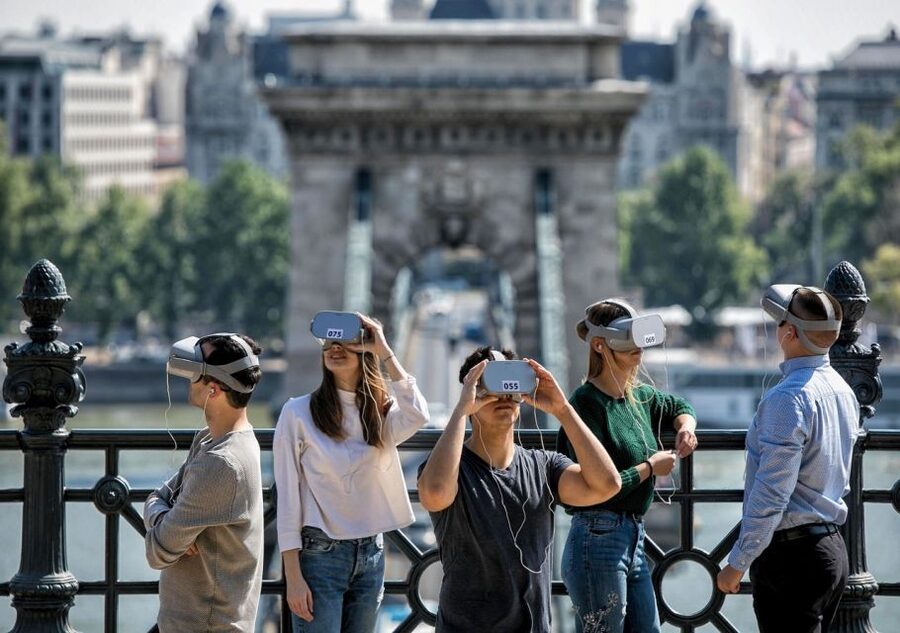
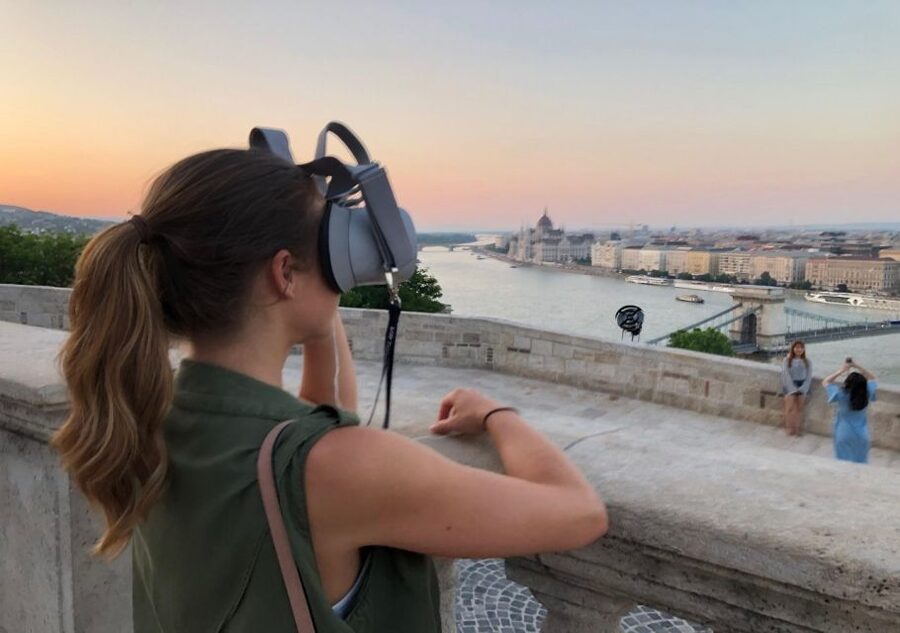
Near the end of the VR sequence, you get a bird’s-eye view over the whole city. This is a clever finishing move, because it turns the story from “what happened” into “where it happened.”
I love this part for two reasons. First, it helps you understand the geography of Budapest—how Buda and Pest connect and why the city’s layout matters. Second, it makes the walking route feel purposeful. You’re not just collecting facts. You’re building a mental map while you’re still in the middle of the experience.
If you’re trying to get value out of limited time in Budapest, this overview is a strong payoff. You can leave the tour knowing what to look for the next time you’re standing on a viewpoint or crossing a bridge.
Some people may find this bird’s-eye moment less detailed than they hoped, especially if they’re expecting photorealistic visuals. But as a way to orient yourself quickly, it delivers.
Price and Value: Is $43 Reasonable?
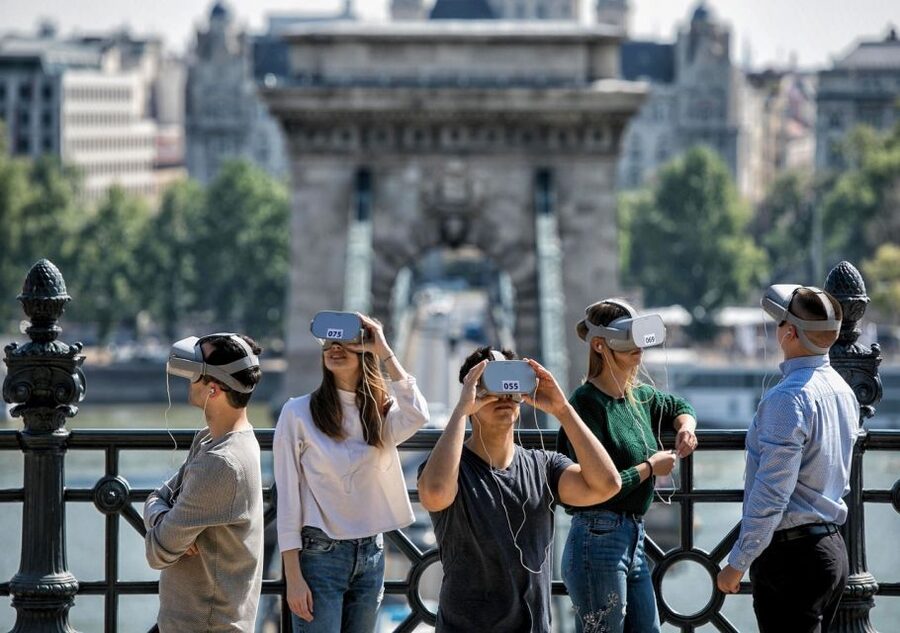
At $43 per person for about 90 minutes, this tour sits in the “you’re paying for the tech and the guidance” category, not the “you’re paying for a long guided walk” category. So the value question becomes simple: do you want VR history, or do you want standard sightseeing storytelling?
Here’s how I’d think about it:
- You’re getting VR gear, a tour guide, and an audio guide in 8 languages.
- You’re seeing multiple eras in a compact timeframe, tied to key Budapest themes.
- You’re also leaving with a practical mental map from the city overview moment.
Why some people feel it’s pricey: VR can be judged like an entertainment product. If the graphics feel game-like, the price can sting. One person even felt the cost was high for something that’s essentially a video plus walking.
Why others feel it’s a win: if you’re the type who learns best when you can see events visualized on location, VR pays off. The main value isn’t just the headset. It’s the way the audio context turns the scenes into history you can use while sightseeing later.
If you’re on a tight schedule and want a fast “Budapest story” in one go, I’d say the price can feel fair. If you hate VR, or if you expect a cinematic experience, look elsewhere.
Comfort, Safety, and Who Should Skip It
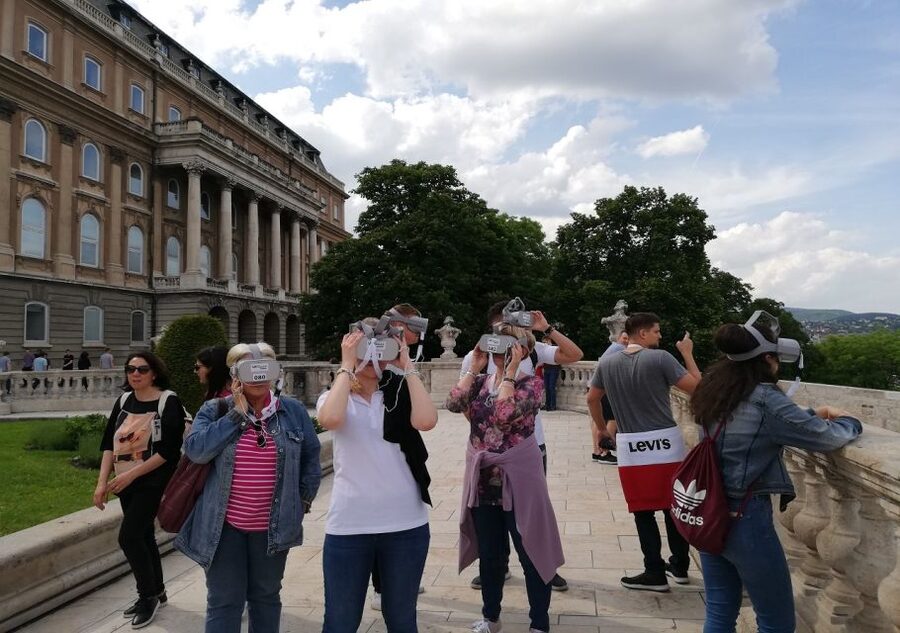
This tour isn’t for everyone. The operator notes it is not suitable for people with:
- mobility impairments
- heart problems
- fear of heights
- epilepsy
- and it’s not recommended for migraines
Since the experience includes a viewpoint moment and VR visuals, fear of heights and neurological sensitivities matter a lot. If any of those apply, save yourself the stress and choose a different format.
Comfort-wise, bring comfortable shoes, because you’ll do a light hike in the Castle District area. In hot summer tours, bring something to drink. The gear setup includes a sterile headset, and you can request a hygienic mask. There’s also a deposit requirement: they ask you to bring your passport or ID, or 200 euros, for the VR headset. That’s a key detail if you’re traveling without a spare payment option.
One more practical tip: if you’re someone who gets motion discomfort, VR can be tricky even if you don’t have a medical diagnosis. It’s worth considering before you book.
Practical Tips to Make the 90 Minutes Worth It
If you want this to land as a fun, useful Budapest experience, do these:
- Wear comfortable shoes. The walk isn’t long, but it’s not flat.
- Use the language that matches your comfort. The audio choices are extensive, and it matters when war scenes and political events are going on.
- Bring water in warm weather. You’ll walk between stops.
- If you’re traveling as a group, decide early on whether VR is for everyone. The experience works best when the whole group follows the same format.
Also, think about your expectations. This tour is best for people who want a guided, high-context history story with a modern twist. It’s less ideal if you only want architecture photos and quiet pacing.
Should You Book Budapest’s 8-Language VR Tour?
I’d book this tour if you want a fast, story-driven way to connect Budapest landmarks to the big historical shocks that shaped the city. The combination of Buda Castle focus, six VR stops, and audio in eight languages is exactly the kind of “smart use of limited time” move that works well in Central Europe.
I’d skip it if you:
- get migraines or have epilepsy
- have heart problems
- don’t do well with heights or viewpoint moments
- or you mainly want cinematic VR visuals rather than educational storytelling
If you’re flexible, curious, and okay with a short hike, this is a compelling way to see Budapest with your history brain turned on.
FAQ
Where is the meeting point for the VR tour?
The meeting point is Budapest, Lánchíd u. 23, 1013 Magyarország. Look for the VR Tour flags facing the street, and arrive about 15 minutes early.
How long is the tour?
The tour lasts about 90 minutes (they also describe it as roughly two hours).
What languages are available during the experience?
The live tour guide is in English and Hungarian. The audio guide is available in English, Chinese, German, Hungarian, Spanish, Russian, Italian, and French.
What’s included with the ticket?
The ticket includes virtual reality gear, a sterile headset, a tour guide, and an audio guide. A hygienic mask is available upon request.
Do I need a deposit to use the VR headset?
Yes. You need to bring your passport or ID card, or 200 euros as a deposit for the VR headset.
Is there walking involved?
Yes. The tour includes a light hike, with stops around the city and walking between each VR segment.
Who should not take this tour?
It is not suitable for people with mobility impairments, people with heart problems, people afraid of heights, and people with epilepsy. It is also not recommended for customers who suffer from migraines.
More Tours in Budapest





More Tour Reviews in Budapest






Just Added: More Budapest Reviews
- Sightseeing flight over Budapest
★ 5.0 · 3 reviews - Budapest: Walking Tour with Chimney Cake & Polaroid Photos
★ 5.0 · 3 reviews - Self Guided Tour In Budapest With 100 Captivating Audio Stories
★ 5.0 · 3 reviews - Budapest Art Nouveau Walking Tour
★ 5.0 · 3 reviews - Hungary today: a no-taboo conversation
★ 5.0 · 3 reviews
Tours, compared.
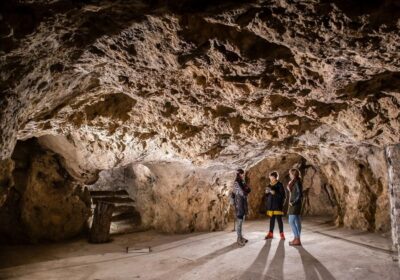 ★ 4.7Buda Castle Cave TourFrom $195,677 reviews
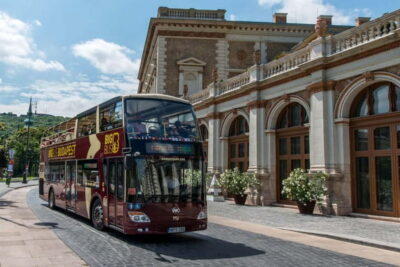 ★ 4.1Big Bus Hop-On Hop-Off Tour by Open-top BusFrom $414,493 reviews
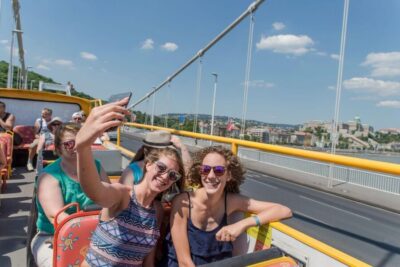 ★ 4.1City Sightseeing Hop-On Hop-Off Bus Tour & ExtrasFrom $414,337 reviews
 ★ 4.6Buda Castle District Vampires and Myths Night TourFrom $233,830 reviews
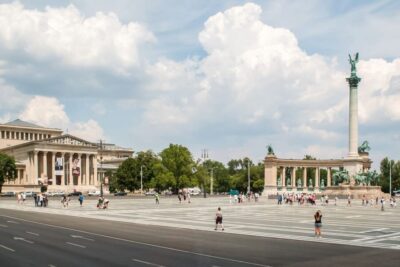 ★ 4.3Floating Bus Tour by Land and WaterFrom $283,342 reviews
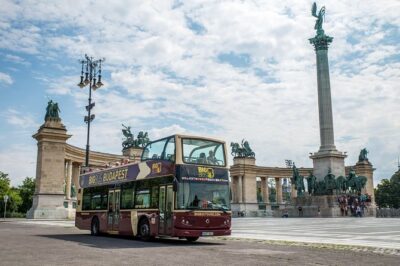 ★ 3.5Big Bus Budapest Hop-On Hop-Off Bus and Walking TourFrom $422,206 reviews
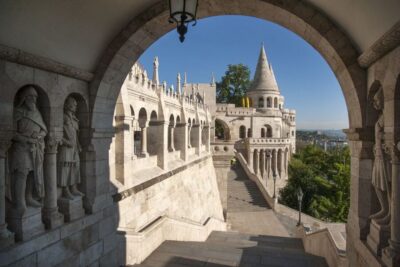 ★ 4.6Buda Castle District Walking TourFrom $142,108 reviews
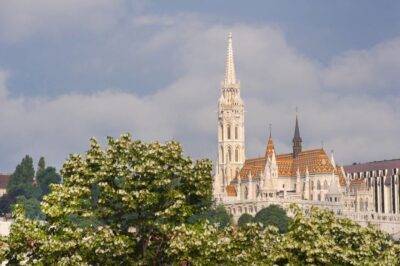 ★ 4.83-Hour Orientation Walking Tour of Buda and PestFrom $411,834 reviews