
Reviewed · TUK-TUK & VINTAGE CAR TOURS
Budapest: Sightseeing Tour by Electric Tuktuk
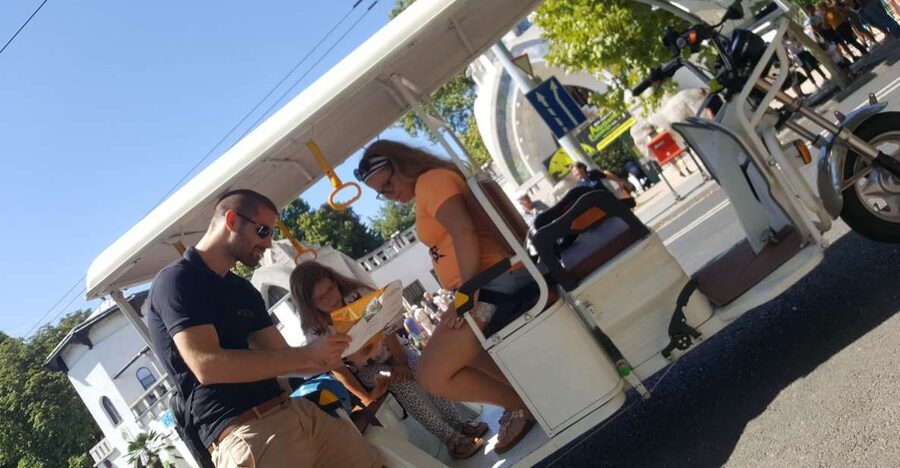
Budapest rolls past quietly, on tiny wheels. This silent electric tuktuk tour is a fun way to see both sides of the city while you hear Daniel Herczeg narrate the sights. I like the pacing with photo stops built in, and I like how the ride is smooth enough that you actually catch the details. The main catch is time: you’ll get great views and quick looks, but it’s not a full-on museum day.
What you’re really buying here is a fast first look at Budapest’s must-sees without the sweat or the long taxi shuffle. For $108 per person over about 2 hours, you cover a lot of ground from Heroes’ Square down to the Jewish Quarter and across to Buda Castle Hill. One consideration: since the route can shift for traffic and weather, plan to keep your expectations flexible.
This is a smart choice if you’re in Budapest for a short visit, traveling with kids or grandparents, or you just want a low-stress introduction. You also get real local recommendations at the end of the day, not generic postcard advice.
In This Review
- Key takeaways before you ride
- Why an electric tuktuk works so well for Budapest
- Meeting at Oktogon 2 and how the tour starts
- Heroes’ Square to Vajdahunyad Castle: the Pest opener
- Andrassy Avenue, Opera House, and the House of Terror stop
- St. Stephen’s Basilica and Parliament: the two big symbols
- The Jewish Quarter circle and Dohány Street Synagogue
- Chain Bridge and the river-view logic
- Rudas Thermal Bath, Gellért Hotel, and Buda Castle Hill
- Photo time and pacing: how this fits into 2 hours
- Daniel Herczeg: the real reason this tour gets 5-star energy
- Price and value: is $108 per person fair?
- Who should book this Budapest electric tuktuk tour
- Should you book it
- FAQ
- Where does the tour start and end?
- How long is the Budapest sightseeing tour by electric tuktuk?
- Is the guide English-speaking?
- Is this a private tour?
- What sights are included in the route?
- Is there time for photos?
- What should I bring?
- What if it rains?
Key takeaways before you ride

- Silent electric tuktuk comfort: easier listening and a calmer feel than typical motorized vehicles.
- Pest and Buda in one loop: you see the city’s big symbols without spending hours walking between them.
- Photo stops on purpose: quick breaks at major viewpoints and key monuments.
- Daniel’s stories + practical tips: history, legends, and where to eat and drink afterward.
- Route flexibility: adjustments happen for traffic and weather, so your day stays workable.
- Short walks where it matters: you can step out at several highlights to stretch legs and frame photos.
Buzz the centre by tuk tuk or a retro ride
- Private Budapest TukTuk Tour: Custom Route, Hotel Pickup★ 5.0 · 1,307 reviews
- Budapest Private Tuk Tuk Half-Day Tour★ 5.0 · 606 reviews
- Private Budapest City tour with Classic Russian Jeep or G-Wagon!★ 5.0 · 386 reviews
- Budapest: Private City Tour with a Vintage Russian Jeep★ 4.9 · 246 reviews
Why an electric tuktuk works so well for Budapest
Budapest is wide. And it’s split in two ways that matter for sightseeing: the Danube divides Pest and Buda, and the hills on the Buda side make walking feel longer than it looks on a map.
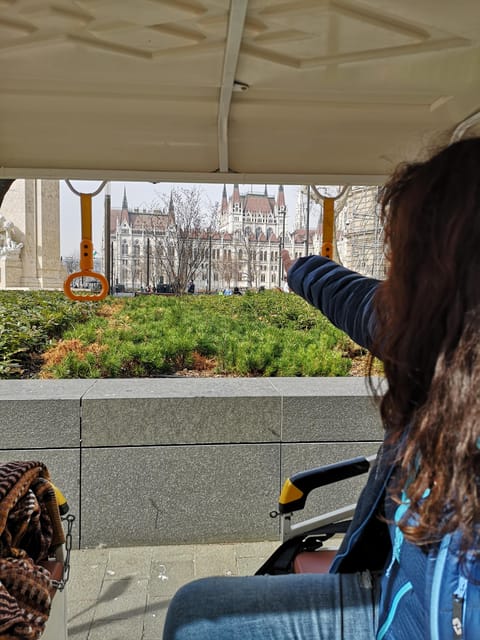
A tuktuk solves that. An electric one, specifically, keeps things quieter so you can hear your live English guide while you move. That matters in a city where big boulevards, tram lines, and crowds can turn a normal walking tour into a half-hear situation. You’re also sitting higher than you would be on foot, which can make photos easier at major landmarks.
The other win is flow. Because this is a small vehicle, you can often move through tight streets and around heavier traffic in ways that feel more efficient than squeezing between buses and pedestrians. In real terms, that means you spend more of the two hours on monuments and viewpoints, and less time stuck waiting.
Meeting at Oktogon 2 and how the tour starts
Your day begins at Oktogon 2, with the guide standing next to the tuktuk by the parking spots in front of the K&H Bank. It’s the kind of meet-up point that makes sense: it’s central, easy to find, and you’re already in an area where you can grab coffee or a snack before or after.
Once you’re aboard, Daniel sets the tone right away. The experience is built around his commentary as you travel between the big sights. The ride itself is part of the plan, not a detour. That becomes clear from the way the itinerary is stacked: you bounce between wide avenues, river views, and the Castle Hill area without turning the whole day into a long march.
Heroes’ Square to Vajdahunyad Castle: the Pest opener
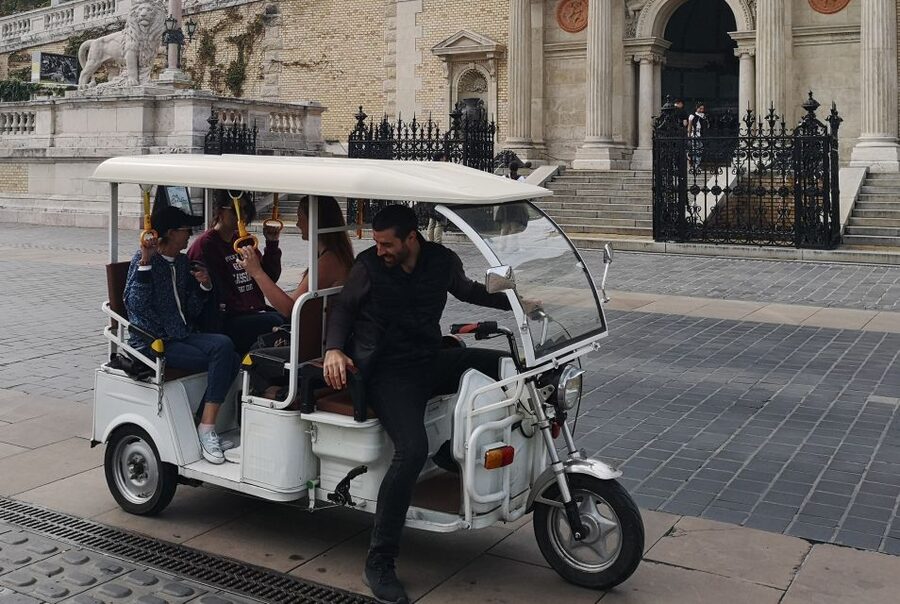
The tour often kicks off around Heroes’ Square. This is where Budapest starts looking like a capital, not just a city with cool buildings. The square gives you an instant “scale check” for the country’s history and pride—perfect for orienting yourself on first-time Budapest days.
From there, you head toward the area around the Museum of Fine Arts and the Hall of Art, plus the nearby Vajdahunyad Castle. This cluster is a smart introduction because it mixes grand architecture with an easy-to-understand layout. You’ll see how the city’s big public spaces were designed to feel ceremonial and monumental.
What I like here: you get the wide-angle landmarks early, while your eyes are still fresh and you haven’t yet had to process the dense street maze of later stops. What to consider: you won’t have hours to wander every corner, so if you want to spend serious time inside major museums, treat this tour as the opener and plan separate time for deeper visits.
Andrassy Avenue, Opera House, and the House of Terror stop
Next comes Andrassy Avenue, one of Budapest’s signature boulevards. This is a good segment because the city starts moving from “squares and monuments” to “long views and iconic buildings.” The Opera House appears along this axis, and it’s the kind of façade that looks good both in photos and in person because it has strong symmetry and detail.
Then you pass the House of Terror. This building carries heavy meaning, tied to 20th-century history in Hungary. The guide’s role matters most at stops like this: he can explain what you’re seeing in a way that doesn’t just name the facts, but helps you understand why the place is remembered.
A practical note: the tuktuk lets you keep moving through the busy parts of Pest while still getting close to the monuments. It’s a helpful way to balance a serious site like the House of Terror with the lighter, more open streets that come right after.


St. Stephen’s Basilica and Parliament: the two big symbols
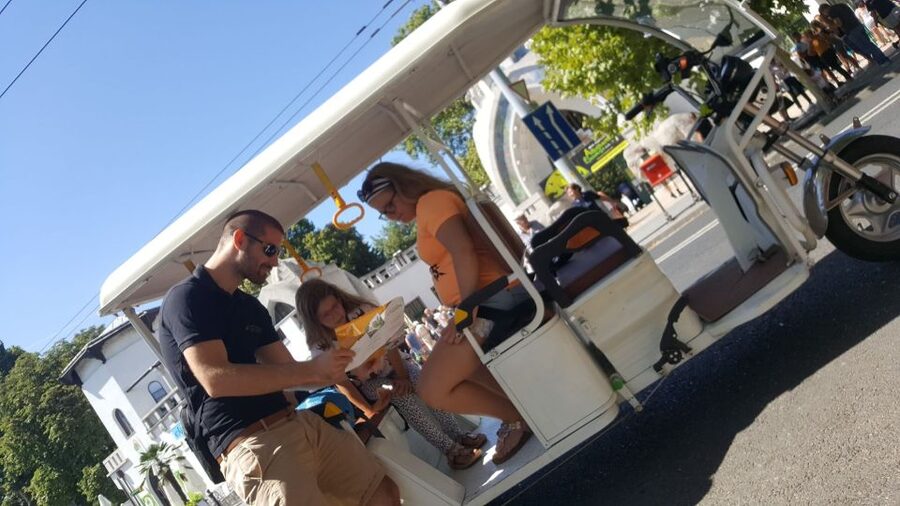
St. Stephen’s Basilica is next on many versions of this route. Even if you don’t go inside, you’ll feel its presence. It’s one of those buildings that anchors your mental map of Budapest. When you see it from the tuktuk, you can also get a sense of how the city’s major streets funnel your movement toward it.
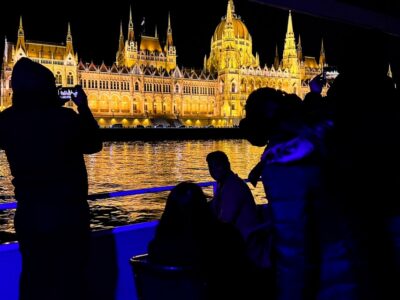
After that, you get to the Hungarian Parliament Building. This is where Budapest really flexes. The building is an obvious photo magnet, but the point of the stop isn’t just the shot. It’s the scale and the river-adjacent setting, plus the way the guide connects the building to the story of the country.
Worth knowing: the tour includes sightseeing time, not an all-day visit. So you’ll get a real look, but you should still plan to return later if you want an in-depth visit to either the basilica area or the Parliament interior.
The Jewish Quarter circle and Dohány Street Synagogue
A highlight on this route is the circular drive through the Jewish Quarter. The tuktuk approach is ideal here because the streets are tight and the vibe is different from the broad, official spaces of Pest’s grand boulevards. You see narrow lanes, older-looking street patterns, and the sense of a neighborhood that’s still lived-in.
You’ll also pass the Dohány Street Synagogue, also known as the Great Synagogue. From the outside, it’s instantly recognizable for its size and presence. The value of this segment is context: the guide ties the area together so it doesn’t feel like a single stop you just check off.
One consideration: this part of the city can get busy. Since your tour is designed to keep moving while also allowing photo opportunities, it’s usually an easier way to see the area than trying to time your own route through crowds.
Chain Bridge and the river-view logic
Chain Bridge is on the route as you transition toward the Buda side. If you’ve got limited time, this stop is a smart use of the two hours because it gives you that key Danube connection. You don’t just see the bridge; you understand why it matters as a link between the city’s two halves.
Also, this is one of the most “Budapest” moments visually. The river and the skyline are what make people fall for the city. The tuktuk doesn’t replace a longer river-walk, but it sets you up for one if you want it later.
Rudas Thermal Bath, Gellért Hotel, and Buda Castle Hill
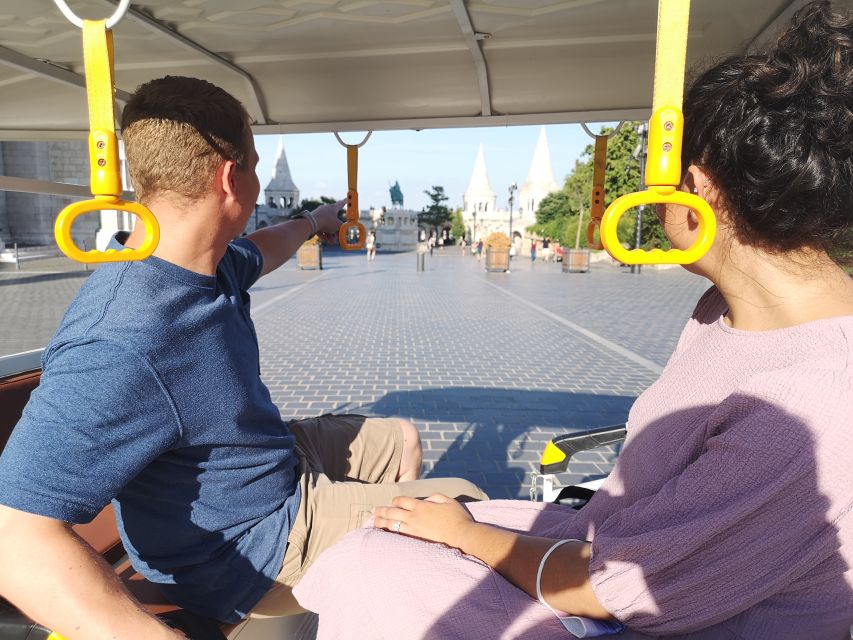
Now the tour shifts from the flat, wide streets of Pest to the Buda experience. You’ll pass the Gellért Hotel and then see Rudas Thermal Bath from the Buda side. Even if you don’t go into the baths, it’s a good introduction to Budapest’s thermal identity. Rudas is part of that long tradition of bathing culture that the city is famous for.
Then you head up toward the Buda Castle area, where the skyline changes again. This is where Budapest starts looking like a storybook on a steep hill—think viewpoints, walls, and the feeling that the best photos require elevation.
You’ll see Matthias Church and Fisherman’s Bastion, with photo time built in. The stop works because these are visually different from the big Pest monuments. Fisherman’s Bastion is all angles and terraces, and it’s exactly the sort of place where your viewpoint matters. Matthias Church adds a different texture—church architecture with a distinctive look.
Finally, you’ll pass Buda Palace. Even if you don’t go inside, the presence of the complex helps you understand how the Castle Hill area functions as a civic and historical center.
Photo time and pacing: how this fits into 2 hours
The tour includes breaks for photos, and the timing is built around moving between several major sites without sprinting. In my view, the “right” way to do a tour like this is to treat each stop as a snapshot with context, not a long stay. You’ll get enough time to frame the big monuments and step out where it’s allowed, but you won’t be stuck in one place for ages.
That’s a big deal in Budapest. On hot days, in rain, or when crowds are heavy, walking can balloon into a frustration. The tuktuk keeps you moving, and the quiet electric ride makes the commentary easy to follow even when you’re surrounded by city noise.
In colder weather, Daniel also tends to keep the experience comfortable. One review-style detail that stuck out: on a cold, windy day, he brought blankets and even heat patches, so the ride still felt pleasant rather than miserable.
Daniel Herczeg: the real reason this tour gets 5-star energy
The quality of this experience is inseparable from the guide. Daniel Herczeg is the one driving and talking, and he clearly enjoys doing it. His English comes through clearly while you ride, and his commentary isn’t just name-dropping. He explains what you’re seeing and connects it to the bigger story of Budapest.
A few patterns show up again and again in the experience:
- He adjusts the day when you ask for it, including stopping for photos longer when you want a specific shot.
- He offers practical recommendations for restaurants, pubs, and bars afterward, so you don’t waste your evening hunting blindly.
- He shares personal touches, like food ideas you can actually follow through on.
One standout example: he suggested and helped with trying a Hungarian chimney cake. That’s the kind of local snack that becomes part of the trip instead of just being another thing you read about online. Another extra: some visitors received follow-up recommendations by email after the tour, which is handy when you want a plan without opening ten tabs.
Also, he drives carefully in crowded traffic. Several experiences highlight how safe and comfortable the ride felt, including during heavier conditions. If you’re choosing this as a “stress-free Budapest day,” that matters.
Price and value: is $108 per person fair?
Let’s talk value honestly. $108 per person sounds like a premium compared with a walking route. But for Budapest, this price can make sense because you’re buying three things at once:
First, you’re buying time. In about two hours, you’re seeing major landmarks that would take much longer on foot due to distances and the uphill terrain on Buda.
Second, you’re buying comfort and quiet. The electric tuktuk isn’t just a novelty. The quiet ride makes it easier to hear your live guide, so the tour doesn’t turn into background chatter.
Third, you’re buying local judgment. Daniel doesn’t just show monuments; he gives you restaurant and drink recommendations and can tailor the route a bit. If you use those suggestions, the cost can effectively turn into a better trip overall, not just transport.
If you’re on an ultra-budget trip, you could do this city with public transit and walking. But if you want a first-pass overview, with guidance and photo stops, this is a practical way to spend your limited time.
Who should book this Budapest electric tuktuk tour
This tour fits best if any of these describe you:
- You’re short on time and want a tight route across Pest and Buda.
- You want a lively intro to Budapest’s most iconic monuments without committing to long walks.
- You’re traveling with teens or older relatives and want fewer “just keep walking” moments.
- You prefer guided context, including history and legends, paired with quick photo opportunities.
- You want local food and drink ideas right away rather than researching all day.
If you’re the kind of traveler who wants hours inside museums or guided tours of interiors, this shouldn’t be your only plan. Use it as a foundation, then pick one or two sites to go deeper on your own.
Should you book it
I’d book it if you want a smart, photo-friendly overview that doesn’t wear you out. The tuktuk format solves the biggest Budapest problem—distance and split-city logistics—while the guide work keeps the stops meaningful. The electric, quieter ride also makes the narration easier to actually catch.
I would not book it as your sole plan if you’re aiming for deep museum time or long indoor visits at places like the Parliament or major cultural institutions. For most first-time visitors, though, this is a solid way to get your bearings fast and start the rest of your Budapest days with confidence.
FAQ
Where does the tour start and end?
You meet at Oktogon 2. Daniel stands next to the tuktuk by the parking spots in front of the K&H Bank, and you return back to Oktogon 2.
How long is the Budapest sightseeing tour by electric tuktuk?
The tour lasts about 2 hours.
Is the guide English-speaking?
Yes, the live tour guide provides the tour in English.
Is this a private tour?
Yes, it’s a private group tour.
What sights are included in the route?
The tour includes major sights such as Heroes’ Square, the House of Terror, the Hungarian State Opera House, St. Stephen’s Basilica, the Parliament, the Dohány Street Synagogue, Rudas Thermal Bath, the Buda Castle area including Matthias Church and Fisherman’s Bastion, plus Chain Bridge. The exact order can change.
Is there time for photos?
Yes, there is time to take photos during the tour, and you’ll have sightseeing stops along the way.
What should I bring?
Bring weather-appropriate clothing.
What if it rains?
In rainy weather, the tour can be postponed to another time or day.
More Tours in Budapest




More Tour Reviews in Budapest






Budapest by Tuk Tuk and Retro Ride




Just Added: More Budapest Reviews
- Sightseeing flight over Budapest
★ 5.0 · 3 reviews - Budapest: Walking Tour with Chimney Cake & Polaroid Photos
★ 5.0 · 3 reviews - Self Guided Tour In Budapest With 100 Captivating Audio Stories
★ 5.0 · 3 reviews - Budapest Art Nouveau Walking Tour
★ 5.0 · 3 reviews - Hungary today: a no-taboo conversation
★ 5.0 · 3 reviews
Tuk-Tuk & Vintage Car Tours, compared.
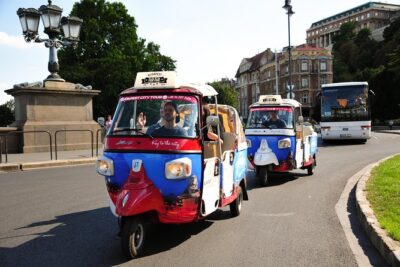 ★ 5.0Private Budapest TukTuk Tour: Custom Route, Hotel PickupFrom $991,307 reviews
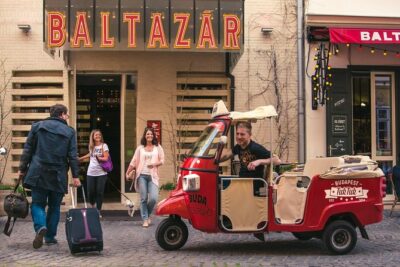 ★ 5.0Budapest Private Tuk Tuk Half-Day TourFrom $178606 reviews
 ★ 4.9Private City Tour with a Vintage Russian JeepFrom $318246 reviews
★ 5.0Budapest Private City Tour With a Vintage Russian JeepFrom $261198 reviews
★ 4.9Private City Tour with a Vintage Russian JeepFrom $318246 reviews
★ 5.0Budapest Private City Tour With a Vintage Russian JeepFrom $261198 reviews
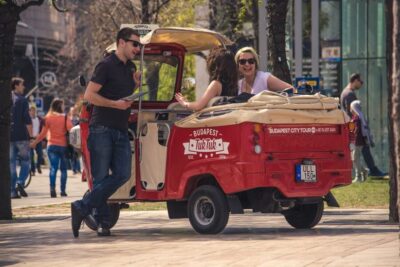 ★ 4.9Scenic Tuk Tuk TourFrom $115143 reviews
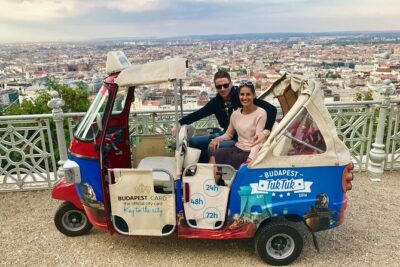 ★ 5.0Budapest Romantic Private Tuk Tuk TourFrom $118142 reviews
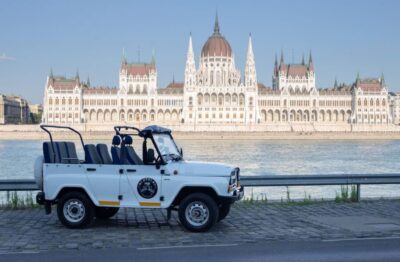 ★ 4.9Iconic Budapest tour with Classic Russian Jeep and G-WagonFrom $312126 reviews
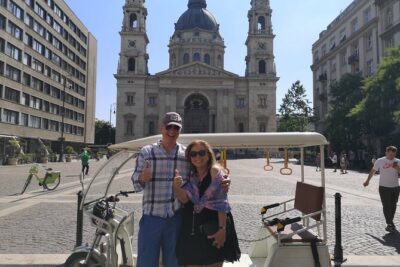 ★ 5.0Private Sightseeing Tour using Electric Tuk Tuk Ride in BudapestFrom $102103 reviews
Browse the lists this tour appears in