
Reviewed · GUIDED
Budapest: Official Guided Tour of the House of Music,Hungary
The House of Music feels like a sound machine. I love how the roof and acoustics are explained in plain terms, and I love the spiral staircase and open, glassy spaces that connect to City Park. One drawback: this is a building-focused tour, so you won’t get entry to all exhibition areas.
If you’re an architecture person, or even a music person who cares about why a room sounds the way it does, this 1-hour guided visit is a strong use of time. Meet inside the foyer, then follow the guide’s route through the concert spaces, library and archives areas, and outdoor surroundings—without needing to be a museum expert.
In This Review
- Key highlights to look for on the tour
- Why the House of Music roof and acoustics feel like the main event
- Meeting inside the foyer: how to start without wasting time
- City Park setting: why this building doesn’t feel like an isolated stop
- Sou Fujimoto’s design: the floating roof and circular openings made practical
- Enter the glass and exposed concrete: what to watch for in the interior
- The spiral staircase: the photo spot that also explains the building
- Concert hall acoustics: learning why sound is treated like design
- Sustainability features: geothermal energy and rainwater harvesting, explained simply
- What’s included, and what’s not: manage expectations before you go
- Price and value for a 1-hour guided architecture-and-sound tour
- Who this tour suits best in Budapest
- Quick practical tips before you book
- Should you book the House of Music guided tour?
- FAQ
- How long is the House of Music official guided tour?
- What language is the live tour guide?
- Where do we meet for the tour?
- Is the tour wheelchair accessible?
- Does this tour include entry to exhibitions?
- Is it suitable for children?
- Are pets allowed?
- How much does the tour cost?
Key highlights to look for on the tour
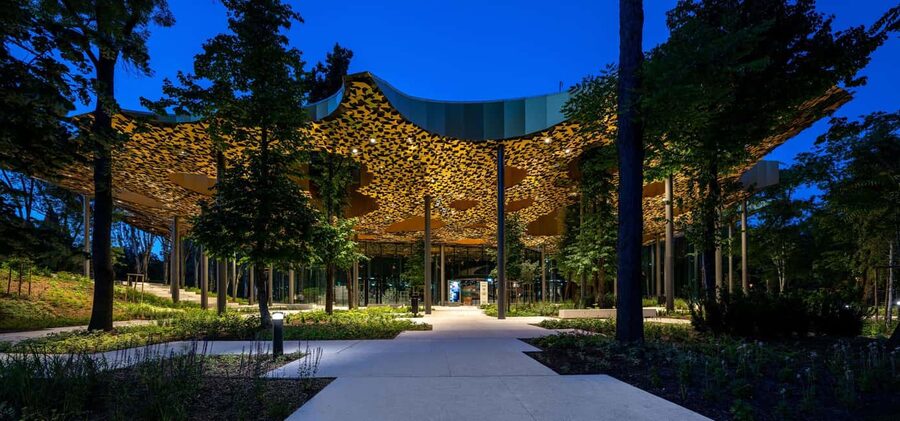
- Sou Fujimoto’s organic design: undulating roof + circular openings tied to the park
- A roof made of leaf-like metal elements that also influences light and sound
- The spiral staircase as a real centerpiece, not a background feature
- City Park viewpoints that make the building feel part of the landscape (literally, it’s right there)
- Concert-hall acoustics explained using the building’s shape and materials
- Sustainability details like geothermal energy and rainwater harvesting, covered in the walkthrough
More days smoothed over by a local
- Budapest: Parliament Building Entry Ticket and Audio Guide★ 4.5 · 3,844 reviews
- Budapest: Guided Pub Tour to Ruin Bars with Games & 6 Shots★ 4.7 · 1,641 reviews
- Budapest: Opera House Guided Tour★ 4.6 · 1,533 reviews
- Budapest Small-Group Guided Tour on MonsteRoller e-Scooter★ 5.0 · 1,517 reviews
Why the House of Music roof and acoustics feel like the main event
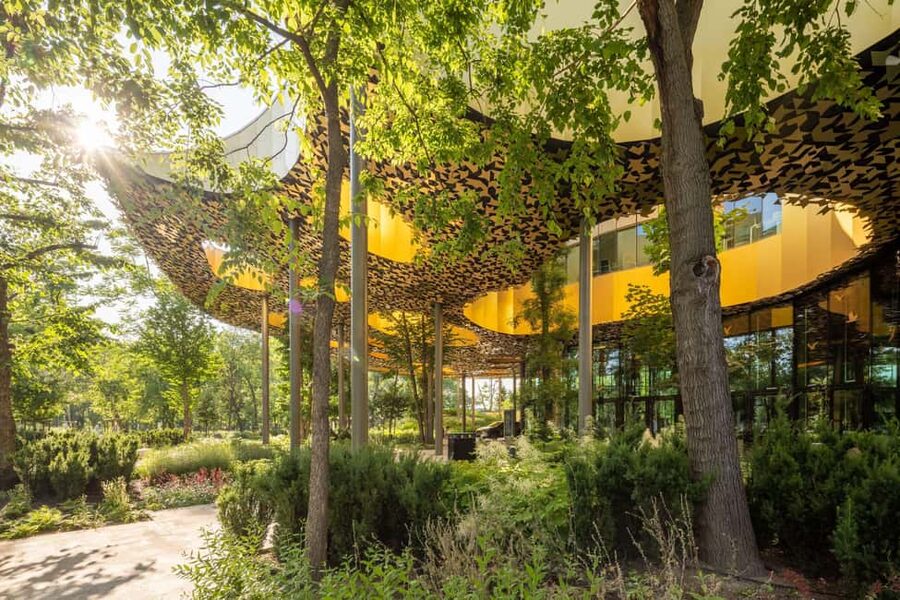
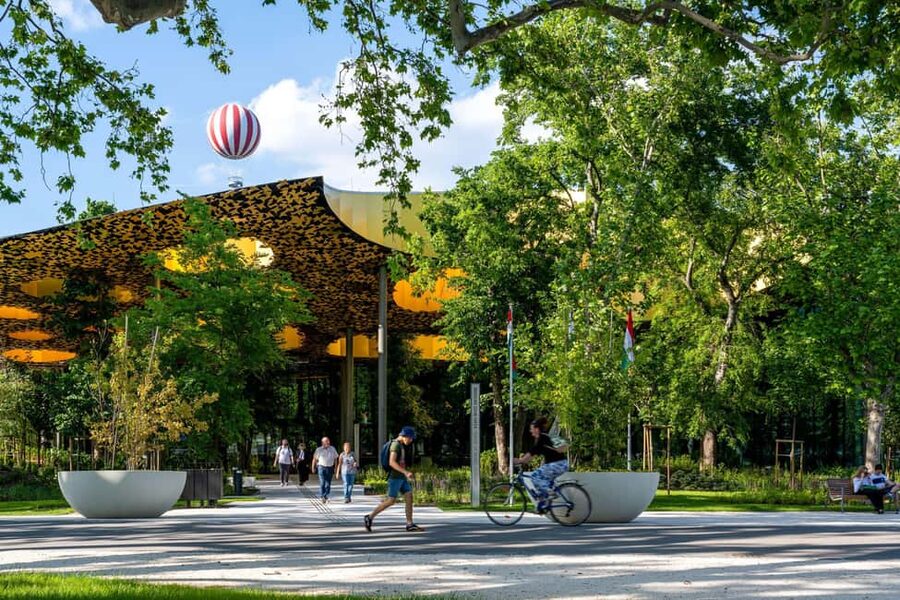
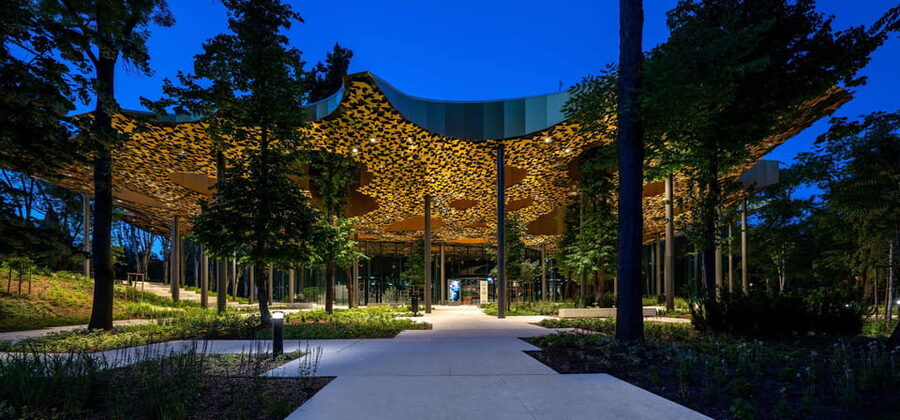
Budapest’s House of Music isn’t trying to look like a traditional concert hall, or a classic museum box. It’s shaped like something alive—an undulating canopy you notice from outside right away. The guide will point out the roof’s leaf-like metal elements and the circular openings, and then connects those forms to what you actually experience in the building: natural light, and the way sound behaves in performance spaces.
What I like about this tour is that it doesn’t treat architecture as trivia. It treats it like a tool. You’ll hear how the building’s geometry, materials (think exposed concrete and warm wood elements), and roof structure were designed to support acoustics. Even if you’re not sitting through a show, the explanations help you understand why musicians and listeners care about the room itself.
The tour also has an extra layer of “how can a building do this?” because it’s set in Budapest’s City Park. You’re not tucked away indoors. You’re constantly reminded that the structure was conceived as an extension of the park—so the experience is part architecture tour, part city-park walk.
Meeting inside the foyer: how to start without wasting time
The meeting point is simple: inside the foyer. That matters, because the building’s best first impression is architectural. If you arrive a few minutes early, you’ll have time to orient yourself before the guide starts pointing out features.
From there, the tour focuses on the building itself:
- outdoor views and the roof’s form
- the open, glass-filled interior spaces
- the concert hall area and other key rooms you can access on this guided visit
- library and archives areas (as part of the guided route)
- outdoor areas around the building, plus time for the gift shop
This is also where the guide’s style really pays off. Multiple guides are praised for being engaging, and the tour is described as interactive rather than a lecture that drones on. If you like asking questions, this is a setting where questions make sense, especially when sound and design are being discussed.
City Park setting: why this building doesn’t feel like an isolated stop

The House of Music sits in City Park, and the tour leans into that. You don’t just see a building; you see it in context. The roof canopy looks different from different angles, and the structure’s large glass surfaces keep drawing your attention back outward.
That connection is more than scenery. The guide’s explanation of how the building blurs the inside-outside line helps you understand the design concept. The park is part of the plan, not an afterthought. You get an architecture lesson, but it stays grounded in real experience: light coming through the glass, the way the roof form frames sky and greenery, and the sense that public music education and community space are meant to spill outward.
If you’re planning a day in the area, this tour works well as a central anchor. It gives you something specific to see and understand, without turning the rest of your day into a rush.
Sou Fujimoto’s design: the floating roof and circular openings made practical
The building is designed by Japanese architect Sou Fujimoto, and that name comes up early. On this tour, the design isn’t treated as a label. It’s treated as a set of choices you can visually track.
Here’s what the guide will help you notice:
- The undulating roof that creates that floating feel
- The roof’s thousands of leaf-like metal elements, which aren’t just decorative
- Circular openings that break up the mass and change how light hits interior spaces
- The way exposed concrete and wooden details combine for a warm, human scale inside
For architecture lovers, this is the kind of place where you start looking at the “why” behind every curve. For everyone else, the value is simpler: the building is dramatic, but it’s also readable once a guide points you toward the key forms.
It’s also worth knowing what you’re likely not getting. This visit is not positioned as a full museum day. You’ll see impressive rooms and spaces, but you’ll be moving through the building’s design story rather than lingering in galleries.



Enter the glass and exposed concrete: what to watch for in the interior
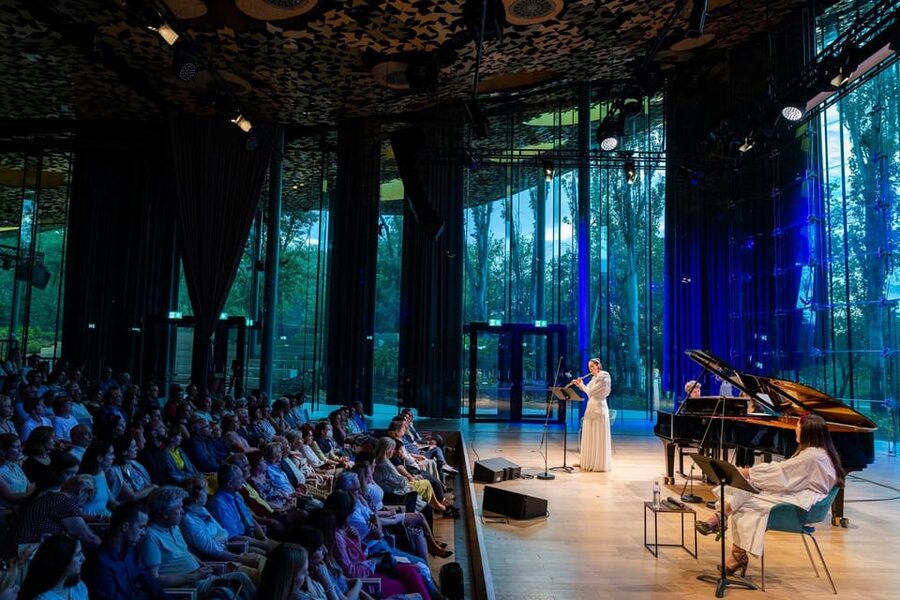
Inside, the tour emphasizes open space and transparency. The extensive use of glass lets daylight pour in, and the guide will show you how that affects your perception of the building. When you’re standing in these bright interiors, the “music building as public meeting place” idea becomes easier to believe.
You’ll also get more detail on material choices:
- exposed concrete surfaces (cool and structural)
- intricate wooden elements (warm and calming)
- open levels and public areas meant for community engagement and music education
Even when you’re not doing hands-on activities, the layout communicates the mission. The guide will help you see how the design supports people moving between areas—looking, learning, meeting.
One practical note: the tour isn’t described as a slow wander. It’s structured around the most important architectural and acoustics features, so if you like to take your time in every room, you may feel like you could go back for more. That said, the 1-hour timing keeps it from turning into a half-day commitment you’ll regret later.
The spiral staircase: the photo spot that also explains the building
The spiral staircase is one of the most praised parts of the tour, and it’s easy to see why. It’s presented as an artwork, not a functional accessory. The guide will point out how it fits into the building’s overall sense of flow.
What makes this stair worth your attention is that it helps you understand the architecture’s rhythm. Spiral forms naturally pull your eye upward and around, and in this building that movement supports the idea of layered spaces—public rooms, education areas, and music-related spaces that connect rather than isolate.
If you enjoy architectural details, this stop is a highlight even for people who aren’t obsessing over sound science. It’s a moment where the building’s concept becomes visible in a single glance: structure, movement, and light all working together.
Concert hall acoustics: learning why sound is treated like design
This is where the tour earns its keep. The House of Music is about sound, and the guide explains how the space is engineered for it. The tour focuses on building shape, materials, and roof structure as the reasons performance spaces and public areas can handle sound the way they need to.
You should expect explanations like:
- why surfaces and shapes matter
- how the roof structure relates to acoustics
- how design choices support listening, not just aesthetics
You won’t be guaranteed a performance during the tour, but there’s a real chance you might catch something special depending on what’s scheduled. One guest specifically described being lucky enough to hear a rehearsal, which helped them appreciate the acoustics. If that happens, it’s a bonus. If it doesn’t, you still get the design-based sound understanding.
If you care about music, or if you’ve ever wondered why one hall feels different from another, this portion turns curiosity into insight. And because it’s delivered during a walking tour, you’re not stuck reading labels—you’re seeing the space while someone explains what to listen for.
Sustainability features: geothermal energy and rainwater harvesting, explained simply
The tour also covers sustainability, and it doesn’t hide it behind vague claims. You’ll learn about features like geothermal energy and rainwater harvesting. The guide ties these ideas back to the building’s overall design approach—practical energy choices working alongside the architectural concept.
Even if sustainability isn’t your main reason for visiting, this segment adds value because it answers a common question: how does a showpiece building behave as a real building?
I like that it’s included during a short tour. Too often, sustainability gets mentioned briefly at the end. Here, it’s part of the story of how the building functions and why it was designed the way it was.
What’s included, and what’s not: manage expectations before you go
This guided tour includes:
- a guided look at the House of Music’s major architectural features
- time focused on the concert hall
- access to library and archives areas as part of the route
- beautiful outdoor spaces around the building
- the gift shop
What’s not included is just as important:
- entry to any exhibitions
- entry to the Sound dome
- entry to the Creative sound space
So if your dream day is spending time inside exhibition galleries, or you specifically want those sound experiences, this tour may not satisfy that goal on its own. It’s best for people who want the building’s architecture and sound concept explained, then choose what to do next with the rest of their visit.
Price and value for a 1-hour guided architecture-and-sound tour
At about $13 per person for a 1-hour guided experience, the value is strong if you fall into one of these groups:
- architecture fans who want the designer’s ideas translated into real visual cues
- music lovers who want acoustics explained without needing advanced technical background
- people who want a structured visit that won’t swallow half the day
Why it’s good value: you’re paying for focused interpretation. The building is impressive, but the guide’s role makes it understandable—roof form, interior layout, acoustics logic, and sustainability features all get tied together.
One thing to consider: if you want long time in rooms or galleries, you might feel rushed. This is a tour with a mission and a set duration. Think of it as the best starting point, not the final chapter.
Who this tour suits best in Budapest
This works especially well for:
- adults and teens 15+ (it’s not suitable for children under 15)
- anyone with interest in architecture, design, and sound
- visitors who prefer a guide that keeps the pace moving and the explanations engaging
It’s also listed as wheelchair accessible, which is a big plus for inclusive plans. And pets aren’t allowed (assistance dogs are allowed), so plan for that if you’re traveling with an animal.
One more practical thought: there are different guides, and names like Dora come up in feedback for being engaging and enthusiastic, with people appreciating interactive explanations and Q&A. If you get a guide with that energy, the tour feels more like a conversation than a checklist.
Quick practical tips before you book
If you want the most out of a 1-hour format:
- arrive a few minutes early at the foyer so you start relaxed
- wear comfortable shoes for indoor movement and viewing spaces
- bring your phone/camera for the roof and staircase angles
- go in expecting architecture and acoustics explanations more than exhibition time
The listing also notes English live guiding, free cancellation up to 24 hours in advance, and a reserve-now-pay-later option. Those details matter if you’re juggling a tight Budapest schedule.
Should you book the House of Music guided tour?
Book it if you want the fast, high-impact version of the House of Music: roof design, glass interiors, the spiral staircase, and a clear explanation of acoustics in a way you can actually use while you’re standing in the space.
Skip (or add something else) if your main goal is to spend time in exhibitions, or you specifically want to access the Sound dome and Creative sound space during your visit.
If your interests include architecture and how sound is shaped by materials and geometry, this is an easy yes. In a single hour, you’ll leave with a lot more understanding than you’d get from drifting around on your own.
FAQ
How long is the House of Music official guided tour?
The tour lasts 1 hour.
What language is the live tour guide?
The tour is offered with a live English tour guide.
Where do we meet for the tour?
You meet inside the foyer.
Is the tour wheelchair accessible?
Yes, it’s listed as wheelchair accessible.
Does this tour include entry to exhibitions?
No. Exhibitions are not included, and entry to the Sound dome or Creative sound space isn’t included either.
Is it suitable for children?
It’s not suitable for children under 15 years.
Are pets allowed?
Pets are not allowed. Assistance dogs are allowed.
How much does the tour cost?
The price is listed as $13 per person.
Budapest, Made Easy With a Guide





More Tours in Budapest






More Tour Reviews in Budapest






Just Added: More Budapest Reviews
- Sightseeing flight over Budapest
★ 5.0 · 3 reviews - Budapest: Walking Tour with Chimney Cake & Polaroid Photos
★ 5.0 · 3 reviews - Self Guided Tour In Budapest With 100 Captivating Audio Stories
★ 5.0 · 3 reviews - Budapest Art Nouveau Walking Tour
★ 5.0 · 3 reviews - Hungary today: a no-taboo conversation
★ 5.0 · 3 reviews
Guided, compared.
 ★ 4.5Parliament Building Entry Ticket and Audio GuideFrom $453,844 reviews
 ★ 4.7Guided Pub Tour to Ruin Bars with Games & 6 ShotsFrom $161,641 reviews
 ★ 4.6Opera House Guided TourFrom $331,533 reviews
 ★ 5.0Budapest Small-Group Guided Tour on MonsteRoller e-ScooterFrom $721,517 reviews
 ★ 5.0Adventure Caving Tour with GuideFrom $501,331 reviews
 ★ 4.6Guided Tour of the Parliament Building in SpanishFrom $411,240 reviews
 ★ 4.9Bar Crawl with a Local GuideFrom $441,112 reviews
 ★ 4.43-Hour Live Guided Sightseeing TourFrom $351,041 reviews