
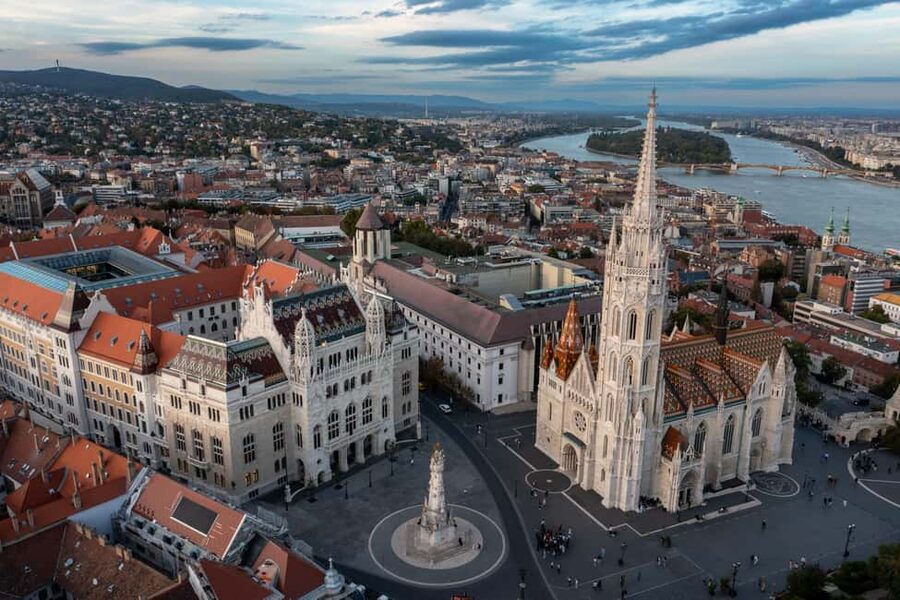
Reviewed · BUDAPEST
Budapest: Downtown gems of Pest
Budapest shows itself best on foot. This tour pairs big-photo landmarks like the Hungarian Parliament Building with real street-level storytelling as you move through Pest’s squares toward some of the best Danube views from the Buda-side. The only catch: it is still a walk, so if your stamina is low, you may find the stretches between stops tiring.
You’re scheduled for about 2 hours, with photo stops and guided moments that keep the pace friendly for most people. You’ll also get a look at the oldest underground train in the continent, plus classic bridges-and-boulevard views that make Budapest feel instantly cinematic.
In This Review
- Key moments to notice
- Meeting at Vértanúk tere: where the tour starts off calm
- Hungarian Parliament Building and Kossuth Square: the postcard that means something
- Szabadság Square and Liberty Square: monuments you can actually read
- St. Stephen’s Basilica: the stop that balances drama and faith
- Chain Bridge and the Pest-to-Buda storytelling link
- Vigadó Square: the river view stop that makes it feel worth it
- Learning about Budapest’s oldest underground while you’re in the zone
- Vörösmarty tér finish: the best place to keep exploring
- Price and value: why $11 can be a smart buy in central Budapest
- The walking pace: who it suits best
- Tour vibe and guide style: why people recommend Zsuzsanna
- Should you book this Budapest highlights walking tour?
- FAQ
- Where does the tour start?
- How long is the tour?
- What’s the main route like?
- What are the main highlights?
- What is included in the price?
- What is not included?
- Is the tour offered in English?
- Is it wheelchair accessible?
- Who should avoid this tour?
- Where does the tour end, and what’s nearby?
Key moments to notice
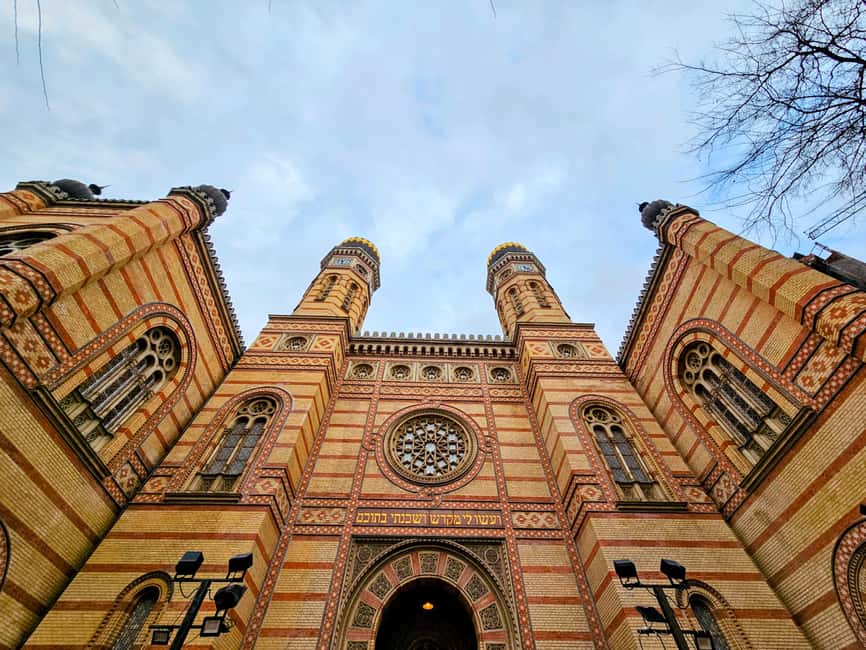
- Hungarian Parliament photo stop first: you get your bearings with one of the city’s most recognizable buildings right away
- Kossuth Square and Szabadság Square monuments: you learn what these places symbolize, not just where they are
- St. Stephen’s Basilica viewpoints and stories: art and culture explained in plain language
- Chain Bridge and the Danube Corso: a famous promenade that once belonged to Budapest’s nobility
- Vigadó Square for the river show: stop at a spot built for the best wide Danube perspectives
- Finish at Vörösmarty tér: easy onward movement with metro lines 1, 2, 3 and tram line 2
Still narrowing it down? A few more Budapest tours to weigh against this one.
- Budapest: City Highlights Sightseeing Cruise★ 4.6 · 43,981 reviews
- Budapest: Unlimited Prosecco, Beer and Aperol Spritz Cruise★ 4.8 · 37,304 reviews
- Budapest: Széchenyi Spa Day Ticket with Optional Upgrades★ 4.3 · 23,911 reviews
- Budapest: Nighttime or Daytime Sightseeing Cruise★ 4.2 · 21,062 reviews
Meeting at Vértanúk tere: where the tour starts off calm
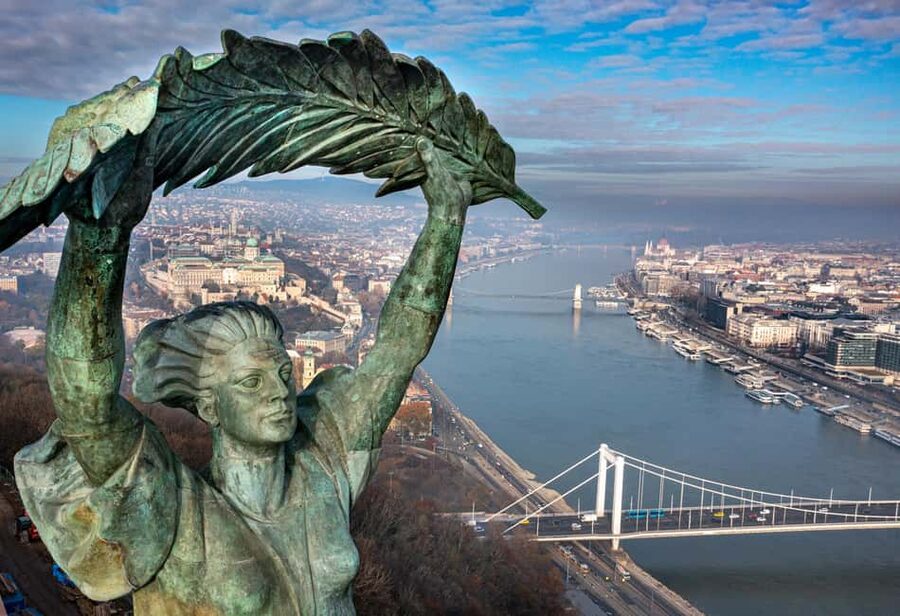
The tour begins at Vértanúk tere, a small square with a monument and benches. It’s a good starting point because you’re not dropped into chaos. You can gather your thoughts, take a quick breath, and get your camera ready before the first major stop.
If you’re arriving by public transport, aim to arrive a few minutes early. Budapest’s central streets are busy, and the group needs a clean meeting window. The good news: once you’re in motion, you’ll stay in the core areas where walking is realistic and sightseeing is efficient.
Hungarian Parliament Building and Kossuth Square: the postcard that means something
You’ll start with the Hungarian Parliament Building, which is the kind of place you can’t ignore once you see it up close. Expect a guided orientation plus a photo stop, with an emphasis on how Hungary’s national story shaped the city’s identity.
This is a smart first move for two reasons. First, it gives you a clear visual anchor. Second, the guide’s stories help you understand why the surrounding squares feel so formal and symbolic.
One practical consideration: Parliament exteriors are the focus here, since entrance fees and tickets aren’t included. That means you’re not stuck waiting for a timed entry. You get the context and the sights without getting pulled into ticket logistics.
Szabadság Square and Liberty Square: monuments you can actually read
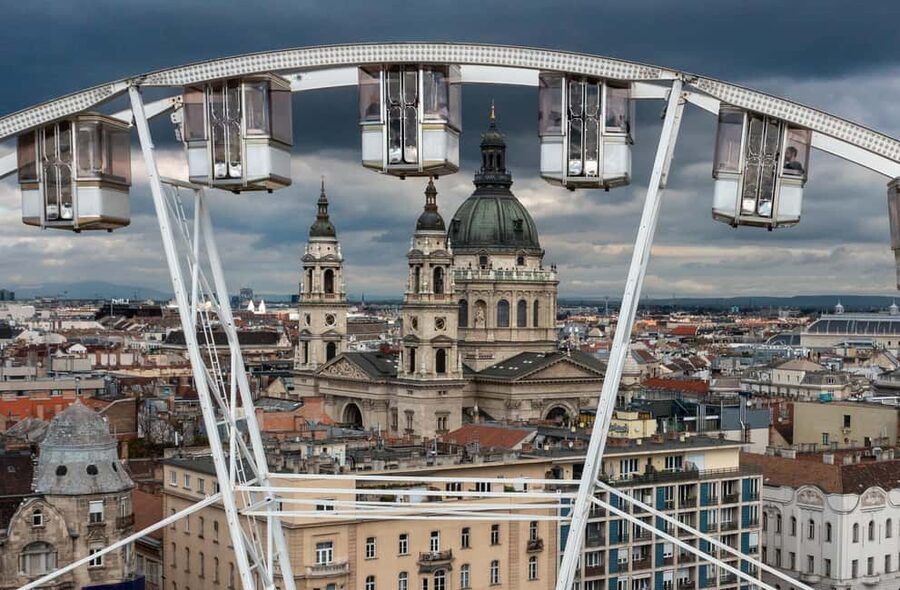
From there, the tour moves through the central squares, including Szabadság Square (also called Liberty Square in the tour description). This part is less about finding one single famous building and more about noticing how space, statues, and street layout work together.
Here’s the thing I like: you don’t just look at monuments like they’re random stone objects. You learn what they represent and why they were placed where they are. That turns a quick glance into something you can remember later, especially when you return to these places on your own.
Photo stops are short, but the guide’s commentary makes them worth it. You’ll come away with better “mental maps” of what you’re seeing, even if you only spend a minute or two at each spot.
St. Stephen’s Basilica: the stop that balances drama and faith
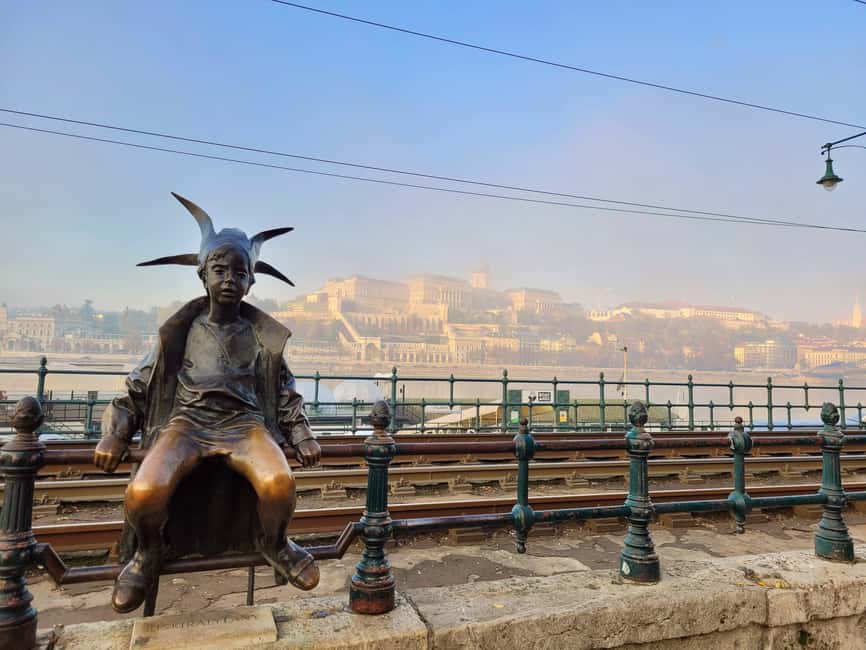
Next up is St. Stephen’s Basilica, with a mix of photo moments and guided time, plus a walking segment. The basilica is one of those buildings that works from multiple angles, and the tour keeps you moving just enough to see it in context.
Even if you aren’t paying for any interior access, you’ll still get a lot. The guided portion focuses on Hungarian culture and everyday life themes, so the basilica becomes part of the city’s living identity instead of just a photo backdrop.
If it’s cold or windy, this is a good place to slow your breathing. You’ll likely take a few pictures, then walk off the chill while the guide keeps the flow going. And if you’re worried about stamina, this stop is paced in a way that tends to feel manageable for most.
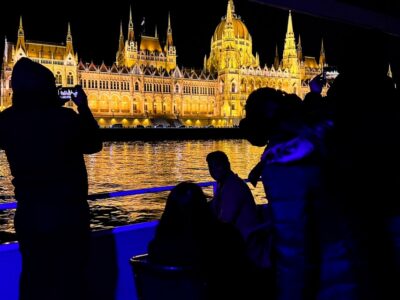


Chain Bridge and the Pest-to-Buda storytelling link
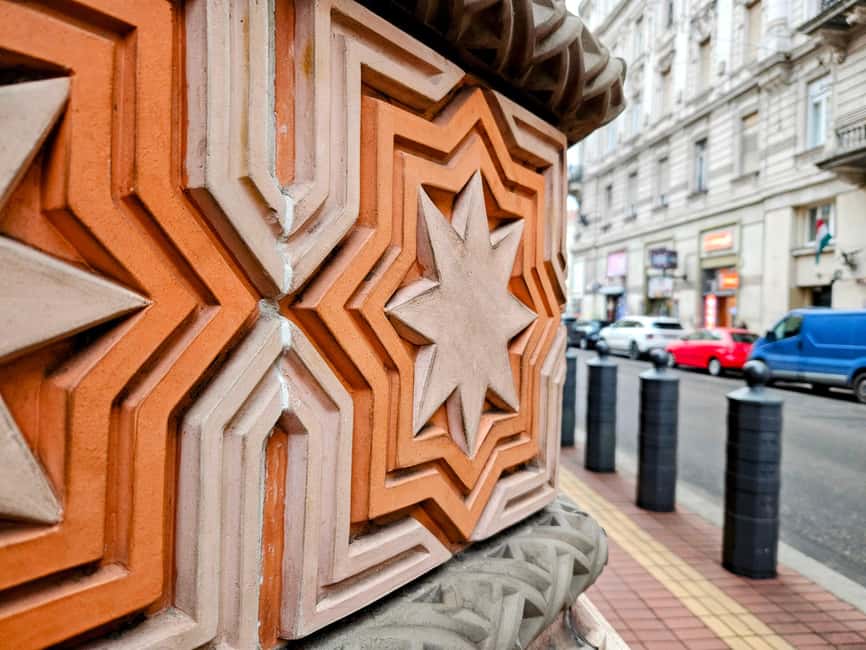
Then comes the Chain Bridge, the Budapest symbol you’ve seen in photos a hundred times. Here’s where the tour becomes especially useful: the guide connects the bridge to the city’s larger rhythm—how Pest and Buda relate to each other, and why this crossing matters.
After the bridge, you’ll walk along the Danube Corso, a scenic stretch that used to be a favorite walking area of Budapest’s nobility. That detail changes the feeling of the promenade immediately. Instead of thinking of it as just a pretty river path, you start picturing how the city used this space historically.
Photo stop time is brief, but you’ll be standing in the right places for the right angles. You also won’t feel like you’re sprinting through. It’s a guided stroll with clear beats.
Vigadó Square: the river view stop that makes it feel worth it
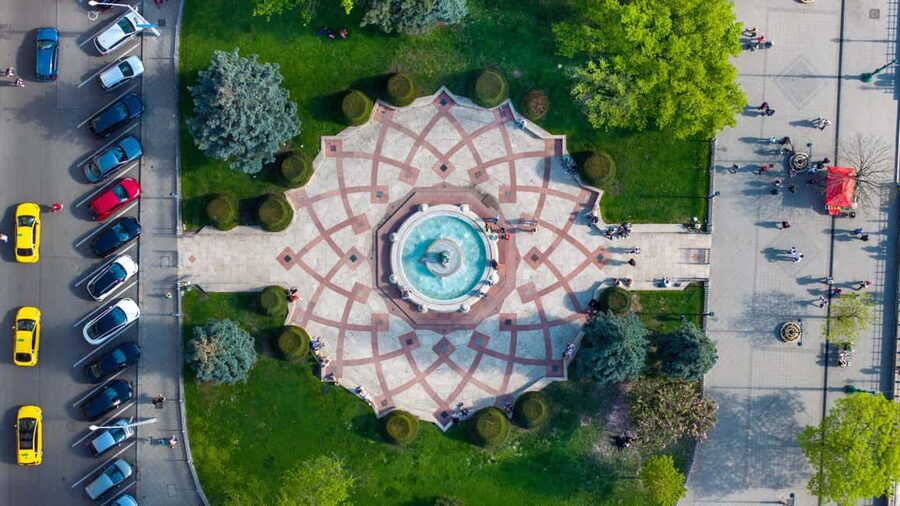
At Vigadó Square, the tour pauses so you can enjoy the Danube River views, including the best perspective on the Buda-side. This is one of the key reasons to pick a guided walk here. You could wander this area on your own, but you might not instinctively choose the viewpoints that give you those wide, postcard-clean sightlines.
This stop also works as a reset. You’ve had major buildings, squares, and bridge moments. Now you get open air and a horizon line that helps everything click.
If you want a practical tip: keep an eye on timing here. Even in winter, light changes fast along the river. A short pause now can make your photos look like you planned it.
Learning about Budapest’s oldest underground while you’re in the zone
One of the tour highlights is a look at the oldest underground train in the continent. This is the kind of detail that makes Budapest feel layered without turning the experience into a museum.
The value here is context. When a guide points out what you’re looking at and explains why it’s historically important, you start noticing the city’s infrastructure the way locals do. It’s not just architecture; it’s how people move through the city.
This also helps you understand Budapest beyond the obvious landmarks. The city has clever, early-engineering moments tucked into normal-looking streets. A walking tour is a great way to catch those.
Vörösmarty tér finish: the best place to keep exploring
The tour ends at Vörösmarty Square (Vörösmarty tér), a major hub for shopping, dining, and public transport. It’s also extremely practical: you’ll have metro lines 1, 2, and 3 and tram line 2 nearby, which makes it easy to extend your day without complicated planning.
From here, it’s a natural next step to walk along Váci utca, one of Budapest’s famous shopping streets. Even if shopping isn’t your thing, it’s a good corridor for absorbing the city’s energy on foot while staying close to transit.
In other words: the tour doesn’t just end. It hands you a sensible launching pad for the next chapter.
Price and value: why $11 can be a smart buy in central Budapest
At around $11 per person for a live guided walk lasting about 2 hours, this is priced like a “do the highlights well” tour. The real value is that you’re paying for interpretation: how to connect each stop to Hungarian culture, monuments, and the city’s layout.
Because entrance fees aren’t included, you’re not overpaying for access you might skip. You’re paying for time and storytelling, plus the planning that gets you from Parliament to basilica to bridge without wasted detours.
If you’re on a short stay, this kind of structure is money-saving. Budapest is full of impressive sights, but you can’t see them all deeply. This gives you enough guidance to understand what you’re seeing and enough walking to feel you actually toured, not just posed.
The walking pace: who it suits best
This experience is not suitable for people with low level of fitness, so be honest with yourself about stamina. You’ll have multiple segments of walking between major points, even though photo stops and guided time break things up.
If you’re generally comfortable walking for an hour or so in public spaces, you’ll likely be fine. If you need lots of long breaks, consider a lighter alternative or ask whether your guide can adjust pacing before you commit.
The upside: because it’s focused on the central core, you’re not dealing with long transfers. Everything stays clustered around the major Pest sights.
Tour vibe and guide style: why people recommend Zsuzsanna
A standout theme from recent guide experiences is engagement and clarity. The English-speaking guides, including Zsuzsanna Berta, are praised for keeping people interested and involved rather than rattling off facts.
That matters because Budapest landmarks can be overwhelming. A good guide makes the city feel readable—like you’re learning the “why” behind what you see. You also get a practical rhythm: walking time, photo moments, then stories that give meaning to the next street corner.
Should you book this Budapest highlights walking tour?
Book it if you want a straightforward Pest-focused highlights route that helps you understand what you’re looking at, fast. It’s especially good for first-timers who want Parliament, St. Stephen’s Basilica, Chain Bridge, and Danube viewpoints without turning the day into a ticket-and-cue scramble.
Skip it (or choose something less walk-heavy) if long walking stretches are a problem for you. Also, if you’re only interested in interior visits and paid attractions, note that entrance fees and tickets aren’t included here, so you’ll mostly get guided sightseeing rather than ticketed entry.
If you do book: wear shoes you can trust on uneven pavement, bring a layer for river wind, and use the viewpoints—especially at Vigadó Square—to slow down. This is the kind of tour where the best photos happen when you actually stop and look.
FAQ
Where does the tour start?
It starts at Vértanúk tere, a small square with a monument and benches.
How long is the tour?
The duration is 2 hours.
What’s the main route like?
You’ll see the Hungarian Parliament Building, then pass through central squares like Kossuth Square and Liberty Square, visit St. Stephen’s Basilica, continue to Chain Bridge, walk along the Danube Corso with a stop at Vigadó Square, and finish at Vörösmarty tér.
What are the main highlights?
Key highlights include St. Stephen’s Basilica, the Hungarian Parliament, Liberty Square, the Danube promenade with views from the Buda-side, and the oldest underground train in the continent.
What is included in the price?
The tour includes a live guided tour.
What is not included?
Entrance fees, public transport tickets, meals, and coffee are not included.
Is the tour offered in English?
Yes, the live guide speaks English.
Is it wheelchair accessible?
Yes, the tour is wheelchair accessible.
Who should avoid this tour?
It is listed as not suitable for people with low level of fitness.
Where does the tour end, and what’s nearby?
It ends at Vörösmarty tér, a major hub with access to metro lines 1, 2, 3 and tram line 2. From there, you can continue on foot along Váci utca.
More Tour Reviews in Budapest






Just Added: More Budapest Reviews
- Sightseeing flight over Budapest
★ 5.0 · 3 reviews - Budapest: Walking Tour with Chimney Cake & Polaroid Photos
★ 5.0 · 3 reviews - Self Guided Tour In Budapest With 100 Captivating Audio Stories
★ 5.0 · 3 reviews - Budapest Art Nouveau Walking Tour
★ 5.0 · 3 reviews - Hungary today: a no-taboo conversation
★ 5.0 · 3 reviews