
Reviewed · ATTRACTION TICKETS & CITY CARD
Budapest: Aeropark Admission Ticket
A walk among real planes can feel like time travel. At Budapest’s Aeropark admission, you get the open-air airplane museum plus the cockpit experience, all focused on 60 years of Hungarian aviation. I like that it’s hands-on and readable for non-experts, even when aviation tech isn’t your hobby.
The big upside is how physical it all is: you’re not just looking at displays; you’re stepping into the aircraft and imagining what flight was like when flying could be pure luxury. The one thing to factor in: the flight simulator is only running on weekends, and it costs an extra €2, so don’t plan on it being part of your standard ticket.
In This Review
- Key Highlights You’ll Actually Care About
- Budapest Aeropark: Real Planes, Real Feeling Time
- Where You Go: Vecsés Repülőmúzeum and How to Get There
- The 1.5-Hour Visit Flow (and Why It Works)
- The Planes You’ll See: Communist-Era Giants and Malév’s Legacy
- Open-Air Aeropark Walking: The Best Way to Appreciate Size
- Cockpit Time: Sitting Where Pilots Sit
- The Guided Tour With a Pilot: Stories That Add Context
- Flight Simulator Reality Check (Weekend Only)
- Price and Value: Is $9 Worth 1.5 Hours?
- Who Should Book This Aeropark Ticket
- A Few Practical Tips Before You Go
- Should You Book It?
- FAQ
- Where is the meeting point for Budapest Aeropark?
- How long does the experience last?
- What is included in the admission ticket?
- Is the flight simulator included?
- Can I join a guided tour with a pilot?
- Is the museum wheelchair accessible?
- How do I get there by public transport from Budapest Airport?
- What if I need to cancel?
- Can I reserve now and pay later?
Key Highlights You’ll Actually Care About
- Open-air Aeropark layout: easy to explore on foot with aircraft you can get close to
- Malév and communist-era aircraft focus: including Tupolevs tied to the former national air fleet
- Cockpit access: climb the stairs and sit where pilots would sit
- Science-and-technology angle: more than model planes and posters
- Optional pilot-guided tour: you’ll hear practical anecdotes from an experienced pilot
- Simulator only on Sat and Sun: great if you visit at the right time, not included in the base ticket
One card gets you through more of the doors
- Budapest: Széchenyi Spa Day Ticket with Optional Upgrades★ 4.3 · 23,911 reviews
- Budapest: Parliament Building Entry Ticket and Audio Guide★ 4.5 · 3,844 reviews
- Budapest: Cinema Mystica Entry Ticket★ 4.3 · 3,103 reviews
- Budapest: Cat Museum Budapest Entry Ticket★ 4.4 · 2,210 reviews
Budapest Aeropark: Real Planes, Real Feeling Time
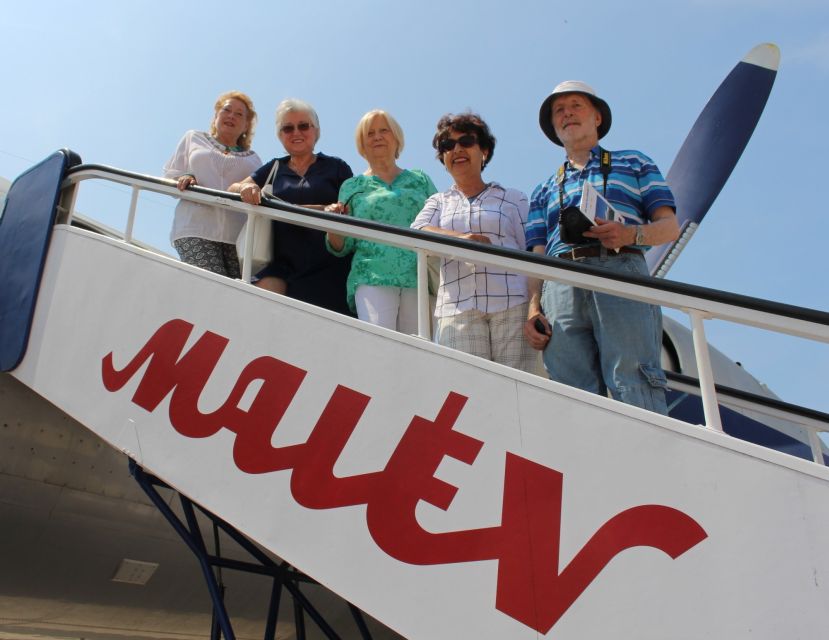
This isn’t a glossy museum that keeps you behind rope. The point here is proximity. You’re in an actual outdoor air-fleet setting in Vecsés, and that changes everything: you notice scale fast, and you feel the “old airport” vibe in your bones.
I especially like the way the story is organized around Hungarian aviation over the last 60 years. You’re shown how technology and flight challenges evolved, and it’s tied to planes you can see up close. That makes the information more believable than a slideshow could ever be.
One more practical win: it fits well into a short layover day. The listed duration is about 1.5 hours, so you can do it without needing a half-day commitment or a complex plan.
Where You Go: Vecsés Repülőmúzeum and How to Get There
Your meeting point is Vecsés, Repülőmúzeum (2220 Hungary). There’s no hotel pickup or drop-off listed, so plan to get yourself there.
If you’re coming by public transportation, take bus 200E all the way to Budapest Airport Terminal 2B. Stay on the bus and get off at the first stop after the terminus, where the stop name is Repülőmúzeum. It’s simple, but it’s easy to miss if you’re hopping on and off too early.
Also note: the admission ticket is your main cost, and the tour timing matters because it runs on check-availability start times. Build your schedule so you arrive a little early, not at the last minute.
The 1.5-Hour Visit Flow (and Why It Works)
A good aviation museum can wander. This one is designed to move at a traveler-friendly pace. In about 1.5 hours, you’ll walk through the open-air area, take in the exhibit themes, and get time at the aircraft themselves.
Here’s the order you’ll likely experience in practice:
1) Arrive and orient yourself inside the museum area
2) Walk the open-air Aeropark and look at the aircraft and displays
3) Spend time on the bigger planes and their historical context
4) Climb into the cockpit for the hands-on highlight
5) Optional: if you choose it, add the guided tour with a pilot option and let the stories run in parallel
The value in that structure is attention. You don’t end up “plane tired” halfway through while trying to force yourself to read everything. You get repeated anchor points: walk, look, then interact.
The Planes You’ll See: Communist-Era Giants and Malév’s Legacy
This is where the Aeropark earns its reputation. The museum highlights some of the largest airplanes of the communist era, and seeing these machines outside does not feel like browsing. It feels like standing next to industrial history.
The focus also includes Malév, Hungary’s former national air fleet. You’ll specifically see aircraft tied to Malév, including Tupolevs—and the info notes that some of these types still fly today. That matters, because it connects “old aviation” to the idea that design and engineering choices can last decades.
What to pay attention to as you walk:
- The sheer scale, especially the size differences between aircraft parked for display
- How the museum links aircraft types to the broader story of Hungarian aviation
- The way the exhibits frame aviation as both technology and human challenge
Even if you don’t know model names, you’ll still get value from the visual comparison and the timeline approach.
Worth setting beside this one before you book:
Open-Air Aeropark Walking: The Best Way to Appreciate Size
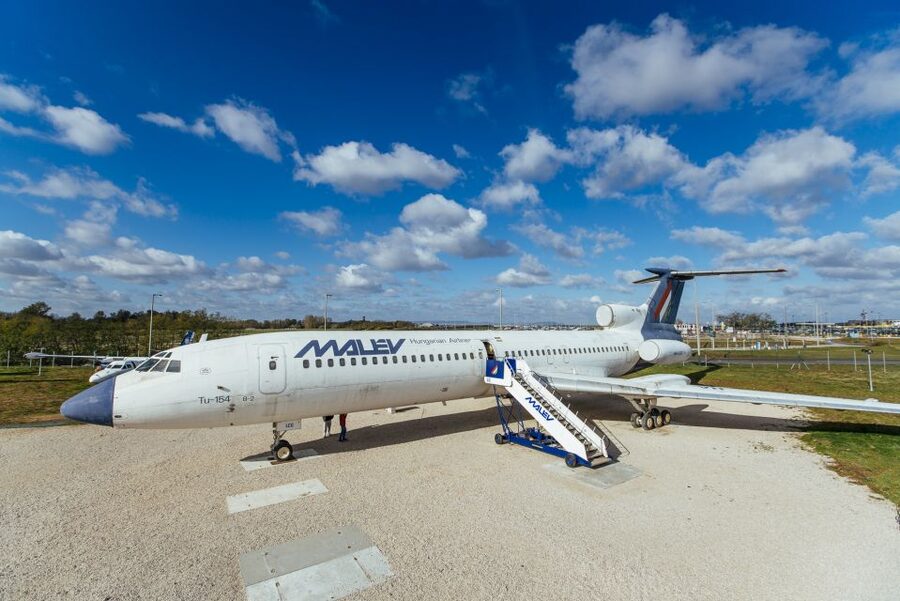
Outdoor museums can be hit-or-miss, depending on weather and layout. Here, the open air Aeropark concept is actually the point. You get a better sense of distance, height, and how awkwardly large aircraft look when you’re not on an aircraft deck looking down at them.
I like that the experience is built for wandering without getting lost. You’re not stuck inside a single hall with one “correct route.” Instead, you can take a slow lap, pause where something catches your eye, then circle back to aircraft you want to get closer to.
If it’s hot or chilly, dress for comfort. You’re outside, and your walking time is real. It’s not a long trek, but it’s not an indoor museum you can duck into and out of for most of the visit.
Cockpit Time: Sitting Where Pilots Sit
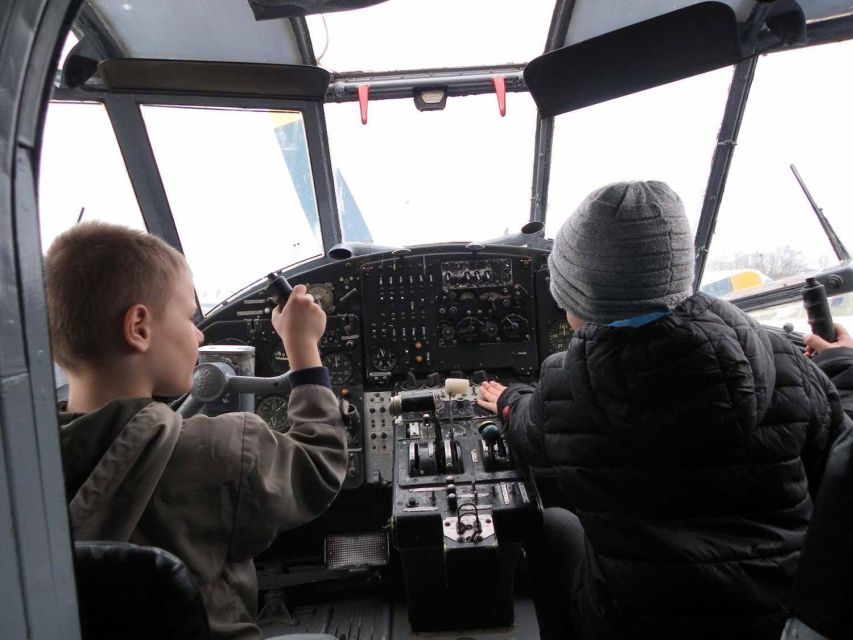
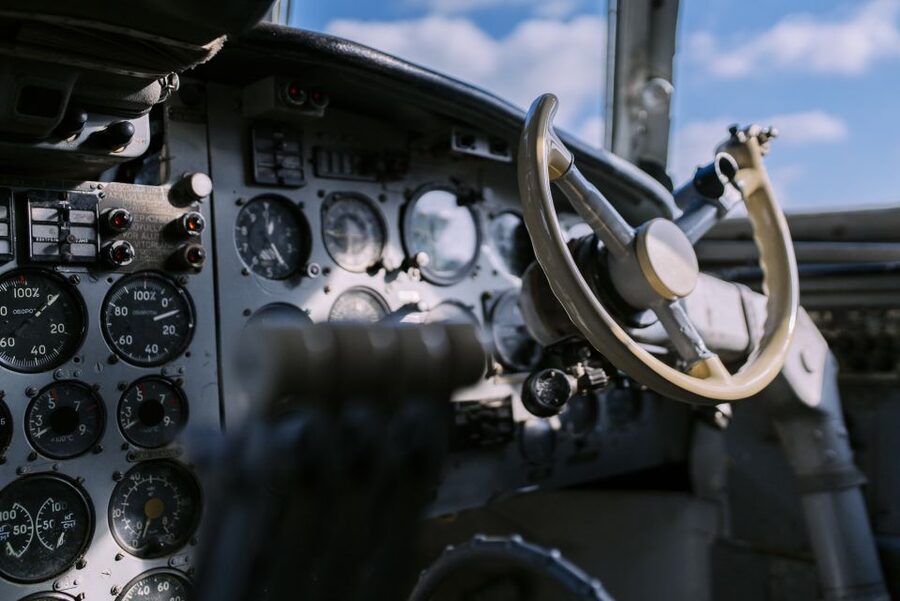
The biggest fun factor is simple: you can climb into the cockpit. Even if your “aviation knowledge” is zero, that one moment re-maps the entire museum for you.
The experience is described as feeling what it’s like to be a pilot, including the idea of flying across an imaginary globe. Whether you approach that part as playful or thoughtful, it’s the kind of activity that makes the visit stick. When you sit in the cockpit space, suddenly the exhibits aren’t abstract.
Here’s how I suggest you make it count:
- Take a minute to look around before you start touching anything
- Notice how cramped or structured cockpit spaces feel compared with the idea of flying
- Let the cockpit moment act like a “review station” for everything you just learned
If you’re the type who likes practical experiences over passive viewing, this is likely your highlight.
The Guided Tour With a Pilot: Stories That Add Context
There’s an optional choice: guided tour with a pilot. If you pick this, you explore the museum with a pilot who has flown planes on display. You also hear anecdotes from an experienced pilot from days in the air.
Why this is valuable: pilots naturally explain flying in plain language. Instead of focusing only on facts, they connect aircraft and design to real-world conditions and decisions. That’s the difference between reading about aviation and actually understanding how it feels to operate.
If you love details, you’ll probably enjoy it. If you’re short on time, it can still work because the pilot’s perspective tends to highlight what matters most rather than listing every single component.
Flight Simulator Reality Check (Weekend Only)
The flight simulator is not part of the base ticket. It’s only in service during Saturday and Sunday, and there’s an additional charge of €2.
So plan like this:
- If you’re visiting on a weekday, assume you won’t get simulator time
- If you’re going on a weekend, decide in the moment if it’s worth the extra €2 for your interests
The simulator detail is the key “decision point” here. If you’re coming specifically for simulator time, your visit date matters as much as your booking.
Price and Value: Is $9 Worth 1.5 Hours?
At around $9 per person for about 1.5 hours, this is one of those trips that can be very good value if it fits your interests. You’re paying for access to an outdoor aircraft museum, cockpit time, and the educational framing of Hungarian aviation history.
What helps justify the price:
- You’re not just looking at aircraft behind glass; you’re in and around them
- The aircraft selection includes recognizable historical categories tied to Malév and communist-era aviation
- The cockpit moment is included in the main experience
- The optional pilot-guided tour can add extra meaning if you like real-world stories
What might make it feel less worth it:
- If you mainly care about simulator technology, remember it’s weekends only and costs extra
- If you’re expecting a large indoor museum with long galleries, the outdoor setup may feel shorter and more “direct”
In plain terms: if you want a compact, hands-on aviation stop near Budapest Airport, this price makes sense.
Who Should Book This Aeropark Ticket
You’ll probably enjoy this if you:
- Like aviation, engineering, or industrial history
- Want a practical half-day-style stop without overplanning
- Travel with kids and want a place where the experience is physical and fun
- Prefer museums where you can move, look closely, and sit in the cockpit
It’s also a good choice if you’re visiting Budapest and want something that feels different from the usual city sights. This is aircraft-focused, not landmark-focused.
A Few Practical Tips Before You Go
- Wear shoes you can walk in comfortably. It’s outdoors and you’ll spend time moving between aircraft.
- Keep your expectations realistic about timing. 1.5 hours goes faster than you think once you start climbing and exploring.
- If you care about the simulator, aim for Saturday or Sunday so you’re not disappointed.
And one small mindset tip: treat the cockpit moment like your “main course,” then let the aircraft and exhibits become supporting acts that explain what you just experienced.
Should You Book It?
I’d book the Aeropark ticket if you want an affordable, hands-on aviation experience near Budapest Airport. For the price, the combination of open-air aircraft, cockpit access, and the focus on Hungarian aviation history is exactly the kind of value that feels fair.
If you’re traveling on a weekday and you were hoping for the simulator, save that expectation. But if you want real aircraft time and simple, memorable learning, this is an easy yes.
FAQ
Where is the meeting point for Budapest Aeropark?
The meeting point is Vecsés, Repülőmúzeum, 2220 Hungary.
How long does the experience last?
The duration is about 1.5 hours.
What is included in the admission ticket?
The admission ticket includes entry to the Aeropark experience. The simulator is not included.
Is the flight simulator included?
No. The flight simulator is only in service on Saturday and Sunday, and it costs an additional €2.
Can I join a guided tour with a pilot?
Yes. There is an option for a guided tour with a pilot, where you explore the museum with a pilot who has flown planes on display and hear anecdotes.
Is the museum wheelchair accessible?
Yes, it is listed as wheelchair accessible.
How do I get there by public transport from Budapest Airport?
Take bus 200E to Budapest Airport Terminal 2B, stay on the bus, and get off at the first stop after the terminus called Repülőmúzeum.
What if I need to cancel?
Free cancellation is available up to 24 hours in advance for a full refund.
Can I reserve now and pay later?
Yes. There’s a reserve now & pay later option, so you can book your spot without paying immediately.
More Tickets in Budapest





More Tour Reviews in Budapest





One Card, Every Door


Just Added: More Budapest Reviews
- Sightseeing flight over Budapest
★ 5.0 · 3 reviews - Budapest: Walking Tour with Chimney Cake & Polaroid Photos
★ 5.0 · 3 reviews - Self Guided Tour In Budapest With 100 Captivating Audio Stories
★ 5.0 · 3 reviews - Budapest Art Nouveau Walking Tour
★ 5.0 · 3 reviews - Hungary today: a no-taboo conversation
★ 5.0 · 3 reviews
Attraction Tickets & City Card, compared.
 ★ 4.3Széchenyi Spa Day Ticket with Optional UpgradesFrom $5123,911 reviews
 ★ 4.5Parliament Building Entry Ticket and Audio GuideFrom $453,844 reviews
 ★ 4.3Cinema Mystica Entry TicketFrom $213,103 reviews
 ★ 4.4Cat Museum Budapest Entry TicketFrom $142,210 reviews
 ★ 4.0Budapest Card: Public Transport, 30+ Top Attractions & ToursFrom $541,693 reviews
 ★ 3.9Light Art Museum Skip-the-Line Entry TicketFrom $211,531 reviews
 ★ 4.7Ruin Bar Pub Crawl with Entry TicketsFrom $111,028 reviews
 ★ 4.0Ikono Budapest Entry TicketFrom $18924 reviews
Browse the lists this tour appears in