
Reviewed · PRIVATE CITY TOURS
Art Nouveau Tour in Budapest: 3-Hour Private Tour
Budapest wears Art Nouveau like a second skin. This 3-hour private tour lets you read the city’s late-1800s Art Nouveau facade language through the lens of Secession.
I especially love two things: first, how your guide explains why buildings look so decorated and how that ties into Budapest’s built form, including why there are no skyscrapers. Second, you get real interaction, with time for individual questions and a guide who can connect architecture to Hungarian and Budapest culture. One heads-up: it is not suitable for people with mobility impairments, since this is a paced, on-your-feet city walk.
Key points at a glance
- Secession explained (szecesszió): you’ll learn why this style carries that name in Hungary
- Folk motifs in stone and plaster: see how Hungarian identity shows up in Art Nouveau design
- Symbol-reading for facades: beehives and other public-building details become understandable, not random
- Why Budapest stayed low-rise: the tour connects street-level architecture to the city’s skyline choices
- A private guide with flexibility: you can ask questions and shape the pace to your interests
- Smart extras: notebooks, pens, and printed material help you remember what you saw
In This Review
- Pest’s Art Nouveau Story Starts with Secession Thinking
- What the 3-Hour Private Format Does for You (and for Your Feet)
- Your Guide’s Spotlight: Reading Facades Instead of Just Admiring Them
- Hidden Treasures Usually Aren’t Hidden, Just Missed
- The Secession Look: Folk Motifs and Budapest Identity
- Beehives and Symbol-Spotting on Public Buildings
- Why Budapest Has No Skyscraper Habit (According to This Tour’s Story)
- Timing, Pace, and Logistics: What You Should Plan Around
- Included Extras That Actually Help You Remember
- Who This Tour Is Best For (and Who Might Skip It)
- Should You Book This Art Nouveau Tour in Budapest?
- FAQ
- FAQ
- How long is the Art Nouveau tour in Budapest?
- How much does the tour cost?
- Is this tour private?
- What language is the guide available in?
- Is pickup included?
- What is included in the tour price?
- Is food or drink included?
- Is transportation included?
- What should I bring and wear?
- Is the tour suitable for people with mobility impairments?
- What’s the cancellation policy?
Pest’s Art Nouveau Story Starts with Secession Thinking
Budapest’s Art Nouveau isn’t just pretty. It’s a way of pushing back against older design habits while still sounding distinctly local. This tour focuses on that idea by framing the late-1890s into early-1900s heyday of Pest, when the city’s wealth and ambition showed up in faces you can actually walk up to.
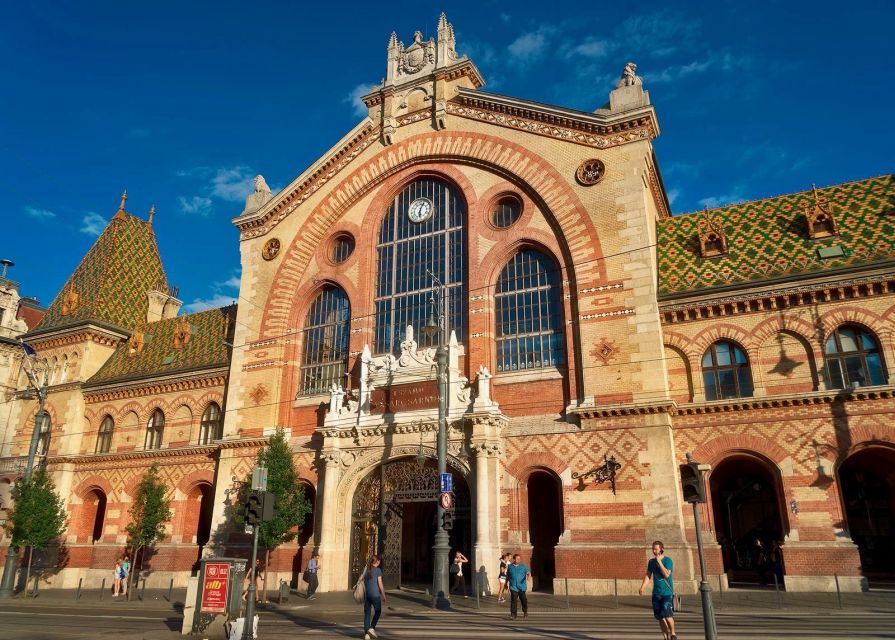
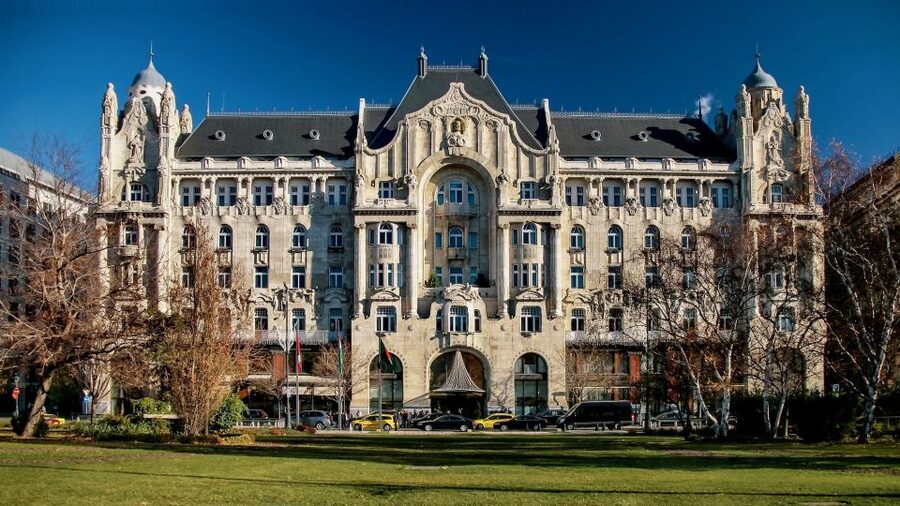
What you’ll notice quickly is how much the style depends on meaning, not just decoration. Your guide points out why the facades of many late 19th-century buildings are so busy—full of curves, patterns, and story-like ornamentation that looks almost theatrical when you see it at street level. And then the guide ties that look to why Art Nouveau was so important in Budapest in the first place.
A key thread is the Hungarian name: Art Nouveau is called Secession in English, and szecesszió in Hungarian. Once you understand that word, the buildings make more sense. They feel like they’re breaking away, trying something new, and insisting on a different artistic identity than the one that came before.
Your own guide and your own timing in Budapest
- Private Budapest TukTuk Tour: Custom Route, Hotel Pickup★ 5.0 · 1,307 reviews
- Budapest Essentials Private Tour Highlights and Hidden Gems★ 5.0 · 861 reviews
- Budapest Private Luxury Sightseeing Tour with Guide and Transport★ 5.0 · 442 reviews
- Private Budapest City tour with Classic Russian Jeep or G-Wagon!★ 5.0 · 386 reviews
What the 3-Hour Private Format Does for You (and for Your Feet)
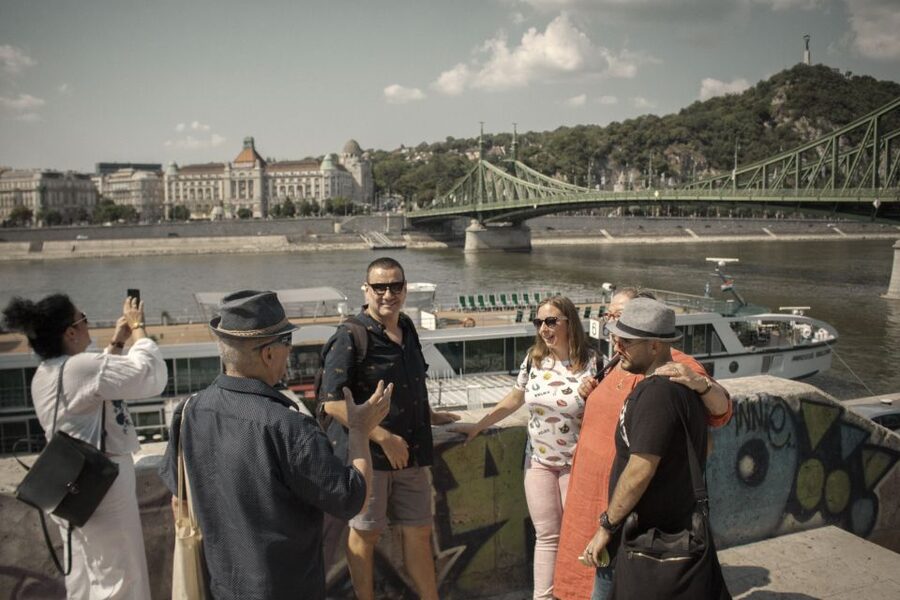
A 3-hour private tour is the sweet spot if you want focus without feeling rushed. You meet your guide at your accommodation in Budapest, then you move together to the first stop and keep going on foot from there. Because it’s private, you’re not stuck listening to someone else’s pace or interests.
I like this format for two reasons. First, you can ask specific questions as they come up, instead of trying to remember them until the end. Guides on architecture tours can easily get stuck in a lecture mode, but here the best moments are the back-and-forth ones—exactly the kind of Q&A that people describe as a highlight. Second, you get just enough time to build pattern recognition. After the tour, you’ll start seeing Art Nouveau details faster on your own, even when you’re not on the schedule.
The drawback is simple: it’s a compact walking experience. The activity is not suitable for people with mobility impairments, so if mobility is a factor, you should look for a different format that matches your needs.
Also plan on being comfortable. Bring comfortable shoes and comfortable clothes, because the best architecture viewing happens when you can stand close and keep moving.
Your Guide’s Spotlight: Reading Facades Instead of Just Admiring Them
This tour works because it teaches you how to look. You’re not just told that buildings are Art Nouveau. You’re coached to notice specific design choices and then learn what those choices were trying to communicate at the time.
In the early part of the walk, the guide sets the stage with Budapest’s historic decades—how Pest’s late-1890s and early-20th-century growth created demand for buildings that looked modern, stylish, and proud. That context matters. Without it, you might see ornament and move on. With it, the ornament feels like a sign of ambition and identity.
Then the guide starts pointing out why facades are so decorative. Instead of treating it as an aesthetic quirk, you learn the logic behind the design: Art Nouveau aimed to revolutionize architecture by making the exterior feel alive, cohesive, and expressive. You’ll also hear stories about the architects behind the buildings, including the kinds of choices they made and how those choices showed up across the streetscape.
If you’re the type who likes to take notes, the included notebooks and pens are genuinely useful. You can jot down what you want to look for later—motifs, symbols, recurring materials, and any architect names your guide mentions—so the tour sticks beyond the final photo.
Hidden Treasures Usually Aren’t Hidden, Just Missed
This tour promises hidden treasures, and the best part is the definition. You’re not being led to a secret door or a one-time-only spectacle. You’re guided to quiet details—corners of streets, overlooked facade sections, and design elements you’d likely miss if you walked past at regular city speed.
Because it’s private, your guide can slow down when something catches your eye and speed up when you’re ready to move. That flexibility is a real value in a 3-hour window. People describe the guides as friendly and responsive, including the ability to answer questions about both architecture and everyday life in Hungary—so the route becomes more personal than a fixed script.
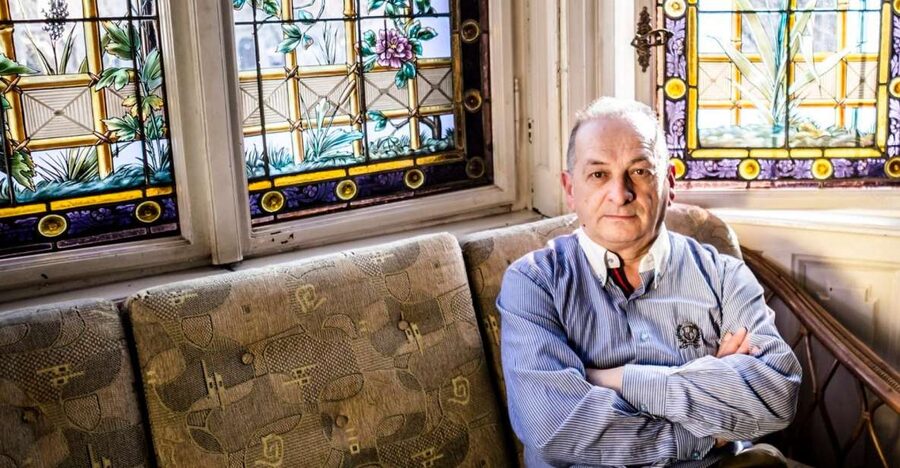
A standout from guide experiences shared by past visitors is Miklos, described as pleasant, very knowledgeable, and a natural teacher. You’ll likely get that same feel: explanation that feels patient, plus the sense that the guide genuinely enjoys showing you what most visitors miss.
The Secession Look: Folk Motifs and Budapest Identity
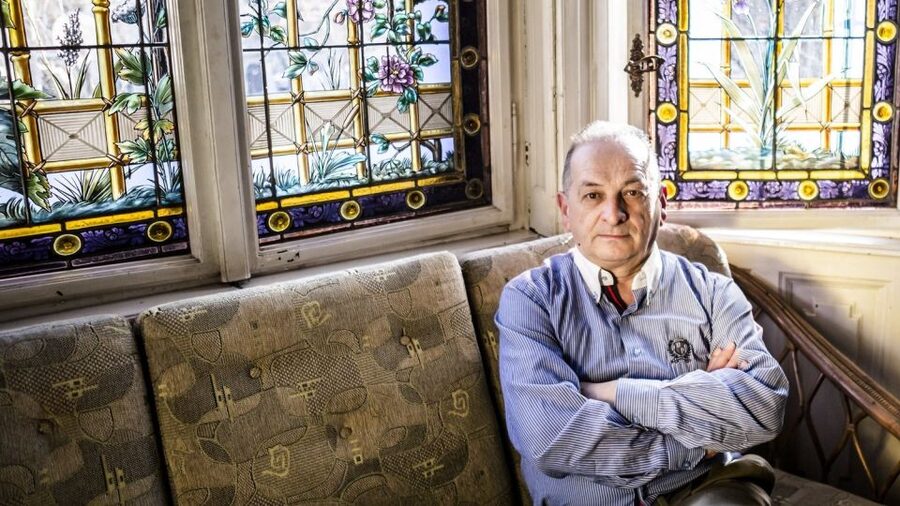
One reason Budapest’s Art Nouveau stands out is how much it incorporates Hungarian folk motifs. This tour specifically addresses that point, so the buildings stop being generic-looking examples of a European trend and start feeling like local storytelling.
You’ll learn how folk motifs were built into Art Nouveau designs. The value here is practical: once you know what to look for, you can spot identity markers quickly. Instead of staring at the facade hoping it becomes interesting, you’ll have a checklist in your head—types of patterns, decorative themes, and the overall design approach.
The guide also explains how Art Nouveau revolutionized architecture and what made the style so important in Budapest during that era. It’s not just about ornament. It’s about a different relationship between buildings and the people who live alongside them. The city becomes a kind of open-air gallery, but one with cultural roots.
More just-your-group days in Budapest
Beehives and Symbol-Spotting on Public Buildings
Art Nouveau loves symbolism, and Budapest’s public buildings bring that habit into a form you can actually interpret. During the walk, your guide covers beehives and what they symbolize on Budapest’s public buildings.
Even if you don’t know the details beforehand, the tour helps you treat symbolism as part of the design language. You’ll start noticing that ornament isn’t random. It’s meant to communicate values—often tied to ideas of community, work, and identity—even when the meaning isn’t obvious at first glance.
This symbol-spotting skill is one of the best takeaways. It turns your city walk into active seeing. After a while, you’re not only taking photos; you’re connecting what you see to the story you were taught. That’s the difference between a “cool buildings” walk and an architecture education.
Why Budapest Has No Skyscraper Habit (According to This Tour’s Story)
A fun, useful detail you’ll hear is how to understand why there are no skyscrapers in Budapest. The tour doesn’t treat that as a trivia question. It uses it as a clue to explain the city’s architectural and urban choices.
In other words, you’ll connect the skyline to the style and timing. Budapest’s turn-of-the-century growth didn’t translate into the kind of height game you see elsewhere. Your guide explains the reasoning behind that pattern, using the architecture you’re standing in front of as proof.
This is practical for you because it changes how you plan future wandering. Once you grasp the city’s architectural logic, you’re better at reading neighborhoods on the fly. You’ll know what to expect before you turn a corner, and that makes self-guided exploring easier afterward.
Timing, Pace, and Logistics: What You Should Plan Around
This activity lasts 3 hours. Starting times depend on availability, so you’ll want to check scheduling when you book. Because pickup is included, your guide meets you at your accommodation in Budapest. From there, you head to the first stop together.
That pickup detail matters for value. If you’re on a short trip, losing time figuring out meeting points is annoying. Here, the plan is simpler: your guide comes to you.
The tradeoff is the one negative note that shows up in feedback: one person reported a pickup mix-up and difficulty reaching the provider by phone. In a high-priced activity, you should treat that as a reminder to confirm your pickup instructions ahead of time and double-check the exact location your guide expects to find you.
Food and drink are not included. You’re only planning for architecture viewing and explanation, so if you’re hungry, grab a snack before you start or plan a meal after.
Transportation is not included. That’s fine for a city walk, but it does mean you should have your own method for reaching your accommodation and being there on time for pickup.
Included Extras That Actually Help You Remember
It’s easy for tour extras to feel like filler. Here, the included items—notebooks, pens, and printed material—support something concrete: note-taking and quick review.
Architecture can blur together fast when you’re looking at multiple facades in one afternoon. The notebook and printed info help you keep track of what you saw and the meanings your guide gave it: Secession ideas, folk motifs, beehive symbolism, and the architects behind the designs. If you like to revisit details later in your room, these are the kinds of extras that make that possible.
Who This Tour Is Best For (and Who Might Skip It)
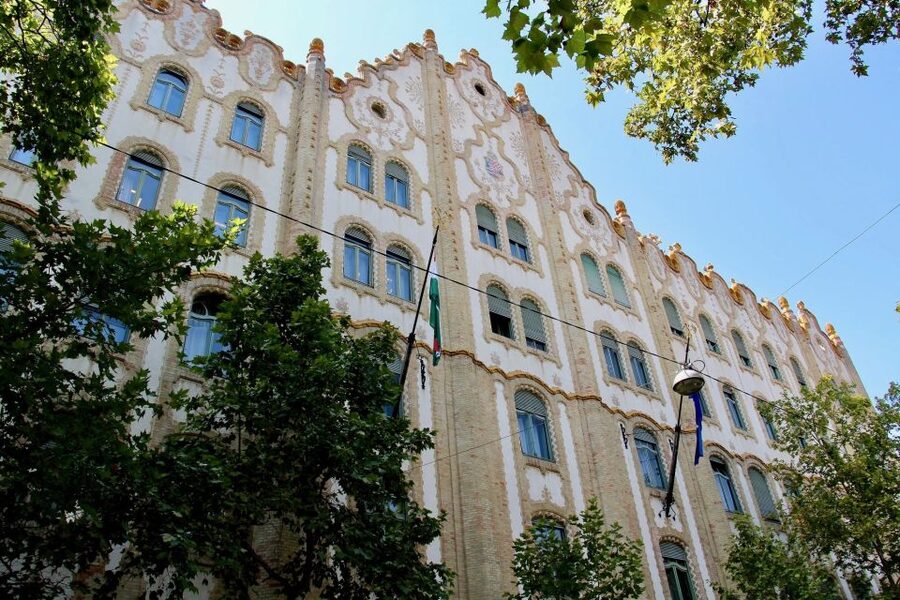
This Art Nouveau private tour is a strong fit if you want:
- Architecture plus history, with an emphasis on how culture shows up in buildings
- A guide who can answer personal questions as you walk
- A focused 3-hour introduction to Pest’s late-19th and early-20th-century style
It also works well if you’re traveling with someone who doesn’t want a museum day but still wants something meaningful. Instead of sitting in one place, you learn while moving through the city.
Skip it if you need a mobility-friendly format. The tour is listed as not suitable for people with mobility impairments, and the walking style is part of what makes it work.
Should You Book This Art Nouveau Tour in Budapest?
I’d book it if you want a Budapest architecture experience that feels guided, practical, and story-driven—not just a photo walk. At $127 per person for 3 hours, it’s not the cheapest option, so justify it with what you’re getting: a private guide, pickup from your accommodation, and lesson-like explanations focused on why the city’s Art Nouveau looks the way it does.
The pricing makes more sense if you care about learning. You’re paying for interpretation: Secession (szecesszió), folk motifs, beehive symbolism, architect stories, and the skyline question about why Budapest doesn’t go skyscraper-high. The private format and the ability to ask individual questions are the real multiplier.
If you do book, do two things that protect your trip: confirm your pickup details in advance, and wear shoes you can stand in without thinking about it.
FAQ
FAQ
How long is the Art Nouveau tour in Budapest?
It lasts 3 hours.
How much does the tour cost?
The price is $127 per person.
Is this tour private?
Yes, it’s a private group tour.
What language is the guide available in?
The live tour guide is available in English, German, and Albanian.
Is pickup included?
Yes. The guide meets you at your accommodation in Budapest, then you travel to the first stop together.
What is included in the tour price?
Notebooks, pens, and printed material are included.
Is food or drink included?
No, food and drink are not included.
Is transportation included?
No, transportation is not included.
What should I bring and wear?
Bring comfortable shoes and comfortable clothes.
Is the tour suitable for people with mobility impairments?
No, it’s not suitable for people with mobility impairments.
What’s the cancellation policy?
There is free cancellation: you can cancel up to 24 hours in advance for a full refund.
More Tours in Budapest






More Tour Reviews in Budapest






Private Budapest, Your Pace






Just Added: More Budapest Reviews
- Sightseeing flight over Budapest
★ 5.0 · 3 reviews - Budapest: Walking Tour with Chimney Cake & Polaroid Photos
★ 5.0 · 3 reviews - Self Guided Tour In Budapest With 100 Captivating Audio Stories
★ 5.0 · 3 reviews - Budapest Art Nouveau Walking Tour
★ 5.0 · 3 reviews - Hungary today: a no-taboo conversation
★ 5.0 · 3 reviews
Private City Tours, compared.
 ★ 5.0Private Budapest TukTuk Tour: Custom Route, Hotel PickupFrom $991,307 reviews
 ★ 5.0Budapest Essentials Private Tour Highlights and Hidden GemsFrom $116861 reviews
 ★ 5.0Budapest Private Luxury Sightseeing Tour with Guide and TransportFrom $483442 reviews
 ★ 5.0Budapest Private Full Day City Sightseeing Tour Walking or by CarFrom $181299 reviews
 ★ 5.0Private city tour by vanFrom $181273 reviews
 ★ 4.9Private City Tour with a Vintage Russian JeepFrom $318246 reviews
★ 5.0Budapest Private City Tour With a Vintage Russian JeepFrom $261198 reviews
★ 4.9Private City Tour with a Vintage Russian JeepFrom $318246 reviews
★ 5.0Budapest Private City Tour With a Vintage Russian JeepFrom $261198 reviews
 ★ 4.7Private City Tour with Local GuideFrom $222186 reviews
Browse the lists this tour appears in