
Reviewed · TOURS
Accessible Budapest Tour
Budapest looks better when steps are optional. This private tour is built for wheelchair users and people with mobility issues, with a licensed guide who plans around the hard parts of old-city sightseeing. I like the access-first mindset, from avoiding stairs and levels to using elevators and accessible transit when possible.
The first big win is St. Stephen’s Basilica, where you get elevator access into the church (with limits). I also love that the guide handles the timing and logistics so you’re not stuck figuring out which routes are actually workable.
One consideration: a couple of the famous stops have access limits. The Matthias Church interior isn’t accessible for wheelchair users, and if the group’s pace runs slow, you may not hit every planned spot as comfortably as you hoped.
In This Review
- Key points that matter before you go
- St. Stephen’s Basilica: wheelchair elevator plus the mummified hand
- Getting across Budapest without playing “find the steps”
- Buda Castle panoramic terrace: the best view, less hassle
- Matthias-era sights: King Matthias fountain and Sandor Palace
- Fisherman’s Bastion and Matthias Church: stunning views, one access gap
- Andrássy Avenue and the ride to Heroes’ Square
- Heroes’ Square and the Millennium Monument: Hungary in one wide frame
- City Park, Vajdahunyad Castle, and Anonymus: architecture in miniature
- Why the guide’s approach matters more than the checklist
- Price and value: $142.97 for a private accessible day in Budapest
- Who should book this tour (and who should plan differently)
- Should you book an Accessible Budapest Tour?
- FAQ
- Is St. Stephen’s Basilica entry included?
- How does the tour handle mobility needs during transit?
- Is Matthias Church included in the tour price?
- Are public transport tickets included?
- How long is the tour, and is lunch included?
- Where does the tour start and end?
Key points that matter before you go
- Elevator access at St. Stephen’s Basilica (but not the tower/treasury/panoramic terrace areas)
- Accessible public buses used for the longer stretches, so you spend less energy on navigation
- Buda Castle panoramic terrace is included and works well for mobility needs
- One built-in tradeoff at Matthias Church: great outside, limited inside access
- Private group flexibility, with hotel pickup and options for accessible minibus service
Still narrowing it down? A few more Budapest tours to weigh against this one.
- Budapest: City Highlights Sightseeing Cruise★ 4.6 · 43,981 reviews
- Budapest: Unlimited Prosecco, Beer and Aperol Spritz Cruise★ 4.8 · 37,304 reviews
- Budapest: Széchenyi Spa Day Ticket with Optional Upgrades★ 4.3 · 23,911 reviews
- Budapest: Nighttime or Daytime Sightseeing Cruise★ 4.2 · 21,062 reviews
St. Stephen’s Basilica: wheelchair elevator plus the mummified hand
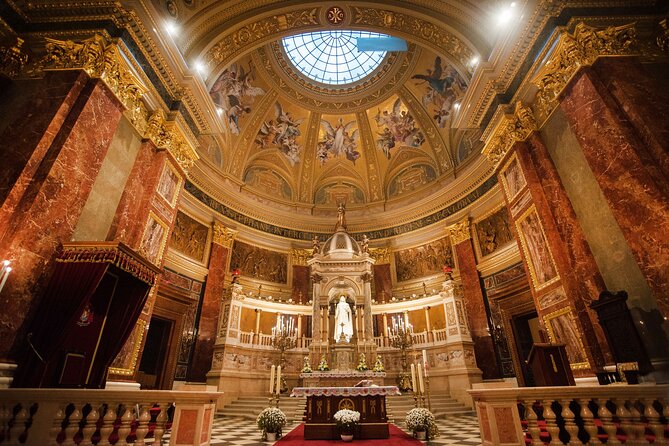
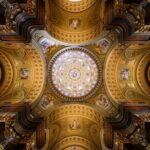
This is where the tour starts strong. St. Stephen’s Basilica (Szent Istvan Bazilika) is the kind of place that makes you slow down even if your day is tight. Inside you’ll see statues and frescoes tied to Hungary’s early monarchy, plus the standout detail: the mummified right hand of Saint Stephen.
Accessibility note is important. There is an accessible elevator for wheelchair users to enter the church, but it does not cover the tower area, including the treasury and the panoramic terrace. That means you’ll still get a rewarding interior visit, just not the high-up add-ons.
Timing-wise, plan on about 45 minutes at the Basilica, and the admission is included. The Basilica runs daily, but there’s one timing snag to watch for: it’s closed on Sunday morning for religious services. So if you’re choosing a Sunday departure, confirm whether your visit is adjusted around that. Also, remember the church dress norm: covering legs and shoulders is required in church areas.
Getting across Budapest without playing “find the steps”
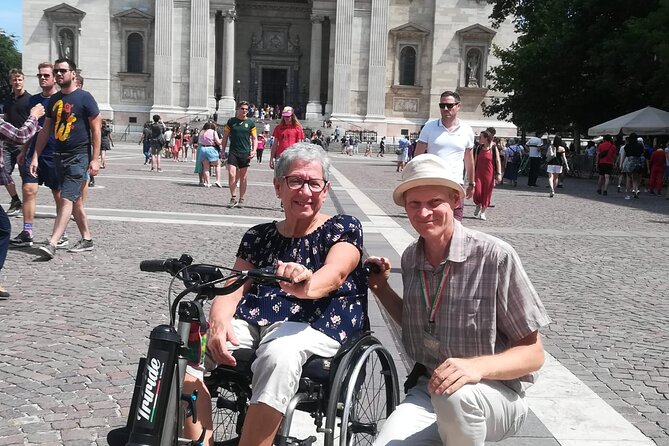
After the Basilica, you’ll head toward the Castle of Buda side. The tour routes you from the central traffic junction—the point that connects you into Pest’s old-town areas and the busy Inner City—then you take an accessible public bus toward Buda Castle.
That might sound basic, but it’s exactly the kind of planning that saves you stress. Budapest is beautiful, but the geography is not forgiving if you’re managing mobility challenges. Using accessible transport helps you focus on the city, not on whether a particular street corner has a staircase you can’t use.
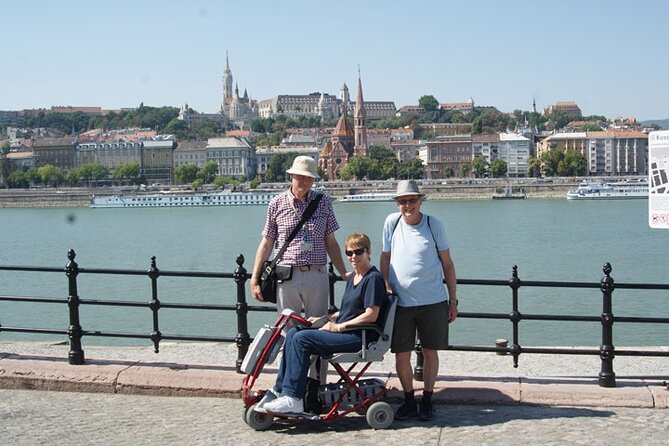
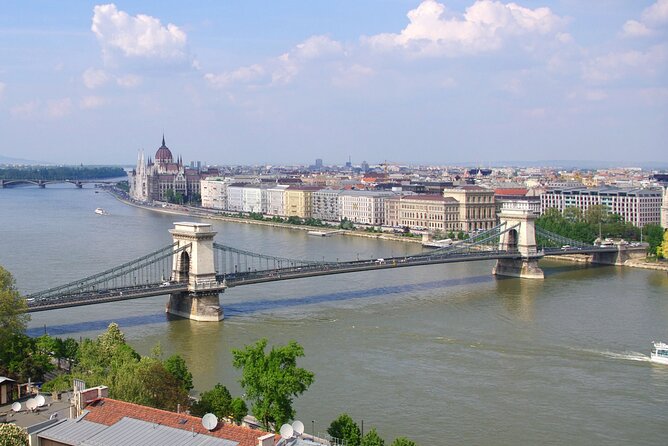
You’ll also cross the Danube as part of the journey to Buda Castle. One more real-world consideration: the tour notes that the iconic bridge was under renovation from 2021 to 2022. If a bridge closure or detour is in effect for your dates, the guide may adjust the transit plan. It’s worth keeping a little flexibility in your expectations, especially for a day with multiple stops.
Buda Castle panoramic terrace: the best view, less hassle
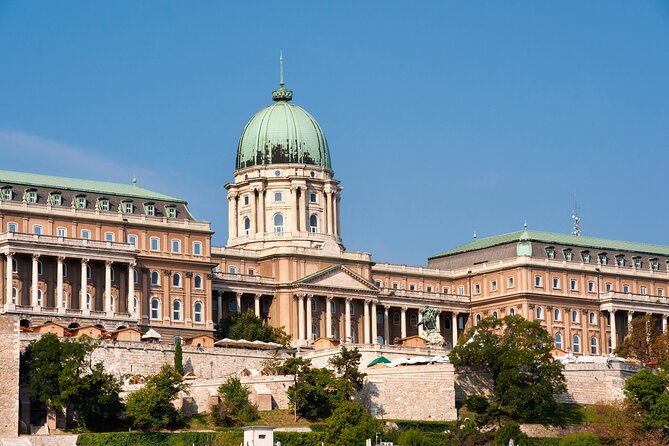
Once you reach Buda Castle, the tour keeps things practical. You’ll explore the panoramic terrace of the Royal Palace, which is where most people really come for the sweep of Budapest—the Danube, the Parliament area view, and the way the city layers across both banks.
You’ll get about 45 minutes here, and the admission ticket is free for this stop. The important part isn’t just the view—it’s the pacing. Terraces and open-sight viewpoints can be easier to manage than museum-style interiors when you’re in a mobility group.
This stop also helps set the tone for the whole day. If your energy is limited, getting one major, satisfying viewpoint early is a big deal. It turns the tour into a “win, then cruise” kind of experience instead of a marathon of mixed terrain.
Matthias-era sights: King Matthias fountain and Sandor Palace
Right around the Castle area, you’ll get a quick hit of decorative Budapest. The Fountain of King Matthias is a short stop—about 10 minutes—and it’s a nice reset after the big panoramic view. The fountain dates to the 19th century, and it’s the kind of detail you might miss if you were moving fast or bouncing between landmarks on your own.
Next up is Sandor Palace, which is the palace of the President. You’ll typically spot the guards in historical uniforms, a classic Budapest scene. Expect around 10 minutes here. The admission is not included, so you’re mainly there for the atmosphere and the photos.
If you’re traveling with limited walking distance, these shorter stops are actually a strength. They let you take in iconic sights without turning every moment into a fitness test.


Fisherman’s Bastion and Matthias Church: stunning views, one access gap
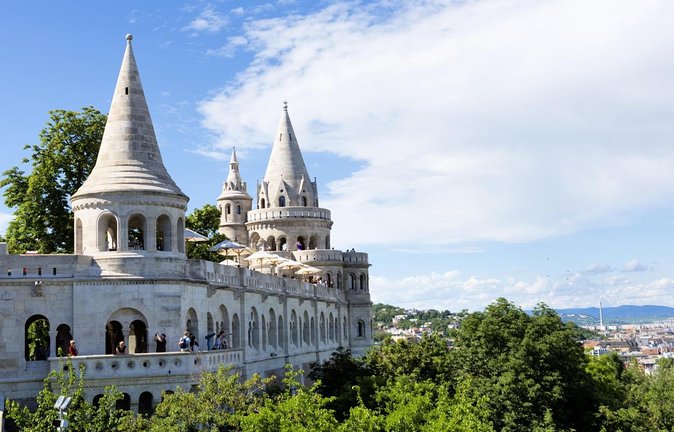
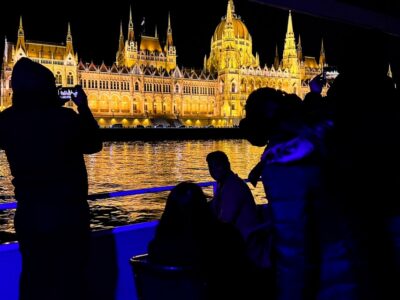
If you’ve seen photos of Budapest from a postcard angle, you’ve probably seen Fisherman’s Bastion. Here it’s timed for about 15 minutes, and the big draw is the panorama—especially toward the Danube and the Hungarian Parliament building. Admission isn’t included, but you’re mostly there to enjoy the viewpoint and the famous “storybook” look.
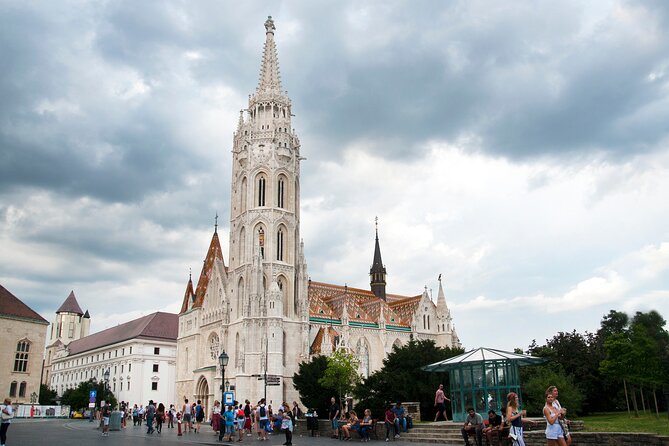
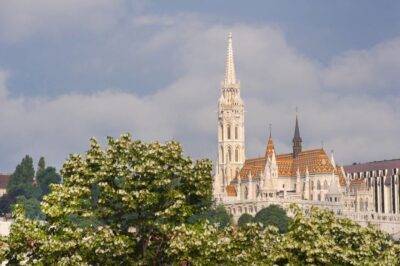
Just know what comes with Matthias Church. The tour includes time to walk around the Matthias Church exterior, built in a Gothic style and one of the city’s signature medieval landmarks. That part is easy to enjoy on foot.
The accessibility detail is the catch: the church is not accessible inside for wheelchair users. So if you’re a wheelchair user, your time here is mainly exterior and surrounding streets. The tour notes that walkers may visit the interior optionally upon request, which is helpful if your group has mixed mobility needs and not everyone needs the same route.
Also, Matthias Church admission is not included in the tour price. That matters if you were expecting a ticket-included interior visit for everyone. With the right expectations, though, the exterior + the surrounding views can still be a satisfying stop.
Andrássy Avenue and the ride to Heroes’ Square
Budapest’s Andrássy Avenue (Andrássy út) is one of those “you should see this” streets, and the tour handles it in a mobility-friendly way. It’s described as about 2 miles long, and instead of expecting you to walk the whole thing, you’ll take an accessible public bus along the avenue.
That’s a big quality-of-life detail. A long, scenic street sounds great—until you remember the climbing, the curbs, and the strain of staying upright for miles. Using transit here keeps the day enjoyable rather than exhausting.
From Andrássy Avenue you’ll ride toward Heroes’ Square. The transfer is part of the day’s pacing, which helps you save energy for the stops that actually require you to get out and look around.
Heroes’ Square and the Millennium Monument: Hungary in one wide frame
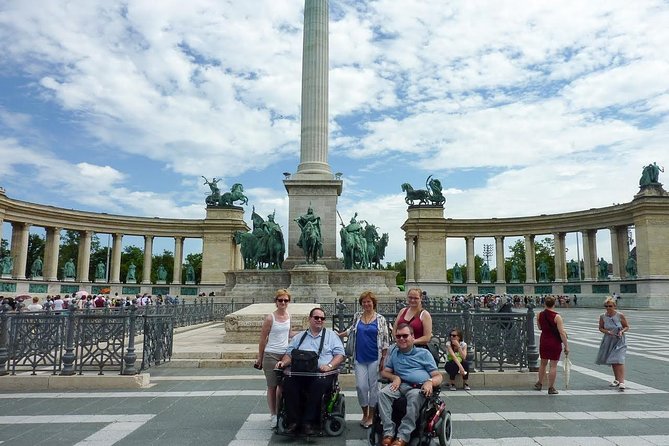
Heroes’ Square is the big formal square of Budapest, and it works because it’s built for standing back and taking it all in. You’ll have about 10 minutes to walk through the square’s grand setting.
The centerpiece is the Millennium Monument, commemorating 1000 years of Hungarian history. In front of the monument you’ll find the grave of the unknown heroes, and in the colonnades around you can admire statues of major kings and leaders.
This stop is a good match for a mobility-focused tour because it’s mostly about the view and the monument scale—not lining up for lots of separate ticketed attractions. It’s a “get the story in one glance” kind of moment.
City Park, Vajdahunyad Castle, and Anonymus: architecture in miniature
Next comes a change of pace in Budapest. You’ll head to Budapest City Park, described as the oldest public park in the world. The tour gives you time to move over a bridge to an island on the lake where Vajdahunyad Castle sits.
Vajdahunyad Castle is one of those places that feels like multiple eras in one courtyard. Around the courtyard you’ll see copies of buildings representing different periods and styles of Hungarian architecture. It’s visually fun and easier to enjoy than a single enclosed museum, especially if you’re working with limited stamina.
You’ll spend about 15 minutes here, and admission is free. Then there’s one smaller detail that’s worth paying attention to if you like people and ideas behind the art: the Anonymus Szobor—a statue of Anonymus, the first history writer of Hungary who lived in the 12th century—shown in the castle’s inner courtyard. That stop is short, about 10 minutes, and also free.
Why the guide’s approach matters more than the checklist
This is a private tour, so the guide can manage your day instead of forcing everyone into the same rigid route. The tour’s accessibility promise isn’t just about having the right vehicle. It’s about making real choices: picking stops that have accessible amenities, avoiding places with too many stairs and levels, and adjusting pacing so you’re not rushing through beautiful spaces.
I especially like how this type of guide planning pays off at the Basilica. An elevator isn’t enough on its own—you still need someone to route you correctly and keep you from ending up in parts that don’t work. Here, the elevator gets you inside the church, and you still get the meaningful interior highlights.
There are also clear limits, and I’d plan around them rather than hoping for miracles. The tower/treasury/panoramic terrace area at the Basilica is outside the elevator access, and Matthias Church interior is not accessible for wheelchair users. In other words: you’ll still get a strong day, but you may not get every “extra” feature you see in photos.
Price and value: $142.97 for a private accessible day in Budapest
At $142.97 per person, you’re paying for more than sightseeing. You’re paying for accessibility planning, a licensed professional guide, and a setup that reduces the hardest part of touring Budapest for mobility needs: sorting out usable routes and workable entrances.
Here’s what that price includes based on the tour details:
- Hotel pickup and drop-off (public transport or car/vehicle depending on the option)
- Admission to St. Stephen’s Basilica (with the Sunday morning service exception)
- A private group, so you’re not stuck with someone else’s pace
- Professional licensed guide
- Flexible departures are mentioned, which can matter for managing crowds and comfort
A few things cost extra:
- Public transport tickets are not included
- Lunch is not included (there’s an optional one-hour lunch break, and that hour may be excluded from the tour duration)
- Matthias Church admission is not included, and the interior isn’t accessible for wheelchair users
When I look at the value, the math isn’t just about ticket prices. The real value is time saved and frustration avoided. A day like this can become expensive in hidden ways if you need to keep re-routing. When the guide is doing that work, the tour price starts to feel fair fast.
Still, one caution. There’s a note that at least one booking felt the description was off about what’s included at the Castle area, and that poor timekeeping meant not all planned stops got covered. If you’re on a tight schedule, you’ll want to communicate your priorities early—tell the guide what matters most if time gets tight.
Who should book this tour (and who should plan differently)
This tour is a strong fit for:
- Wheelchair users and anyone with mobility issues who want a structured, accessible approach
- Travelers who value a guide that can adjust timing and routes instead of forcing you to “power through”
- People who want to see the core Budapest highlights without turning every stop into a navigation puzzle
It may be less ideal if:
- You’re counting on every interior of major churches and don’t want any access limitations (Matthias Church interior isn’t accessible for wheelchair users)
- You’re hoping for a super-long museum-style experience; the tour is paced as sightseeing blocks, not deep museum time
Should you book an Accessible Budapest Tour?
If you want Budapest without the stress of figuring out what’s step-free and what isn’t, this is an easy “yes, consider it” choice. The combination of hotel pickup, a licensed guide, and access-focused planning makes it a practical way to see both sides of the city.
Just go in with the right expectations. You’ll get elevator access into St. Stephen’s Basilica (with limitations), big panoramic rewards at Buda Castle and Fisherman’s Bastion, and a strong monument-and-park day. If Matthias Church interior matters to you, plan around the access gap for wheelchair users. And if you’re the type who wants every stop guaranteed, make your top priorities clear to the guide early so the day stays comfortable.
FAQ
Is St. Stephen’s Basilica entry included?
Yes. Entry to St. Stephen’s Basilica is included except for Sunday morning religious service. The elevator allows wheelchair users to enter the church, but it does not cover the tower area, treasury, or panoramic terrace.
How does the tour handle mobility needs during transit?
The tour uses accessible public bus routes where noted, and it offers hotel pickup and drop-off. There’s also an option to organize an accessible minibus if you wish.
Is Matthias Church included in the tour price?
No. Matthias Church admission is not included, and the interior is not accessible for wheelchair users. Walkers may be able to visit the interior optionally upon request.
Are public transport tickets included?
No. Public transport tickets are not included, even though accessible public transport is used for parts of the route.
How long is the tour, and is lunch included?
The tour runs about 4 to 6 hours. An optional one-hour lunch break is possible, and that lunch time may be excluded from the tour duration.
Where does the tour start and end?
It starts at Budapest, Szent István tér 4, 1051 Hungary and ends back at the meeting point. Pickup can be arranged if needed, with drop-off available at the hotel or in a selected point in the city.
More Tours in Budapest




More Tour Reviews in Budapest



Just Added: More Budapest Reviews
- Sightseeing flight over Budapest
★ 5.0 · 3 reviews - Budapest: Walking Tour with Chimney Cake & Polaroid Photos
★ 5.0 · 3 reviews - Self Guided Tour In Budapest With 100 Captivating Audio Stories
★ 5.0 · 3 reviews - Budapest Art Nouveau Walking Tour
★ 5.0 · 3 reviews - Hungary today: a no-taboo conversation
★ 5.0 · 3 reviews
Tours, compared.
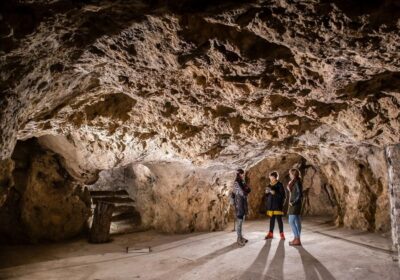 ★ 4.7Buda Castle Cave TourFrom $195,677 reviews
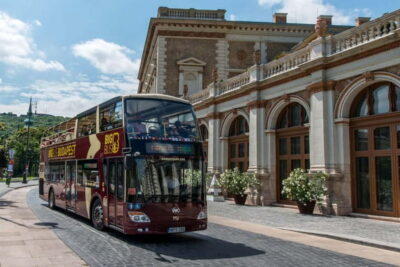 ★ 4.1Big Bus Hop-On Hop-Off Tour by Open-top BusFrom $414,493 reviews
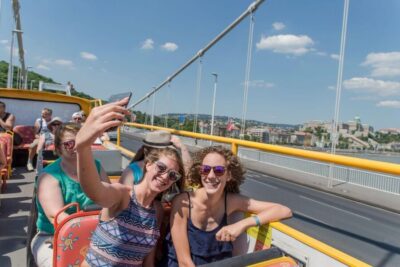 ★ 4.1City Sightseeing Hop-On Hop-Off Bus Tour & ExtrasFrom $414,337 reviews
 ★ 4.6Buda Castle District Vampires and Myths Night TourFrom $233,830 reviews
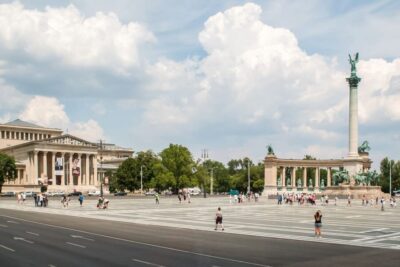 ★ 4.3Floating Bus Tour by Land and WaterFrom $283,342 reviews
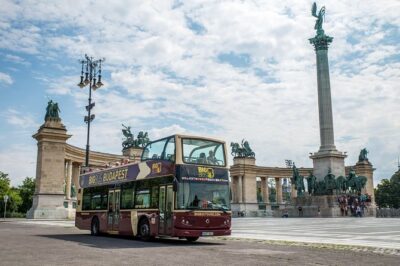 ★ 3.5Big Bus Budapest Hop-On Hop-Off Bus and Walking TourFrom $422,206 reviews
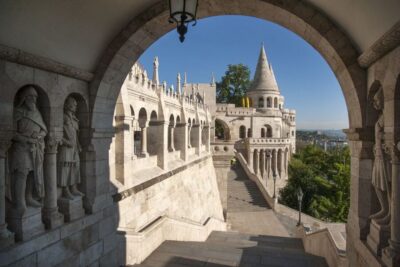 ★ 4.6Buda Castle District Walking TourFrom $142,108 reviews
 ★ 4.83-Hour Orientation Walking Tour of Buda and PestFrom $411,834 reviews