
Reviewed · SZENTENDRE DAY TRIPS
Hungary: Szentendre Retro Design Center Entry Ticket
Who knew the 1970s could fit in an hour? I love the heartwarming hippie welcome and the photo-ready classic vehicles. The main catch is logistics: it’s in Szentendre, outside Budapest, so you’ll want to plan your travel time.
This is one of those small museums that feels like a time capsule because it mixes vehicles with everyday life objects. I also like that the museum uses readable text guides in multiple languages, not just visual guessing games. If you’re expecting a long, deep museum marathon, the short visit can feel tight.
You’re looking at about 1,000 square meters packed with retro displays, including a collection of around 30 vintage cars, plus toys and household tech. For $11 for a one-hour ticket, it’s a straightforward, fun way to get a feel for everyday Eastern Bloc design.
In This Review
- Key points to know before you go
- Entering the Retro Design Center with a 70s hippie greeting
- The star attractions: Wartburg, Trabant, and the Ikarus bus for photos
- Polish Market Diorama and camping scene: mini worlds with big storytelling power
- Toys, TVs, radios, and household appliances: what daily life looked like
- 70s apartment rooms and music on the walls: the details that make it feel real
- Text guides in English, German, and Russian: read as you go
- Price and logistics: $11 is fair, but timing and distance are the real decisions
- How to plan your hour inside the museum
- Who this retro ticket is best for
- Should you book this Retro Design Center entry ticket?
- FAQ
- How long is the Retro Design Center entry ticket?
- What is included with the ticket price?
- Is there parking included?
- Who greets you when you arrive?
- What languages are the text guides available in?
- Can I sit in the vehicles for photos?
- What kinds of displays will I see besides cars?
- Is there free cancellation?
- Is reserve and pay later available?
Key points to know before you go
- A live English greeting on arrival sets the tone fast.
- Sit-in photo spots with vehicles like a pink Wartburg Cabriolet, Trabant, and the famous Ikarus bus.
- Polish Market Diorama plus a camping scene helps tell stories beyond cars.
- Communist-era objects everywhere: toys, appliances, radios, TV sets, and 70s LPs.
- Text guides are available in English, German, and Russian as you explore.
- Short timing makes it best after lunch or as part of a Budapest-area day trip.
Still narrowing it down? A few more Budapest tours to weigh against this one.
- From Budapest: Szentendre Artists’ Village Tour★ 4.0 · 61 reviews
- Szentendre, Visegrád and Esztergom Private Danube Bend Tour★ 4.9 · 23 reviews
- E-Bike Tour to Szentedre★ 5.0 · 20 reviews
- Private tour: Budapest>Szentendre>Visegrád>Esztergom & back★ 4.1 · 7 reviews
Entering the Retro Design Center with a 70s hippie greeting
The Retro Design Center starts the moment you step inside. You’re met by a friendly hippie girl who greets you in English, which instantly makes the place feel like it has a personality, not just a lineup of objects behind glass.
The museum is set up for a quick, focused visit. Plan on roughly an hour, and don’t treat it like a slow museum stroll where you’ll read every label. I like that the experience moves with you: the greeting, the layout, and the big eye-catching displays encourage you to keep going.
Also, this is a museum in a smaller town, Szentendre, not in the middle of Budapest. That’s charming, but it means your schedule needs a little more care. If you’re short on time in the Budapest area, you’ll want to build in travel buffer.
The star attractions: Wartburg, Trabant, and the Ikarus bus for photos
The headline draw here is the vehicles. You can sit in classic cars and take photos, which is half the fun of this ticket. It’s not just looking; it’s getting close enough to understand the scale and shapes that defined 1970s Eastern Europe.
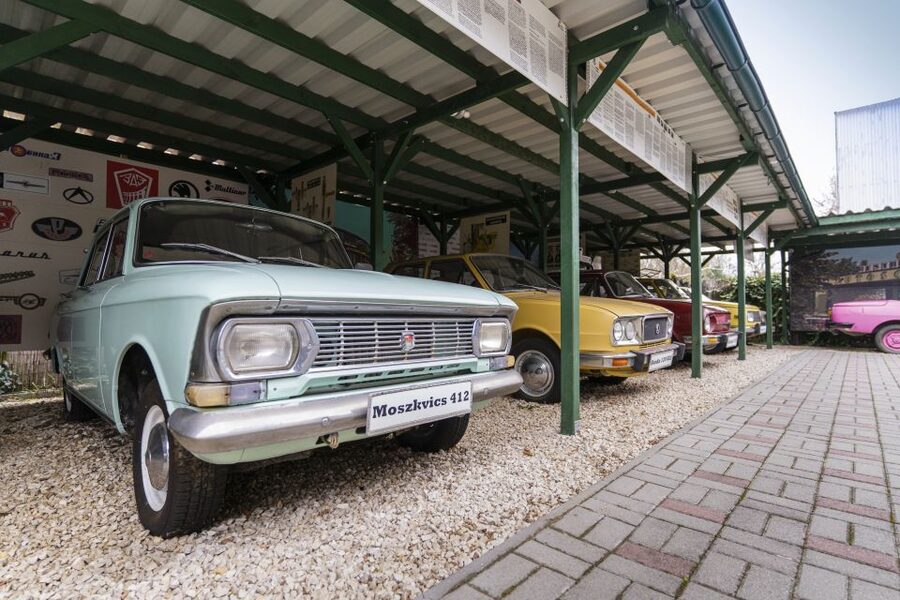
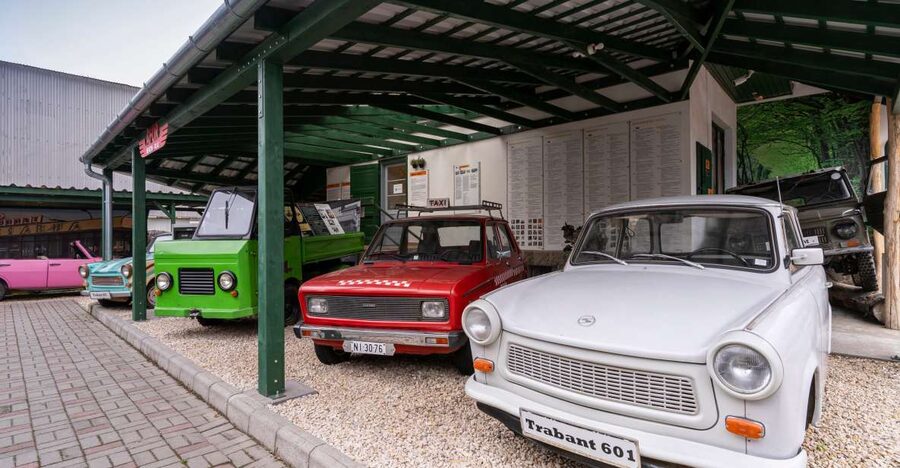
Among the featured vehicles are a pink Cabriolet Wartburg, a Trabant, and an Ikarus bus that gets serious attention on display. You’ll also see other classics in the mix, including Moskvitch, Zhighuli, and Moskvitch (listed among the car collection highlights), plus a hippie-themed Barkas Furgon van.
Why this matters for you: a lot of transport museums show vehicles behind ropes. Here, the experience is built around interaction, and that makes it easier to enjoy even if you’re not a car fanatic. If you’re traveling with teens or kids, photo opportunities usually beat lecturing about history every time.
A practical note: keep your phone charged and expect photo time to take longer than you think. When a museum lets you sit in iconic vehicles, you’ll naturally want multiple angles.
Polish Market Diorama and camping scene: mini worlds with big storytelling power
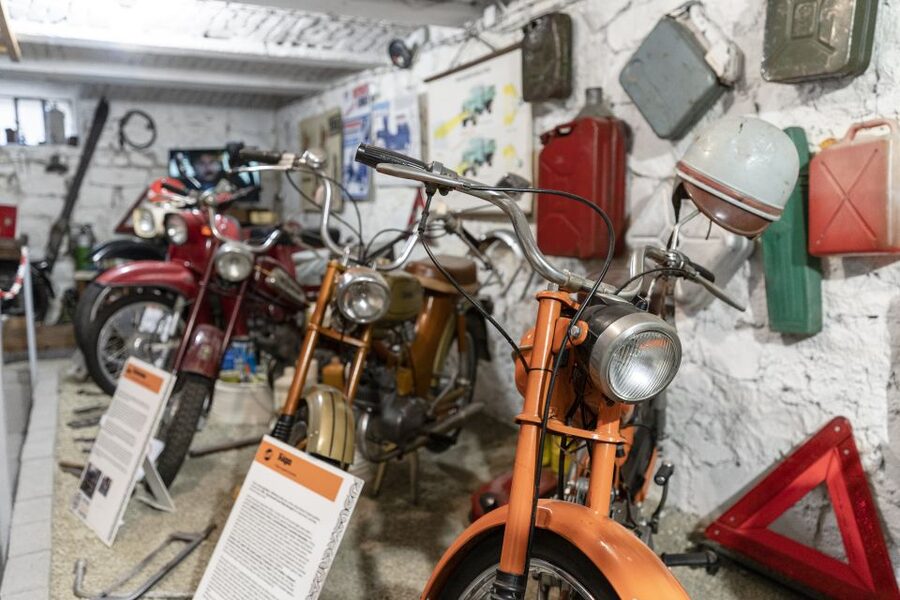
Past the vehicles, the museum shifts into small “set pieces” that explain what everyday life might have felt like. One of the standout displays is the Polish Market Diorama, which adds a social, not just mechanical, view of the era.
There’s also a camping scene. Even without long explanations, these mini displays help you connect objects to routines: shopping, leisure, and the textures of daily life. It’s the kind of exhibit that makes the rest of the museum snap into focus because it gives you context for the toys, appliances, and household items around it.
The dioramas are also a time-saver. In a short one-hour visit, they do the work of several different exhibit themes. You can get the meaning quickly, then spend more time with what you personally find interesting.
Toys, TVs, radios, and household appliances: what daily life looked like
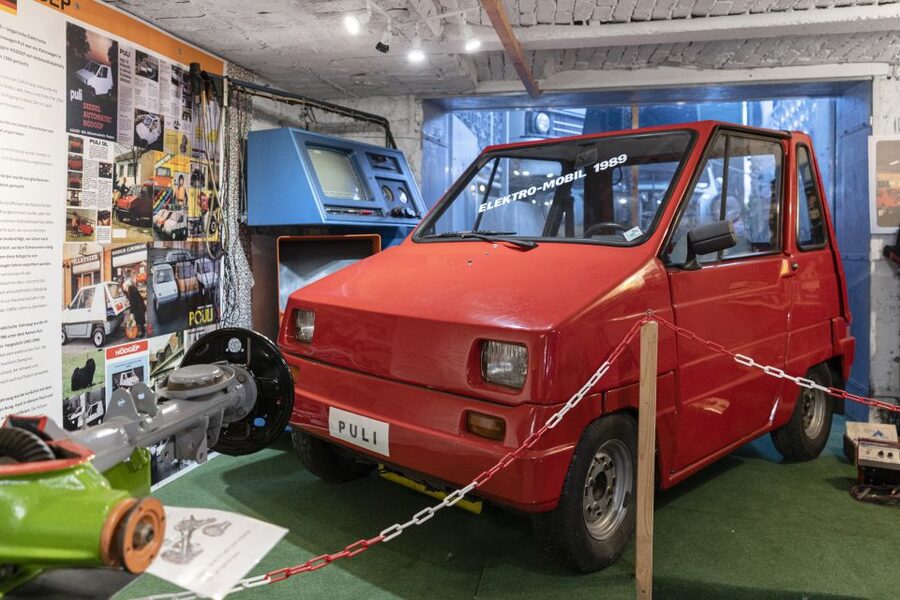
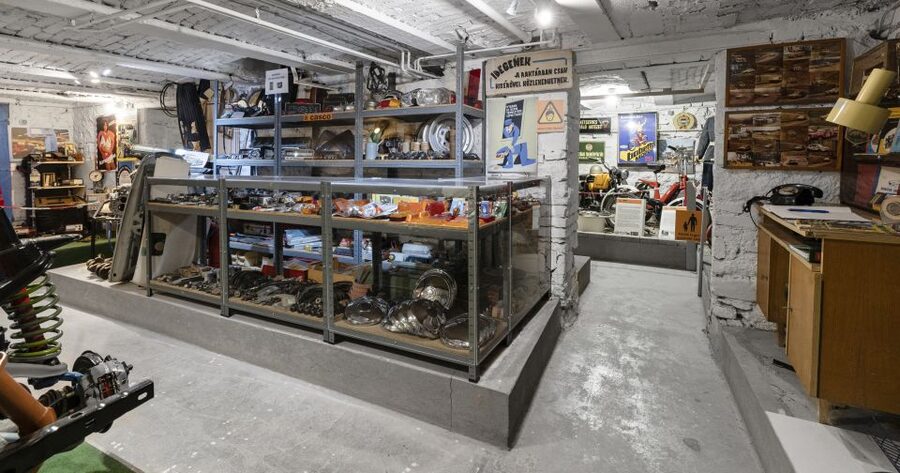
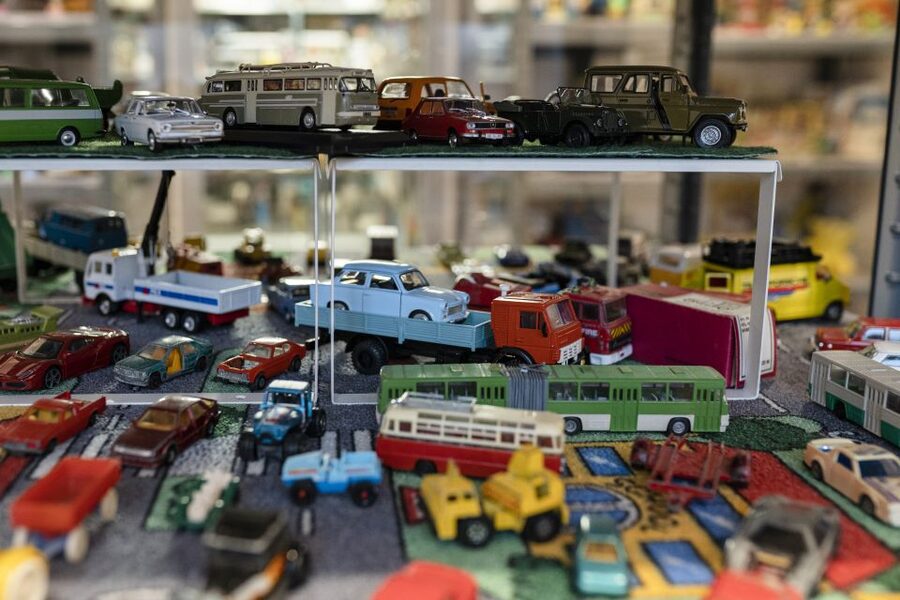
A huge part of the Retro Design Center is dedicated to everyday technology and “home” objects. You’ll see displays of communist-era toys and household appliances, along with television sets and radios.
Then there are the details that make the place feel lived-in: walls covered with 70s LPs, plus a furnished apartment-style setup. You can move through a living-room and kitchen display decorated to fit the era, which helps you picture how objects were arranged and used, not just collected.
Here’s the value for you: if you like history, this museum doesn’t only talk politics. It shows how design and material life felt. That’s often what sticks after a trip—how people organized their homes, played with toys, listened to music, and used household electronics.
One more thing I like: the museum uses written text guides in several languages, so you’re not left guessing. You can get a quick read on what each room or object is meant to represent.
Cobbles and galleries up in Szentendre

70s apartment rooms and music on the walls: the details that make it feel real
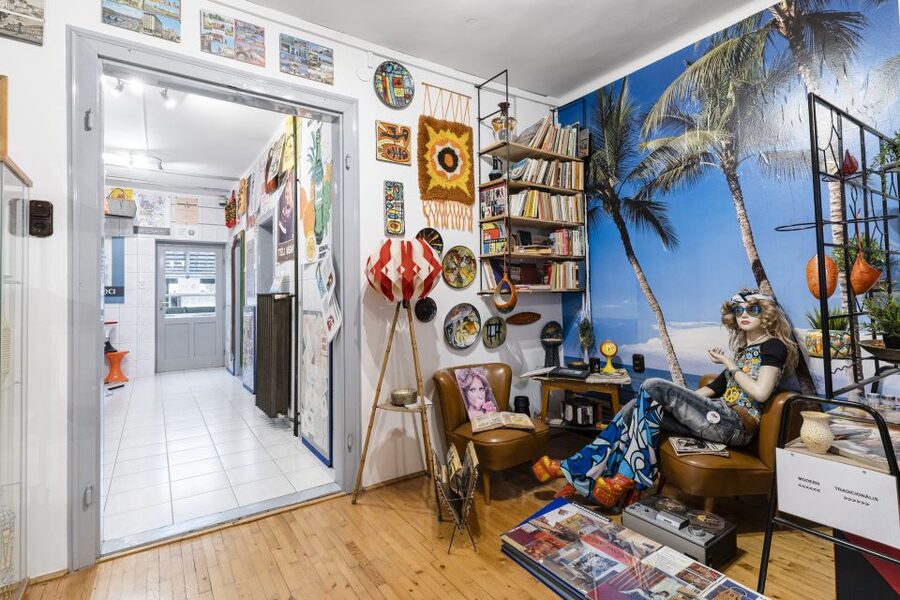
If you’re the type who notices small design choices, you’ll probably enjoy the furnished apartment spaces. The museum includes a living room and kitchen, decorated in a 70s style, so the exhibit doesn’t just list items—it recreates a mood.
And those LPs on the walls matter more than you might expect. Vinyl records aren’t just decor; they’re a clue to what entertainment and listening culture looked like. It helps connect technology displays (radios, TVs) to actual daily downtime.
This is also where the museum earns points for pacing. Even if you spend most of your energy on cars, you’ll still get a meaningful “life in the 70s” takeaway by the time you’ve walked through the apartment-style rooms.
Text guides in English, German, and Russian: read as you go
A big plus is that the museum relies on a written text guide as you explore. The text is available in English, German, and Russian, which makes it easier to understand the exhibits without needing an expert lecturer beside you.
For practical travelers, this matters because it lowers pressure. You don’t have to catch a spoken explanation at the perfect time, and you can move at your own speed while you read.
In an hour-long visit, this also helps you prioritize. Skim the text in the areas that matter most to you—cars first, then dioramas, then the room displays.
Price and logistics: $11 is fair, but timing and distance are the real decisions
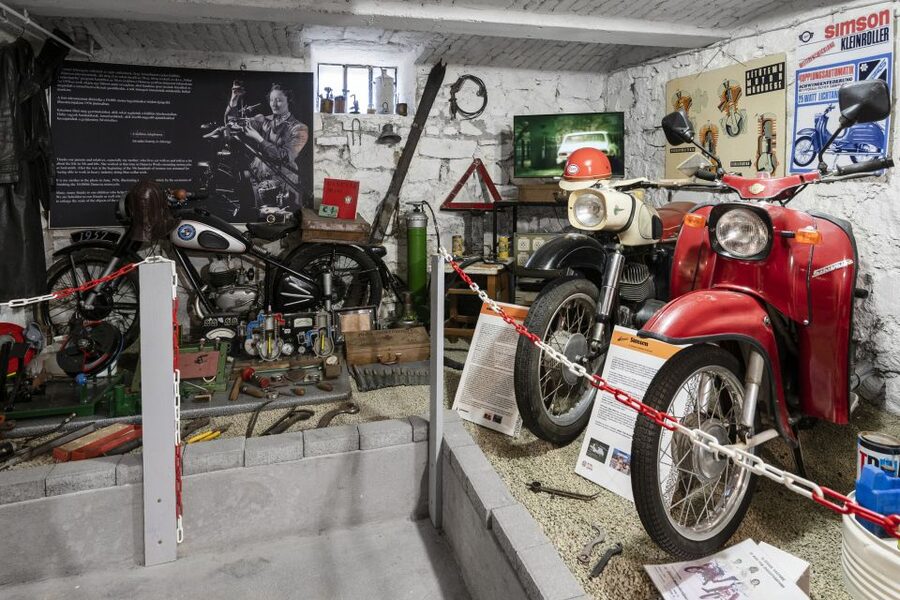
At about $11 per person for roughly one hour, the price-to-experience ratio is solid. You’re paying for admission to a compact museum packed with vehicles you can sit in, plus multiple thematic rooms and interactive-style photo moments.
Parking isn’t included, so if you’re driving, you’ll want to plan for that cost separately. The museum is in Szentendre, and that makes transportation part of the value equation. If you’re coming from Budapest, your biggest “budget” is time spent getting there and back.
One timing detail to watch: the building may be open later, but the structured visit format tied to tickets can be limited. So when you pick your entry time, confirm you’re booking the correct slot for the visit you want. If your day in Szentendre is tight, this is the easiest way to avoid disappointment.
How to plan your hour inside the museum
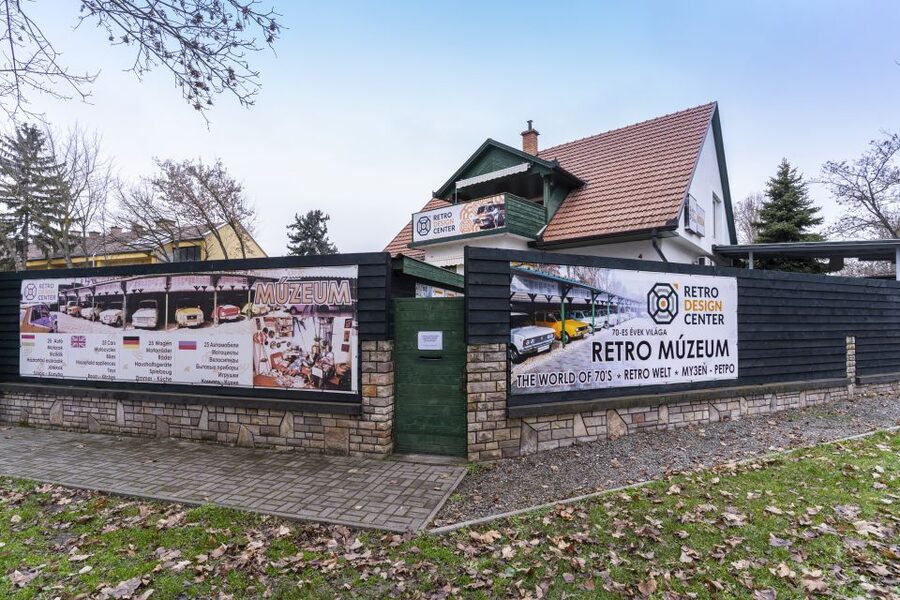
You can’t see everything equally in one hour, so you’ll get more satisfaction by choosing your route.
A smart approach:
- Start with the vehicles so you have energy for the photo-sitting part.
- Then go to the diorama spaces, especially the Polish Market Diorama and camping display.
- Finish with the indoor tech and home-life exhibits: toys, radios, TV sets, appliances, LPs, and the apartment rooms.
If you’re traveling with kids, prioritize vehicles and toys first, then let the apartment rooms and electronics be the bonus. If you’re traveling solo and focused on design details, you’ll likely spend more time reading the text guides in the apartment and household-tech areas.
Also, plan for how long photos take. The museum doesn’t force a strict pace on you, but the one-hour duration means you’ll feel time moving if you linger too long in only one corner.
Who this retro ticket is best for
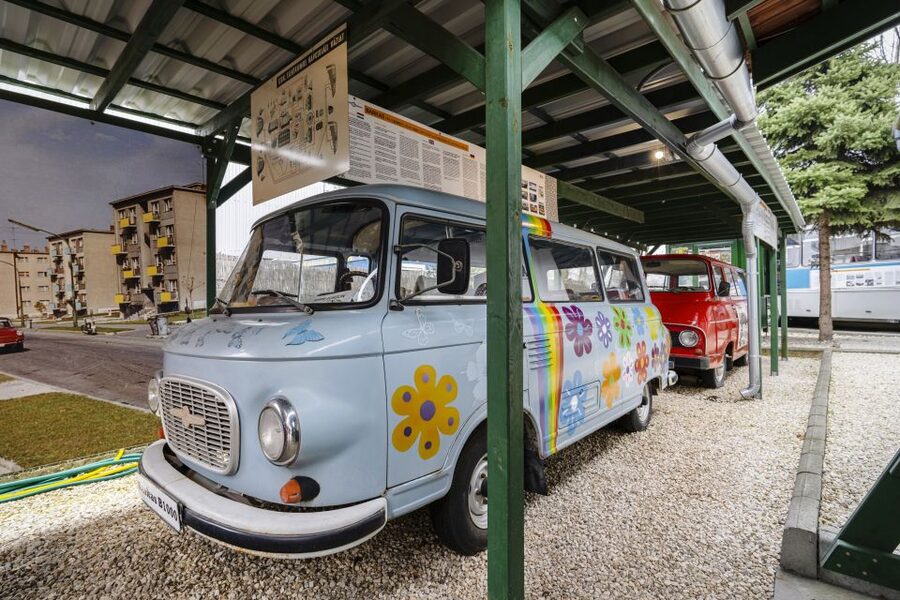
This is a great fit if you enjoy:
- Nostalgia for the 70s and 80s or just a curiosity about everyday Eastern Bloc life
- Cars and buses as design objects, not only as machines
- People who like short museum stops after lunch
- Families, since the toy displays and interactive photo spots work well for younger visitors
It’s less ideal if you want:
- A long, slow museum visit
- Deep specialist commentary on political history
- A purely quiet, read-every-label experience with no time pressure
For most people, though, it hits a sweet spot: enough variety for a full hour, without the “two hours later I’m still reading” fatigue.
Should you book this Retro Design Center entry ticket?
Book it if you want a compact, fun time-trip built around objects you can actually see up close—and especially if you’re curious about daily life design in the 70s. At about $11 for a one-hour visit, the value is strong for a museum that mixes vehicles, dioramas, and home-life technology.
Skip it or rethink your timing if the commute doesn’t work for your day, or if you’re trying to fit it into a schedule with zero buffer. This experience rewards a relaxed pace and the right entry time.
If you’re visiting Szentendre anyway, this ticket is an easy add-on. It’s one of those stops that gives you vivid, photo-friendly memories and a clearer sense of what the era looked like beyond textbooks.
FAQ
How long is the Retro Design Center entry ticket?
The ticket experience is listed as 1 hour.
What is included with the ticket price?
The ticket includes admission to the Retro Design Center exhibits.
Is there parking included?
No, parking is not included.
Who greets you when you arrive?
A host or greeter is available in English.
What languages are the text guides available in?
The written text guide is available in English, German, and Russian.
Can I sit in the vehicles for photos?
Yes. You can sit in retro vehicles such as the pink Cabriolet Wartburg, a Trabant, or an Ikarus bus and take photos.
What kinds of displays will I see besides cars?
You’ll also see the Polish Market Diorama, communist-era toys and household appliances, television sets, radios, and a furnished apartment-style display with a living room and kitchen.
Is there free cancellation?
Yes. You can cancel up to 24 hours in advance for a full refund.
Is reserve and pay later available?
Yes. You can reserve now and pay later, with the option to pay nothing today.
More Tour Reviews in Szentendre






A Day in Szentendre
Just Added: More Budapest Reviews
- Szentendre: Arts and Cafés Tour (Half-Day Private Tour)
★ 5.0 · 3 reviews - Budapest by Bike – 1 Day Bike Rental (9am-6pm)
★ 4.4 · 7 reviews - Hungary: Szentendre Retro Design Center Entry Ticket
★ 4.5 · 10 reviews - E-Bike Tour to Szentedre
★ 5.0 · 20 reviews - Szentendre, Visegrád and Esztergom Private Danube Bend Tour
★ 4.9 · 23 reviews
Szentendre Day Trips, compared.
 ★ 4.1From Budapest: Danube Bend & Szentendre Tour with LunchFrom $128824 reviews
 ★ 4.2From Budapest: Szentendre Half-Day TourFrom $73338 reviews
 ★ 4.5Szentendre Daytrip (Artists’ Village) small groupFrom $95151 reviews
 ★ 5.0Private Guided Tour to Szentendre & Visegrád Castle (Danube Bend)From $15193 reviews
 ★ 4.0Szentendre the Artists Village Half-Day Tour from BudapestFrom $8180 reviews
 ★ 4.0From Budapest: Szentendre Artists’ Village TourFrom $7361 reviews
 ★ 4.5Szentendre and Visegrad Private Danube bend Tour With Wine Tasting and LunchFrom $33152 reviews
 ★ 5.0Szentendre, Visegrád & Esztergom Private Danube Bend TourFrom $29047 reviews
Browse the lists this tour appears in